ABOUT
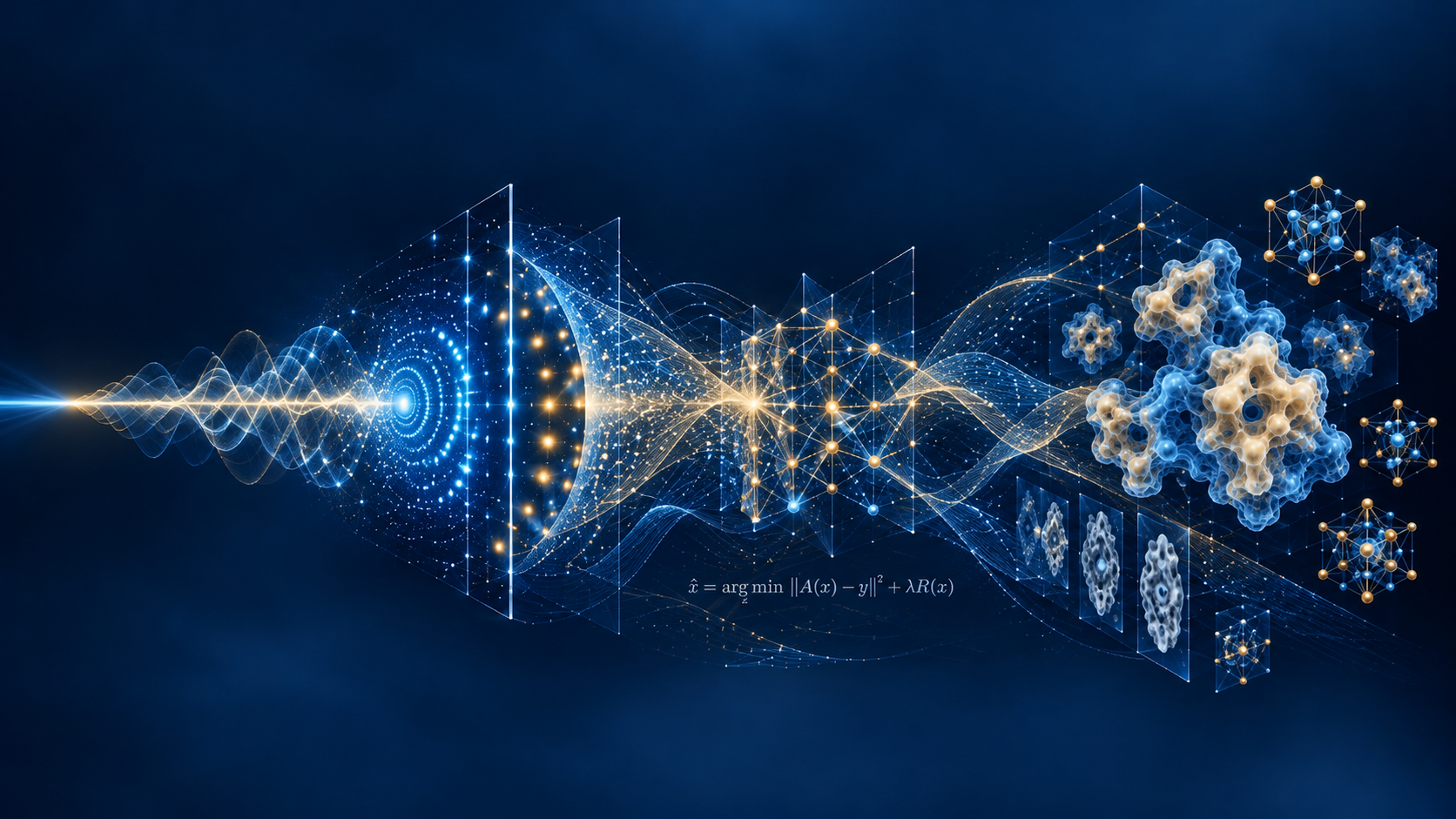
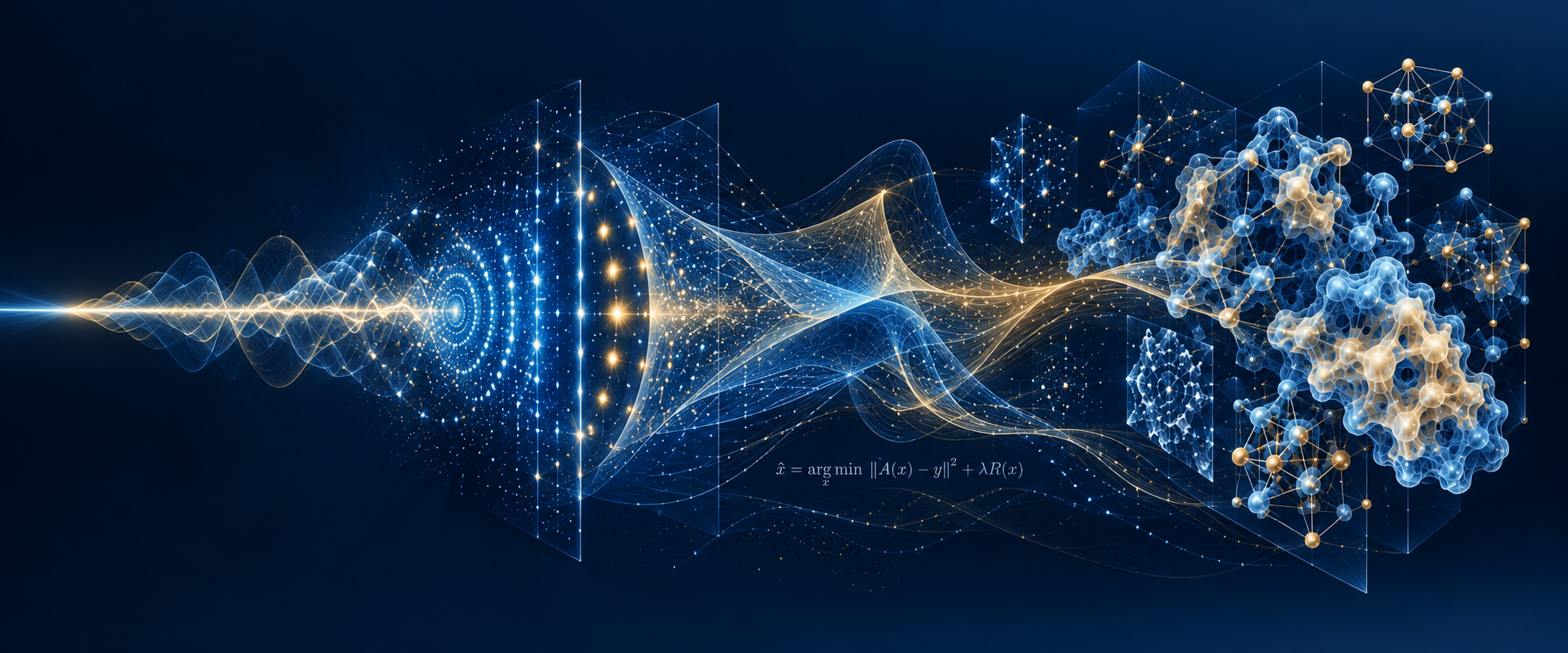
Artificial intelligence has become a transformative tool in science and industry, but it has not yet made a significant contribution at large-scale facilities for X-ray and neutron science such as MAX IV and ESS, while in other countries, such as the USA, it is already a key tool at synchrotron radiation and neutron facilities. Generating Advances with AI for Neutrons/X-rays (GAIN) is an interdisciplinary platform that discusses and devises roadmaps and implementations of AI data-driven solutions to address open challenges and tasks at these facilities.
The theme covers accelerator operation, experiment optimization, and data analysis and interpretation, ultimately leading to the generation of scientific knowledge. Its work is organized in three working groups: AI for sustainable accelerators, AI for optimized experiments, and AI for knowledge. By uniting world-leading experimentalists from neutron and X-ray facilities, AI scientists, and users of such facilities, GAIN aims to establish a roadmap for integrating AI at MAX IV and ESS, with the goal of enhancing facility operations, reducing user entry barriers, and bridging the gap between experiments and knowledge.
GAIN aims to create the first Swedish forum that brings together scientists from large-scale facilities, users of such facilities, and AI experts for scientific computing. Through workshops and hackathons, webinars, summer schools, guest researcher visits, and an international conference, the theme will build an international network, identify bottlenecks before, during, and after neutron and X-ray experiments, and train students, researchers, and industrial partners in the use of AI at large-scale facilities. As a cross-focused area theme, GAIN will evaluate AI tools for techniques and data analysis in all LINXS focus areas, such as imaging, diffraction, spectroscopy, and scattering.
HAPPENING IN GAIN
CORE GROUP
Generating Advances with AI for Neutrons/X-rays co-leader of WG1 (AI for sustainable accelerators) LINXS Fellow
Associate professor, Lund University, Lund, Sweden
Francesca is an associate professor in accelerator physics at the Department of Physics, Lund University, and is affiliated with MAX IV Laboratory. She has 20 years of experience in advanced beam dynamics, free-electron laser (FEL) physics, and research at large-scale facilities. Her focus is on linear accelerators, beam dynamics, and FEL modelling, with particular emphasis on seeding techniques and advanced schemes for double-pulse generation and the production of ultra-short electron bunches. She is heavily involved in teaching accelerator physics at Lund University and has supervised many doctoral, master’s, and bachelor’s students. Francesca serves on several boards and international committees, including the Lund Laser Centre (LLC) and the International Executive Committee of the FEL Conference. She has organised scientific workshops and conferences within the FEL and accelerator community, contributed to several scientific committees, and regularly reviews for journals in the field. She maintains long-standing collaborations with DESY and FERMI at Elettra Sincrotrone Trieste. Her current work includes applying machine learning methods to develop virtual diagnostics for accelerators.
Generating Advances with AI for Neutrons/X-rays co-leader of WG1 (AI for sustainable accelerators) LINXS Fellow
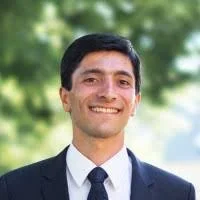
Accelerator Scientist, European Spallation Source (ESS), Lund, Sweden
Ishkhan Gorgisyan is an accelerator scientist in the Beam Physics group at ESS. With more than ten years of experience at world-leading large-scale accelerator facilities, he has a proven track record in beam dynamics and diagnostics for both proton and electron machines, as well as in novel acceleration techniques, beamline automation, optimisation, and advanced instrumentation. Having worked across different sections of a variety of accelerators, he has a comprehensive overview of the operating principles of large-scale accelerators. His work on X-ray FEL diagnostics at PSI, proton and electron beam diagnostics at CERN, X-ray beamline instrumentation at MAX IV, and beam dynamics studies at ESS has given him broad, cross-domain expertise in accelerator science. At ESS, among other activities, he develops automation routines and machine learning-based optimisation tools for accelerator commissioning and operation, and explores possibilities for new machine learning applications across the accelerator complex.
Generating Advances with AI for Neutrons/X-rays co-leader of WG2 (AI for optimized experiments) LINXS Fellow
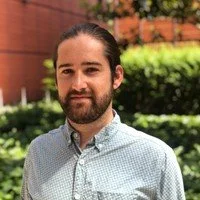
Research Engineer, MAX IV laboratory, Lund, Sweden
Zdenek is scientific software coordinator in the Scientific Data group at MAX IV Laboratory, where he has been shaping scientific computing and data analysis for more than a decade. He coordinates the development of software infrastructure that enables high-performance, high-throughput data acquisition and large-scale analysis across MAX IV beamlines. With a background in condensed matter and materials physics and hands-on experience as a synchrotron beamline researcher, Zdenek develops robust software solutions for X-ray science. His current work focuses strongly on AI-powered applications, integrating machine learning and automated pipelines to accelerate data reduction and improve experiment feedback. He contributes actively to European collaborations among major photon and neutron facilities, working on FAIR data, EOSC integration, data reduction strategies, and broader AI adoption, particularly through LEAPS Working Group 3 and several EU Horizon projects. Across LEAPS and MAX IV, he specialises in turning prototype analysis methods, including hardware-accelerated and AI-driven approaches, into operational, high-readiness systems for the scientific user community.
Generating Advances with AI for Neutrons/X-rays co-leader of WG2 (AI for optimized experiments) LINXS Fellow
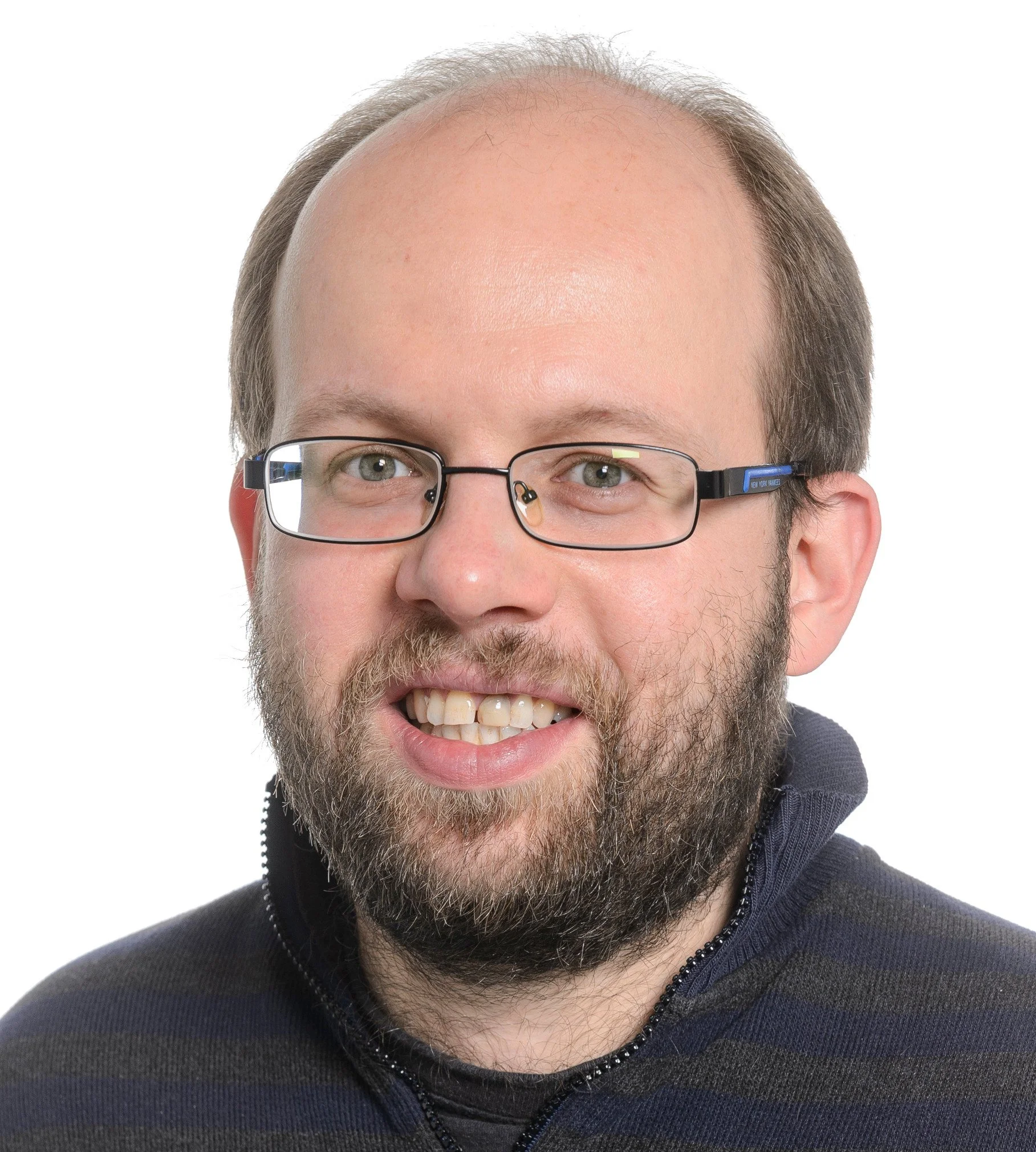
Researcher, European Spallation Source (ESS), Lund, Sweden
Oliver Hammond is the instrument data scientist for small-angle scattering at ESS, based in the Data Management and Software Centre (DMSC). He is responsible for coordinating the full data analysis pipelines for current (LoKI, SKADI) and future SANS instrumentation, alongside a significant research profile in ionic liquids and deep eutectic solvents. Oliver holds an adjunct faculty position at KTH Royal Institute of Technology, focused on neutron scattering for soft materials, and is a core LINXS member leading the Young Researchers’ Initiative on Soft Matter. He is particularly interested in user-oriented methodological advances for neutron instrumentation and sample environment integration, aiming to match the instrument control capabilities developed at X-ray sources for automated data reduction and analysis, and leveraging AI approaches where viable. In GAIN, he helps bridge the gap between experiments (WG2) and analysis (WG3).
Generating Advances with AI for Neutrons/X-rays co-leader of WG3 (AI for knowledge)LINXS Fellow
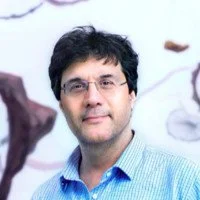
Professor, KTH Royal Institute of Technology, Stockholm, Sweden
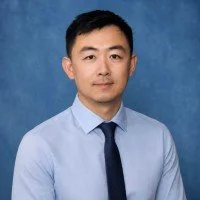
Ozan is a professor of mathematics at KTH Royal Institute of Technology. He is an applied mathematician who has spent the past 25 years developing theory and algorithms for large-scale ill-posed inverse problems in tomography, microscopy, and structural biology. After starting in pure mathematics, his work shifted towards computational methods driven by real-world needs in science, medicine, and industry. Since 2014, he has led KTH’s interdisciplinary Mathematical Imaging Science group, including collaborations with industrial partners to develop AI models for tomographic imaging systems, giving him deep expertise in physics-informed AI for tomography. He also led the development of the ODL software framework for inverse problems, which integrates high-performance computing libraries with deep learning tools. Ozan brings extensive leadership experience from senior roles at KTH, including strategic coordination for the Center for Industrial and Applied Mathematics (2009–2017) and leadership of KTH’s Life Science Technologies platform (2012–2018). He has a strong track record of building collaborations and launching new research directions, further strengthened by a visiting professorship at the University of Cambridge and the Alan Turing Institute (2018–2019). In addition, he has worked for over 15 years in R&D in Swedish industry, in areas ranging from financial risk control and biomedical imaging to computational software.
Generating Advances with AI for Neutrons/X-rays co-leader of WG3 (AI for knowledge) LINXS Fellow
Associate Professor, Lund University, Lund, Sweden
Mengwu is an associate professor in scientific computing at the Centre for Mathematical Sciences, Lund University. With an interdisciplinary background in computational mathematics and applied sciences, he develops novel computational methods for real-world scientific and engineering applications. Mengwu is highly active in the international scientific machine learning community, and his recent research focuses on probabilistic numerical methods for physics-aware machine learning and data-driven model discovery. He holds grants from the Swedish Research Council (VR), the Crafoord Foundation, and the Wallenberg AI, Autonomous Systems and Software Program (WASP) for research on data-driven scientific computing and the mathematical foundations of physics-aware AI. Mengwu is co-coordinator of the Advanced Study Group Computational Science Curriculum at the Pufendorf Institute for Advanced Studies in Lund, and he co-initiated and coordinated the Strategic Research Initiative Bridging Numerical Analysis and Machine Learning, supported by the 4TU Applied Mathematics Institute in the Netherlands.
Generating Advances with AI for Neutrons/X-rays co-leader of WG3 (AI for knowledge) LINXS Fellow
Division Head of Data Management and Software Centre (DMSC), European Spallation Source (ESS), Lyngby, Denmark
Thomas is head of the Data Management and Software Centre (DMSC) at the European Spallation Source ERIC (ESS), where he is responsible for providing data management and scientific software solutions that support users from proposal to publication, and for leading ESS’s adoption of AI in scientific workflows. Before joining ESS, Thomas held senior roles in start-up companies developing atomistic simulation software, and conducted postdoctoral research in computational enzyme catalysis and biophysics at Lund University and The Scripps Research Institute in California, USA. He holds an MSc in theoretical chemistry from the University of Copenhagen and a PhD in computational physics from the Technical University of Denmark. Thomas has played a key role in developing advanced computing infrastructure and open-source software for European neutron science, has helped lead pan-European collaborations such as the EU-funded projects SINE2020 and PaNOSC, and is spokesperson for the scientific computing domain in the League of European Neutron Sources (LENS). He also serves on advisory committees, including the Scientific Computing Steering Committee for HFIR and SNS at Oak Ridge National Laboratory, is ESS’s main delegate to the European Open Science Cloud (EOSC) Association, and co-organises international summer schools and workshops in neutron science and scientific computing.
WORKING GROUPS FOR GAIN
Working Group 1
AI for sustainable accelerators
Working Group 1 is focused on the development of AI tools to support the operation and design of accelerators such as those at MAX IV and ESS, to optimise their usage, minimise downtime, and improve their sustainability. WG1 will establish a network of accelerator physicists and AI experts across different facilities, including those pioneering AI initiatives, educate students to lead this work and solve current challenges, and explore the potential of AI not only to improve the operation of current accelerators but also to design the next generation of accelerators for large-scale facilities.
Generating Advances with AI for Neutrons/X-rays co-leader of WG1 (AI for sustainable accelerators) LINXS Fellow
Associate professor, Lund University, Lund, Sweden
Francesca is an associate professor in accelerator physics at the Department of Physics, Lund University, and is affiliated with MAX IV Laboratory. She has 20 years of experience in advanced beam dynamics, free-electron laser (FEL) physics, and research at large-scale facilities. Her focus is on linear accelerators, beam dynamics, and FEL modelling, with particular emphasis on seeding techniques and advanced schemes for double-pulse generation and the production of ultra-short electron bunches. She is heavily involved in teaching accelerator physics at Lund University and has supervised many doctoral, master’s, and bachelor’s students. Francesca serves on several boards and international committees, including the Lund Laser Centre (LLC) and the International Executive Committee of the FEL Conference. She has organised scientific workshops and conferences within the FEL and accelerator community, contributed to several scientific committees, and regularly reviews for journals in the field. She maintains long-standing collaborations with DESY and FERMI at Elettra Sincrotrone Trieste. Her current work includes applying machine learning methods to develop virtual diagnostics for accelerators.
Generating Advances with AI for Neutrons/X-rays co-leader of WG1 (AI for sustainable accelerators) LINXS Fellow
Accelerator Scientist, European Spallation Source (ESS), Lund, Sweden
Ishkhan Gorgisyan is an accelerator scientist in the Beam Physics group at ESS. With more than ten years of experience at world-leading large-scale accelerator facilities, he has a proven track record in beam dynamics and diagnostics for both proton and electron machines, as well as in novel acceleration techniques, beamline automation, optimisation, and advanced instrumentation. Having worked across different sections of a variety of accelerators, he has a comprehensive overview of the operating principles of large-scale accelerators. His work on X-ray FEL diagnostics at PSI, proton and electron beam diagnostics at CERN, X-ray beamline instrumentation at MAX IV, and beam dynamics studies at ESS has given him broad, cross-domain expertise in accelerator science. At ESS, among other activities, he develops automation routines and machine learning-based optimisation tools for accelerator commissioning and operation, and explores possibilities for new machine learning applications across the accelerator complex.
WORKING GROUP 2
AI for optimized experiments
Working Group 2 focuses on optimising the success of experiments at neutron and X-ray facilities by using AI tools to assist with the preparation and execution of measurements. Ultimately, WG2 aims to reduce the entry barrier and facilitate the use of facilities such as MAX IV and ESS. WG2 will establish a network of neutron and X-ray instrument scientists, AI and computing experts specialising in large-scale facilities, and advanced users familiar with AI, create a forum where users and experts can identify needs and bottlenecks for successful experiments, educate users and instrument scientists in the use of AI tools for preparing and running experiments, and explore new opportunities for AI within the scope of WG2.
Generating Advances with AI for Neutrons/X-rays co-leader of WG2 (AI for optimized experiments) LINXS Fellow
Research Engineer, MAX IV laboratory, Lund, Sweden
Zdenek is scientific software coordinator in the Scientific Data group at MAX IV Laboratory, where he has been shaping scientific computing and data analysis for more than a decade. He coordinates the development of software infrastructure that enables high-performance, high-throughput data acquisition and large-scale analysis across MAX IV beamlines. With a background in condensed matter and materials physics and hands-on experience as a synchrotron beamline researcher, Zdenek develops robust software solutions for X-ray science. His current work focuses strongly on AI-powered applications, integrating machine learning and automated pipelines to accelerate data reduction and improve experiment feedback. He contributes actively to European collaborations among major photon and neutron facilities, working on FAIR data, EOSC integration, data reduction strategies, and broader AI adoption, particularly through LEAPS Working Group 3 and several EU Horizon projects. Across LEAPS and MAX IV, he specialises in turning prototype analysis methods, including hardware-accelerated and AI-driven approaches, into operational, high-readiness systems for the scientific user community.
Generating Advances with AI for Neutrons/X-rays co-leader of WG2 (AI for optimized experiments) LINXS Fellow
Researcher, European Spallation Source (ESS), Lund, Sweden
Oliver Hammond is the instrument data scientist for small-angle scattering at ESS, based in the Data Management and Software Centre (DMSC). He is responsible for coordinating the full data analysis pipelines for current (LoKI, SKADI) and future SANS instrumentation, alongside a significant research profile in ionic liquids and deep eutectic solvents. Oliver holds an adjunct faculty position at KTH Royal Institute of Technology, focused on neutron scattering for soft materials, and is a core LINXS member leading the Young Researchers’ Initiative on Soft Matter. He is particularly interested in user-oriented methodological advances for neutron instrumentation and sample environment integration, aiming to match the instrument control capabilities developed at X-ray sources for automated data reduction and analysis, and leveraging AI approaches where viable. In GAIN, he helps bridge the gap between experiments (WG2) and analysis (WG3).
WORKING GROUP 3
AI for knowledge
Working Group 3 focuses on finding AI tools to assist data analysis and bridge the gap between performing an experiment at large-scale facilities and extracting knowledge. The working group is multidisciplinary and covers techniques used across all LINXS focus areas, such as diffraction, scattering, imaging, spectroscopy, and their combined use. WG3 will establish a forum for neutron and X-ray experts, users of large-scale facilities, and experts in scientific computing and inverse problems, educate users in the use of AI tools for data analysis, and identify user needs to develop AI tools that reduce the time between data acquisition and knowledge generation.
Generating Advances with AI for Neutrons/X-rays Core Group leader and member WG3 (AI for knowledge) LINXS Fellow
Associate professor, Lund University, Lund, Sweden
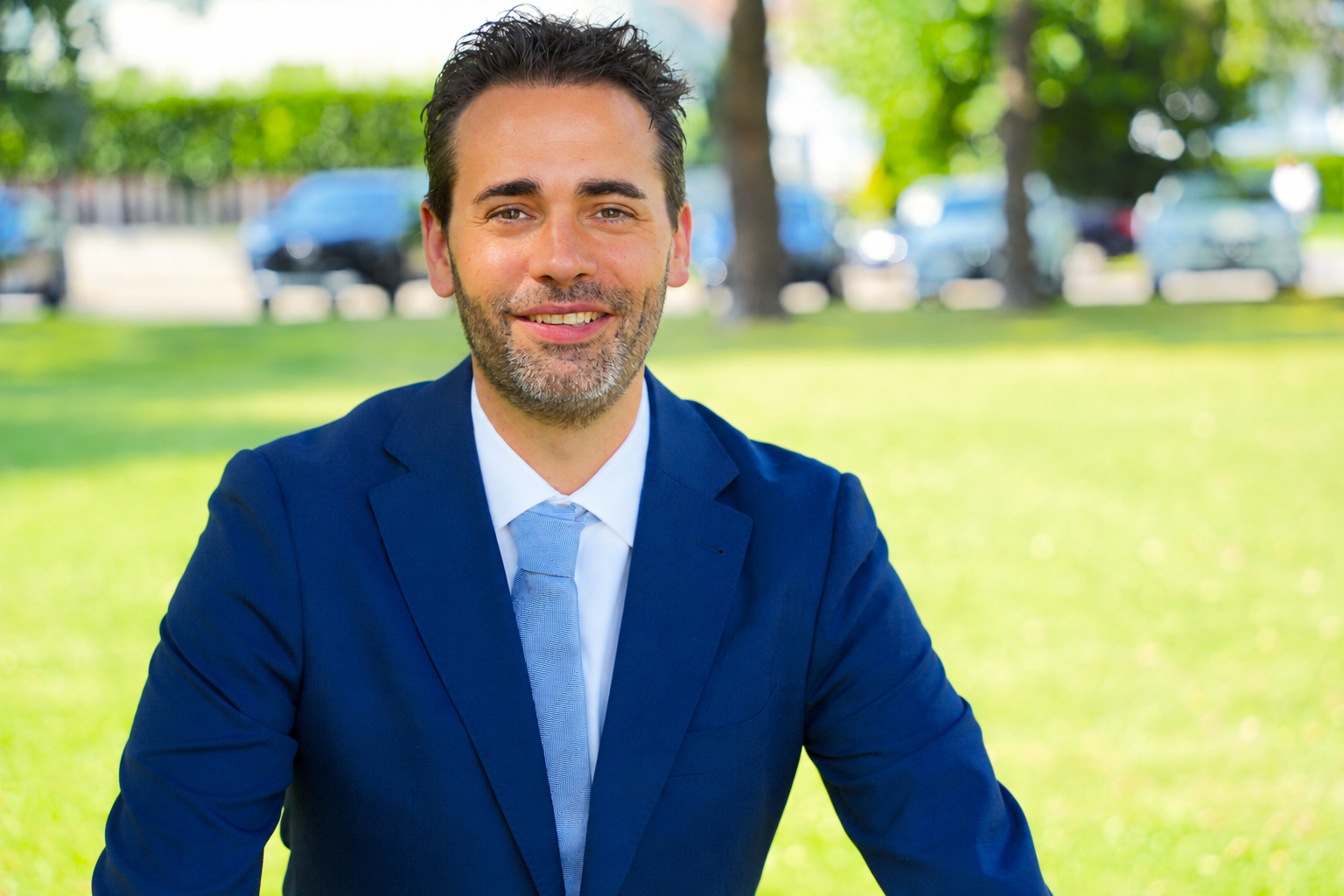
Pablo is an associate professor at Lund University with a background in artificial intelligence and its integration into large-scale facilities. He combines technical expertise with a clear vision for interdisciplinary collaboration across facilities and users. His experience spans algorithm development, data-driven modelling, and the application of AI to complex experiments, making him well positioned to bridge the gap between computational innovation and facilities such as MAX IV and ESS. He is a recipient of and participant in several international grants covering novel applications of AI at large-scale facilities, including an ERC Starting Grant and an EIC Pathfinder Open grant. As coordinator of the Lund University graduate school XANADU, he is closely involved in training PhD students in the use of MAX IV and ESS. He also collaborates with large-scale facilities worldwide.
Generating Advances with AI for Neutrons/X-rays co-leader of WG3 (AI for knowledge)LINXS Fellow
Professor, KTH Royal Institute of Technology, Stockholm, Sweden
Ozan is a professor of mathematics at KTH Royal Institute of Technology. He is an applied mathematician who has spent the past 25 years developing theory and algorithms for large-scale ill-posed inverse problems in tomography, microscopy, and structural biology. After starting in pure mathematics, his work shifted towards computational methods driven by real-world needs in science, medicine, and industry. Since 2014, he has led KTH’s interdisciplinary Mathematical Imaging Science group, including collaborations with industrial partners to develop AI models for tomographic imaging systems, giving him deep expertise in physics-informed AI for tomography. He also led the development of the ODL software framework for inverse problems, which integrates high-performance computing libraries with deep learning tools. Ozan brings extensive leadership experience from senior roles at KTH, including strategic coordination for the Center for Industrial and Applied Mathematics (2009–2017) and leadership of KTH’s Life Science Technologies platform (2012–2018). He has a strong track record of building collaborations and launching new research directions, further strengthened by a visiting professorship at the University of Cambridge and the Alan Turing Institute (2018–2019). In addition, he has worked for over 15 years in R&D in Swedish industry, in areas ranging from financial risk control and biomedical imaging to computational software.
Generating Advances with AI for Neutrons/X-rays co-leader of WG3 (AI for knowledge) LINXS Fellow
Associate Professor, Lund University, Lund, Sweden
Mengwu is an associate professor in scientific computing at the Centre for Mathematical Sciences, Lund University. With an interdisciplinary background in computational mathematics and applied sciences, he develops novel computational methods for real-world scientific and engineering applications. Mengwu is highly active in the international scientific machine learning community, and his recent research focuses on probabilistic numerical methods for physics-aware machine learning and data-driven model discovery. He holds grants from the Swedish Research Council (VR), the Crafoord Foundation, and the Wallenberg AI, Autonomous Systems and Software Program (WASP) for research on data-driven scientific computing and the mathematical foundations of physics-aware AI. Mengwu is co-coordinator of the Advanced Study Group Computational Science Curriculum at the Pufendorf Institute for Advanced Studies in Lund, and he co-initiated and coordinated the Strategic Research Initiative Bridging Numerical Analysis and Machine Learning, supported by the 4TU Applied Mathematics Institute in the Netherlands.
Generating Advances with AI for Neutrons/X-rays co-leader of WG3 (AI for knowledge) LINXS Fellow
Division Head of Data Management and Software Centre (DMSC), European Spallation Source (ESS), Lyngby, Denmark
Thomas is head of the Data Management and Software Centre (DMSC) at the European Spallation Source ERIC (ESS), where he is responsible for providing data management and scientific software solutions that support users from proposal to publication, and for leading ESS’s adoption of AI in scientific workflows. Before joining ESS, Thomas held senior roles in start-up companies developing atomistic simulation software, and conducted postdoctoral research in computational enzyme catalysis and biophysics at Lund University and The Scripps Research Institute in California, USA. He holds an MSc in theoretical chemistry from the University of Copenhagen and a PhD in computational physics from the Technical University of Denmark. Thomas has played a key role in developing advanced computing infrastructure and open-source software for European neutron science, has helped lead pan-European collaborations such as the EU-funded projects SINE2020 and PaNOSC, and is spokesperson for the scientific computing domain in the League of European Neutron Sources (LENS). He also serves on advisory committees, including the Scientific Computing Steering Committee for HFIR and SNS at Oak Ridge National Laboratory, is ESS’s main delegate to the European Open Science Cloud (EOSC) Association, and co-organises international summer schools and workshops in neutron science and scientific computing.
Generating Advances with AI for Neutrons/X-rays Core Group leader and member WG3 (AI for knowledge) LINXS Fellow
Associate professor, Lund University, Lund, Sweden
Pablo is an associate professor at Lund University with a background in artificial intelligence and its integration into large-scale facilities. He combines technical expertise with a clear vision for interdisciplinary collaboration across facilities and users. His experience spans algorithm development, data-driven modelling, and the application of AI to complex experiments, making him well positioned to bridge the gap between computational innovation and facilities such as MAX IV and ESS. He is a recipient of and participant in several international grants covering novel applications of AI at large-scale facilities, including an ERC Starting Grant and an EIC Pathfinder Open grant. As coordinator of the Lund University graduate school XANADU, he is closely involved in training PhD students in the use of MAX IV and ESS. He also collaborates with large-scale facilities worldwide.