
ABOUT NEW MATERIALS
This theme aimed to push forward the development and characterization of new materials with potential future applications in the fields of energy and sustainability. We will bring together experts in neutron and X-ray characterization methods and experts in material development to do this. One of broad goals as a society today should be to ensure that as a society, we are able to move to a truly sustainable, resilient future. Here, we aim to push forward the development and understanding of new materials that will help contribute to this broader goal, at the ‘initial research’ stage. Each of our working groups focusses on one particular area.

CORE GROUP

New Materials Core Group Member, LINXS Fellow
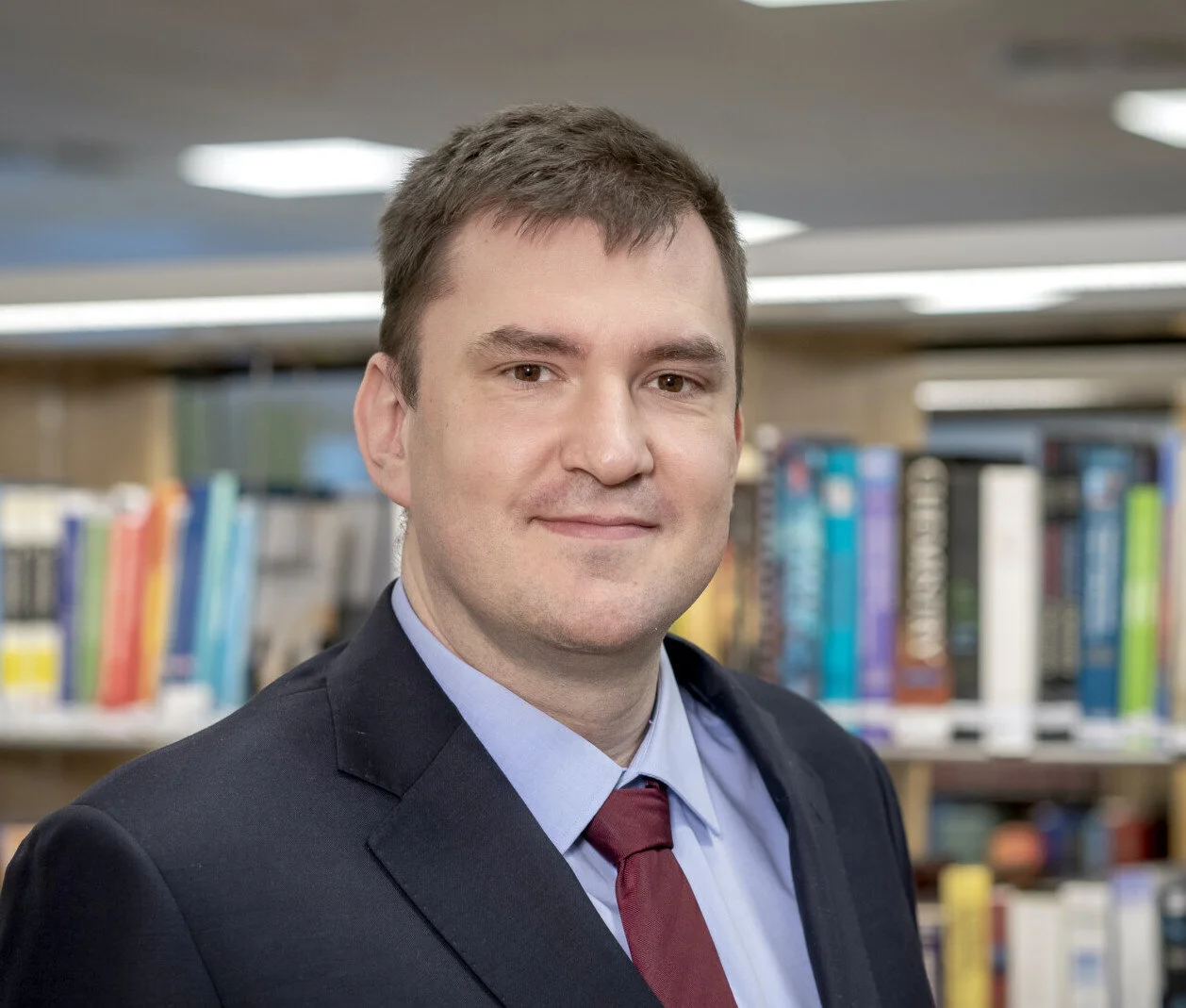
Maria is an associate professor at the Division of Solid State Physics in the Department of Physics, Lund University, but has strong links with the Division of Synchrotron Radiation Research. She is the coordinator of materials research within the strategic research area NanoLund, and recently received a Research Leader of the Future grant from the Swedish Foundation for Strategic Research (SSF). She will be responsible for WG 5 (nanostructures and interfaces). In the Core Group she will be asked to monitor progress on material development/manufacture.
New Materials Core Group Member, LINXS Fellow
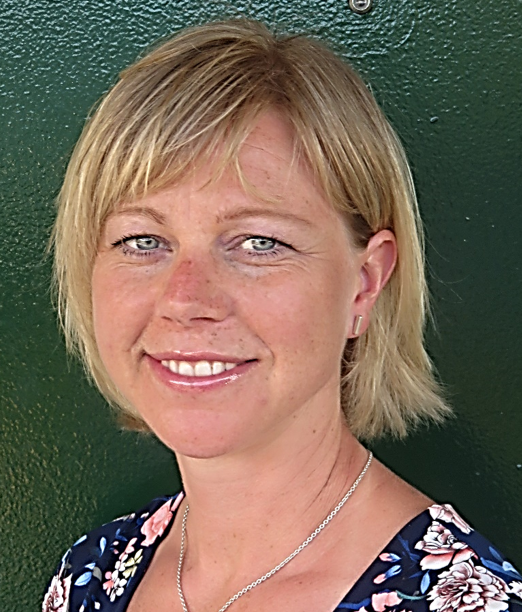
Jens is an associate professor at the Division of Chemical Physics, in the Department of Chemistry, Lund University, and is an expert in time-resolved optical and X-ray methods, particularly on ultra-fast timescales. Jens will be the representative of Working Groups 2 and 3 in the Core Group (charge transfer materials and light-harvesting processes). In the Core Group he will be asked to monitor progress in operando measurements across the Theme, and the Theme’s outreach activities.
New Materials Core Group Member, LINXS Fellow
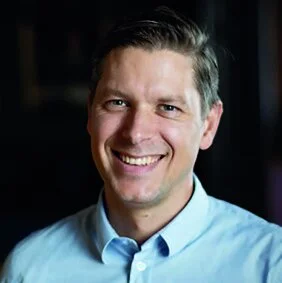
Sara Blomberg is an assistant professor at the Department of Chemical Engineering at Lund University, Sweden. Blomberg received her PhD in Physics at the Department of Synchrotron Radiation Research at Lund University in 2017. She was a post doc between 2018-2020 at Dept. of Chemical Engineering in Lund and affiliated post doc to the Advanced Light Source in Berkeley, USA. In 2020 she was hired as an assistant professor. Her research is focused on catalytic processes where she are using in situ and operando X-ray techniques to study the interaction between the catalyst and the reactants. During her PhD, she focused her research on model systems to achieve a fundamental knowledge about active surface structures and surface-related phenomena in catalytic processes. Today, her research is still aiming for in-depth knowledge about chemical processes on catalysts. She is designing and studying model systems as well as industrial catalysts and has a particular interest in catalytic processes related to the production of renewables and the conversion of biomass.
New Materials Core Group Member, LINXS Fellow
Martin is a professor at the Department of Chemistry at Uppsala University. Martin’s interests overlap Working Groups 1, 2 and 5 (functional magnetic materials and charge transfer materials, nanostructures and interfaces). He is actively engaged with neutron scattering techniques, and is also the Director of SwedNess (Swedish Neutron Education for Science and Society). In the Core Group, he will monitor education activities and engagement at the national and international levels.
GUEST RESEARCHERS
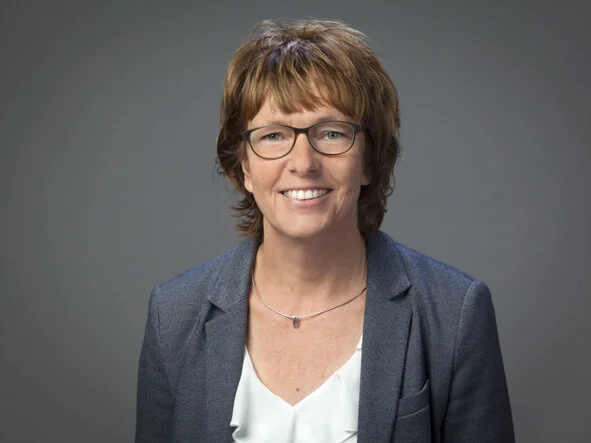
Guest Researcher at LINXS in 2021
New Materials WG 5 Member, Nanostructures and Interfaces, LINXS Fellow
Prof. Dr. Regina Dittmann, from Forschungszentrum Jülich in Germany, received a degree in Physics from the University of Cologne, Germany in 1990 and the PhD in Physics from University of Gießen, Germany in 1994. Since November 2012, she is also a professor at RWTH Aachen University. Regina Dittmann is current leading a group of 15 members working on the atomically controlled growth of oxides, memristive devices and neuromorphic circuits and she is operating the electronic oxides cluster laboratory (EOC). She is an internationally recognized expert on memristive devices, in particular on the elucidation of their working and failure mechanisms by spectroscopic analysis.

Guest researcher at LINXS May - Jun 2023.
SAB MEMBER - AREA HARD MATTER
Andrew is a Professor of Physics at the University of Oxford, a Tutorial Fellow of Oriel College, and Associate Head of the Department of Physics. He is an experimentalist with broad interests in the fundamental properties of quantum materials, especially superconductors, magnetic materials, and topological semimetals. His group uses neutron and synchrotron x-ray scattering techniques to investigate novel electronic ground states and associated physical phenomena.
Profile page at the university: https://www.physics.ox.ac.uk/our-people/boothroyd/research
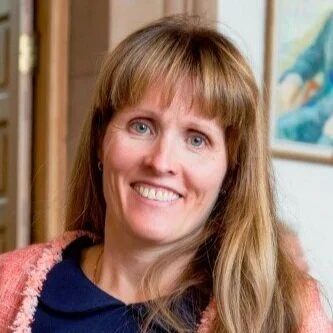
Guest researcher at LINXS Oct - Nov 2021
Hilde Venvik is Professor at Department of Chemical Engineering, NTNU - Norwegian University of Science and Technology, Trondheim, Norway. She obtained her PhD in 1998 from the Department of Physics, NTNU, on surface science investigations of cobalt and platinum single crystal surfaces. She is Centre Director of “iCSI – industrial Catalysis Science and Innovation for a competitive and sustainable process industry”, a Centre for Research-based Innovation (SFI) granted by the Research Council of Norway (RCN) for the period 2015-23, with Yara, KA Rasmussen, Dynea, Inovyn, Haldor Topsøe, SINTEF and the University of Oslo as partners. She is also Council Officer (Secretary) to the European Association of Catalysis Societies (EFCATS). Her research interests are directed towards metal-based membrane technology and heterogeneous catalysis and development of industrially relevant catalytic model systems and advanced surface characterization methodologies.
Guest researcher at LINXS May - Jul 2022
Jason F. Weaver is a professor in the Department of Chemical Engineering at the University of Florida. Dr. Weaver earned his Ph.D. in chemical engineering from Stanford University in 1998. His research interests include the surface chemistry of metals and metal oxides, reaction kinetics and catalysis, and oxide thin films.

Junior Guest researcher at LINXS Apr - Jun 2023
Michael Philipp Adams is a PhD student at the University of Luxembourg under the group Magnetic Neutron Scattering Group of Luxembourg. The topic of his PhD project is related to the understanding of magnetic small-angle neutron scattering from magnetic particles using atomistic simulations.
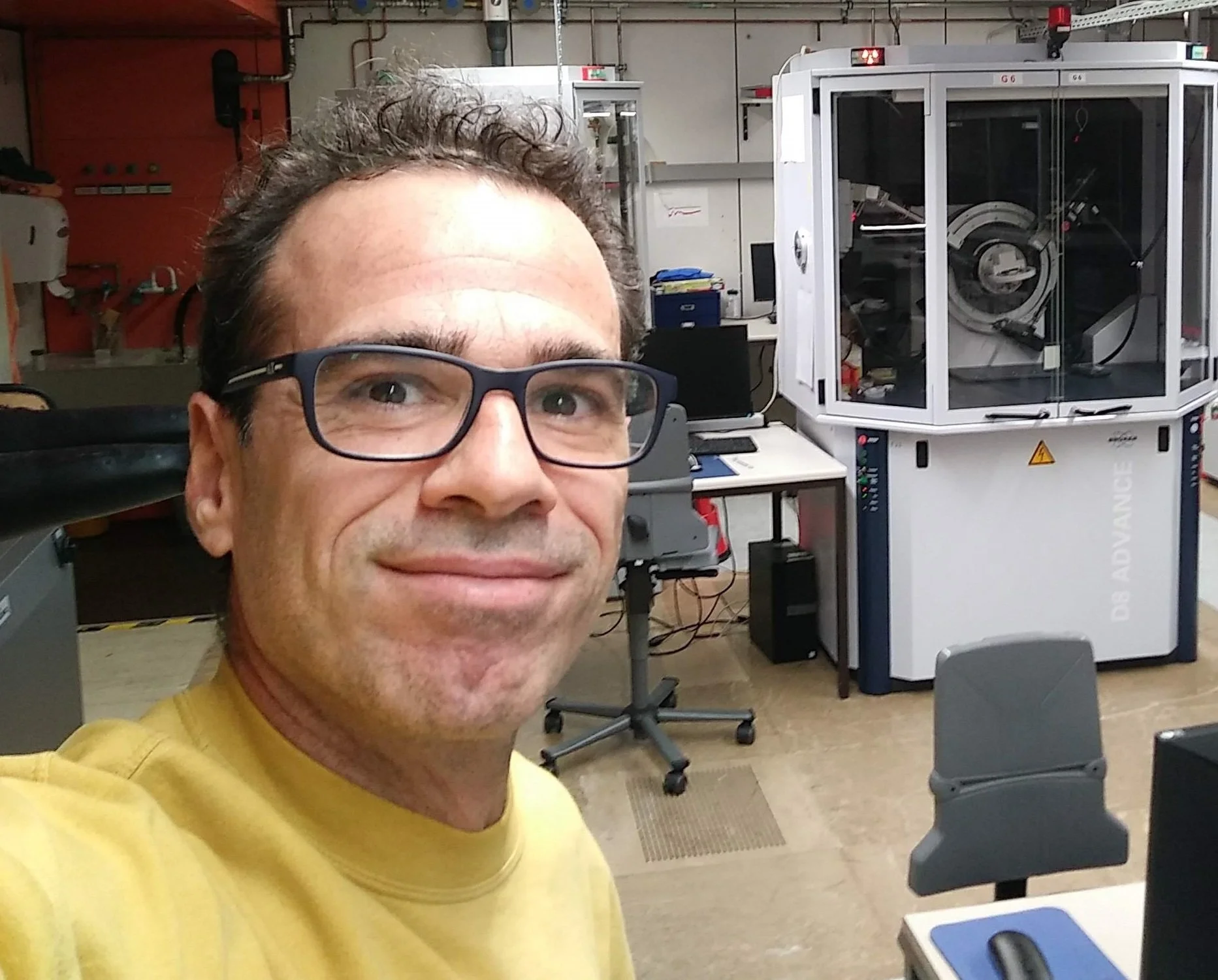
Guest Researcher at LINXS Aug - Nov 2023, LINXS Fellow
Carlos Campos, Professor at the Department of Physics, Federal University of Santa Catarina, Brazil.
Carlos E. M. Campos is Full Professor in the Department of Physics at the Federal University of Santa Catarina (UFSC) in Brazil. Holds his Ph.D. in Experimental Physics at UFSC (2005), with a period at the Université Pierre et Marie Curie (Paris VI) in France when started studying physical properties and phase transitions at high pressures generated by diamond anvil cells (DAC). He has experience in Mechanochemical Synthesis (MS) of chalcogenide Nanomaterials, X-ray Powder Diffraction (XRPD), calorimetry (DSC, DTA-TGA), X-ray absorption (XAS), electron microscopy and Raman scattering. His most recent scientific interests are: i) in-situ and in-operando characterization of nanomaterials produced by MS and their applications in electroanalytics, catalysis, thermoelectrics, etc.; and ii) quantitative phase analysis of cementitious materials even under hydration conditions using XRPD data from conventional and synchrotron sources. Profile page at the university: https://pcemc.paginas.ufsc.br
WORKING GROUPS FOR NEW MATERIALS
New Materials WorkING Group 1
Functional Magnetic Materials
The Functional Magnetic Materials Group has a broad potential remit. We are organizing ourselves to focus on two important aspects: (i) the magnetic structure and dynamics on micro- and mesoscopic scales, as this is often very important in controlling the operation of magnetically active materials that drive new device development, and (ii) the rich physics arising from the lack of inversion centres in magnetic materials, which may give rise to topological physics and multiferroic materials. In the kick-off symposium, we will be setting up a targeted question to focus on for both of these aspects.
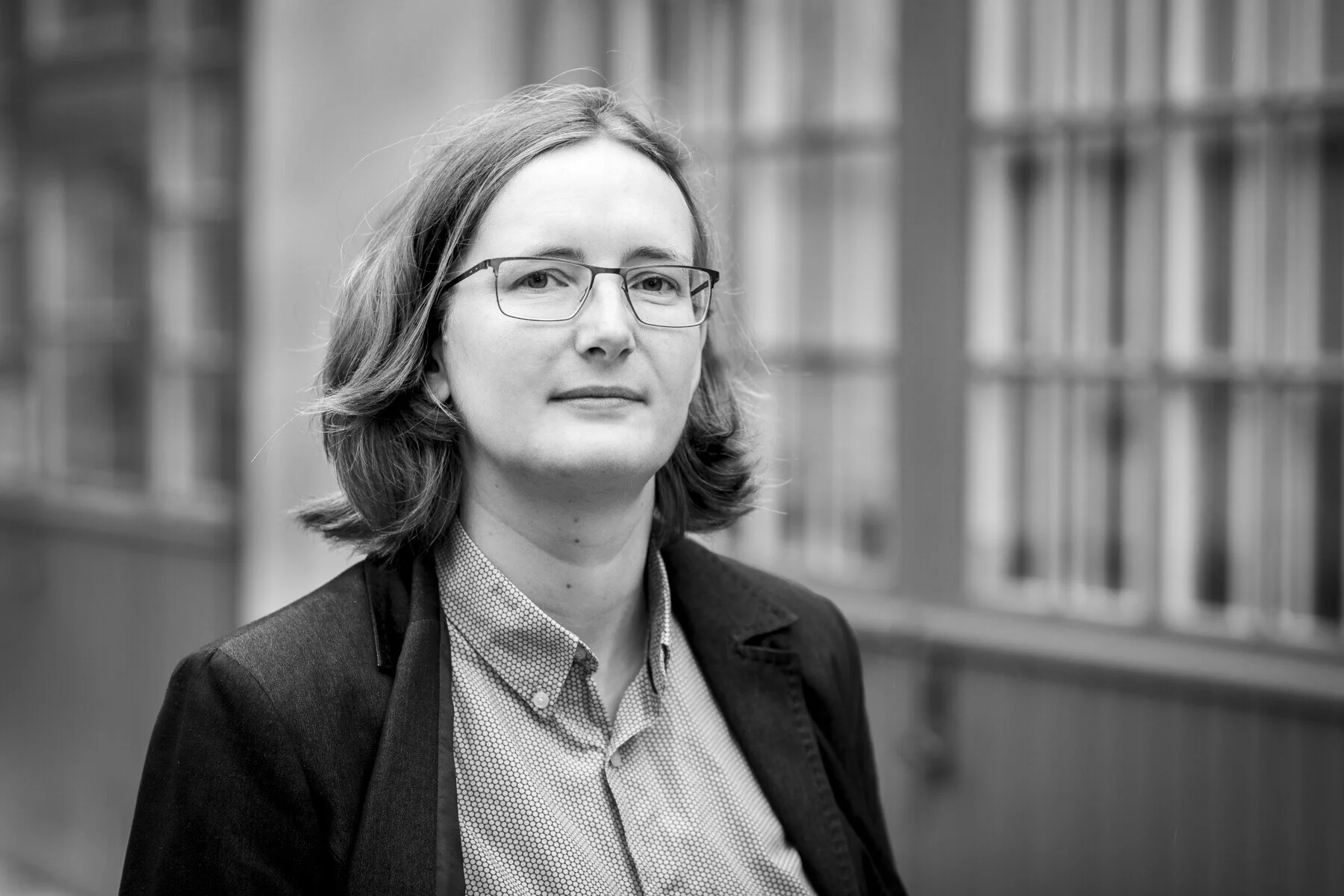
New Materials Core Group Leader, LINXS Fellow
Elizabeth is the initiator of the Theme and is the chair of the Core Group; she has extensive experience with both neutron and x-ray scattering methods, with a particular focus on magnetic materials. She is a professor at the Division of Synchrotron Radiation Research, within the Department of Physics, Lund University, and is tasked with promoting research into magnetic materials at Lund University. She will lead Working Group 1 (functional magnetic materials). Elizabeth is also a board member for the Condensed Matter Physics section of the Svenska Fysikersamfundet, and will be able to promote LINXS activities through this as well.
New Materials Core Group Member, LINXS Fellow
Martin is a professor at the Department of Chemistry at Uppsala University. Martin’s interests overlap Working Groups 1, 2 and 5 (functional magnetic materials and charge transfer materials, nanostructures and interfaces). He is actively engaged with neutron scattering techniques, and is also the Director of SwedNess (Swedish Neutron Education for Science and Society). In the Core Group, he will monitor education activities and engagement at the national and international levels.
New Materials WG 1 Member, Functional Magnetic Materials, LINXS Fellow
Pablo Villanueva works at the Division of Synchrotron Radiation Research, Physics Department, Lund University. He started his scientific career as a PhD student in theoretical high energy physics. He did his PhD at the University of Valencia under the supervision of Prof. J. Bernabeu and F. Martinez-Vidal. His PhD offered him the opportunity to become a member of the BaBar collaboration at SLAC (USA). While working at SLAC, he attended several lectures about X-ray free-electron lasers (XFELs) and their applications. This new technology fascinated him so much that he decided to change his research field radically from theoretical high energy Physics to X-ray imaging after his PhD.
His first postdoc was in the TOMCAT group of Prof. Marco Stampanoni (X-ray tomography group) at the Paul Scherrer Institut (Switzerland). This postdoc offered him the opportunity to perform experiments and simulations using state-of-the-art X-ray imaging techniques. After three years at TOMCAT, he decided to start a second postdoctoral project at the Center for Free-electron laser science in DESY (Germany) in Prof. Henry Chapman's group.
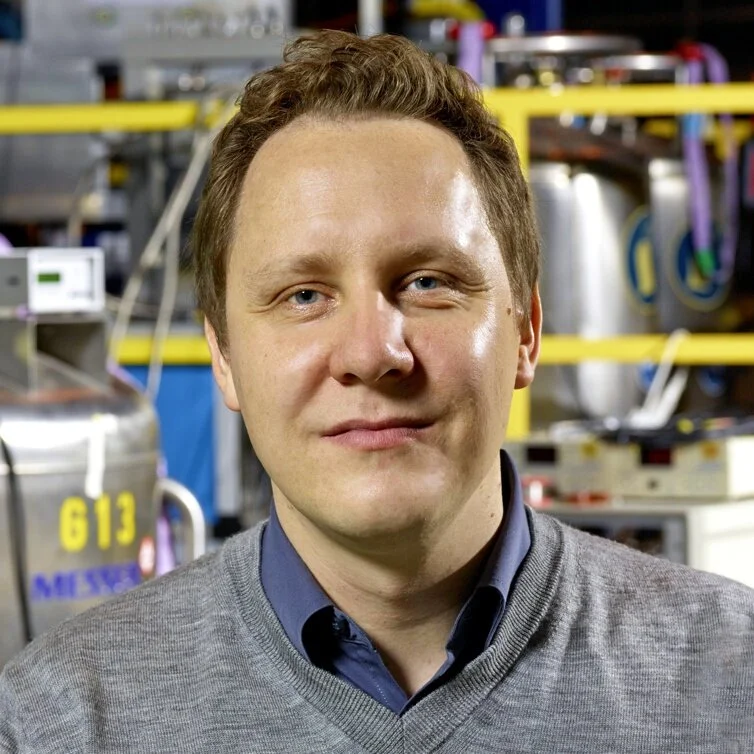
New Materials WG 1 Member, Functional Magnetic Materials, LINXS Fellow
Martin Månsson is a tenured associate professor at the KTH Royal Institute of Technology, Stockholm, Sweden, where he leads the Sustainable Materials Research & Technologies (SMaRT) group. He runs a comprehensive research program concerning multifunctional materials ranging from quantum physics, low-dimensional magnetism and superconductors, to novel battery and hydrogen storage materials. For the research projects related to energy materials and devices, he has several industrial collaborators including Toyota Central Research & Development Labs. (TCRDL) and the National Institute of Advanced Industrial Science and Technology (AIST) in Japan. The experimental science is conducted at state-of-the-art large-scale research facilities using neutron scattering, muon spin rotation and synchrotron radiation techniques. Prof. Månsson is the Director of Studies for the Swedish national graduate school in neutron scattering (SwedNess). His early scientific career was conducted at PSI, ETHZ and EPFL in Switzerland.
New Materials WG 1 Member, Functional Magnetic Materials, LINXS Fellow
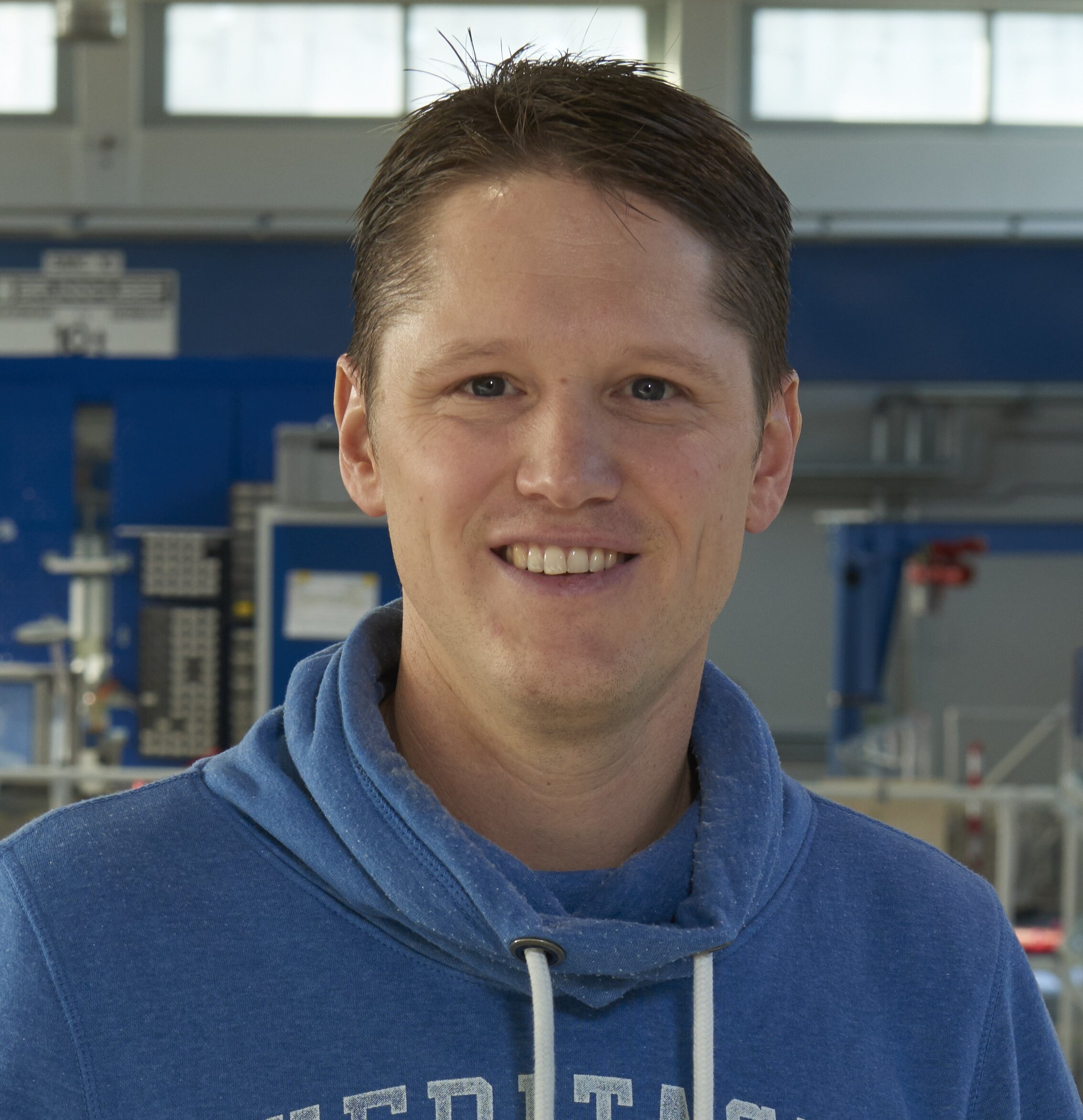
Sebastian Mühlbauer works as a senior staff scientist at the MLZ Garching, responsible for the SANS-1 beamline. The focus of his research lies on studies of properties of superconducting vortices, long range incommensurate magnetic structures and skyrmion lattices using a set of different neutron techniques: To study the static properties of such systems on a wide range of length scales, Ihe uses neutron diffraction, small angle neutron scattering and finally USANS and neutron grating interferometry that allow covering a range from several Angström to around ten micrometers. Kinetic neutron diffraction techniques like stroboscopic SANS and TISANE cover a dynamic range for driven dynamics of s to ms while neutron spin echo and neutron spectroscopy techniques allow a measurement of inelastic and quasi-elastic dynamics in a broad range.
New Materials WG 1 Member, Functional Magnetic Materials, LINXS Fellow
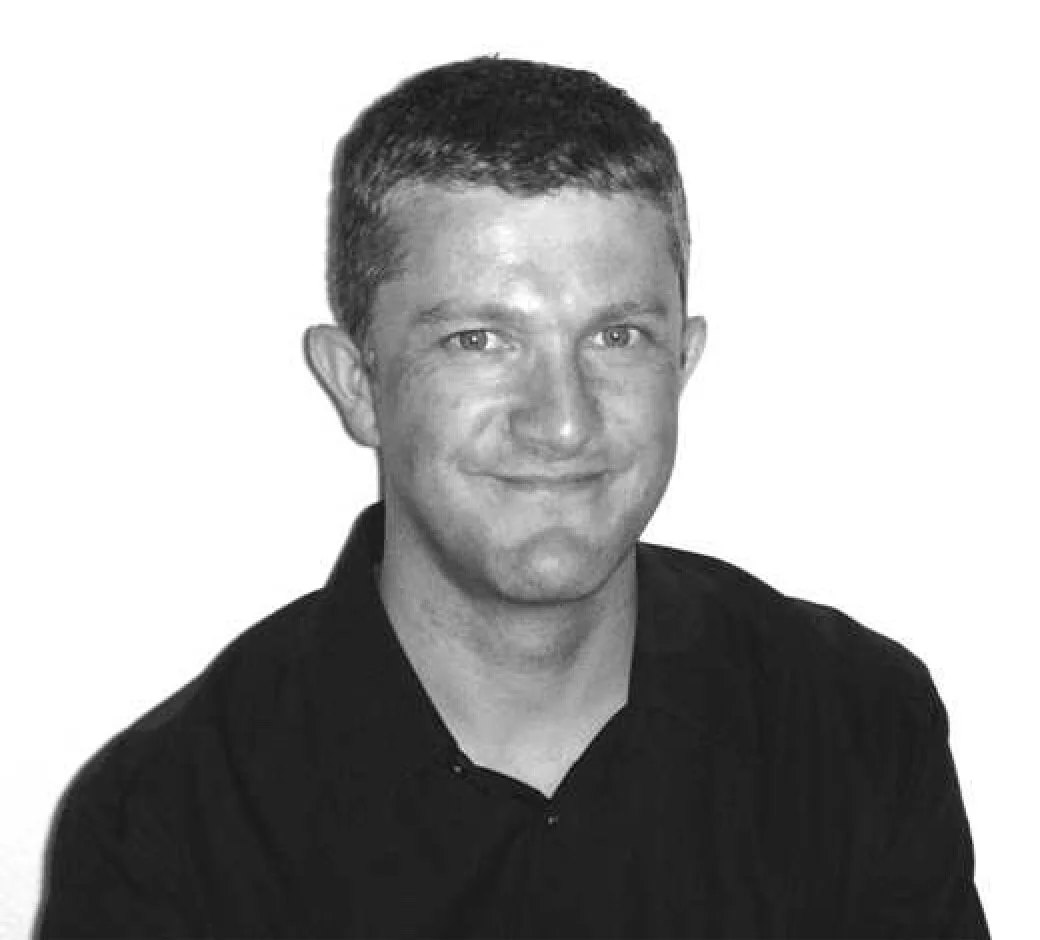
Andreas Michels received his doctoral degree in 2001 from the Universität des Saarlandes, Germany. After postdoctoral stays at the Forschungszentrum Karlsruhe, Germany, the Paul Scherrer Institute, Switzerland, and Monash University, Australia, he obtained his habilitation degree in 2008 from the Universität des Saarlandes. Within the framework of an ATTRACT research fellowship of the National Research Fund of Luxembourg, he then built up a neutron scattering and magnetic materials group in the Department of Physics and Materials Science at the University of Luxembourg, where he is currently Associate Professor. His research interests are centered around the technique of magnetic small-angle neutron scattering (SANS). On the one hand side SANS is used for experimentally studying the spin structures of magnetic materials, e.g., Nd-Fe-B-based permanent magnets, shape-memory alloys, or magnetic nanoparticles, and on the other hand side theoretical and simulation work is carried out in order to understand and develop the fundamentals of magnetic SANS.
Functional Magnetic Materials working group member, LINXS Fellow
Ferdi Aryasetiawan, Professor at Mathematical Physics, Lund University. Prof. Aryasetiawan’s research activities are focused on developing a new route for calculating the Green function on many-electron systems.
Functional Magnetic Materials working group member, LINXS Fellow
Christy Kinane, ISIS Muon and Neutron Source.
Junior Guest researcher at LINXS Apr - Jun 2023
Michael Philipp Adams is a PhD student at the University of Luxembourg under the group Magnetic Neutron Scattering Group of Luxembourg. The topic of his PhD project is related to the understanding of magnetic small-angle neutron scattering from magnetic particles using atomistic simulations.
New MATERIALS WORKING GROUP 2
Charge Transfer Materials
Charge transfer materials are really key to technologies such as photovoltaics (solar cells), catalysis and batteries. Deliberate design to optimize the materials for these properties is a formidable challenge, and requires a firm knowledge of the underlying geometric and electronic structures, and how they respond to external stimuli. ESS and MAX IV provide entirely new opportunities for doing this. We will focus in particular on in situ and operando methods.
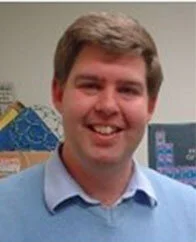
New Materials WG 2 Member, Charge Transfer Materials & WG 3 Member, Light Harvesting Processes, LINXS Fellow
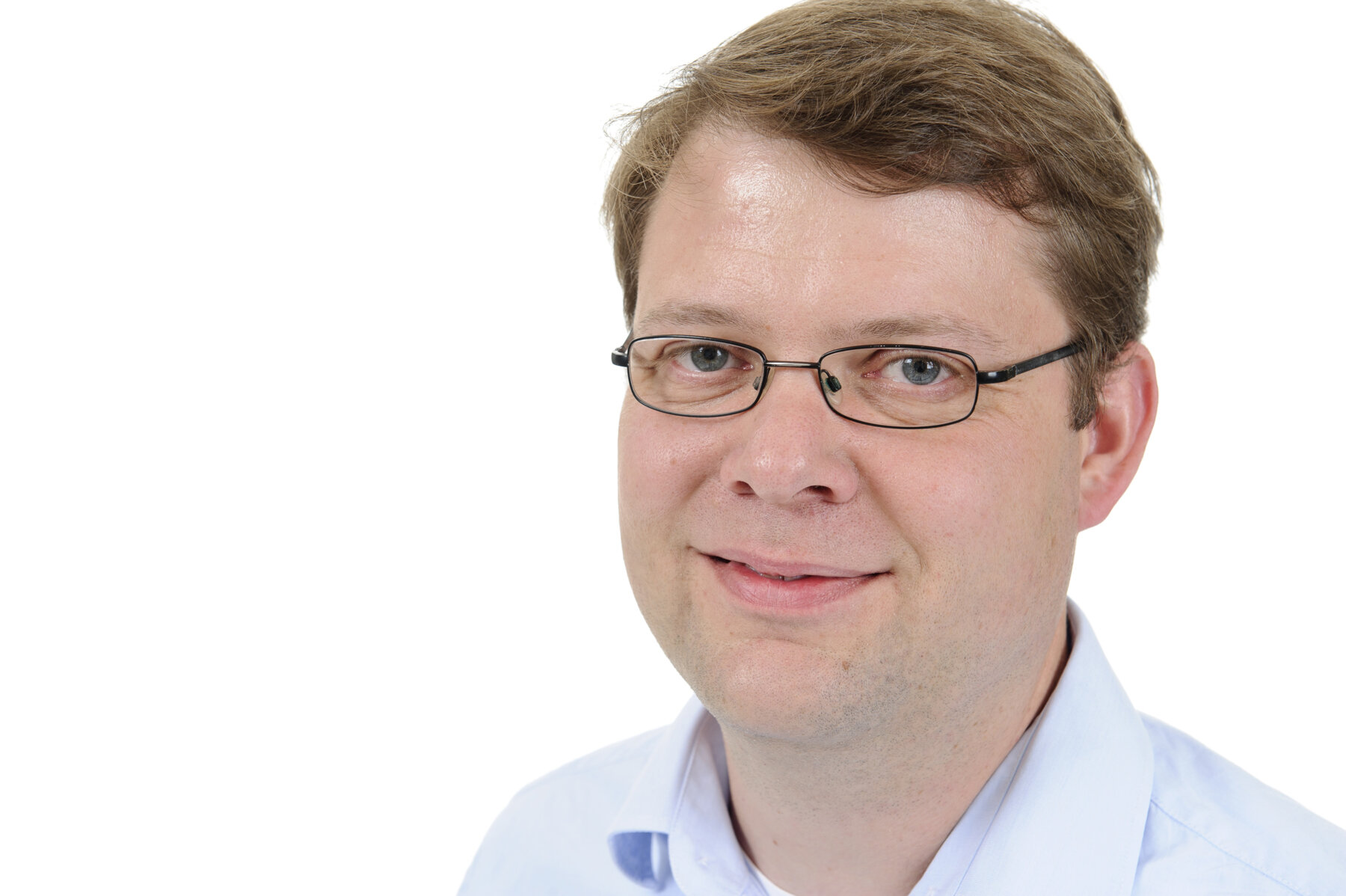
Petter Persson, Associate Professor and Senior lecturer at the Division of Theoretical Chemistry, Lund University, Sweden.
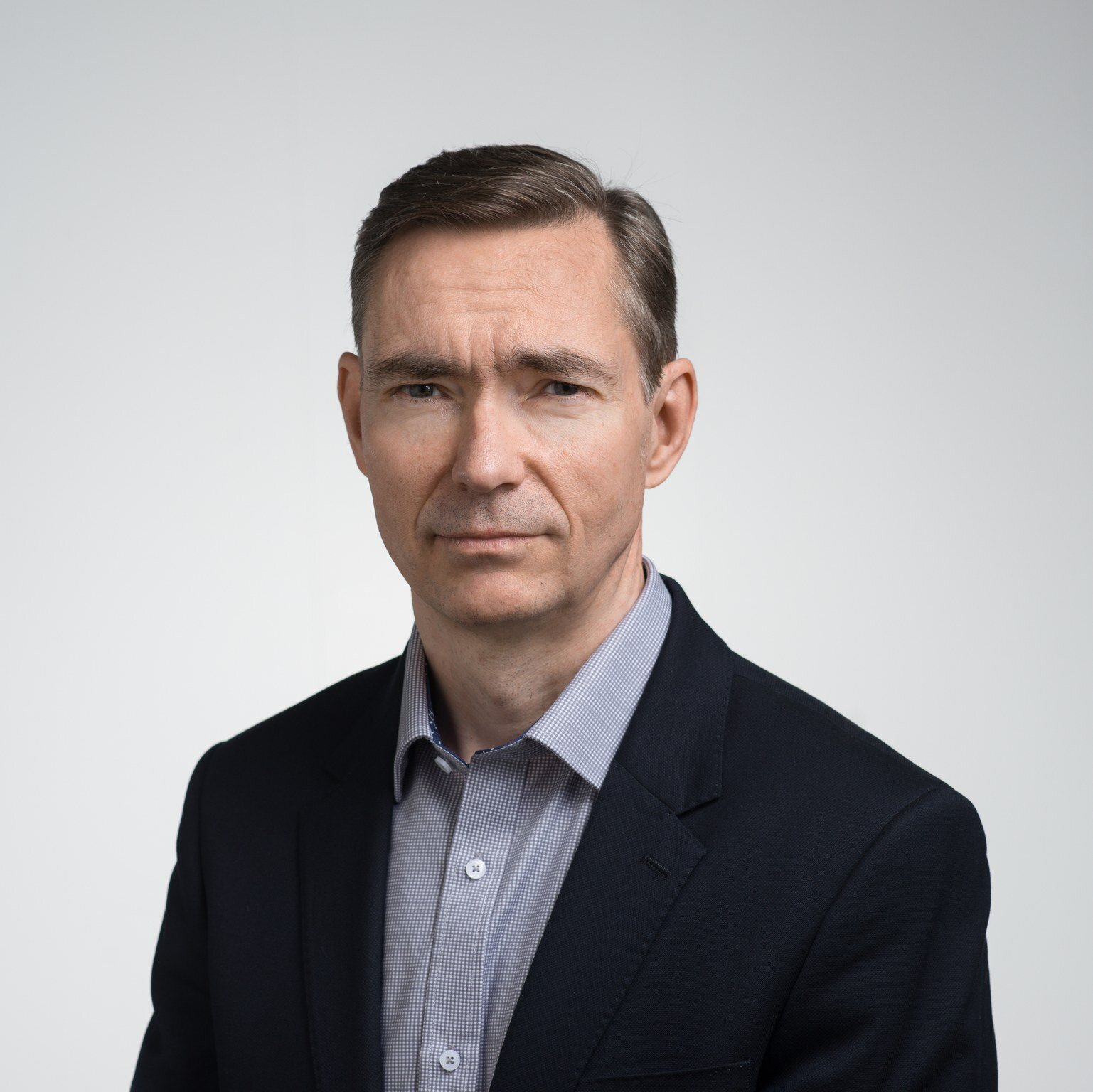
New Materials WG 2 Member, Charge Transfer Materials, LINXS Fellow
Prof. Mika Valden was appointed as Professor of Physics in 2005 at the Department of Physics in Tampere University of Technology (predecessor of Tampere University). He has decades of experience investigating atomic and molecular level interactions on solid surfaces relevant to functional materials by employing photoelectron spectroscopy, spectromicroscopy and scanning probe techniques. The main methods used in his research are photoelectron spectroscopy and spectromicroscopy conducted by employing both laboratory-based excitation sources and synchrotron light sources. Surface Science Group is the centroid of the ALD activities in Tampere University, and by leveraging his expertise in surface science, the novel ALD films can be critically investigated through a variety of electron spectroscopy methods. Prof. Valden provides extensive experience in the management of research projects and training researchers. He has published many highly cited articles in the field of surface science. He has authored and co-authored over 100 original scientific publications including 3 invited review articles. These have received 5,318 citations (h-index 22). He has launched many national research activities and participated in several projects. In particular, Prof. Valden has been PI for two national Finnish Infrastructure (FIRI) projects in 2011-2018: NanoMAT FIRI-project (€1.98 million) and in EstBeaMS FIRI-project at MAX IV Laboratory (€1.26 million). He has also acted as a reviewer for EU FP-7 “Nanosciences, Nanotechnologies, Materials and New Production Techniques” proposals and other national and international research programmes. He has supervised 11
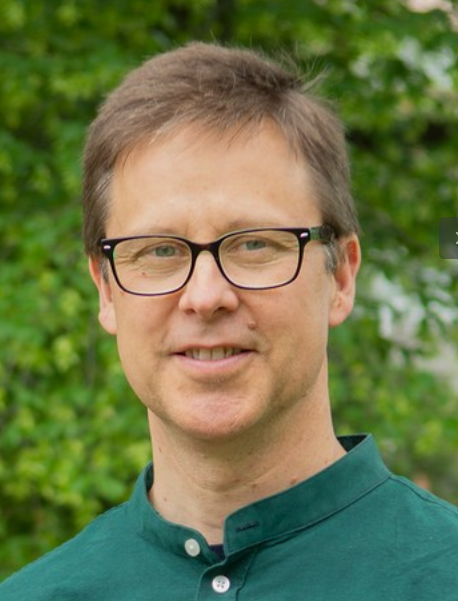
New Materials WG 2 Member, Charge Transfer Materials, LINXS Fellow
The experimental characterization of functional materials for sustainable energy is naturally complemented with theoretical modelling. Michael Odelius is a theoretical chemical physicist at the Department of Physics, Stockholm University, (www.su.se/profile/odelius) working with quantum chemical calculations to explore the electronic structure and chemical bonding in solar cell materials and liquid solutions, and for the interpretation of X-ray spectra. With a background in physical chemistry and molecular dynamics simulations, the influence dynamics and molecular interactions on the spectra are investigated. The group has in particular contributed to the understanding of the influence of hydrogen bonding and excited state dynamics. By combining ab initio molecular dynamics and spectrum simulation based on multi-configurational calculations, photoinduced processes in solution can be understood.
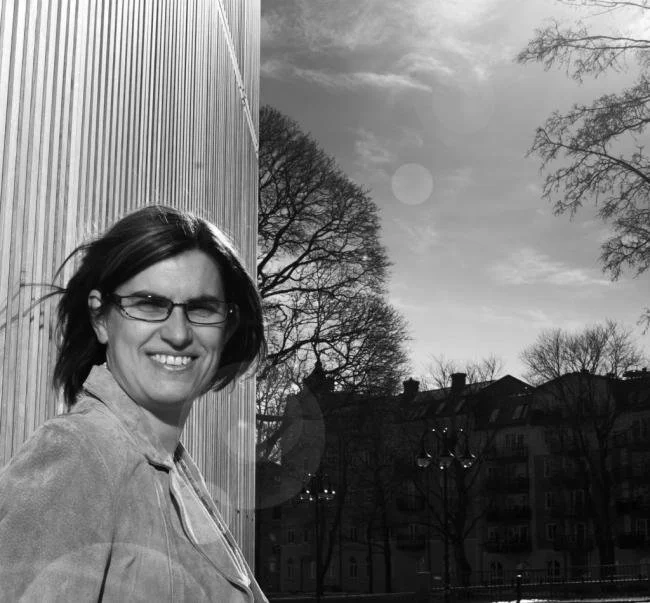
Charge Transfer Materials working group member, LINXS Fellow
Ellen Moons, Professor of Physics at Karlstad University, Sweden.
Charge Transfer Materials working group member, LINXS Fellow
James O’Shea, Associate Professor in Physics, University of Nottingham, UK.
Assoc. Prof. O’Shea is uses electron spectroscopy techniques to explore the chemical, electronic and charge transfer characteristics of complex molecules and nanoparticles on surfaces. Together with in-situ electrospray deposition, the techniques of near ambient pressure X-ray photoelectron spectroscopy (NAP-XPS) and NanoESCA in the laboratory, and X-ray absorption spectroscopy, resonant photoemission, and resonant inelastic X-ray scattering at the synchrotron (MAX-IV, Diamond Light Source and SOLEIL), help reveal how light and molecules interact with surfaces designed to harvest sunlight for photovoltaics, solar water splitting and hydrogen storage.
Charge Transfer Materials working group member, LINXS Fellow
Robert Temperton, Postdoctoral Researcher and Beamline Scientist at MAX IV Laboratory, Lund University, Sweden. Temperton is a scientist at MAX IV working at the ambient pressure photoelectron spectroscopy beamlines, where he specialises in the operando spectroscopy of liquid and electrochemical interfaces. One of his main scientific interests is using X-ray spectroscopy to study molecular charge-transfer systems. In particular, he has made extensive use of resonant photoelectron spectroscopy and resonant inelastic X-ray scattering to probe the electronic structure properties of light harvesting materials.
Charge Transfer Materials working group member, LINXS Fellow
Charlotte Platzer Björkman, Professor in Solid State Electronics at the Ångström Laboratory, Uppsala University, Sweden.
Prof. Platzer’s research focuses on thin film solar cells, and aims to understand how material properties and the interfaces between the thin films affect the performance of the solar cell.
Charge Transfer Materials working group member, LINXS Fellow
Hendrik Bluhm, Group Leader at the Department of Inorganic Chemistry, Fritz Haber Institute of the Max Planck Society, Germany. The work in his group focuses on the development of methods for the investigation of interfaces under realistic environmental conditions and their application to heterogeneous chemical processes at liquid-vapor interfaces with relevance to environmental and atmospheric science.
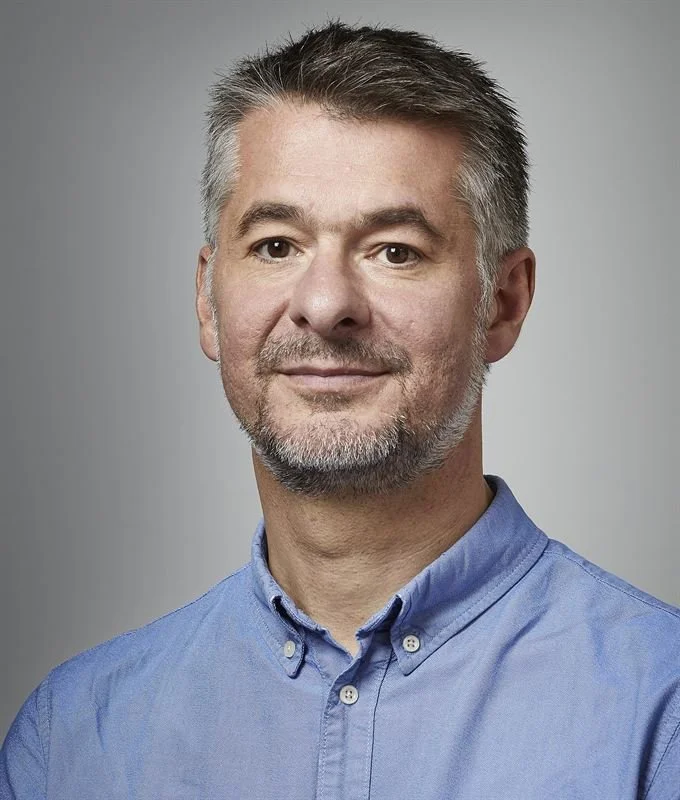
Charge Transfer Materials working group member, LINXS Fellow
Alexandar Matic, Professor of Physics, Chalmers University of Technology, Sweden. Prof. Matic’s research covers a wide range of topics, from exploring the fundamentals of glass formation, gelation, and colloidal aggregation to developing innovative electrolytes for use in lithium batteries and fuel cells.
NEW MATERIALS WORKING GROUP 3
Light Harvesting Processes
Capturing energy from sunlight is the fundamental basis of most of the energy that we have access to. The processes by which photons affect materials used in photovoltaics or photocatalysts occur on ultrafast timescales, and so being able to measure them requires time-resolved spectroscopy techniques. For monitoring light-induced transfer of charges and/or excitations between the chemical complexes in the material, X-ray spectroscopic methods are a powerful technique, and this is an young field of research, with rapid and continuous developments. This working group will focus on workshops for both novice and advanced members of this community to propagate knowledge about methods, and on scientific focus topics, with the initial focus topic to be determined at the kick-off symposium.….
New Materials Core Group Member, LINXS Fellow
Jens is an associate professor at the Division of Chemical Physics, in the Department of Chemistry, Lund University, and is an expert in time-resolved optical and X-ray methods, particularly on ultra-fast timescales. Jens will be the representative of Working Groups 2 and 3 in the Core Group (charge transfer materials and light-harvesting processes). In the Core Group he will be asked to monitor progress in operando measurements across the Theme, and the Theme’s outreach activities.
New Materials WG 2 Member, Charge Transfer Materials & WG 3 Member, Light Harvesting Processes, LINXS Fellow
Petter Persson, Associate Professor and Senior lecturer at the Division of Theoretical Chemistry, Lund University, Sweden.
New Materials WG 3 Member, Light Harvesting Processes, LINXS Fellow
Martin Meedom Nielsen is professor in X-ray Science at the Department of Physics, Technical University of Denmark. He is the founding head of the section for Neutrons and X-rays for Material Physics at DTU Physics and vice chair of European XFEL Council. His research includes the study of charge and energy transfer processes in molecular systems in an environment and their coupling to atomic-nuclear dynamics using and developing combined methods and instrumentation for time resolved x-ray spectroscopy and scattering.
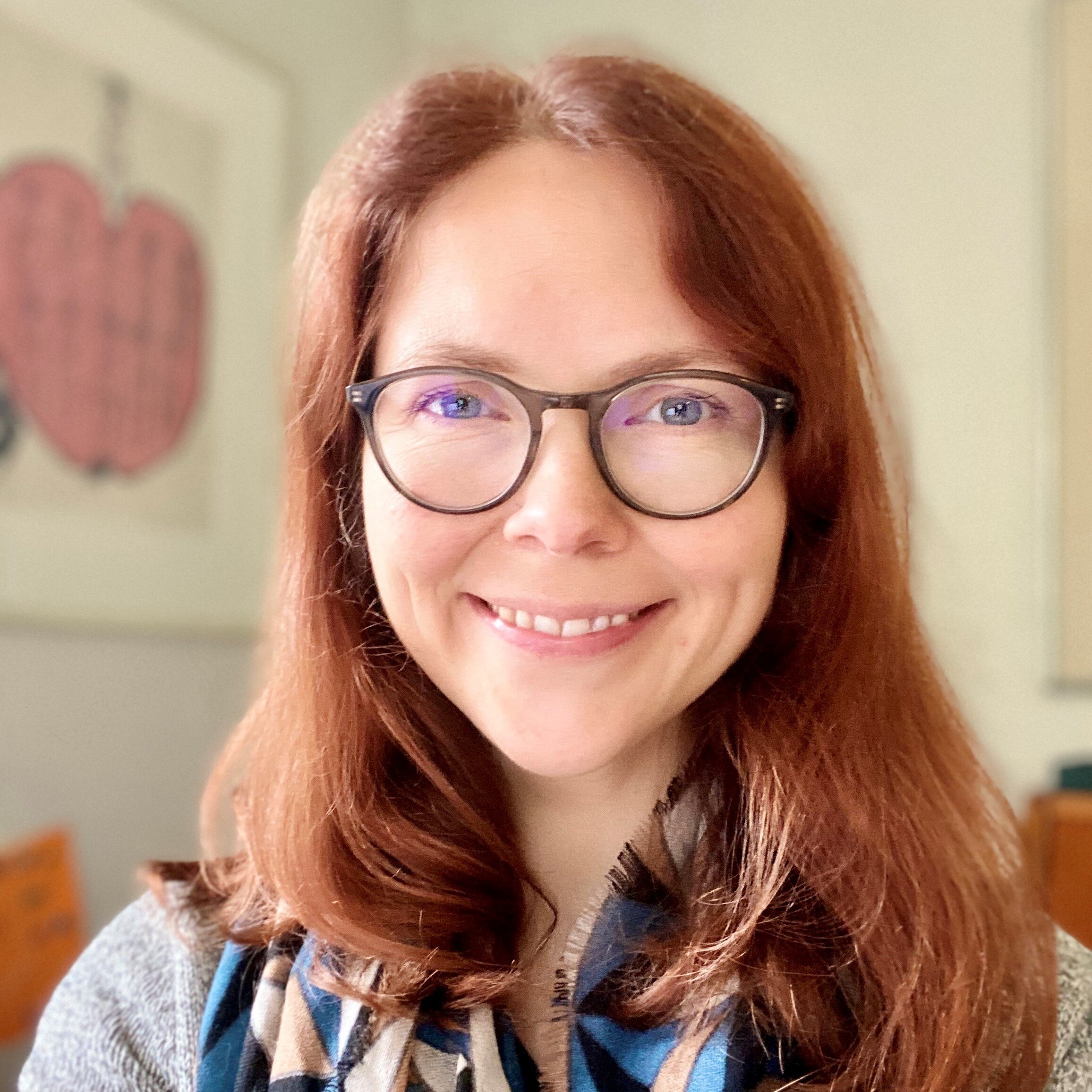
New Materials WG 3 Member, Light Harvesting Processes, LINXS Fellow
Kajsa Sigfridsson Clauss is a hard X-ray spectroscopist with a multidisciplinary background working as a beamline scientist at the Balder beamline at MAX IV Laboratory, Lund University, Sweden. The master in molecular biology at Lund University, was followed by a PhD in Chemistry (Molecular Biomimetics) at Uppsala University in the group of Prof. Styring where she focused on the natural photosynthesis in particular the water-splitting intermediates in Photosystem II. X-ray spectroscopy became the main technique after three intense years postdoc, investigating several biocatalyst (enzyme) systems with XAFS and XES at the Department of Experimental Physics, Freie Unviersität Berlin, Germany, in the group of Dr. M. Haumman/Prof. H. Dau. Thereafter, she returned to Lund, to a postdoc position at the XAFS beamline I811, MAX-lab, serving a broad user community. Since 2016, as part of the Balder team, she has been building, commissioning and operating Balder with emphasis on sample environments for radiation sensitive samples (cryostat and microfluidics). She is presently holding a SSF grant for developing a microfluidic flowcell platform (AdaptoCell) for studies of proteins to MAX IV users at Balder/CoSAXS/MicroMAX.
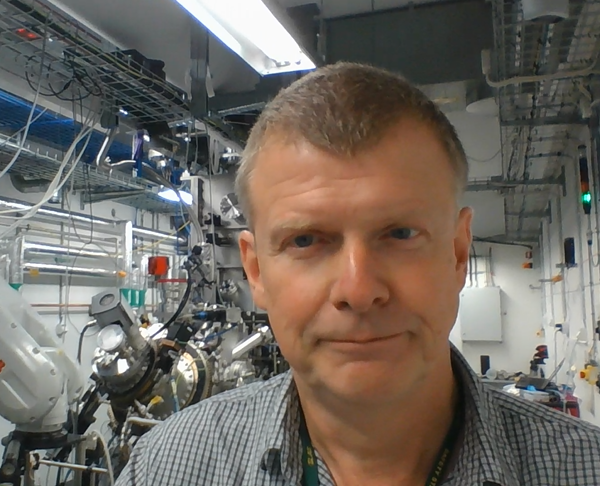
LINXS Co-Director
jorgen.larsson@fysik.lth.se
LINXS Co-Director responsible for the focus area of hard matter.
Jörgen Larsson is a professor and the head of the division for Atomic Physics at the Dept. of Physics at the Faculty of Engineering (LTH) at Lund University. His research topic is ultrafast dynamics on the timescale of a phonon period in hard condensed matter. He teaches both basic and advanced courses at LTH. He has been responsible for building the beamline FemtoMAX at MAX IV and is a frequent user of Synchrotron radiation facilities (including MAX IV) and Free-electron lasers.

New Materials WG 3 Member, Light Harvesting Processes, LINXS Fellow
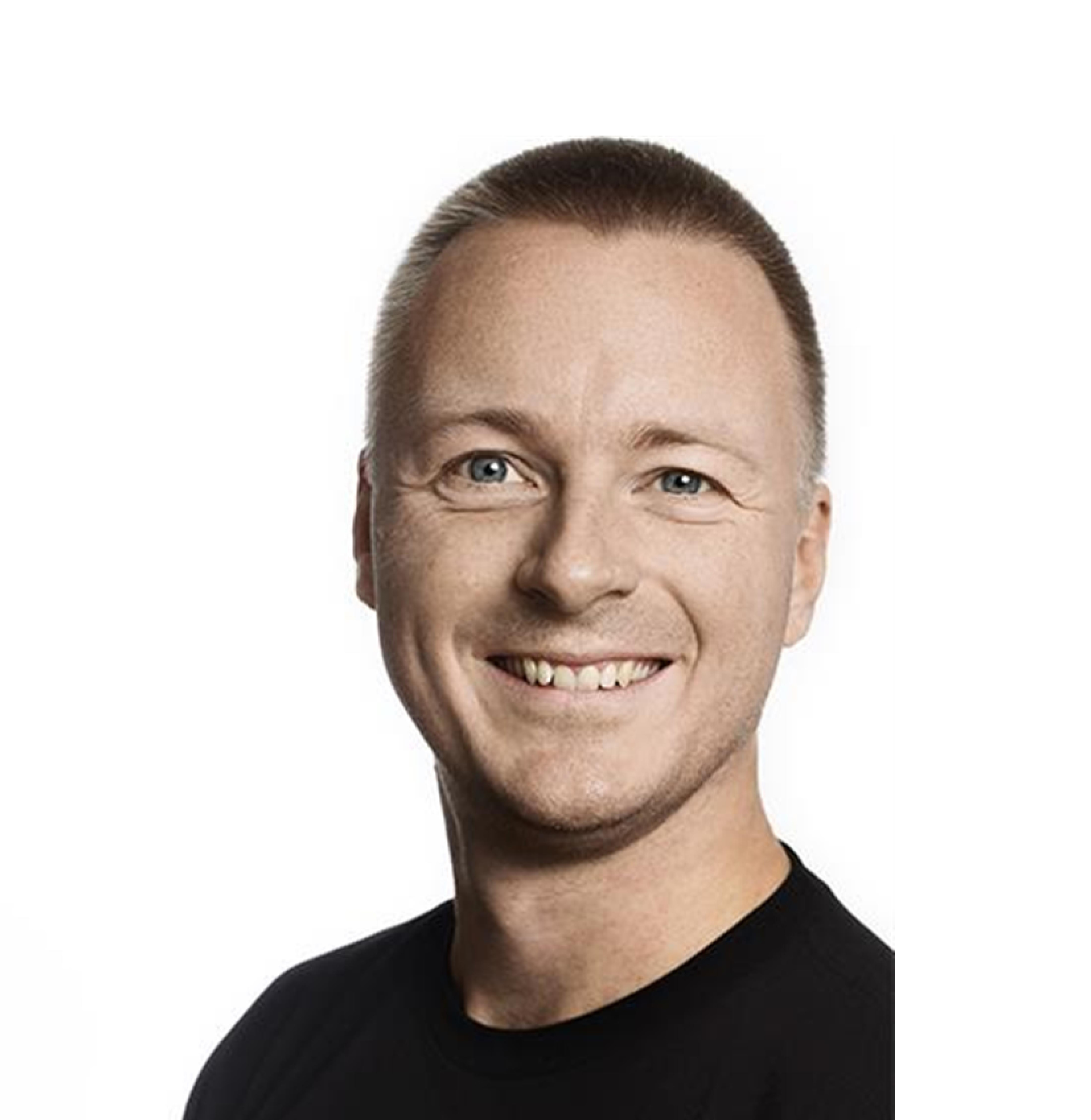
Anurag is currently a research scientist with Prof. Tonu Pullerits at the Division of Chemical Physics in the Department of Chemistry, Lund University. He was the first postdoc of LINXS.
Anurag did his PhD in solar energy harvesting and renewable fuel generation using Si-based photoelectrodes at Umeå University with Prof. Dr. Johannes Messinger and their atomic level characterizations using X-rays ESRF-Synchrotron with Dr. Pieter Glatzel. Anurag is investigating the heterogenous photoelectrodes using tabletop X-ray spectroscopy with Jens Uhlig. He dedicates 20% of his time to strengthen the educational mission of LINXS through webinars and other related activities.
Light Harvesting Processes working group member, LINXS Fellow
Kristoffer Haldrup, Associate Professor at the Department of Physics, Technical University of Denmark. Haldrup’s research focuses on studies of structural and electronic dynamics (and their couplings) in photoexcited molecular systems using ultrafast X-ray sources such as synchrotrons and XFELs. Specific focus is on how the environment (solvation) influences the course of chemical reactions.
NEW MATERIALS WORKING GROUP 4
CATALYSIS
The working group is focusing on understanding and developing of more efficient catalysts in a wide range of applications such as chemical processes for the reduction of harmful emissions, catalytic processes for green production of chemicals, hydrogen based energy production, as well as the catalytic upgrade of renewable feedstock to achieve a zero-carbon footprint.
Technical and industrial relevant chemical processes such as catalysis and electrochemistry occur at solid surfaces in complex environments in terms of material composition, pressure, temperature and medium. As a consequence, the atomic scale structure and the environmental composition close to the active material which governs the chemical processes are notoriously difficult to determine. Traditionally, most investigations of catalysts or electrodes for electro catalysis are performed ex-situ or post mortem, leading to difficulties in correlating material structure with function, particularly on the atomic scale. MAX IV offers unique capabilities of in situ and operando investigations of catalysts in harsh environments such as high temperatures and high pressures or in electrolytes. Investigations of catalysts under working conditions with high temporal resolution facilitating a new understanding of complex chemical processes leading to the development of better materials/devices for catalysis and electrocatalysis.
The structural information of the catalyst, and its transient phases between the inactive and active phases, will be studied on the atomic scale. The information gained from experiments at MAX IV coupled with theoretical simulations should provide a new view on chemical reactions at surfaces promoting our current understanding, to enable breakthroughs in the design of superior catalyst and electrode materials based on atomistic knowledge and control.
New Materials Core Group Member, LINXS Fellow
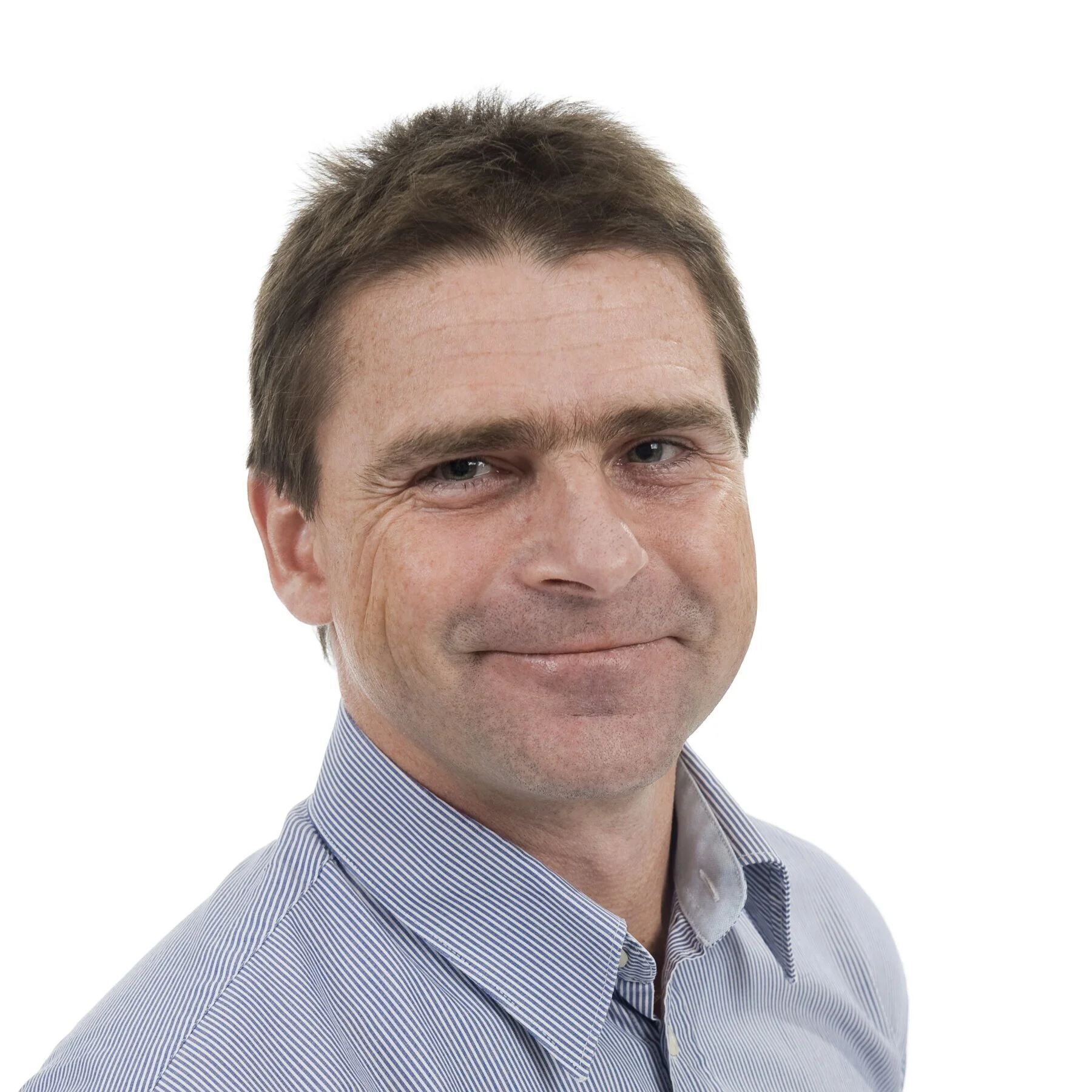
Sara Blomberg is an assistant professor at the Department of Chemical Engineering at Lund University, Sweden. Blomberg received her PhD in Physics at the Department of Synchrotron Radiation Research at Lund University in 2017. She was a post doc between 2018-2020 at Dept. of Chemical Engineering in Lund and affiliated post doc to the Advanced Light Source in Berkeley, USA. In 2020 she was hired as an assistant professor. Her research is focused on catalytic processes where she are using in situ and operando X-ray techniques to study the interaction between the catalyst and the reactants. During her PhD, she focused her research on model systems to achieve a fundamental knowledge about active surface structures and surface-related phenomena in catalytic processes. Today, her research is still aiming for in-depth knowledge about chemical processes on catalysts. She is designing and studying model systems as well as industrial catalysts and has a particular interest in catalytic processes related to the production of renewables and the conversion of biomass.
New Materials WG 4 Member, Catalysis, LINXS Fellow
Edvin Lundgren is a professor at the physics department at Lund University, Sweden. Lundgren received his PhD at Lund University 1996 and spent 2 years at the ESRF, France and 3 years at TU-Wien, Austria before returning to Lund. His research is focused on surface structures on the atomic scale and applying in situ synchrotron-based techniques to material systems under working conditions. The research has led to the discovery of a new set of ultrathin oxides on late transition metals, atomic scale views on nano structures such as quantum dot and nanowire surfaces and pioneering work on in situ studies of model catalysts and electrodes at work.
New Materials WG 4 Member, Catalysis, LINXS Fellow
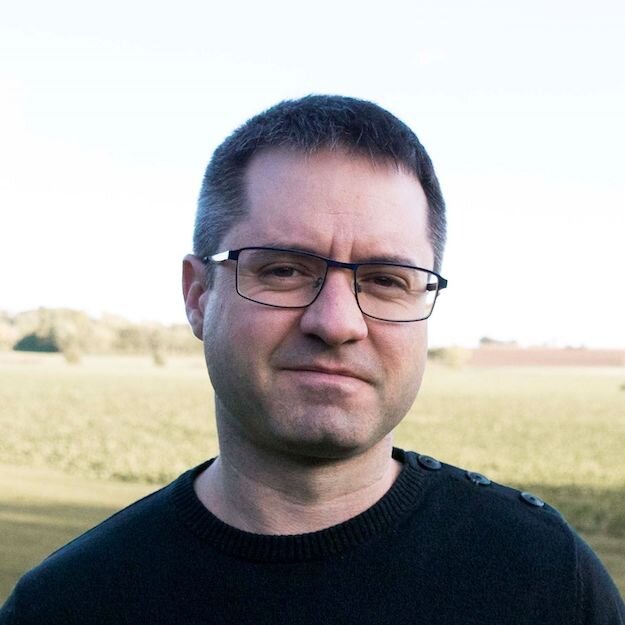
Andreas Stierle is professor for nanoscience at the University of Hamburg and leading scientist at DESY. He is also responsible for the organisation of the DESY nanolab as a user facility. His main focus is on the investigation of the structure and physical-chemical properties of nanoscale systems ranging from ultra-high vacuum to application-related environmental conditions, with the help of synchrotron radiation based methods. In addition to this, complementary laboratory examination methods of the DESY nanolab are used. The results gained deepen the fundamental understanding of gas, solid state or liquid-solid interfaces of nano materials which are used for anti-corrosion or in energy conversion processes.
New Materials WG 4 Member, Catalysis, LINXS Fellow
Lindsay Merte is a Senior Lecturer at the Dept. of Materials Science and Applied Mathematics, Malmö University. His main research areas are surface physics and heterogeneous catalysis, with particular focus on metal oxide surface structure and reactivity. This research involves application of multiple hard- and soft-X-ray methods, as well as high-resolution scanning tunneling microscopy and development of sample environments for in situ characterization.
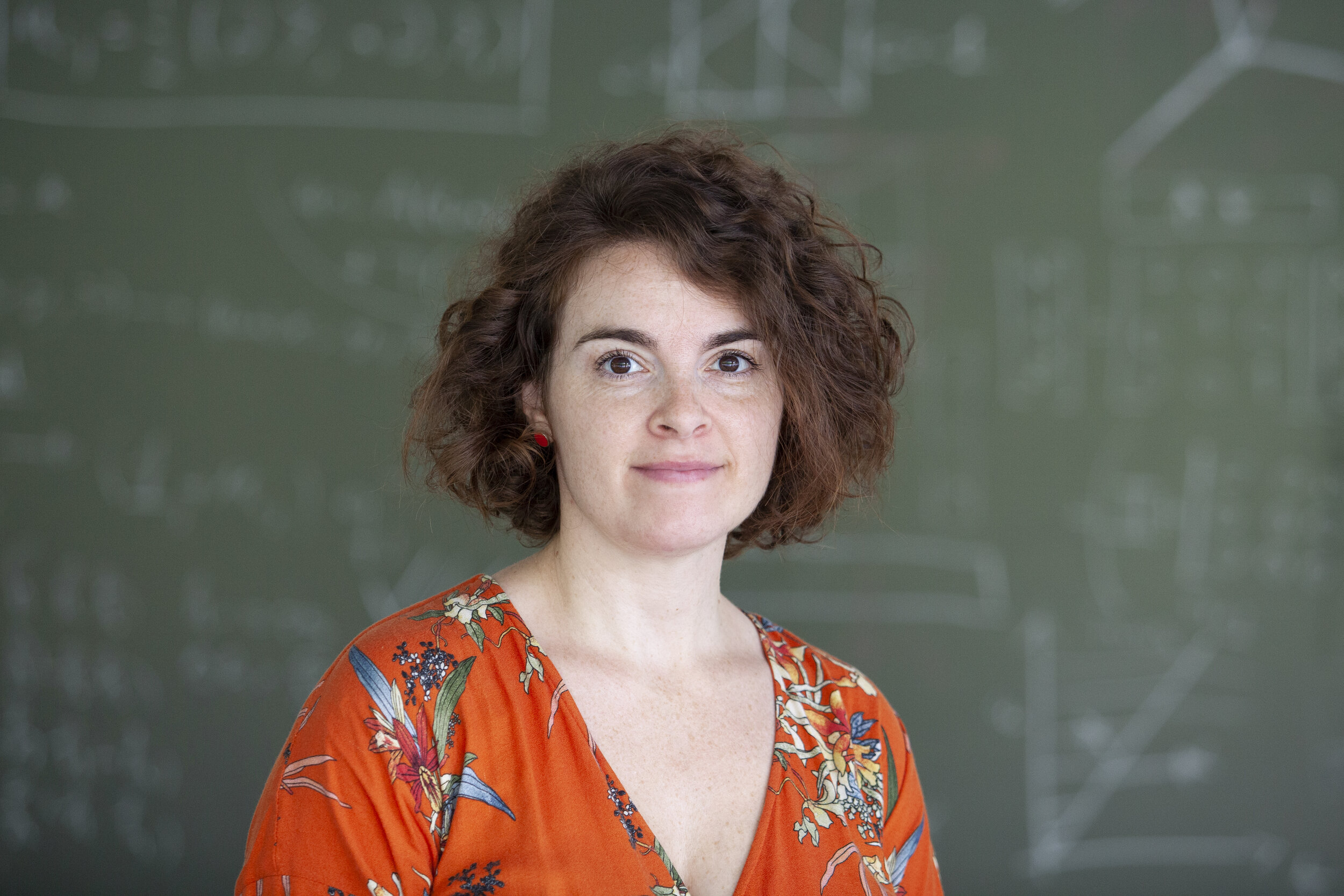
New Materials WG 4 Member, Catalysis, LINXS Fellow
Sara Barja is Ramón y Cajal Researcher at the Material Physics Center, Basque Country University, Spain. Sara got her Ph.D. in 2012 at the Universidad Autónoma de Madrid, Spain. After that, awarded with the IOF Marie Curie Action, she had the chance to continue her scanning probe microscopy studies on emerging 2D systems first at the Lawrence Berkeley National Laboratory and later at the Max Planck Institute for Solid State Research in Stuttgart. Since 2016, she coordinates an experimental research line devoted to structural and electronic characterization of novel 2D materials for energy-related applications. Her goal is to combine complementary surface science techniques (NAP-XPS/STM, LT-STM) and electrochemical studies to unveil the structure-activity relations on catalysts for relevant electrochemical reactions.
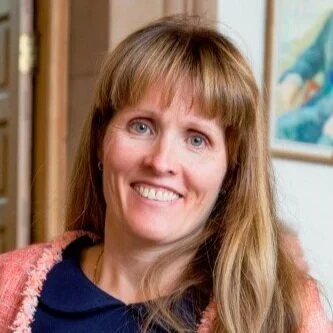
New Materials WG 4 Member, Catalysis, LINXS Fellow
Hilde Venvik is Professor at Department of Chemical Engineering, NTNU - Norwegian University of Science and Technology, Trondheim, Norway. She obtained her PhD in 1998 from the Department of Physics, NTNU, on surface science investigations of cobalt and platinum single crystal surfaces. She is Centre Director of “iCSI – industrial Catalysis Science and Innovation for a competitive and sustainable process industry”, a Centre for Research-based Innovation (SFI) granted by the Research Council of Norway (RCN) for the period 2015-23, with Yara, KA Rasmussen, Dynea, Inovyn, Haldor Topsøe, SINTEF and the University of Oslo as partners. She is also Council Officer (Secretary) to the European Association of Catalysis Societies (EFCATS). Her research interests are directed towards metal-based membrane technology and heterogeneous catalysis and development of industrially relevant catalytic model systems and advanced surface characterization methodologies.
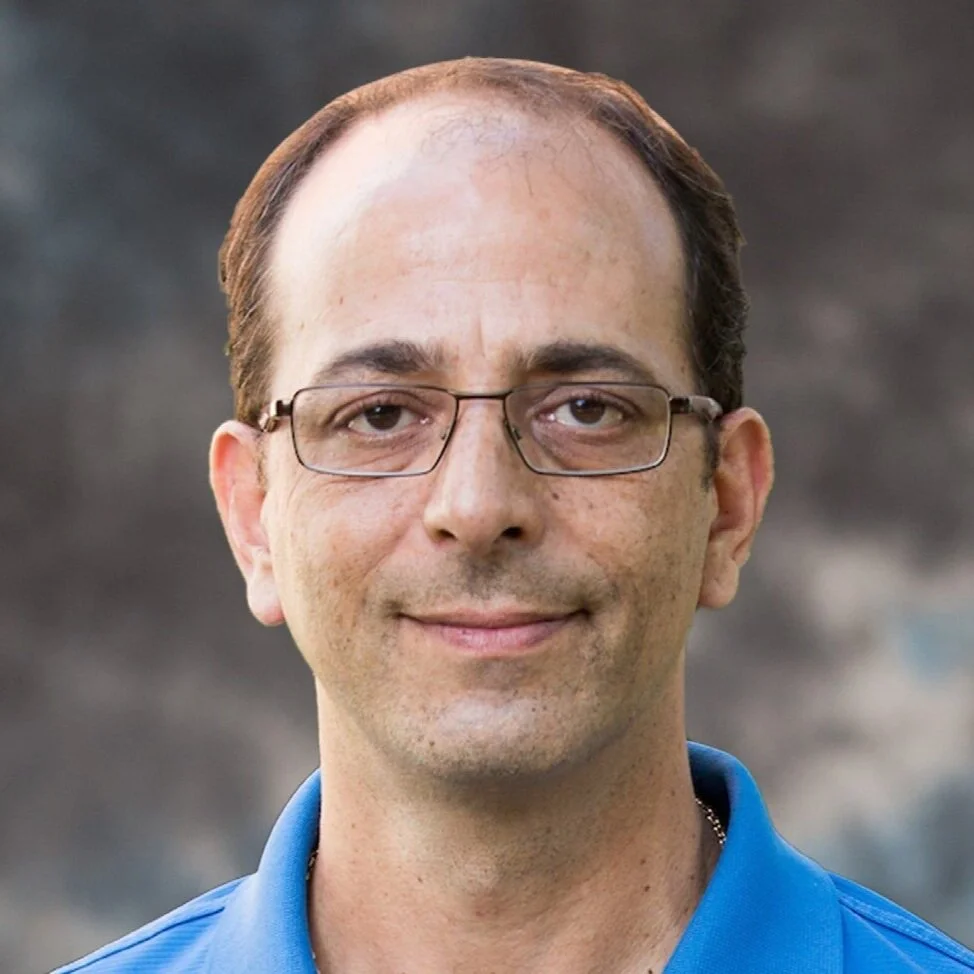
New Materials WG 4 Member, Catalysis, LINXS Fellow
Jason Weaver is a Professor of Chemical Engineering and an Affiliate Professor of Chemistry at the University of Florida. He received a PhD in Chemical Engineering from Stanford University in 1998. His research focuses on developing a molecular-level understanding of surface chemical reactions through application of ultrahigh vacuum and in situ surface analysis methods as well as molecular simulations. He has pioneered studies of the surface chemistry of late transition metal oxides, providing new methods for studying the reactivity of well-defined sites on their surfaces. Using this approach, he discovered the exceptional structural sensitivity in their reactivity towards light alkanes, with important implications for catalytic alkane conversion.
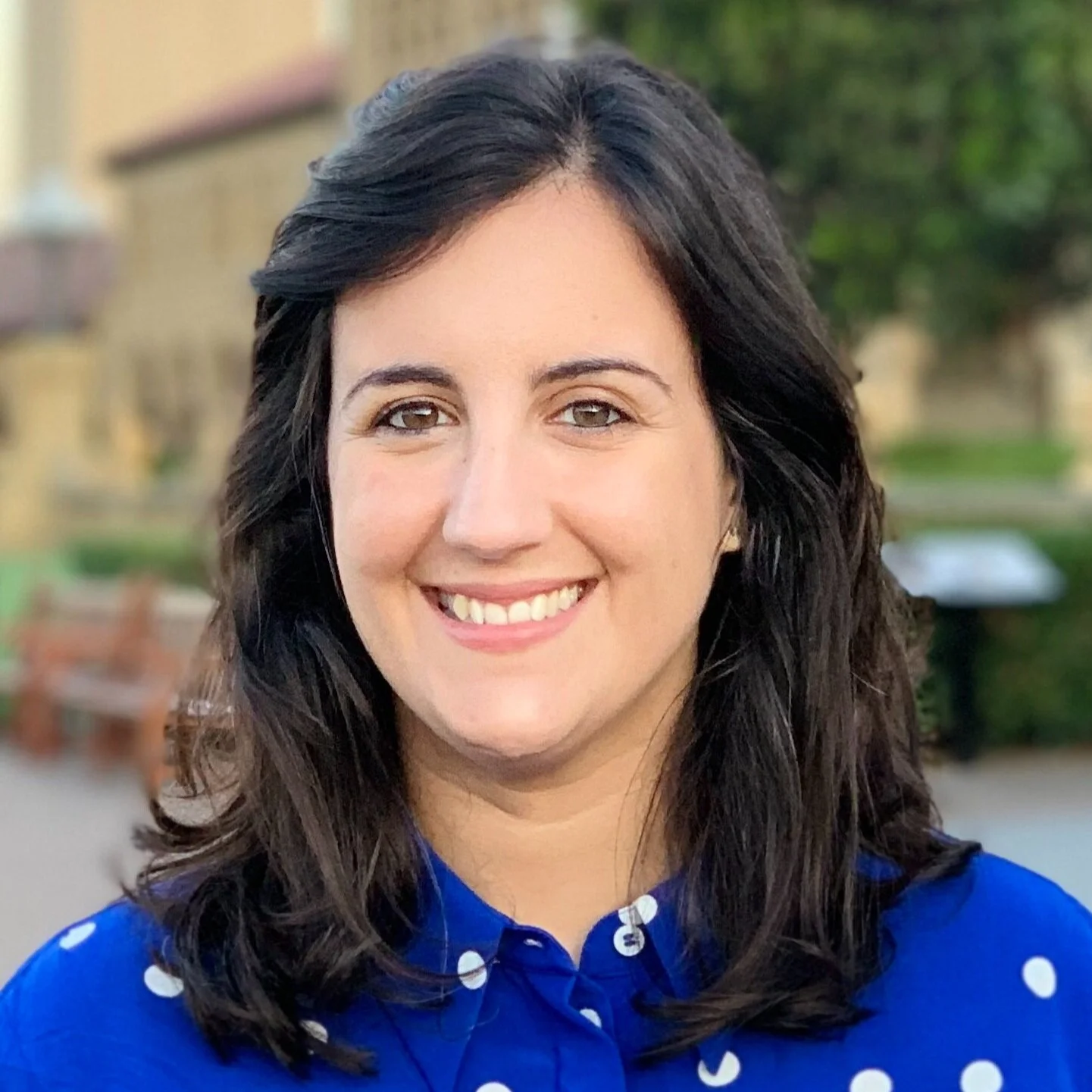
New Materials WG 4 Member, Catalysis, LINXS Fellow
María Escudero Escribano is an Assistant Professor at ICREA and Catalan Institute of Nanoscience and Nanotechnology, where she leads the Nano-Electrochemical group Her group investigates tailored electrochemical interfaces for sustainable energy conversion and electrosynthesis of renewable fuels and chemicals. The research at her group combines electrochemical methods with in situ optical spectroscopy, microscopy, and in situ synchrotron-based characterisation techniques in order to understand the electrochemical interface at the atomic and molecular levels.
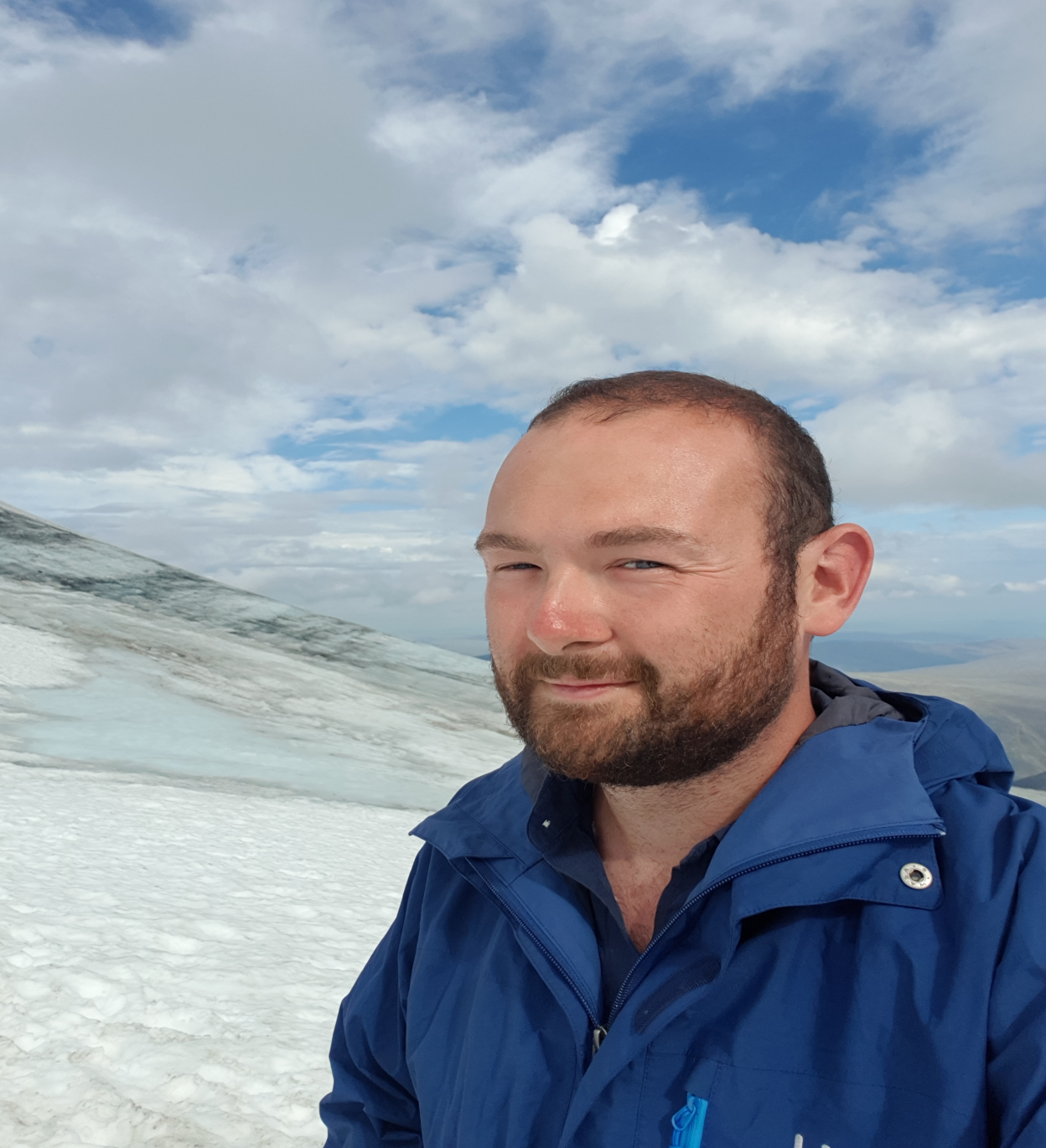
New Materials WG 4 Member, Catalysis, LINXS Fellow
Gary Harlow is currently a postdoctoral researcher at the University of Copenhagen, Denmark where he works in the Nano-electrochemistry group. Gary got his Ph.D. in 2016 from the University of Liverpool, UK where his thesis focused on using surface x-ray diffraction to investigate fundamental electrocatalysis. After that he worked at Lund University, first as a postdoc where he used several synchrotron techniques to investigate the structure and formation of templated nanoparticles formed via electrodeposition. He was then employed as a researcher at Lund University where he worked on developing the use of high-energy surface x-ray diffraction in electrochemistry. One of his main goals is to use synchrotron based techniques to establish structure-function relationships in electrocatalysis, that will hopefully lead to the development of new catalysts for a sustainable future.
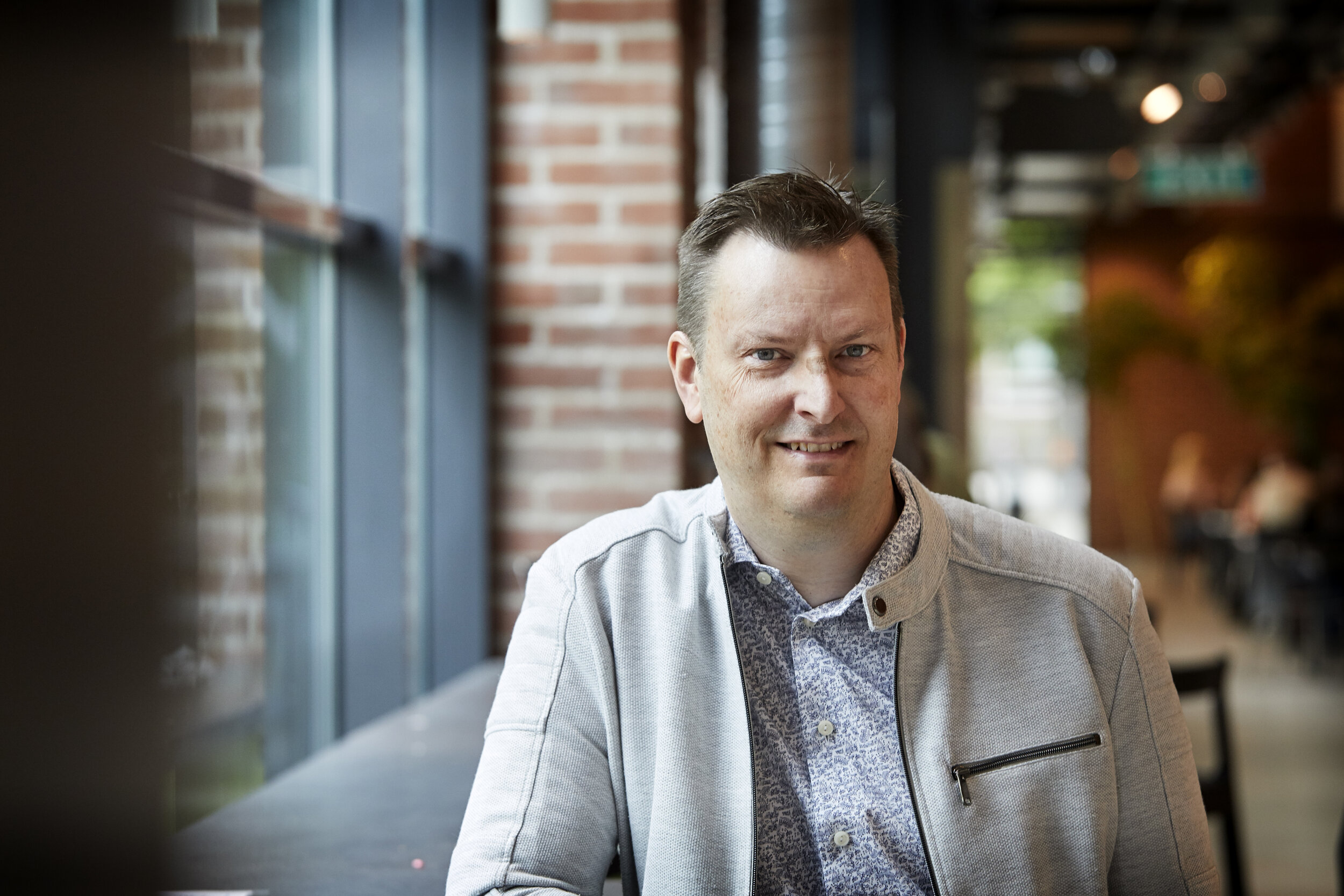
New Materials WG 4 Member, Catalysis, LINXS Fellow
Per-Anders Carlsson is a Professor of Materials and Surface Sciences at the Department of Chemistry and Chemical Engineering at Chalmers University of Technology, Sweden. He is heading the Chalmers Materials Analysis Laboratory and is active within the Competence Centre for Catalysis. He received his PhD in chemical engineering from Chalmers in 2004. After working a few years as a development engineer and team leader in the industrial business sector, he shifted his focus towards an academic career. Driven by curiosity, he adopts a physical inorganic chemistry approach to explore atomic and molecular properties and processes of materials "at work", and how these can be used in sustainable technologies.
NEW MATERIALS WORKING GROUP 5
Nanostructures and Interfaces
Many practical devices are built using a thin film geometry, with additional patterning in the plane to create functionality – think about solar cells, or the strong link between surface orientation and catalyst effectiveness. This working group acts as a home for material development experts, in dialogue with the other working groups. When studying nanostructures, different tools give valuable insight into different aspects of the observed behaviour.
New Materials Core Group Member, LINXS Fellow
Maria is an associate professor at the Division of Solid State Physics in the Department of Physics, Lund University, but has strong links with the Division of Synchrotron Radiation Research. She is the coordinator of materials research within the strategic research area NanoLund, and recently received a Research Leader of the Future grant from the Swedish Foundation for Strategic Research (SSF). She will be responsible for WG 5 (nanostructures and interfaces). In the Core Group she will be asked to monitor progress on material development/manufacture.
New Materials Core Group Member, LINXS Fellow
Martin is a professor at the Department of Chemistry at Uppsala University. Martin’s interests overlap Working Groups 1, 2 and 5 (functional magnetic materials and charge transfer materials, nanostructures and interfaces). He is actively engaged with neutron scattering techniques, and is also the Director of SwedNess (Swedish Neutron Education for Science and Society). In the Core Group, he will monitor education activities and engagement at the national and international levels.

New Materials WG 5 Member, Nanostructures and Interfaces, LINXS Fellow
Claudio Verdozzi’s is a senior lecturer at the Division of Mathematical Physics at the Physic Department, Lund University. His research interests are in the area of time-dependent phenomena and interacting quantum many-particle systems. He is involved in development and application of theoretical methods (NEGF,TDDFT,ED) to describe time-resolved spectroscopies, quantum transport, and ultra-cold atom physics. Within the LINXS initiative, his aims will be the study of creation/annihilation and dynamics of skyrmion excitations and, at a lesser extent, of time-dependent magnetic phenomena in small clusters.
New Materials WG 5 Member, Nanostructures and Interfaces, LINXS Fellow
Jakob B. Wagner is head of Characterization at the National Center for Nanofabrication and Characterization at Technical University of Denmark (DTU Nanolab). He received his PhD from the University of Copenhagen in 2002 based on work the in situ imaging of catalysts for methanol synthesis by means of environmental transmission electron microscopy. The work was performed in collaboration with Haldor Topsøe A/S. After completing his PhD, he continued as a post doctoral fellow at the Fritz Haber Institute in Berlin, Germany before he moved on to a post doctoral fellow position in 2005 at Lund University, Sweden. In 2007 he became a senior researcher at the newly started Center for Electron Nanoscopy at the Technical University of Denmark (DTU Cen), now DTU Nanolab, where he became Scientific Director and Professor in 2013. His research include high-resolution electron microscopy, energy-filtered imaging and in situ electron microscopy, with a primary emphasis on characterization and in situ study of semiconductor nanowires, nanoparticle catalysts and low-contrast materials such as carbon nanotubes and graphene.
He is responsible for the overall scientific use of the electron microscopy facility along with teaching and lecturing at various courses and workshops in advanced electron microscopy.
He has published more than 130 papers and book chapters, where electron microscopy has been a major tool for characterization and has organized several symposia at international conferences with in situ microscopy as the main theme.
Guest Researcher at LINXS in 2021
New Materials WG 5 Member, Nanostructures and Interfaces, LINXS Fellow
Prof. Dr. Regina Dittmann, from Forschungszentrum Jülich in Germany, received a degree in Physics from the University of Cologne, Germany in 1990 and the PhD in Physics from University of Gießen, Germany in 1994. Since November 2012, she is also a professor at RWTH Aachen University. Regina Dittmann is current leading a group of 15 members working on the atomically controlled growth of oxides, memristive devices and neuromorphic circuits and she is operating the electronic oxides cluster laboratory (EOC). She is an internationally recognized expert on memristive devices, in particular on the elucidation of their working and failure mechanisms by spectroscopic analysis.
Functional Magnetic Materials working group member, LINXS Fellow
Christy Kinane, ISIS Muon and Neutron Source.
Nanostructures and Interfaces working group member, LINXS Fellow
Rasmus Westerström, Associate Senior Researcher, Synchrotron Radiation Research, Lund University, Sweden.
Guest Researcher at LINXS Aug - Nov 2023, LINXS Fellow
Carlos Campos, Professor at the Department of Physics, Federal University of Santa Catarina, Brazil.
Carlos E. M. Campos is Full Professor in the Department of Physics at the Federal University of Santa Catarina (UFSC) in Brazil. Holds his Ph.D. in Experimental Physics at UFSC (2005), with a period at the Université Pierre et Marie Curie (Paris VI) in France when started studying physical properties and phase transitions at high pressures generated by diamond anvil cells (DAC). He has experience in Mechanochemical Synthesis (MS) of chalcogenide Nanomaterials, X-ray Powder Diffraction (XRPD), calorimetry (DSC, DTA-TGA), X-ray absorption (XAS), electron microscopy and Raman scattering. His most recent scientific interests are: i) in-situ and in-operando characterization of nanomaterials produced by MS and their applications in electroanalytics, catalysis, thermoelectrics, etc.; and ii) quantitative phase analysis of cementitious materials even under hydration conditions using XRPD data from conventional and synchrotron sources. Profile page at the university: https://pcemc.paginas.ufsc.br
NEW Materials news articles

New materials upcoming events
new materials past events
Save the date! Welcome to a combined LINXS Science Day and closing conference of the New Materials Theme!
POSTPONED! Mark the 8th of March (International women’s day) in your calendars for a cross-theme event at LINXS. More information coming soon!
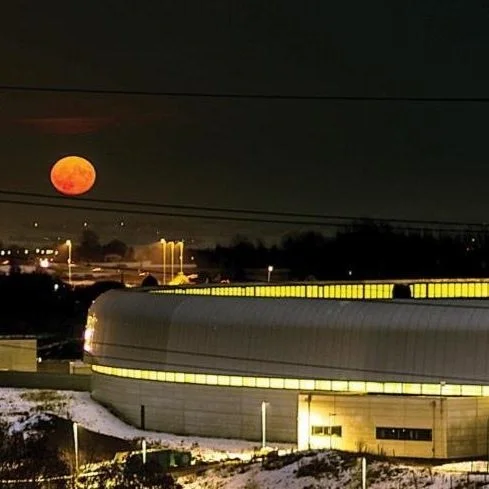
Welcome to a lunch seminar with Elizabeth Blackburn (Theme leader of the New Materials Theme at LINXS) on the opportunities and potential of Neutron and X-ray techniques in Natural Sciences.
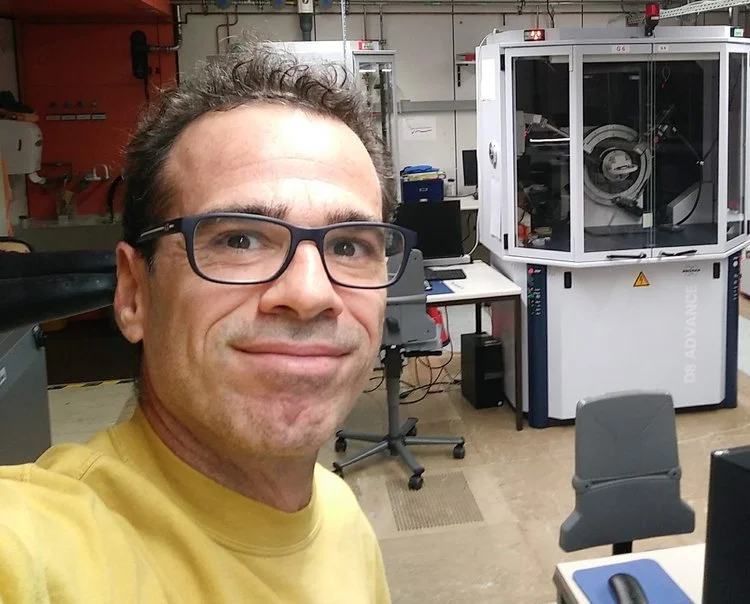
Welcome to a seminar with the New Materials Theme Guest researcher Prof Carlos Campos!
Learn about development and characterization of new materials with potential future applications in the fields of energy and sustainability.
Welcome to a seminar with Dr Drew Higgins (McMaster University) about understanding electrocatalysts through in situ characterization!
MAX IV Laboratory and LINXS offers the unique opportunity to combine theoretical lectures with practical training at the synchrotron. While the lectures are intended as a first step for new users to learn more about the technique, data analysis classes and exercises at the beamlines are encouraged to discuss user projects with more experienced scientists.
Welcome to a seminar with Michael Adams where he will talk about “Atomistic simulations of the magnetic neutron scattering from nanoparticles: towards the understanding of complex spin structures beyond the super spin model”.
Welcome to a workshop with the Food Interaction on Surfaces working group within the Northern Lights on Food theme.
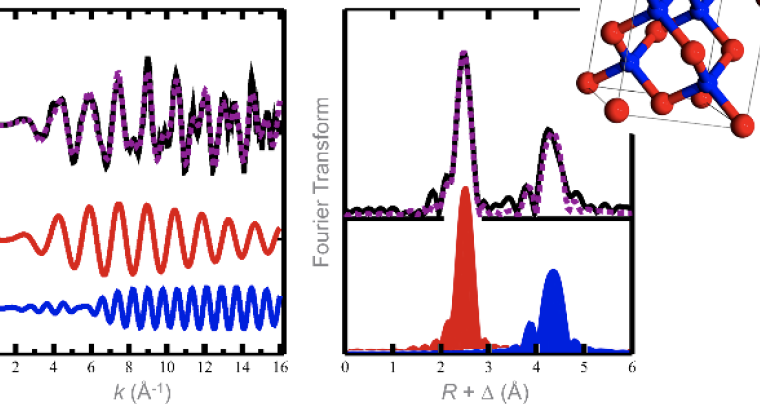
Welcome to the LINXS- XAS School 2023, aiming to train new or early users to design, plan, prepare, perform and analyze an x-ray absorption spectroscopy experiment at a synchrotron beamline.
We would like to wish you welcome to the second webinar arranged by the Working group Catalysis (under the theme New Materials).
This workshop focusses on the development and applicability of micromagnetic simulations to scattering data, in particular diffuse or small angle scattering data and reflectometry, collected on magnetic materials.
Part II will explore the extent and limits of current approaches for combining scattering data with simulation results, and will provide a forum for setting out future areas of interest to push these methods forward.
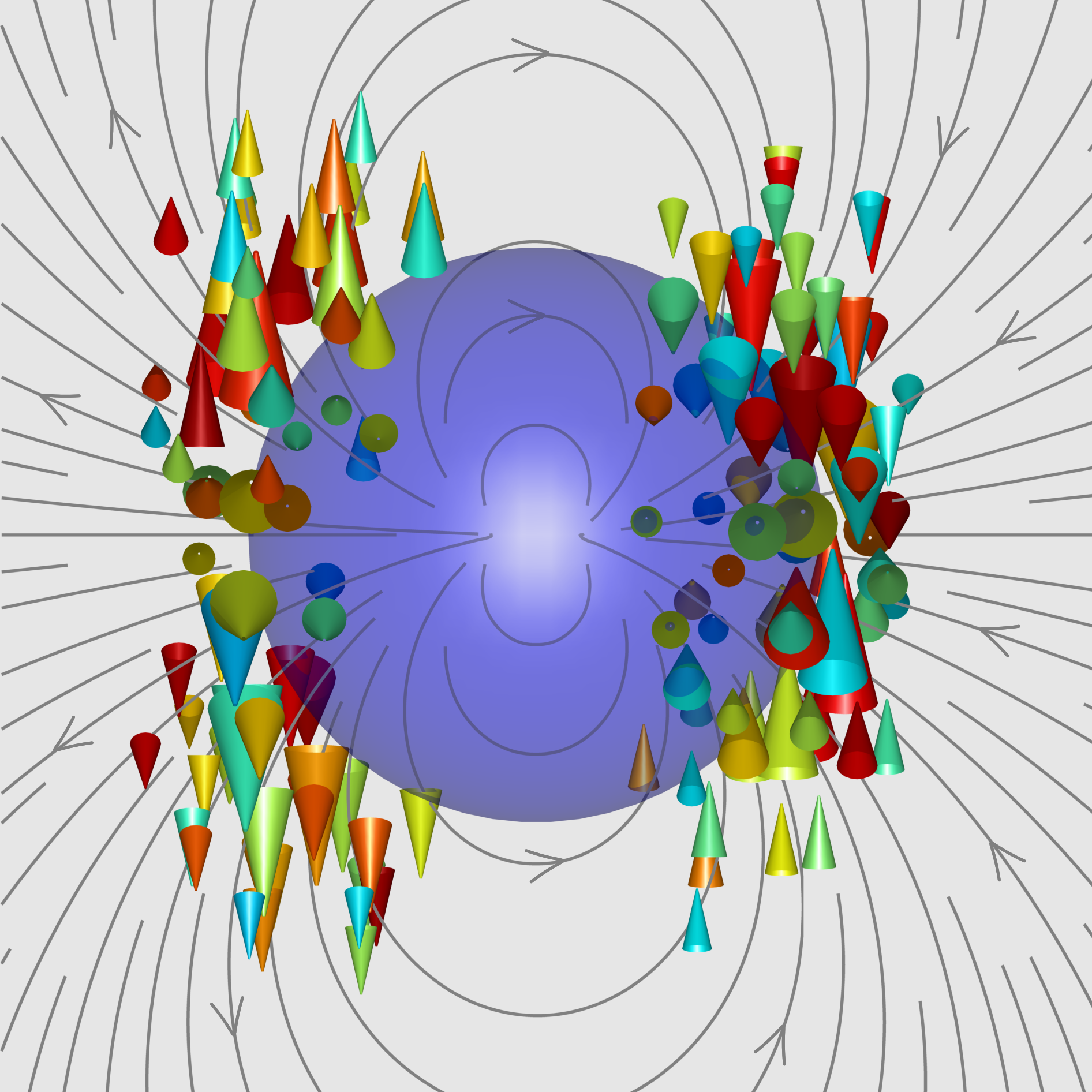
This workshop focusses on the development and applicability of micromagnetic simulations to scattering data, in particular diffuse or small angle scattering data and reflectometry, collected on magnetic materials.
Part I will focus on setting out the current state-of-the-art in terms of measuring the scattering function S(q) using the techniques noted in the longer description text, and in terms of micromagnetic theory and how it is applied to small angle neutron scattering and reflectometry.
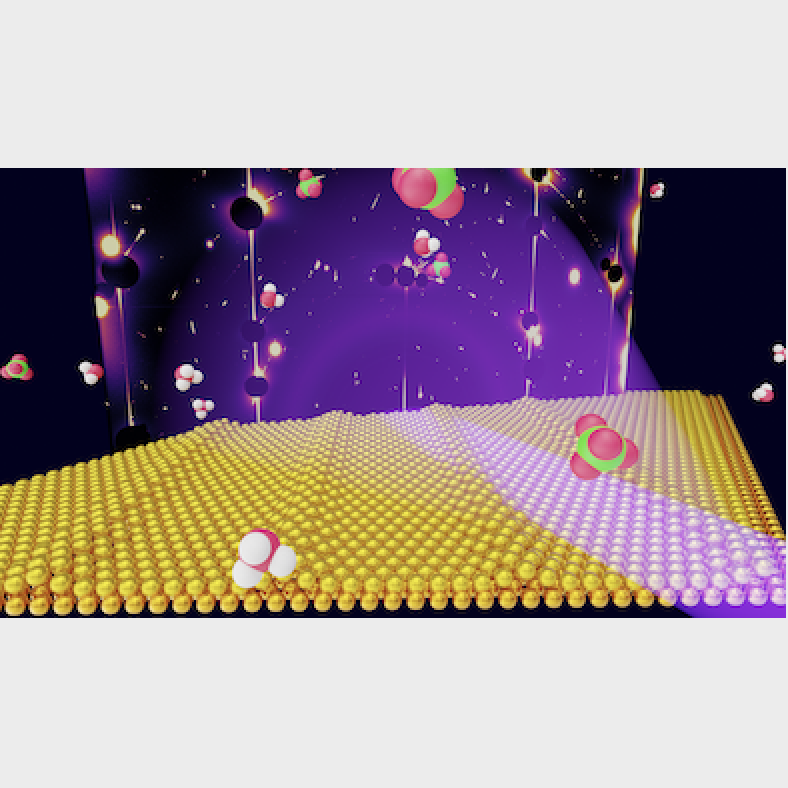
This event launches the activity programme for LINXS’ new theme. Within the theme, we aim to push forward the development and characterization of new materials with potential future applications in the fields of energy and sustainability, at the initial research stage. The theme has five working groups, which will each be briefly introduced at the start of the symposium. The subject of working group 5 obviously underpins the work of the other four working groups.
New Materials Core Group Leader, LINXS Fellow
Elizabeth is the initiator of the Theme and is the chair of the Core Group; she has extensive experience with both neutron and x-ray scattering methods, with a particular focus on magnetic materials. She is a professor at the Division of Synchrotron Radiation Research, within the Department of Physics, Lund University, and is tasked with promoting research into magnetic materials at Lund University. She will lead Working Group 1 (functional magnetic materials). Elizabeth is also a board member for the Condensed Matter Physics section of the Svenska Fysikersamfundet, and will be able to promote LINXS activities through this as well.