
ABOUT
IPDD focuses on various aspects of pharmacology, going from structure-based drug design of both small molecules and macromolecular drugs to their interplay with tissue and its formulation. For this we will in particular investigate macromolecular drugs such as antibodies. The structure-function relationship of human drug target proteins and tissue will be explored both in vitro, ex vivo, and in vivo, utilizing X-rays at and neutrons.
HAPPENING IN THEME

CORE GROUP
IPDD Core Group Member, IPDD WG 2 Leader and Dynamics Core Group Member, LINXS Fellow
Anna is a Professor at the Division of Physical Chemistry at Lund University specializing on biocolloids studied by scattering techniques. Her current research focuses on the properties of concentrated protein solutions with a particular interest in protein dynamics under crowded conditions.

IPDD WG 3 member and Opportunities in Imaging Working Group member, LINXS Fellow
Martin Bech is Senior Lecturer at the division of Medical Radiation Physics, Clinical Sciences, Lund University. He is interested in X-ray phase contrast and dark-field imaging using grating interferometer, Soft tissue biomedical imaging, Micro-CT imaging using synchrotron radiation and x-ray tubes.
IPDD Core Group Member, WG 1 Leader, Structure-based drug design and Linxs NXS Fellow
Raminta Venskutonytė is an associate researcher at Lund University. She is working within the research group of Medical Structural Biology headed by Professor Karin Lindkvist. Her major area of expertise is X-ray crystallography, applied for structure-based drug design and other protein structure-function projects of medical interest. Raminta has previously worked at the University of Copenhagen, where she obtained her PhD in Structural biology and pharmacology as well as postdoctoral training within structural biology of ionotropic glutamate receptors.

IPDD Core Group member, LINXS Fellow
Gisela Brändén, Associate Professor, University of Gothenburg – Brändén leads a research group at the Department of Chemistry and Molecular Biology at the University of Gothenburg. After obtaining a PhD from Stockholm University, she spent five years within drug discovery research at AstraZeneca R&D where her focus was on structure-based drug design using X-ray crystallography in combination with other biophysical methods. Since joining the University of Gothenburg in 2012, she has continued her efforts in structure-based drug design with a special focus on novel antibiotic protein targets. In addition, her group is exploring the use of serial X-ray crystallography methods for pharmaceutical compound screening.

IPDD Core Group member, LINXS Fellow
Mikael Dolsten is currently the Chief Scientific Officer and President at Worldwide Research, Development and Medical organization at Pfizer Inc., which is responsible for the development of all compounds through proof of concept, and provides pharmaceutical sciences, safety and medical support to the entire R&D pipeline and all marketed medicines and vaccines.
Mikael earned his Ph.D. in tumor immunology and M.D. from the University of Lund in Sweden, where he was Adjunct Professor in Tumor Immunology and was recently appointed Visiting Professor to advise on science and technology strategies. Since 2014, Mikael has co-chaired the Accelerating Medicine Partnership with National Institutes of Health (NIH) Director Francis S. Collins. Mikael advised the Obama Administration on regulatory and drug development issues as well as then Vice President Biden’s Cancer Moonshot Initiative to accelerate cancer research. Through 2019, Mikael was a council member of the GovernmentUniversity-Industry Research Roundtable. Mikael is a named inventor on several patents and has published approximately 150 articles in international journals, with contributions in molecular cell biology, immunology and oncology.
GUEST RESEARCHERS
Guest Researcher at LINXS in May–June 2023, and IPDD WG 2 member, LINXS Fellow
Andreas works as senior scientist at Jülich Centre for Neutron Science (JCNS) at Forschungszentrum Jülich. He is using neutron and X-ray scattering techniques for the investigation of structure and dynamics of biological macromolecules.
Andreas studied physics and biophysics at Technical University Munich, Germany, and at University Pierre and Marie Curie, Paris, France. He obtained his PhD degree with Dr. Giuseppe Zaccai in 2009 in physics in the field of protein dynamics using quasielastic incoherent neutron spectroscopy as experimental method. After that he joined Forschungszentrum Julich to work first on a project using coherent X-ray diffraction in molecular biophysics, and later joined JCNS in 2011 to start working on the structure and dynamics of intrinsically disordered proteins using small-angle neutron and X-ray scattering and neutron spin-echo spectroscopy. Since 2015 he is senior scientist with permanent position and in 2019 he obtained his habilitation from RWTH Aachen University in chemistry. His current research interests are focused on the investigation of the structure and dynamics of intrinsically disordered proteins and on the relevance of molecular flexibility for biological function. Experimental techniques used include neutron spectroscopy and small-angle X-ray and neutron scattering.
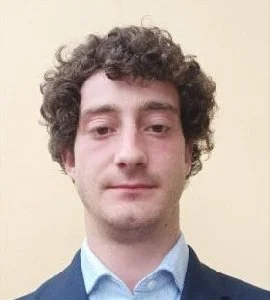
Junior Guest researcher at LINXS January - July 2023
Samuele Masoni is a PhD student in Medicinal chemistry at University of Pisa (Italy). His research is focused on the synthesis of novel small molecules interfering with cell metabolism, particularly glucose and lipid metabolism, applied in relevant pathologies, such as neurodegenerative and cancer diseases. His interest varies from the synthesis and purification to the analysis of small organic compounds whit various techniques. He’s particularly interested in reversible MAGL inhibitors and CD36 protein ligands, and will be a guest researcher within WG 1 – Structure-based drug design.

Junior Guest Researcher in WG 4 – Biophysics of Drug Delivery, between March–June 2023, LINXS Fellow
Luisa Affatigato, PhD Student in Technologies and Sciences for human Health, University of Palermo, Italy
Since her master studies, Luisa have focused the attention on the development of new nanocages that can be used for drug delivery, imaging and theranostics in the oncology field. In particular, her PhD project is in collaboration with Sapienza University of Rome and it is based on the study of two engineered ferritin from the synthesis and purification to the biomedical applications. For this purpose, biophysical and biological techniques with in vitro studies are applied, including spectroscopy and small-angle X-ray scattering at the Department of Pharmacy of the University of Copenhagen.
WORKING GROUPS FOR IPDD
IPDD WorkING Group 1
Structure-based drug design
Structure-based drug design aims to use structural biology methods to understand the molecular recognition and binding of potential drug compounds by their target proteins. X-ray crystallography is by far the most used method for this purpose, though neutron crystallography is crucial when the understanding of ligand-protein interactions requires us to investigate hydrogen atoms in the structure. Moreover, with an ever-increasing advancement of cryo-EM methods, high enough resolution can be achieved for some targets to study ligand binding without having to first crystallize the protein. Thus, although the focus of the current working group will be to resolve the details of how drugs interact with targets, method wise it will build on the previous successful LINXS theme “Integrative Structural Biology (ISB)”, by utilizing an integrative approach and make use of several structural biological methods to achieve the goals.
While structural models of the complexes between the ligand and the drug target provide necessary information for drug development, in order to achieve this purpose, expertise from different fields is required. Besides structural techniques and infrastructure, molecular pharmacology, chemical biology, medicinal, organic and computational chemistry all have to be employed for new molecule design, modification and understanding of their pharmacological properties at the drug targets of interest. Therefore the working group on structure-based drug design gathers scientists to represent all aspects of the topic:
- structural biology of soluble and membrane proteins
- chemical biology
- medicinal chemistry and organic synthesis

IPDD Core Group Leader and Integrative Structural Biology Core Group Leader, LINXS Fellow
Karin Lindkvist is an expert in structural biology in particular applying X-ray crystallography. Her research encompasses both structural studies of integral membrane proteins and soluble proteins, in particular proteins important in human metabolism such as glucose transporters and glycerol channels. Lindkvist has a strong scientific network in the field of membrane protein structural biology.

IPDD WG 1 member, Structure-based drug design, LINXS Fellow
Scientific Project Leader of the NMX instrument at ESS and Visiting research fellow at Biochemistry and Structural Biology at Lund University. Research interests include macromolecular neutron crystallography, enzyme mechanisms, and structural biology .
IPDD Core Group Member, WG 1 Leader, Structure-based drug design and Linxs NXS Fellow
Raminta Venskutonytė is an associate researcher at Lund University. She is working within the research group of Medical Structural Biology headed by Professor Karin Lindkvist. Her major area of expertise is X-ray crystallography, applied for structure-based drug design and other protein structure-function projects of medical interest. Raminta has previously worked at the University of Copenhagen, where she obtained her PhD in Structural biology and pharmacology as well as postdoctoral training within structural biology of ionotropic glutamate receptors.

IPDD WG 1 Member, Structure-based drug design, LINXS Fellow
Lars Grundemar is an adjunct professor at Lund University and an experienced pharmaceutical executive. He obtained his PhD at the Department of Pharmacology, Lund University in 1991 and pursued research in the field of identification and characterization of G-protein coupled receptor for neuropeptide transmitters. Lars is also an MD and specialist in Clinical Pharmaology. He is currently the CEO for Oncorena, developing potential breakthrough therapy for metastatic renal cancer. Previously, Lars has held leadership R&D positions in global pharmaceutical corporations in Sweden, USA, Switzerland, Italy and Denmark.
IPDD Core Group member, LINXS Fellow
Gisela Brändén, Associate Professor, University of Gothenburg – Brändén leads a research group at the Department of Chemistry and Molecular Biology at the University of Gothenburg. After obtaining a PhD from Stockholm University, she spent five years within drug discovery research at AstraZeneca R&D where her focus was on structure-based drug design using X-ray crystallography in combination with other biophysical methods. Since joining the University of Gothenburg in 2012, she has continued her efforts in structure-based drug design with a special focus on novel antibiotic protein targets. In addition, her group is exploring the use of serial X-ray crystallography methods for pharmaceutical compound screening.

IPDD WG 1 Member, Structure-based drug design, LINXS Fellow
Bjørn Panyella Pedersen is an associate professor at the Department of Molecular Biology and Genetics at Aarhus University in Denmark. There he is working on membrane transport processes from a structural perspective. His current research topics have a focus on sugar and cholesterol uptake mechanisms.
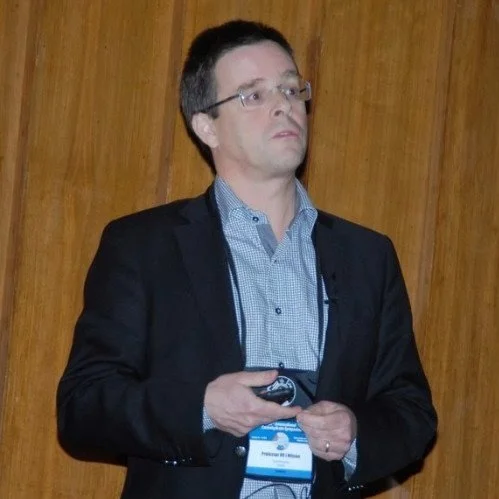
IPDD WG 1 Member, Structure-based drug design, LINXS Fellow
Ulf Nilsson is a professor at Lund University. He obtained his PhD at Lund University 1995 working with oligosaccharide synthesis under the supervision of professor Göran Magnusson. He did post-doctoral studies 1995-1997 at University of Alberta, Canada, with professor Ole Hindsgaul developing methods for combinatorial carbohydrate chemistry. He initiated his independent research career at Lund University 1998 as an assistant professor and was promoted full professor in 2009. Research interests are on molecular recognition studies in biological systems and in artificial model systems and on the biology, medicinal chemistry, and structure-based drug design of galectins, sialic acid transport proteins, and DHODH enzymes.
https://portal.research.lu.se/sv/persons/ulf-nilsson

IPDD WG 1 Member, Structure-based drug design, LINXS Fellow
Filippo Minutolo is a full professor of Medicinal Chemistry at the University of Pisa (IT) since 2016, after being an associate professor (2006-2016) and a researcher (2001-2006) at the same institution. He holds a PhD in Chemistry (1996) issued by Scuola Normale Superiore (Pisa, IT), which includes a year at the University of Groningen (NL) as a visiting graduate student in the research group of Prof. Ben L. Feringa [Nobel prize in Chemistry 2016]. In 1997-1999 he was a visiting post-doctoral research associate at the University of Illinois at Urbana-Champaign (USA) in the research group of Prof. John A. Katzenellenbogen.
He has a 30 year experience in the design and synthesis of bioactive molecules and the results of his research were published in 140 peer-reviewed articles (H-index = 34), several international patents and numerous congress communications.
https://www.scopus.com/authid/detail.uri?authorId=7004587084
https://orcid.org/0000-0002-3312-104X
He is member of the European Organization for Research and Treatment of Cancer (EORTC, Bruxelles) and served as panel member in various national and international funding campaigns.
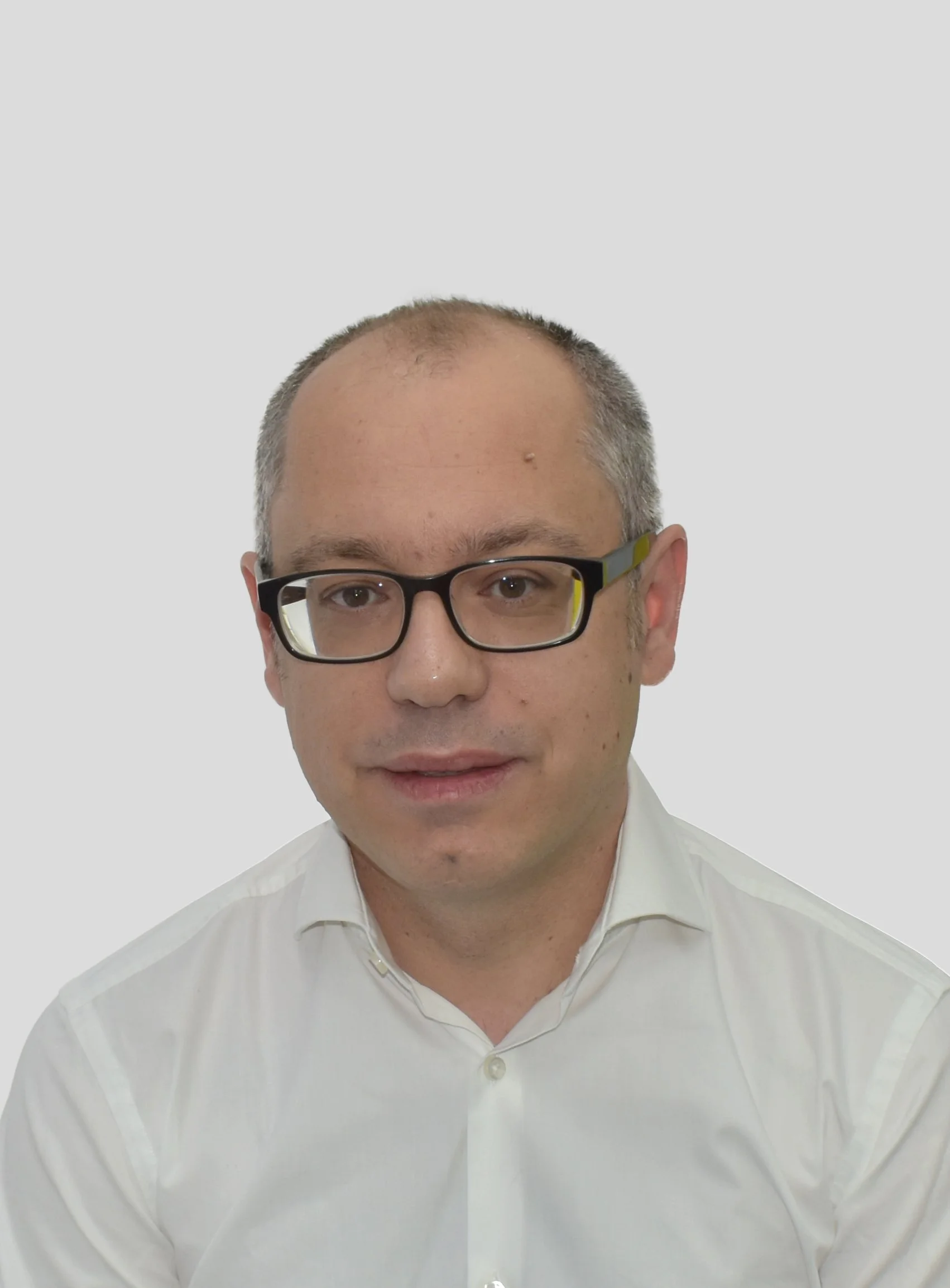
IPDD WG 1 Member, Structure-based drug design, LINXS Fellow
Tobias Krojer is project manager of the FragMAX facility for crystal-based fragment screening at MAX IV Laboratory. He is interested in developing methods for accelerated structure-based drug development at synchrotron sources.

IPDD WG 1 Member, Structure-based drug design, LINXS Fellow
Professor Pål Stenmark is a biochemist and structural biologist at Stockholm university.
His research focusses on two areas related to human health:
1. Structural based drug design, targeting novel cancer targets in nucleotide metabolism.
2. The Botulinum neurotoxins, deadly toxins that also can heal.

LINXS Director
Trevor.Forsyth@linxs.lu.se
I was appointed to a personal Chair in Biophysics in 2004. Prior to that I was a Lecturer and then Senior Lecturer in Physics at Keele. Since 2000 I have been on secondment to the Partnership for Structural Biology at the Institut Laue Langevin (ILL) in Grenoble, France, where I hold a Senior Fellowship and am Head of the Life Sciences Group.

IPDD WG 1 member, LINXS Fellow
Roger Olsson, Professor and Research Team Manager at Chemical Biology and Therapeutics, Lund University.

IPDD WG 1 , Structure-based drug design, LINXS Fellow
Derek Logan is professor in the Department of Biochemistry and Structural Biology at the Centre for Molecular Protein Science, Lund University. He applies X-ray and neutron crystallography, small-angle X-ray scattering and cryo-electron microscopy, as well as various biophysical and biochemical techniques, to the study of protein structure. He has a particular interest in the mechanism and allosteric regulation of ribonucleotide reductases and ligand binding to the galectin family. Derek is also a co-founder and Chief Scientific Officer of the structural biology contract research organisation SARomics Biostructures AB, active in the area of early stage drug discovery.
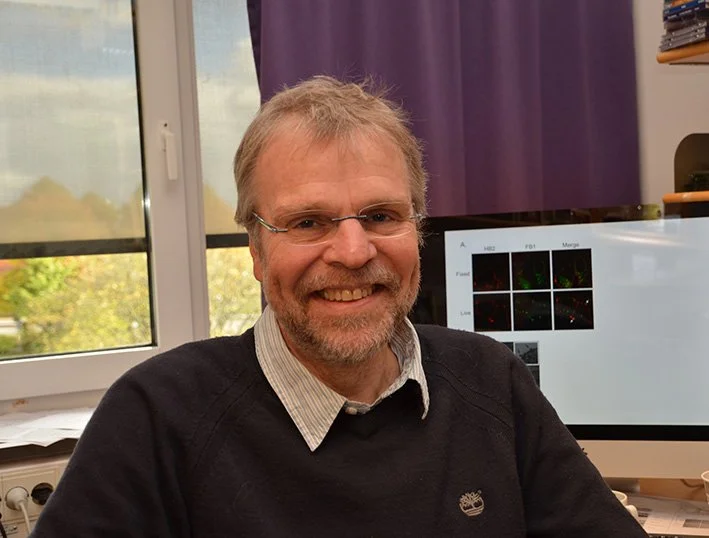
IPDD WG 1 member, LINXS Fellow
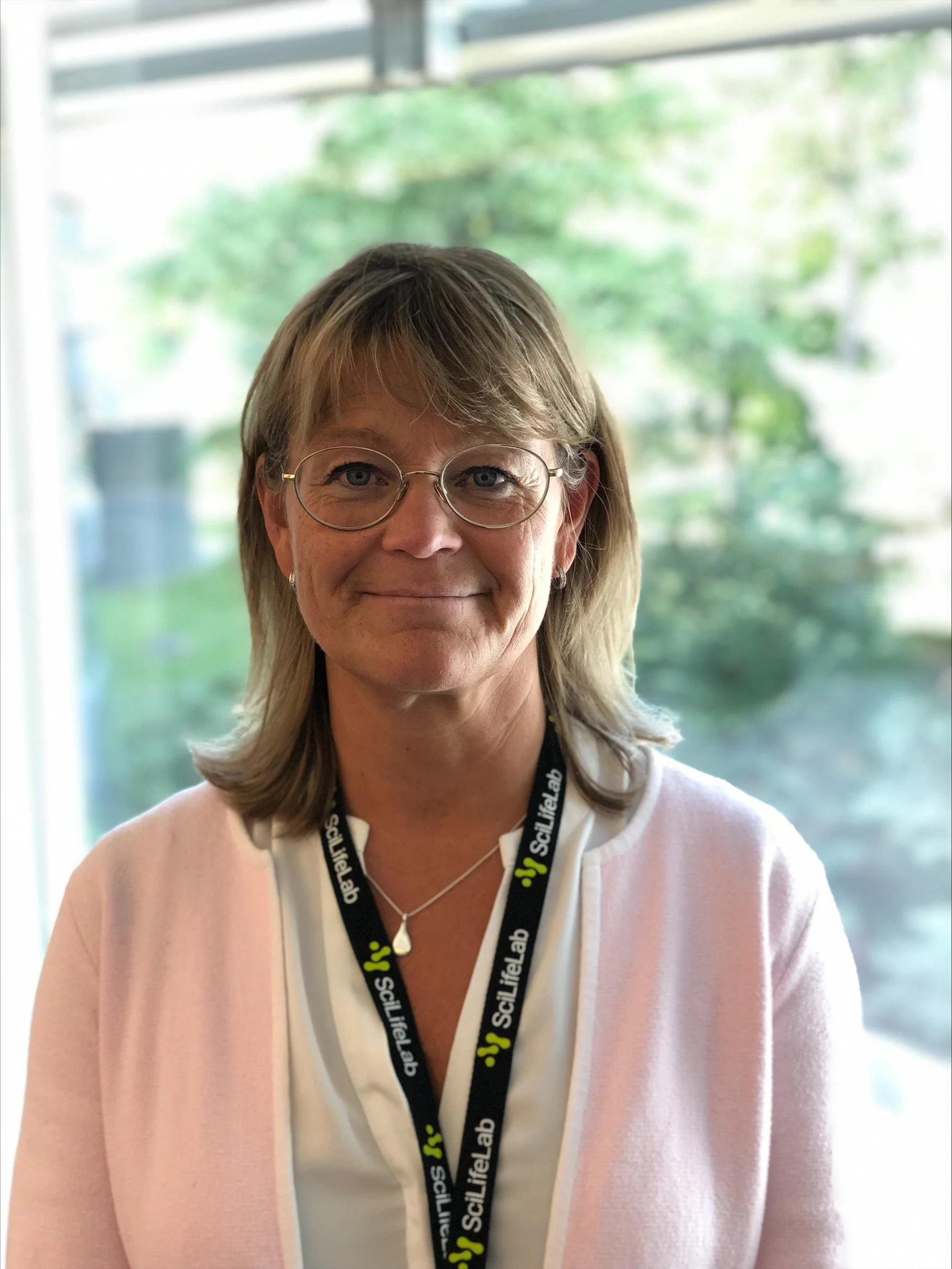
Fredrik Leeb-Lundberg, Professor at Drug Target Discovery, Lund University.
IPDD WG 1 member, LINXS Fellow
Anna-Lena Gustavsson PhD, Platform and Unit Director for Chemical Biology Consortium Sweden (CBCS), Chemical Biology & Genome Engineering Platform at SciLifeLab.
CBCS is a national research infrastructure funded by the Swedish Research Council (SRC), Science for Life Laboratory (SciLifeLab), and six host universities. CBCS is a coordinated distributed infrastructure at six universities (Karolinska Institutet (KI), Umeå University (Umu), Uppsala University (UU), Linköping University (LiU), University of Gothenburg (UGOT) and Lund University (LU)). We provide world-leading expertise in the field of chemical biology to researchers in a collaborative project model. To do this, we offer support in assay development, small molecule screening, enabling chemistry, and access to small molecule libraries. Additionally, we have recently expanded our services to include disease and compound profiling using morphological profiling (i.e., cell painting), support for functional precision medicine projects, screening infectious pathogens in biosafety level 2 and 3 laboratories, virtual screening, advanced chemoinformatics and automated patch clamp profiling.

IPDD WG 1 – Structure-based Drug Design working group member, LINXS Fellow
Nitisha Gurav, Doctoral student at the Department of Experimental Medical Science, Lund University, Sweden
Nitisha is a doctoral student at the Department of Experimental Medical Science, Lund University, Sweden. As part of her PhD, she will be undertaking X-ray crystallographic studies of urocanate reductase (UrdA) to develop therapeutic interventions for type 2 diabetes under the co-supervision of Professor Karin Lindkvist and Dr Raminta Venskutonytė.
IPDD WORKING GROUP 2
Macromolecular Drugs –Antibodies
The research program “Antibodies in solution” was previously part of the “Dynamics theme” and has now transferred to the new “Integrative pharmacology and drug discovery” theme. This way, LINXS can continue to provide the optimal platform to gather researchers from different fields to work on this important and timely topic and help this bottom-up initiative to grow.
The mission of the “Macromolecular Drugs – Antibodies” working group in a nutshell is to provide a framework for a concerted experimental and theoretical research effort from leading research groups with complementary expertise to advance our understanding of antibody solutions. This will be achieved by bringing together leading research groups in the field, provide them with sufficient well-defined material, and coordinate the research activities of the individual groups in order to achieve the main research objectives outlined in detail in the Research Road Map.
The complexity of antibody solutions requires experimental information, theoretical models and simulations that cover a large range of characteristic length and time scales, which are accessible only through a combination of neutron- and Xray based techniques together with complementary methods. This can only be achieved through a collaborative effort, combining state of the art experimental, theoretical and simulation methods, and by carefully defining appropriate model systems that allow us to disentangle the various contributions and mechanisms that determine the solution properties.
IPDD Core Group Member, IPDD WG 2 Leader and Dynamics Core Group Member, LINXS Fellow
Anna is a Professor at the Division of Physical Chemistry at Lund University specializing on biocolloids studied by scattering techniques. Her current research focuses on the properties of concentrated protein solutions with a particular interest in protein dynamics under crowded conditions.

IPDD WG 2 member and Dynamics Core Group Member, LINXS Fellow
A Prof. em., Dr. at FZ Jülich, Dieter Richter received his Diploma in theoretical Physics (1973) at the TU-Braunschweig and under the guidance of Prof. Dr. T. Springer his PhD degree in experimental physics (1977) at the RWTH Aachen, Germany. He did post-doctoral work at the Brookhaven National Laboratory in the Neutron scattering Department of Dr. Shirane. He then moved to the Forschungszentrum Jülich and performed his Habilitation at the RWTH Aachen in 1983. In 1985 he assumed a position as senior scientist at the Inst. Laue Langevin in Grenoble. In 1989 he was appointed as director at the Institut für Festkörperforschung at the FZJ Jülich. From 2011 he assumed the position as a Scientific Director at the FRM2 Reactor in München. In 2015 he retired from his positions and now works as an advisor for the FZJ. Dieter Richter co-authored more than 600 papers, which have received over 17000 citations and an H-index of 65. He has received several high-ranking awards among which the Schottky Award of the German Physical Society, the Max Planck Award, the Erwin Schrödinger Award and the Walter Hälg Prize of the European Neutron Scattering Association. He was a member and also chairperson of a large number of scientific panels such as the scientific council of the ILL or the OECD Mega Science Forum. Among others he founded the European neutron scattering association and the European network of excellence “SoftComp”.
His current interests are the structure and dynamics of macromolecular soft and biological systems.

Dynamics Core Group Member, LINXS Fellow
Mikael is a Senior lecturer at Division of Theoretical Chemistry and Lund University with speciality in biomolecular interactions, simulation techniques (Monte Carlo, Molecular Dynamics), and statistical thermodynamics.

IPDD WG 1 member and Dynamics Core Group member, LINXS founding Director
Former LINXS Director and Core Group leader for the Dynamics thematic. Mentor to LINXS in general and active in the Dynamics Core Group. Professor of Physical Chemistry at the Department of Chemistry, Lund University since 2010, when he moved from the Adolphe Merkle Institute for Pure and Applied Nanoscience of the University of Fribourg, Switzerland.
Guest Researcher at LINXS in May–June 2023, and IPDD WG 2 member, LINXS Fellow
Andreas works as senior scientist at Jülich Centre for Neutron Science (JCNS) at Forschungszentrum Jülich. He is using neutron and X-ray scattering techniques for the investigation of structure and dynamics of biological macromolecules.
Andreas studied physics and biophysics at Technical University Munich, Germany, and at University Pierre and Marie Curie, Paris, France. He obtained his PhD degree with Dr. Giuseppe Zaccai in 2009 in physics in the field of protein dynamics using quasielastic incoherent neutron spectroscopy as experimental method. After that he joined Forschungszentrum Julich to work first on a project using coherent X-ray diffraction in molecular biophysics, and later joined JCNS in 2011 to start working on the structure and dynamics of intrinsically disordered proteins using small-angle neutron and X-ray scattering and neutron spin-echo spectroscopy. Since 2015 he is senior scientist with permanent position and in 2019 he obtained his habilitation from RWTH Aachen University in chemistry. His current research interests are focused on the investigation of the structure and dynamics of intrinsically disordered proteins and on the relevance of molecular flexibility for biological function. Experimental techniques used include neutron spectroscopy and small-angle X-ray and neutron scattering.
IPDD WG 1 member, Macromolecular Drugs –Antibodies, LINXS Fellow
Dr. Karoline Bechtold-Peters studied Pharmacy at the Ludwig-Maximilians-University of Munich and received her PhD in Pharmaceutical Technology in 1994 from Professor Dr. Karl Thomas with a thesis on "Stabilization of enzyme activity and availability of pancreatin pellets during aqueous coating with enteric-resistant cellulose derivatives". She started in 1949 at Boehringer Ingelheim Pharma KG as Laboratory Manager for solid forms and inhalation powders, then moved to Pharmaceutical Biotechnology in 2000 as Head of Biologics Formulation Development (dosage forms for proteins, DNA and peptides including stand-by analytics via DSC, HP-SEC, DVS, particle sizing, BIAcore and other methods). In 2003, she was appointed Associate Director, Clinical Supplies and Process Transfer, Biopharmaceuticals. In 2011, Dr. Bechtold-Peters moved to F. Hoffmann-La Roche in Basel as Head Clinical Manufacturing Parenterals, Process Science & Business Excellence / Pharma Technical Development PTDE, Global Biologics and in 2016 to Novartis Pharma AG, also in Basel. There she is Senior Strategy and Technology Leader, BioFuture, and since 2021 in the Scientific Office Drug Product Development OneBiologics. Dr. Bechtold-Peters' interests lie particularly in protein formulation and biopharmaceutical manufacturing. She has developed expertise in the interaction of biologics with interfaces such as packaging materials and in the freezing and thawing of protein preparations. She has co-authored more than 45 papers and more than 30 patents.
Ipdd WORKING GROUP 3
Biomedical Imaging
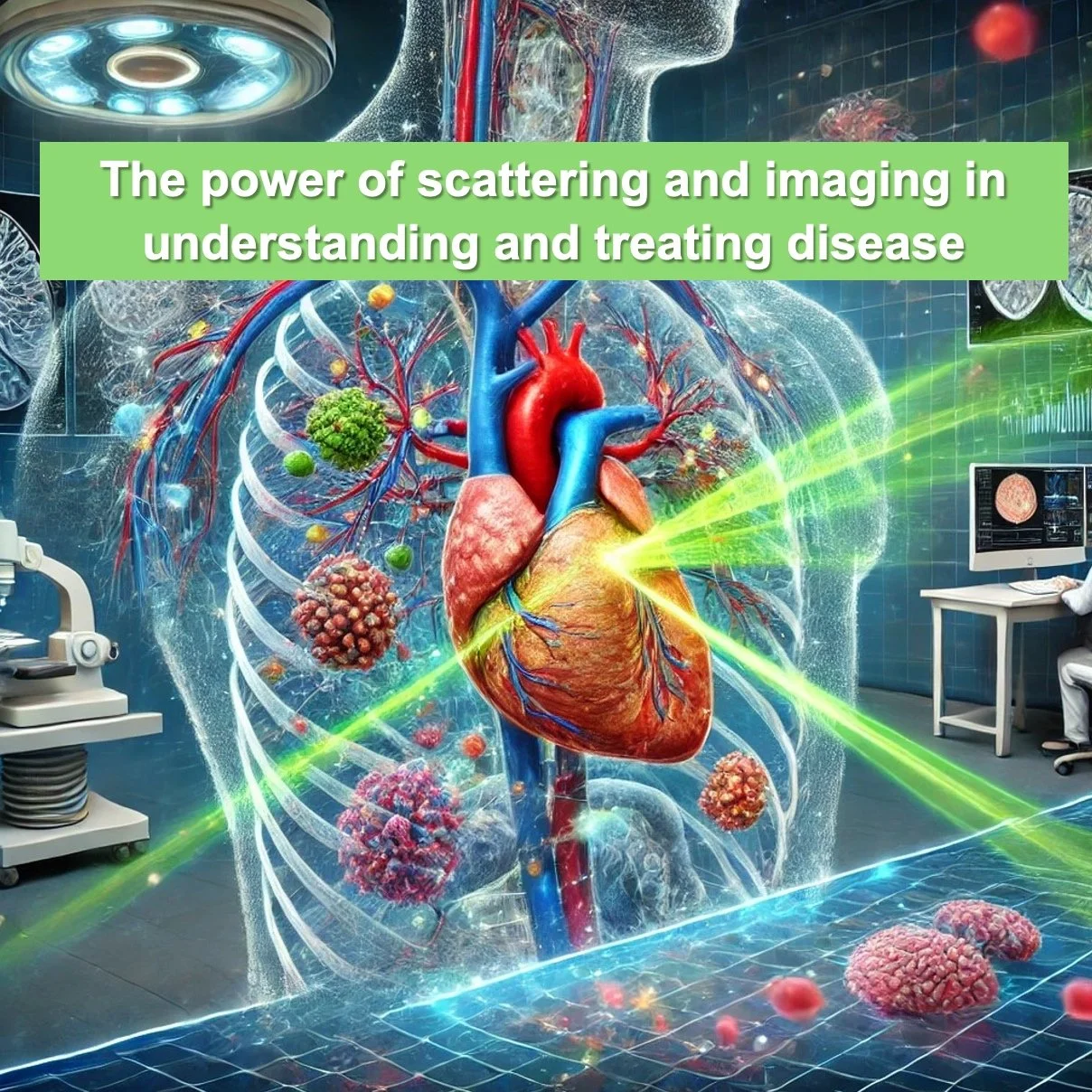
The working group Biomedical Imaging aims to facilitate the use of imaging from MAX IV and ESS for drug discovery and development. Imaging of tissue ex-vivo as well as in-vivo imaging will be within the scope. Small animal imaging techniques by means of computed tomography, magnetic resonance imaging and various methods based on radioactive tracers including Positron Emission Tomography are already working tools for preclinical research in the pharmaceutical industry. These imaging techniques also are well represented at the core facility Lund University Bioimaging centre (LBIC). Thereby, studies performed on MAX IV or ESS can be supplemented by other imaging methods at LBIC.
MAX IV enables high spatial resolution imaging of intact tissue with details otherwise only depicted in histopathological slides, for which the latter only can be made on extracted thin tissue samples. Synchrotron radiation also provides phase-contrast X-ray imaging. For in-vivo the spatial resolution is governed by the animal experimental set-up (physiological motion) rather than the beam and detector properties. However, the high brilliance of MAX IV enables imaging at a unique high temporal resolution, which to some extent can compensate for the effects of physiological motion.
Synchrotron imaging can be used to increase the basic understanding of how tissue changes are related to diseases, which is of interest for pharmaceutical research. For example, X-ray phase contrast holographic nano tomography to visualize human myelinated nerve fibers and their subcomponents in 3D, characterization of atherosclerotic plaques, osteoporosis, or characterization of plexiform lesions in lung tissue for patients with pulmonary hypertensions.
In-vivo imaging can be used to assess the direct effect of a drug, such as drugs for asthma by estimation ventilation in lungs. With the high spatial resolution it is also possible to image atelectrauma at an alveolar resolution in ventilator-induced lung injury in animals. In contrast to X-rays, neutrons can penetrate metal and bone easily but are attenuated by water and organic materials. Biomedical imaging using neutrons is not so well explored, but due to the specific properties of neutrons, imaging of soft tissues with high spatial resolution is possible.
LINXS Co-Director (-2023) and IPDD WG 3 member
oxana.klementieva@linxs.lu.se
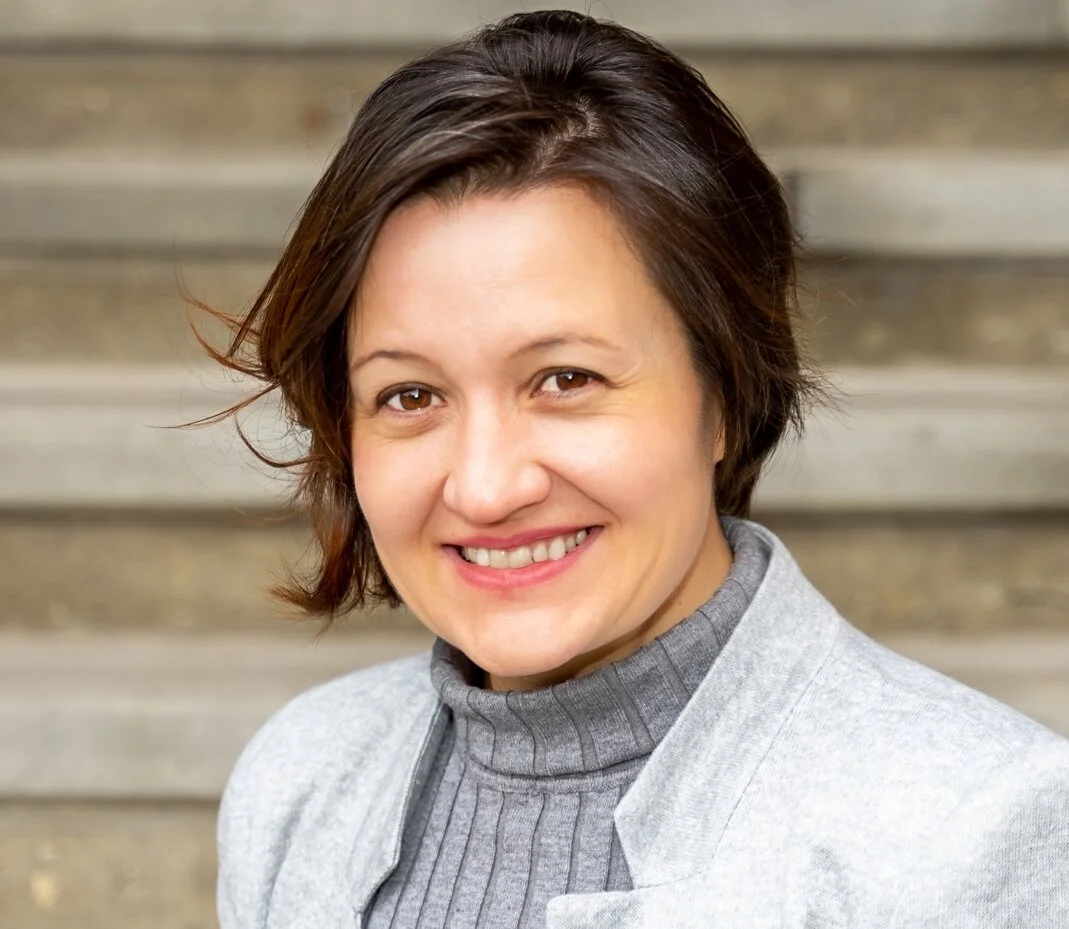
LINXS Co-Director responsible for the focus area of Life Science. Associate Professor, Docent, Co-coordinator Nanobiology & Neuronanoscience at NanoLund and Head of Medical Mirospectrocopy group at the Medical Faculty of Lund University. Research interests include structural changes of amyloid proteins for understanding the nature of neurodegenerative disorders.
IPDD WG 3 member and Imaging Core Group Member, LINXS Fellow
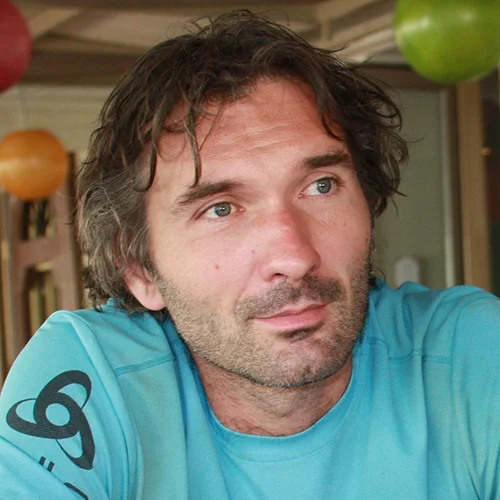
Rajmund is a senior scientist, professor at the MAX IV Laboratory (Lund University) and an honorary professor at the Technical University of Denmark. He is a specialist in X-ray physics with emphasis on the enhancement of X-ray imaging for biology and material science applications: development and applications of coherent imaging with improved temporal and spatial resolution.
IPDD WG 3 member and Opportunities in Imaging Working Group member, LINXS Fellow
Martin Bech is Senior Lecturer at the division of Medical Radiation Physics, Clinical Sciences, Lund University. He is interested in X-ray phase contrast and dark-field imaging using grating interferometer, Soft tissue biomedical imaging, Micro-CT imaging using synchrotron radiation and x-ray tubes.

IPDD WG 3 member and Imaging Working group member, LINXS Fellow
Hanna Isaksson is a professor in Biomedical Engineering, Lund University. Hanna's reserach area is primarily bone biomechanics and mechanobiology, focusing on functional imaging and material characterization musculoskeletal tissues, primarily bone and tendons. She studies damage and fracture mechanisms and uses a variety of synchrotronbased techniques such as X-ray tomography, scattering and spectrocopy, to understand the link between mechanical performance, structure and composition, on lengthscales from the whole organ down to the building blocks of the tissues.
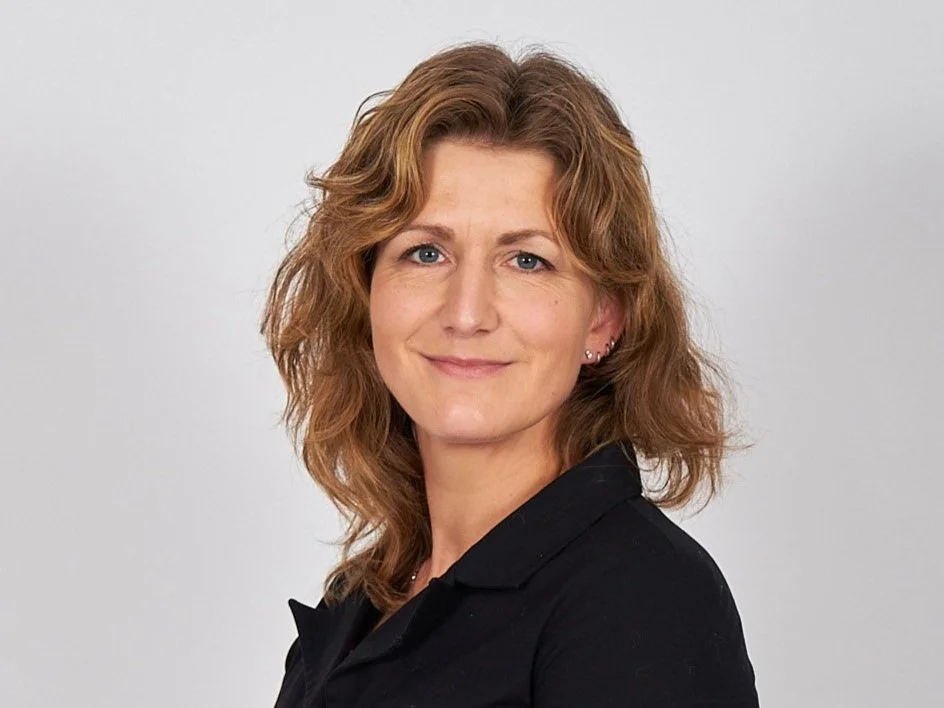
IPDD WG 3 member and Imaging Working group member, LINXS Fellow
Anja Schmidt-Christensen is a researcher at the Department of Experimental Medical Science at Lund University and the Lund Diabetes Research Center (LUDC). Her research profile and expertise is in the field of immunology of chronic inflammation related to Type-1 Diabetes and fibrosis, with a special focus on advanced imaging methods and working with in vivo models.

IPDD WG 3 Member, Biomedical imaging, LINXS fellow
Karin Tran-Lundmark is a physician scientist and Associate Professor at Skåne University Hospital and Lund University. Her clinical focus as a pediatric cardiologist is pulmonary hypertension and advanced heart failure/transplantation. She spends 50% of her time in the clinic and 50% at BMC doing experimental research. The main research focus is vascular remodeling in pulmonary hypertension (high blood pressure in the lung) and the role of the extracellular matrix in pulmonary vascular disease. Over the last few years Dr Tran-Lundmark and her group have started to use synchrotron-based phase contrast micro-CT for visualization of the vascular micro-anatomy in severe pulmonary hypertension. The imaging is combined with other methods like immunohistochemistry and RNAscope (in situ hybridization) to determine molecular mechanisms in search for potential therapeutic targets.

IPDD WG 3 Member, Biomedical imaging, LINXS fellow
Lars E. Olsson, Professor, Faculty of Medicine, Lund University- is professor of medical physics and head of Medical Radiation Physics, Dept. Translational Medicine, Lund University. He has a long research experience of research related to imaging of in-vivo animals as well as clinical studies. The research includes imaging modalities as Magnetic Resonance Imaging (MRI), Positron Emission Tomography (PET) and Computed tomography (CT) and recently Synchrotron CT. The research areas have been imaging of cartilage/OA, body composition (lipid imaging), cancer (radiotherapy) and above all respiratory imaging. For a period of almost 10 years, Olsson was working at AstraZeneca, Mölndal using imaging in drug development. At present he collaborates with researchers at ESRF, Grenoble on studies of fibrotic tissue in the lungs. He is also a member of the steering board of Lund University Bioimaging Centre.

Food WG 3 member and IPDD WG 3 member, LINXS Fellow
Emanuel Larsson is a Post Doc and Expert at the Division of Solid Mechanics and at LUNARC - Centre for Scientific and Technical Computing. He is also working for CIPA - Correlative Image Processing and Analysis at Lund University and QIM - Center for Quantification of Imaging Data from MAX IV, as well as for the ForMAX portal - a platform at MAX IV, which will offer education and access to advanced X-ray methods to the forest industry. He has previously been stationed at both X-ray micro and nano tomography beamlines at Synchrotron facilities, and has around 4 years of experience in imaging food science related samples, also including sample environments. Emanuel mainly focuses on educating and supporting users in tomographic X-ray and neutron imaging and image analysis. Together with Stephen Hall and Niklas Lorén, Emanuel will participate in WG3. Structure of food during processing.
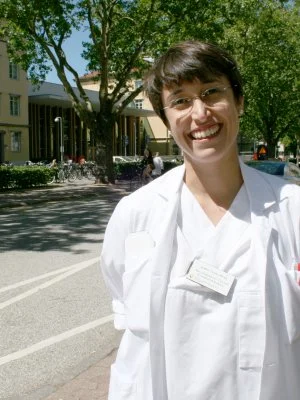
IPDD WG 3 member, LINXS Fellow
Isabel Goncalves, Professor at Cardiovascular Research - Transitional Studies, Faculty of Medicine, Lund University, and Senior Consultant Cardiologist, department of Cardiology, Skåne University Hospital, Sweden.
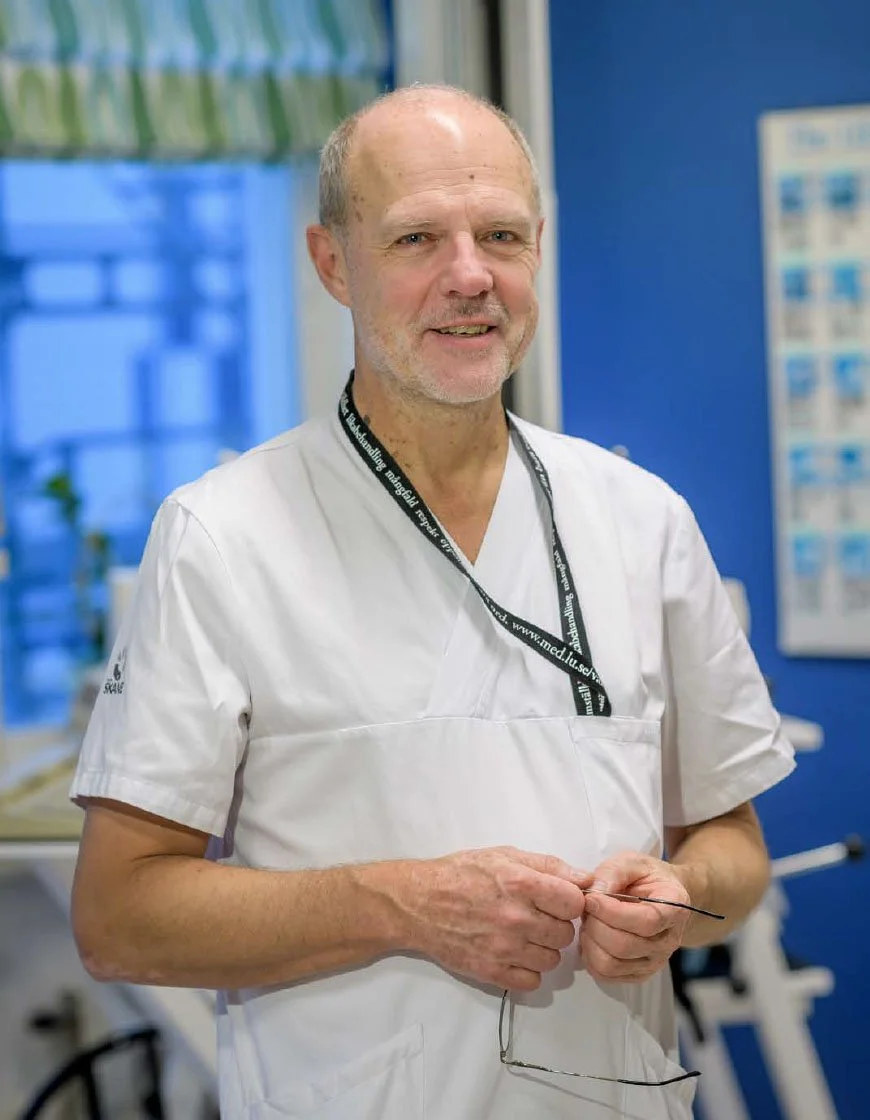
IPDD WG 3 member, LINXS Fellow
Lars B. Dahlin, Professor at the Faculty of Medicine, EpiHealth:Epidemiology for Health and the WCMM-Wallenberg Centre for Molecular Medicine, Lund University.
Diabetes (DM) severely affects peripheral nerves, i.e. diabetic neuropathy (DPN), with a risk for nerve compression disorders. In view of global rise in number of people with DM having an active professional and leisure life, there are risks for nerve transection and laceration injuries, requiring surgical treatment. Unclear mechanisms for development of DPN as well as development of and functional recovery in context of nerve compression and various nerve injuries treated with surgery are unsolved clinical problems. By using the synchrotron technique, and other techniques, we get new cellular and mechanistic insights into de- and regeneration processes and develop new prospects for diagnosis and intervention with ultimate goals to improve quality of life.
IPDD WORKING GROUP 4
BIOPHYSICS OF DRUG DELIVERY
The “Biophysics of Drug Delivery” working group aims at developing orthogonal approaches for designing and characterizing efficient drug delivery systems, from pharmaceutical formulation development to the design of novel materials. The challenge is represented by the need of bringing together scientists with different backgrounds with the aim of creating an interdisciplinary platform to efficiently face the main obstacles preventing the drugs to reach the target. The group will focus on combining neutrons and X-rays sciences with imaging and spectroscopic approaches and try to foster a novel culture in the pharmaceutical sciences.
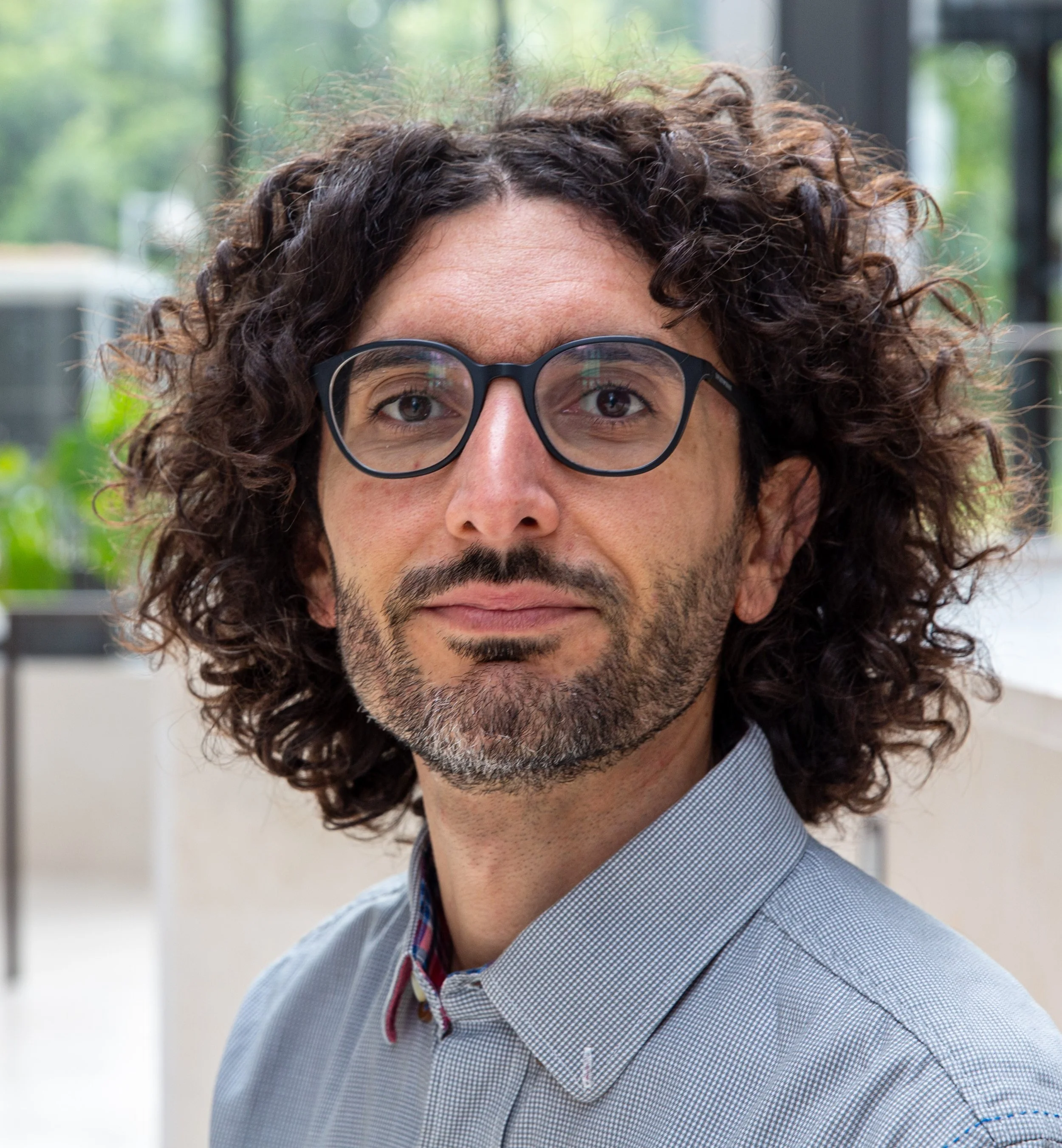
IPDD Working group 4 – Biophysics of Drug Delivery leader, LINXS Fellow
Vito Foderà received his Ph.D. in Physics (2009) from the University of Palermo (Italy), with a project focused on (in)stability and self-assembly mechanisms of peptides and proteins. In 2009 he was appointed as a Research Associate at the Cavendish Laboratory at the University of Cambridge (UK). In 2012 Vito was awarded the Marie Curie IEF for Career Development grant that allowed him to join the Dept. of Drug Design and Pharmacology (University of Copenhagen). In 2014 he became Assistant Professor at the Department of Pharmacy, University of Copenhagen, and in 2016 tenured Associate Professor of Biophysics at the same department, where he established his research group. His main focus is on protein self-assembly mechanisms, and interactions with both biological interfaces and other biomolecules. He aims at translating the fundamental knowledge on these systems into novel high-impact applications, with a main focus on creating advanced materials for nano-medicine and drug delivery, improving safety of protein drug formulations and understanding the etiology of protein-related neurodegenerative diseases. In 2018 he is recipient of the Villum Young Investigator award and is the PI of the related 5-year initiative “ProSmart”, focused on the understanding of structural heterogeneity in protein self-assembled materials via advanced microscopy approaches and X-ray and neutron techniques.

IPDD WG 4 – Biophysics of Drug Delivery working group member, LINXS Fellow
Thomas Rades, Professor, University of Copenhagen. Thomas’s focus is on improving drug therapy through appropriate formulation and to increase our understanding of the physicochemical properties of drugs and medicines. He combines physical, chemical, and biological sciences with technology to optimally formulate drugs. His research special interest is in amorphous drugs, amorphous solid dispersions and co-amorphous systems and other supersaturating systems to improve the bioavailability of pharmaceutical compounds.

IPDD WG 4 – Biophysics of Drug Delivery working group member, LINXS Fellow
Anette Mullertz, Professor, University of Copenhagen – Annette focuses on Drug delivery of small molecules via Innovative pharmaceutical formulations, including lipid drug delivery systems. She has a particular interest in dissolution and solubilization mechanisms for poorly soluble drug compounds as well as in the development of digestion models and elucidating the mechanisms of solubilization and generated colloid phases in the gastrointestinal tract. Her group routinely tests bioavailability in humans and animals in order to develop predicative in vitro models.

IPDD WG 4 – Biophysics of Drug Delivery working group member, LINXS Fellow
Marie Wahlgren, Professor, Lund University. Marie ́s focus is on depo-formulations and recently on protein/surfactant interactions. She devotes great efforts to using hydrogels both classical ones and hydrophobically modified ones for controlled delivery of lipophilic substances, with emphasis on the physicochemical properties of the gels, including rheological properties. Her group has also an interest in pickering emulsions and primarily their use in formulations for topical creams.
IPDD WG 4 – Biophysics of Drug Delivery working group member, LINXS Fellow
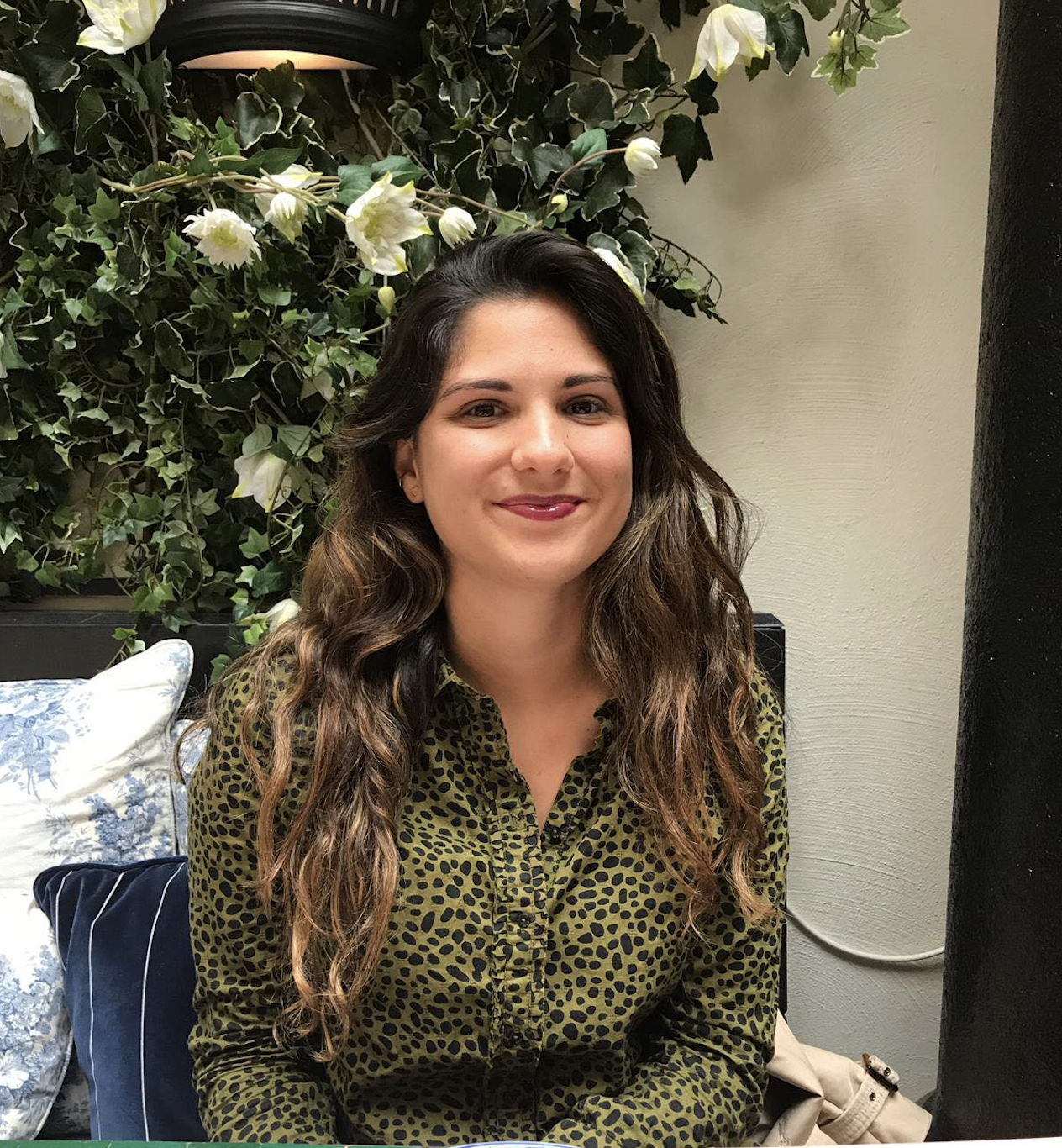
Sibel Uzuncayir, Postdoctoral Researcher in molecular biophysics, Dept. of Experimental Medical Science, Lund University, Sweden
Sibel Uzuncayir is post doctoral researcher at Lund University. She is working within the research group of Molecular Biophysics headed by Professor Trevor Forsyth. Her project is funded by the German pharmaceutical company CureVac. The aim is to structurally characterise and stabilise mRNA lipid nanoparticles by using SAXS, SANS and cryo-EM.
Sibel has previously obtained her PhD in Biomedicine at Lund University and did her graduate studies in Biochemistry at the Ruhr-University Bochum, Stockholm University and the Max Planck Institute of Molecular Physiology.
IPDD NEWS ARTICLES

IPDD upcoming events
IPDD Past events

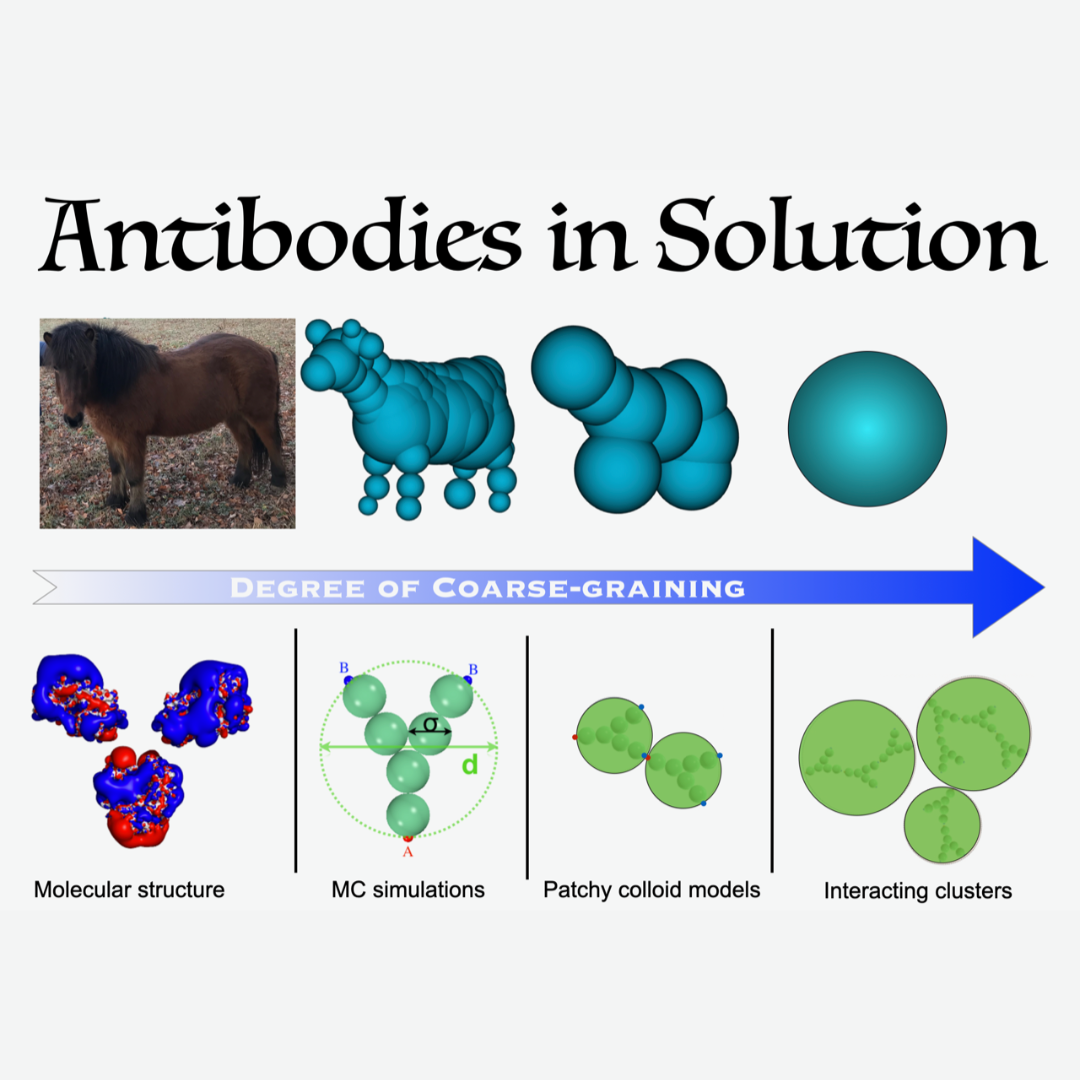
Save the date for a webinar talk with Amy Xu (Louisiana State University, USA) who will talk about “Characterizing Interactions and Conformational Flexibility of Monoclonal Antibodies Using Small-Angle Scattering”. The event is part of Antibodies in Solution: a LINXS - NIST Webinar Series.


Don’t miss the annual Symposium of SFBBM (Swedish Society for Biochemistry, Biophysics and Molecular Biology) and SBNet (Swedish Structural Biology Network) that will take place in 14-17 June 2024 at Åkerblads Hotel, Tällberg, Sweden. The LINXS IPDD Theme are organising the LINXS Drug Discovery session.
Save the date for a webinar talk with Martgarita Kruteva (FZ Jülich, Germany) who will talk about “Different aspects of molecular dynamics probed by neutron spin-echo and PFG NMR”. The event is part of Antibodies in Solution: a LINXS - NIST Webinar Series.
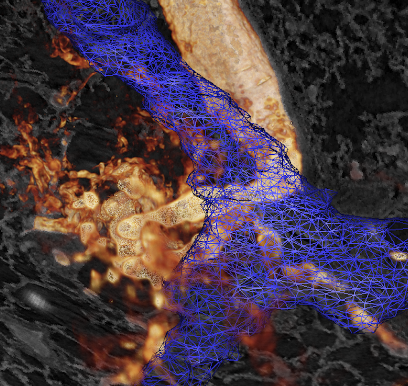
Mark your calendars for a workshop where expert synchrotron users and staff will present state-of-the-art case studies and we will discuss future possibilities both at MAX IV and abroad.
Don’t miss this webinar talk with Christopher Roberts (University of Delaware) titled “From Colloidal Self Interactions to Self-Association of Therapeutic Proteins: Combining Experimental & Computational Tools”. The event is part of Antibodies in Solution: a LINXS - NIST Webinar Series.
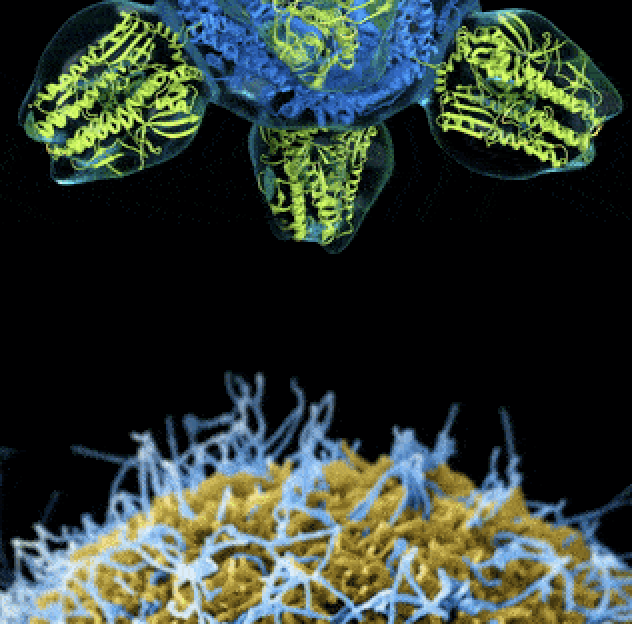
Save the date for a 2-day workshop on neutron diffraction in drug discovery, design, and formulation (7-8 May), followed by an afternoon tour at European Spallation Source in Lund (8 May)!
Save the date for a webinar talk with Robin Curtis (University of Manchester) who will talk about “Using static light scattering to understand protein-protein and protein-solvent interactions”. The event is part of Antibodies in Solution: a LINXS - NIST Webinar Series.
Welcome to a webinar with Hanna Barriga, Karolinska Institute (Sweden) on biophysical analysis of nanoparticles for drug delivery!
Save the date for a webinar talk with Yun Liu (NIST, US). The event is part of Antibodies in Solution: a LINXS - NIST Webinar Series.
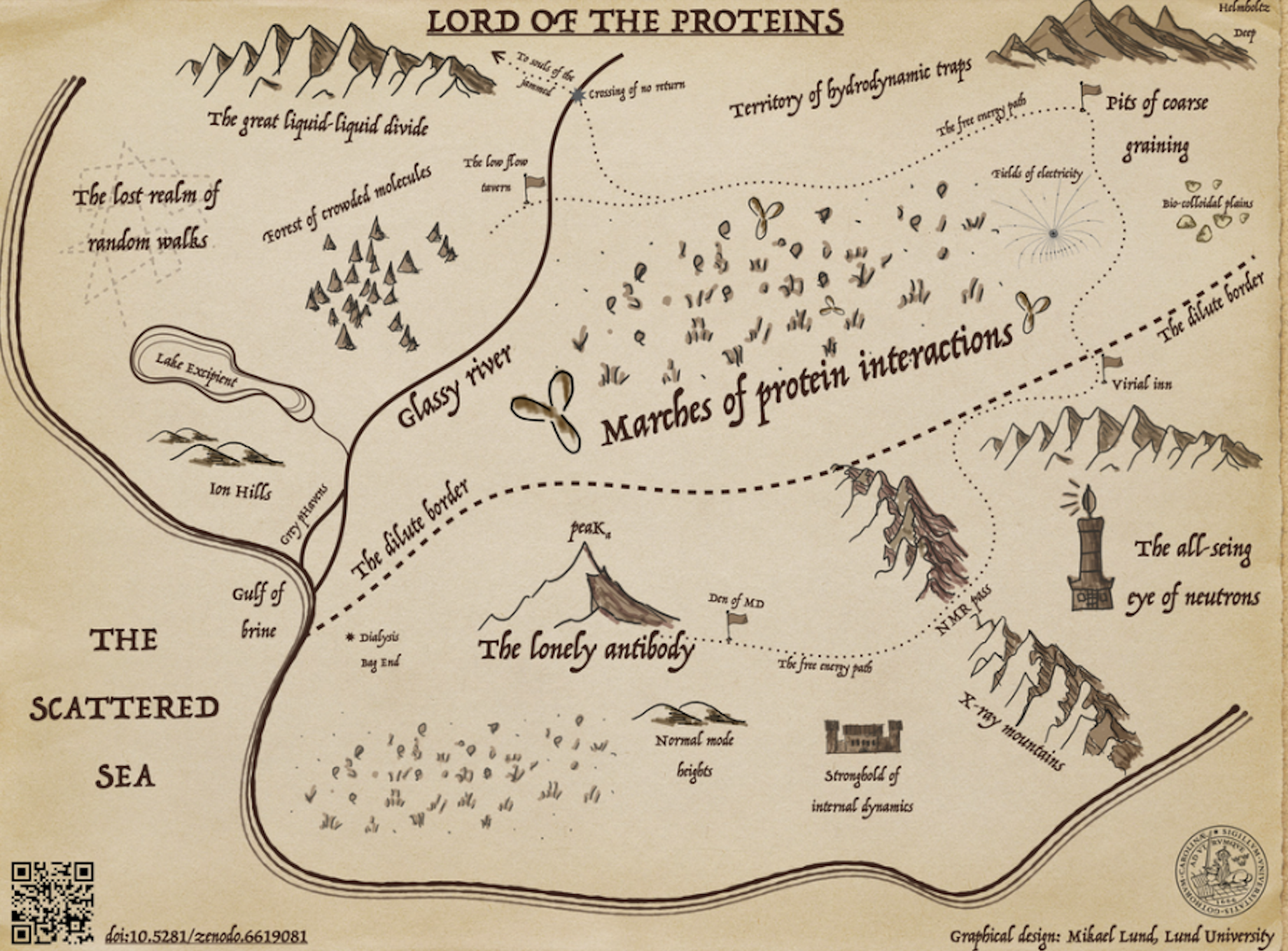
Welcome to a webinar talk with Ralf Biehl (Jülich Centre for Neutron Science) on “Domain Motions: Protein Dynamics seen by Neutron Spinecho Spectroscopy”. The event is part of Antibodies in Solution: a LINXS - NIST Webinar Series.
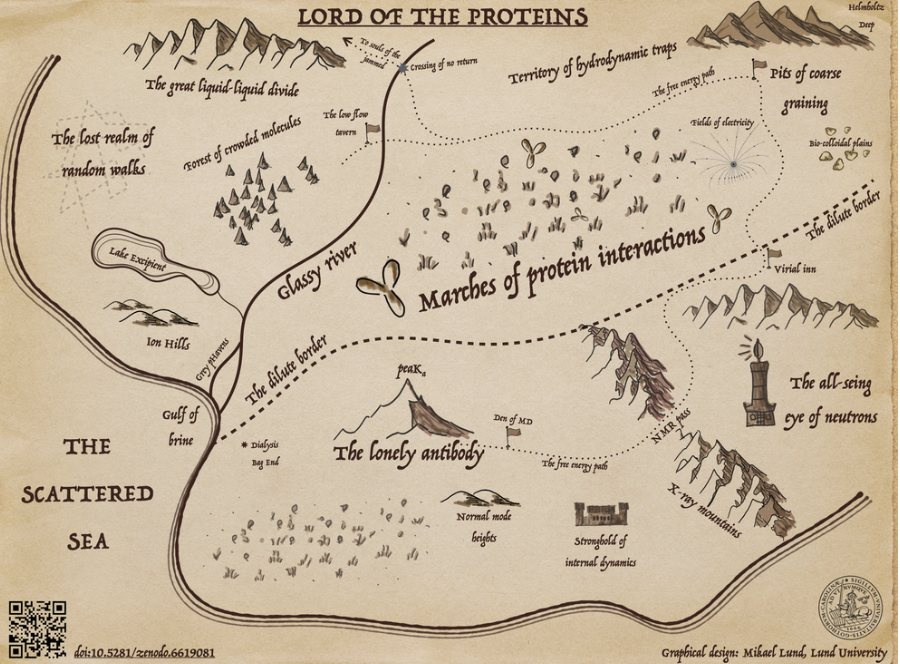
Welcome to a talk on “Multiscale Modeling of Monoclonal Antibodies in High Concentration Formulations” with Harold “Wick” Hatch, NIST, US. The event is part of Antibodies in Solution: a LINXS - NIST Webinar Series.
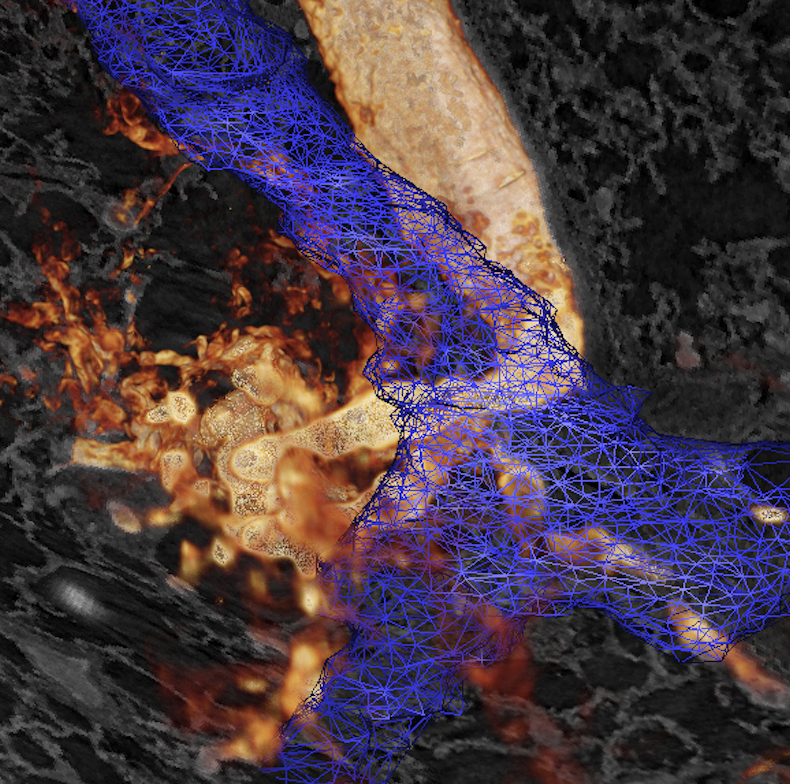
Welcome to a symposium and hackathon on Biomedical Imaging with the Biomedical Imaging working group within the IPDD theme.
Welcome to a webinar on Structural characterization of mRNA-LNPs with Federica Sebastiani (University of Copenhagen)!
Welcome to a talk on “modeling dynamics in biological suspensions” with Roseanna Zia, University of Missouri, USA. The event is part of Antibodies in Solution: a LINXS - NIST Webinar Series.
Welcome to a talk on Colloidal Properties with Peter Schurtenberger or Anna Stradner, Lund University, Sweden. The event is part of Antibodies in Solution: a LINXS - NIST Webinar Series.
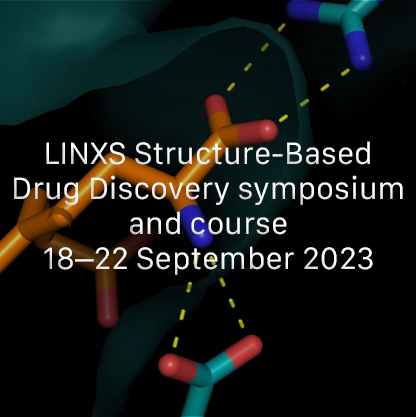
Welcome to an exciting LINXS Structure-Based Drug Discovery Symposium and PhD course with focus on Fragment Based Lead Discovery!
Welcome to a webinar with Inês C. B. Martins (UCPH) who will talk about: A journey into the world of crystalline and amorphous pharmaceuticals: How can we address their structural challenge?
Welcome to a seminar with Andreas Stadler who is a Guest researcher at LINXS (within the IPDD theme) in May–June 2023. The talk will be about neutron scattering studies on myelin basic protein and its interactions with biomimetic myelin membranes.
Welcome to a talk on “Incorporating dynamics to advance biotherapeutic platform development” with Christina Bergonzo, Nist, USA. The event is part of Antibodies in Solution: a LINXS - NIST Webinar Series.
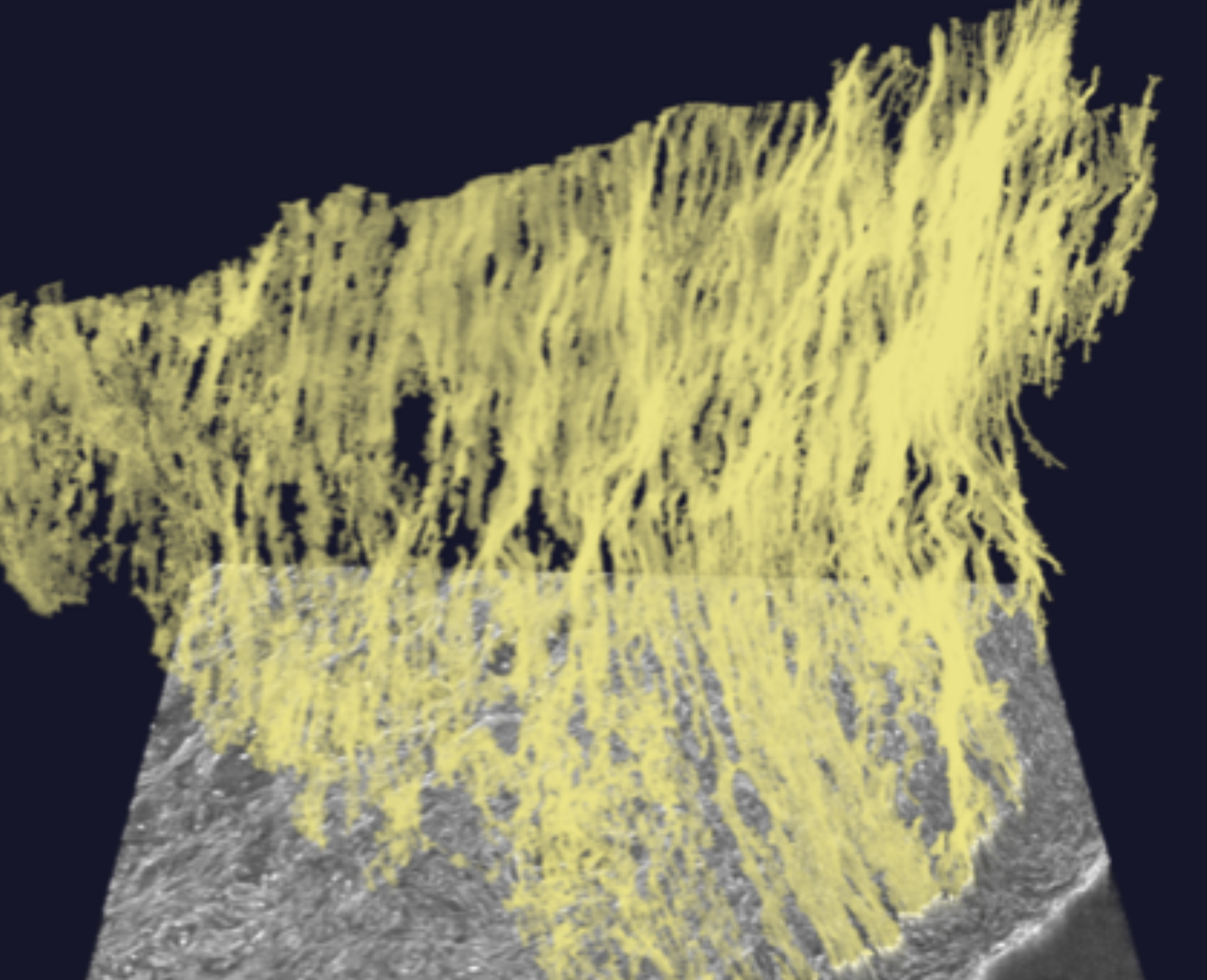
Welcome to a workshop on Biomedical Imaging with the Biomedical Imaging working group within the IPDD theme.
Welcome to a talk on Protein Interactions with Mikael Lund, Lund University, Sweden. The event is part of Antibodies in Solution: a LINXS - NIST Webinar Series.

Welcome to a talk on NMR with John Marino,, Nist, USA. The event is part of Antibodies in Solution: a LINXS - NIST Webinar Series.
Welcome to a talk on Structural bioinformatics in the era of AlphaFoldwith Sergei Grudinin,, CNRS, France. The event is part of Antibodies in Solution: a LINXS - NIST Webinar Series.
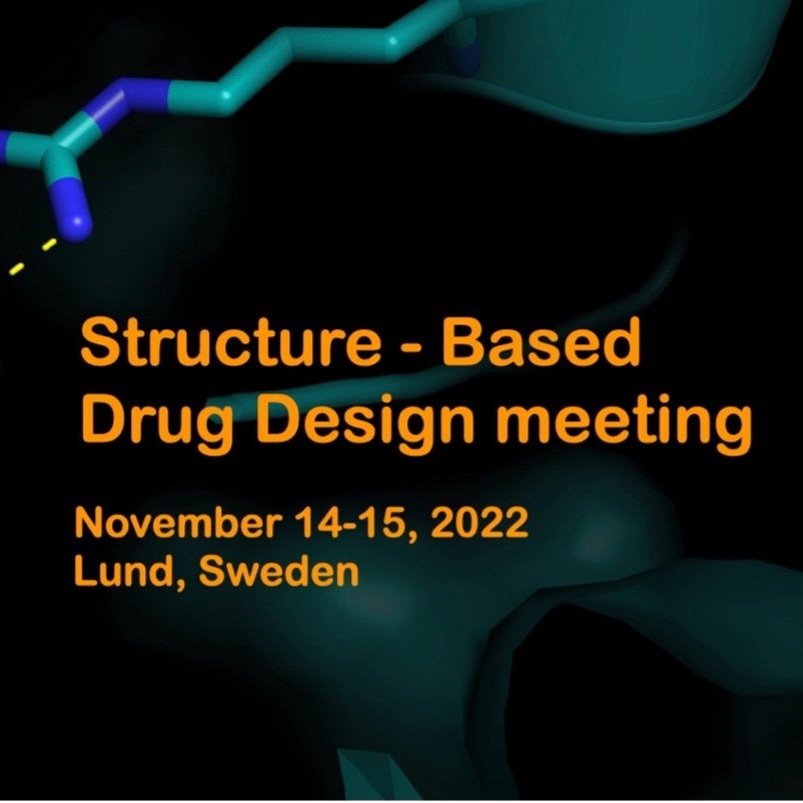
Welcome to the first event by the Structure – based drug design working group of Integrative Pharmacology and Drug Discovery. We aim to bring together both young and senior scientists as well as PhD students interested in structure - based drug design.
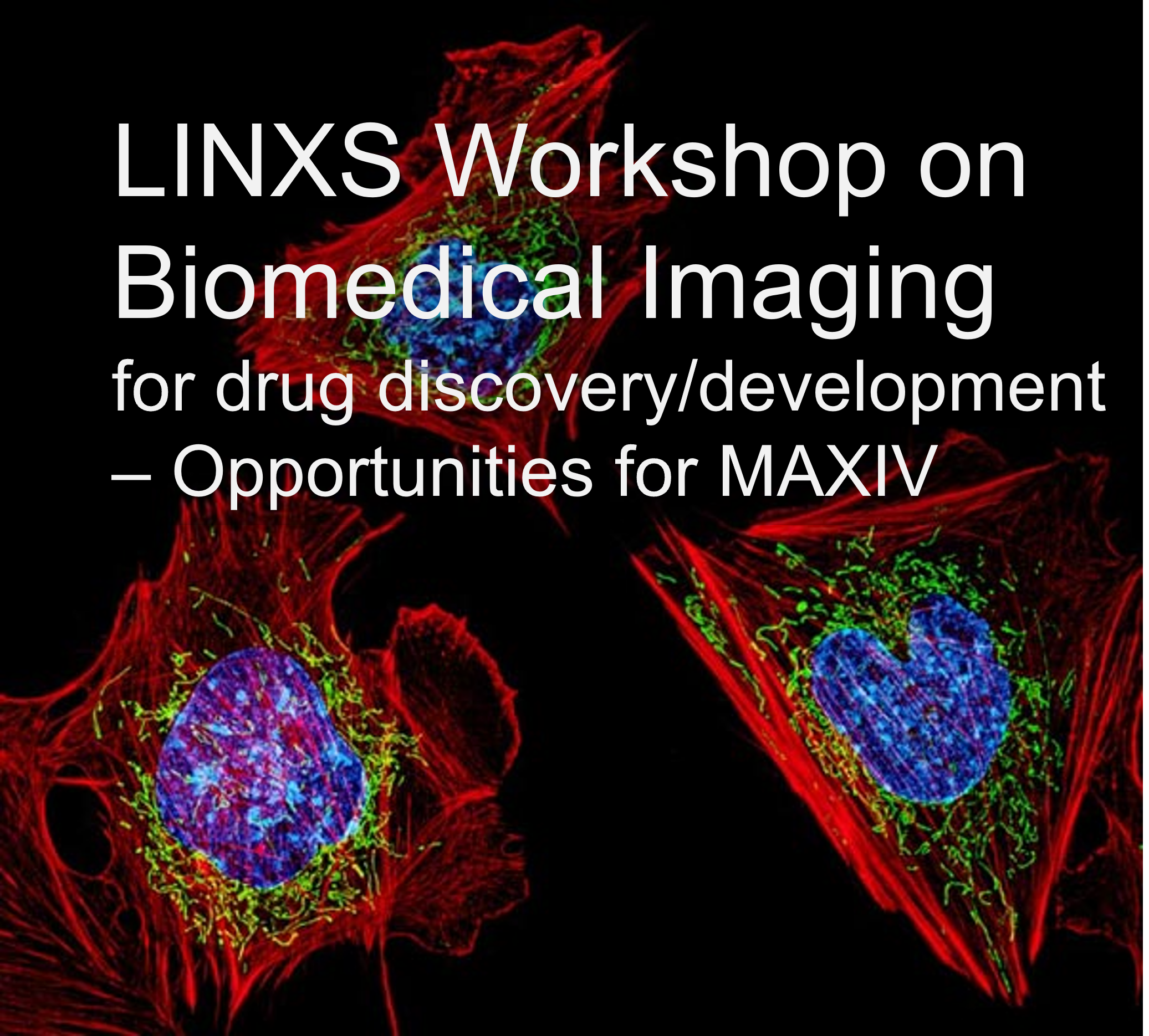
Welcome to the LINXS workshop on Biomedical Imaging for drug discovery/development - Opportunities for MAXIV
IPDD Core Group Leader and Integrative Structural Biology Core Group Leader, LINXS Fellow
Karin Lindkvist is an expert in structural biology in particular applying X-ray crystallography. Her research encompasses both structural studies of integral membrane proteins and soluble proteins, in particular proteins important in human metabolism such as glucose transporters and glycerol channels. Lindkvist has a strong scientific network in the field of membrane protein structural biology.