
Management - Staff - Board - Scientific Advisory Board - Fellows
PEOPLE AT LINXS
LINXS is led by a Management Group with Staff, a Board, and a Scientific Advisory Board. Finally, the work of LINXS would not be possible without the efforts of all its fellows.
MANAGEMENT
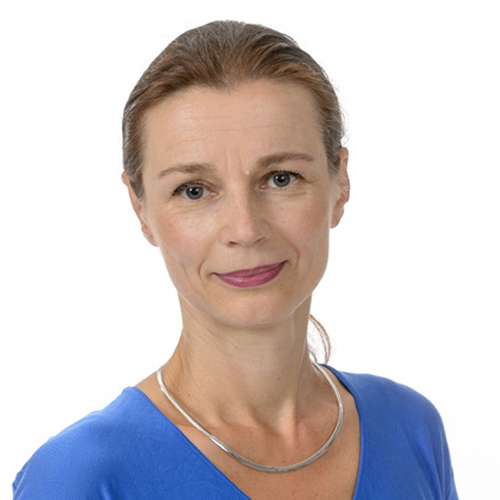
LINXS Vice-director
anna.stradner@fkem1.lu.se
LINXS Vice-Director responsible for the focus area of soft matter. Anna is a Professor at the Division of Physical Chemistry at Lund University specializing on biocolloids studied by scattering techniques. Her current research focuses on the properties of concentrated protein solutions with a particular interest in protein dynamics under crowded conditions. She is a LINXS IPDD Core Group Member, IPDD WG 2 Leader and Dynamics (Legacy theme) Core Group Member.
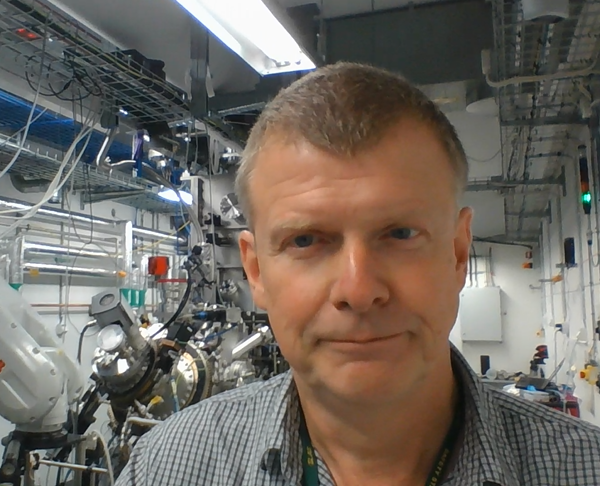
LINXS Co-Director
jorgen.larsson@fysik.lth.se
LINXS Co-Director responsible for the focus area of hard matter.
Jörgen Larsson is a professor and the head of the division for Atomic Physics at the Dept. of Physics at the Faculty of Engineering (LTH) at Lund University. His research topic is ultrafast dynamics on the timescale of a phonon period in hard condensed matter. He teaches both basic and advanced courses at LTH. He has been responsible for building the beamline FemtoMAX at MAX IV and is a frequent user of Synchrotron radiation facilities (including MAX IV) and Free-electron lasers.
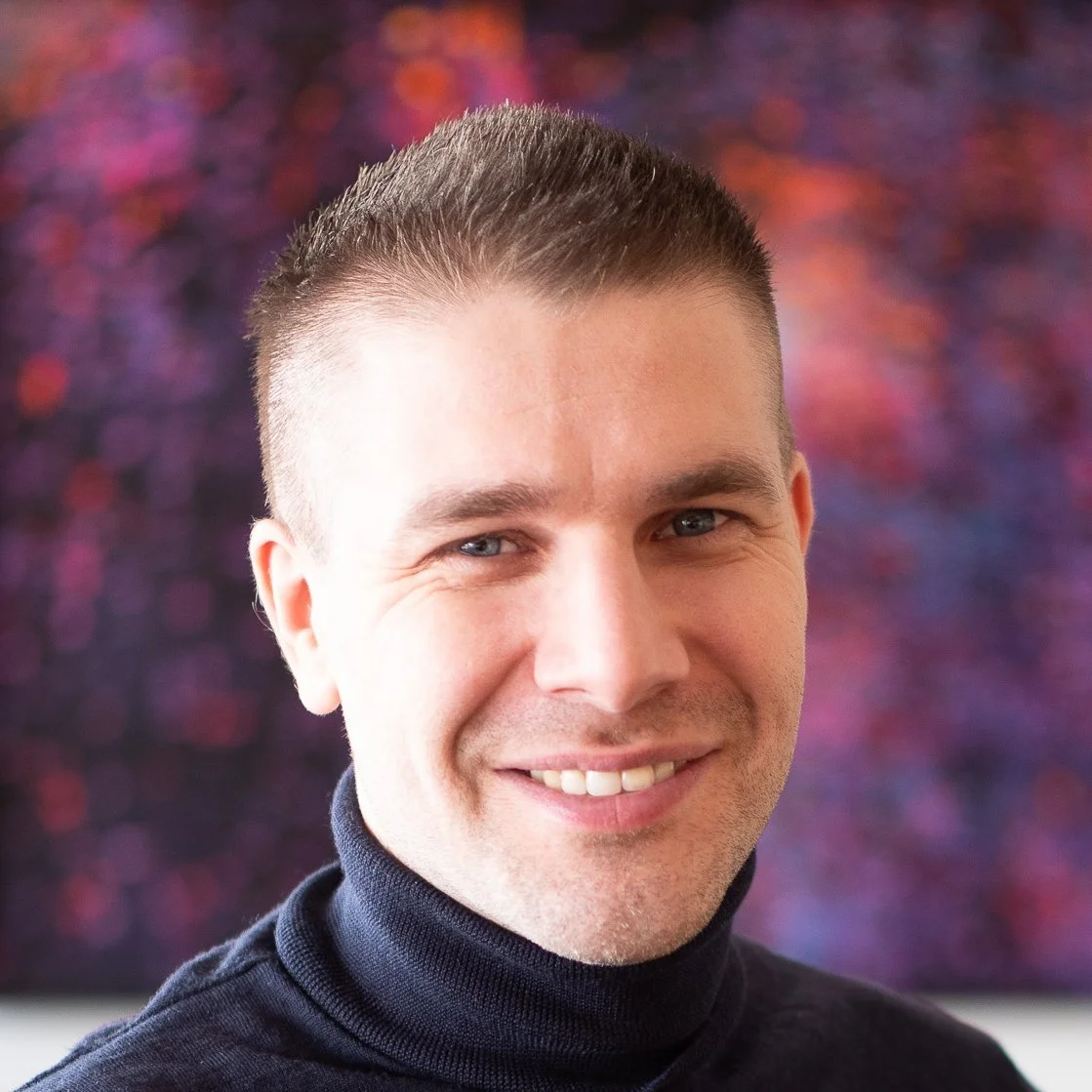
LINXS Co-Director
LINXS Co-Director responsible for the focus area of Life Science. Emanuel works as a Researcher at the Department of Experimental Medical Science at the Faculty of Medicine, Lund University. He also works as a Lund University Node Coordinator for InfraVis - a new Swedish National Research Infrastructure for Data Visualization with 9 Swedish partner universities, and as Coordinator and Application expert at CIPA – a cross faculty infrastructure for image processing and analysis at Lund University. In addition, he works as a Cross-border Infrastructure Ambassador for the Hanseatic Life Science Research Infrastructure Consortium (HALRIC), which is an Interreg project with 20 partner organizations. Emanuel is also a LINXS fellow of the following LINXS Themes - Northern Lights on Food, IPDD and Heritage Science.
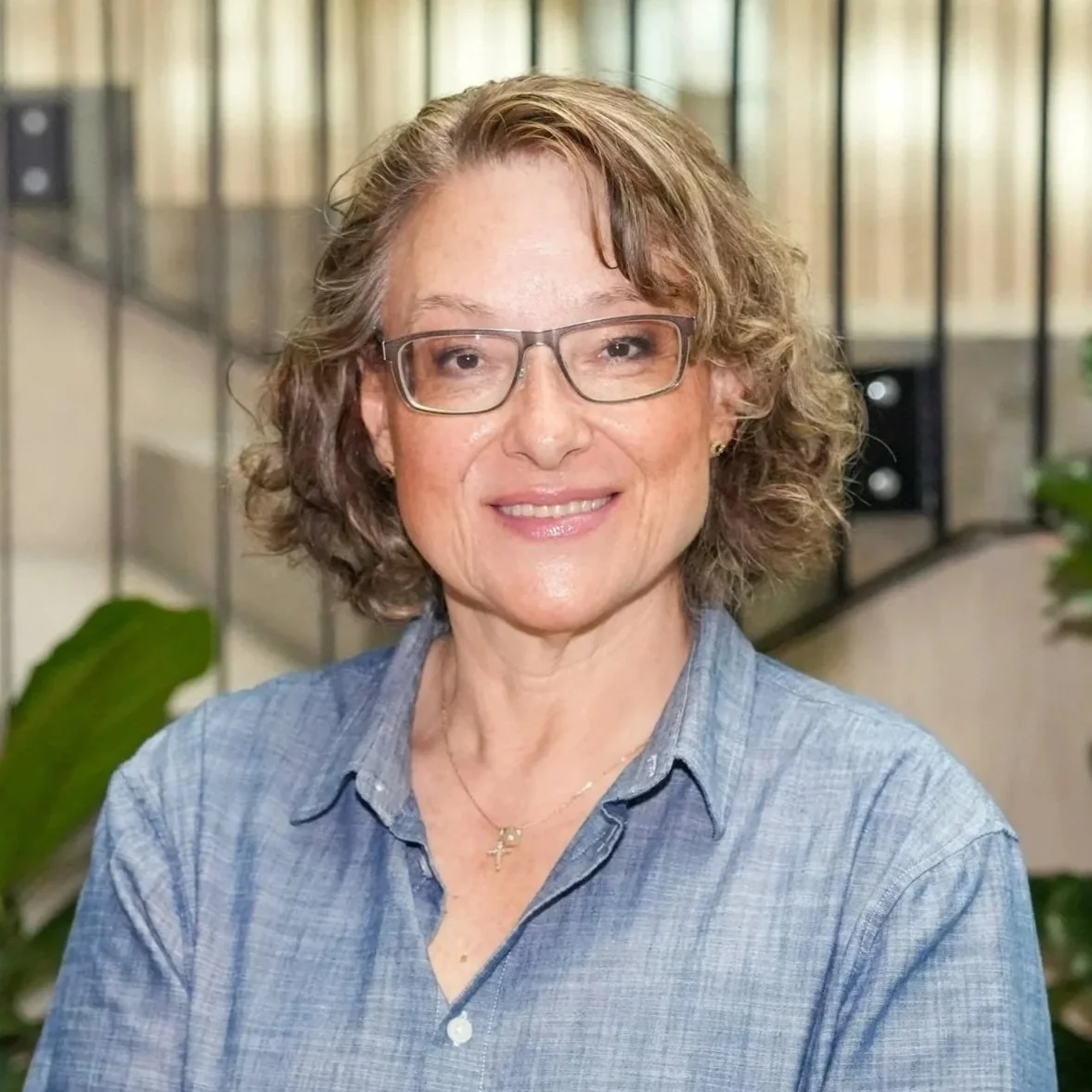
Head of Administration
anna.ntinidou@linxs.lu.se
Anna Ntinidou is the head of administration responsible for operations and supporting future strategic and operational development. She is a senior project manager with long experience in implementing EU and nationally funded transdisciplinary projects. She is a civil engineer with a Masters in innovation, speaks five languages and has lived and worked in four European countries .
STAFF
Head of Administration
anna.ntinidou@linxs.lu.se
Anna Ntinidou is the head of administration responsible for operations and supporting future strategic and operational development. She is a senior project manager with long experience in implementing EU and nationally funded transdisciplinary projects. She is a civil engineer with a Masters in innovation, speaks five languages and has lived and worked in four European countries .
Strategic Development
martin.stankovski@linxs.lu.se
Martin Stankovski Clark is a project manager and senior strategist from the central Lund University Cooperation Office. He works part-time as a development strategist for LINXS, and has a research background in Solid State Theory, a branch of applied quantum mechanics.
Science Activities Manager
josefin.martell@linxs.lu.se
Josefin supports LINXS operations and is responsible for overall coordination of activities. Josefin has a PhD in planetary geology and experience in using large scale research facilities.
Administrative & event assistant
Mia provides administrative support and assists with the coordination of LINXS activities. She holds a degree in event coordination and has experience managing various cultural events.
Communications Officer
noomi.egan@linxs.lu.se
Noomi Egan is responsible for strategic and science communications at LINXS, including the LINXS Newsletter. She also works with press and public relations and communication related to research conferences and events.
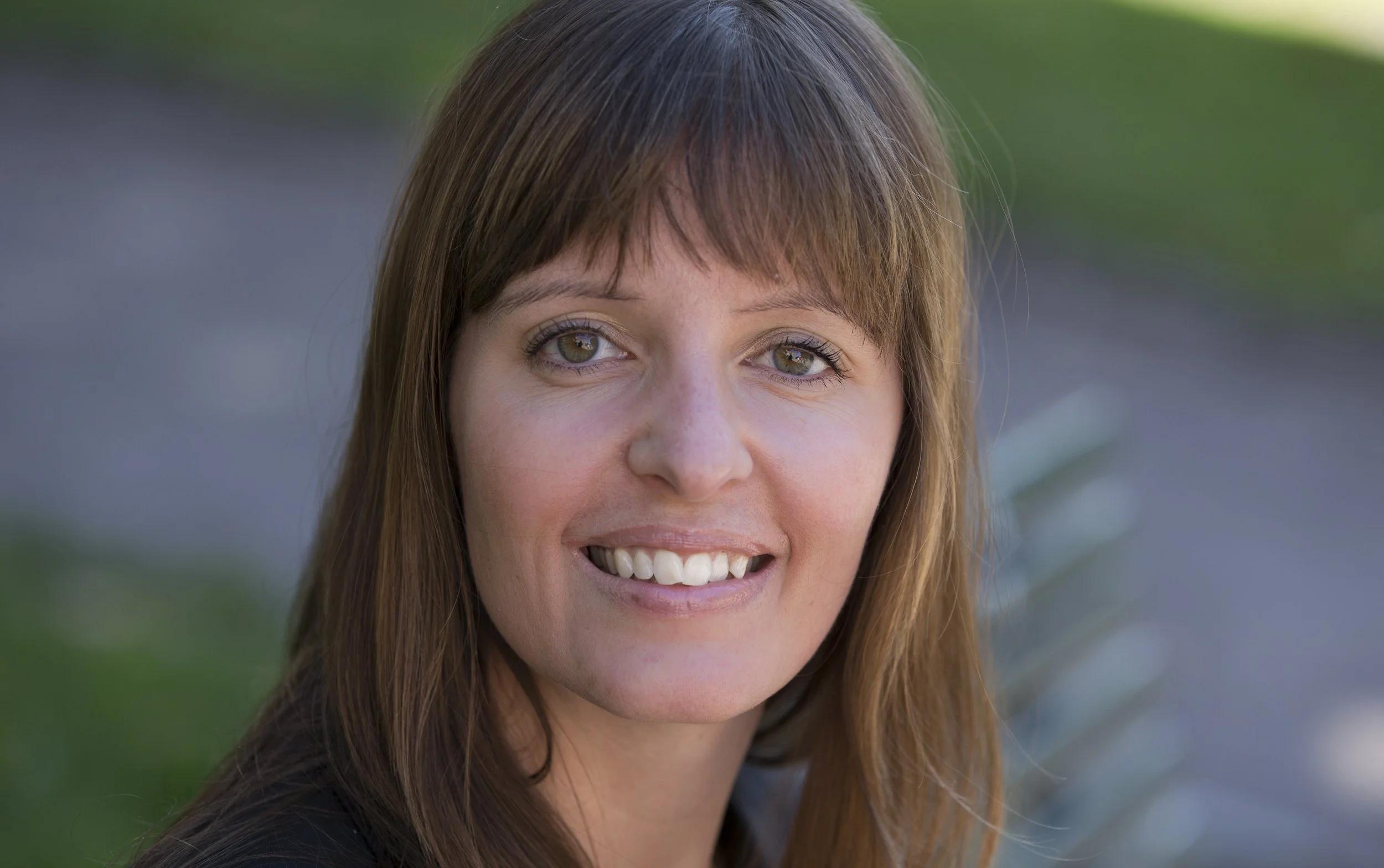
Project Manager – AMBER
camilla.bjorklund@fsi.lu.se
Camilla works as a project manager at the Collaboration Office, Lund University (LU). At LINXS, she manages the EU cofund project AMBER (Advanced Multiscale Biological imaging with European Research infrastructures).
Camilla has a master’s degree in Business Administration from Lund University, and more than 20 years of working experience in market communication and building relationships. She has work experience from international companies within the pharma industry and commissioned education at Lund University.
Project Coordinator – AMBER
Tea is a Project Coordinator at AMBER, providing daily coordination and administrative support for the programme, including project reporting, communication, and facilitating collaboration between Lund University and AMBER partners.
Since 2022, Tea has assisted project administration at Medical Faculty, supporting HALOS and recently coordinating WP3 Hanseatic Science Cloud for HALRIC project.
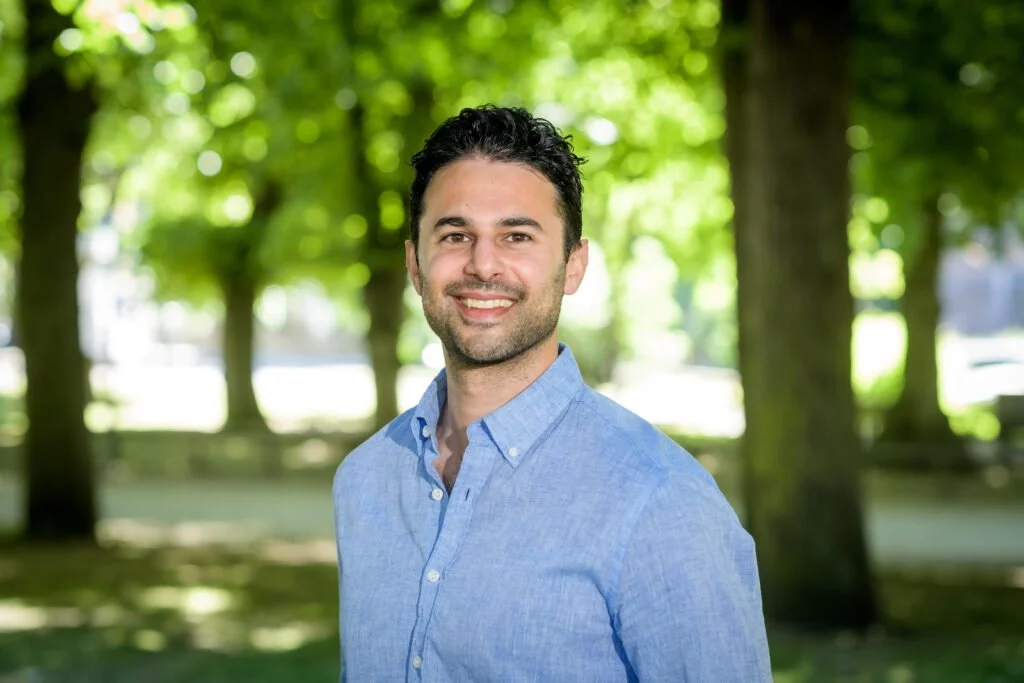
Science Village Scandinavia/LINXS Young Researchers’ Initiative
daniel.sarabi@maxiv.lu.se
Daniel supports the Young Researchers' Initiative at LINXS, helping to extend its reach within the research community. Previously a postdoc at LINXS, he is now based at Science Village Scandinavia, where he works with the BEAMS for Industry project.
BOARD
Board Chair
Per Persson is Professor of Molecular Geochemistry and Dean at the Faculty of Science. He received his undergraduate degree from Lund University, PhD at Lund University and the Swedish University of Agricultural Sciences, and postdoctoral training at Stanford University. He is elected member of the Royal Academy of Sciences.
His research focuses on processes occurring at the interfaces between aqueous solutions, microbes and mineral surfaces in aquatic and soil environments.
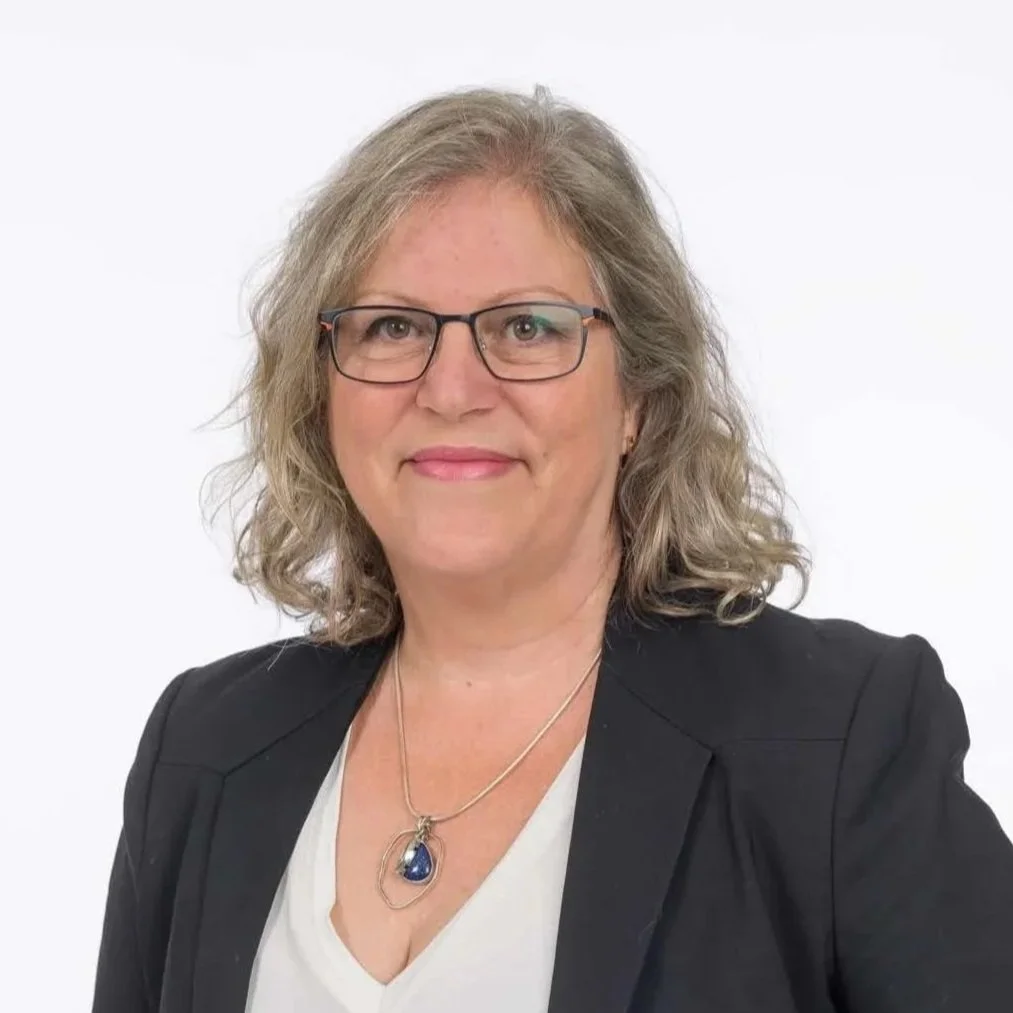
Board Member
Margaret McNamee is Professor of Fire Safety Engineering and Deputy Dean at the Faculty of Engineering with responsibility for research and research infrastructure. She received her undergraduate degree from Sydney University in Australia and PhD at Chalmers.
She is presently the Chair of the Board of NanoLund and is the Co-chair of the Board of ELLIIT, two important Strategic Research Areas at the technical faculty.
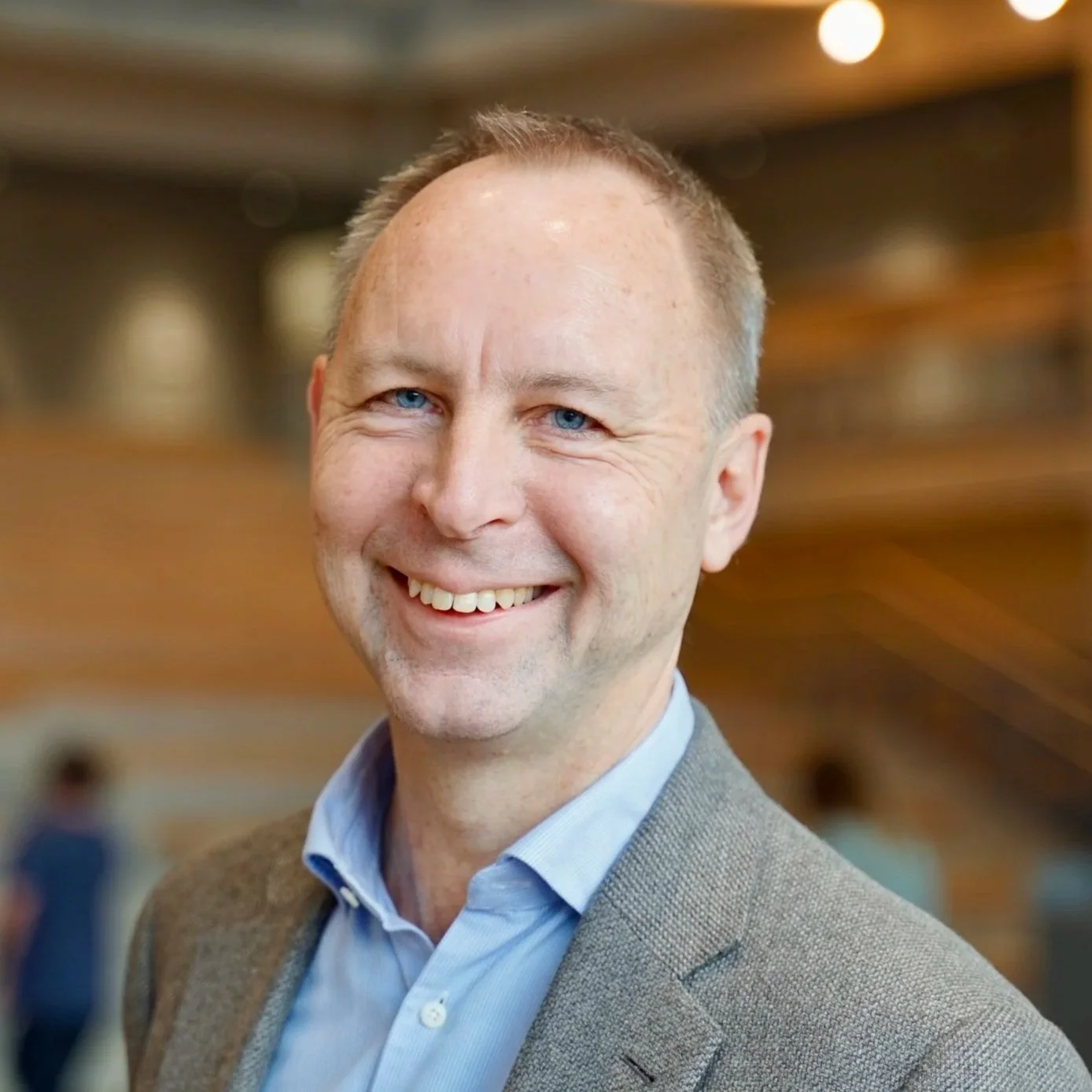
Board Member
Jonas Larsson is a Professor in Molecular medicine at Lund University and Deputy dean at the faculty of Medicine with responsibility for research, infrastructure and recruitment. He received his medical education and doctorate at Lund University and did his postdoctoral training at Harvard Medical School.
Jonas Larsson leads a research program that focuses on regulation of blood stem cells with the aim to enhance cell-based therapies for malignant and hereditary blood disorders. He has been active in the development and leadership of strategic research environments at Lund University, such as the Lund Stem Cell Center and the Wallenberg Centre for Molecular Medicine (WCMM)
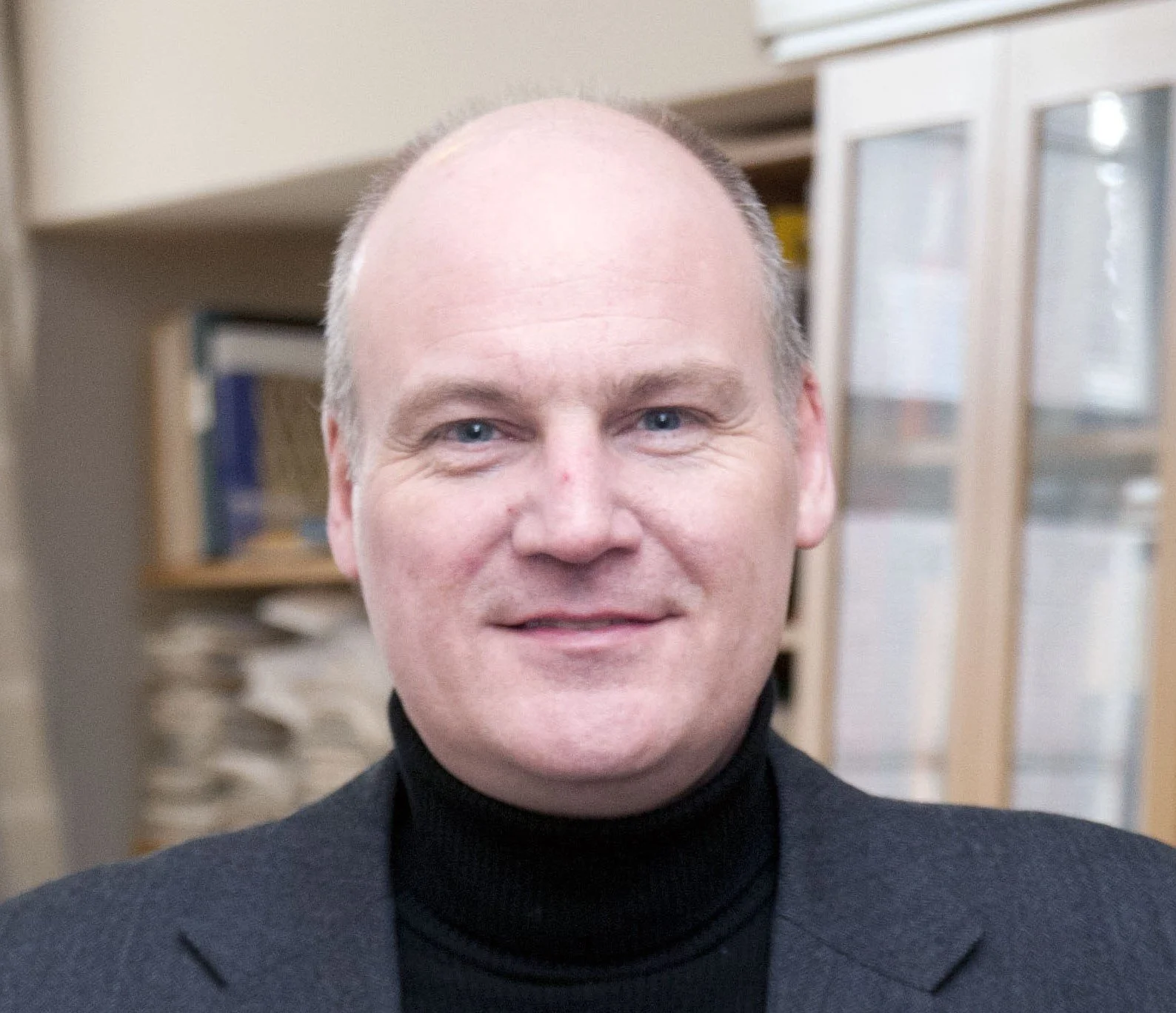
Board Member
Lars Kloo is Professor in Chemistry at KTH Royal Institute of Technology in Stockholm. His main research interest is the identification of conceptually new materials for fundamental insights or renewable energy applications involving synthesis, as well as materials and device characterization. Large scale research infrastructures and supercomputer resources are regularly used in the characterization.
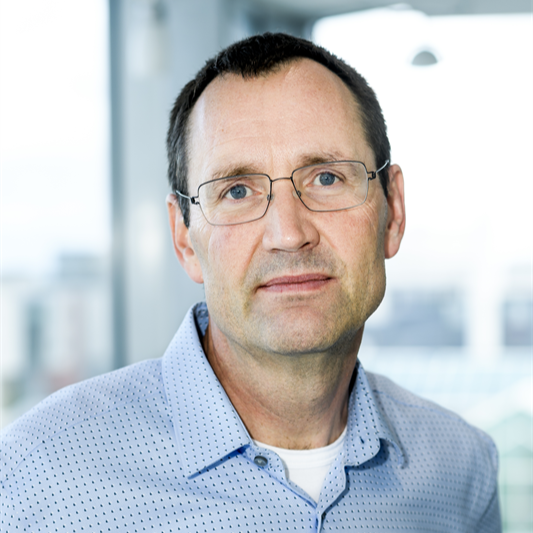
Board Member
Olof Karis is the Director of the MAX IV Laboratory in Lund, Sweden, a role he has held since July 2023, following his service as Interim Director from March 2022 to June 2023.
Prior to joining MAX IV, he was Head of the Department of Physics and Astronomy at Uppsala University from 2015 to 2022, where he was appointed Professor of Physics in 2011. His research focuses on electronic structure and ultrafast phenomena in magnetic materials. His group has developed instrumentation to study magnetisation dynamics using extreme ultraviolet (XUV) radiation generated through high harmonic generation.
Board Member
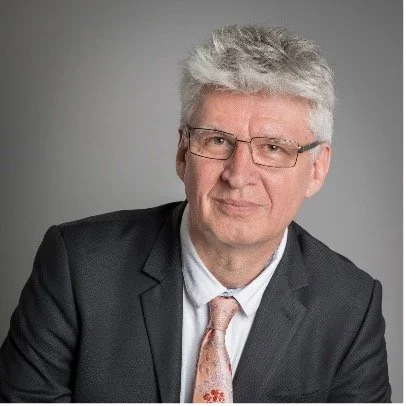
Helmut Schober is Director General of the European Spallation Source (ESS), a European intergovernmental laboratory under construction in Lund, Sweden. Before moving to ESS Helmut held the position of Director for the Institute Laue-Langevin (ILL).
He studied physics at the University of Regensburg, before going on to the University of Colorado in Boulder (USA) and specializing in the spectroscopy of molecular systems. His research has focused on fullerenes, the dynamics of liquids and glasses and on neutron instrumentation. 2019 he received the Award of Honorary Doctorate by the Université Grenoble Alpes. 2022 Helmut Schober was appointed as Affiliated Professor at the Technical University of Denmark (DTU) Physics.
Board Member (PhD Representative)
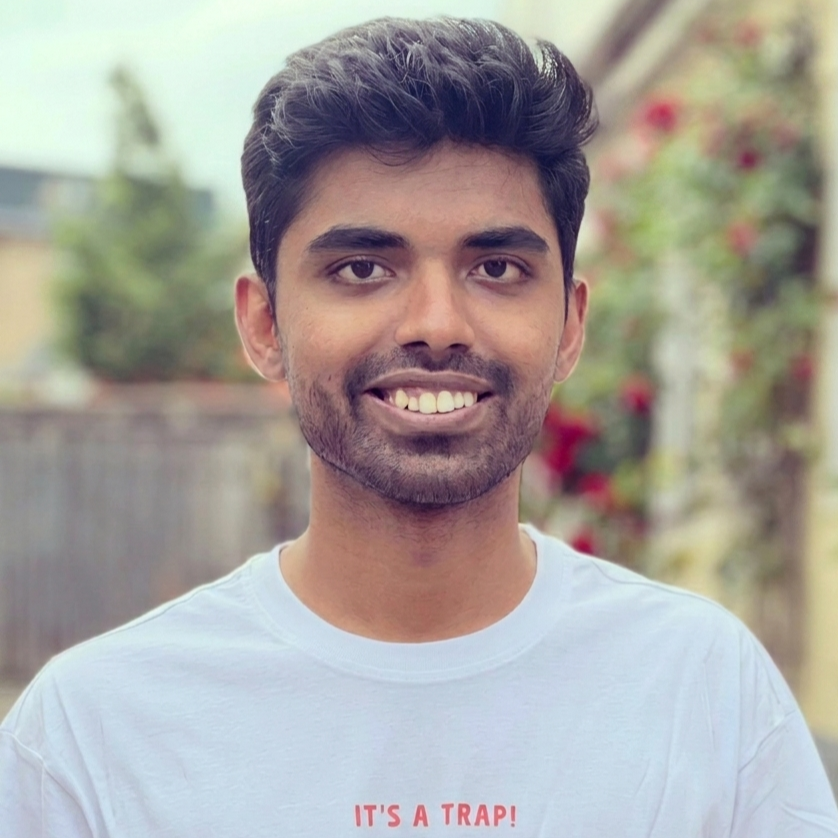
Akshat Mishra is a PhD student at the Mathematical Physics division of the Department of Physics at Lund University. He focuses on theoretical and computational methods to study strongly correlated electron systems. His current focus is on developing nonlocal extensions to Dynamical Mean Field Theory. He is the PhD representative to the Board at LINXS and a member of the Hard Matter group of the Young Researchers Initiative.
SCIENTIFIC ADVISORY BOARD
AREA HARD MATTER
SAB member 2023-2028
Kristiaan Temst is a full professor in experimental physics at the University of Leuven (KU Leuven) in Belgium. He is the past chairperson of the Department of Physics and Astronomy and he is currently the head of the Quantum Solid State Physics research unit. Apart from his position at KU Leuven, he also has a part-time appointment at the micro-electronics research center imec, also located in Leuven. His research interests focus on the MBE-growth and structural characterization as well as the magnetic, superconducting, ferroelectric, and vibrational properties of thin films, nanowires and nanoparticles. He is a frequent user of synchrotron, neutron, muon and ion beam facilities and serves or has served in many beamtime allocation review committees. He is currently the Chair of the ESFRI Physical Sciences and Engineering strategy working group.
AREA LIFE SCIENCE
SAB Member 2022-2028
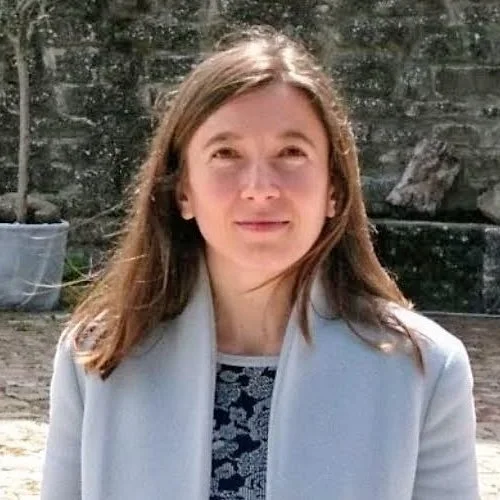
Alexandra is leading the X-ray nano-neuroimaging group at the European Synchrotron. With her team, she develops instrumentation and methods for image acquisition, reconstruction and analysis, together with sample preparation approaches tailored for nanoscale X-ray 3D bioimaging. By pushing the spatial resolution and scalability frontiers in coherent X-ray nanotomography, she aims to enable new types of inquiries into tissues and cells, with a focus on neural circuits..

AREA SOFT MATTER
SAB Member 2025-2027
Thomas Hellweg is Professor of Physical and Biophysical Chemistry at Bielefeld University. He is also the dean of the Faculty of Chemistry at Bielefeld University. The main research interests of the Hellweg group are smart microgels and smart microgel based materials (e.g. smart membranes for electrochemical applications), microemulsions confined in porous materials, polymer surfactant interactions, membrane biophysics with a focus of lipid bilayer interaction with saponins (saponins are plant based bio-surfactants with usually very strong pharmaceutical activity).
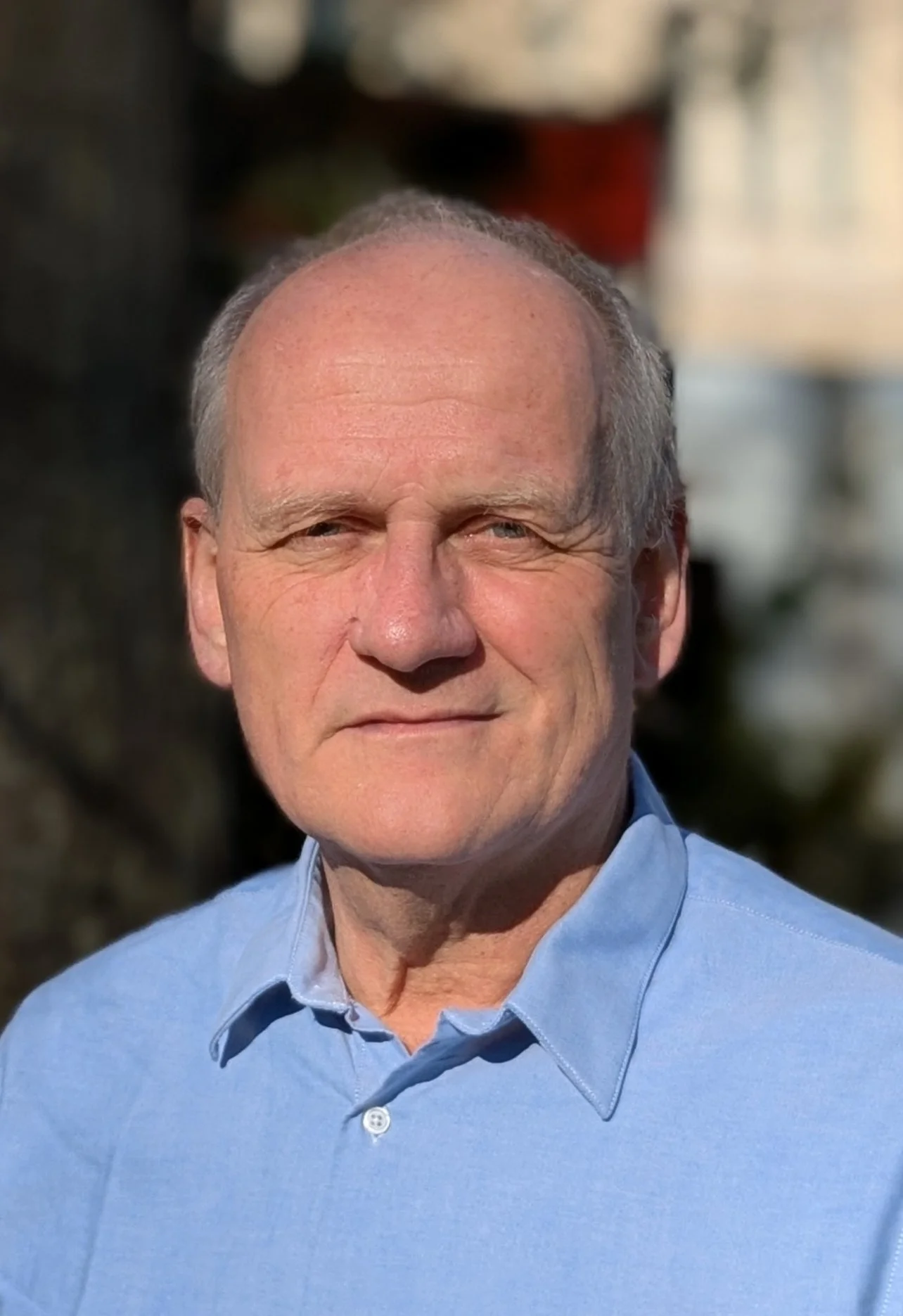
AREA HARD MATTER
SAB Member 2025-2028
Markus Braden is a Professor of Physics at the University of Cologne, Germany. His research interest is in transition-metal compounds with strong electronic correlations focusing on unconventional superconductors, the impact of strong spin-orbit coupling and multiferroic order. The group combines various X-ray and neutron scattering techniques to study the magnetic and crystal structure as well as the associated excitations with the growth of large single crystals. In collaboration with TU Munich the group constructed a cold triple-axis spectrometer optimized for polarization analysis.
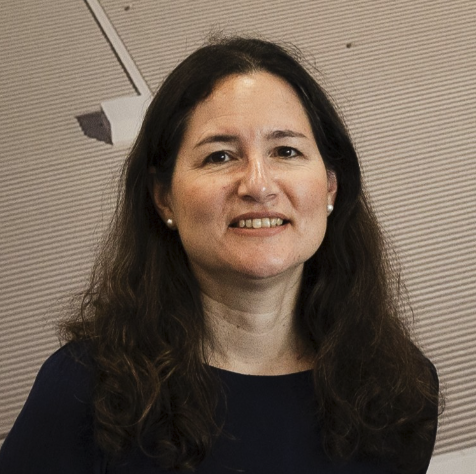
AREA SOFT MATTER
SAB Member June 2026-2029
Victoria Garcia Sakai is a science division head at the ISIS Neutron and Muon Facility in the UK, responsible for the neutron spectroscopy infrastructure. Victoria is an expert in quasi-elastic neutron scattering with particularly interests in understanding the role of dynamics in the structure-dynamics-function relationships of biological macromolecules, functional polymer systems and cryopreservation mechanisms. Victoria holds a PhD in thermodynamics and 20+ years of neutron scattering experience across a number of facilities worldwide. She sits on major international scientific boards, now Chair of the MLZ Science Advisory board, and previously chair of the ESS Scientific Advisory Council. Alongside her research, she is a passionate about education and empowering women in STEM fields.
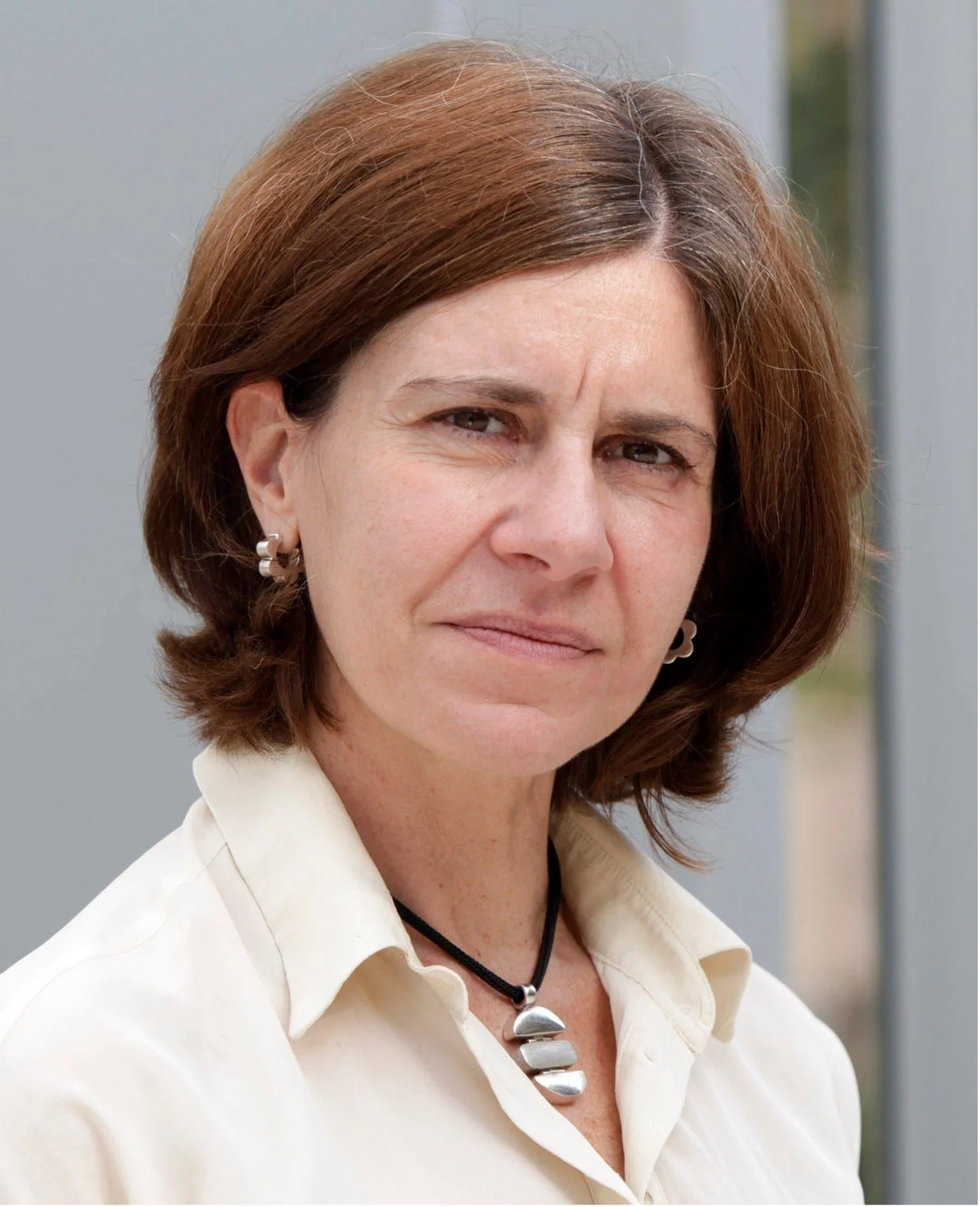
AREA LIFE SCIENCE
SAB Member 2026-2029
Teresa Carlomagno is Full Professor of Integrative Structural Biology at the University of Birmingham, UK. She leads the national biomolecular NMR laboratory hosted in Birmingham that provides access to ultra-high-field NMR and state-of-the-art expertise in NMR methodologies and applications in biology, biomedicine and chemical biology.
She is an internationally recognised leader in integrative structural biology (ISB), specialising in the study of complex and dynamic biomolecular assemblies. Her research focuses on understanding how flexible or even disordered molecular partners communicate, adapt, and function together—work where she has consistently pushed the boundaries of NMR both in solution and solid-state.
Teresa combines NMR spectroscopy with complementary methods including X‑ray scattering, electron microscopy and small‑angle scattering. She also develops advanced computational approaches that enable the integration and interpretation of diverse experimental data within unified structural models. Her laboratory focuses on molecular machinery involved in RNA metabolism, gene expression regulation, DNA repair ad signalling.
PREVIOUS SCIENTIFIC ADVISORY BOARD MEMBERS
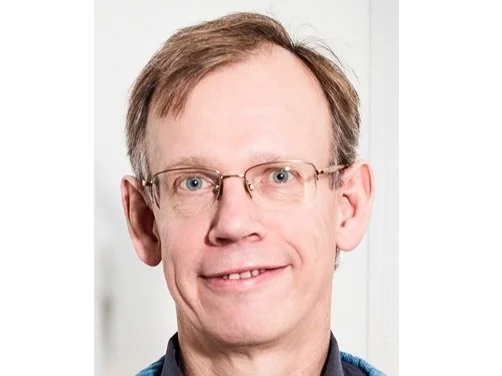
AREA SOFT MATTER
SAB member 2022- May 2026
Jan Skov Pedersen is a Professor of Chemistry at Aarhus University, Denmark. His research is on physical chemistry of soft matter, colloidal polymers science, and biophysics with emphasis of application of small-angle X-ray scattering for structural investigations. His work also includes instrument and modelling methods development.
AREA LIFE SCIENCE
Former SAB Member 2022-2026
Annette is an Associate Professor at the Department of Drug Design, University of Copenhagen. Her research projects are on structure and dynamics of complex macromolecular systems using several X-ray and neutron based techniques, as well as complementary biophysical studies. Her main focus is the study of amyloidogenic proteins and fibrillation processes using small angle X-ray scattering.
AREA SOFT MATTER
SAB Chair 2022-2025, SAB Member 2017-2025
Christiane is the Head of the Laboratoire Léon Brillouin (LLB). Her research focuses on the thermodynamics, structure and dynamics of molecular condensed phases, liquid, solid and amorphous. She is a leading expert in several experimental techniques and methods bridging the gap between time and space scales, improving theoretical concepts and analytical modelling.

AREA HARD MATTER
Former SAB Member 2021-2024
Andrew is a Professor of Physics at the University of Oxford, a Tutorial Fellow of Oriel College, and Associate Head of the Department of Physics. He is an experimentalist with broad interests in the fundamental properties of quantum materials, especially superconductors, magnetic materials, and topological semimetals. His group uses neutron and synchrotron x-ray scattering techniques to investigate novel electronic ground states and associated physical phenomena.
Profile page at the university: https://www.physics.ox.ac.uk/our-people/boothroyd/research
AREA SOFT MATTER
Former SAB Chair 2021-2023, former SAB Member 2017-2023
Stefan was a full professor (Soft Condensed Matter Physics) at the Heinrich-Heine University Düsseldorf. Interested in the physics of soft condensed matter, in particular its non-equilibrium behaviour. His research focused on the behaviour of colloidal systems under external fields, their relaxation to equilibrium, and metastable states.
AREA LIFE SCIENCES
Former SAB Chair 2017-2021, former SAB Member 2017-2022
Lise is a Professor and Head of the The Structural Biophysics Group at the
Niels Bohr Institute, Faculty of Science, Denmark. Her main research topics include biophysics and physical chemistry with the main focus on structural investigations of macromolecules and their aggregates in solution.
AREA LIFE SCIENCES
Former SAB Member 2017-2022
Marco is the Head of the SLS Tomography group
and Professor for X-ray imaging at the ETH Zürich. With his team, he is working on novel X-ray based instruments and methods for non-invasive investigations of samples at various length scales, ranging from single cells up to humans. Research areas encompass a host of X-ray based imaging techniques for biosystems and clinical applications.
AREA SOFT MATTER
Former SAB member 2017-2021
Daan is a former Head of the Department of Chemistry at Cambridge University and the current Director of Research. The Frenkel group focuses on the numerical exploration of routes to design novel, self-assembling structures and materials. In particular, the group is interested in the possibilities that bio-molecular recognition and motor action offer to create complex, nano-structured materials.
AREA HARD MATTER
Former SAB member 2017-2020
Christian is the Director of the Paul Scherrer Institute and Professor of physics at the University of Geneva, ETH Zurich and EPF Lausanne. His research projects focus on systematic studies of strongly correlated quantum phenomena in low-dimensional spin systems, single-molecule and frustrated magnets, and novel emergent materials.
LINXS FELLOWS
Fellows shine
Scattering and lmaging for Health lnsights and New Evidence Core Group leader and member WG1 (Metabolic diseases) LINXS Fellow
Professor, Lund University, Lund, Sweden
Prof. Lindkvist is the initiator of the theme and has solid experience as an expert user of MAXIV and cryo-EM, in particular within structural biology. Lindkvist is a pioneer within ex vivo analyses of clinical material applying electrons. Lindkvist has a long-standing and fruitful collaboration with the clinicians at the plastic surgery department at Skånes Universitetssjukhus (SUS) providing exceptional access to human primary white adipose tissue. This connection will be central for methods development activities within the theme. Lindkvist will be heavily involved in the theme both as a core group leader and as a fellow in the Metabolic diseases working group.
Scattering and lmaging for Health lnsights and New Evidence Core Group member and leader of WG2 (Airway diseases), LINXS Fellow
Professor, Lund University, Lund, Sweden
Prof. Uller is head of the research group Respiratory lmmunopharmacology at BMC, Lund with a clear translational research focus on airway diseases such as asthma and COPD as well as allergic rhinitis. The Uller team originally discovered an overproduction of the cytokine TSLP in the bronchial epithelium in patients with asthma and COPD that paved the way for a new personalized biological treatment for severe asthma. The Uller team studies the role of airway epithelium, the first line of defense, in airway diseases but also investigates how the epithelium initiates, orchestrates and shapes local and systemic inflammation in airway diseases. Furthermore, the team discovered an increased epithelial hyperreactivity to inhaled agents such as rhinovirus allergen and PM2.5 and now want to address how the epithelial barrier structure is influenced using integrative approaches by combining the use of X-rays and electrons.
Scattering and lmaging for Health lnsights and New Evidence Core Group member and leader of WG4 (Neurodegenerative diseases), LINXS Fellow
Professor, Lund University, Lund, Sweden
Prof. Deierborg is leading the research group Experimental Neuroinflammation Laboratory. His research on neurodegenerative diseases characterized by protein aggregation, such as Alzheimer's and Parkinson's disease. He is focusing on neuroinflammatory aspects and especially the function of microglia, known to be a reactive cell related to disease pathogenesis. The lab has revealed new ligands to immune receptors central in inflammation, and how inflammatory molecules can change the structure on diseases causing proteins. Experimental discoveries from his lab have led to clinical trials.
Scattering and lmaging for Health lnsights and New Evidence Core Group member and leader of WG3 (Transmittable diseases), LINXS Fellow
Professor, Lund University, Lund, Sweden
Prof. Hauryliuk's group conducts structure-functional studies of diverse molecular machines, combining biochemistry, NGS-based approaches and cryo-EM. The biological focus of the lab is infection, be it bacterial (here the focus is mechanisms of antibiotic resistance acting on the ribosome) or viral (here the focus is diverse innate anti-viral defence systems).
Scattering and lmaging for Health lnsights and New Evidence Core Group member and leader of WG1 (Metabolic diseases), LINXS Fellow
Associate Professor, Lund University, Lund, Sweden
Artner's group studies focus on understanding pancreatic islet function and development using molecular biology, cell biology, and histology approaches. The PI has access to human islets from normoglycemic and type 2 diabetic donors, as well as human embryonic pancreas through the Lund University Diabetes Center and a collaboration with the Women's clinic at SUS in Malmö.
Scattering and lmaging for Health lnsights and New Evidence Core Group member, LINXS Fellow
PhD, MAX IV, Sweden
Dr. Christopher Söderberg has been working with structural biology since 2008 when he started his PhD education. His main expertise today is SAXS, but he started out working with protein X-ray crystallography. He worked at MAX-Lab and MAX IV between 2013 and 2017, at beamlines I911-4 and CoSAXS, after which he moved to RISE between 2018 and 2026 and a VR-funded LSRI initiative to guide industry to e.g. MAX IV and similar facilities around Europe. There he worked with industry in life science, helping them primarily to apply SAXS in their research and development. He is now back at MAX IV working in the Industrial Relations Office, primarily connected to the CoSAXS beamline, but also coordinating industry projects at BioMAX.
Scattering and lmaging for Health lnsights and New Evidence Core Group member, LINXS Fellow
PhD, Facility Manager at Scilifelab's cryo-EM facility in Stockholm, MicroED Specialist.
Dr. Mathieu Coinçon is an expert in cryo-electron microscopy and X-ray crystallography, with a focus on high-resolution techniques for structural biology and materials science. As a facility manager, he oversees microED and single particle collection at ScilifeLab's cryo-EM facility, which features state-of-the-art equipment for single-particle analysis and cryo-electron tomography and electronic diffraction. Dedicated to advancing structural biology, he mentors researchers, develops methodologies, and enables impactful discoveries across biology, chemistry, and physics.
Scattering and lmaging for Health lnsights and New Evidence Core Group member, LINXS Fellow
Facility Manager, Cryo-EM for Life Sciences at Lund University, Lund, Sweden
Anu Tyagi is the facility manager for the Lund University cryo-EM facility. The facility is located at MAXIV including a 200 kV cryo-electron microscope Glacios 2 and a Vitrobot Mark IV System offering reproducible vitrification of biological samples. The facility was recently inaugurated, and the microscope is capable of collecting high resolution data sets for both single particle analysis and cryo-electron tomograms.
Scattering and lmaging for Health lnsights and New Evidence member of WG1 (Metabolic diseases), LINXS Fellow
Umeå University, Sweden
Scattering and lmaging for Health lnsights and New Evidence member of WG1 (Metabolic diseases), LINXS Fellow
Lund University, Sweden
Scattering and lmaging for Health lnsights and New Evidence member of WG1 (Metabolic diseases), LINXS Fellow
Lund University, Sweden
Scattering and lmaging for Health lnsights and New Evidence member of WG2 (Airway diseases), LINXS Fellow
Region Skåne, Lund University Hospital, Sweden
Scattering and lmaging for Health lnsights and New Evidence member of WG2 (Airway diseases), LINXS Fellow
Region Skåne, Lund University Hospital, Sweden
Scattering and lmaging for Health lnsights and New Evidence member of WG2 (Airway diseases), LINXS Fellow
Region Skåne, Lund University Hospital, Sweden
Scattering and lmaging for Health lnsights and New Evidence member of WG2 (Airway diseases), LINXS Fellow
Region Skåne, Lund University Hospital, Sweden
Scattering and lmaging for Health lnsights and New Evidence member of WG2 (Airway diseases), LINXS Fellow
Lund University, Sweden

Scattering and lmaging for Health lnsights and New Evidence member of WG2 (Airway diseases), LINXS Fellow
Lund University, Sweden
Scattering and lmaging for Health lnsights and New Evidence member of WG2 (Airway diseases), LINXS Fellow
Karolinska Institutet, Stockholm, Sweden
Scattering and lmaging for Health lnsights and New Evidence member of WG2 (Airway diseases), LINXS Fellow
Copenhagen University, Bispeberg Hospital, Denmark
Scattering and lmaging for Health lnsights and New Evidence member of WG3 (Transmittable diseases), LINXS Fellow
Umeå University, Sweden
Scattering and lmaging for Health lnsights and New Evidence member of WG3 (Transmittable diseases), LINXS Fellow
Lund University, Sweden
Scattering and lmaging for Health lnsights and New Evidence member of WG3 (Transmittable diseases), LINXS Fellow
Lund University, Sweden
Scattering and lmaging for Health lnsights and New Evidence member of WG3 (Transmittable diseases), LINXS Fellow
Okinawa Institute of Science and Technology, Japan
Scattering and lmaging for Health lnsights and New Evidence member of WG3 (Transmittable diseases), LINXS Fellow
Okinawa Institute of Science and Technology, Japan
Scattering and lmaging for Health lnsights and New Evidence member of WG3 (Transmittable diseases), LINXS Fellow
Toyama Prefectural University, Japan
Scattering and lmaging for Health lnsights and New Evidence member of WG3 (Transmittable diseases), LINXS Fellow
RIKEN, Japan
Scattering and lmaging for Health lnsights and New Evidence member of WG3 (Transmittable diseases), LINXS Fellow
National Institute of Infectious Diseases, Japan
Scattering and lmaging for Health lnsights and New Evidence member of WG4 (Neurodegenerative diseases), LINXS Fellow
Chalmers University of Technology, Gothenburg, Sweden
Scattering and lmaging for Health lnsights and New Evidence member of WG4 (Neurodegenerative diseases), LINXS Fellow
University of Gothenburg, Sweden
Scattering and lmaging for Health lnsights and New Evidence member of WG4 (Neurodegenerative diseases), LINXS Fellow
Karolinska Institutet, Stockholm, Sweden
fellows Smile
Soft Matter in Life Core Group leader, LINXS Fellow
Head of Scientific Support, ESS / adjunct Associate Professor, Lund University, Lund, Sweden
Hanna is a biophysical chemist whose research is multidisciplinary and centers around elucidating cell membrane structure and function by using neutron scattering and deuteration, ranging from development of advanced biomimetics for human cell membranes built from purified cell lipid extracts to the in-situ study of membrane-protein and lipid function in cancer cell models. Hanna obtained a DPhil in Physical Chemistry from Oxford University (2004). After postdoc fellowships at Oxford, Toshiba (Japan) and ANSTO (Australia), she joined the ILL in Grenoble (France) as instrument scientist in 2009 before moving to Lund in 2011 as the first ESS instrument scientist and later as a senior life scientist in the DEMAX deuteration platform. She was appointed in 2024 as the Head of the ESS Scientific Support Division comprising support laboratories and sample environments.
Soft Matter in Life deputy Core Group leader and co-leader of WG2 (Pathways of multi-scale structure formation in macromolecular systems), LINXS Fellow
Associate Professor, Lund University, Lund, Sweden
Felix has a strong background in staticand dynamic neutron, X-ray and light scattering applied to biological soft matter. A special focus of his work lies on dynamics, phase behavior and related assembly in protein solutions. While initial work addressed model proteins, recent applications involved inter alia antibodies, elastin-based systems and food proteins as highly relevant systems for SMILE. Felix obtained his PhD in physics at the University of Tübingen (Germany) in 2014. After postdoctoral stays at the Institut Laue Langevin (Grenoble, France) and Lund University, he was assistant and associate professor at the Department of Biomedical Science at Malmö University within 2019 to 2023. Since 2023, Felix is AssociateProfessor at the Division of Physical Chemistry at Lund University. In addition, Felix acts as coordinator in the COMMONS center of excellence funded by VR. He is co-chair of the board of the Swedish Neutron Scattering Society and member of the board of LINXS.
Soft Matter in Life Core Group member, LINXS Fellow
Professor, Lund University, Lund, Sweden
Anna is a soft matter scientist specializing in scattering methods and their application to life science, working mainly with physiologically and pharmaceutically relevant proteins (monoclonal antibodies, eye lens proteins etc.) using a colloid approach to protein interactions and solution properties. Her current research focuses on phasebehavior, structure, dynamics and flow behavior of concentrated protein solutions and mixtures with a particular interest in protein dynamics under crowded conditions, phase separation and dynamical arrest, as well as novel concepts for high concentration protein formulations. Anna obtained her PhD in Physical Chemistry in Graz/Austria, then moved to Switzerland where she worked as a postdoc and then as a tenured senior scientist at the Physics Department in Fribourg. In 2008 she did her Habilitation (Venia Legendi) in Experimental Physics before she transferred her activities in 2011 to Lund University, Division of Physical Chemistry.
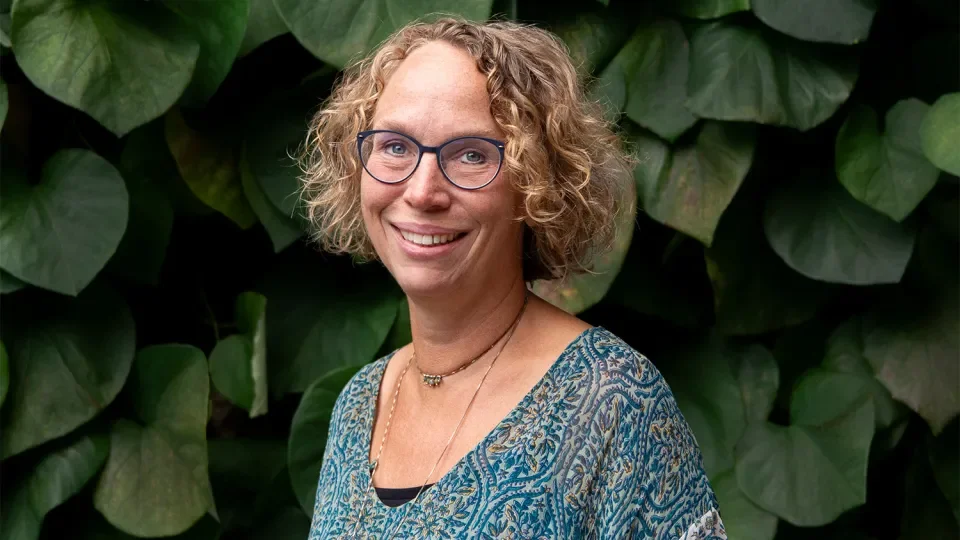
Soft Matter in Life Core Group member, LINXS Fellow
Professor, Lund University, Lund, Sweden
Emma is a physical chemist specializing on lipid self-assembly, membrane biophysics and lipid-protein interactions. Her current research focuses on lipid-protein co-assembly in amyloid formation, membrane remodelling and lipid self-assembly in non-equilibrium conditions. Emma obtained her PhD in Physical Chemistry at Lund University in 2001. After two postdoc periods; at the Department of Pharmacy at Uppsala University, and at the Department Biochemistry of Membranes at Utrecht University, she moved in 2004 back to Lund to start a research group, where she is now a professor in the Division of Physical Chemistry. Emma is the Director of the COMMONS Center of Excellence. Emma has been the chair of the Research council for natural and engineering sciences at Swedish Research council, and she has leadership tasks at Faculty and Institutional level at Lund University.
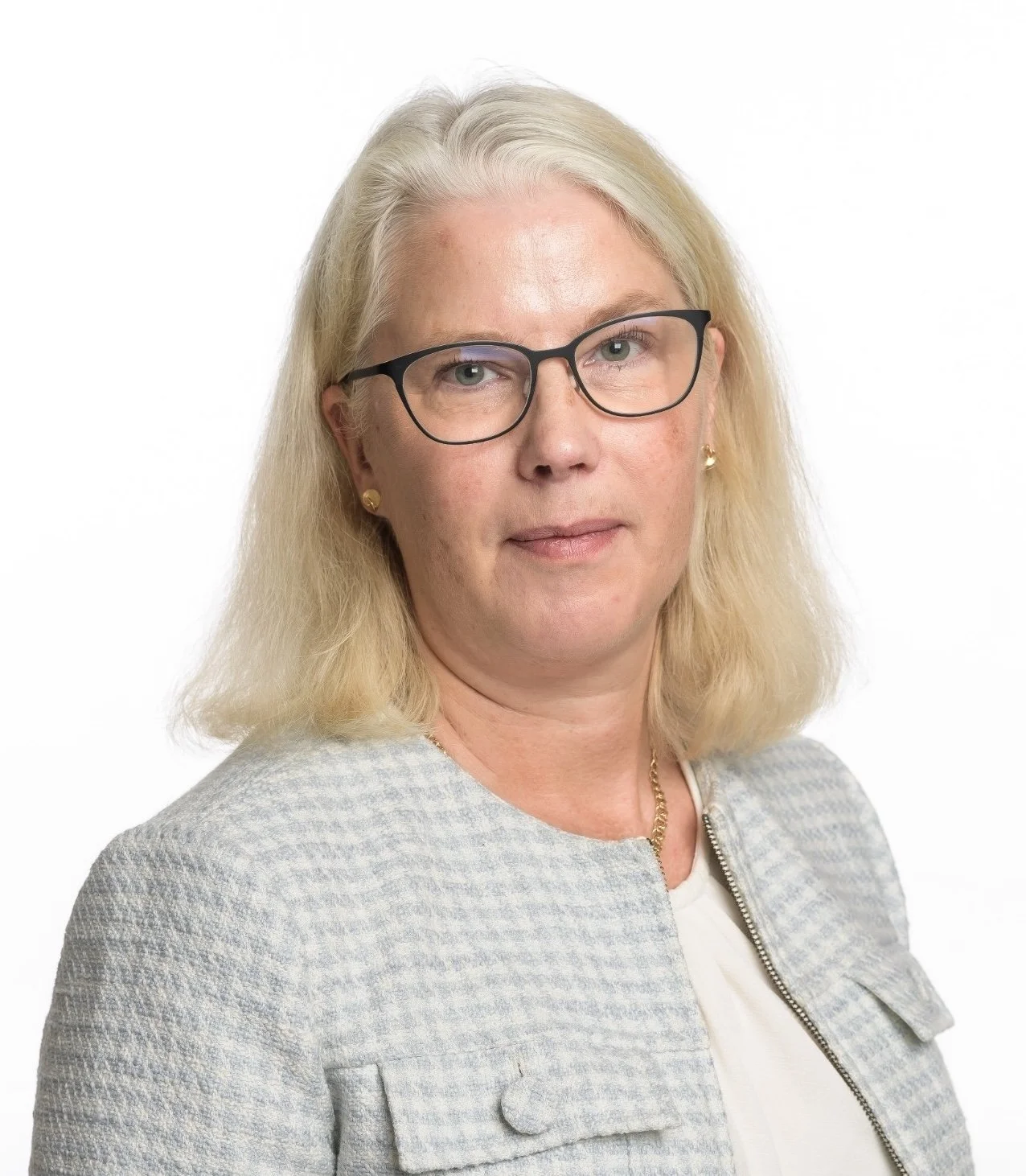
Soft Matter in Life Core Group member and co-leader of WG2 (Pathways of multi-scale structure formation in macromolecular systems), LINXS Fellow
Professor, Lund University, Lund, Sweden
Anna is a specialist in applied surface and colloid chemistry with applications in foods and pharmaceuticals. She has an interest in x-ray and neutron techniques to study structure and dynamics in soft matter systems using scattering, spectroscopy and tomography. Her research interests focus on the interactions and structure formation in systems composed of biomolecules (proteins, lipids and carbohydrates) and how this can be applied in e.g. formation of structure in complex biomolecular systems, such as formulations of biological drugs (proteins, probiotics, nucleic acids) as well as foods (emulsions, gels and foams). Anna obtained her PhD in Biotechnology at Lund University (enzyme catalysed lipid synthesis), and moved to Reading, UK for a post-doc at Institute of Food Research. She then joined Institute for Surface Chemistry in Stockholm, Sweden (later merged into RISE), were she focused on drying technologies, powder and microencapsulation for food and pharma applications. She was the director of the Vinnova competence centre NextBioForm (2018-2024). She joined Lund University in 2023 as professor in Food technology.
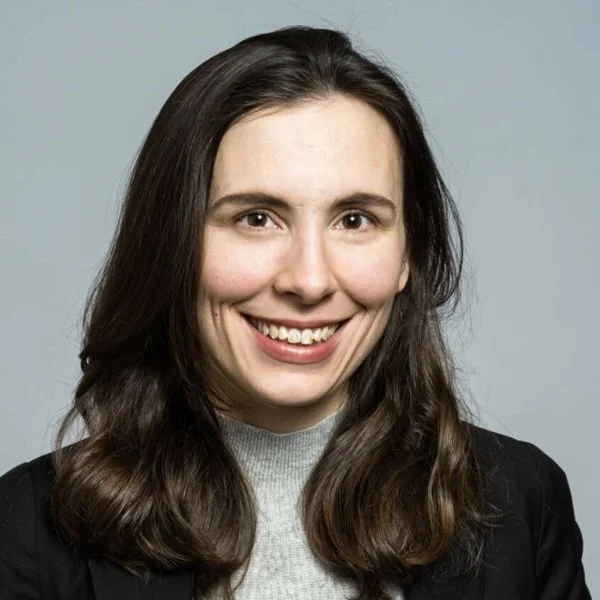
Soft Matter in Life Core Group member and co-leader of WG1 (Higher complexity in lipid self-assembly), LINXS Fellow
Assistant Professor, Chalmers University of Technology, Gothenburg, Sweden
Maggie and her group focus on applying neutron and X-ray scattering techniques to quantify the structural arrangement of lipid species in a range of liposome, lipid nanoparticle, and extracellular vesicle systems. She couples this with a range of complementary techniques including in vitro assays, single particle techniques, sup-population separation methods, surface techniques, lipidomics, and microscopy. By combining these techniques, she and her group aim to uncover the role that lipid chemical composition and physical arrangement plays in the bioactivity of synthetic and naturally-derived vesicles and LNPs, and in how we can better understand how these particles interact with cells and with model membranes of increasing complexity. Maggie obtained her PhD in Nanoscience at Basel University, Switzerland, studying lipid vesicles as cardiovascular delivery vectors, and the morphology of human coronary arteries using absorption/phase-contrast X-ray tomography. She completed post docs at Imperial College London, UK (2013-2017) and Karolinska Institutet, Sweden (2017-2022), studying lipid self-assembled structures and their applications in drug delivery and diagnostics. In 2023 she began her independent research group at Chalmers University of Technology, Department of Life Sciences, in the Division of Chemical Biology.
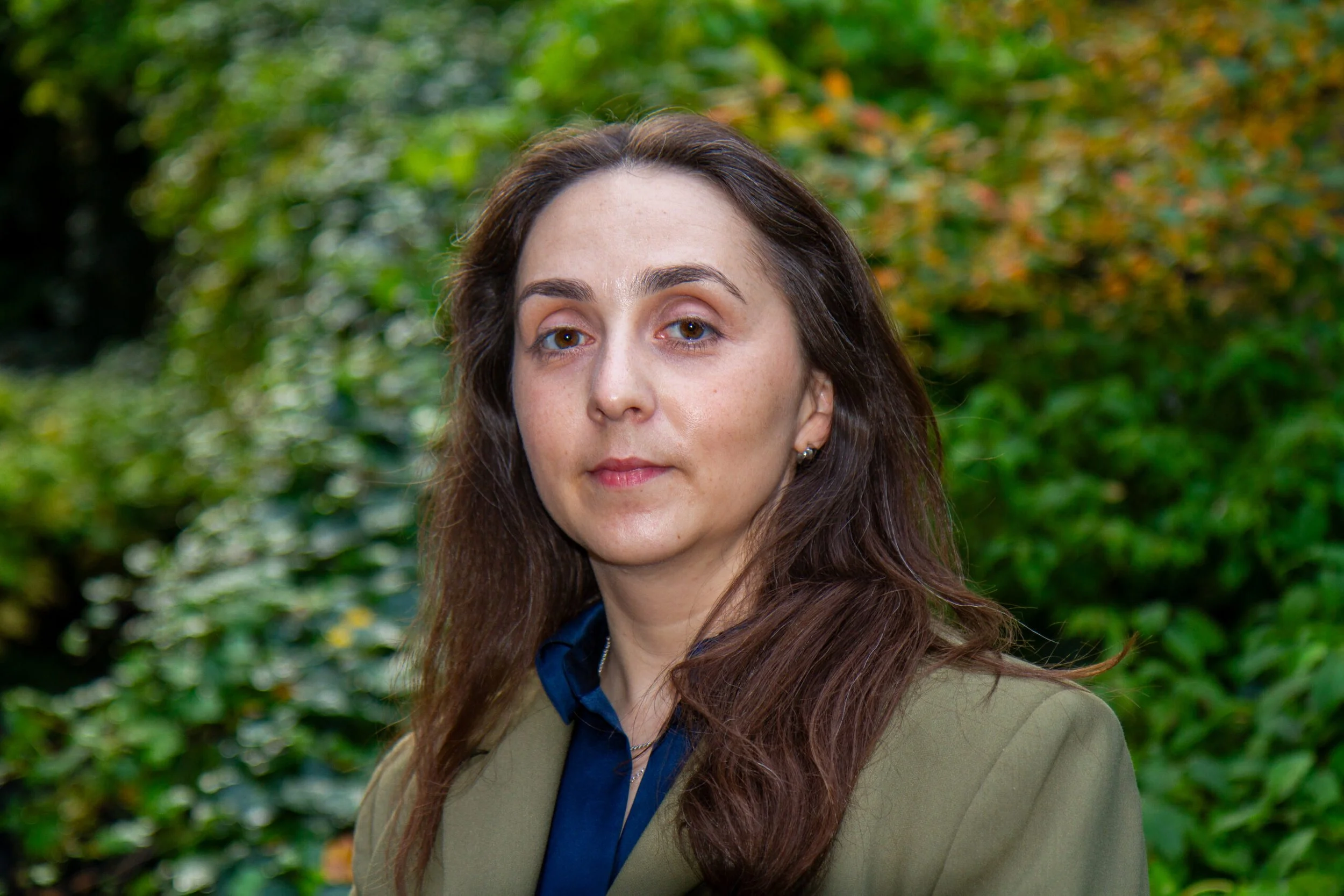
Soft Matter in Life Core Group member and co-leader of WG1 (Higher complexity in lipid self-assembly), LINXS Fellow
Associate Professor, SciLifeLab, KTH, Stockholm, Sweden
Hanna is a lipid biophysicist who specializes inusing X-ray and neutron scattering to study structure and function in lipid assemblies. This includes engineering and characterising planar and curved bulk phases and studying how nano particle structure can give mechanistic insights into their release properties. Her current research focuses on understanding the impact of health and disease on the biophysical properties of lipid membranes in cells and correlating this to the function of lipid pharmaceuticals. Hanna obtained her PhD in Chemical Biology of Health and Disease from Imperial College London (UK) and after her first PostDoc moved to Karolinska Institutet, Sweden as a research fellow. From 2022-2024 she was also Head of Biophysics at NanoVation Therapeutics, a lipid nanoparticle development company. In 2024 she moved to SciLifeLab, KTH where she is an Associate Professor.
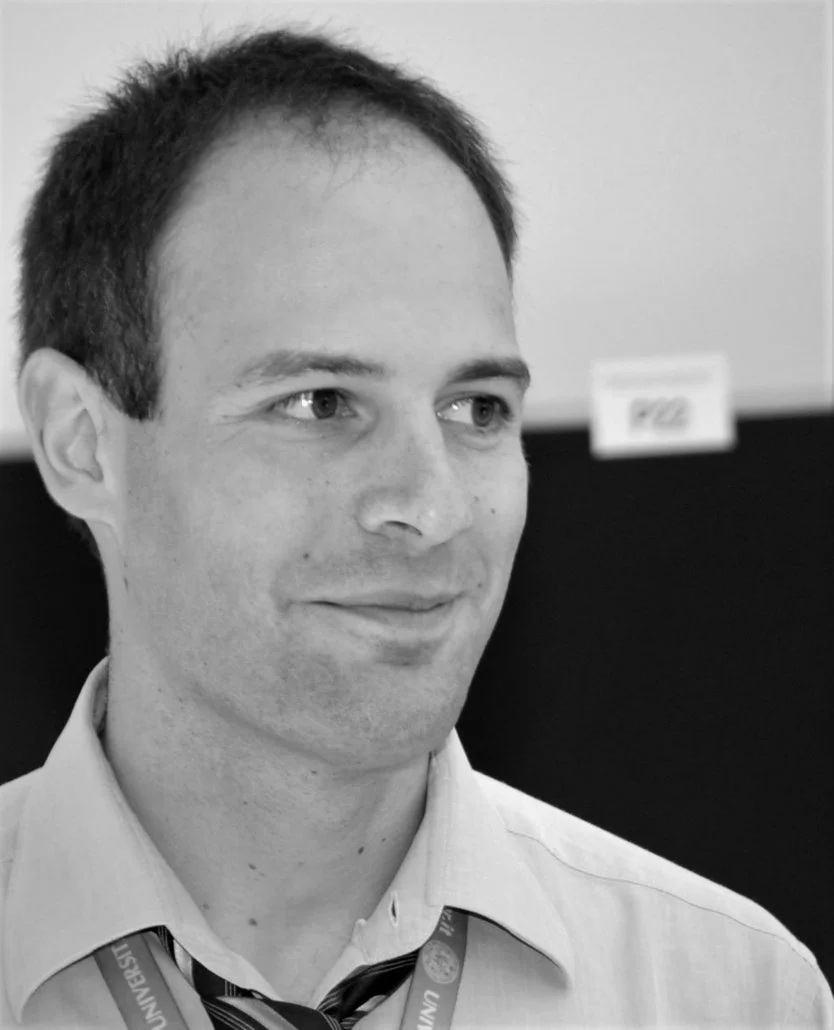
Soft Matter in Life Core Group member, LINXS Fellow
Senior Researcher, CNR Institute of Complex Systems c/o Department of Physics,Sapienza University of Rome, Rome, Italy
Yuri is a physicist specializing in scattering techniques for softmatter science and biophysics. His research focuses on the structure and dynamics of lipid-based andsoft matter systems. He obtained his Ph.D. in Physics from the University of Parma (Italy) in 2010. After a short postdoctoral position in Parma, he moved to the Institut Laue-Langevin (ILL) in Grenoble, France, where he worked as a postdoc (2011–2013) on new models and methods for biomembrane research. He then became a staff scientist and Coordinator of the Partnership for SoftCondensed Matter initiative. During this time, he contributed to advancements in surface-sensitive techniques for the structural characterization of soft matter at interfaces, with a particular emphasis on lipid-based systems. In 2020, Yuri returned to Italy as an Assistant Professor at the Polytechnic University of Marche. Since 2023, he has been a Senior Researcher at the CNR Institute for Complex Systems, affiliated with the Department of Physics at Sapienza University of Rome. Since 2024, he coordinates the Marie Skłodowska-Curie Doctoral Network CLIMB: Complex Lipid Membranes for Science and Technology.
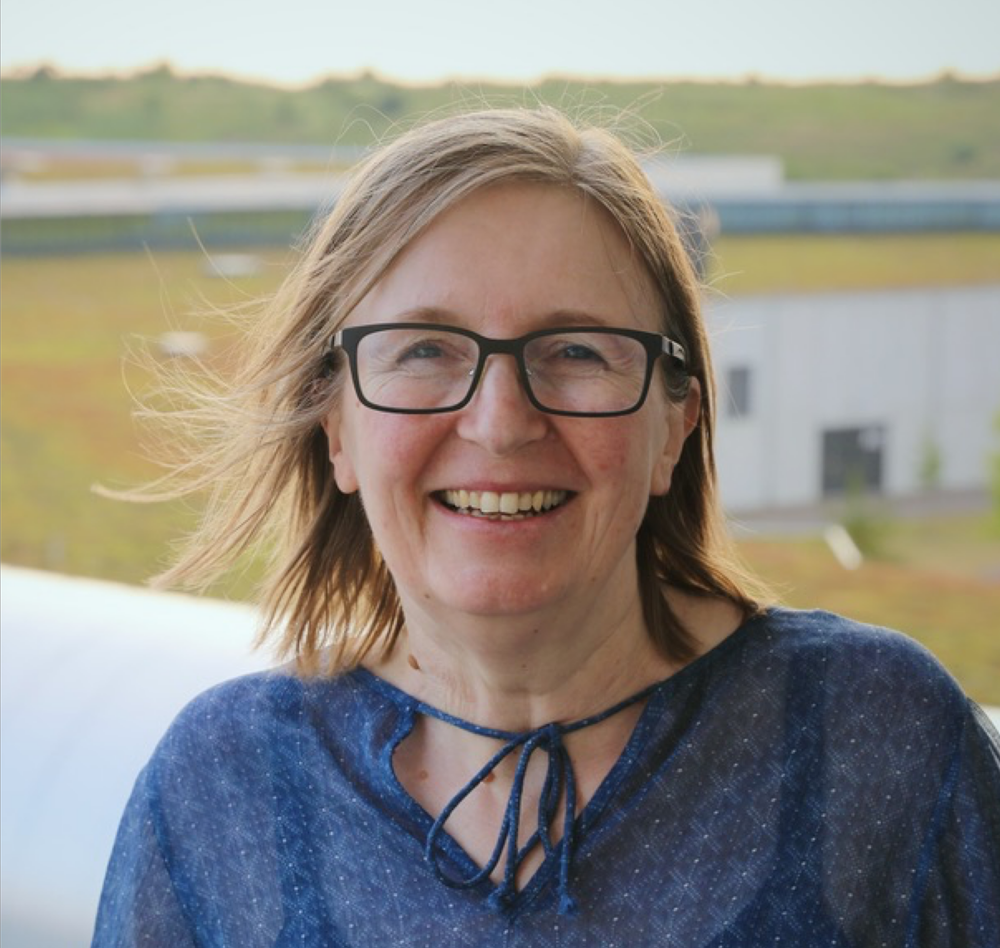
Soft Matter in Life Core Group member and member WG2 (Pathways of multi-scale structure formation in macromolecular systems), LINXS Fellow
MAX IV, Lund, Sweden
Ann is a leading scientist in X-ray and neutron scattering techniques, specializingin soft condensed matter and biological self-assembly. She is the Group Manager for Soft Materials at MAX IV Laboratory and a LINXS Fellow. With over 25 years of experience, she has published 90+ papers, secured 12 MSEK in research funding, and has many international collaborations. Ann has served on multiple advisory panels and played a key role in organizing scientific conferences. She is committed to advancing multi-scale structural studies. At MAX IV, she leads the CoSAXS beamline, developing X-ray methodologies for cutting-edge biomolecular research.
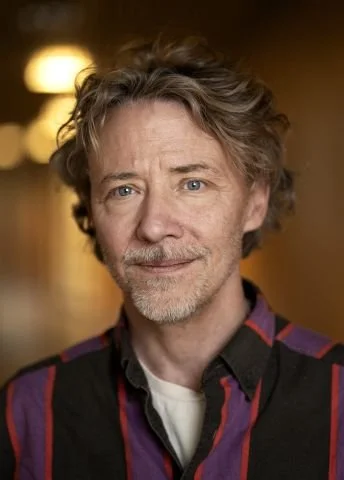
Soft Matter in Life member WG1 (Higher complexity in lipid self-assembly), LINXS Fellow
Chalmers University, Gothenburg, Sweden
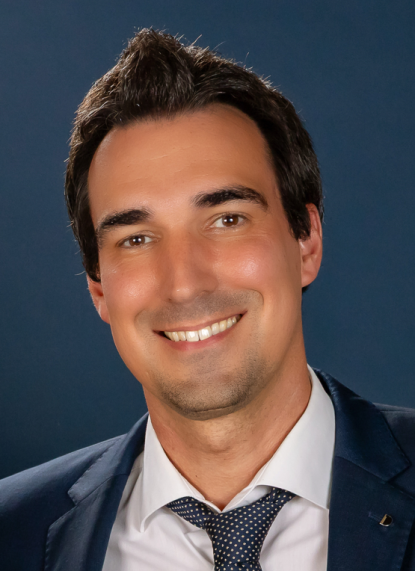
Soft Matter in Life member WG1 (Higher complexity in lipid self-assembly), LINXS Fellow
Technical University of Darmstadt, Darmstadt, Germany
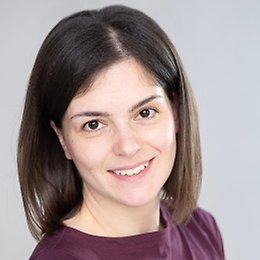
Soft Matter in Life member WG1 (Higher complexity in lipid self-assembly), LINXS Fellow
Stockholm University, Scilife Lab, Stockholm, Sweden
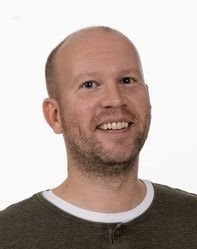
Soft Matter in Life member WG1 (Higher complexity in lipid self-assembly), LINXS Fellow
Lund University, Lund, Sweden
Soft Matter in Life member WG1 (Higher complexity in lipid self-assembly), LINXS Fellow
CNRS, Lyon, France
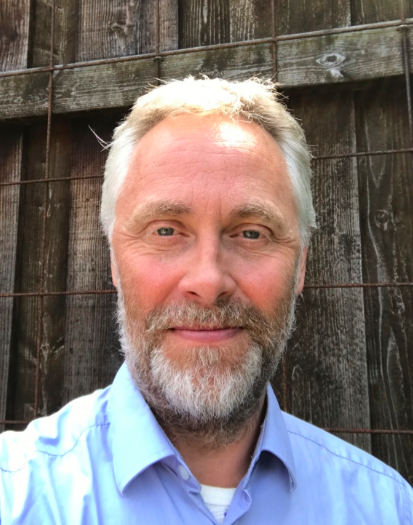
Soft Matter in Life member WG1 (Higher complexity in lipid self-assembly), LINXS Fellow
University of Copenhagen, Copenhagen, Denmark
Soft Matter in Life Core Group member and member WG1 (Higher complexity in lipid self-assembly), LINXS Fellow
University of Copenhagen, Copenhagen, Denmark
Soft Matter in Life member WG1 (Higher complexity in lipid self-assembly), LINXS Fellow
ILL, Grenoble, France
Soft Matter in Life member WG1 (Higher complexity in lipid self-assembly), LINXS Fellow
ILL, Grenoble, France
Soft Matter in Life member WG1 (Higher complexity in lipid self-assembly), LINXS Fellow
STFC ISIS, UK
Soft Matter in Life member WG2 (Pathways of multi-scale structure formation in macromolecular systems), LINXS Fellow
University of Copenhagen, Denmark
Soft Matter in Life member WG2 (Pathways of multi-scale structure formation in macromolecular systems), LINXS Fellow
Technical University of Denmark, Denmark
Soft Matter in Life member WG2 (Pathways of multi-scale structure formation in macromolecular systems), LINXS Fellow
Stockholm University, Sweden
Soft Matter in Life member WG2 (Pathways of multi-scale structure formation in macromolecular systems), LINXS Fellow
Wageningen University, Netherlands
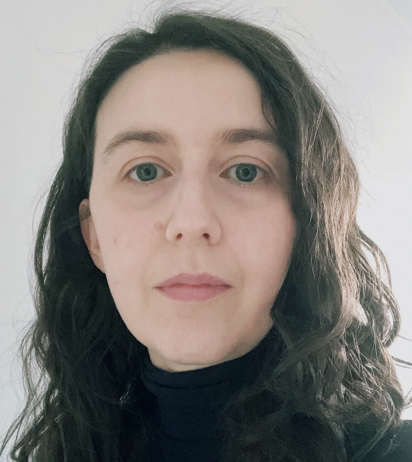
Soft Matter in Life member WG2 (Pathways of multi-scale structure formation in macromolecular systems), LINXS Fellow
ESS, Lund, Sweden
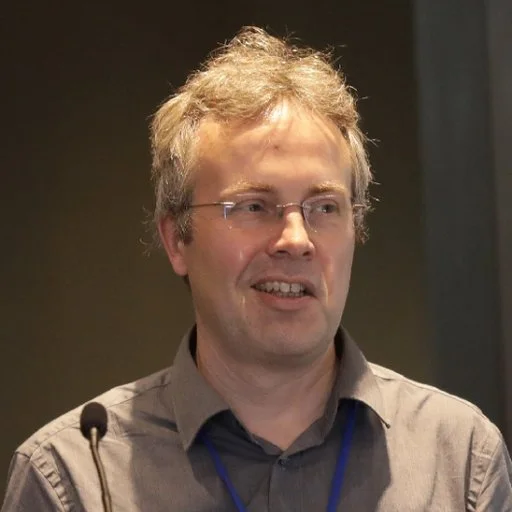
Soft Matter in Life member WG2 (Pathways of multi-scale structure formation in macromolecular systems), LINXS Fellow
ILL, Grenoble, France
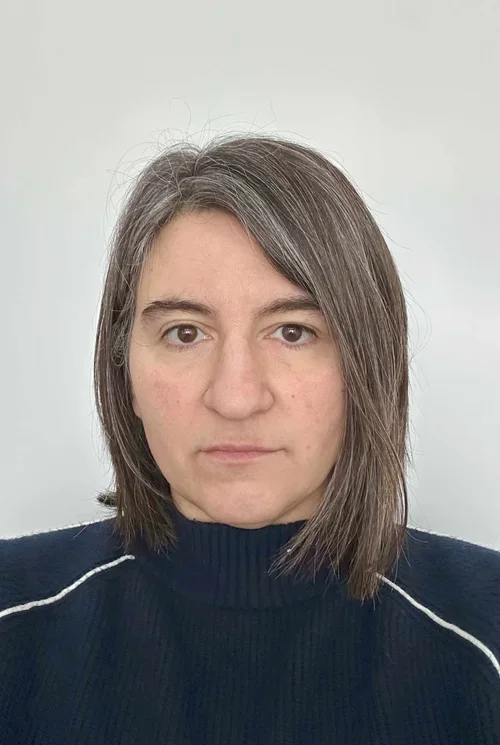
Soft Matter in Life member WG2 (Pathways of multi-scale structure formation in macromolecular systems), LINXS Fellow
MAX IV Laboratory, Lund University, Lund, Sweden
Soft Matter in Life Core Group member and member WG2 (Pathways of multi-scale structure formation in macromolecular systems), LINXS Fellow
Uni Düsseldorf, Germany
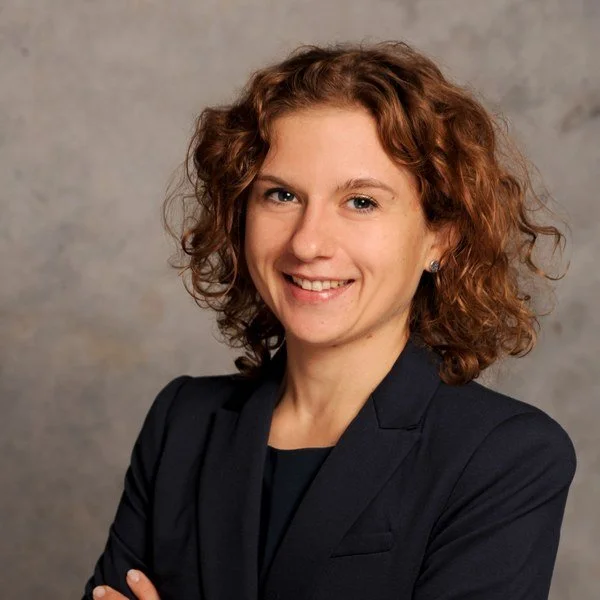
Soft Matter in Life Core Group member and member WG2 (Pathways of multi-scale structure formation in macromolecular systems), LINXS Fellow
JCNS, MLZ, Germany
Soft Matter in Life Core Group member and member WG2 (Pathways of multi-scale structure formation in macromolecular systems), LINXS Fellow
Lund University, Lund, Sweden
Fellows PandA
Pandemics and Alertness Core Group leader and deputy-leader of WG1 (Understanding the virus), WG2 (Fighting the virus) and WG3 (Complementary and enabling techniques), LINXS Fellow
Lund Protein Production Platform (LP3) & Protein Production Sweden (PPS), Department of Biology, Lund University, Lund Sweden
Wolfgang Knecht was trained in human biology at the Philipps-Universität Marburg, Germany, with focus on biochemistry, molecular biology, and virology, followed by a post-doc period at the Technical University of Denmark. Since 2002, he has worked in the cardiovascular research area of AstraZeneca in Mölndal, Sweden, as associate principal scientist in protein production, protein science & enzymology and project leader in early drug discovery projects. In 2013, he joined Lund University (LU) as senior lecturer and director of LP3. LP3 is a university platform for protein production, protein characterization and structure determination. Today, he also serves as the deputy director of the distributed national research infrastructure PPS (Protein Production Sweden), of which LP3 is the LU node. His research is centered around integrated biochemical - structural biology approaches to study enzymes, as lately exemplified by studies of human dihydroorotate dehydrogenase and the complex of the non-structural proteins 10 and 14 of SARS-CoV-2. Since 2025 he has been a SciLifeLab group leader.
Pandemics and Alertness Leader WG1 (Understanding the virus), LINXS Fellow
Professor of Molecular Virology, Institute of Virology, Philipps-University Marburg, Marburg, Germany
Eva Friebertshäuser studied biology at the Justus-Liebig-Universität Gießen and the Philipps-Universität Marburg, Germany, with the focus on molecular biology, microbiology and virology, followed by a PhD thesis and post-doc period at the Institute of Virology at the Philipps-Universität Marburg. Since 2015, she has been Professor of Molecular Virology at the institute. Her research interest is the proteolytic activation of viral envelope proteins by host cell proteases and the development of protease inhibitors as novel antiviral drugs. Her research group first identified the transmembrane protease TMPRSS2 as virus-activating protease and made the most significant contributions to understanding how respiratory viruses are proteolytically activated to induce fusion.
Pandemics and Alertness Leader WG3 (Complementary and enabling techniques), LINXS Fellow
Researcher at the Swedish BioMS and SciLifeLab Integrated Structural Biology (ISB) mass spectrometry platforms & Department of Clinical Sciences Lund (IKVL), SciLifeLab Group Leader, Division of Infection Medicine, Lund University, Lund, Sweden
Lotta Happonen studied biotechnology and genetics at the University of Helsinki, Finland, where she obtained her PhD in 2012 in structural virology using single particle cryoEM and X-ray crystallography as the main research methods. She joined Lund University initially as a postdoctoral researcher, and she is currently a PI and SciLifeLab Group Leader of a research group in Structural Infection Medicine (STRIME) at the Division of Infection Medicine. The methodological interests and research focus of her are to integrate cryoEM, X-ray crystallography, crosslinking and hydrogen-deuterium exchange mass spectrometry with quantitative proteomics in order to advance the understanding of the molecular basis of infections. These efforts have paved the way for research activities of deciphering the structure of host-pathogen protein complexes, with the aim of providing novel interfaces to target for diagnostic, preventive, and therapeutic opportunities.
In addition to leading her research at the Division of Infection Medicine, she has an affiliation with the Swedish National Infrastructure in Biological Mass Spectrometry (BioMS) Lund node and the SciLifeLab Integrated Structural Biology platform (ISB), where she leads and develops the crosslinking mass spectrometry research and workflows. She is an elected board member and former President of the Swedish Proteomics Society (SPS); a national organisation promoting proteomics research in Sweden, and the Swedish connection to the European and global proteomics organizations.
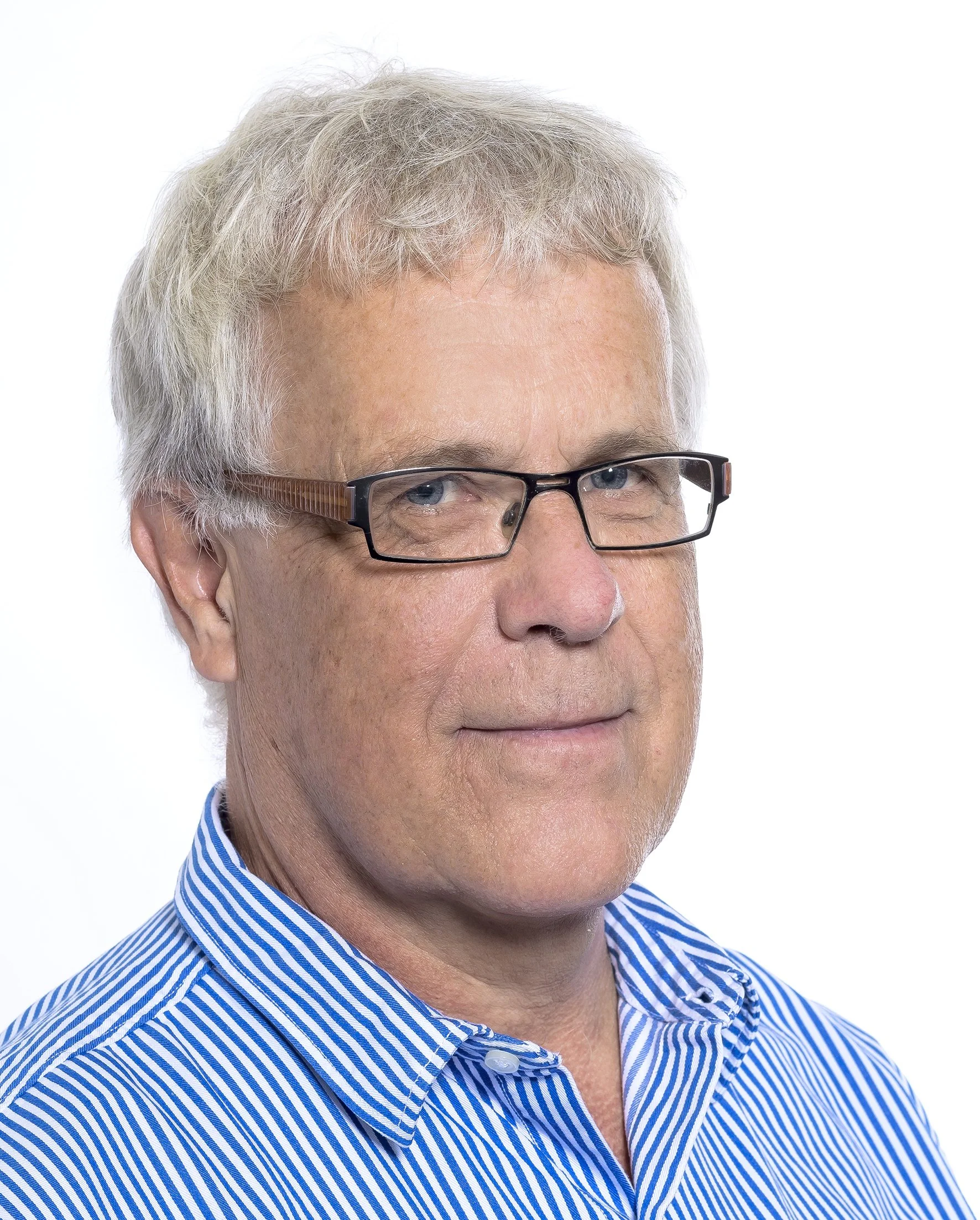
Pandemics and Alertness Leader WG2 (Fighting the virus), LINXS Fellow
Dept. of Immunotecnology & SciLifeLab Drug Discovery and Development Platform, Lund University, Lund, Sweden
Prof. Mats Ohlin defended his thesis in Immunotechnology at Lund University with a specific focus on human antibody repertoires in 1992. He has been engaged in antibody technology development and studies of immune responses throughout his career, with a specific focus of immune responses associated to allergic disease. He also developed a scaffold for development of carbohydrate-specific probes, and exploited X-ray and neutron crystal structure determination in this context. He was appointed Assoc. Prof of Immunotechnology in 1995 and Professor of Immunotechnology in 2003. He was appointed Platform Scientific Director of the Human Antibody Therapeutics unit (now Display and Selection Technology) of the national infrastructure Science for Life Laboratory (SciLifeLab) Drug Discovery and Development Platform in 2016 when the laboratory in Lund was introduced into this national infrastructure for therapeutic drug development. He has since 2021 acted as Co-chair of the Inferred Allele Review Committee of The Adaptive Immune Receptor Repertoire Community (AIRR-C) of the Antibody society (https://www.antibodysociety.org/), a committee with responsibility to judge the validity of germline immunoglobulin and TCR genes inferred from AIRR-Seq and genomic data. This committee directly collaborates with the International Union of Immunological Societies’ T-cell Receptor and Immunoglobulin Nomenclature Review Committee on aspects of gene and allele nomenclature.

Pandemics and Alertness member WG1 (Understanding the virus) and WG3 (Complementary and enabling techniques), LINXS Fellow
Head of Systems Virology Group, Faculty of Medicine, Lund University, Lund, Sweden
Joakim Esbjörnsson has for the last 19 years developed a research profile that combines expertise in molecular virology, bioinformatics and immunology. After doctoral studies at Lund University (LU), and postdoctoral studies at the Katholieke Universiteit and University of Oxford, he returned to LU in 2016 to set up his own research team focusing on molecular virus epidemiology and understanding how virus-host interactions determine pathogenesis using different bioinformatics and systems virology approaches. His career development have been supported by Vetenskapsrådet (international postdoctoral grant, establishment grant, and consolidator grant), Swedish Society for Medical Research, SciLifeLab, the European Commission, Lund University (multiple internal grants and a tenured position from associate senior lecturer to full Professor since 2016), other funds. He has >70 scientific publications, whereof the majority is as either first or senior author. Major original articles as first or senior author include publications in the New England Journal of Medicine, Nature Communications, Lancet HIV, Clinical Infectious Diseases, and Frontiers in Immunology. Other acknowledgements include being ranked as top 1% of HIV-2 researchers in the world, initiator and coordinator of the Lund University Virus Centre (LUVC), member of Vetenskapsrådets reference group for the national research program on virus and pandemics, member of the SciLifeLab DDLS Research School Management group, coordinator of the LU cooperation initiative on Pandemics and alertness, coordinator of the research and innovation dimension of the European University alliance EUGLOH 2.0 (including nine universities), and invitations to numerous scientific conferences as keynote speaker. He has been the main supervisor of nine postdocs/research fellows, three PhD students that successfully defended their theses, and co-supervisor of 8 PhD students that successfully defended their theses.
Pandemics and Alertness member WG1 (Understanding the virus) and WG3 (Complementary and enabling techniques), LINXS Fellow
MAX IV Laboratory, Lund University, Lund, Sweden
Marjolein Thunnissen, currently serving as senior science advisor at MAX IV, involved in coordinating activities towards the life sciences community. These encompass a wide spectrum of applications, including protein crystallography, small angle X-ray scattering, cutting-edge imaging techniques, X-ray absorption methods, and more. Marjolein plays a pivotal role in fostering relationships with users, both from academic and industrial backgrounds, while also spearheading educational and training initiatives. Marjolein's academic journey commenced at the University of Groningen, the Netherlands, where she embarked on her undergraduate and doctoral studies in chemistry. It was during her undergraduate years that her fascination with unraveling the intricate structure-function relationships of proteins through X-ray diffraction was ignited. Her main scientific interests have been inflammation and infection. She has solved several protein structures, amongst which the structure of Leukotriene A4 Hydrolase, the first member of the M1 group of zinc metalloproteases for which a structure got determined.
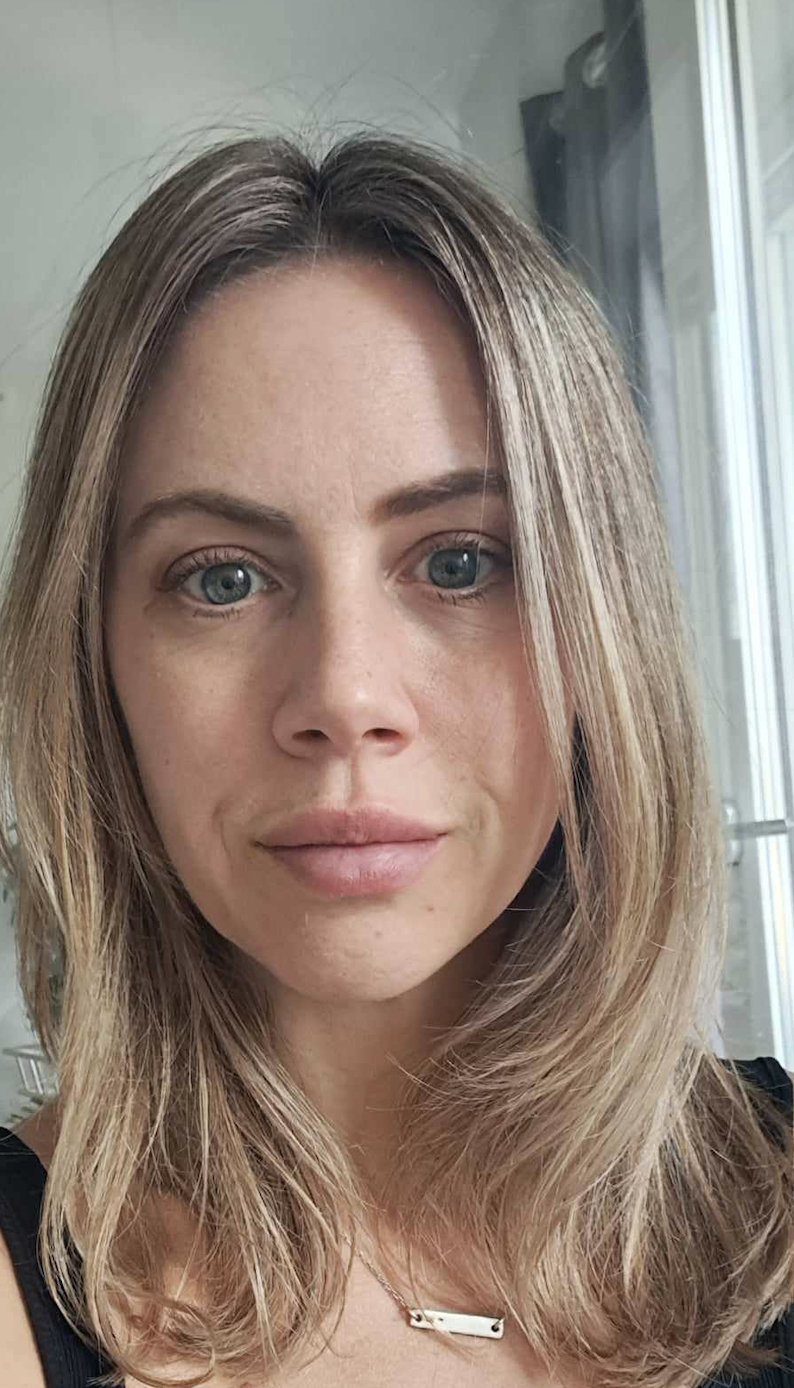
Pandemics and Alertness member WG1 (Understanding the virus), LINXS Fellow
Social Medicine and Global health and Systems Virology group, Faculty of Medicine, Lund University, Lund, Sweden
Pia Svensson holds a PhD in Public Health from Lund University. Her research is centered around patient and public health literacy, public health communication, and crisis communication, with a particular focus on hard to reach groups. She has specific experience and interest in interdisciplinary and cross-sector collaboration. Since 2024, Pia has served as the administrative coordinator for the thematic initiative Pandemics and Alertness, a role she will also assume within the LINXS theme collaboration.
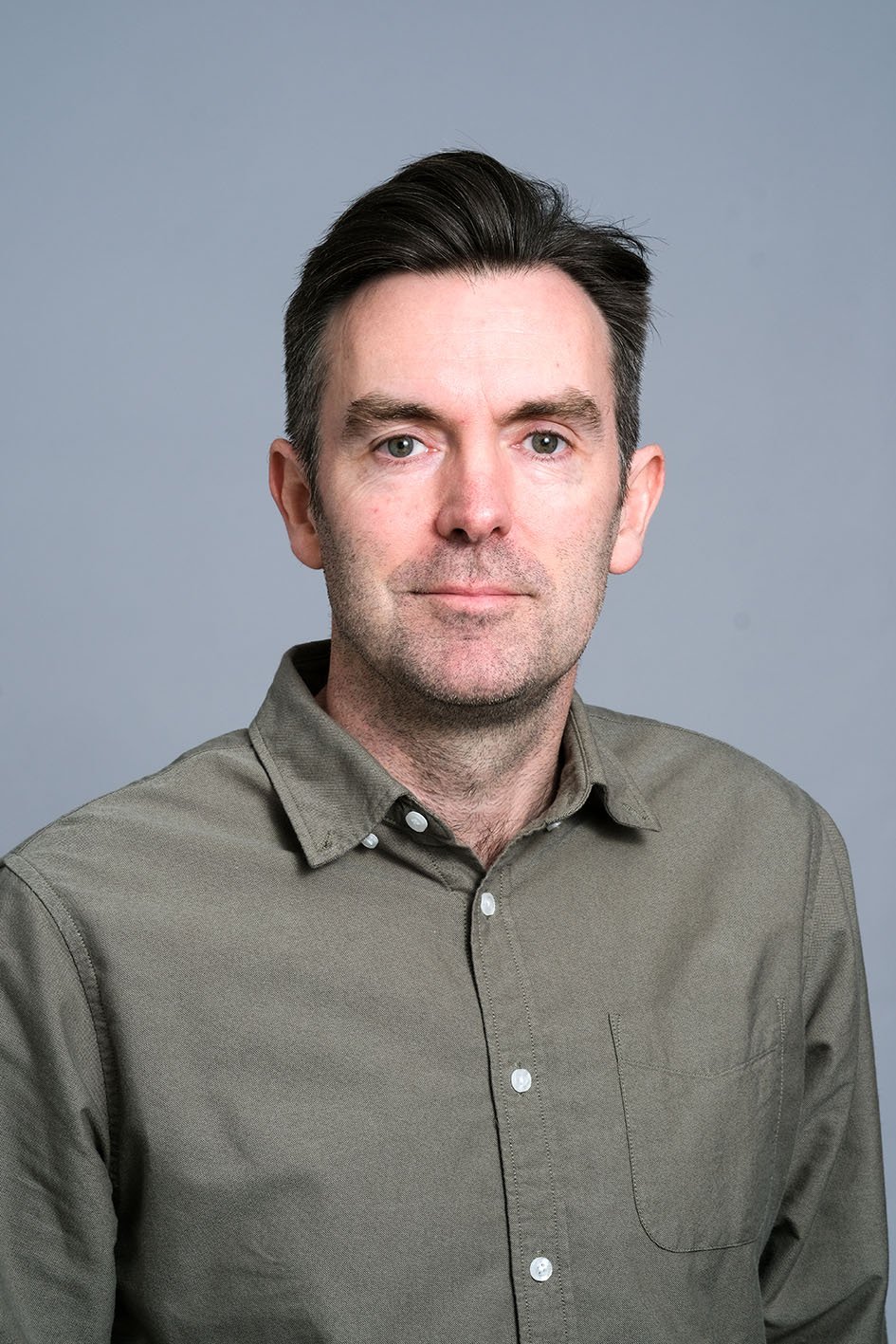
Pandemics and Alertness member WG1 (Understanding the virus), LINXS Fellow
Professor of Molecular Virology, Head of Division of Virology and Immunology, Department of Microbiology, Tumor and Cell Biology, Karolinska Institutet, Stockholm, Sweden
Gerald McInerney is professor of molecular virology at Karolinska Institutet in Stockholm. He has built a strong, internationally recognized research program in the cell biology of virus infection and its implications for viral replication and immune responses. His research focusses on the cell biology of alphavirus infection. He was first to show that virus infection induces the formation of RNA stress granules in infected cells and went on to elucidate the mechanism by which alphaviruses counteract this cellular defence pathway. He and his group were very active during the COVID19 pandemic, developing neutralizing antibodies and contributing to many projects in diagnostics, serology, antiviral and vaccine development and other diverse research projects.
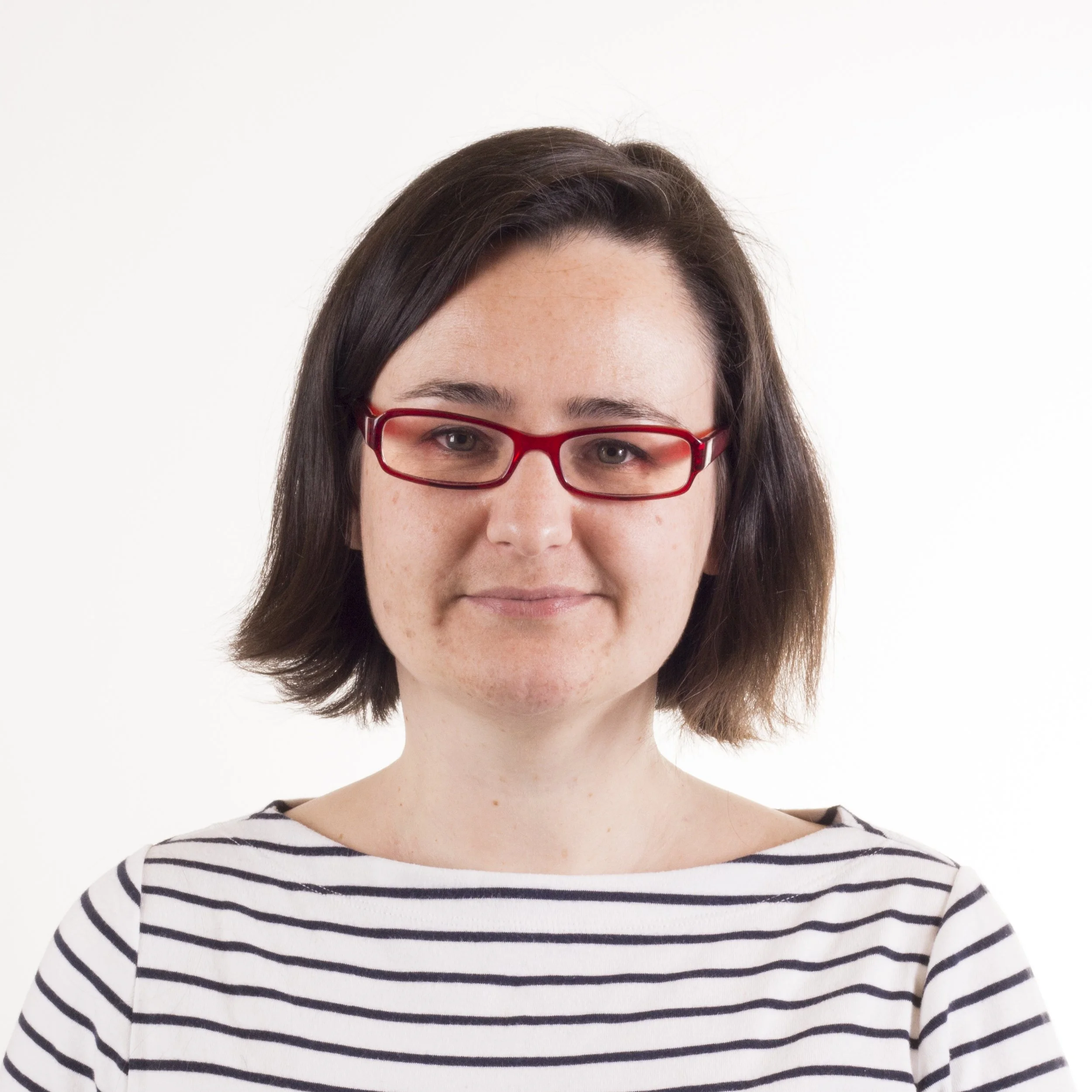
Pandemics and Alertness member WG1 (Understanding the virus), LINXS Fellow
Department of Physics, Chemistry and Biology, Linköping University, Linköping, Sweden
Eleonore studied molecular biology in Switzerland, followed by a PhD in structural biology working on titin elasticity and signaling. The focus during her postdoc at the Netherlands Cancer Institute was on mitotic kinase regulation (via regulatory domains), while also contributing to other research projects in the department. In 2017 Eleonore moved to Linköping to start her own research group, with a focus on using integrated structural biology approaches to explore the molecular mechanisms of the picornavirus host factor PLAAT3 and its family member PLAAT4 and how they can be acquired and repurposed by viruses to fulfil new role(s) in the viral life cycle. The group also contributes their expertise in designing and producing recombinant protein constructs for biophysical and structural characterizations to several national and international collaborations on different topics. One common theme tying these together is the interest in how the modularity observed in most proteins contributes to their evolutionary diversity and adaptability.
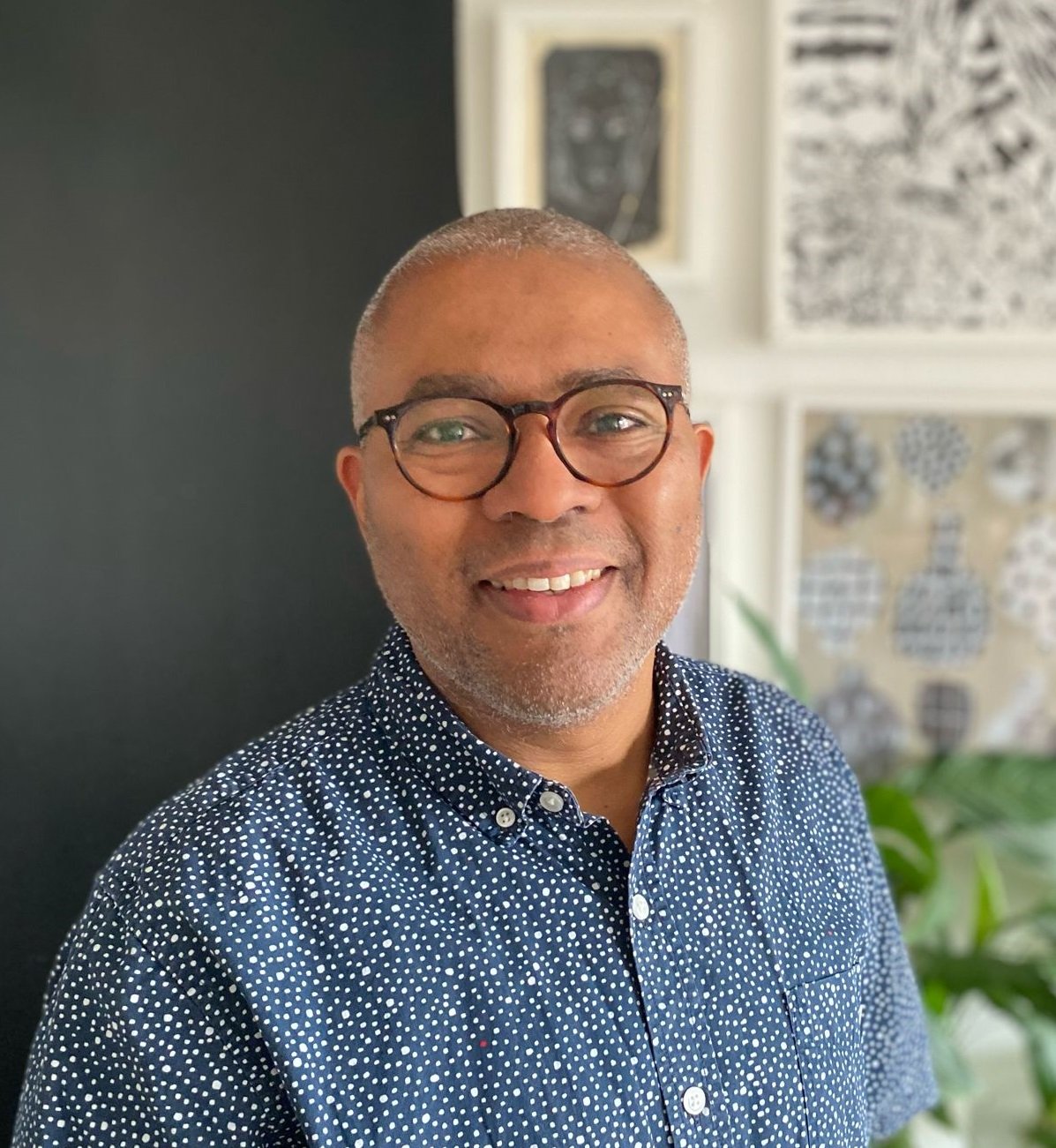
Pandemics and Alertness member WG1 (Understanding the virus), LINXS Fellow
Pure and Applied Biochemistry, Lund University, Lund, Sweden
Dr. Cedric Dicko is a researcher in applied biochemistry with a focus on fibrous proteins. His primary research involves the application of biospectroscopy, scattering and soft mechanics to investigate the self-assembly and structure-function relationships in silk materials. The work emphasizes the importance of microstructures in biological function and how microscopic organization dramatically affects and determines the macroscopic properties of biological systems. Leading the Soft and Complex Biomaterials Group, Dr. Dicko and his team explore biological molecules to uncover their potential in material science and bioengineering.
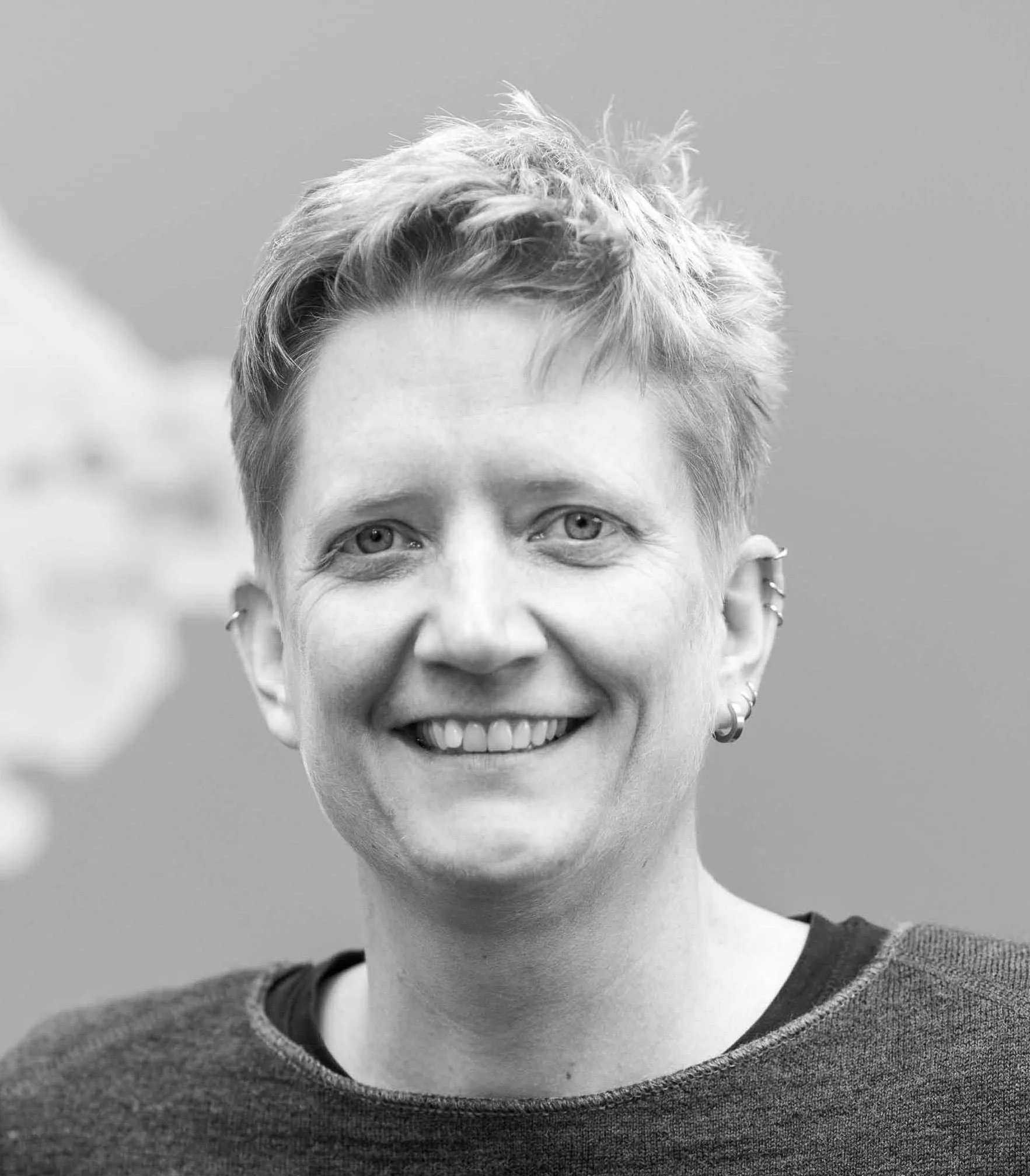
Pandemics and Alertness member WG1 (Understanding the virus), LINXS Fellow
Institute of Virology, University of Marburg, Marburg, Germany
Eva Herker was trained in biochemistry at the University of Potsdam and the University of Tübingen and during her PhD investigated cell death mechanisms and aging processes in yeast. Supported by a Human Frontier Science Program Fellowship, she started working on virus-host interactions of hepatitis C viruses as a post-doc at the Gladstone Institute of Virology and Immunology (San Francisco, USA). After leading a junior research group at the Leibniz Institute for Virology in Hamburg, she was appointed as Professor of Molecular Virology at the University of Marburg. Her research group investigates virus-host interactions, focusing on the interplay between flaviviruses, lipid droplets, and lipid metabolism. She is also the spokesperson of a DFG-funded research unit on lipid droplet heterogeneity, which studies the structural and functional diversity of these organelles.
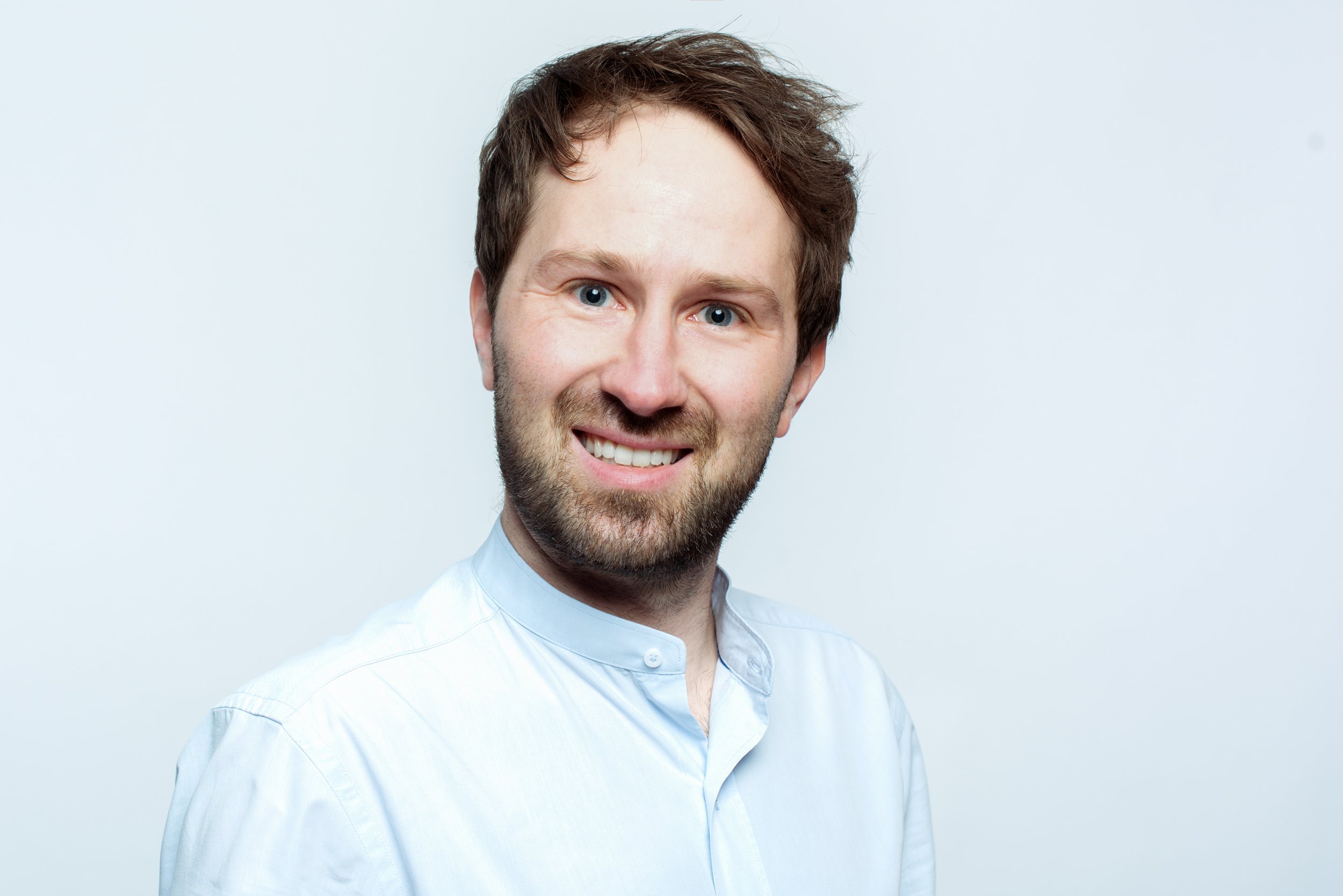
Pandemics and Alertness member WG1 (Understanding the virus), LINXS Fellow
Institute of Virology, Philipps-University Marburg, Marburg, Germany
Janis Müller studied Molecular Medicine in Ulm, Germany and focused on the sexual transmission of HIV during his PhD. As postdoc he worked on the sexual transmission of typically arthropod-borne Zika virus and discovered an novel innate mechanism by which extracellular vesicles in body fluids compete with viruses for cell attachment and thereby provide a natural barrier against transmission. He is experienced in studying immune responses, host interactions and antiviral strategies against viruses of different families including lentiviruses, flaviviruses, coronaviruses and orthomyxoviruses. In Marburg, he was appointed junior professor for immune responses against highly pathogenic RNA viruses and studies the mechanism, breadth, origin and regulation of antiviral EVs. Since 2023, he is vice president of the German Society for EVs.
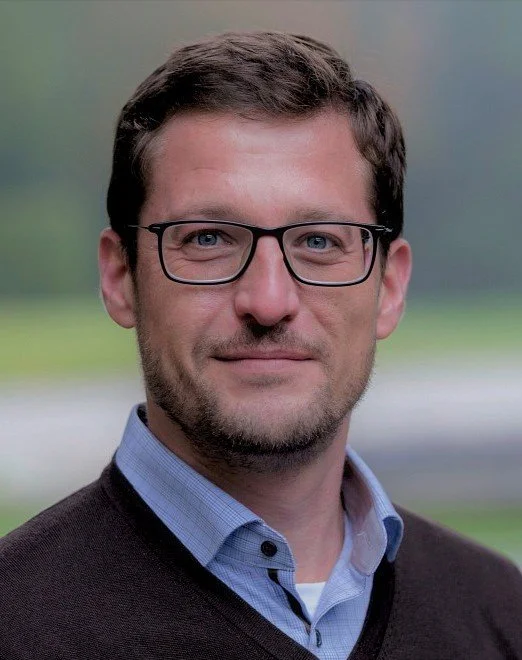
Pandemics and Alertness member WG1 (Understanding the virus), LINXS Fellow
Institute of Virology, Philipps-University Marburg, Marburg, Germany
Dr. Strecker graduated from the Philipps University Marburg, Germany, and obtained his doctoral degree in Virology from the same university in 2007. Since 2015, he holds a research group leader position at the Institute of Virology in Marburg. His primary research focuses on the molecular biology of the highly pathogenic Lassa virus, particularly on the functional roles of the envelope surface glycoprotein and matrix protein in virus entry and the late stages of the replication cycle, namely virus assembly and release. In addition to these basic research objectives, Dr. Strecker and his team have participated in various multinational collaborative Ebola virus projects, focusing on the characterization of antibody responses to vaccination and natural infection. As a member of the European Mobile Laboratory consortium, he served multiple times as a team leader of multinational field diagnostic teams that were deployed in response to the 2014-2016 West African Ebola virus outbreak and the Marburg virus outbreak in Uganda in 2017.
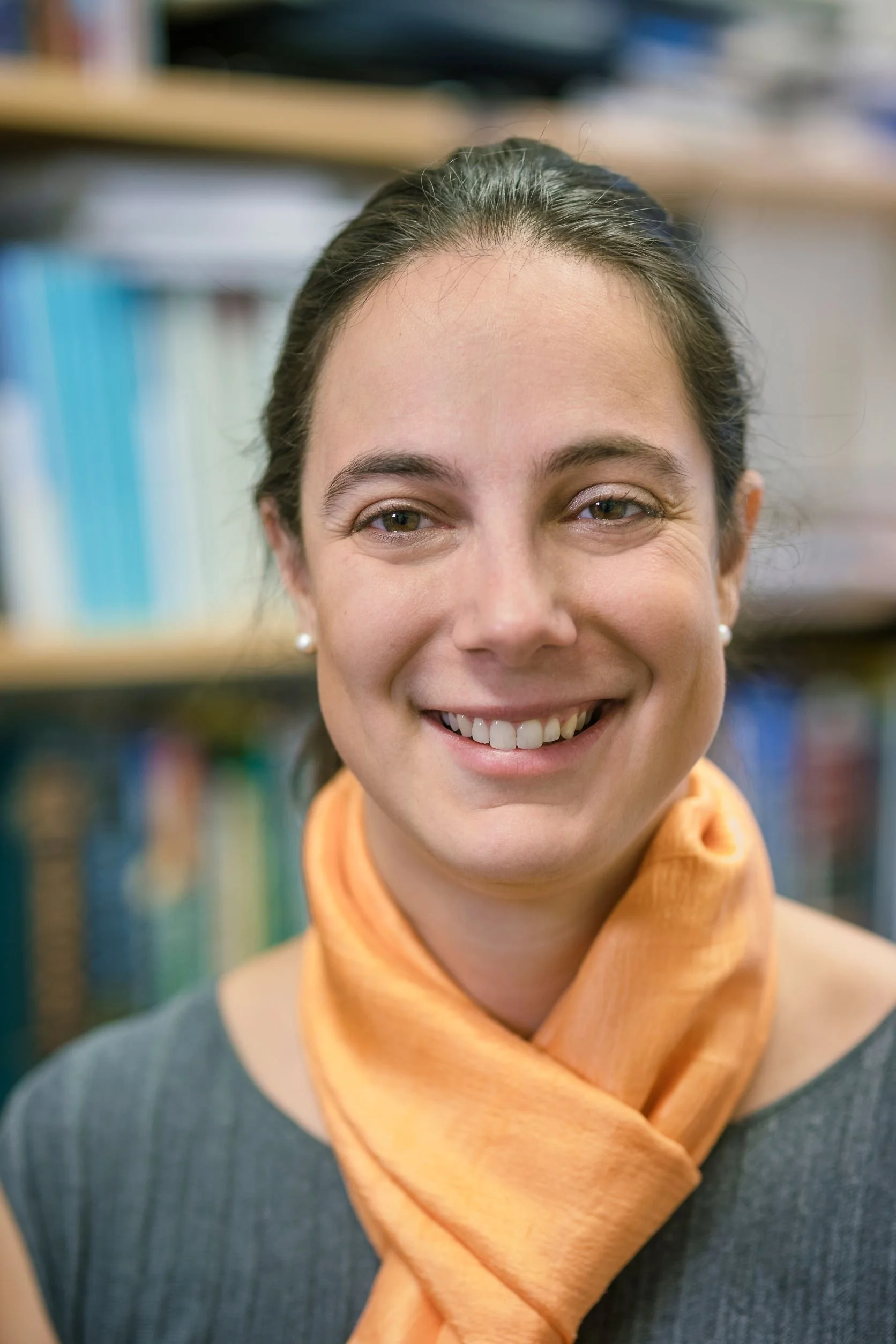
Pandemics and Alertness member WG1 (Understanding the virus), LINXS Fellow
Department of Clinical Microbiology, Wallenberg Centre for Molecular Medicine & Umeå Centre for Microbial Research, Umeå University, Umeå, Sweden
Marta Bally was trained in Material Sciences at ETH Zürich where she also carried out her doctoral studies in biomedical engineering. This was followed by a post-doc period at Chalmers University of Technology (Sweden) and Institut Curie(France), where she trained in biophysics. During this period, she became increasingly interested in developing and implementing advanced bioanalytical tools to study virus interactions at the cell surface. In 2013, she became Assistant Professor at the Department of Physics at Chalmers University of Technology. In 2018, she was recruited by the Wallenberg Centre for Molecular Medicine at Umeå University, where she started working as a group leader within the section of virology (Department of Clinical Microbiology). Since 2022, she has been Associate Professor in Virology and since 2024, she has been the Deputy Director of the Umeå Centre for Microbial Research, a large center gathering 77 PIs with interest in various aspects of microbial research. Her current research is centered on viral entry. More specifically, she studies the molecular mechanisms by which the interaction dynamics of a virus particle are modulated at the cell surface, with emphasis on the role of carbohydrates in the process. She carries out a highly interdisciplinary research program at the interface between physics, chemistry and virology.
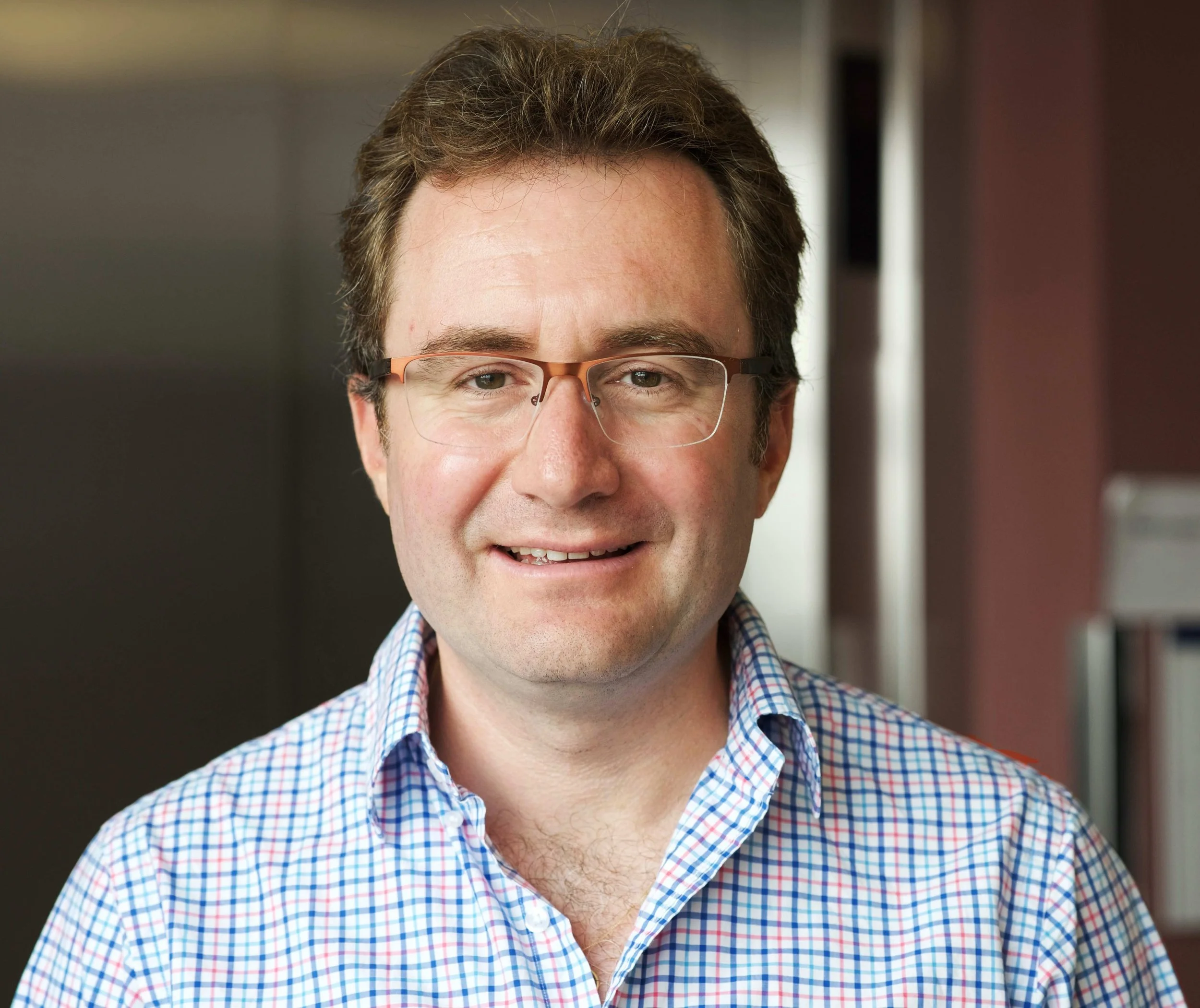
Pandemics and Alertness member WG1 (Understanding the virus) and WG2 (Fighting the virus), LINXS Fellow
Faculty of Medicine, Lund University, Lund, Sweden
Alex Evilevitch is a professor at the Faculty of Medicine, Lund University, with an extensive background in interdisciplinary research at the intersection of biophysics, virology, and physical chemistry. His academic journey includes tenured faculty appointments at Lund University (Sweden), Carnegie Mellon University (USA), and the University of Illinois at Urbana- Champaign (USA). Evilevitch's work has significantly advanced the understanding of viral genome packaging and infectivity, with a focus on the physical interactions governing the viral infectious cycle.His lab explores the physico-chemical mechanisms of viral capsid assembly, DNA packaging, and host-virus interactions using cutting-edge biophysical techniques, including Cryo-EM, AFM, and small-angle scattering. His translational research addresses key challenges in herpes virology and gene therapy, leading to the development of non-resistance-based antiviral therapies and improved AAV vector production methods. Evilevitch holds U.S. patents for groundbreaking antiviral strategies targeting the pressurized DNA state of herpesviruses, resistant to viral mutations. He is also developing scalable solutions for recombinant AAV production, enhancing packaging capacity and purity for gene therapy applications. Evilevitch has published over 60 peer-reviewed articles and received numerous awards, including the Hebert Newby McCoy Award and the Hagberg Prize from the Swedish Royal Academy of Sciences. His research has been supported by over $7 million in funding from organizations such as the Swedish Research Council, NIH, and NSF.
Pandemics and Alertness member WG1 (Understanding the virus) and WG3 (Complementary and enabling techniques), LINXS Fellow
European Spallation Source ERIC, Lund, Sweden
Dr. Suzanne Zoë Fisher completed her Bachelor of Science (B.Sc.) and Honours (Hons.) degree in Biochemistry and Animal Physiology at the University of Stellenbosch in 1999 and 2000, respectively. In December 2000, she emigrated to the United States, where she worked as a research assistant in the Department of Physiology and Cell Biology at the University of Florida for nearly two years before beginning her graduate studies in 2002. She earned her Ph.D. in structural biology from the Department of Biochemistry and Molecular Biology, UF in 2006. She then joined Los Alamos National Laboratory (LANL) in Los Alamos, New Mexico, as a postdoctoral research associate from 2007 to 2010. Following her postdoctoral work, she became a permanent staff member at LANL, serving as a Research Scientist II from 2010 to 2014. In this role, she was responsible for the Protein Crystallography Station and its affiliated deuteration and crystallization support laboratory
In 2014, Dr. Fisher moved to Sweden to join the European Spallation Source (ESS) in Lund. She currently serves as a Senior Scientist at the ESS and holds an adjunct Senior Lecturer position in the Department of Biology at Lund University. Dr. Fisher has extensive expertise in structural biology, protein biochemistry, neutron and X-ray crystallography, and stable isotope labeling for NMR and neutron applications. She is an active member of the scientific community, having served as a LINXS fellow, a Scientific Advisory Board member for Prosel Biosciences, and a board member of the DeuNet network. She is also engaged in education and outreach, has participated in numerous schools, workshops, conferences, and regularly delivers talks or seminars to diverse audiences to promote the applications of neutrons in structural biology. Dr. Fisher has authored or co-authored more than 80 peer-reviewed publications, including recent studies on SARS-CoV-2 nonstructural proteins nsp10 and nsp14.
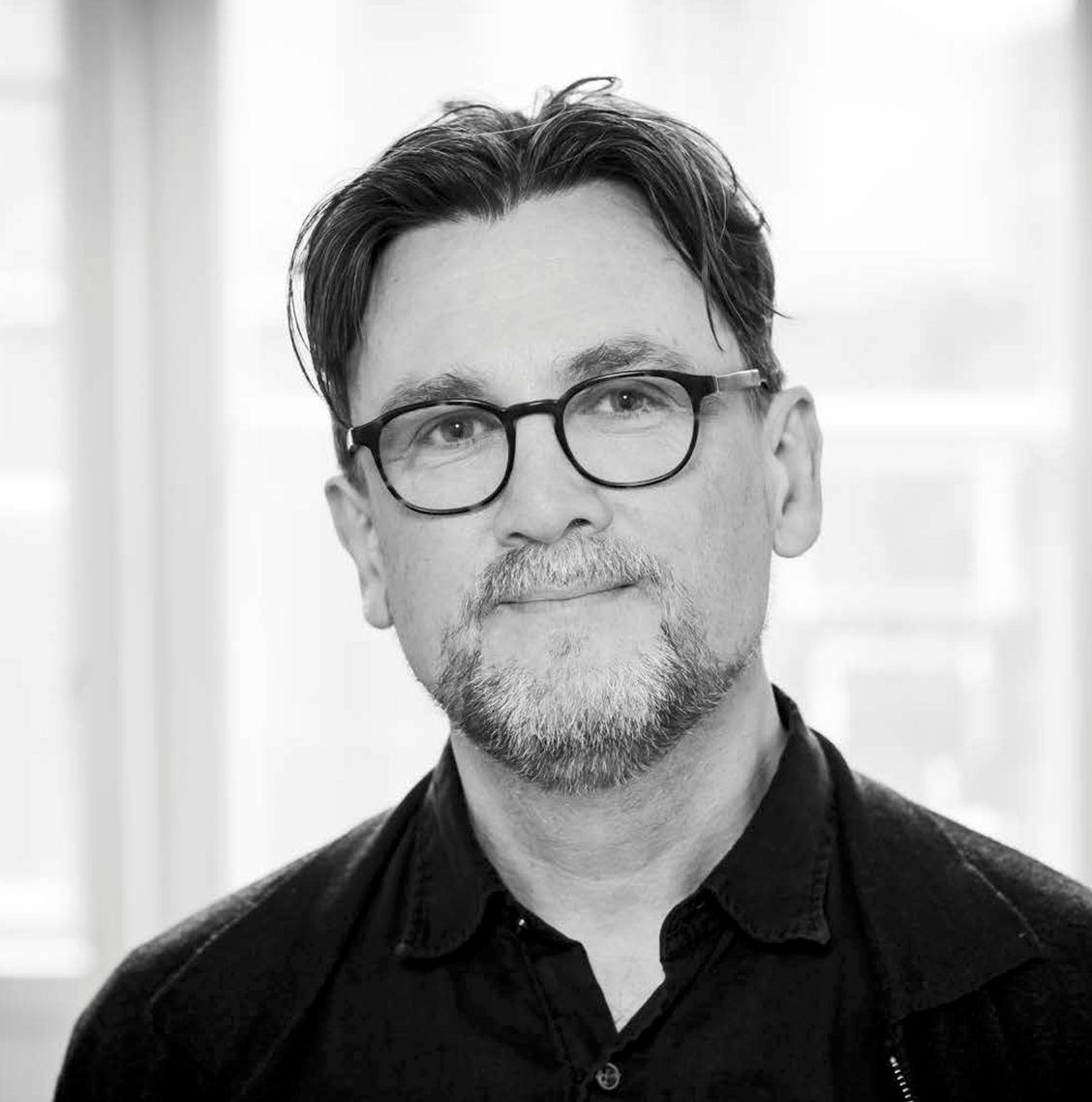
Pandemics and Alertness member WG1 (Understanding the virus) and WG3 (Complementary and enabling techniques), LINXS Fellow
Professor of Molecular Biophysics, Section for Biochemistry and Structural Biology, Dept. of Chemistry, Lund University, Sweden
Prof. Logan has a D.Phil. in Molecular Biophysics from Oxford University, where he worked on the structures of picornaviruses, in particular foot-and-mouth disease virus. He did postdoctoral work in Strasbourg and Stockholm before moving to Lund University in 2001. He studies the structural basis for macromolecular function using a variety of experimental techniques: X-ray and neutron crystallography, small-angle X-ray scattering and cryo-electron microscopy. Two particular foci in recent years have been the mechanism and allosteric regulation of the radical enzyme ribonucleotide reductase and the details of ligand binding to the galectin family of carbohydrate recognition proteins. Prof. Logan is secretary of the European Synchrotron and XFEL Users Organisation and is a member of the advisory panel for the neutron macromolecular crystallography instrument at the ESS. He was recently appointed director of a new facility for cryo-EM at Lund University. He is co-founder and Chief Scientific Officer of the company SARomics Biostructures AB, which was founded in 2006.
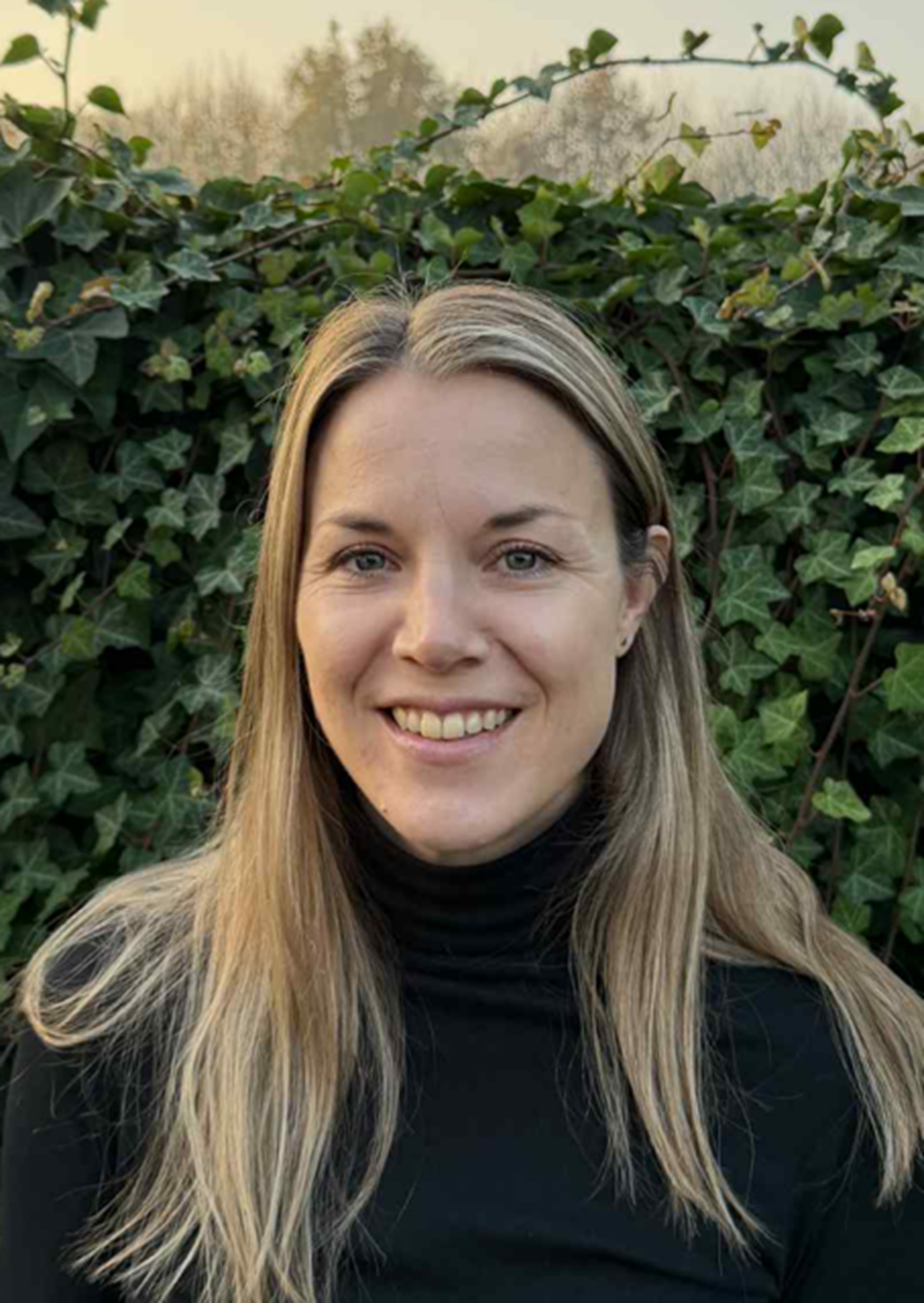
Pandemics and Alertness member WG1 (Understanding the virus) and WG3 (Complementary and enabling techniques), LINXS Fellow
Associate Senior Lecturer, Division of Biochemistry and Structural Biology, Department of Chemistry, Lund University, Lund, Sweden
Anna Munke has a PhD in Structural Biology from Uppsala University. This was followed by a postdoctoral stay at Deutsches Elektronen-Synchrotron (DESY) in Hamburg. She then returned to Uppsala University for a second postdoc before starting her current role at Lund University in 2025. Her experience spans developing and applying different structural biology techniques, with viruses as a consistent focus, either as model systems or from a biological perspective. Her current research centers on viruses infecting marine diatoms, where cryo-EM and in situ cryo-ET are mainly used to understand their replication.
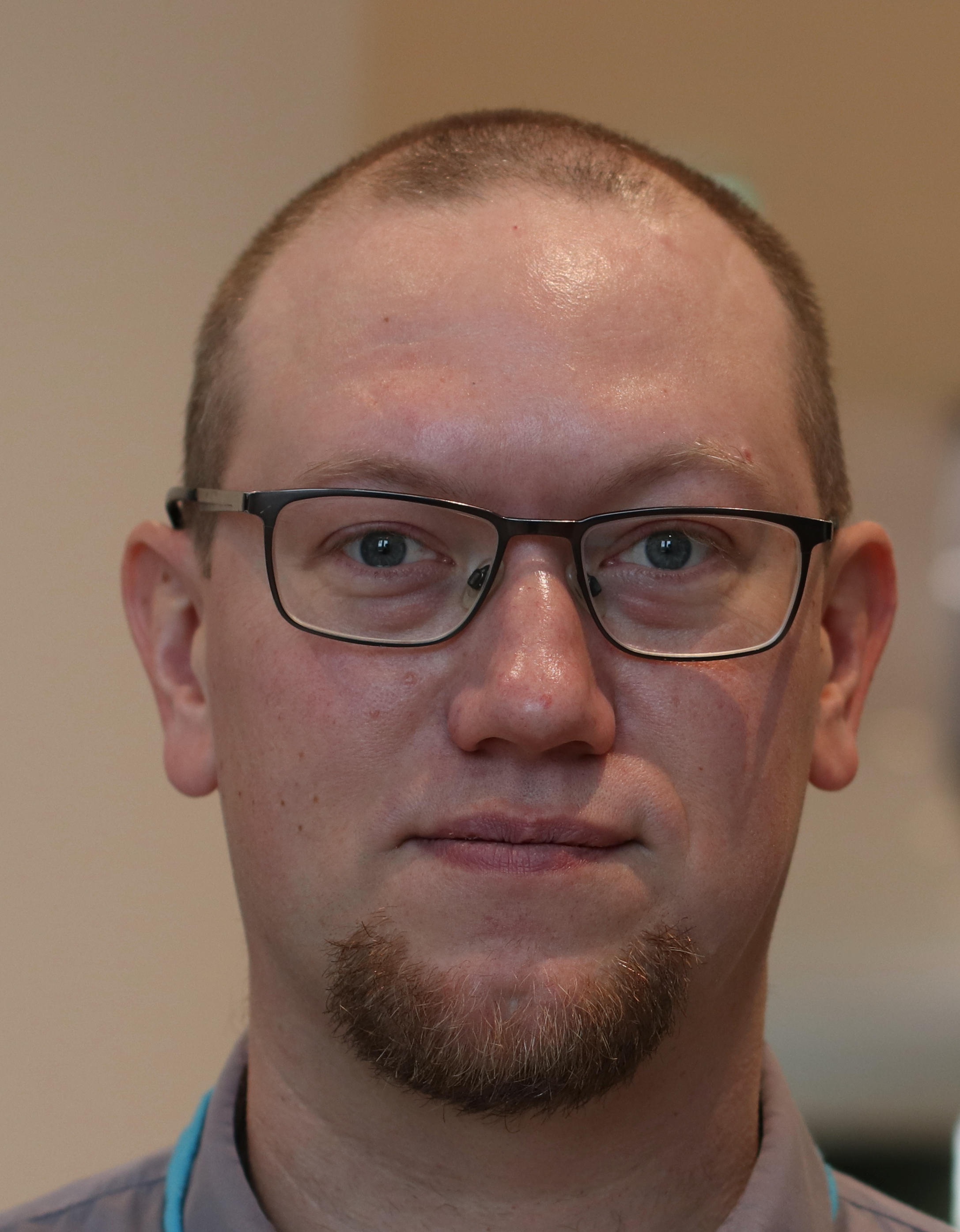
Pandemics and Alertness member WG2 (Fighting the virus), LINXS Fellow
European Spallation Source ERIC & Lund University, Lund, Sweden
Esko Oksanen was trained at the University of Helsinki, Finland in structural enzymology; particularly in X-ray and neutron crystallography. After a post-doctoral period at EMBL Grenoble and Institut de19 Biologie Strucuturale in Grenoble, France on crystal growth optimization he joined the European Spallation Source in Lund, Sweden in 2011. Since then he has been responsible for the NMX Macromolecular Diffractometer instrument project. Since 2023 he has been based at the Division of Computational Chemistry at Lund University. His research activities focus on combining crystallographic and computational methods to understand enzyme mechanisms, particularly the role of hydrogen atoms
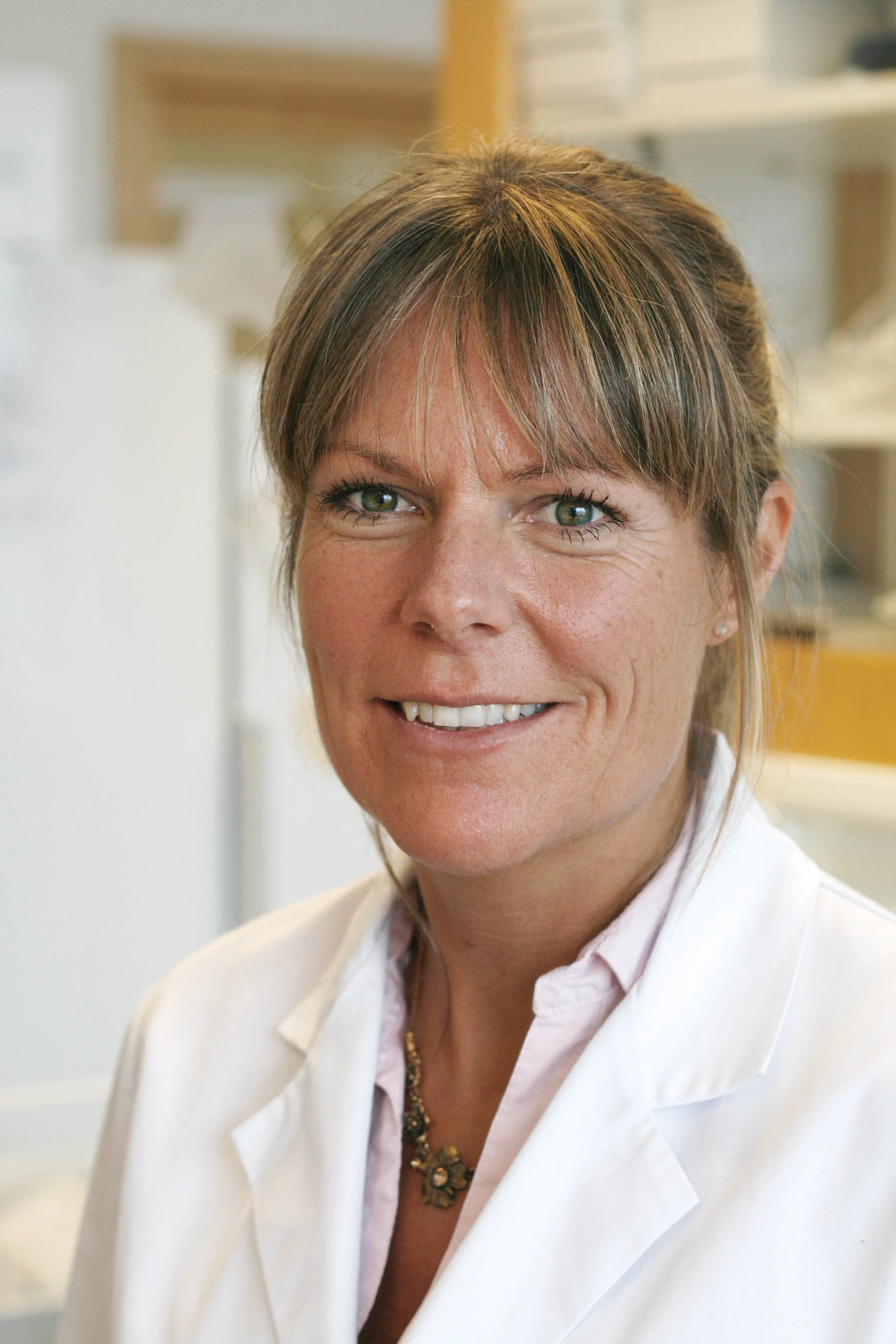
Pandemics and Alertness member WG2 (Fighting the virus), LINXS Fellow
Department of Biomedical and Clinical Sciences, Linköping University and Department of Clinical Sciences, Karolinska Institute/Danderyd Hospital, Sweden
Marie Hagbom is Associate Professor in Molecular Virology at Linköping University and Senior Research Specialist at Karolinska Institute/Danderyd Hospital. She has over 17 years of experience in virology research, with expertise in enteric viruses and pathophysiology. She received her PhD at Linköping University in 2015 and was appointed Associate Professor in 2022. Her research has made key contributions to understanding how enteric viruses, such as rotavirus, induce the disease symptoms diarrhea and vomiting. A central focus of her work has been the use of human organoid models due to their high biological relevance. In 2018, she established human stem cell-derived enteroids as an infection model and built a library of enteroids to enable the study of individual responses. Expanding this work, in 2024, she developed human nose organoids for studying respiratory viruses. She is currently working on generating sensory nerves from induced pluripotent stem cells (iPSCs), with the goal of creating complex co-culture models that integrate organoids, sensory nerves, and immune cells to explore infection dynamics. Since April 2025, she has been recruited to Karolinska Institute/Danderyd Hospital to establish an organoid center (PI: Charlotte Thålin), with an initial focus on respiratory organoid models.
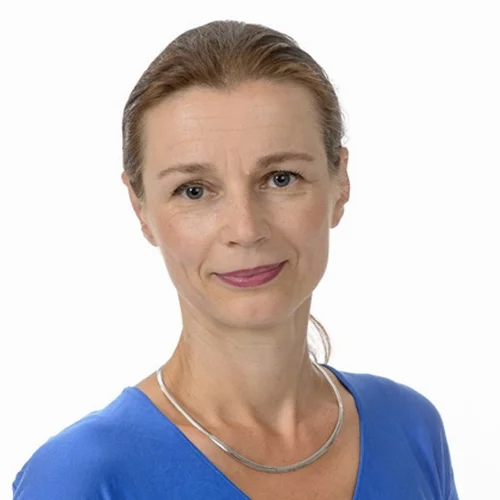
Pandemics and Alertness member WG2 (Fighting the virus), LINXS Fellow
Dept. of Chemistry, Division of Physical Chemistry, Lund University, Lund, Sweden
Anna Stradner is a soft matter scientist specializing in scattering methods and their application to life science, working mainly with physiologically and pharmaceutically relevant proteins (monoclonal antibodies, eye lens proteins etc.) using a colloid approach to protein interactions and solution properties. The current research of her group focuses on phase behavior, structure, dynamics and flow behavior of concentrated protein solutions and mixtures, with a particular interest in protein dynamics under crowded conditions, phase separation and dynamical arrest, as well as novel concepts for high-concentration protein formulations. She obtained her PhD in Physical Chemistry in Graz, Austria, then moved to Switzerland where she worked as a postdoc and subsequently as a tenured senior scientist at the Physics Department in Fribourg. In 2008, she completed her Habilitation (Venia Legendi) in Experimental Physics before transferring her activities in 2011 to Lund University, where she is now Professor in the Division of Physical Chemistry.
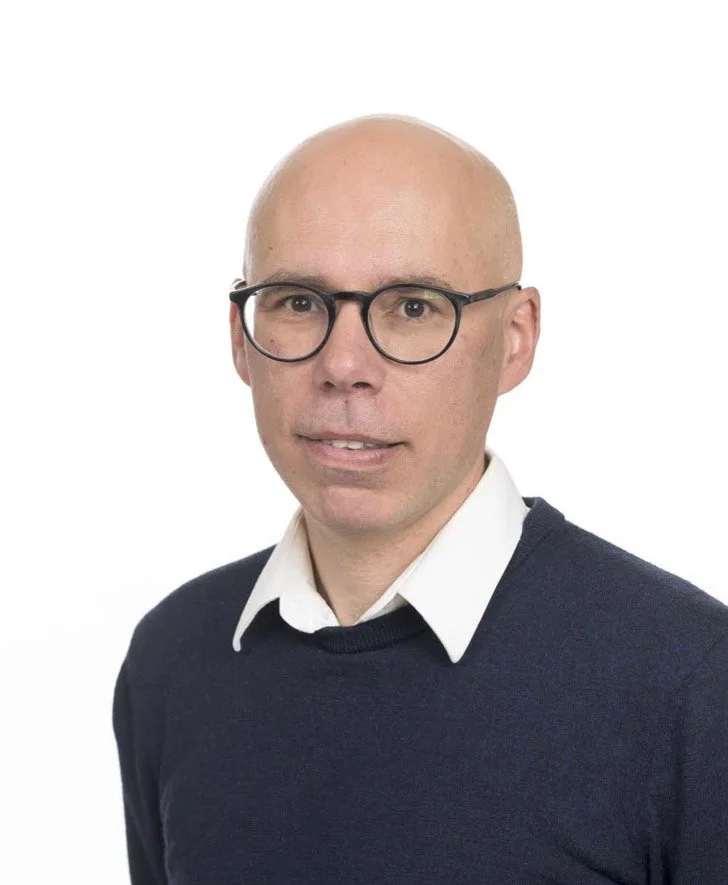
Pandemics and Alertness member WG2 (Fighting the virus), LINXS Fellow
Department of Biochemistry and Structural Biology, Lund University, Lund, Sweden
Prof. André has a PhD in Biophysical Chemistry from Lund University. He joined the University of Washington for postdoctoral work before returning to Lund University to start his research group in 2009. He studies protein self-assembly to understand the mechanism behind the formation of large assemblies using experimental and computational methods. Large assemblies are also designed using computational protein design methods and artificial intelligence. His group also works on the design of conformational changes in proteins. Another direction is the study of codon adaptation in organisms and its effect on co-translational folding. Questions related to how protein structure has evolved are also addressed in research by the group using computational and experimental methods.
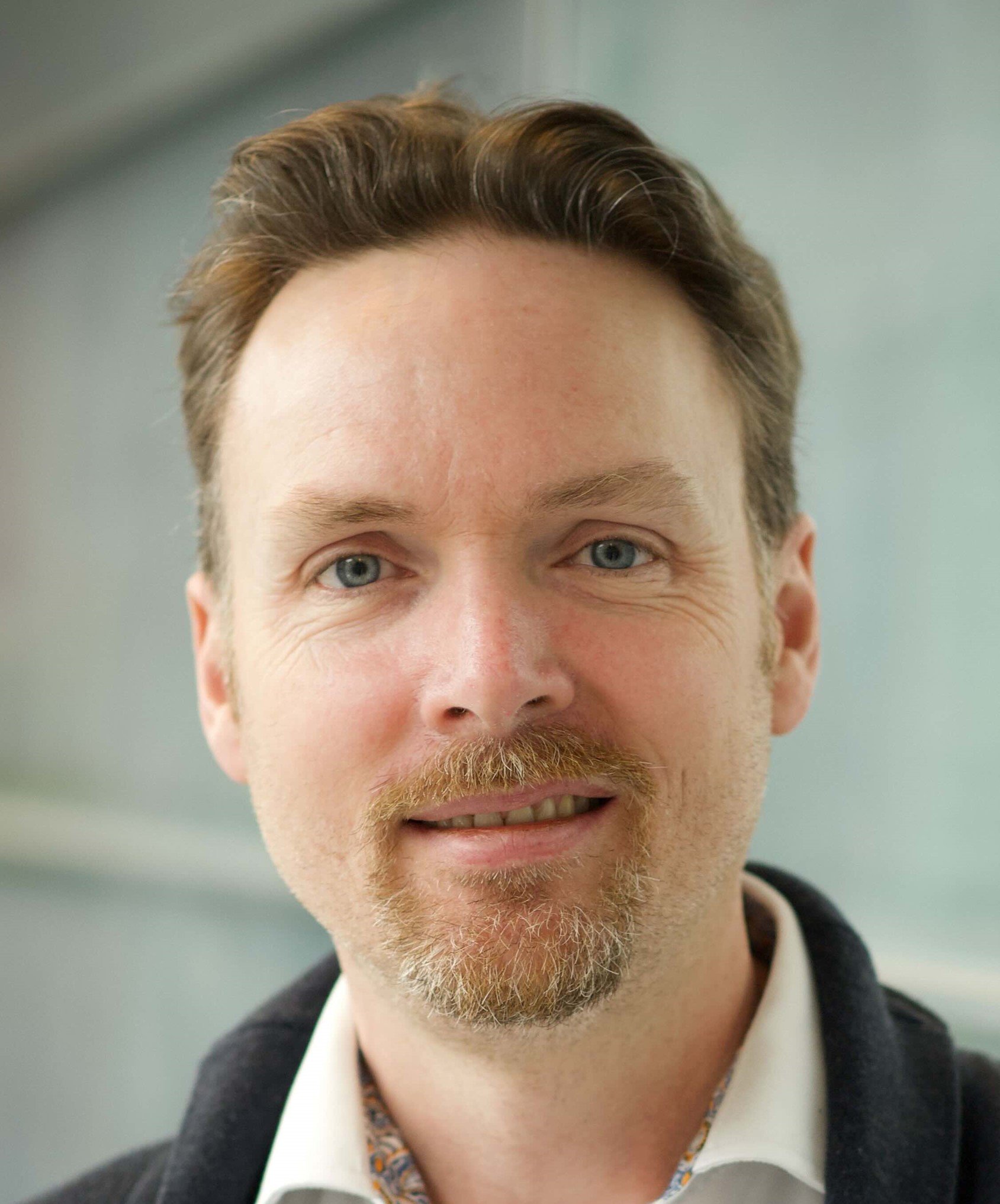
Pandemics and Alertness member WG2 (Fighting the virus), LINXS Fellow
Senior Lecturer, Division of Infection Medicine, Department of Clinical Sciences, Medical Faculty, Lund University, Lund, Sweden
Pontus Nordenfelt started in Biotechnology Engineering (M.S.Eng) at LTH in Lund, Sweden. He finished his Ph.D. in 2010 in Cell Biology and Microbiology at Lund University and the University of Toronto, focusing on phagocytosis of bacteria. The first postdoc within Infection Medicine was in Lund with studies on pathogen antibody interaction. This was followed by a longer postdoc in Immunology at Harvard Medical School, partly as a Fellow at the Image and Data Analysis Core facility and at MBL Woods Hole during the summers. The second postdoc was focused on integrin biology. He started his group in 2017 at the Faculty of Medicine at Lund University. He was elected into the Swedish Young Academy in 2018 and received a VR Consolidator Grant in 2023. The Nordenfelt Lab studies how human cells interact with their environment, focusing on cell biology that influences immune responses. By examining surface molecules, morphology, biomechanical forces, antibodies, complement systems, and receptors like Fc and integrins, the lab develops new technologies to improve diagnostics and treatments for infections and cancer. Recently, their work has emphasized creating monoclonal antibodies against human pathogens.
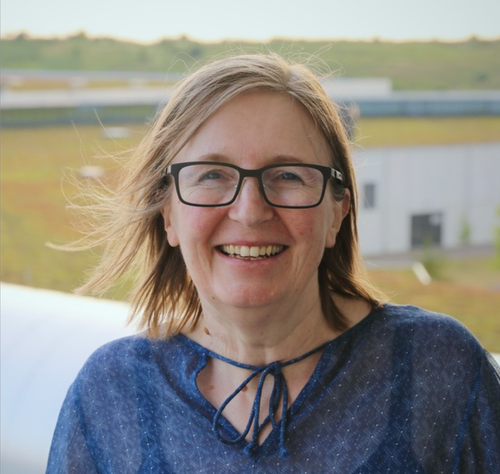
Pandemics and Alertness member WG2 (Fighting the virus), LINXS Fellow
Soft Materials Group Manager, CoSAXS beamline coordinator, MAX IV Laboratory, Lund University, Lund, Sweden
Ann Terry has broad experience in the use of small and wide angle scattering (both X-rays and neutrons) in solution scattering, protein aggregation, drug delivery, and soft matter. This has been a focus of her career from her PhD and a postdoc in Polymer Physics at Bristol University, via a postdoc fellowship and beamline scientist position at the Materials Science beamline, ID11, European Synchrotron Radiation Facility, as a SANS instrument scientist at the ISIS Neutron and Muon Facility, to being a Researcher at the CoSAXS beamline, MAX IV. She is the Group Manager for Soft Materials (formerly the Scattering and Diffraction Group) at MAX IV. A major theme to her recent research has been the use of advanced techniques in understanding drug delivery systems and the formulation and processing of biologics.
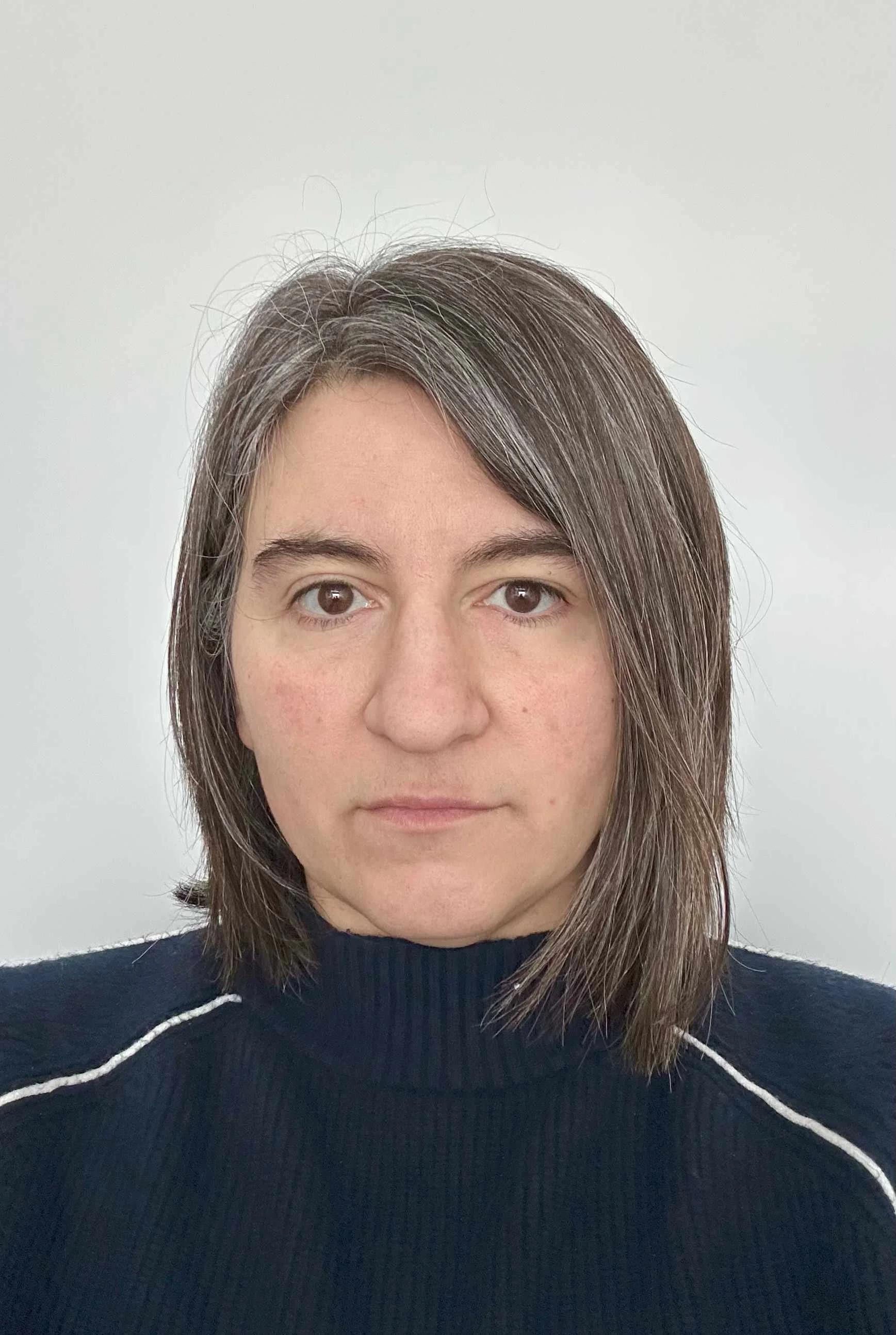
Pandemics and Alertness member WG2 (Fighting the virus), LINXS Fellow
CoSAXS beamline, MAX IV Laboratory, Lund University, Lund, Sweden
Fátima Herranz completed her PhD at the University of Montpellier in collaboration with the University of Copenhagen, where she focused on studying amyloid processes using small-angle X-ray scattering (SAXS) and chemometric tools. Afterward, she continued her research at the University of Copenhagen, further exploring the structural and kinetic aspects of amyloids. Currently, she is part of the CoSAXS beamline team at MAX IV, where she collaborates on multidisciplinary projects in areas such as lipid nanoparticles, food science, structural biology, and time-resolved studies. Her work involves combining SAXS with complementary spectroscopic techniques to address complex scientific challenges.
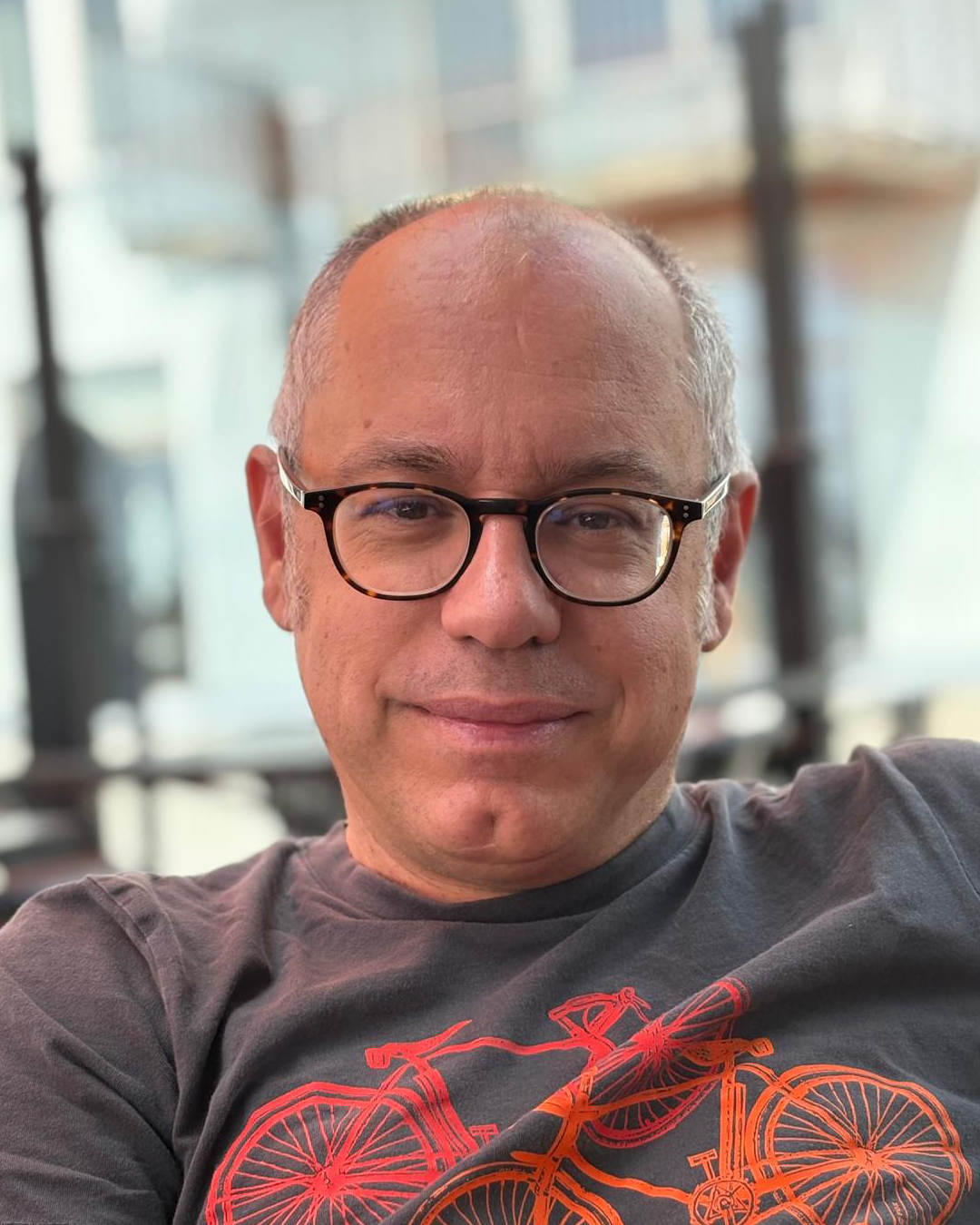
Pandemics and Alertness member WG2 (Fighting the virus), LINXS Fellow
FragMAX facility, MAX IV Laboratory, Lund University, Lund, Sweden
Tobias Krojer trained as a structural biologist at the Max Planck Institute of Biochemistry in Martinsried (Germany) and received a PhD from Cardiff University (UK). He continued his post-doctoral research at the Institute of Molecular Pathology in Vienna (Austria). In 2009, he joined the Structural Genomics Consortium (Oxford University, UK) as a team leader in the Protein Crystallography group, focusing on methods development and structure-driven chemical biology. He moved to Lund in 2021 to lead the FragMAX facility for crystal-based fragment and ligand screening at MAX IV Laboratory.
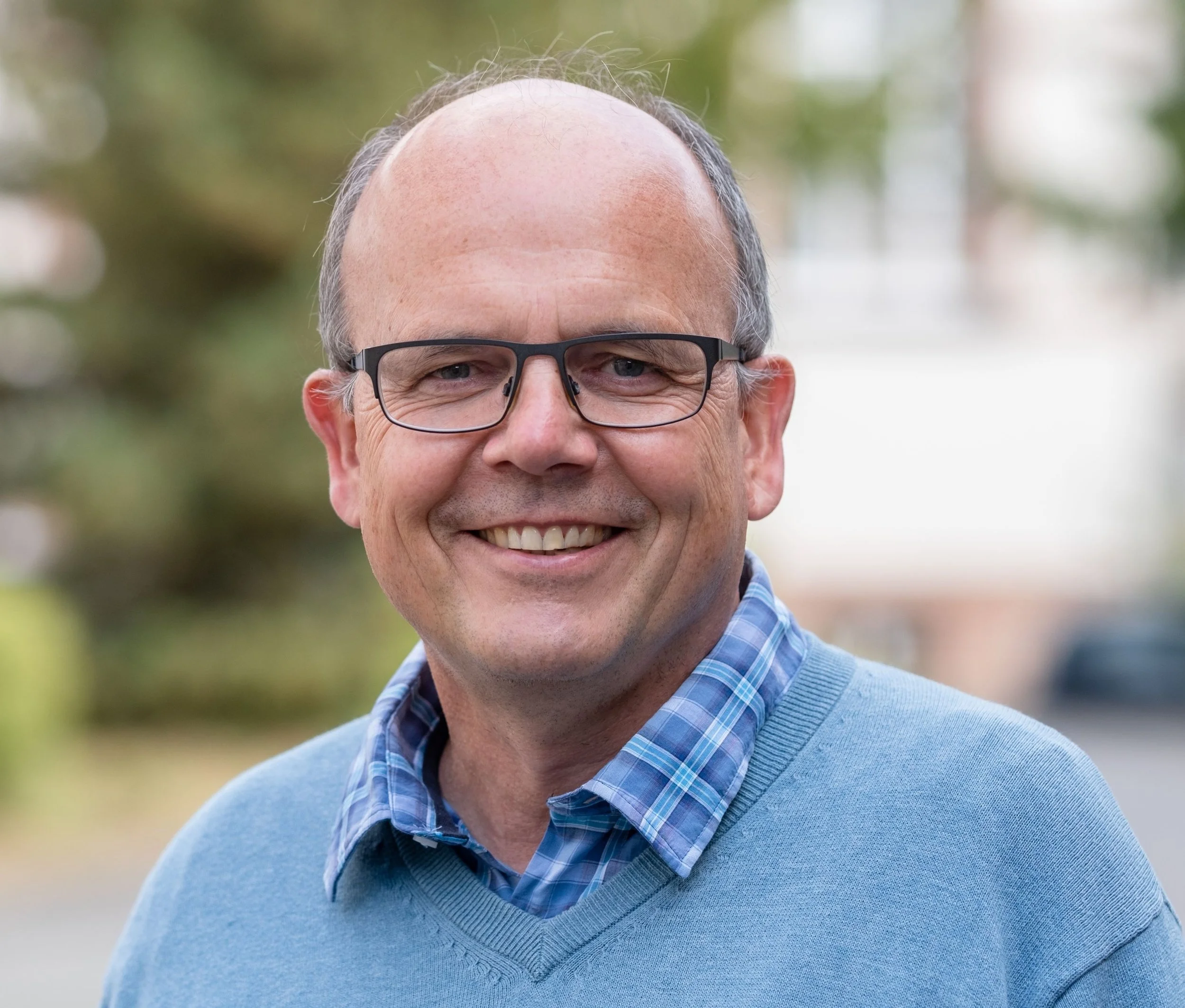
Pandemics and Alertness member WG2 (Fighting the virus), LINXS Fellow
Institute of Pharmaceutical Chemistry, Department of Pharmacy, Philipps University Marburg, Marburg, Germany.
Torsten Steinmetzer studied biochemistry at the University of Halle, where he obtained a Ph.D. in 1991. After a two-year postdoctoral stay at BRI in Montreal (Canada), he returned to the University of Jena in Germany as scientific assistant and finished his Habilitation on the development of synthetic thrombin inhibitors in 2003. From 1999 until 2007, he worked in industry for two biotechnology companies in Jena. As head of chemistry, he was responsible for the development of various serine protease inhibitors. In 2007, he was appointed as Professor of Pharmaceutical Chemistry at Philipps University Marburg. His group works in the field of medicinal chemistry and has a special focus on the structure-based development, synthesis and characterization of serine protease inhibitors. He developed numerous potent inhibitors of various trypsin-like serine proteases (thrombin, plasmin, matriptase, urokinase, and TMPRSS2), of NS2B-NS3 proteases of flaviviruses, and of furin-like proprotein convertases. As host protease, furin is responsible for the activation of glycoproteins of numerous highly pathogenic viruses including SARS-CoV-2, H5N1 and H7N1 influenza viruses, of all flaviviruses, HIV, mumps and measles viruses, etc. Together with cooperation partners and in his own group, the structure of several protease/inhibitor-complexes was determined. His work on synthetic serine protease inhibitors has led to 15 granted patents.
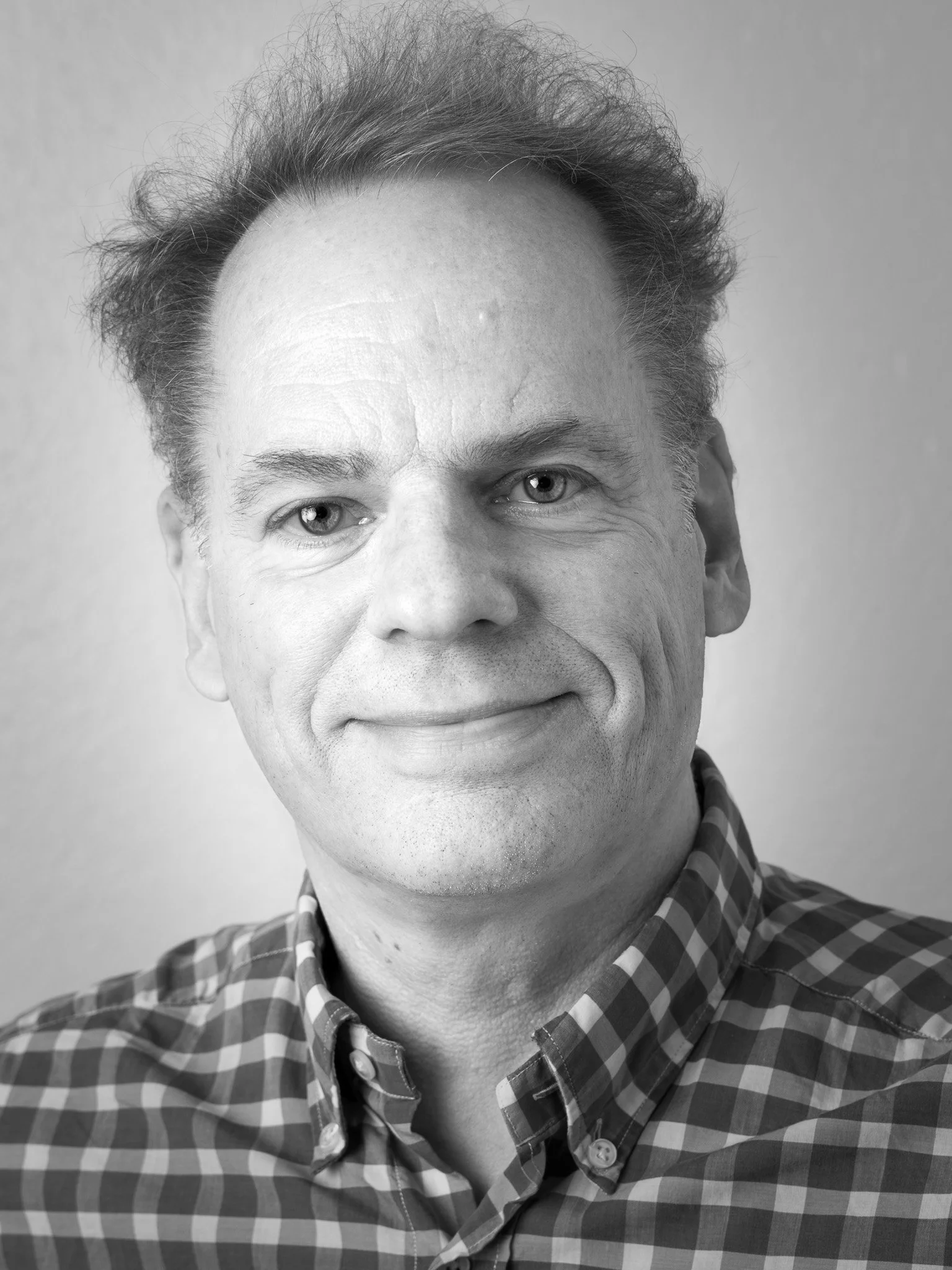
Pandemics and Alertness member WG2 (Fighting the virus), LINXS Fellow
Department of Clinical microbiology, Region Skåne, Lund, Sweden
Claus Bohn Christiansen is a medical doctor from Copenhagen University (1987), with an early interest in infectious diseases, especially viruses – HIV-1, HIV-2, HTLV, and HCV as newly discovered viruses in the 1980s and 1990s. His Ph.D. investigated the Danish hemophiliacs who contracted HIV and some also HCV from blood products, at a time before effective antivirals were available. He worked at the HIV/Rubella laboratory at Statens Serum Institut for six years from 1992, followed by a specialization in Clinical Microbiology, which he completed in 2005. During his time at Rigshospitalet until 2017, he worked with immunosuppressed patients and provided advice to clinicians about specific antiviral treatment. His research continued with respiratory viruses and tickborne diseases.
Since 2017, he has been at Lund University, Department of Clinical Microbiology, where he serves as a medical adviser concerning “all medical issues” and is part of the management team. During the SARS-CoV-2 pandemic, he was a coordinator of SARS-CoV-2 testing in Region Skåne. He also participates in weekly meetings at the Clinical Virology LU Institute for Translational Medicine, which has a special interest in HIV in Africa.
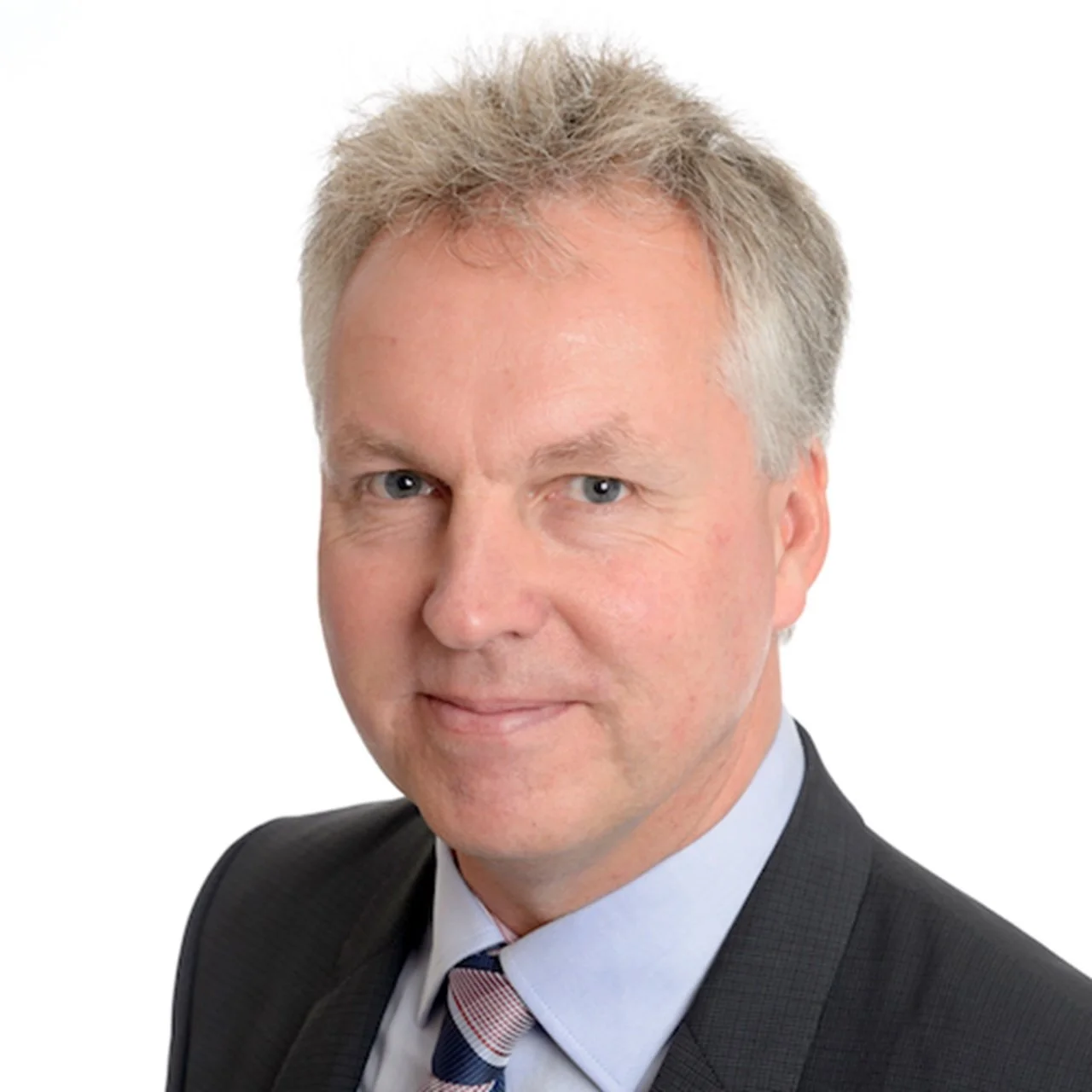
Pandemics and Alertness member WG2 (Fighting the virus), LINXS Fellow
SARomics Biostructures AB, Medicon Village, Lund, Sweden
Dr. Björn Walse is co-founder and Chief Executive Officer of SARomics Biostructures AB, a company providing structural biology and early drug discovery services. He has over 30 years of drug discovery and research management experience with a special interest in early hit finding. Before establishing SARomics Biostructures, Dr. Walse served as head of structural chemistry at Active Biotech AB, where he was responsible for building and running the structural chemistry platform. Dr. Walse obtained his PhD in Physical Chemistry from Lund University 1997 and performed postdoctoral research at UC Berkeley. He also holds the title as Assoc. Prof of Molecular Biophysics at Lund University since 2005.
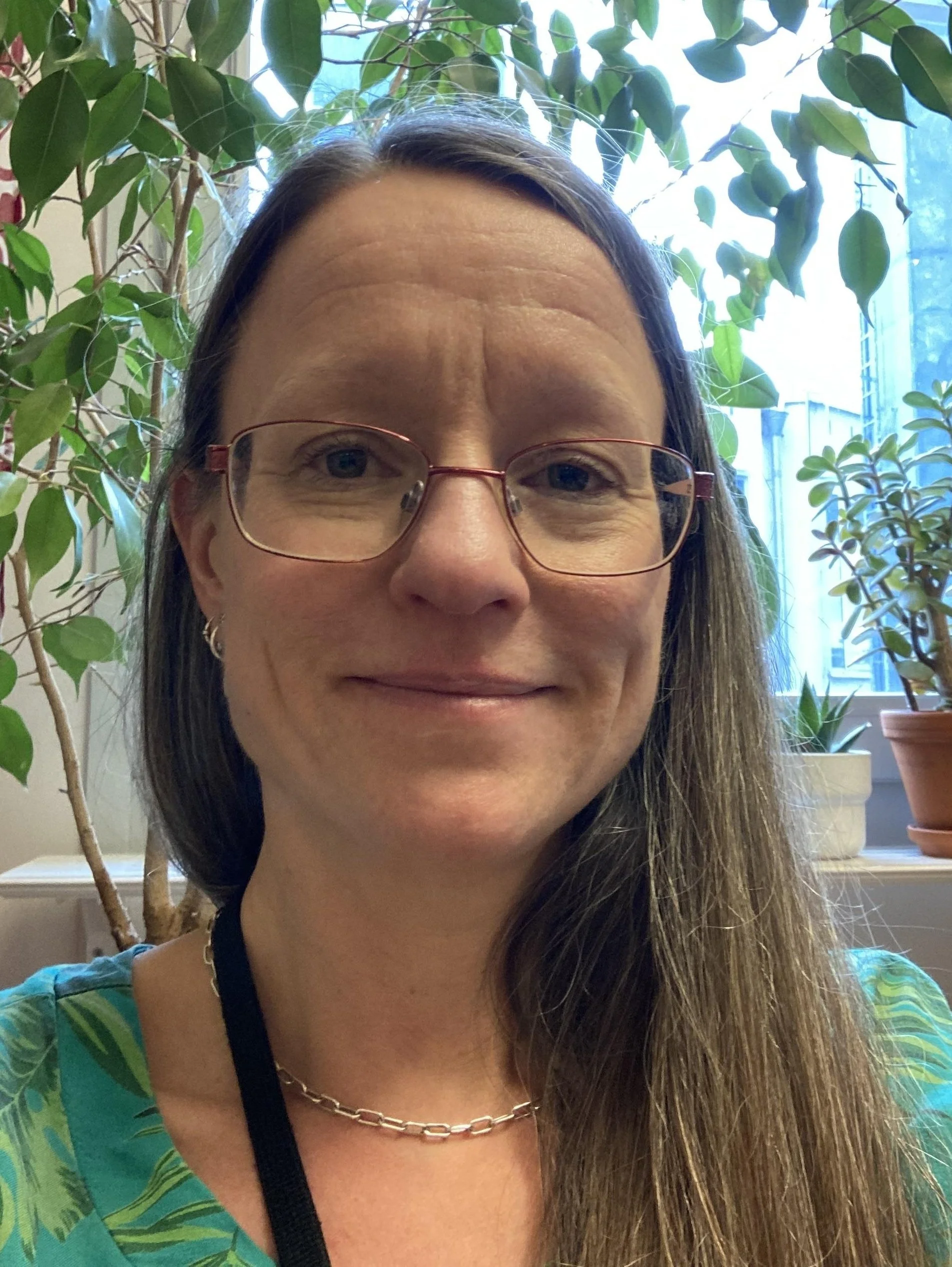
Pandemics and Alertness member WG2 (Fighting the virus), LINXS Fellow
Biophysical Screening and Characterization Unit, SciLifeLab Drug Discovery and Development Platform at Uppsala University, Uppsala, Sweden
Annette Roos completed her undergraduate studies at Swedish University of Agricultural Sciences (SLU) and graduate studies at Uppsala University in molecular biology and biotechnology, with a focus on structural biology. During her PhD research, she solved structures by X-ray crystallography of a protein from M. tuberculosis with the final aim of structure-based drug design (SBDD), including protein production, characterization, and enzyme kinetics.
After completing her PhD in 2007, she went to Structural Genomics Consortium (SGC) in Oxford for a postdoctoral position focused on high-throughput protein structure determination. She later returned to Sweden and SGC Stockholm. In 2014, she joined the Drug Discovery and Development (DDD) Platform as Head of the Biophysical Screening and Characterization Unit. Her group mainly works on approved DDD projects, providing surface plasmon resonance data and crystal structural data to drive chemistry in small molecule projects. In antibody development projects, she provides structural bioinformatics information about the targets, assesses the risk for cross-reactivity, and analyses epitopes. Her group also has an interest in proximity-inducing agents and how biophysical data can support the development of such molecules. She enjoys teaching and strives to spread her enthusiasm for protein 3D structures.
Fellows Semiconductors
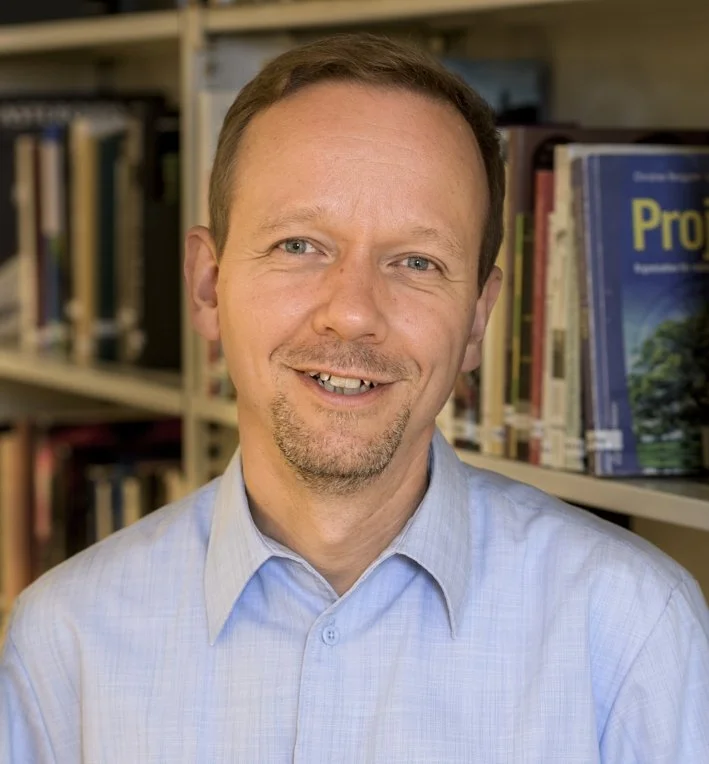
Semiconductors Core Group leader and member of WG3 (Neuromorphic Materials for Deep Learning and AI), LINXS Fellow
Department of Physics, Lund University, Sweden
Rainer Timm is Professor in Physics at Lund University. He is head of the Division of Synchrotron Radiation Research at Lund University and Coordinator of the Lund Nano Characterization Labs. His research focuses on characterization of semiconductor surfaces, nanostructures, and devices. He uses and develops various synchrotronbased spectroscopy methods, often under operando conditions or while pushing the limits of spatial and temporal resolution. For this, he is a frequent user (with about five to ten beamtimes per year) at several MAX IV beamlines and other European synchrotron facilities.
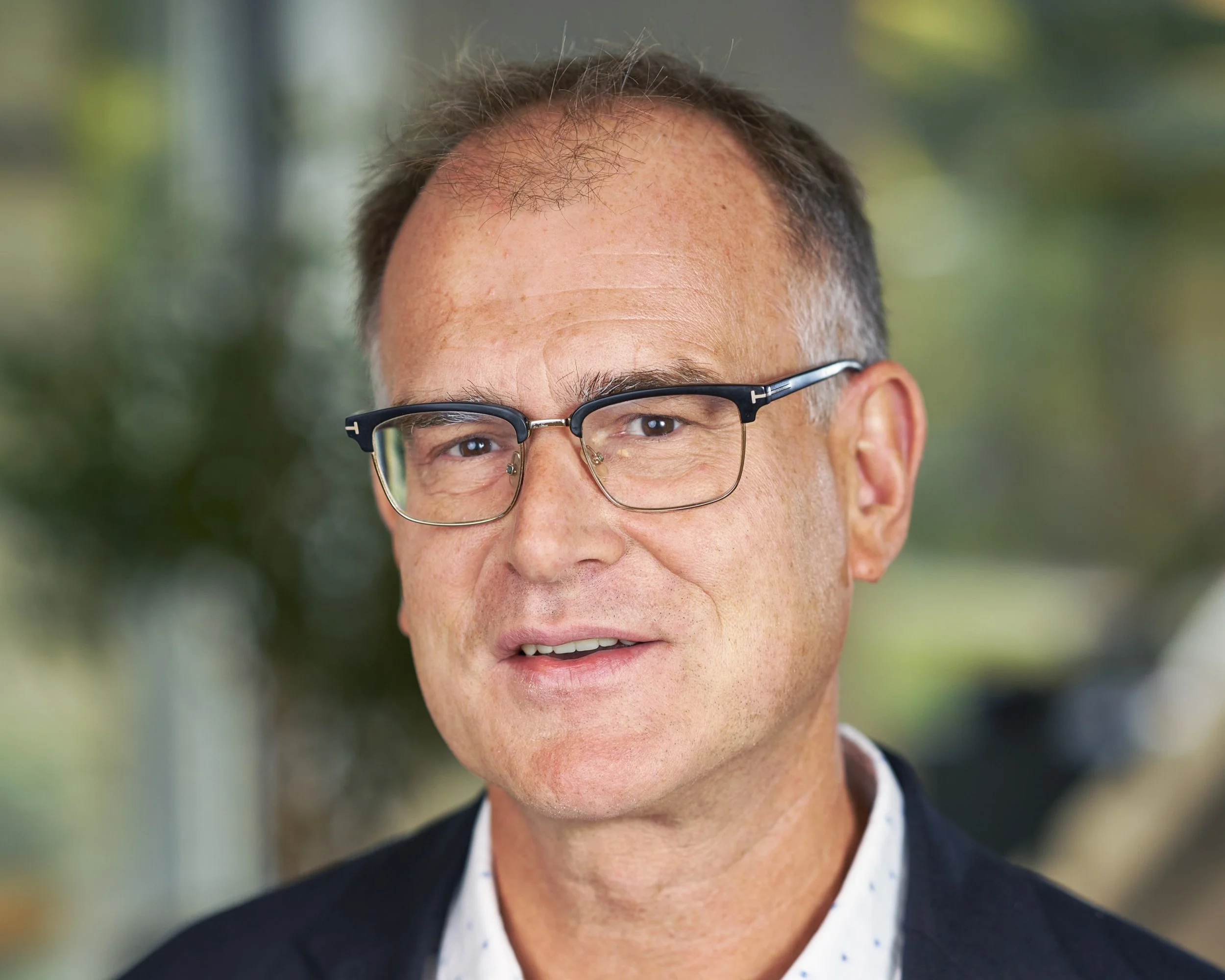
Semiconductors Co-leader WG 1 (Advanced Transistor Technology), LINXS Fellow
Prof. Lars-Erik Wernersson, Lund University, Lund, Sweden
Lars-Erik Wernersson is Professor at Lund University since 2005 researching Nanoelectronics with ICT applications. The research targets improved device performance using sophisticated processing and characterization, including integration of new advanced materials. A particular focus is on the III-V platform. He has been coordinating cross-disciplinary research programs combining electrical and structural characterization and is very active in European efforts as well as in national and international industry collaborations.
Semiconductors Co-leader WG 1 (Advanced Transistor Technology), LINXS Fellow
Assoc. Prof. Claudia Fleischmann, IMEC and KU Leuven
Claudia Fleischmann is a principal member of technical staff and team leader at imec, and an associate professor at the KU Leuven. She has over 15 years’ experience in the field of materials characterization for semiconductor applications and is responsible in defining the characterization roadmap within imec. Her research primarily focuses on advanced and emerging measurement concepts, including synchrotron-based analysis, with the aim to provide characterization strategies that serve current and future needs in the semiconductor industry.
Semiconductors Co-leader WG 2 (Power Electronics), LINXS Fellow
Prof. Vanya Darakchieva, Lund University, Lund, Sweden
Vanya Darakchieva is Professor in Materials Science and a Wallenberg Scholar at Solid State Physics, Lund University, and part-time Professor in Semiconductor Materials at Linköping University. Her background is in semiconductor physics with focus on development of (ultra)wide bandgap semiconductors for high-frequency and power electronics. She is also developing spectroscopic techniques and analytical methods for studying electronic transport materials from bulk to nanoscale. Vanya is the director of VINNOVA Competence center for III-Nitride technology - C3NiT-Janzén and the Terahertz Materials Analysis Center.
Semiconductors Co-leader WG 2 (Power Electronics), LINXS Fellow
Dr. habil. Joël Eymery, CEA and Grenoble Alpes University
Joël Eymery holds a distinguished background in engineering and advanced materials. Since joining the CEA (Fundamental Research Division in Grenoble), his work primarily utilizes Metal-Organic Chemical Vapor Deposition (MOCVD) to grow nitrides, with a keen focus on investigating novel optical properties and piezoelectric phenomena. He is also engaged in the realization of cutting-edge nano-device demonstrators, particularly exploring applications on light emission and flexible substrates. In addition to his research, Dr. Eymery plays a principal role in the scientific and operational management of French synchrotron radiation facilities and the associated characterization platforms at CEA. He is actively involved in French priority research programs aimed at advancing innovative materials through the integration of artificial intelligence. He is also promoting in his laboratory an active collaboration with some industrial partners.
Semiconductors Co-leader WG 3 (Neuromorphic Materials for Deep Learning and AI), LINXS Fellow
Assoc. Prof. Mattias Borg, Lund University, Lund, Sweden
Mattias Borg is Associate Professor in Nanoelectronics at Lund University, with previous research positions within the semiconductor industry, including IBM and Ericsson. His research focuses on the materials and device aspects of neuromorphic technology, including their integration into larger systems. His group is extensively relying on synchrotron x-ray techniques to understand material and device behavior. His network includes both Swedish and European academic and industrial stakeholders within neuromorphic technology.

Semiconductors Co-leader WG 3 (Neuromorphic Materials for Deep Learning and AI), LINXS Fellow
Prof. Regina Dittmann, Forschungszentrum Jülich and RWTH Aachen
Prof. Dr. Regina Dittmann is director of the Institute of Electronic Materials (PGI-7) at the Research Centre Jülich (Germany). Since November 2012, she is also a professor at RWTH Aachen University. Regina Dittmann is working on the atomically controlled growth of oxides, memristive devices and neuromorphic circuits and she is operating the electronic oxides cluster laboratory (EOC). She is an internationally recognized expert on memristive devices, in particular on the elucidation of their working and failure mechanisms by spectroscopic analysis. Prof. Dittmann knows LINXS from her Guest Researcher visit in 2021 as part of the “New Materials” Theme, while the current Theme application matches even better with her research focus, reflected by her role as WG co-leader.
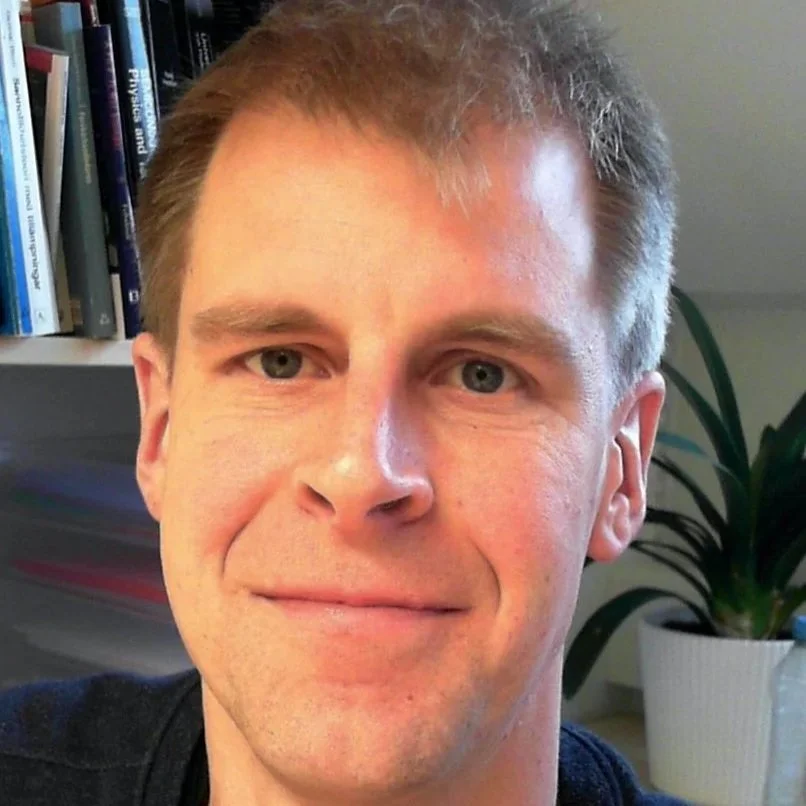
Semiconductors Co-leader WG 4 (Optoelectronics and Photovoltaics) , LINXS Fellow
Prof. Jesper Wallentin, Lund University, Lund, Sweden
Jesper Wallentin is Professor in X-ray physics, with a PhD in Solid State Physics. His research concerns the intersection of nanoscience and X-ray science. He uses X-rays to investigate nanostructured devices and develops nanostructures as X-ray detectors. In particular, he has worked on high spatial resolution X-ray methods. Prof. Wallentin is LINXS fellow as he contributed with his expertise within X-ray imaging as WG member in the Integrative Pharmacology and Drug Discovery Theme.
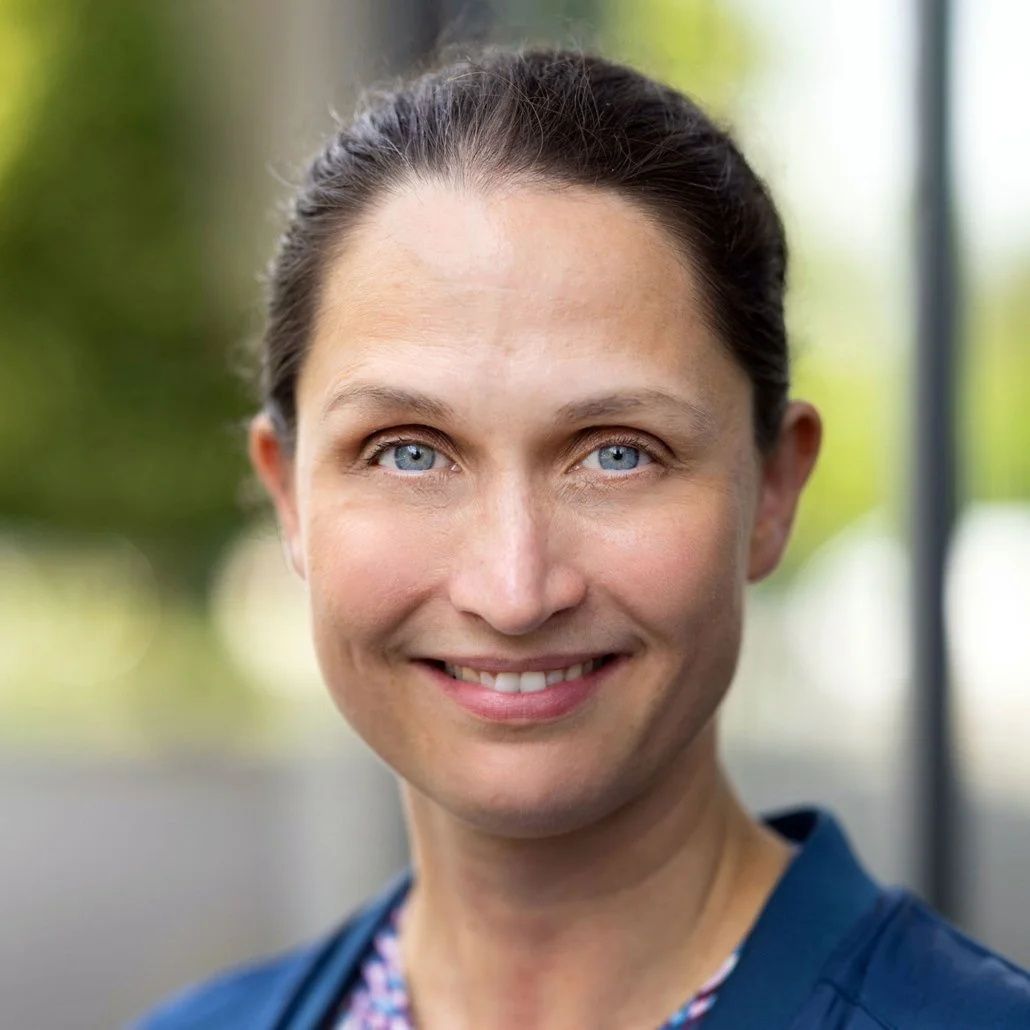
Semiconductors member of WG 4 (Optoelectronics and Photovoltaics), LINXS Fellow
Prof. Eva Unger, Helmholtz-Zentrum Berlin (HZB) and Humboldt University
Eva Unger is head of the Department for Solution Processing of Hybrid Materials and Devices at Helmholtz-Zentrum Berlin and Professor at the Humboldt University, Berlin.
She is a pioneer and internationally recognized expert in Perovskite Solar Cell devices, where her activities include both manufacturing and synchrotron-based characterization, with strong involvement on method development at MAX IV (mainly Balder beamline). Furthermore, Prof. Unger wants to contribute to an enhanced collaboration between MAX IV and HZB.
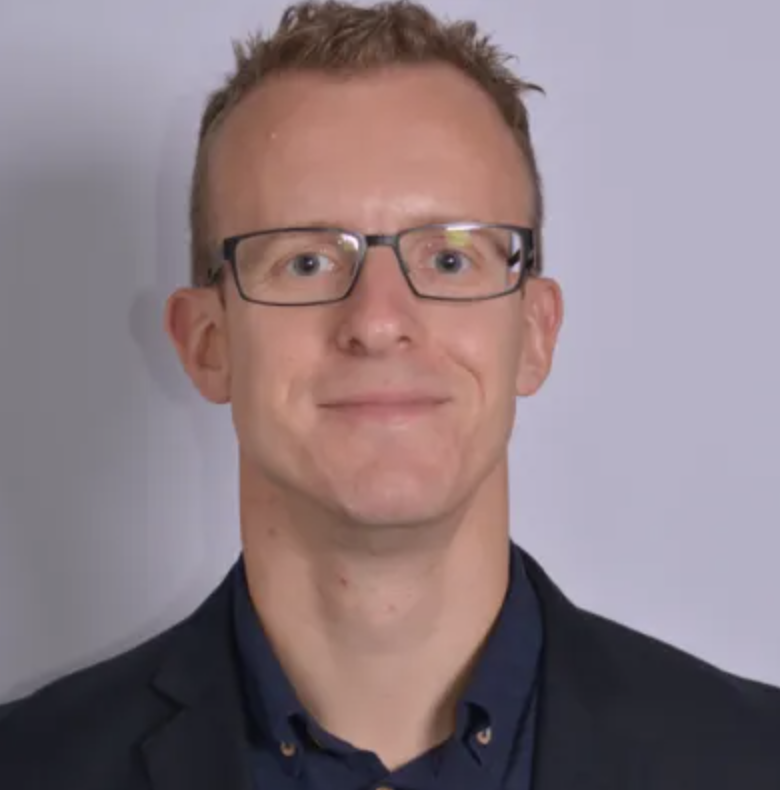
Semiconductors member of WG1 (Optoelectronics and Photovoltaics), LINXS Fellow
Olli-Pekka Kilpi, VTT Finland
Olli-Pekka Kilpi is Research Team Leader within Nanoelectronics at the VTT Technical Research Centre of Finland, with a research focus on MOSFETs and advanced electronics including III-V nanostructures and Graphene.
Semiconductors member of WG1 (Optoelectronics and Photovoltaics), LINXS Fellow
Pekka Laukkanen, Turku University, Finland
Pekka Laukkanen is Docent and University Research Fellow in the Materials Research Laboratory at the Department of Physics and Astronomy. He is working at the interface between surface science and semiconductor technology.
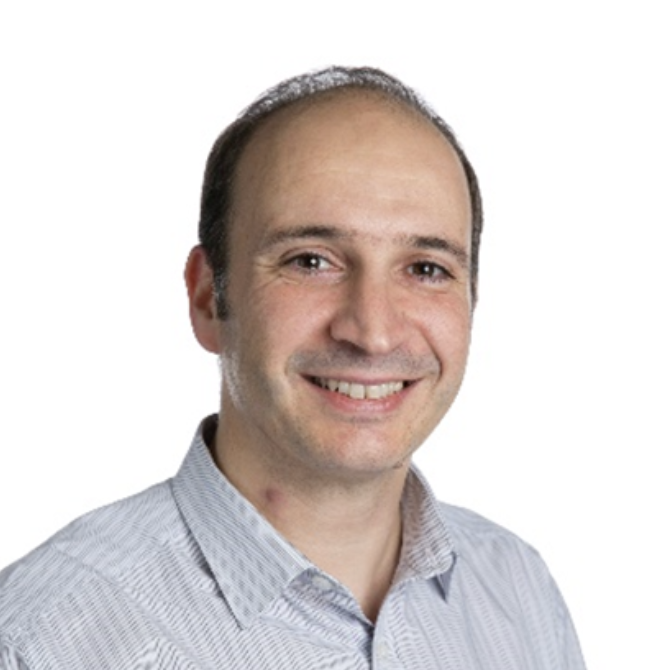
Semiconductors member of WG1 (Optoelectronics and Photovoltaics), LINXS Fellow
Karim Cherkaoui, Tyndall Institute, Ireland
Karim Cherkaoui is a Principal Investigator in the Nanoelectronic materials and Devices Group at Tyndall National Institute, Ireland.
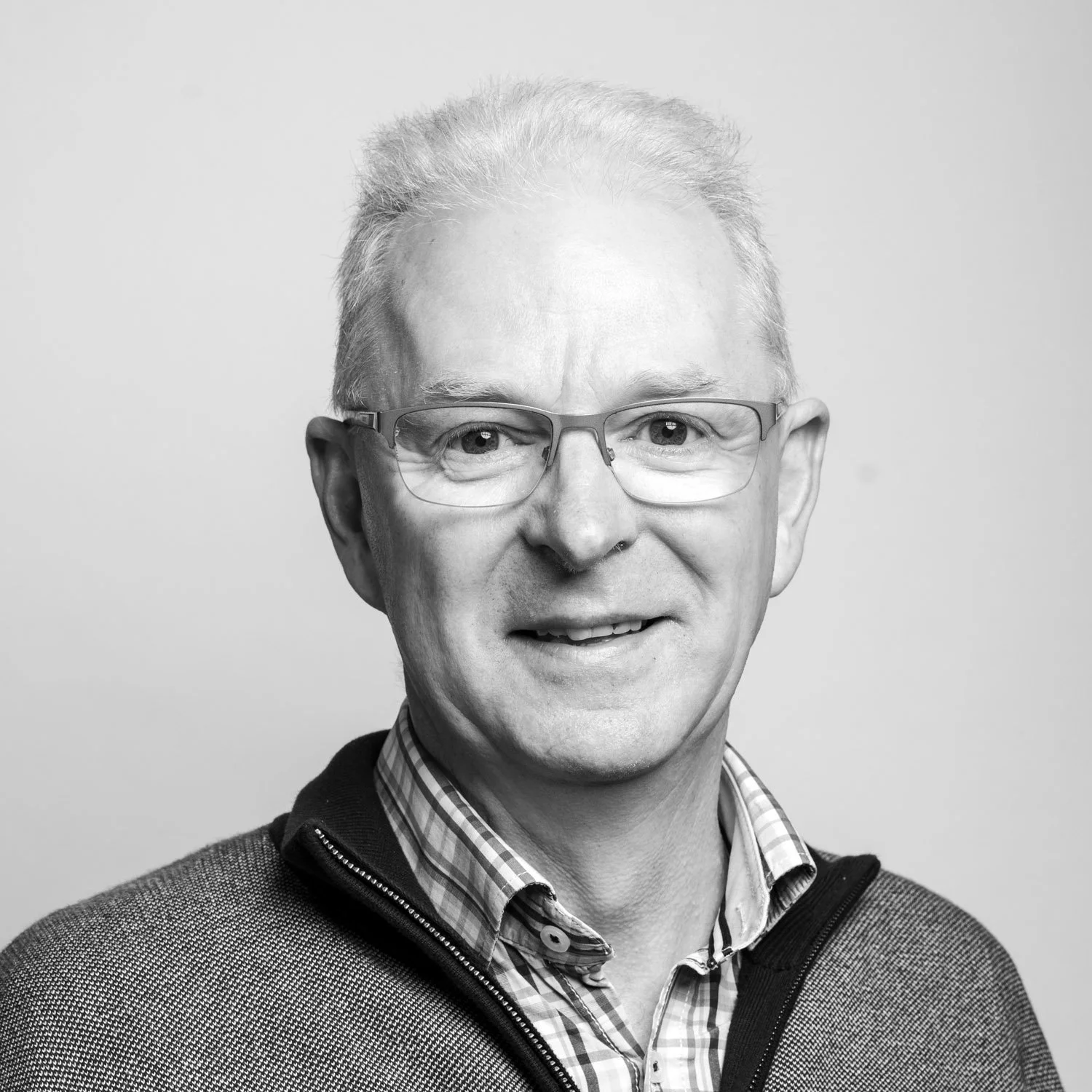
Semiconductors member of WG1 (Optoelectronics and Photovoltaics), LINXS Fellow
Greg Hughes, Dublin City University
Greg Hughes is Professor at the School of Physical Sciences. He has been VicePresident for Research and Innovation at Dublin City University. His research interests include the investigation of chemical interactions on semiconductor surfaces as well as the electrical and chemical characterisation of thin film dielectric layers used in advanced transistor fabrication technology.
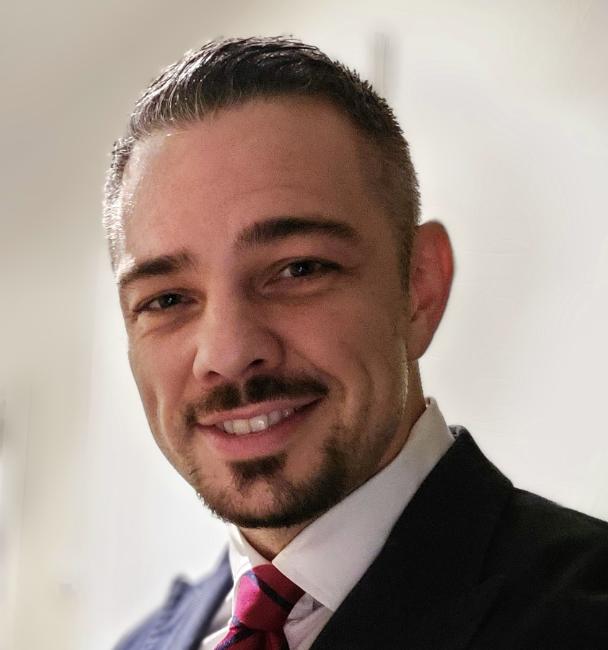
Semiconductors member of WG1 (Optoelectronics and Photovoltaics), LINXS Fellow
Karl-Magnus Persson, VTT Finland
Karl-Magnus Persson is Senior Scientist within Nanoelectronics at the VTT Technical Research Centre of Finland.
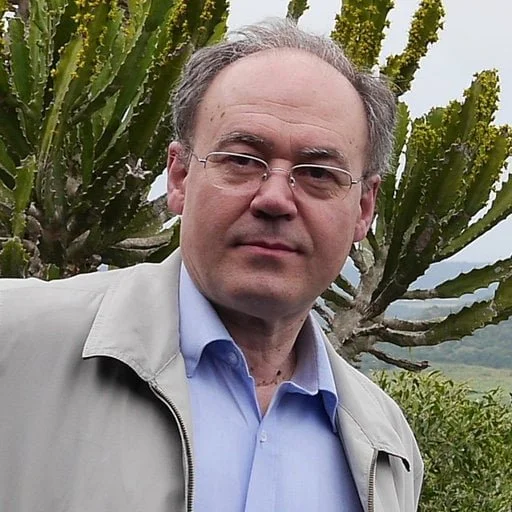
Semiconductors member of WG2 (Power Electronics), LINXS Fellow
Ivan Ivanov, Linköping University, Sweden
Ivan Ivanov is Associate Professor in Physics and Head of the Division of Semiconductor Materials. His research focus is on the advanced characterization of wide bandgap semiconductors.
Semiconductors member of WG2 (Power Electronics), LINXS Fellow
Erik Lind, Lund University, Sweden
Erik Lind is Professor in Nanoelectronics, with a research focus on advanced semiconductor technology within power electronics and quantum technology. He is coordinator of the NanoLund research area Semiconductor technology.
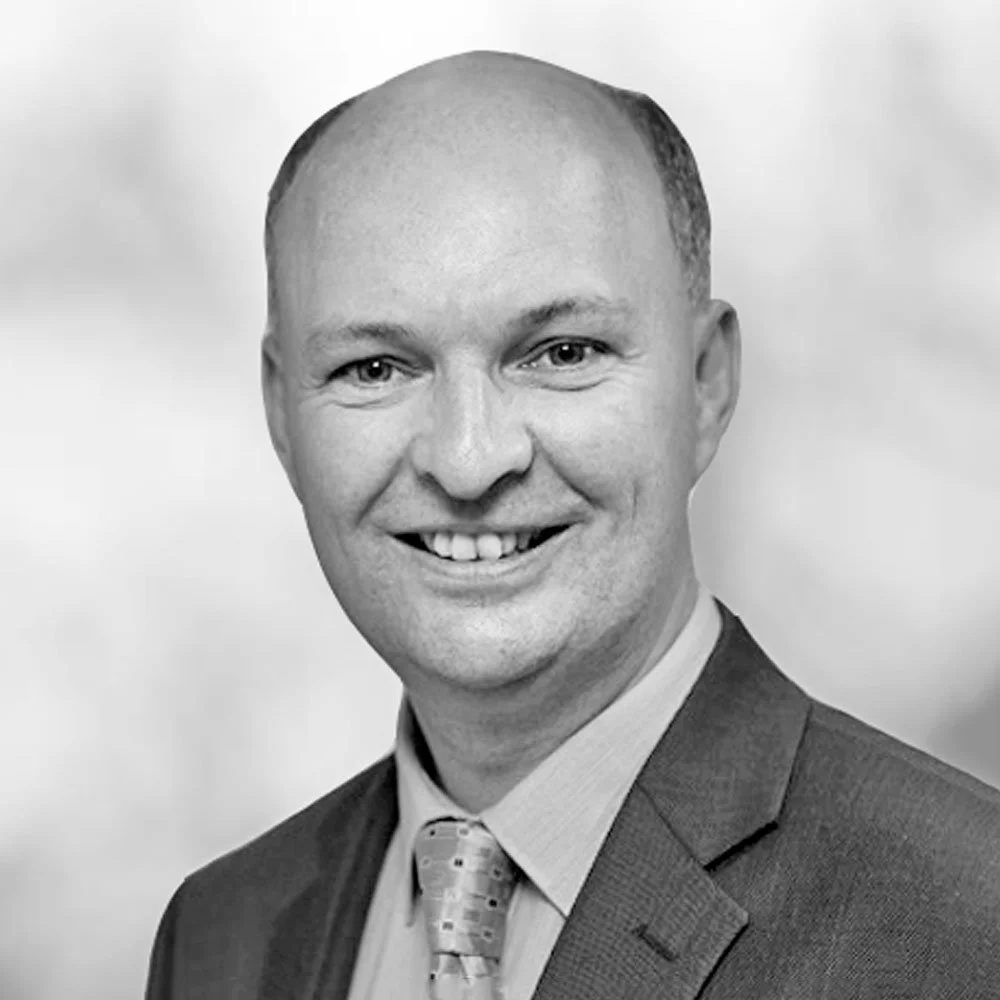
Semiconductors member of WG3 (Neuromorphic Materials for Deep Learning and AI), LINXS Fellow
Paul Hurley, Tyndall Institute and University College Cork
Paul Hurley is Head of the Nanoelectronic Materials and Devices Group at the Tyndall National Institute, Ireland, and a Research Professor in the Department of Chemistry at University College Cork. His research interests include semiconductor/oxide interfaces and their impact on LED efficiency as well as dopants in semiconducting oxides.
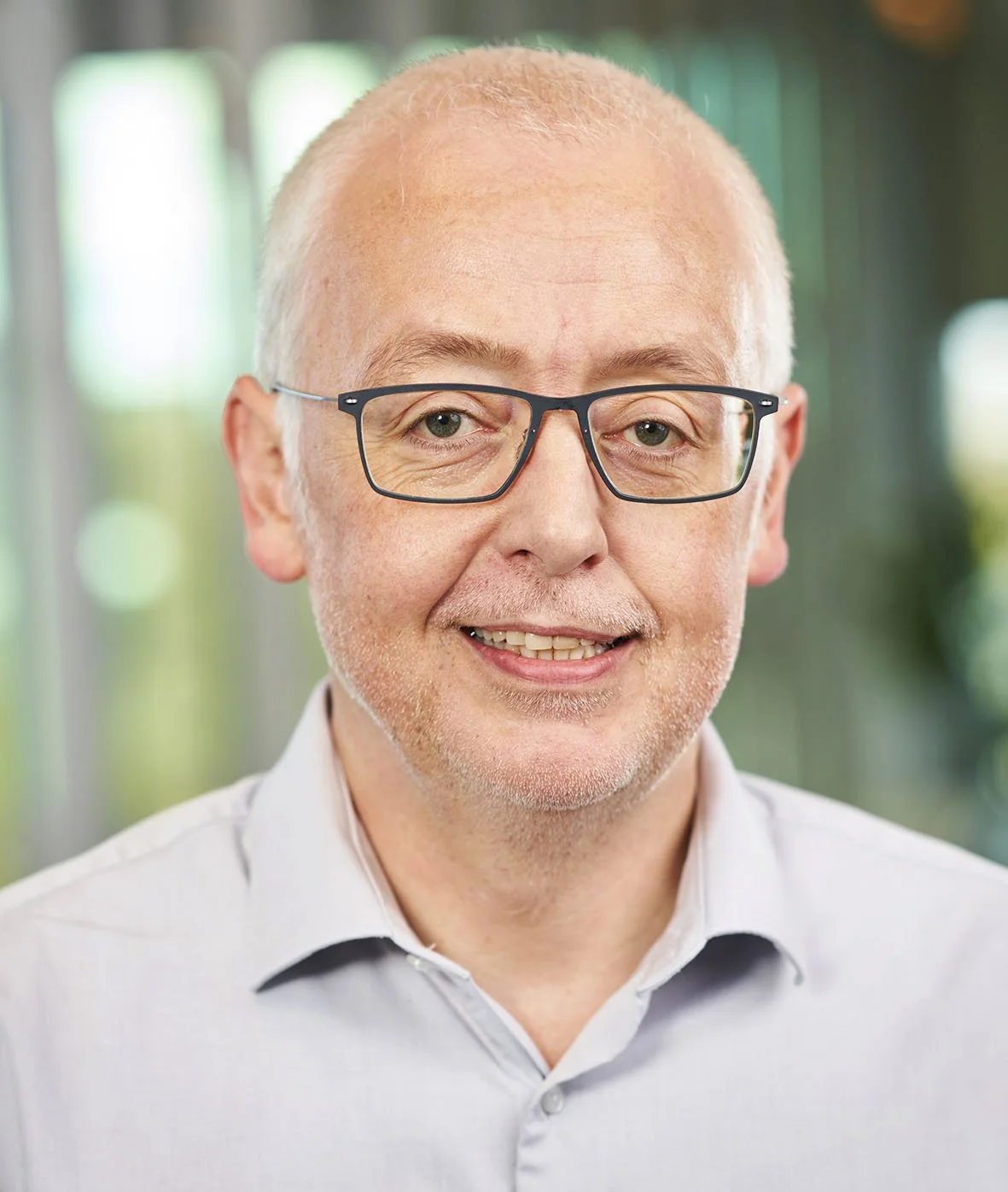
Semiconductors member of WG4 (Optoelectronics and Photovoltaics), LINXS Fellow
Anders Mikkelsen, Lund University, Sweden
Anders is Professor in Physics, with a research focus on the development and characterization of optical and electronic materials at various time- and length scales, including various synchrotron-based techniques. He is director of the NanoLund Center for Nanoscience, which involves more than 400 researchers from various disciplines. He also is director of the Vinnova Competence Center Sentio.
Semiconductors member of WG4 (Optoelectronics and Photovoltaics), LINXS Fellow
Justus Just, MAX IV Laboratory, Sweden
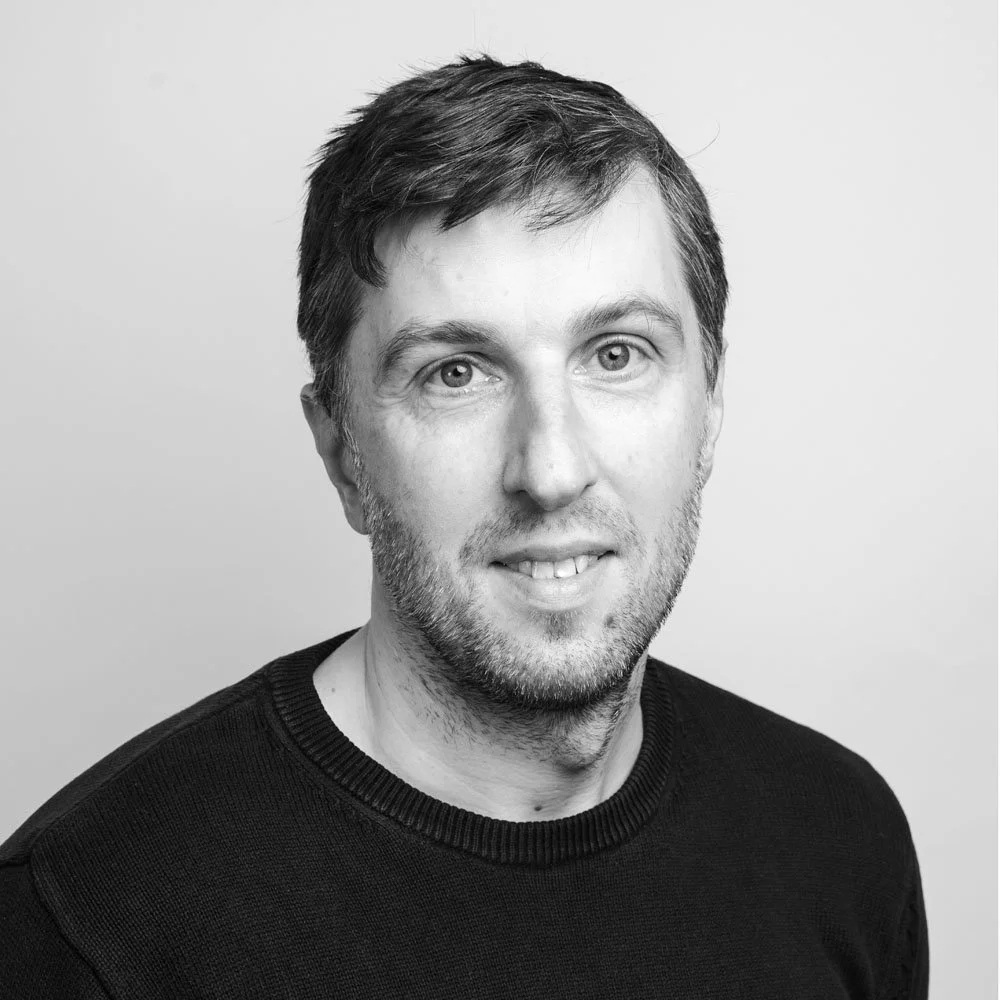
Semiconductors member of WG4 (Optoelectronics and Photovoltaics), LINXS Fellow
Rob O’Connor, Dublin City University
Rob O’Connor is Assistant Professor in the School of Physical Sciences. He has a longstanding research relationship with Intel. His research interests lie in interface chemistry and thin film characterization, including investigation of microLED structures. His group regularly performs experiments at European synchrotron facilities.
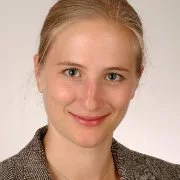
Semiconductors member of WG4 (Optoelectronics and Photovoltaics), LINXS Fellow
Eva Herzig, University of Bayreuth, Germany
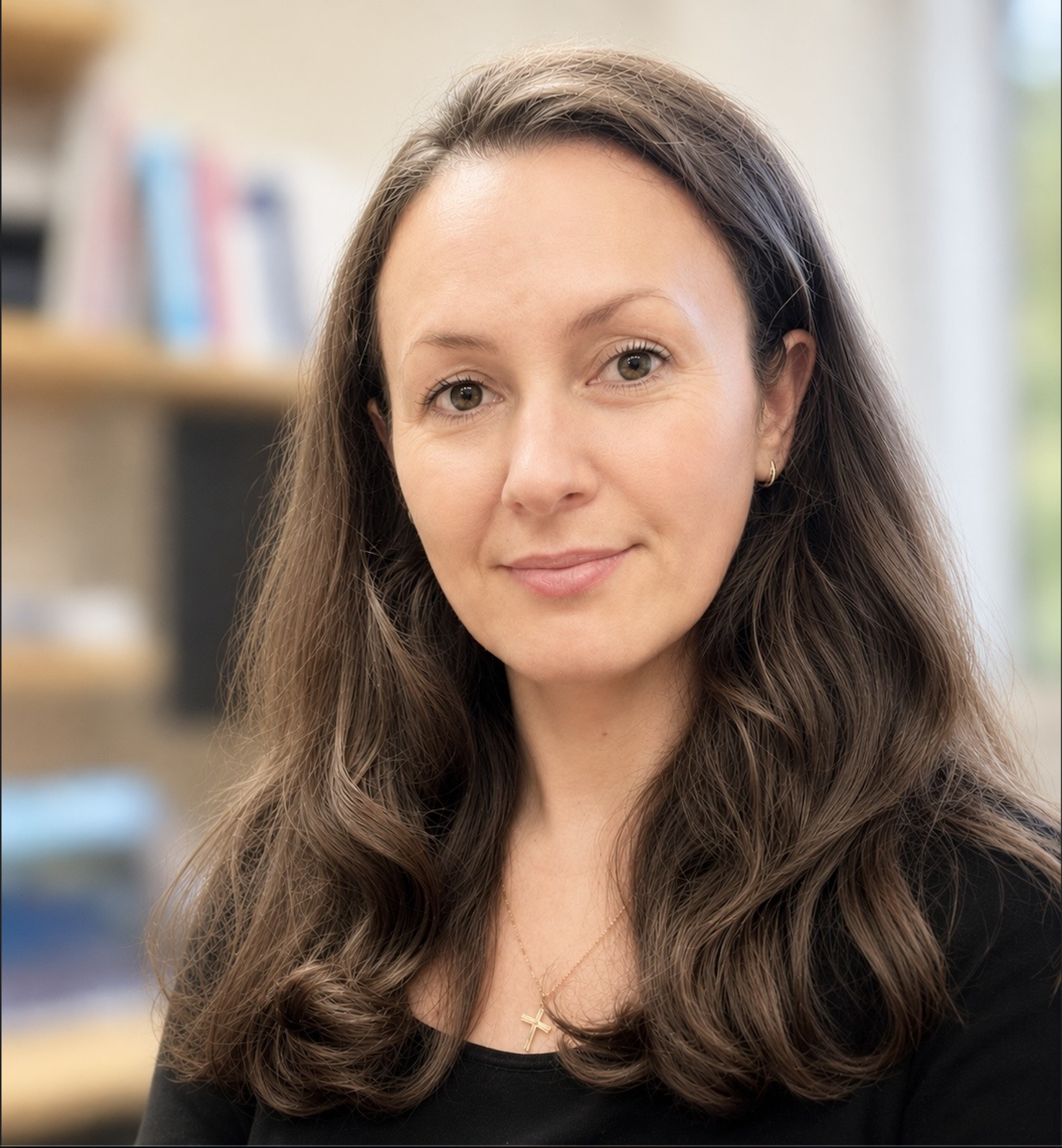
Semiconductors Co-leader WG 4 (Optoelectronics and Photovoltaics), LINXS Fellow
Natalia Martin, Uppsala University, Uppsala, Sweden
Natalia M. Martin is a Docent in Engineering Science at Uppsala University. Her research focuses on understanding and mitigating atomic-scale instabilities in emerging semiconductor materials for photovoltaics, with particular emphasis on thin-film solar cells based on CIGSe and perovskites. By combining materials synthesis, device fabrication, performance characterization, and synchrotron-based characterization techniques (primarily at the MAX IV Laboratory) she investigates how materials evolve during processing and operation. Her work integrates materials science, spectroscopy, and device physics to uncover structure-property relationships that guide the development of efficient and stable solar cell technologies. Through extensive international synchrotron experience and active engagement in the photon science community, she strengthens the connection between advanced characterization methods and the development of next generation PV technologies.
Fellows Quantum Materials
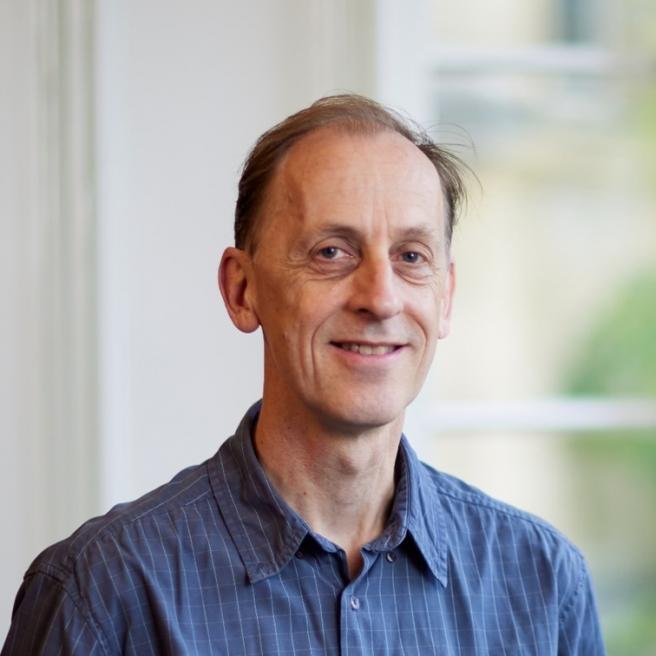
Quantum Materials: Linking theory and experiments at LINXS, ESS and MAX IV: Core Group Leader, Leader of WG 3 – Topological quantum materials, LINXS Fellow
Professor, Department of Physics, University of Oxford, UK.
Andrew is a Professor of Physics at the University of Oxford, a Tutorial Fellow of Oriel College, and Associate Head of the Department of Physics. He is an experimentalist with broad interests in the fundamental properties of quantum materials, especially superconductors, magnetic materials, and topological semimetals. His group uses neutron and synchrotron x-ray scattering techniques to investigate novel electronic ground states and associated physical phenomena.
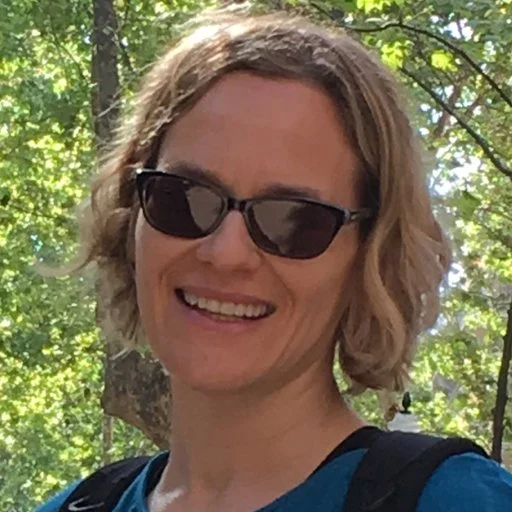
Quantum Materials: Linking theory and experiments at LINXS, ESS and MAX IV: Core Group Co-Leader, Leader of WG 2 – Strong electronic quantum correlations, LINXS Fellow
Division Head for Spectroscopy at ESS, Sweden, and Affiliated Professor, Niels Bohr Institute, University of Copenhagen, Denmark.
Pascale joined the European Spallation Source in 2011, having previously held positions at the Institut Laue-Langevin and the European Synchrotron Radiation Facility. She became the Division Head for Spectroscopy at the ESS in 2024. She is lead scientist responsible for designing and building the cold neutron chopper spectrometer CSPEC at the ESS. As well as instrumentation, her scientific interests include strongly correlated electron systems, magnetic frustration and quantum magnetism.
Quantum Materials: Linking theory and experiments at LINXS, ESS and MAX IV: Core Group member, LINXS Fellow
Director of MAX IV Laboratory, Sweden.
Charlie is a professor in experimental physics at Uppsala University, focusing on ultrafast electron dynamics in magnetic materials and energy harvesting materials. He was Head of the Department of Physics and Astronomy at Uppsala from 2015 until 2022. Since July 1, 2023 he is also the Director of the Swedish synchrotron facility, MAX IV in Lund.
Quantum Materials: Linking theory and experiments at LINXS, ESS and MAX IV: Core Group member, LINXS Fellow
Professor at Department of Physics and Astronomy; Materials Theory, Uppsala University, Sweden.
Olle is Professor of Materials Theory in the Department of Physics and Astronomy, Uppsala University, a post he has held since 2002. His research employs first-principles calculations to study magnetism and chemical bonding, as well as lattice dynamics and finite temperature effects of phase stability. He is Co-Director of the WISE network of Sustainable Materials, supported by the Knut and Alice Wallenberg Foundation.

Quantum Materials: Linking theory and experiments at LINXS, ESS and MAX IV: Core Group member, LINXS Fellow
Professor at Synchrotron Radiation Research, Department of Physics, Lund University, Sweden.
Elizabeth has extensive experience with both neutron and x-ray scattering methods, with a particular focus on magnetic materials. She is a professor at the Division of Synchrotron Radiation Research, within the Department of Physics, Lund University, and is tasked with promoting research into magnetic materials at Lund University. Elizabeth is also a board member for the Condensed Matter Physics section of the Svenska Fysikersamfundet, and led the New Materials LINXS theme.

Quantum Materials: Linking theory and experiments at LINXS, ESS and MAX IV: Core Group member, Leader of WG 1 – Ab initio modelling, LINXS Fellow
Senior Scientist, ISIS Neutron & Muon Facility, UK, and Chair of the Scientific and Technical Advisory Panel for ESS Data Management and Software Centre, Denmark.
Toby joined the ISIS Neutron & Muon Facility in 1992 and has held various positions as a research and instrument scientist at ISIS, becoming an STFC Fellow in 2005. In 2007 he became an honorary professor in physics at London Centre for Nanotechnology, University College London. Alongside his research interests in magnetic materials, Toby has developed techniques, instrumentation and software to study excitation spectra from single crystals at pulsed neutron sources.

Quantum Materials: Linking theory and experiments at LINXS, ESS and MAX IV: member of WG 1 – Ab initio modelling, LINXS Fellow
Senior Lecturer and Docent in Physics, School of Science and Technology, Örebro University, Sweden.
Quantum Materials: Linking theory and experiments at LINXS, ESS and MAX IV: member of WG 1 – Ab initio modelling, LINXS Fellow
Application expert in materials theory, PDC Center for High Performance Computing, KTH Royal Institute of Technology, Sweden.
Quantum Materials: Linking theory and experiments at LINXS, ESS and MAX IV: member of WG 1 – Ab initio modelling, LINXS Fellow
Researcher, Materials Theory, Department of Physics and Astronomy, Uppsala University, Sweden.
Quantum Materials: Linking theory and experiments at LINXS, ESS and MAX IV: member of WG 1 – Ab initio modelling, LINXS Fellow
Instrument Data Scientist for Neutron Spectroscopy, European Spallation Source ERIC Data Management and Software Centre, Denmark.
Quantum Materials: Linking theory and experiments at LINXS, ESS and MAX IV: member of WG 1 – Ab initio modelling, LINXS Fellow
Associate senior lecturer, Mathematical Physics, Department of Physics, Lund University, Sweden.
Quantum Materials: Linking theory and experiments at LINXS, ESS and MAX IV: member of WG 2 – Strong electronic quantum correlations and visiting researcher at LINXS June 2025, LINXS Fellow
Professor, Okinawa Institute of Science and Technology Graduate University, Japan.
Quantum Materials: Linking theory and experiments at LINXS, ESS and MAX IV: member of WG 2 – Strong electronic quantum correlations, LINXS Fellow
Instrument Scientist, MAX IV, Sweden.
Quantum Materials: Linking theory and experiments at LINXS, ESS and MAX IV: member of WG 2 – Strong electronic quantum correlations, LINXS Fellow
PhD student, Niels Bohr Institute, University of Copenhagen, Denmark.

Quantum Materials: Linking theory and experiments at LINXS, ESS and MAX IV: member of WG 2 – Strong electronic quantum correlations, LINXS Fellow
ESS Data Management and Science Centre, Denmark.
Fellows RheoMAXESS
Advanced rheometry for neutron and x-ray science: Core Group Leader, member of WG1 – Infrastructure development and WG3 – Education and outreach, Visiting researcher at LINXS March-June 2025, LINXS Fellow
Professor, Department of Industrial and Materials Science, Chalmers University of Technology, Sweden.
Roland and his group work in the general area of rheology and processing of soft matter. Current research revolves around (i) complex fluids flows, (ii) field-matter interaction in nanostructured fluids for multifunctional properties and (iii) advanced rheometry. (i) is mostly focused on processing applications and nonlinear phenomena in general (instabilities) ranging from polymer melt flows to thixotropic yield stress fluids in general. In (ii) we use flow and magnetic fields to tailor the structure of soft matter / materials containing nanofillers, for e.g. antibacterial applications. And through (iv) we create the means to understand (i) and (ii) through characterization methods such as developing novel rheo-SAXS (small-angle X-ray scattering) techniques at MAX IV, nonlinear mechanical spectroscopy, rheology combined with optics, dielectric spectroscopy, high pressure rheometry etc.
Advanced rheometry for neutron and x-ray science: Core Group member, Leader of WG2 – Material development and processing, LINXS Fellow
Computational Fluid Dynamics Specialist, R&T at Tetra Pak Processing Systems, Sweden.
Dragana Arlov is a CFD Specialist at Tetra Pak Processing Systems AB. In her role she is working with fluid dynamics in different types of projects from technology development to product development. One of her most recent projects was to develop validated CFD models for high shear mixers, large particles distributed in pipes and tanks. She has over 21 years of CFD experience in different industrial areas, of which 12 years have been at Tetra Pak Processing Systems in Sweden. During her 12 years at Tetra Pak she has worked in different fluid dynamic projects to develop validated CFD models and utilise CFD simulations for various processing applications.
Advanced rheometry for neutron and x-ray science: Core Group member, Leader of WG2 – Material development and processing, LINXS Fellow
Professor of Materials, Centre for Analysis and Synthesis, Department of Chemistry, Lund University, Sweden.
Karen and her research group focus on understanding the formation of functional hierarchically structured materials in order to apply that understanding to make new materials. They use self-assembly, driven by interactions between nanoscopic species (micelles, nanoparticles, polymers) in solution and at interfaces to form materials with organized structures from nm to cm. Understanding interactions between surfaces, nanoparticles and other species is central to our control over structure and thus function.
They use time-resolved grazing incidence X-ray & neutron reflectivity, liquid diffraction and small angle scattering to study formation mechanisms & final structures. A range of other complementary techniques (including TEM, SEM, AFM, NMR, light scattering, surface tension, conductivity, XRD, SESANS, USANS/USAXS, gas adsorption) are also used to characterise our materials across length scales from tens of Ångstroms to microns. Extensive collaborations with other groups in industry and academia apply the novel materials synthesised in our group to applications from delivery of active species, to catalysis and “green” gels or emulsions.
Advanced rheometry for neutron and x-ray science: Core Group member, Leader of WG1 – Infrastructure development, LINXS Fellow
Division Head Large Scale Structures, ESS, Sweden.
Andrew is the acting head of the Neutron Instrument Division at ESS. His research covers a wide area including food colloids, soft matter structure, and scattering techniques. He brings capability in large international collaboration to build up the ESS facility, expertise in the use of X-rays and neutrons in food related research, and also experience as beamline scientist at facilities like the NIST Center for Neutron Scattering, Gaithersburg USA. He is strongly involved in developing software for scattering techniques (SASView).
Advanced rheometry for neutron and x-ray science: Core Group member, Leader of WG1 – Infrastructure development, LINXS Fellow
Researcher, MAX IV, Lund University, Sweden.
Ann is a researcher and the group manager for Diffraction and Scattering at MAX IV. Her personal research applies X-ray and neutron scattering techniques to soft condensed matter and biological systems. Her scientific interests have recently included protein/polymer interactions with lipids and excipients (e.g. biologics, lipid nanodiscs), native silk protein structures and flow studies of natural and synthetic polymers.
Advanced rheometry for neutron and x-ray science: Core Group member, Leader of WG3 – Education and outreach, LINXS Fellow
Project leader, RISE Agriculture and Food, Sweden.
Niklas is a researcher at the Product Design and Perception section at RISE Agrifood and Bioscience. He is also adjunct professor at the department of physics at Chalmers University of Technology. In addition, Niklas is vice director for the VINN Excellence centre SuMo Biomaterials and coordinator for the Soft Microscopy Centre, both close collaborations between RISE and Chalmers. His research generally focuses on microstructure-property relationships in soft heterogeneous bio-based materials such as foods. His network and scientific expertise in microscopy will be crucial for the theme to both develop the working groups and defining the research programs. Together with Stephen Hall, Niklas will coordinate WG3. Structure of food during processing.

Advanced rheometry for neutron and x-ray science: Core Group member, member of WG2 – Material development and processing and WG3 – Education and outreach, LINXS Fellow
Postdoctoral Researcher at the Division of Glycoscience, KTH Royal Institute of Technology , Sweden.
Marjorie is a postdoctoral researcher at KTH working on cell bran. Ozriginally a Food Technologist working in Industry, she sought to broaden my horizons and pursued first an MSc in Food Science, and then a PhD also in Food Science, both at the University of Leeds UK. Her PhD focused on the crystallisation of cocoa butter primarily using X-ray scattering, NMR relaxometry, and DSC.
Her interest in X-rays led to a first postdoc/research position at Stockholms Universitet working on supercooled water and amorphous ices using X-ray scattering and XPCS techniques. Once more, X-rays led the way to her next position here at KTH where she is part of the glycoscience group and she is applying her X-ray knowledge, while learning some Biochemical tools.
Advanced rheometry for neutron and x-ray science: Core Group member, Leader of WG3 – Education and outreach, LINXS Fellow
Associate professor, Lund University, Sweden.
Martin’s research focuses on various fields within Soft Matter. He has a special focus on rheology of granular matter, non-Brownian and Brownian suspensions, gels, and ion-mediated electrostatic interactions between surfaces and colloids. In his research, Martin uses various numerical methods (Monte Carlo, Molecular Dynamics, ...) to gain insight to the various topics.
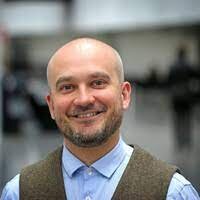
Advanced rheometry for neutron and x-ray science: Core Group member, member of WG2 – Material development and processing, LINXS Fellow
Professor and Head of Department, Division of Glycoscience, KTH Royal Institute of Technology, Sweden.
Francisco’s research deals with the biochemistry of complex carbohydrates, which are one of the fundamental building blocks of life. Complex carbohydrates, also known as polysaccharides, are natural polymers built by small sugar molecules as building blocks, which are responsible for essential metabolic, structural and regulatory processes in life sciences. Since November 2022 , Francisco has been Director of KTH FOOD, a new research centre for sustainable and healthy food systems which aims to engage and align the education, research, and outreach competences at KTH towards a sustainable and healthy food system.

Advanced rheometry for neutron and x-ray science: Core Group member, member of WG1 – Infrastructure development, LINXS Fellow
Postdoctoral researcher, Chalmers University of Technology, Sweden.
Marko Bek is a researcher specializing in the integration of rheology and scattering techniques to explore the structural dynamics and properties of materials. His various research interests include polymer and soft matter viscoelasticity, moisture interactions in materials, and the influence of nano- and microstructure on mechanical properties. His research examines how hierarchical structures across different length scales impact material response, offering valuable insights into the behavior of complex soft materials.
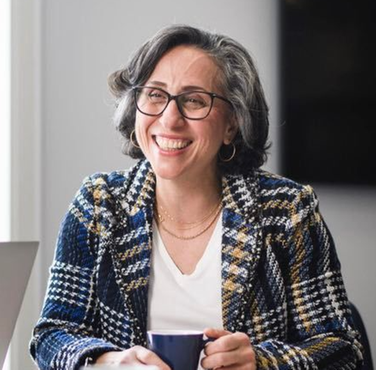
Advanced rheometry for neutron and x-ray science: Core Group member, member of WG2 – Material development and processing, LINXS Fellow
Professor and group leader for polymer-tribology research, Division of Machine Elements, Department of Engineering Sciences and Mathematics, Luleå University of Technology, Sweden.
Nazanin and her group focus their research on Polymer tribology dealing with mechanisms and regularities of friction and wear of polymers and polymer-based composites. Her research interests include biotribology, friction, wear and lubrication in biological environments, in the body's joints, such as hip and knee & Bio-compatible materials especially orthopedic materials development: to develop new implant materials with improvement of certain properties for use in load-bearing joints
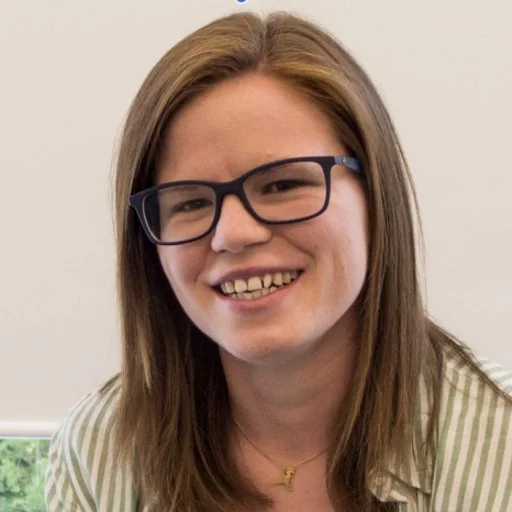
Advanced rheometry for neutron and x-ray science: Core Group member, member of WG1 – Infrastructure development, LINXS Fellow
LoKI Instrument Scientist, ESS, Sweden.
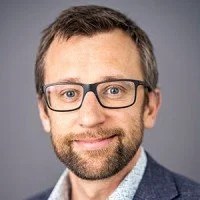
Advanced rheometry for neutron and x-ray science: Core Group member, member of WG1 – Infrastructure development, LINXS Fellow
Scientist, Beamline Manager, ForMAX, MAX IV, Sweden.
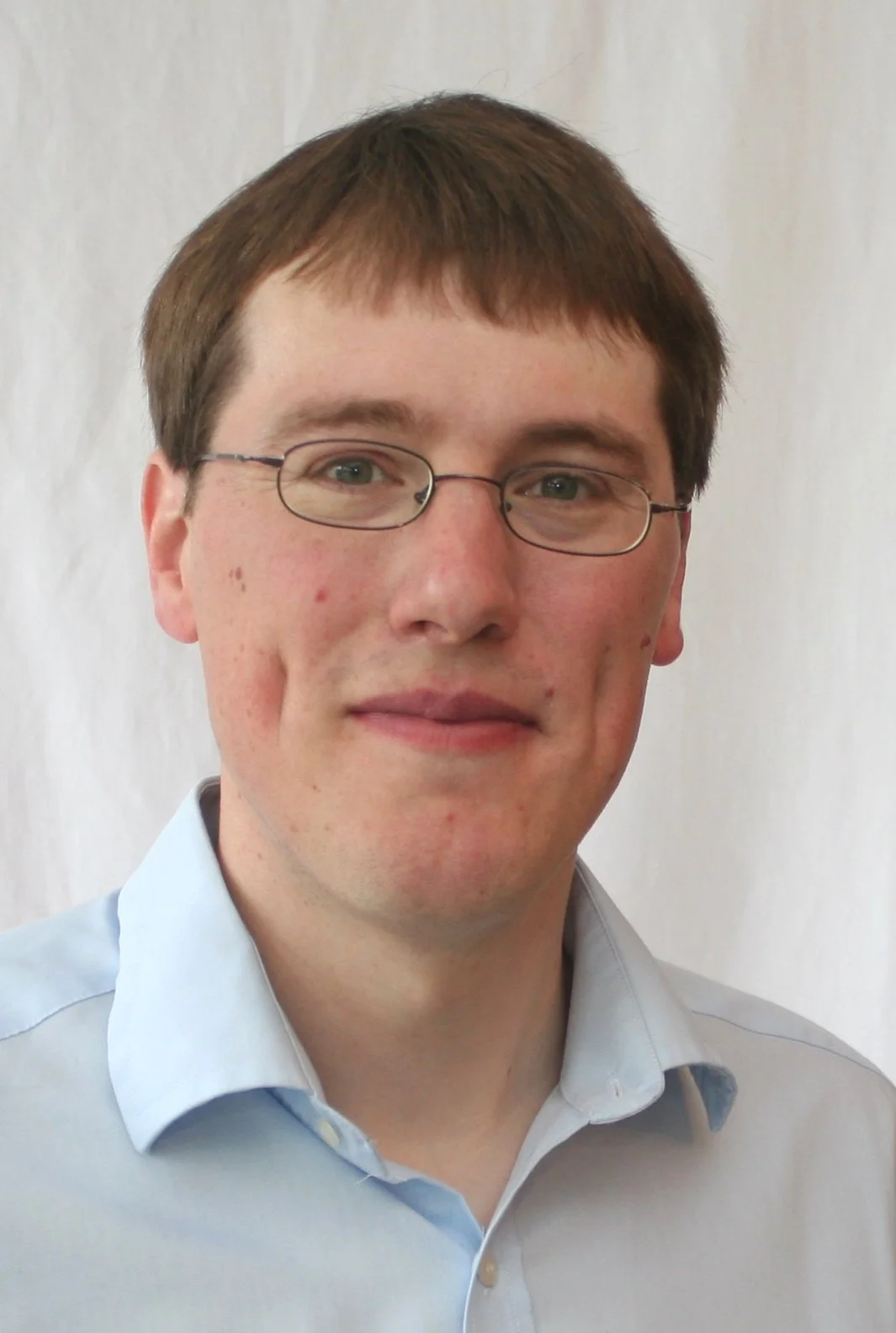
Advanced rheometry for neutron and x-ray science: Core Group member, member of WG1 – Infrastructure development, LINXS Fellow
Associate Professor, Division of Physical Chemistry, Lund University, Sweden.
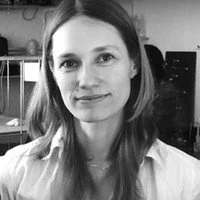
Advanced rheometry for neutron and x-ray science: Core Group member, LINXS Fellow
Head of Unit and Professor, Applied Chemistry, Chemistry and Chemical Engineering, Chalmers University of Technology, Sweden.
Fellows AIDA

Advanced Imaging and Data Analysis: Core Group Leader, LINXS Fellow
Core responsibility in Theme: Education, Competence, and Innovation
Associate Professor, Department of Medical Radiation Physics, Lund University, Sweden.
Martin is Associate Professor at Medical Radiation Physics at Lund University. He has a scientific background in X-ray physics and specialized in X-ray imaging method development. Martin has a strong track record of grating-based X-ray interferometry for X-ray phase-contrast and X-ray dark-field imaging for imaging of organic materials at synchrotron radiation facilities, at conventional X-ray sources and at neutrons facilities. He has been an active member of the LINXS community since the start of the Imaging theme and is playing an active role in the development of a new beamline at MAX IV dedicated to tomography and imaging of organic materials. He has more than 10 years of experience in undergraduate teaching of ionising radiation and was co-founder and leader of the graduate research school “Imaging of 3D structures” organised across the faculties of science, engineering, and medicine at Lund University 2014-2019. In addition to user experience at multiple European synchrotrons, Martin is engaged in the proposal review panels at PETRA III and MAX IV. He has received research funding from the Swedish Foundation for Strategic Research, from the Swedish Research council, and is currently PI on an ERC consolidator grant developing X-ray imaging instrumentation for bio-medical research.

Advanced Imaging and Data Analysis: Core Group Co-Leader, Leader of WG 1 – Spectral Nano-imaging, LINXS Fellow
Core responsibility in Theme: Development of Spectral Imaging Pathway
Group Manager, Imaging Beamlines, MAX IV, and Beamline Manager, SoftiMAX, MAX IV, Sweden.
Karina is Group Manager of Imaging Beamlines and beamline scientist at MAX IV with a background in physics and spectroscopy. Her expertise spans a wide range of (synchrotron) techniques and sample systems. With contacts to a wide network of imaging specialists, her aim is to develop the user community, especially towards under-represented science areas. She is also the main organizer of the bi-annual X-ray Microscopy conference, to be held in Lund in August 2024.
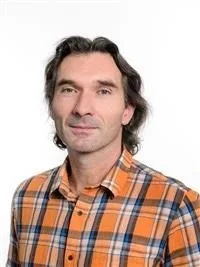
Advanced Imaging and Data Analysis: Core Group member, Leader of WG 2 – Phase-contrast micro-tomography, phase retrieval, and reconstruction, LINXS Fellow
Core responsibility in Theme: Data Advancement and Instrument Development
Senior Researcher, Department of Physics, Technical University of Denmark, Denmark, and Senior Scientist, MAX IV and Department of Solid Mechanics, Lund University, Sweden.
Rajmund is a physicist with experience in building and running synchrotron- and laboratory-based X-ray tomographic instruments. He has an extensive cross disciplinary network with an emphasis on imaging of organic materials.

Advanced Imaging and Data Analysis: Core Group member, Leader of WG 2 – Phase-contrast micro-tomography, phase retrieval, and reconstruction, LINXS Fellow
Core responsibility in Theme: Data Advancement and Instrument Development
Senior lecturer, Division of Solid Mechanics, Faculty of Engineering, Lund University, Sweden.
Stephen is a Senior lecturer at the Division of Solid Mechanics at Lund University and former director of LINXS. Stephen’s research covers a wide range of material questions with a focus on understanding the micro scale origins of material mechanics and coupled processes. He works with a wide range of experimental methods, including extensively with x-rays and neutrons and, in particular, imaging and other 2D, 3D and 4D full- field measurement approaches. Stephen runs the 4D Imaging Lab X-ray tomography facility in Lund and heads up the Swedish side of QIM. He has been very much involved in both the ESS and MAX IV projects, including being a member of the imaging and engineering STAP and currently as a SAC member for ESS. He has also been leading the push for a materials imaging beamline at MAX IV.

Advanced Imaging and Data Analysis: Core Group member, Leader of WG 3 – Advanced image processing, image analysis, and visualisation, LINXS Fellow
Core responsibility in Theme: Data Advancement and Instrument Development
Associate professor, Visual Computing, DTU Compute, Technical University of Denmark, Denmark and QIM, MAX IV, Sweden.
Vedrana is an associate professor at the Department of Applied Mathematics and Computer Science, Technical University of Denmark. She holds degrees in mathematics, multimedia technology, and a Ph.D. degree in geometry processing. Her primary research interest is in using geometric models for the analysis of volumetric data. This includes volumetric segmentation, tomographic segmentation, and methods based on deformable meshes. She developed image analysis tools with applications in material science, industrial inspection, and biomedicine. Her other research interests include quantitative analysis of microstructure, 2D and 3D texture analysis and 3D methods for digitizing cultural heritage.

Advanced Imaging and Data Analysis: Core Group member, Leader of WG 1 – Spectral Nano-imaging, LINXS Fellow
Core responsibility in Theme: Sample preparation and method development
Associate Professor in Molecular Imaging and head of the Medical Microspectroscop Laboratory at Lund University, Sweden.
Oxana is an Associate Professor in Molecular Imaging and head of the Medical Microspectroscopy Laboratory at Lund University. She specialises in molecular imaging. Her research focuses on amyloid proteins associated with neurodegenerative diseases. Oxana achieved significant breakthroughs in infrared multimodal imaging, particularly by pioneering an IR imaging approach for subcellular amyloid detection in AD transgenic neurons (Advanced Science, 2020; JACS 2023). Her group's innovations include the development of correlative nano spectroscopic methods for direct amyloid analysis in neurons, revealing a direct link between β-sheet formation and amyloid-β's pathological effects. From 2021 to 2023, Oxana also served as a co-director of LINXS, where she contributed to the development of the imaging network, with a specific aim of building a multimodal imaging community. In 2023, she furthered her impact by establishing a multiscale IR platform, which features cutting-edge instruments like OPTIR and NanoIR.

Advanced Imaging and Data Analysis: Core Group member, LINXS Fellow
Core responsibility in Theme: Strategy Development, Education and Innovation, Instrument Development
Project Leader, MedMAX, MAX IV, and Development Strategist, Lund University, Sweden.
Selma has a scientific background in the development of scattering methods for studies in health and disease. She has experience from industry, academia, large scale research infrastructure, the Swedish and European funding ecosystem and as the founder of several national and international research networks, educational programs, and innovative start-ups. She founded and developed Northern Lights on Food, a national and international research network, and research theme at the LINXS Institute of Advanced Neutron and X-ray Science. Selma initiated the national collaboration Infralife joining MAX IV, ESS and Scilifelab to open and broaden the use of infrastructure in Life Science to both academia, industry, and health care. Developed PRISMAS, a national PhD program training 40 PhD students joining nine universities and 43 associated partners. She is project leader for the development a life science beamline and corresponding user community at MAX IV. Currently, Selma leads the implementation phase for the establishment of “Swedish Platforms for Advanced Infrastructure for Research, Innovation and Technology (SPIRIT)”, a national technical park function surrounding MAX IV and ESS.
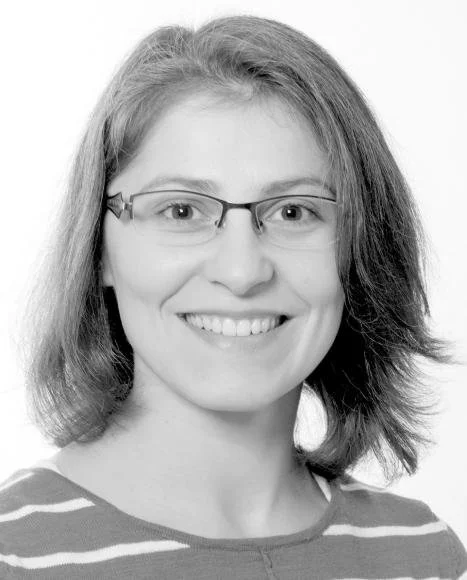
Advanced Imaging and Data Analysis: Core Group member, Leader of ASG in Palaeontology and Geotech, LINXS Fellow
Core responsibility in Theme: Education, competence, and Innovation
Associate Professor, Department of Organismal Biology, Uppsala University, Sweden.
Sophie is an Associate professor at Uppsala University. She has a scientific background in evolutionary biology and palaeontology, and has developed virtual palaeohistology during her postdoc in collaboration with colleagues from the European Synchrotron Radiation Facility (ESRF) for submicron investigations of fossils using X-ray microtomography. She is PI of an ERC Consolidator and several VR grants developing the use of synchrotron imaging for histological investigations of fossils at the fish-to-tetrapod transition. Sophie has been an invited speaker at the World Meeting on Heritage, Sciences and Technologies, in Paris (2019), ESRF-EBS workshop on Cultural and Natural Heritage, in Grenoble (2020) and LINXS Symposium and Hackathon IPDD theme – 3D Histology with Synchrotron Microtomography, in Lund (2023) for promoting synchrotron 3D imaging in cultural fields. Invited to teach in the following PhD summer school/courses São Paulo School of Advanced Science (ESPCA), Synchrotron of Campinas, Brazil (2011), RÅC International Summer School (RACIRI), Stockholm, Sweden (2014), Synchrotron Radiation in Natural Sciences, Uppsala University, Sweden (2016-2018). She is a member of the University Reference Group at MAX IV (Uppsala University scientific advisor in Life Science) and board member of the Center for Photon Science at Uppsala University. She has been engaged in proposal and cross-cut review panels at the ESRF for life science, palaeontology, and cultural heritage.
Advanced Imaging and Data Analysis: member of WG 1 – Spectral Nano-imaging, LINXS Fellow
Beamline scientist, Diamond Light Source, United Kingdom.
Advanced Imaging and Data Analysis: member of WG 1 – Spectral Nano-imaging, LINXS Fellow
Beamline manager, Soleil Synchrotron, France.
Advanced Imaging and Data Analysis: member of WG 1 – Spectral Nano-imaging, LINXS Fellow
Lecturer, Nanoscale Bioscience, Keele University, United Kingdom.
Advanced Imaging and Data Analysis: member of WG 1 – Spectral Nano-imaging, LINXS Fellow
Professor Emeritus, Chemistry & Chemical Biology, Department of Chemistry, McMaster University, Canada.

Advanced Imaging and Data Analysis: member of WG 1 – Spectral Nano-imaging and WG3 – Advanced image processing, image analysis, and visualisation, LINXS Fellow
Associate professor and researcher, Computational Biology and Biological Physics, Centre for Environmental and Climate Science, Faculty of Science, Lund University and Application Expert, CIPA and InfraVis, Sweden.

Advanced Imaging and Data Analysis: member of WG 2 – Phase-contrast micro-tomography, phase retrieval, and reconstruction and WG3 – Advanced image processing, image analysis, and visualisation, LINXS Fellow
Researcher, Department of Experimental Medical Science, Faculty of Medicine, Lund University; Node Coordinator, InfraVis; Coordinator, CIPA; Associate Researcher, QIM, MAX IV; Sweden.

Advanced Imaging and Data Analysis: member of WG 2 – Phase-contrast micro-tomography, phase retrieval, and reconstruction, LINXS Fellow
Senior Researcher, Department of Applied Mathematics and Computer Science, Technical University of Denmark, Denmark.
fellows chemistry of life
Chemistry of Life Core Group leader, LINXS Fellow
Andrew Hudson, Professor of Biophysical Chemistry, Institute for Structural and Chemical Biology, University of Leicester, UK.
Prof Hudson is a biophysical chemist with research interests in the application of specialised techniques in fluorescence imaging to monitor the dynamics of single molecules. He has been applying these methods to address otherwise inaccessible problems in RNA splicing. These have included validation of the spice-site selection model and the pathways for the early stages of spliceosome assembly and 3′ splice-site selection. On a different note, he has applied a number of different imaging modalities to quantifying the distribution of haem proteins in living cells, and how this evolves in response to different stimuli. Recently, he has been looking at the regulatory role of haem in cells, and designed a genetically-encoded sensor for measuring in vivo haem concentrations by fluorescence lifetime imaging. His research group has also developed new fluorescence assays to probe the role of haem in the molecular mechanism of the transcription-translation feedback loops which are responsible for maintaining circadian rhythms.
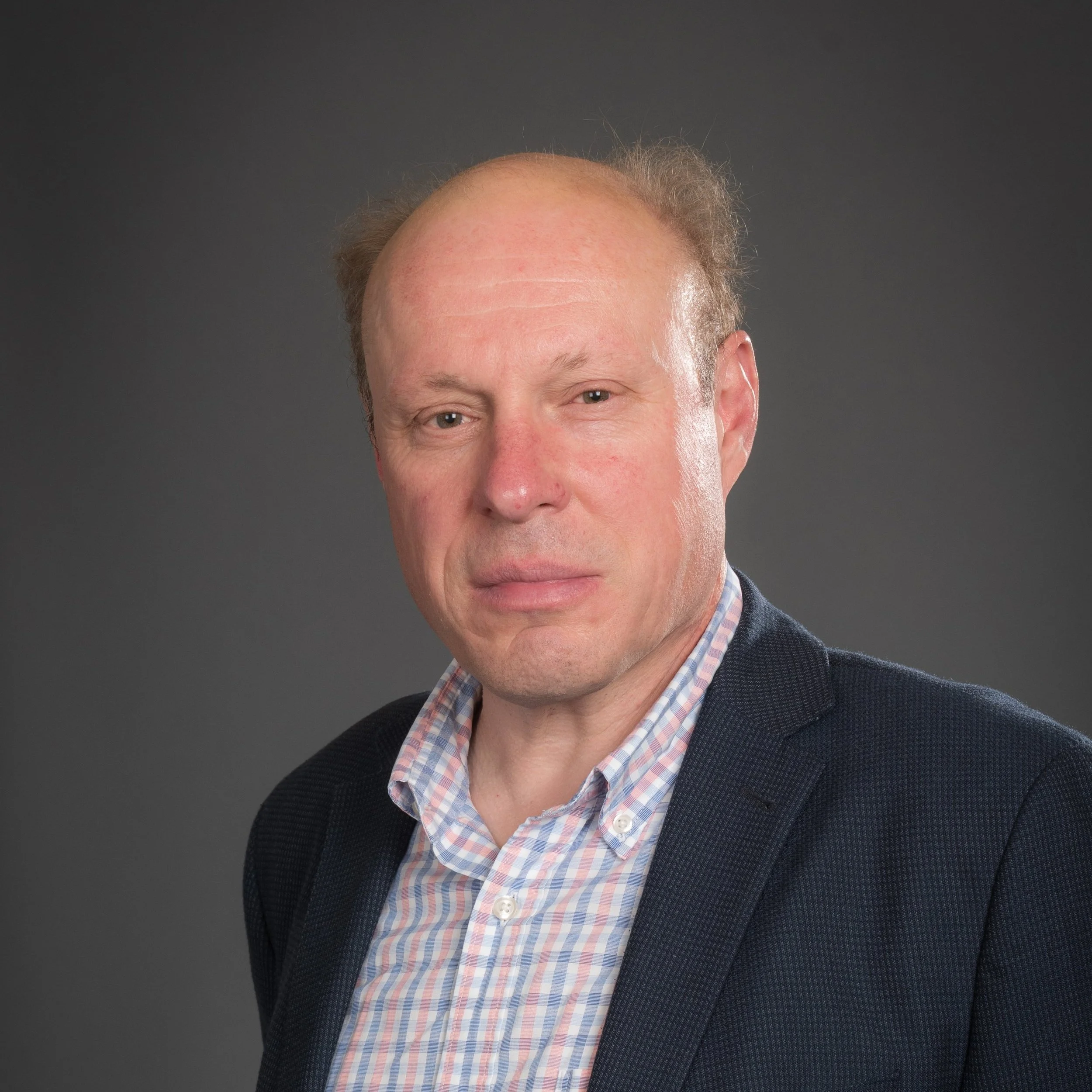
Chemistry of Life Core Group member, LINXS Fellow
John Schwabe, Professor of Structural Biology at the Institute for Structural and Chemical Biology, University of Leicester, UK.
Prof Schwabe is a structural biologist who has pioneered research into understanding the molecular mechanisms through which nuclear hormone receptors regulate gene expression and more recently the structure/function of important histone deacetylase complexes that regulate the human genome. He studied Biochemistry at University College, Oxford and moved to Cambridge for his PhD with Daniela Rhodes at the MRC-Laboratory of Molecular Biology. He pursued postdoctoral studies with Ron Evans at the Salk Institute in La Jolla before returning to the MRC-LMB as a group leader. In 2006 he moved to the University of Leicester as Professor of Structural Biology.
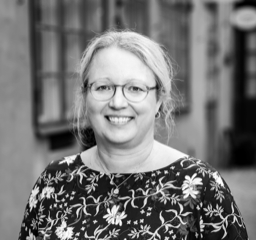
LINXS Chemistry of Life Core Group member, LINXS Fellow
Marie Skepö, Professor, Docent and Head of Division of Theoretical Chemistry at Lund University, Sweden.
Dr Skepö’s research interests include intrinsically disordered proteins (IDPs) and their interaction in solution and to surfaces, and utilizing computer simulations in combination with scattering to achieve an understanding of the underlying physics. The main techniques are atomistic and coarse-grained molecular dynamics and Monte Carlo simulations combined with biophysical solution and surface adsorption techniques, such as scattering (DLS, SAXS, SANS) and spectroscopy (NR and SRCD), ellipsometry, QCM-D, and ITC.
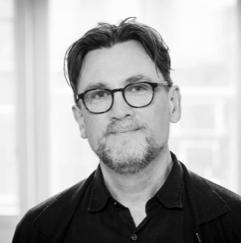
LINXS Chemistry of Life Core Group member, LINXS Fellow
Derek Logan, Professor of Molecular Biophysics, Dept. of Biochemistry and Structural Biology Lund University, Sweden.
Prof. Logan has a D.Phil. in Molecular Biophysics from Oxford University and did postdoctoral work in Strasbourg and Stockholm before moving to Lund University in 2001. He studies the structural basis for macromolecular function using a variety of experimental techniques: X-ray and neutron crystallography, small-angle X-ray scattering and cryo-electron microscopy. Two particular foci in recent years have been the mechanism and allosteric regulation of the radical enzyme ribonucleotide reductase and the details of ligand binding to the galectin family of carbohydrate recognition proteins. Prof. Logan is secretary of the European Synchrotron and XFEL Users Organisation and is a member of the advisory panel for the neutron macromolecular crystallography instrument at the ESS. He was recently appointed director of a new facility for cryo-EM at Lund University.
LINXS Chemistry of Life Core Group member, LINXS Fellow
Hitomi Sawai, Associate Professor at the Chemistry and Materials Engineering Program, Graduate School of Engineering, Nagasaki University, Japan.
Dr. Sawai has interested in protein-protein interactions involved in metal transport and trafficking, especially nutritional iron metabolism in human body. She is an expert to prepare many types of metalloproteins and metal transport chaperones including human membrane protein. She has built strong cooperative relationships with outstanding structural biologists of RIKEN/SPring-8 center to investigate structural and functional properties of those proteins at atomic and molecular levels by using some cutting-edge techniques (time-resolved spectroscopy and X-ray crystallography, SAXS, mass photometry, etc). She has a dream to capture how reactive or toxic metals are safely and efficiently selected, inserted, and regulated via various proteins, as a movie.
LINXS Chemistry of Life Core Group member, LINXS Fellow
Taiana Maia de Oliveira, Associate Director, AstraZeneca, Cambridge, UK.
Dr Maia de Oliveira obtained her bachelor’s and Master’s degrees from the Federal University of Ceara, Brazil, where she studied the structural basis of different biological activities of highly similar Legume Lectins. She has got a PhD from the Norwegian National Structural Biology School (BIOSTRUCT), at the Arctic University of Norway, where her work involved studies of the selectivity determinants of Aurora kinase inhibitors, using approaches in structural biology including x-ray crystallography and theroretical methods, binding, and kinetic analysis. Subsequent postdoctoral work at the University of Tromsø involved structural and biophysical studies of Aurora kinases and, at EMBL, on single particle electron microscopy of kinase complexes. This was followed by an appointment at AstraZeneca, where she has risen to team leader in cryo-EM followed by the position of Associate Director.
Chemistry of Life Theme: leader of WG 1 – Structure, function and dynamics of macromolecular complexes, LINXS Fellow
Amanda Chaplin, Lecturer at the Department of Molecular and Cell Biology, University of Leicester
Dr Chaplin’s research focuses on understanding the complex mechanisms underpinning DNA-repair using cryo-electron microscopy. Specifically, her research group work on proteins involved in the non-homologous end joining (NHEJ) pathway. NHEJ is crucial for cellular survival as it functions to repair DNA double-strand breaks (DSBs), which if not repaired correctly can lead to various diseases (most notably cancer).
Dr Chaplin’s work has involved determining three-dimensional cryo-EM structures of the core proteins involved in NHEJ. Specifically, Ku70/80, DNA-PKcs, DNA-PK (the key enzyme) and supercomplexes including XLF, XRCC4 and Ligase IV. These structures have revealed the specific architecture of these elaborate complexes. They have also identified two novel dimeric forms of DNA-PK, allowing us to propose a new mechanism for NHEJ that utilises alternate oligomeric structural assemblies to respond to diverse DNA substrates.
Chemistry of Life Theme: leader of WG 1 – Structure, function and dynamics of macromolecular complexes, LINXS Fellow
Cyril Dominguez, Associate Professor at the Department of Molecular and Cell Biology, University of Leicester
Dr Dominguez is a structural biologist interested mainly in protein-RNA interactions involved in the regulation of alternative splicing. He obtained his BSc and MSc in Biochemistry from the University of Aix-Marseille (France) and a PhD at the University of Utrecht (The Netherlands). After his PhD in 2004 he joined the laboratory of Fred Allain at the ETH Zurich (Switzerland) where he studied the interaction between the splicing factor hnRNP F and G-tract RNAs. In 2010 he obtained an MRC Career Development Award Fellowship to initiate his own research programme at the University of Leicester. In 2015 he became a lecturer and in 2018 an Associate Professor at the University of Leicester.
Chemistry of Life Theme: member of WG 1 – Structure, function and dynamics of macromolecular complexes, LINXS Fellow
Thomas Schalch, Associate Professor at the Department of Molecular and Cell Biology, University of Leicester
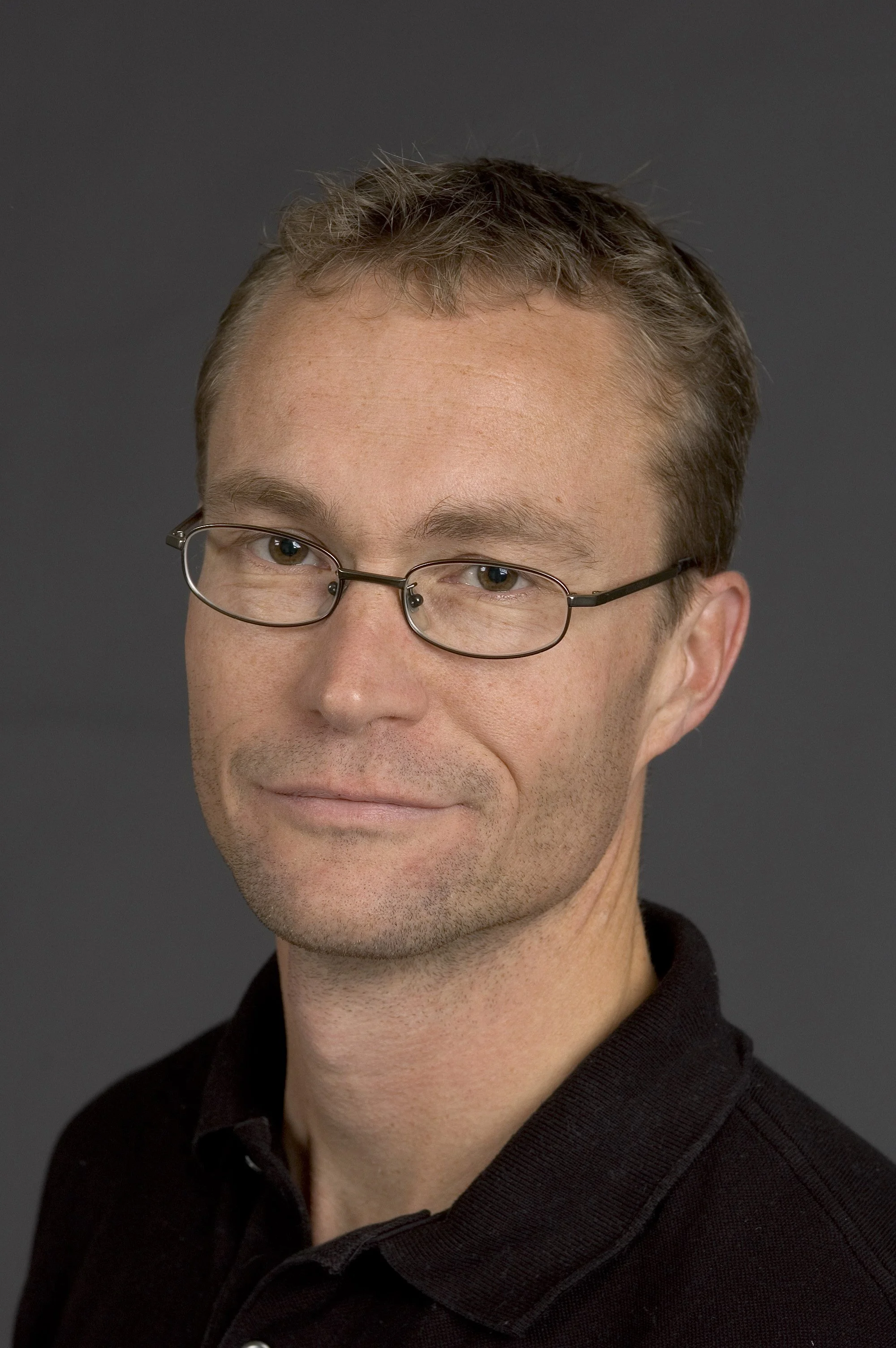
Chemistry of Life Theme: member of WG 1 – Structure, function and dynamics of macromolecular complexes, LINXS Fellow
Mikael Akke, Professor at the Department of Biophysical Chemistry, Lund University, Sweden.
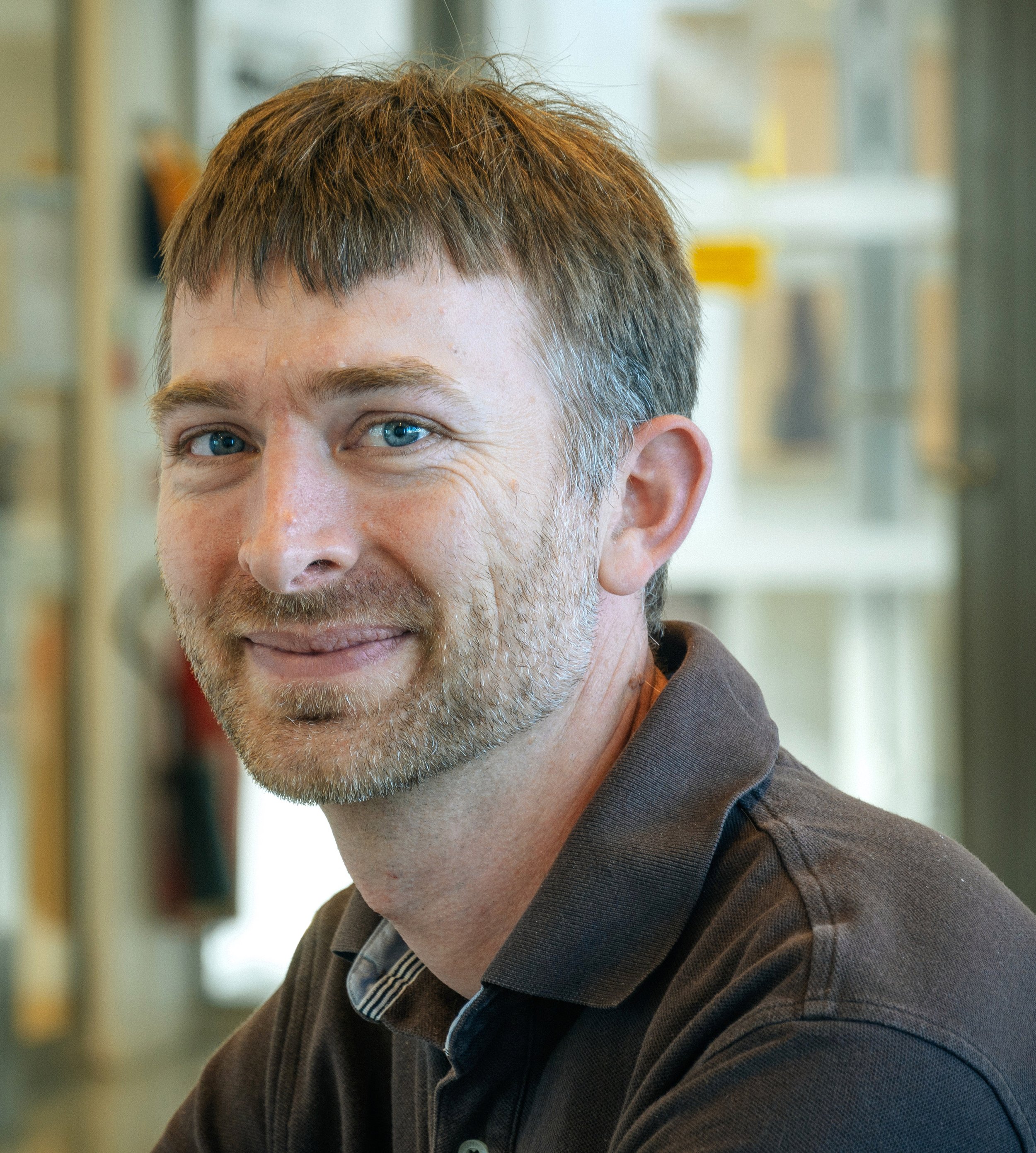
Chemistry of Life Theme: member of WG 1 – Structure, function and dynamics of macromolecular complexes, LINXS Fellow
Martin Bech, Associate professor at Medical Radiation Physics, Lund University, Sweden.
Chemistry of Life Theme: member of WG 1 – Structure, function and dynamics of macromolecular complexes, LINXS Fellow
Susanna Horsefield, Professor at Biochemistry and Structural Biology, Lund University, Sweden.
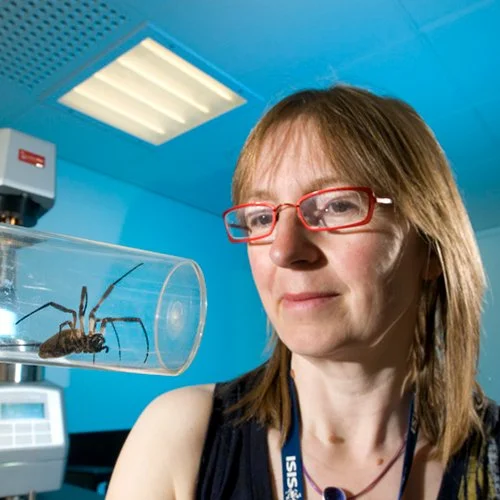
Chemistry of Life Theme: member of WG 1 – Structure, function and dynamics of macromolecular complexes, LINXS Fellow
Ann Terry, Researcher at MAX IV Laboratory, Lund University, Sweden.
Chemistry of Life Theme: member of WG 1 – Structure, function and dynamics of macromolecular complexes, LINXS Fellow
Timothy D. Craggs, Senior Lecturer in Biological Chemistry and Departmental Director of R&I, University of Sheffield, UK.

Chemistry of Life Theme: leader of WG 2 – Modulating the function and activity of both macromolecules and small molecules of life using chemical biology, LINXS Fellow
James Hodgkinson, Associate Professor of Chemistry and Chemical Biology, University of Leicester, UK.
Chemistry of Life Theme: leader of WG 2 – Modulating the function and activity of both macromolecules and small molecules of life using chemical biology, LINXS Fellow
Zoë Fisher, Group Leader for Deuteration and Macromolecular Crystallisation, European Spallation Source, Lund, Sweden.
Zoë joined the ESS in 2014 and is a senior scientist in the deuteration and macromolecular crystallization team at the ESS and holds an adjunct senior lecture position with the Biology Department at Lund University. Zoë’s background is in cell biology, molecular biology, physiology, and biochemistry with a strong emphasis on structural biology to study the structure and function of macromolecules. Her research interests are in the combination and application of using isotope labeling strategies for NMR, neutron and X-ray crystallography experiments to address mechanistic questions of how biomolecules work. This includes looking at how ligands bind and interact with the target molecules through hydrogen bonds, electrostatic/ionic interactions, and the role that water plays in binding interactions. The Chemistry of Life theme fits with her research interests in using structural data from neutron & X-ray crystallography to inform on the properties of small molecules (ligands/substrate/inhibitors/activators) than can modulate enzyme activity and/or protein structure.
Chemistry of Life Theme: member of WG 2 – Modulating the function and activity of both macromolecules and small molecules of life using chemical biology, Visiting Researcher at LINXS May-June 2024, LINXS Fellow
Richard Hopkinson, Associate Professor of Organic Chemistry at University of Leicester, UK.
Richard received his MCHEM degree (2003-2007) and his DPhil in organic chemistry (2007-2012) at the University of Oxford. His DPhil work focused on mechanistic studies on human histone demethylases, under the supervision of Professor Christopher Schofield FRS. He then undertook postdoctoral work (2011-2013) in the Schofield group in collaboration with Doctor Akane Kawamura and the Structural Genomics Consortium, Oxford, working on demethylase inhibition. In 2013, Richard was elected to the William R. Miller Junior Research Fellowship in Molecular Aspects of Biology at St. Edmund Hall, Oxford, where he initiated his research in formaldehyde biochemistry and biology. He has since continued this research at the University of Leicester, where he was appointed lecturer in chemical biology in 2017 and associate professor in chemical biology in 2022. Richard was awarded the Royal Society of Chemistry IBDG Young Investigator’s Award in 2018.
Chemistry of Life Theme: member of WG 2 – Modulating the function and activity of both macromolecules and small molecules of life using chemical biology, LINXS Fellow
Richard Doveston, Lecturer in Chemical Biology and Chemistry
Chemistry of Life Theme: member of WG 2 – Modulating the function and activity of both macromolecules and small molecules of life using chemical biology, LINXS Fellow
Ulf Nilsson, Professor at Centre for Analysis and Synthesis, Lund University, Sweden.
Chemistry of Life Theme: member of WG 2 – Modulating the function and activity of both macromolecules and small molecules of life using chemical biology, LINXS Fellow
Raminta Venskutonytė, Associate researcher at Medical Structural Biology, Lund University, Sweden.
Venskutonytė is working within the research group of Medical Structural Biology headed by Professor Karin Lindkvist. Her major area of expertise is X-ray crystallography, applied for structure-based drug design and other protein structure-function projects of medical interest. Raminta has previously worked at the University of Copenhagen, where she obtained her PhD in Structural biology and pharmacology as well as postdoctoral training within structural biology of ionotropic glutamate receptors.
Chemistry of Life Theme: member of WG 2 – Modulating the function and activity of both macromolecules and small molecules of life using chemical biology, LINXS Fellow
Glenn Burley, Professor of Chemical Biology at the University of Strathclyde
Chemistry of Life Theme: member of WG 2 – Modulating the function and activity of both macromolecules and small molecules of life using chemical biology, LINXS Fellow
Luca Laraia, Associate Professor at the Chemistry Department, Technical University of Denmark (DTU), Denmark.
Chemistry of Life Theme: working group leader of WG 3 – The Role of metals and small molecules in biology, LINXS Fellow
Hanna Kwon, Lecturer in Structural Biology, Department of Molecular and Cell Biology, University of Leicester
Chemistry of Life Theme: working group leader of WG 3 – The Role of metals and small molecules in biology, LINXS Fellow
Esko Oksanen, Scientific Project Leader of the NMX instrument at ESS and Visiting research fellow at Biochemistry and Structural Biology, Lund University, Sweden
Chemistry of Life Theme: member of WG 3 – The Role of metals and small molecules in biology, LINXS Fellow
Peter Moody, Professor of Structural Biology, Department of Molecular Cell Biology, University of Leicester, UK.
Chemistry of Life Theme: member of WG 3 – The Role of metals and small molecules in biology, LINXS Fellow
Philip Ash, Lecturer in Chemistry, School of Chemistry, University of Leicester, UK.
Chemistry of Life Theme: member of WG 3 – The Role of metals and small molecules in biology, LINXS Fellow
Thomas Ursby, Researcher & Team Manager at MAX IV Laboratory, Lund University, Sweden
Chemistry of Life Theme: member of WG 3 – The Role of metals and small molecules in biology, LINXS Fellow
Kajsa Sigfridsson Clauss, Researcher at MAX IV Laboratory, Lund University, Sweden
Chemistry of Life Theme: member of WG 3 – The Role of metals and small molecules in biology, LINXS Fellow
Ulf Ryde, Professor in Theoretical Chemistry, Lund University, Sweden.
Chemistry of Life Theme: member of WG 3 – The Role of metals and small molecules in biology, LINXS Fellow
Martin Högbom, Professor in Biochemistry, Stockholm University, Sweden.
fellows environment and climate

Environment and Climate Core Group leader, Coordinator of Working Group 3 – Nutrient cycles and land-water interactions, LINXS Fellow
Dimitrios Floudas, Associate Senior Lecturer at the Department of Biology, Lund University, Sweden.
Dr Floudas is an associate senior lecturer at the Department of Biology. His research focuses on the ability of filamentous fungi to decompose organic matter. His recent work includes the use of Raman micro spectroscopy and X-ray scattering in the degradation of cellulose by fungi and the use of NMR and X-ray scattering in the decomposition of dissolved organic matter by ectomycorrhizal and saprotrophic fungi and their impact on its colloidal properties. He is interested to further use X- ray and neutron scattering techniques to develop new protocols to visualize the structural and chemical transformations of organic matter ranging from intact materials such as plant cell walls to soil organic matter.

Environment and Climate Core Group member, Coordinator of Working Group 4 – Structures and environmental interfaces, LINXS Fellow
Milda Pucetaite, Researcher at the Department of Biology, Lund University, Sweden.
Dr Pucetaite is a researcher (PI) at the Department of Biology. Her work is focused on applications of advanced microspectroscopy techniques, including synchrotron radiation-based X-ray methods, for analysis of microbial chemistry in soils with the aim to better understand the mutual feedbacks between the microbe-driven processes and climate. She is a part of the working group focused on establishing an infrared microspectroscopy beamline MIRARI at MAX IV, where she is representing research communities working on the environment and climate related research.
Environment and Climate Core Group member, Coordinator of Working Group 2 – Human impact and pollution, LINXS Fellow
Axel Eriksson, Docent at the Department for Design Sciences, LTH Faculty of Engineering, Lund University, Sweden.
Dr Eriksson is a docent in aerosol technology employed by the Department for Design Sciences at LTH. He has extensive experience in physicochemical characterization of aerosol particles, some experience with X-rays (time resolved, field deployable ED-XRF and synchrotron based in-situ XPS), a passion for environmental science, and a keen interest in combining the three. Eriksson specializes in “in-situ” measurements in which airborne particles are studied in their suspended state.
Environment and Climate Core Group member and Coordinator of Working Group 2 – Human impact and pollution, LINXS Fellow
Nønne Prisle, Professor in Atmospheric Sciences and Director of the Center for Atmospheric Research, University of Oulu, Finland.
Atmospheric sciences, experimental, theoretical and computational physics, chemistry & thermodynamics. Research focus on aerosol nano-particles, interfacial water, cloud microphysics, air pollution & climate.
Environment and Climate Core Group member and Coordinator of Working Group 4 – Structures and environmental interfaces, LINXS Board Member and Fellow
Ulf Olsson, Professor at Physical Chemistry, Lund University, Sweden.
Environment and Climate Core Group member and Coordinator of Working Group 3 – Nutrient cycles and land-water interactions, LINXS Fellow
Per Persson, Head of department and Professor at the Centre for Environmental and Climate Science (CEC), Lund University, Sweden.

Environment and Climate Core Group member, Coordinator of Working Groups 2 – Human impact and pollution and 4 –Structures and environmental interfaces, LINXS Fellow
Edith Hammer, Senior Lecturer at the Department of Biology and at the Center for Environmental and Climate Science, Lund University, Sweden.
Dr Hammer is a senior lecturer at the Department of Biology and the Center for Environmental and Climate Science, LU, with a strong interest in understanding microscale processes in the carbon cycle in soils, nutrient processes at the interface of organisms and soil, and the impact of pollutions to ecosystems. She has experience as a user with STXM, μXRF and XANES measurements. Dr Hammer is a Theme leader and board member of the strategic research environment BECC and has in this role been co-organizing workshops and information symposia aimed at new synchrotron users since 2016.
Environment and Climate Core Group member, Coordinator of Working Group 1 – Environmental archives, LINXS Fellow
Helena Filipsson, Professor at the Department of Geology, Lund University, Sweden.
Prof Filipsson is a professor at Quaternary Sciences. Her research focuses on past and present marine environments and their relation to climate and climate change over the last 130 000 years. This research further includes the study of the interactions between land, sea, and atmosphere. The main tools used in her research are marine sediments with their contents of different microorganisms combined with instrumental hydrographic time series and process-oriented modelling. Her research further addresses proxy calibration and validation both through experimental and field studies, i.e., improve the tools we use to reconstruct the past. She is increasingly using synchrotron-based methods, μXRF and μCT, both within proxy development and to generate time series of environmental change.
Member of the Environment and Climate Theme International Advising Committee, LINXS Fellow
Ralf Schweins, Researcher, Institut-Laue Langevin, Grenoble, France
Environment and Climate Core Group member and Coordinator of Working Group 1 – Environmental Archives, LINXS Fellow
Behnaz Pirzamanbein, Assistant professor, Department of Statistics, Lund University, Sweden
Member of the Environment and Climate Theme International Advising Committee and WG 1 – Environmental Archives, LINXS Fellow
Andrea Somogyi, Group Leader, SOLEIL synchrotron, France.
Member of the Environment and Climate Theme International Advising Committee and Working Group 3 – Nutrient cycles and land-water interactions, LINXS Fellow
Marco Keiluweit, Associate Professor, Faculty of Geosciences and Environment at University of Lausanne, Switzerland.

Member of the Environment and Climate Theme International Advising Committee and Working Group 3 – Nutrient cycles and land-water interactions, LINXS Fellow
Barry Goodell, Professor, Department of Microbiology, University of Massachusetts Amherst, US.
Environment and Climate: member of Working Group 1 – Environmental archives, LINXS Fellow
Dan Hammarlund, Professor, Department of Geology, Lund University, Sweden.
Environment and Climate: member of Working Group 1 – Environmental archives, LINXS Fellow
Gerhard Schmeidl, Professor in Micropaleontology, Institute for Geology, University of Hamburg, Germany

Environment and Climate: member of Working Group 1 – Environmental archives, and Visiting researcher of WG 1 – Environmental archives in June 2025, LINXS Fellow
Constance Choquel, Lecturer at the Mediterranean Institute of Oceanography (M.I.O), Aix-Marseille University, France
As a researcher in the Environmental Archives Group, I specialize in using X-ray microtomography (µCT) to create high-resolution 3D reconstructions of calcareous unicellular eukaryotes, specifically foraminifera. My work focuses on analyzing shell morphology as a sensitive bioindicator of three key environmental stressors: hypoxia, ocean warming, and acidification.
Environment and Climate: member of Working Group 1 – Environmental archives, LINXS Fellow
Sanna Alwmark, Associate Senior Lecturer, Department of Geology, Lund University, Sweden.
Environment and Climate: member of Working Group 2 – Human impact and pollution, LINXS Fellow
Erik Swietlicki, Professor at Nuclear Physics, Lund University, Sweden.
Member of the Environment and Climate Theme International Advising Committee and Working Group 2 – Human impact and pollution, LINXS Fellow
Sascha Oswald, Professor, Institute of Environmental Science and Geography, University of Potsdam, Germany.
Environment and Climate: member of Working Group 2 – Human impact and pollution, LINXS Fellow
Maria Hansson, Senior lector at the Centre for Environmental and Climate Science (CEC), Lund University, Sweden
Environment and Climate: member of Working Group 2 – Human impact and pollution, LINXS Fellow
Johan Friberg, Associate senior lecturer, Nuclear Physics, Lund University, Sweden
Environment and Climate: member of Working Group 2 – Human impact and pollution, LINXS Fellow
Joakim Pagels, Senior lecturer and Associate Professor, Ergonomics and Aerosol Technology, Lund University, Sweden
Environment and Climate: member of Working Group 2 – Human impact and pollution, LINXS Fellow
Moa Sporre, Senior lecturer, Nuclear physics, Lund University, Sweden
Environment and Climate: member of Working Group 2 – Human impact and pollution, LINXS Fellow
Jenny Rissler, Senior lecturer at Ergonomics and Aerosol Technology, Lund University, Sweden
Environment and Climate: member of Working Group 3 – Nutrient cycles and land-water interactions, LINXS Fellow
Karina Engelbrecht Clemmensen, Lecturer, Forest Mycology and Plant Pathology, Swedish University of Agricultural Sciences, Sweden.
Environment and Climate: member of Working Group 3 – Nutrient cycles and land-water interactions, LINXS Fellow
Emma Kritzberg, Associate professor, Department of Biology, Lund University, Sweden.
Environment and Climate: Visiting researcher of WG 3 - Nutrient Cycles and Land-Water Interactions, and WG 4 - Structures and Environmental Interfaces (November 2025 and May 2026), and member of Working Group 3 – Nutrient cycles and land-water interactions, LINXS Fellow
Lars Tranvik,Professor of Limnology, Department of Ecology and Genetics, Uppsala University, Sweden
Environment and Climate: member of Working Group 3 – Nutrient cycles and land-water interactions, LINXS Fellow
Jeffrey Hawkes, Researcher, Department of Chemistry – BMC, Uppsala University, Sweden
Environment and Climate: member of Working Group 3 – Nutrient cycles and land-water interactions, LINXS Fellow
Leonidas Matsakas, Associate Professor, Department of Civil, Environmental and Natural Resources Engineering, Luleå University of Technology, Sweden
Environment and Climate: member of Working Group 3 – Nutrient cycles and land-water interactions, LINXS Fellow
Gry Lyngsie, Postdoctoral Researcher, Department of Science and Environment, Roskilde University, Denmark.
Fellows heritage science

Heritage Science Core Group leader and WG 2: Conservation leader, LINXS Fellow
Mikael Fauvelle, Researcher at the Archaeology Department, Lund University, Sweden.
Mikael Fauvelle is an archaeologist interested in the origins of complex economic systems. His research focuses on understanding how technological innovation spurred the development of long-distance trade networks and facilitated the formation of systems of social inequality. To map ancient exchange systems, he has employed non-destructive scientific methods including infrared spectrometry, pXRF, and synchrotron XRF. He is currently the director of the Complex Canoes project, which is using new scientific methods including SXRF to study museum collections of Bronze Age sewn plank boats. Other recent projects include research on the origins of money, trade systems in ancient Mesoamerica, and long-term resilience in maritime hunter-gatherer societies.
Heritage Science Core Group member and WG 1: Fieldwork and Collections leader, LINXS Fellow
Björn Nilsson, Head of Department at the University Museum of Bergen, Norway.
Dr Nilsson is a landscape and marine archaeologist with extensive experience in scientific and public strategies for contracting archaeology and cultural heritage. Nilsson is the Head of Department at the University Museum of Bergen. He was previously the scientific coordinator of LUARCH, a novel infrastructure linking archaeology to LU’s scientific laboratories, leader of the VR-funded project ‘Blue Archaeology’.
Heritage Science Core Group member and WG 3: Advancing Analysis leader, LINXS Fellow
Susan Nehzati, Beamline scientist, Diamond Light Source, United Kingdom.
Dr. Nehzati is a chemist and beamline scientist at Diamond Light Source in the United Kingdom. She has expertise in using synchrotron X-ray characterisation methods on complex natural samples to advance the molecular understanding on how living and non-living material have been influenced by their environment. Her research interests span from the present to deep time in the area of biogeochemistry.
Heritage Science Core Group member and WG 4: Quantitative Methods leader, LINXS Fellow
Anna Fedrigo, Imaging Beamline Scientist, Institut Laue-Langevin, France
Dr Fedrigo is a heritage scientist and physicist working as imaging beamline scientist at the Institut Laue-Langevin in Grenoble, France. Her expertise focuses on the application of X-ray and neutron techniques in Heritage Science, spanning from tomography to other non-destructive elemental and compositional techniques for material characterisation. She is currently supervising a project 11 on the investigation of looted metal artefacts from Iran using neutron and lab-based techniques.

LINXS Heritage Science Core Group member and WG 5: Visualisation leader, Visiting Researcher at LINXS October 2024, LINXS Fellow
Lucia Mancini, Senior Researcher at the Department of Materials, ZAG (Slovenian National Building and Civil Engineering Institute, Slovenia.
Dr Mancini is a physicist and senior researcher presently working in the Department of Materials of ZAG (Slovenian National Building and Civil Engineering Institute) in Ljubljana. Since 1995, she has been working in the field of synchrotron- and lab-based 2D/3D/4D X-ray imaging using non-destructive approaches. During the last 21 years, she has worked as beamline scientist at the Elettra synchrotron in Trieste (Italy) where she acquired extensive experience in the application of X-ray computed tomography techniques to natural and cultural heritage studies.
Heritage Science Core Group member and WG 6: Communication leader, LINXS Fellow
Courtney Nimura, Museum Curator, Ashmolean Museum of Art and Archaeology, University of Oxford, UK.
Dr Nimura is an archaeologist and museum curator at the Ashmolean Museum of Art and Archaeology, University of Oxford, UK. She specialises in the material culture of the European Bronze and Iron Ages and regularly applies scientific analysis to improve her understanding of the source, composition, and extended biographies of the objects in the Ashmolean’s collection. She is currently the Co-I on a UK Research and Innovation-funded project that explores the use of PIXE analysis on artefacts with pigments.
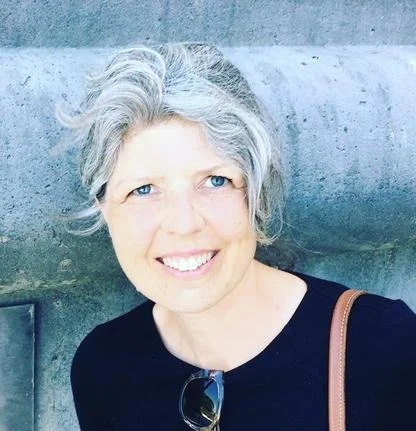
Heritage Science Theme: member of WG 2–Conservation, and WG 4–Quantitative methods, LINXS Fellow
Helena Berg, Conservation Scientist and Lecturer in Conservation, Department of Conservation, Gothenburg University, Sweden.
Dr Berg has a PhD in Inorganic chemistry from Uppsala University and a bachelor’s degree in Conservation from University of Gothenburg.
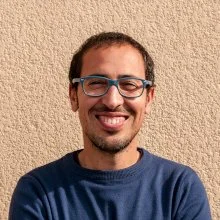
Heritage Science Theme: member of WG 1–Fieldwork & Collections, and WG 5–Visualisation, LINXS Fellow
Federico Bernardini, Research Fellow, Department of Humanistic Studies of Ca’ Foscari University, Venice, Italy.
Dr Bernardini is an archaeologist with extensive experience in the application of scientific methods to archaeology to study and characterise ancient materials and investigate past landscapes. He has got a PhD in Ancient History with Prehistoric specialization from Trieste University in Italy, and research interests include applications of X-ray computed microtomography (microCT) for the 3D non-destructive characterization of archaeological, paleoanthropological and paleontological materials.
Heritage Science Theme: member of WG 1–Fieldwork & Collections, and WG 2–Conservation, LINXS Fellow
Adam Boethius, Researcher at Historical Osteology, Department of Archaeology and Ancient History, Lund University, Sweden.
Dr Boethius has a PhD in Archaeology from Lund University. His research interests include studies of how climate and human activities impact archaeological sites.

Heritage Science Theme: member of WG 2–Conservation and WG 3–Advancing Analysis, LINXS Fellow
Peter Bray, Research Fellow, Department of Archaeology, University of Reading, UK.
Dr Bray’s research links the chemical analysis of metal objects with human history. He is currently a visiting researcher at the Science Department at the British Museum and lead scientist of the Microwave Plasma-Atomic Emission Spectrometry (MP-AES) Research Group.
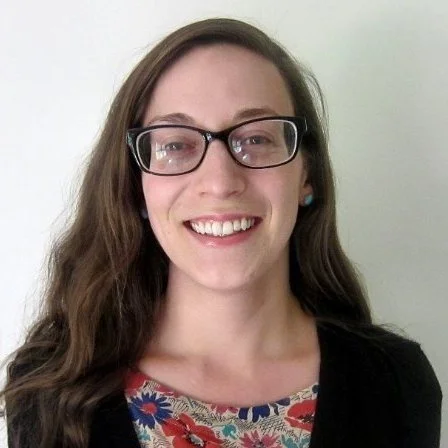
Heritage Science Theme: member of WG 2–Conservation and WG 4–Quantitative Methods, LINXS Fellow
Elyse Canosa, Project Advisor, Swedish National Heritage Board.
Dr Canosa’s work focuses on developing novel preservation techniques in the fields of corrosion, nanostructured metals, surface science, and cultural heritage. She holds a PhD in Materials Science and Engineering from University of Arizona, US and has extensive experience with several analytical techniques such as X-ray fluorescence (XRF), Fourier transform infrared spectroscopy (FTIR) and Raman spectroscopy.
Heritage Science Theme: member of WG 4–Quantitative Methods, LINXS Fellow
Carlo Cazzaniga, Beamline Scientist, ISIS Neutron and Muon Source, UK.
Dr Cazzaniga received his Ph.D. degree in physics from the University of Milano Bicocca Italy, in 2014, and is currently working as a beamline scientist at the ISIS Neutron and Muon Source. At ISIS, he is responsible for a neutron beam called ChipIr that can be used for irradiation of microelectronics.
Heritage Science Theme: member of WG 2–Conservation, LINXS Fellow
Lovisa Dal, Deputy Museum Director, Lund Historical Museum, Sweden.
Dal is specialized in preserving archaeological materials and dedicated to the conservation of water-drained organic materials, such as wood, leather, textile and wickerwork. She has previously been employed as a conservator at the Vasamuseet where she took part of the research group who examined the acidification in the ship's wood, and used synchrotron sources at Stanford University. Dal is also member of the board of Swedish ICOM (International Council of Museums).
Heritage Science Theme: member of WG 5–Visualisation, LINXS Fellow
Nicolo Dell’Unto, Professor of Digital Archaeology and scientific coordinator for the Digital Archaeology Laboratory DARKLab, Lund University, Sweden.
Dr Dell’Unto is a Professor at the Department of Archaeology and Ancient History at Lund University, and is part of several international projects for 3D documentation and visualisation of archaeological sites through the use of digital techniques. His current research focus on the investigation of new methodologies for 3D documentation, visualisation and analysis of intra-site excavation activities. Dell’Unto is the scientific coordinator of the Laboratory for Digital Archaeology DARKLab. Since August 2019, he has been visiting Professor at the Department of Collection Management at the Museum of Cultural History, University of Oslo.
Heritage Science Theme: member of WG 3–Advancing Analysis, WG 4–Quantitative Methods, and WG 5–Visualisation, LINXS Fellow
Lambert van Eijck, Assistant professor at Delft University of Technology, Netherlands
Dr van Eijck uses neutron tomography and neutron scattering for 3D cultural heritage objects. Other methods include gamma spectroscopy and Design and realisation and exploitation of novel instrumentation using non-invasive probes like neutrons.
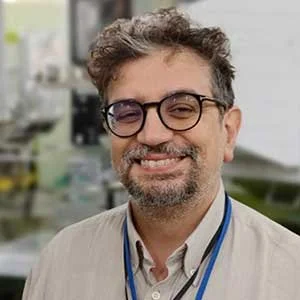
Heritage Science Theme: member of WG 4–Quantitative Methods, and WG 5–Visualisation, LINXS Fellow
Francesco Grazzi, Senior Researcher, “Nello Carrara” Institute of Applied Physics, Italian National Research Council
Heritage Science Theme: member of WG 2–Conservation, LINXS Fellow
Marei Hacke, Scientist, Department of Conservation, Swedish National Heritage Board.
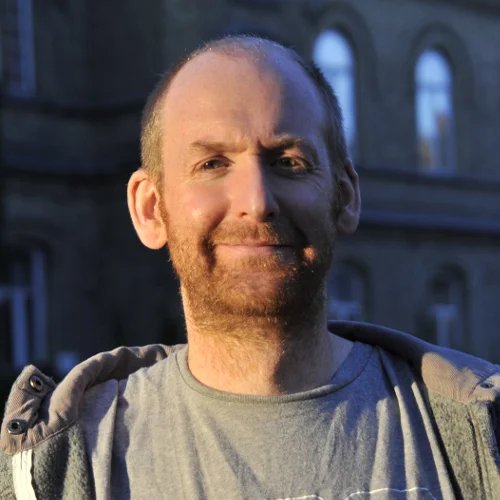
Heritage Science, Member of WG 2 – Conservation and WG 4 – Quantitative Methods, LINXS fellow
Stephen Hall, Associate professor at the Dept. of Solid Mechanics at the Faculty of Engineering (LTH), where he is also in charge of the 4D-Imaging Lab x-ray tomography facility. Came to Sweden in 2011 after moving from Laboratoire 3R in Grenoble, France.
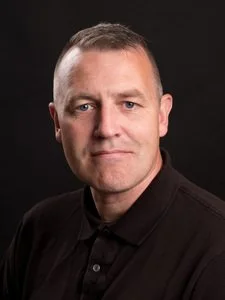
Heritage Science, Member of WG 1 – Fieldwork & Collections and WG 2 – Conservation LINXS fellow
Mikael Henriksson, Curator, Blekinge Museum, Sweden
Heritage Science, Member of WG 1 – Fieldwork & Collections, LINXS fellow
Peter Jordan, Professor of Archaeology, Lund University, Sweden
Heritage Science, Member of WG 1 – Fieldwork & Collections and WG 2 – Conservation LINXS fellow
Johan Linderholm, Senior Lecturer and Docent, Umeå University
Heritage Science, Member of WG 3 – Advancing Analysis and WG 6– Communication, LINXS fellow
Mette Løvschal, Professor in Archaeology at Aarhus University & Moesgaard Museum, Denmark
Dr Mette Løvschal is a landscape archaeologist and specialized in questions of land use change and persistence in Bronze Age and Early Iron Age Northwestern Europe and how. She is currently leading the ERC-financed research project ANTHEA on the prehistoric anthropogenic heathlands in Northern Europe as a form of shared cultural and natural heritage.
Heritage Science, Member of WG 3 – Advancing Analysis, LINXS fellow
Alessia Nava, Senior Curator, Krapina Neanderthal Anthropological & Casts Collection, Department of Geology and Paleontology, Croatian Natural History Museum
Heritage Science, Member of WG 3 – Advancing Analysis and WG 4 – Quantitative Methods, LINXS Fellow
Rajmund Mokso, senior scientist and professor at the MAX IV Laboratory (Lund University), and honorary professor at the Technical University of Denmark.
Dr Mokso is a specialist in X-ray physics with emphasis on the enhancement of X-ray imaging for biology and material science applications: development and applications of coherent imaging with improved temporal and spatial resolution.
Heritage Science, Member of WG 3 – Advancing Analysis and WG 4 – Quantitative Methods, LINXS Fellow
Antonella Scherillo, Beamline Scientist, ISIS Neutron and Muon Source
Heritage Science, Member of WG 1 – Fieldwork & Collections, and WG 3 – Advancing Analysis, LINXS Fellow
Amy Styring, Associate Professor in Archaeological Science, School of Archaeology, University of Oxford
Heritage Science, Member of WG 3 – Advancing Analysis, LINXS Fellow
Kajsa Sigfridsson Clauss, Beamline Scientist at MAX IV Laboratory, Lund University, Sweden.
Dr Sigfridsson Clauss is a hard X-ray spectroscopist with a multidisciplinary background working as a beamline scientist at the Balder beamline at MAX IV Laboratory, Lund University, Sweden. The master in molecular biology at Lund University, was followed by a PhD in Chemistry (Molecular Biomimetics) at Uppsala University in the group of Prof. Styring where she focused on the natural photosynthesis in particular the water-splitting intermediates in Photosystem II. X-ray spectroscopy became the main technique after three intense years postdoc, investigating several biocatalyst (enzyme) systems with XAFS and XES at the Department of Experimental Physics, Freie Unviersität Berlin, Germany, in the group of Dr. M. Haumman/Prof. H. Dau. Thereafter, she returned to Lund, to a postdoc position at the XAFS beamline I811, MAX-lab, serving a broad user community. Since 2016, as part of the Balder team, she has been building, commissioning and operating Balder with emphasis on sample environments for radiation sensitive samples (cryostat and microfluidics). She is presently holding a SSF grant for developing a microfluidic flowcell platform (AdaptoCell) for studies of proteins to MAX IV users at Balder/CoSAXS/MicroMAX.
Heritage Science, Member of WG 3 – Advancing Analysis, and WG 4 – Quantitative Methods LINXS Fellow
Dr Schillinger currently works at the Forschungs-Neutronenquelle Heinz Maier-Leibnitz (FRM II), Technische Universität München. He is instrument scientist for the neutron imaging facility ANTARES, the facility with the brightest and best collimated beam world-wide. Burkhard does research in Experimental Physics, Materials Science and Nuclear Physics. Current projects include 'Humidity Transport in Insulations', fossils in irion 'red beds', namely hearing capabilities in Therapsids/pre-mammals, detector design and neutron imaging facility design as advisor for many international faacilities.
Heritage Science, Member of WG 5 – Visualisation, and WG 6 – Communication, LINXS Fellow
Vivi Vajda, Professor and Head of Department of Paleobiology, Swedish Museum of Natural History
Heritage Science, Member of WG 2 – Conservation, and WG 5 – Visualisation, LINXS Fellow
Alberto Viani, Researcher, Slovenian National Building and Civil Engineering Institute, Ljubljana, Slovenia.
Fellows Legacy Imaging
Former LINXS Co-Director and Food WG 3 member, LINXS fellow
Associate professor at the Dept. of Solid Mechanics at the Faculty of Engineering (LTH), where he is also in charge of the 4D-Imaging Lab x-ray tomography facility. Came to Sweden in 2011 after moving from Laboratoire 3R in Grenoble, France.
IPDD WG 3 member and Imaging Core Group Member, LINXS Fellow
Rajmund is a senior scientist, professor at the MAX IV Laboratory (Lund University) and an honorary professor at the Technical University of Denmark. He is a specialist in X-ray physics with emphasis on the enhancement of X-ray imaging for biology and material science applications: development and applications of coherent imaging with improved temporal and spatial resolution.

X-ray and neutron imaging applications in soil science Working group member, LINXS Fellow
Edith Hammer, Associate Senior Lecturer in Microbial Ecology, Dept. of Biology and Centre for Environmental and Climate research (CEC), Lund University. Edith is a soil ecologist with special interest in soil structure and processes at micro-scale, and how synchrotron-based micro- and nano-spectroscopy can serve in their analysis. She develops microfluidic experimental units for questions in soil microbial ecology.
X-ray and neutron imaging applications in soil science Working group member, LINXS Fellow
Milda Pucetaite, Postdoctoral Fellow in CEC, Lund University. Milda is interested in studying dynamic processes of soil aggregation by means of different spectroscopic techniques including synchrotron radiation based X-ray microspectroscopy (STXM, XRF, XANES/EXAFS).
Board Chair
Pro-Dean at the Faculty of Science and Professor in Microbial Ecology, Dept. of Biology, Lund University. He is also leading a large Wallenberg foundation project ‘Molecular Interactions Controlling Soil Carbon Sequestration (MICCS)’ major part of which is taking use of such cutting-edge analytical techniques as X-ray and neutron imaging.
Imaging Core Group Member, LINXS Fellow
Prof. Jacobsen is the head of the X-ray Science Division at the Argonne National Laboratory and a Professor at the Department of Physics and Astronomy at Northwestern University. With his team, he is focused on developing new methods in x-ray microscopy, and applying them to interesting problems in biology, environmental science, and materials science.
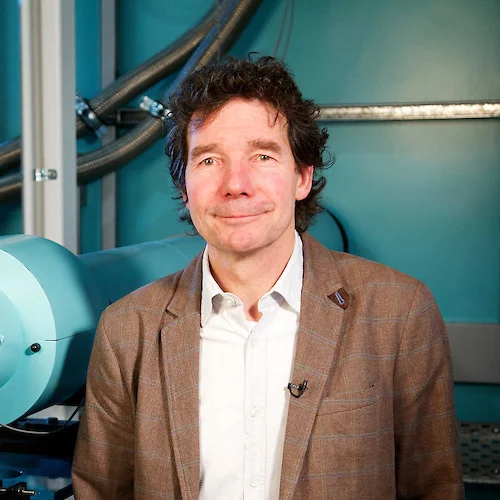
Opportunities in Imaging Working Group member, LINXS Fellow
David Paterson led the development of the Australian Synchrotron’s X-ray Fluorescence Microscopy beamline and has more than two decades of experience in synchrotron radiation research.David has a passionate interest in using X-ray fluorescence microscopy to improve our lives particularly in the fields of environmental science and new materials research.
His research interests are focused on disruptive technology in X-ray fluorescence microscopy, particularly detector and data acquisition schemes. He has fostered and promoted the R&D100 awarded Maia detector at the Australian Synchrotron.
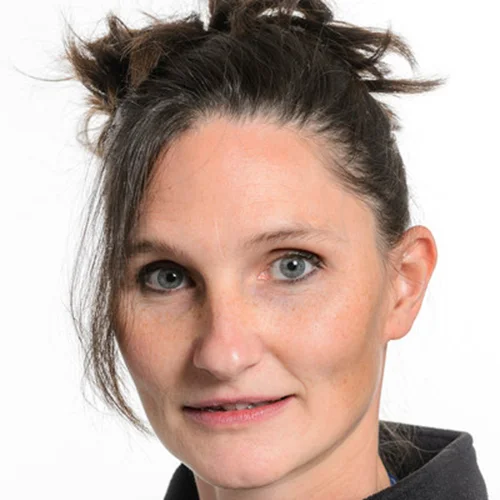
Opportunities in Imaging Working Group member, LINXS Fellow
Karina Thånell is the project manager and scientist for the SoftiMAX beamline at MAX IV Laboratory, Lund University. Her interests lie in Scanning transmission X-ray Microscopy techniques using soft x-rays (up to 2.5 keV), including fluorescence methods, and coherence based imaging, such as ptychography and holography. The beamline is currently being constructed and will be available for users in 2019.
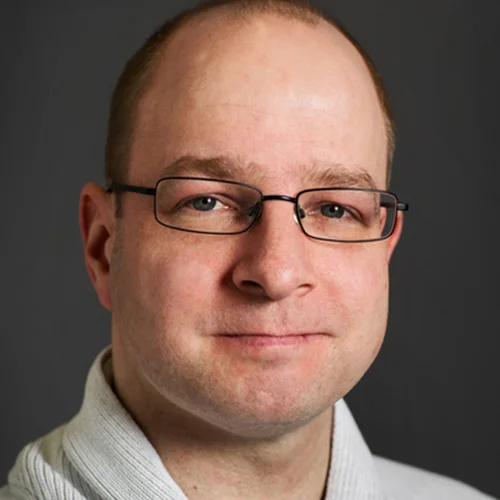
Opportunities in Imaging Working Group member, LINXS Fellow
Beamline scientist at CXI at MAX IV, Lund University.
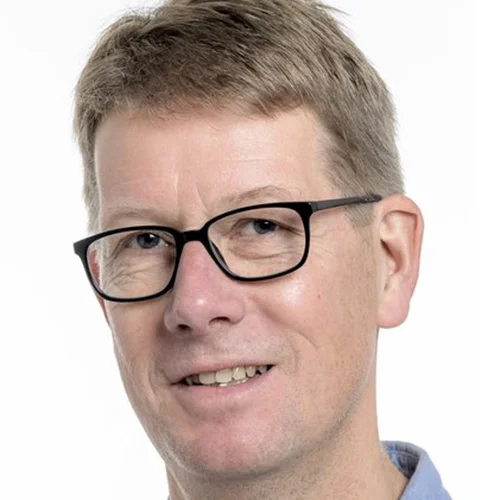
Opportunities in Imaging Working Group member, LINXS Fellow
Project manager at the NanoMAX beamline at MAX IV, Lund University.
GeoArCH Working group member, LINXS Fellow
Björn Nilsson is a landscape and marine archaeologist with extensive experience of scientific and public strategies for contracting archaeology and culture heritage. Nilsson is a researcher at the Department of Archaeology and Ancient History at Lund University and scientific coordinator of LUARCH, a novel infrastructure linking archaeology to LU’s scientific laboratories, leader of the VR-funded project ”Blue Archaeology” which integrates submerged cultural and natural heritage, and a member of DARKLab, a digital archaeological research group at LU.
GeoArCH Working group member, LINXS Fellow
Lovisa Dal is conservator at Lund University History Museum. Dal is specialized in preserving archaeological materials and dedicated to the conservation of water-drained organic materials, such as wood, leather, textile and wickerwork. She has previously been employed as a conservator at the Vasamuseet where she took part of the research group who examined the acidification in the ship's wood, and used synchrotron sources at Stanford University. Dal is also member of the board of Swedish ICOM (International Council of Museums).
GeoArCH Working group member, LINXS Fellow
Mikael Calner is a Professor at Lithosphere and Biosphere Science and Head of Geology Department, Lund University. Mikael is a specialist in sedimentary geology, sequence stratigraphy, and palaeoecology, and utilise fossil sediments and geochemistry to study the interplay of global change in climate, sea level and biodiversity (minor and mass extinctions).
GeoArCH Working group member, LINXS Fellow
Lucia Mancini is a senior beamline scientist in the SYRMEP group at Elettra - Sincrotrone Trieste, Italy. Lucia’s has a long experience in X-ray and neutron 3D imaging techniques with main applications in materials and Earth sciences. She has also a strong expertise in the field of quantitative analysis of tomographic data.
GeoArCH Working group member, LINXS Fellow
Burkhard Schillinger currently works at the Forschungs-Neutronenquelle Heinz Maier-Leibnitz (FRM II), Technische Universität München. He is instrument scientist for the neutron imaging facility ANTARES, the facility with the brightest and best collimated beam world-wide. Burkhard does research in Experimental Physics, Materials Science and Nuclear Physics. Current projects include 'Humidity Transport in Insulations', fossils in irion 'red beds', namely hearing capabilities in Therapsids/pre-mammals, detector design and neutron imaging facility design as advisor for many international faacilities.
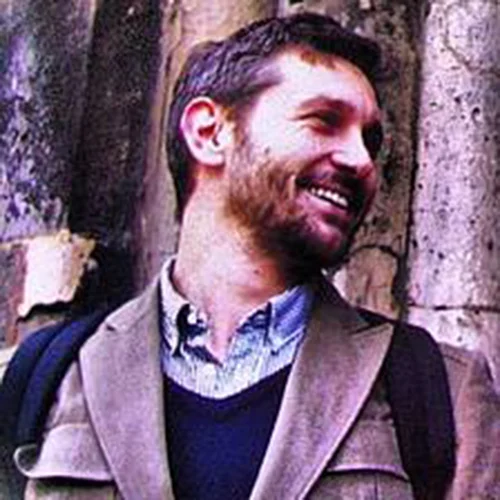
GeoArCH Working group member, LINXS Fellow
Nicolo ́Dell’Unto is an associate professor at the Department of Archaeology and Ancient History at Lund University, and is part of several international projects for 3D documentation and visualisation of archaeological sites through the use of digital techniques. His current research focus on the investigation of new methodologies for 3D documentation, visualisation and analysis of intra-site excavation activities. Dell’Unto is the scientific coordinator of the Laboratory for Digital Archaeology DARKLab .
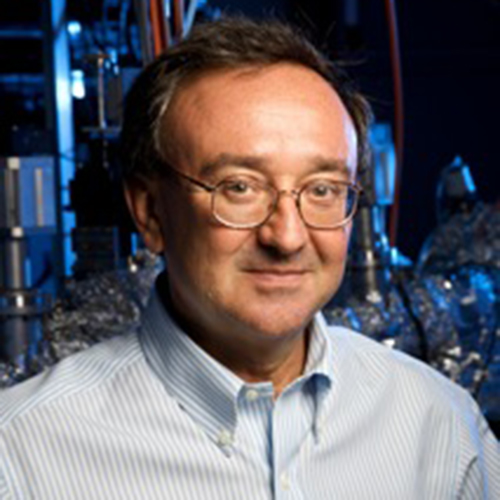
GeoArchaeology Working group member, LINXS Fellow
Franco Zanini is beamline scientist at SYRMEP, the X-ray microimaging and microtomography beamline of Elettra -Sincrotrone Trieste (Italy), and is the Cultural Heritage Project Leader of the Facility. He is also Adjoint Professor of Chemistry of Cultural Heritage, the Postgraduate School of Archaeology of the University of Trieste.
X-ray and neutron imaging applications in soil science Working group member, LINXS Fellow
Per Persson, Professor in CEC and Dept. of Biology, Lund University. The main objective of Per’s research is to provide fundamental understanding of chemical speciation, mechanisms and rate of reactions in the inherently heterogeneous aquatic and terrestrial environments. This is accomplished by a combination of techniques including infrared and Raman spectroscopy, synchrotron-based X-ray absorption spectroscopy, X-ray photoelectron spectroscopy, infrared microspectroscopy and imaging, and wet-chemical and theoretical methods.
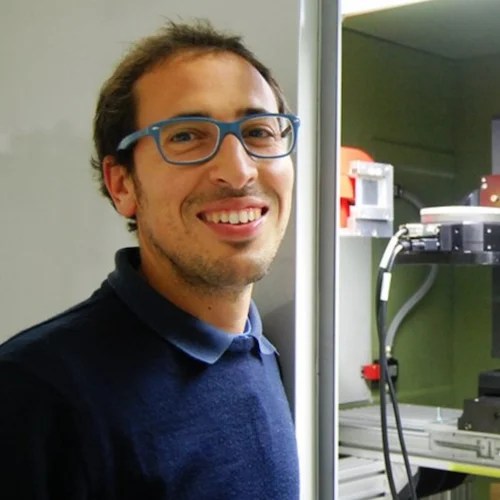
GeoArCH Working group member, LINXS Fellow
Federico Bernardini is an archaeologist with extensive experience in the application of scientific methods to archaeology to study and characterise ancient materials and investigate past landscapes. He is currently holding a position as researcher at the Centro Fermi (Rome) and at the Multidisciplinary Laboratory of the Abdus Salam International Centre for Theoretical Physics (ICTP, Trieste), where he coordinates the ICTP-Elettra laboratory for cultural heritage and archaeology.
X-ray and neutron imaging applications in soil science Working group member, Internal LINXS Fellow
Dimitrios Floudas, Researcher in Dept. of Biology, Lund University. His research interests are centered on the mechanisms fungi use to transform and decompose organic matter and the evolutionary processes that have shaped those mechanisms. The use of advanced techniques could shed light in processes, such as organic matter decomposition, that play tremendous role in global carbon cycling.
X-ray and neutron imaging applications in soil science Working group member, Internal LINXS Fellow
Luigi Gentile is a researcher at the Biology Department (The MEMEG Unit) of Lund University. His research interests are focused on characterization of soil organic matter and its fungal degradation by means of scattering and spectroscopic techniques. He is experienced in small angle light, X-ray and Neutron scattering.
X-ray and neutron imaging applications in soil science Working group member, Internal LINXS Fellow
Michiel Op De Beeck, Researcher at the Dept. of Biology, Lund University. Michiel is a microbiologist with an interest in soil microbial ecology. He employs both infrared microspectroscopy and synchrotron-based X-ray microscopic imaging techniques to study details of the interactions between soil microbes and their environment in situ and at a single cell level.
IPDD WG 3 member and Opportunities in Imaging Working Group member, LINXS Fellow
Martin Bech is Senior Lecturer at the division of Medical Radiation Physics, Clinical Sciences, Lund University. He is interested in X-ray phase contrast and dark-field imaging using grating interferometer, Soft tissue biomedical imaging, Micro-CT imaging using synchrotron radiation and x-ray tubes.
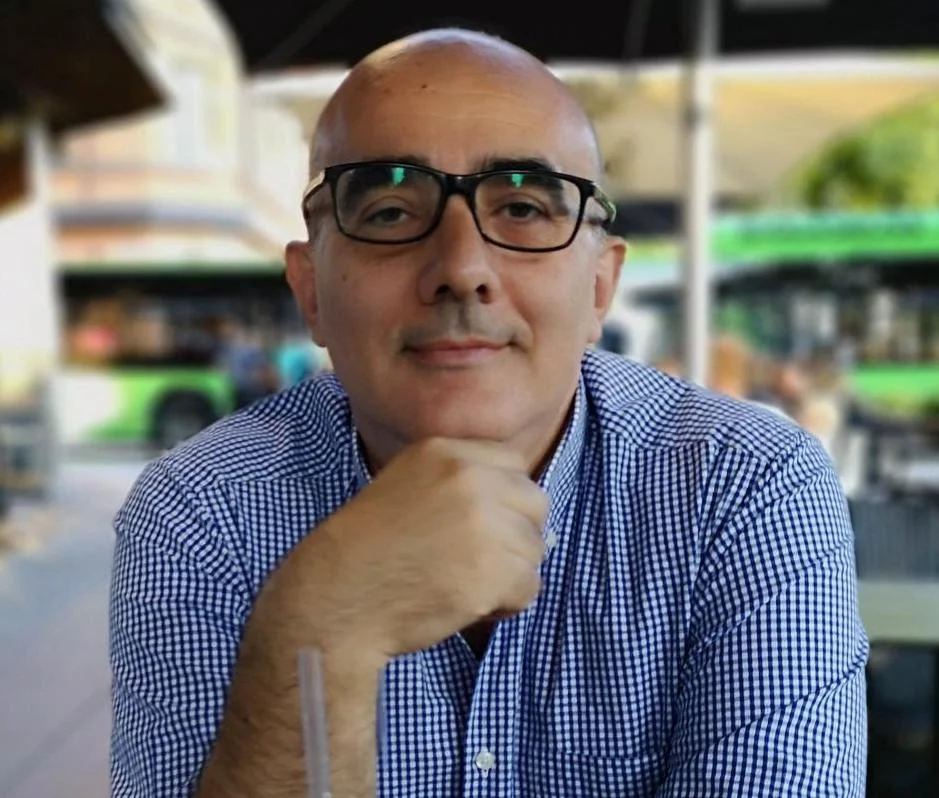
Imaging Working group member, LINXS Fellow
Gaetano Perchiazzi is the director of Respiratory Research at the Hedenstierna Laboratory of Uppsala University, is a medical doctor, specialist in Anesthesia and Intensive Care Medicine; has a PhD in Clinical Physiology on the use of artificial intelligence for extracting information from lung mechanics. Has developed methods for the topographic description of lung elasticity, strain and mechanical energy using computed tomography in animals and humans. He has been principal investigator in different scientific expeditions at the European Synchrotron Radiation Facility (Grenoble, France) for experiments aiming at imaging the micromechanics of lung alveoli in vivo, in conditions simulating clinical mechanical ventilation.
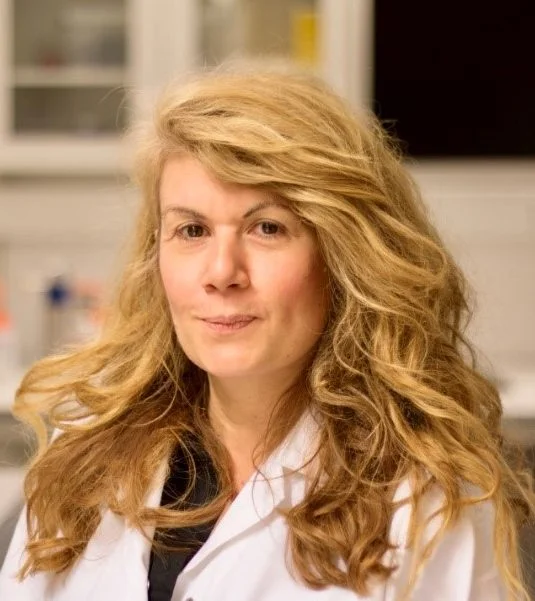
Former Food Core Group Leader & Imaging Working Group Member, LINXS Fellow
Selma Maric, together with Tommy Nylander, launched the Northern Lights on Food initiative, which is now on the way to establish itself into an international network to increase the use of large-scale facilities in food science and food processing. As the Industrial relations Officer at MAX IV Selma is responsible for the areas of life science and soft matter which include food science. Her research has focused on the development of methods for the use of X-ray and neutron-based techniques within life science which has included studies of various lipid-protein assemblies related to both infectious and lifestyle and food-related diseases such as e.g. atherosclerosis. SM will coordinate WG5. Food and health.
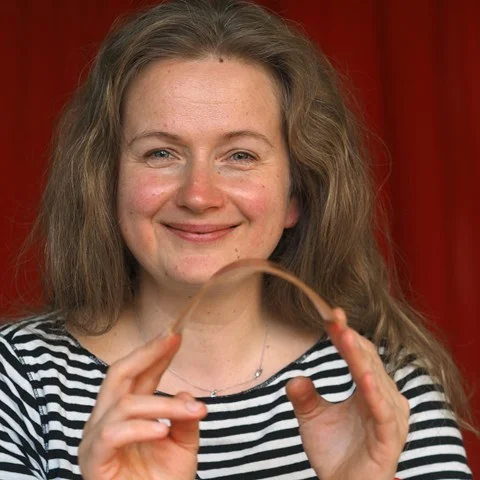
Imaging Working group member, LINXS Fellow
Ramune Kuktaite is an associate professor at the Department for Plant Breeding at the Swedish University of Agricultural Sciences in Alnarp where she focuses on the development of various bioplastics. She is also involved in work focusing on production of protein-rich foods, which can be used as healthy alternatives to meat. She is an avid user of X-ray techniques and represents SLU in the MAX IV University Reference group (URG). Ramune will function as a link to the SLU scientific community to increase both awareness and work on SLUs internal competence building in relation to the facilities.
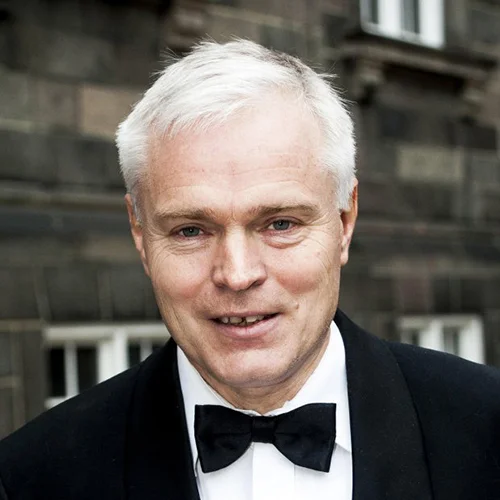
Imaging Core Group Member, External LINXS Fellow
Henning Friis Poulsen is a professor at the Technical University of Denmark (DTU) and heads the 3D imaging centre at there. He is chairman of Danscatt, the Danish instrument centre for neutron and synchrotron users. He is one of two PIs on DanMAX, the Danish beamline at MAX IV, and PI in the societal partnership “Linking Industry with Neutron and X-rays” (LINX - no relation) as well as interim manager of a MAX IV imaging data analysis centre, being co-hosted by DTU and KU.
X-ray and neutron imaging applications in soil science Working group member, LINXS Fellow
Luis is a research assistant and Ph.D. candidate at the Chair of Soil Science (TUM-Germany). Luis’s main research interest is the fate and interrelations between carbon and nutrients or contaminants in Tropical and temperate soils. For this Luis applies both sub-micron scale (STXM, µ-FTIR) and bulk (XANES/XRD) synchrotron-based techniques.
Imaging Working group member, LINXS Fellow
Vedrana Andersen Dahl is an associate professor at the Department of Applied Mathematics and Computer Science, Technical University of Denmark. She holds degrees in mathematics, multimedia technology, and a Ph.D. degree in geometry processing. Her research interests revolve around geometric models for analysis of volumetric data. This includes volumetric segmentation, tomographic segmentation and methods based on deformable meshes. She developed image analysis tools with application in material science, industrial inspection and biomedicine. Her other research interest involve 2D and 3D texture analysis, analyzing OCT images, and 3D methods for digitizing cultural heritage.
Link to webpage at DTU: http://people.compute.dtu.dk/vand/index.html
Imaging Working group member, LINXS Fellow
Anders Bjorholm Dahl is professor in 3D image analysis at the Department of Applied Mathematics and Computer Science, Technical University of Denmark. He holds a degree in forestry and a Ph.D. degree in computer vision. He is heading the section for Image Analysis and Computer Graphics and QIM: The Center for Quantification of Imaging Data from MAX IV, which has a mission to support quantitative 3D image analysis. His research interests include computer vision and image analysis with a specific focus on learning-based 3D image analysis for structural characterization. This includes volumetric image segmentation, feature- and dictionary-based image representations, graphical models, etc.
Link to webpage at DTU:
https://www.dtu.dk/english/service/phonebook/person?id=32847&tab=2&qt=dtupublicationquery
Fellows legacy Dynamics
LINXS Vice-Director (2017-2023), Dynamics Core Group Leader, LINXS Fellow
marie.skepo@teokem.lu.se
LINXS Vice-Director responsible for the focus area of soft matter. Professor, Docent and Head of Division of Theoretical Chemistry at Lund University. Research interests include intrinsically disordered proteins (IDPs) and their interaction in solution and to surfaces, utilizing computer simulations in combination with scattering to achieve an understanding of the underlying physics.
IPDD Core Group Member, IPDD WG 2 Leader and Dynamics Core Group Member, LINXS Fellow
Anna is a Professor at the Division of Physical Chemistry at Lund University specializing on biocolloids studied by scattering techniques. Her current research focuses on the properties of concentrated protein solutions with a particular interest in protein dynamics under crowded conditions.
Dynamics Core Group Member, LINXS Fellow
Ann is a researcher and the group manager for Diffraction and Scattering at MAX IV. Her personal research applies X-ray and neutron scattering techniques to soft condensed matter and biological systems. Her scientific interests have recently included protein/polymer interactions with lipids and excipients (e.g. biologics, lipid nanodiscs), native silk protein structures and flow studies of natural and synthetic polymers.
IPDD WG 1 member and Dynamics Core Group member, LINXS founding Director
Former LINXS Director and Core Group leader for the Dynamics thematic. Mentor to LINXS in general and active in the Dynamics Core Group. Professor of Physical Chemistry at the Department of Chemistry, Lund University since 2010, when he moved from the Adolphe Merkle Institute for Pure and Applied Nanoscience of the University of Fribourg, Switzerland.
Dynamics Core Group Member and member of WG 1: Dynamics and Structure of Biological Macromolecules, LINXS Fellow
Mikael is a Senior lecturer at Division of Theoretical Chemistry and Lund University with speciality in biomolecular interactions, simulation techniques (Monte Carlo, Molecular Dynamics), and statistical thermodynamics.
Dynamics Core Group Member, LINXS fellow
Peter Olmsted is Joseph Semmes Ives Chair in Physics at Georgetown University, where he joined the Institute for Soft Matter Synthesis and Metrology (ISM2). He is currently the Director of the Institute.

IPDD WG 2 member and Dynamics Core Group Member, LINXS Fellow
A Prof. em., Dr. at FZ Jülich, Dieter Richter received his Diploma in theoretical Physics (1973) at the TU-Braunschweig and under the guidance of Prof. Dr. T. Springer his PhD degree in experimental physics (1977) at the RWTH Aachen, Germany. He did post-doctoral work at the Brookhaven National Laboratory in the Neutron scattering Department of Dr. Shirane. He then moved to the Forschungszentrum Jülich and performed his Habilitation at the RWTH Aachen in 1983. In 1985 he assumed a position as senior scientist at the Inst. Laue Langevin in Grenoble. In 1989 he was appointed as director at the Institut für Festkörperforschung at the FZJ Jülich. From 2011 he assumed the position as a Scientific Director at the FRM2 Reactor in München. In 2015 he retired from his positions and now works as an advisor for the FZJ. Dieter Richter co-authored more than 600 papers, which have received over 17000 citations and an H-index of 65. He has received several high-ranking awards among which the Schottky Award of the German Physical Society, the Max Planck Award, the Erwin Schrödinger Award and the Walter Hälg Prize of the European Neutron Scattering Association. He was a member and also chairperson of a large number of scientific panels such as the scientific council of the ILL or the OECD Mega Science Forum. Among others he founded the European neutron scattering association and the European network of excellence “SoftComp”.
His current interests are the structure and dynamics of macromolecular soft and biological systems.
Member of Dynamics WG 1: Dynamics and Structure of Biological Macromolecules, LINXS Fellow
Andreas works as senior scientist at Jülich Centre for Neutron Science (JCNS) at Forschungszentrum Jülich. He is using neutron and X-ray scattering techniques for the investigation of structure and dynamics of biological macromolecules.
Andreas studied physics and biophysics at Technical University Munich, Germany, and at University Pierre and Marie Curie, Paris, France. He obtained his PhD degree with Dr. Giuseppe Zaccai in 2009 in physics in the field of protein dynamics using quasielastic incoherent neutron spectroscopy as experimental method. After that he joined Forschungszentrum Julich to work first on a project using coherent X-ray diffraction in molecular biophysics, and later joined JCNS in 2011 to start working on the structure and dynamics of intrinsically disordered proteins using small-angle neutron and X-ray scattering and neutron spin-echo spectroscopy. Since 2015 he is senior scientist with permanent position and in 2019 he obtained his habilitation from RWTH Aachen University in chemistry. His current research interests are focused on the investigation of the structure and dynamics of intrinsically disordered proteins and on the relevance of molecular flexibility for biological function. Experimental techniques used include neutron spectroscopy and small-angle X-ray and neutron scattering.
Food Core Group Leader & Dynamics Working Group Dynamics of Membranes and their Constituents Member, Internal LINXS Fellow
Tommy is a professor at the Department of Physical Chemistry at Lund University and an ambassador of the use of X-rays and neutrons in food research. His large network in food science together with his experience in x-ray and neutron scattering on various food related systems is crucial in bringing in the relevant national and international actors to the theme and to the strengthening of food sector using the large-scale infrastructure overall. He is also a member of the management group of NanoLund. Tommy will coordinate WG 4. Food interactions on surfaces.
Dynamics Working Group Dynamics of Membranes and their Constituents Member, LINXS Fellow
You can read more about Marité Cardenas here.
Thomas H Callisen graduated with a PhD in biophysics in 1994 from DTU, Technical University of Denmark. From 1994 until 1998 he was Postdoc and Assistant Professor in US and DK. In 1998, Thomas was employed by Novo Nordisk as principal scientist, and later as senior manager at Novozymes. In 2020, Thomas started as CEO at Sense Unlimited. Thomas has been driving biophysical and nano-science discoveries with applications within biotech, food, material and healthcare. His collaborations across academia and business collaborations have lead to co-authorship of 14 patents and 42 science publications.
Dynamics Working Group Dynamics of Membranes and their Constituents Member, LINXS Fellow
Emma Sparr is a Professor in Physical Chemistry-Colloidal Biology and the deputy head of the Division of Physical Chemistry, Lund University. She is member of the two Wallenberg research projects. She was also the Chair of the review panel in analytical, physical and theoretical chemistry at the Swedish research council, VR, member in the Young Academy of Sweden, and in steering group Multipark strategic research area at Lund University. Her interested research projects included:
The skin as a barrier to molecular diffusion
Amyloid interaction with lipid membranes
Drying interfaces
How small polar molecules protect membrane systems against osmotic stress
Lung surfactant
RNA assembly at a bilayer scaffold
Dynamics Working Group Dynamics of Membranes and their Constituents Member, LINXS Fellow
Peter Jönsson is Senior Lecturer and Docent at the Division of Physical Chemistry, Lund University, since 2015, with a research focus in biomolecular interactions at interfaces. His research spans several different areas such as chemistry, physics and biology, but can more specifically be divided into the following main topics:
Development of novel biophysical tools and methods to study and manipulate molecules on the surface of cells.
Investigation of the organisation and function of key membrane proteins in the initiation of an adaptive immune response.
Physical chemistry of peptide-lipid co-assembly: from lipid-rich to peptide-rich
Dynamics Working group XPCS, LINXS Fellow
Kim is a researcher at the MAX IV Laboratory and the project manager for the ForMAX beam line. He has a background in experimental physics and physical chemistry, and has a long experience in developing x-ray techniques for studies on liquids and soft matter. In recent years, his main research interest has been to understand the microscopic structure and dynamics of liquids and dense colloidal suspensions in spatial confinement and at solid-fluid interfaces, using a wide range of x-ray techniques such as small- and wide-angle x-ray scattering (SAXS/WAXS), x-ray reflectivity, grazing-incidence SAXS, grazing-incidence x-ray fluorescence (GIXF), and x-ray photon correlation spectroscopy (XPCS).
Kim studied physics at the University of Helsinki, Finland, and received a PhD in 2007 on the topic of inelastic x-ray scattering studies on water and aqueous solutions. He got interested in confined liquids and fluids during postdoctoral positions at the Paul Scherrer Institut, Switzerland, and the European Synchrotron Radiation Facility. In 2011 he became an assistant professor at the Department of Chemistry and Molecular Biology at the University of Gothenburg, Sweden, where he became a docent in physical chemistry in 2014. He joined the MAX IV Laboratory in 2017.
Dynamics Working Group Dynamics of Membranes and their Constituents Member, LINXS Fellow
Cedric Dicko is an associated professor at division for Pure and Applied Biochemistry, Chemistry Dept. Cedric activities revolved around protein based-materials, their production, characterization and exploitation asnovel materials and biocatalysts.
His main area of research focuses on the application of biospectroscopy (and scattering) to investigate self-assembly and structure function relationship in soft biomaterials, using silk materials as a model. His work focuses on the importance of ‘microstructures’ in biological organisation and how their organisation at the microscopic level dramatically affect and determine macroscopic properties of biological systems.
Fellows legacy ISB

ISB Core Group Leader, WG 5–Lund Integrative Structural Biology Centre Initiative leader, and WG 4–Membrane Proteins member, LINXS Fellow
Karin Lindkvist is an expert in structural biology in particular applying X-ray crystallography. Her research encompasses both structural studies of integral membrane proteins and soluble proteins, in particular proteins important in human metabolism such as glucose transporters and glycerol channels. Lindkvist has a strong scientific network in the field of membrane protein structural biology.
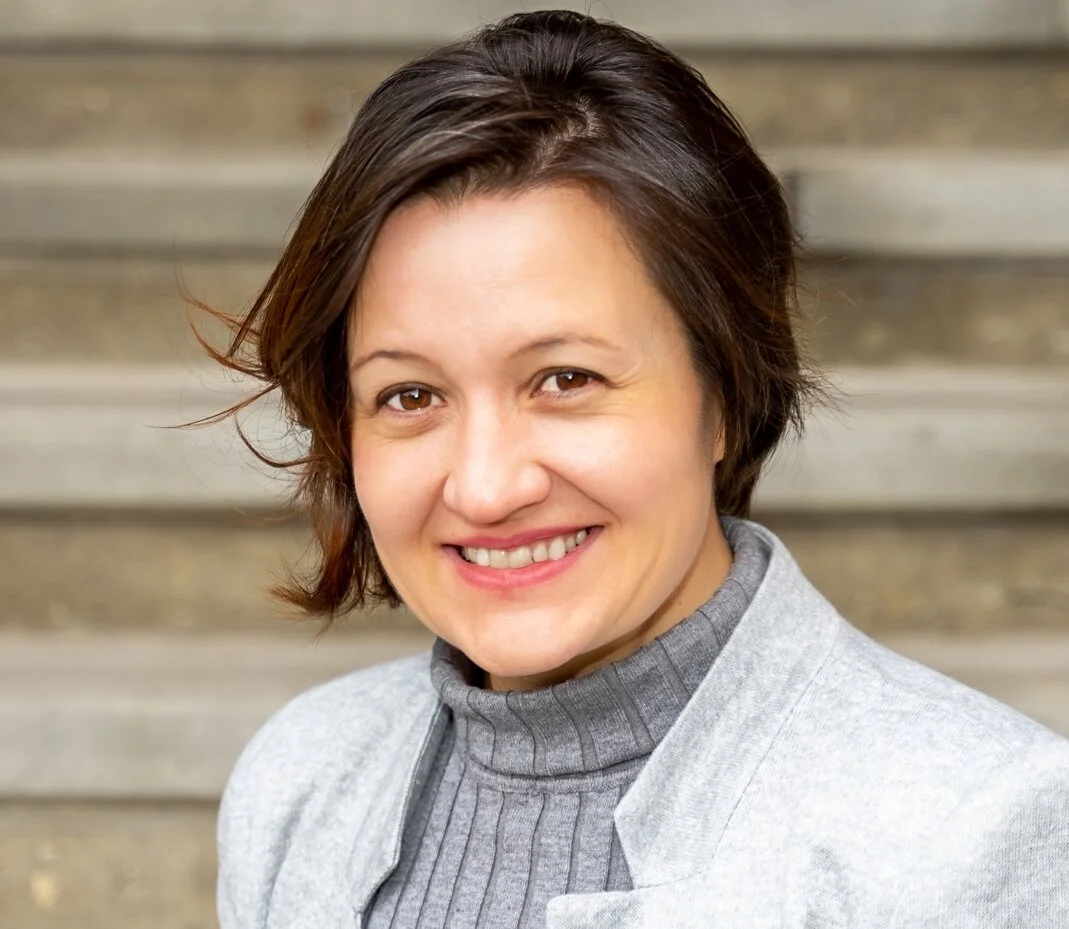
LINXS Co-Director (-2023) and ISB WG 3–Amyloid:an integrative approach leader.
oxana.klementieva@linxs.lu.se
LINXS Co-Director responsible for the focus area of Life Science. Associate Professor, Docent, Co-coordinator Nanobiology & Neuronanoscience at NanoLund and Head of Medical Mirospectrocopy group at the Medical Faculty of Lund University. Research interests include structural changes of amyloid proteins for understanding the nature of neurodegenerative disorders.

LINXS Director
Trevor.Forsyth@linxs.lu.se
I was appointed to a personal Chair in Biophysics in 2004. Prior to that I was a Lecturer and then Senior Lecturer in Physics at Keele. Since 2000 I have been on secondment to the Partnership for Structural Biology at the Institut Laue Langevin (ILL) in Grenoble, France, where I hold a Senior Fellowship and am Head of the Life Sciences Group.
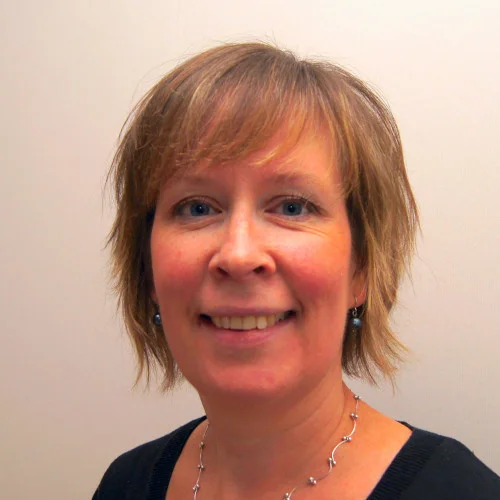
Integrative Structural Biology Core Group Member, LINXS Fellow
Professor in Biochemistry, Faculty of Science, Lund University. Interested in investigating the structure of integral membrane proteins using X-ray crystallography, including structural mechanisms of eukaryotic aquaporin regulation by gating and trafficking and development of methods for structural characterization of transient membrane protein complexes.
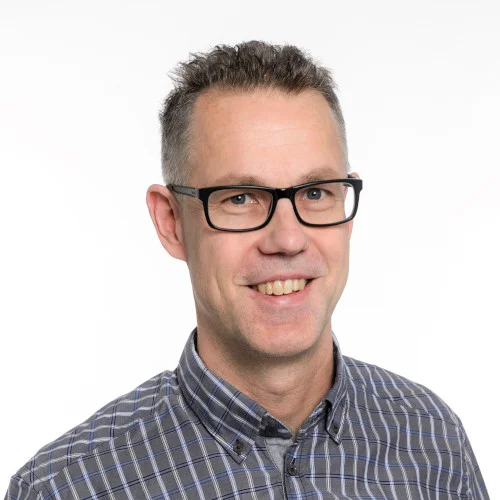
Integrative Structural Biology Core Group Member, LINXS Fellow
Project manager for the MicroMAX beamline at MAX IV, and previously responsible for the constructions of BioMAX, MAX IV, and for construction and operation of I911-3 at the old MAX-lab. I have an interest in development of methods and instrumentation for macromolecular crystallography and in time resolved crystallography

Integrative Structural Biology Core Group Member, LINXS Fellow
My group focuses on the structure and function of membrane proteins and macromolecular complexes, which are involved in stress-regulated and stress-activated transport processes across the membrane.
Besides X-ray crystallography, SAXS, and electron microscopy we apply a variety of different biophysical and biochemical techniques to characterize the function of membrane proteins in order to elucidate their molecular mechanism.
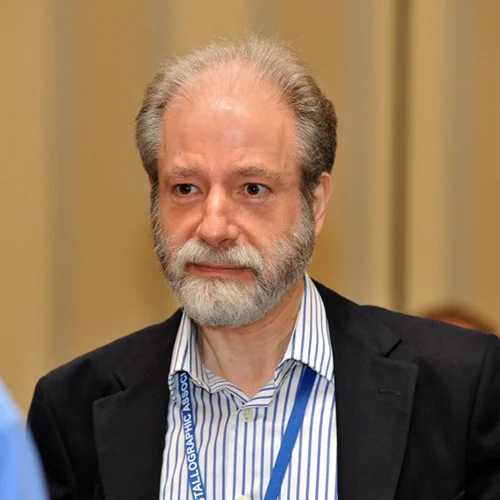
Integrative Structural Biology Working Group Biocomp Member, LINXS Fellow
Prof. Gérard Bricogne is research director at CNRS and director of Global Phasing Ltd.
Gérard Bricogne contributed to the development of mathematical methods in crystallography and thus revolutionized the determination of the structure of biological macromolecules. In 1978, he succeeded for the first time in determining atomic structures at the atomic scale.
Training and career
1975 Ph.D., University of Cambridge (United Kingdom)
1975-1981 Research Fellow at Trinity College in Cambridge
1981-1983 Assistant Professor of Biochemistry at Columbia University
1983- Director of research at the CNRS, attached to the LURE in Orsay and the Department of
life sciences of the CNRS
1996- Founder and director of Global Phasing Ltd (United Kingdom)
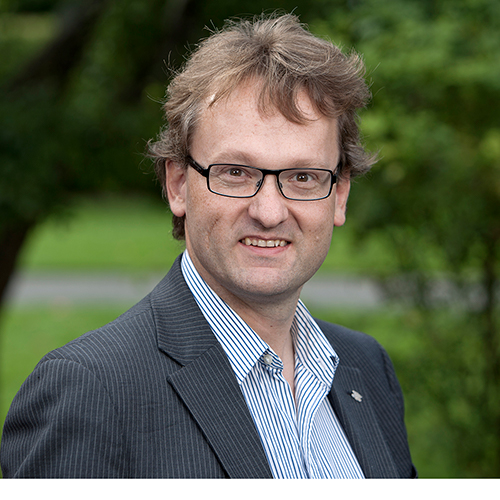
Integrative Structural Biology Working Group Biocomp Member, LINXS Fellow
Erik Lindahl is a professor of Biophysics at the Department of Biochemistry and Biophysics at Stockholm University, but most of their research team is physically located at Science for Life Laboratory, a joint research environment for SU, KTH, and KI. In addition to teaching and research together with his group, they are engaged in a number of scientific environments, and especially passionate about mobility and cooperation between the three Stockholm University. He spends a lot of his time as deputy director of the Strategic Research Area SeRC (Swedish e-Science Research Center), jointly for SU-KTH-KI-LiU, he is one of the leaders of SciLifeLab's platform for bioinformatics, and program manager for Stockholm University's part of a new joint KTH-SU-KI master's program in molecular science for life sciences.
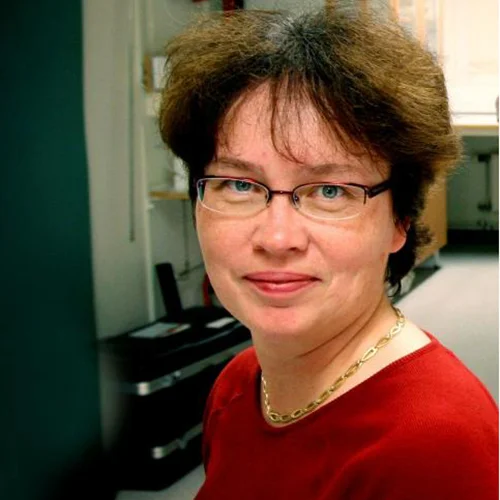
Integrative Structural Biology Working Group Biocomp Member, LINXS Fellow
Dr. Maria Sunnerhagen is currently working as a Professor in the Department of Physics, Chemistry and Biology, Linköping University, Sweden. The goal of research in her group is to understand and explain in structural and biophysical detail the molecular origin of diseases of major importance, with the aim to open up novel routes towards efficient therapies. To this end, they use a battery of biophysical and biomedical experiments, and work in close collaboration with medical scientists.
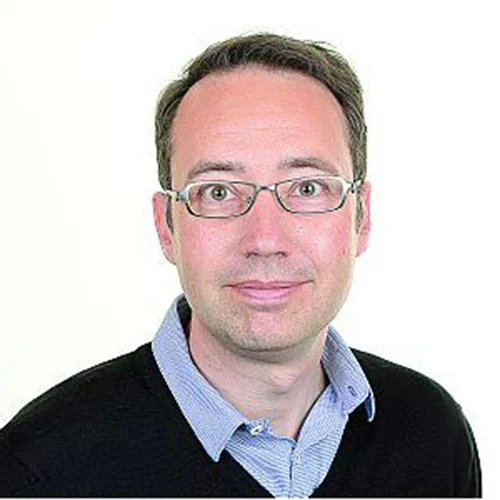
Integrative Structural Biology Working Group Biocomp Member, LINXS Fellow
Martin Hällberg is a senior researcher at the Department of Cell and Molecular Biology, Karolinska Institut, Sweden. He is the CSSB Group Leader. They work with the biochemistry and structural biology of RNA biogenesis. Given that impaired gene expression of mitochondrial DNA can lead to mitochondrial disease and pre-mature aging, the current focus of our group is to study mitochondrial gene expression.
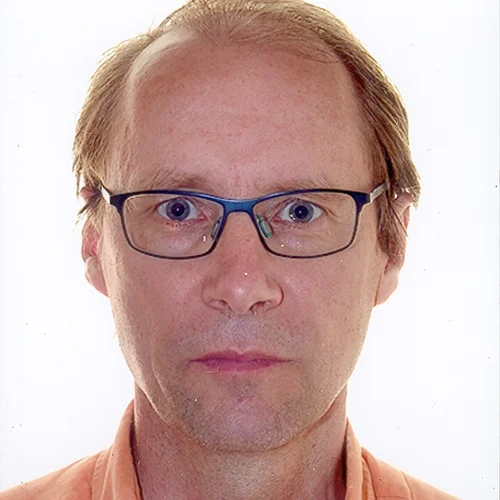
Integrative Structural Biology Working Group Biocomp Member, LINXS Fellow
Ulf Ryde is currently working Professor in Theoretical Chemistry in the Department of Chemistry, Lund University, Sweden. He is an expert in combining SB and computational chemistry. His research interests are ``Biochemical molecules studied by theoretical methods``: Ligand binding, The relation between structure and function of proteins, Enzyme mechanisms, The influence of the protein on bound metals, ligands and chromophores, Nature's design of proteins (Why was that metal or amino acid selected?), QM/MM methods, Combination of QM methods and experimental methods: e.g. X-ray crystallography, NMR, EXAFS, neutron crystallography.
Integrative Structural Biology Working Group Biocomp Member, LINXS Fellow
Jie Nan is a Beamline Scientist at MAX IV Laboratory. She is interested in Molecular Modeling in Life Sciences. Her research experiences include research on the interaction of transporter and cytoplasmic proteins in the phosphotransferase system and using chemical crosslinking and mass spectrometry to probe the structures of proteins and protein complexes.
Integrative Structural Biology and Imaging Working Group Member, LINXS Fellow
Sonja Aits leads the “Cell Death and Lysosomes” group (http://www.aitslab.org) at the Department of Experimental Medical Science at Lund University and has previously worked at the Peter MacCallum Cancer Centre in Melbourne and the Danish Cancer Society Research Centre. Her group studies the molecular regulation of cell death and lysosome function and the role of these processes in diseases, in particular neurodegenerative disorders, stroke, lysosomal storage disorders and cancer. A second focus of her group is to explore how artificial intelligence and machine learning approaches can be used to support various types of biomedical research, especially for image analysis, systems biology and structural biology. Besides her involvement in LINXS, she is part of the AIML@LU artificial intelligence network, several disease-related research clusters (BioCARE, StrokeSyd, NeuroLund) and EU-financed networks for bioimage analysis (NEUBIAS) and autophagy (TRANSAUTOPHAGY). She also collaborates with SciLifeLab and the National Bioinformatics Infrastructure Sweden (NBIS).

Integrative Structural Biology Working Group Biocomp Member, LINXS Fellow
Filipe Maia is an associate professor at the Department of Cell and Molecular Biology at Uppsala University.
His research focuses on the development of new diffractive imaging methods, in particular, he leads the femtosecond diffractive imaging community venture at the European XFEL.
A common theme in these new imaging methods is the replacement of experimental constraints by complex advanced data analysis, fuelled by increasing data-acquisition rates together with advances in computing power.
He's also engaged in improving reproducibility in science, which led him to found CXIDB, the Coherent X-ray Imaging Data Bank, currently hosting more than 500 TB of data from coherent diffractive-imaging experiments.
Integrative Structural Biology Working Group Biocomp Member, LINXS Fellow
Senior lecturer in Biochemistry, Faculty of Science, Lund University. My group focuses on protein self-assembly and develop computational and experimental approaches to design and model protein self-assembly processes and to study the evolution of protein complexes.
Integrative Structural Biology Working Group Biocomp Member, LINXS Fellow
Janina Sprenger is a postdoctoral researcher at the Chemistry Department, Section of Biological Chemistry at the University of Copenhagen. Her research is supported by the Villum Experiment grant and focuses on the development of a crystal host system (HOSTAL) to allow X-ray diffraction based structure determination of biomolecules without requiring conventional crystallization of the sample. This further involves method development to understand diffusion processes in crystals, structure solving of protein fragments with low-occupancy and high-flexibility as well as statistical analysis of diffraction data (Bragg reflexions) and diffuse scattering.
She has been studying protein-ligand interactions in different systems with the focus on medical application using crystallography combined with binding and activity assays as core methods. Her research also includes drug design, enzymology, enzyme kinetics models, scattering methods and various imaging techniques. She is member of the research cluster ‘Integrative Structural Biology at the University of Copenhagen’ (ISBUC)
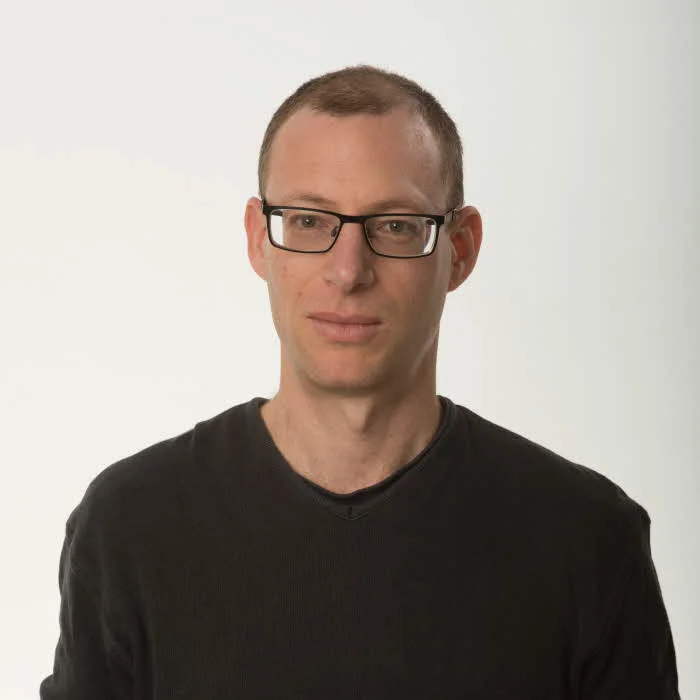
Integrative Structural Biology Working Group Time-Resolved Member, LINXS Fellow
I am a computational chemist with strong interest in the structure and dynamics of (bio)molecules. In my lab, we employ molecular dynamics simulations, quantum chemistry, bioinformatics and theory to gain biological insights. Specific areas of research include macromolecule-ion interactions and drug resistance in cancer.
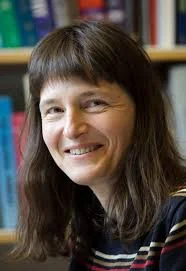
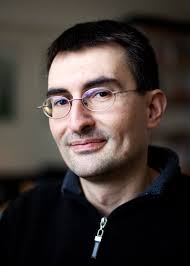
Integrative Structural Biology Working Group Time-Resolved Member, LINXS Fellow
Professor of Biochemistry at the University of Gothenburg. I specialized in X-ray crystallography and I have an interest in how protein structures are formed and what is the role of terahertz dynamics in biology. I develop time-resolved scattering methods and machine learning tools for data analysis.
Integrative Structural Biology Working Group Time-Resolved member, LINXS fellow
Senior Research Fellow at the La Trobe Institute for Molecular Science at La Trobe University, Melbourne, Australia and part of the Australian Research Council Center of Excellence in Advanced Molecular Imaging. Formerly Research Assistant Professor in the Center for Biological Physics at Arizona State University and head of serial crystallography analysis in the NSF BioXFEL Science and Technology Center. Working on the development of time-resolved serial crystallography and phase contrast techniques at XFELs and synchrotrons, focusing on data analysis, simulations and experiment design with an emphasis on applying these to studies of membrane proteins. Find more info at: https://sites.google.com/view/zatsepinlab

Integrative Structural Biology Working Group Membrane Proteins Member, LINXS Fellow
Maria Gourdon spent her entire career in structural biology of membrane proteins, ranging from overproduction and assay development, to purification and x-ray crystallography. Over the years she has gathered experience and know-how from several membrane protein laboratories (Prof. Neutze, Prof. Nissen, Prof. Törnroth-Horsefield). Now she has joined LP3, where she is managing the crystallization laboratory. She will take a role as one of the members of the Core Group.
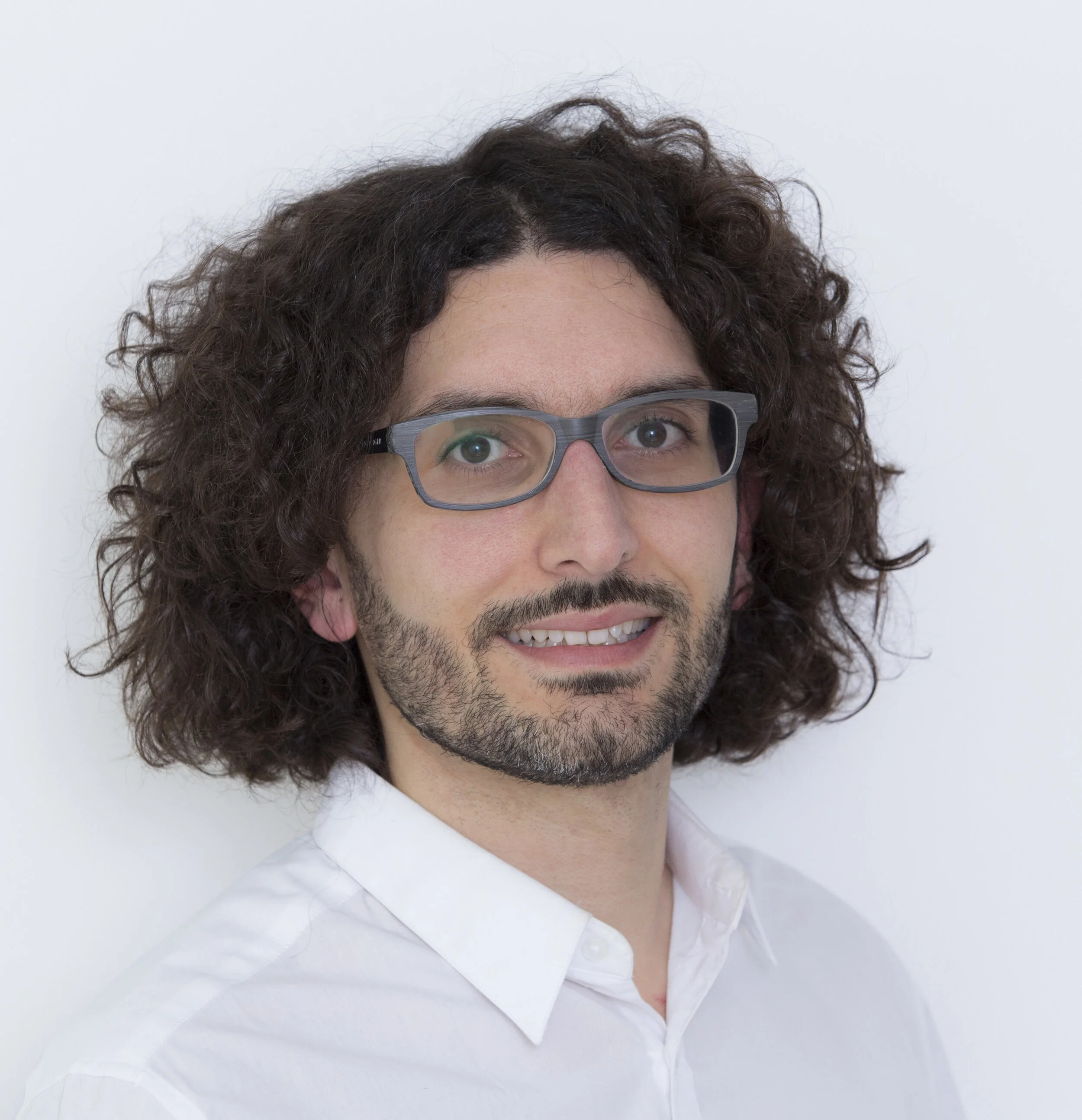
Integrative Structural Biology Working Group Amyloid Member, LINXS Fellow
Vito Foderà received his Ph.D. in Physics (2009) from the University of Palermo (Italy), with a project focused on (in)stability and self-assembly mechanisms of peptides and proteins. In 2009 he was appointed as a Research Associate at the Cavendish Laboratory at the University of Cambridge (UK). In 2012 Vito was awarded the Marie Curie IEF for Career Development grant that allowed him to join the Dept. of Drug Design and Pharmacology (University of Copenhagen). In 2014 he became Assistant Professor at the Department of Pharmacy, University of Copenhagen, and in 2016 tenured Associate Professor of Biophysics at the same department, where he established his research group. His main focus is on protein self-assembly mechanisms, and interactions with both biological interfaces and other biomolecules. He aims at translating the fundamental knowledge on these systems into novel high-impact applications, with a main focus on creating advanced materials for nano-medicine and drug delivery, improving safety of protein drug formulations and understanding the etiology of protein-related neurodegenerative diseases. In 2018 he is recipient of the Villum Young Investigator award and is the PI of the related 5-year initiative “ProSmart”, focused on the understanding of structural heterogeneity in protein self-assembled materials via advanced microscopy approaches and X-ray and neutron techniques.
Integrative Structural Biology Working Group Membrane Proteins Member, LINXS Fellow
Urban Johanson has been working with various aspects of membrane proteins for more than 20 years. His research interests span from evolutionary studies of protein families to heterologous over expression and structural determination of integral membrane proteins. Lately homology modeling has also been conducted in his research group to elucidate relations between structure and function in ion channels as well as in aquaporin-like proteins.
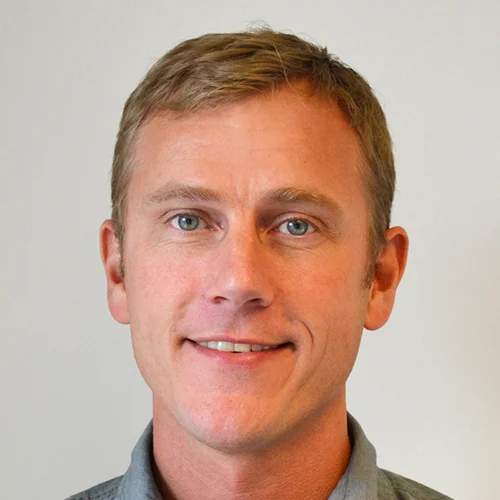
Former LINXS Vice-Director
LINXS Vice-Director and Core Group leader for the theme Integrative Structural Biology. Principal investigator and Docent (Eng. Reader or Associate Professor) in Medical Protein Science, Faculty of Medicine. Moved to Lund University in 2009 after postdoctoral training at University of California and at Sahlgrenska Academy.
Integrative Structural Biology Working Group Membrane Proteins Member, LINXS Fellow
William is the initiator of the Working Group and will take a lead role in organizing Working Group meetings and events. William has long experience on expression and functional studies on odorant receptor membrane proteins. Ongoing research on structure/function studies of these proteins underlies interest in the Integrative Structural Biology of Membrane Proteins
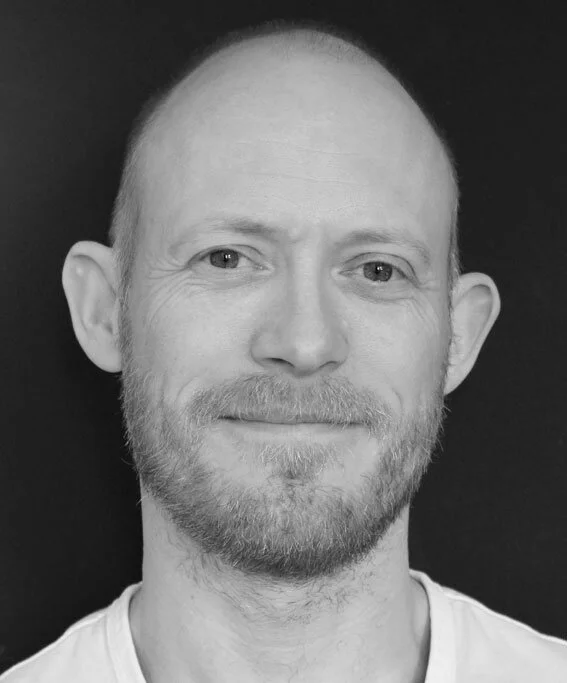
Integrative Structural Biology Working Group Membrane Proteins Member, LINXS Fellow
Christian Krintel is affiliated to the biomedical centers department of experimental medical sciences. Christian has 10-years of experience in protein crystallography of both soluble and membrane proteins. Ongoing research focus is of human lipases and in the context of this work group his experience in production of difficult mammalian proteins and low-resolution X-ray data is a beneficial for the working group.
Fellows Legacy New materials
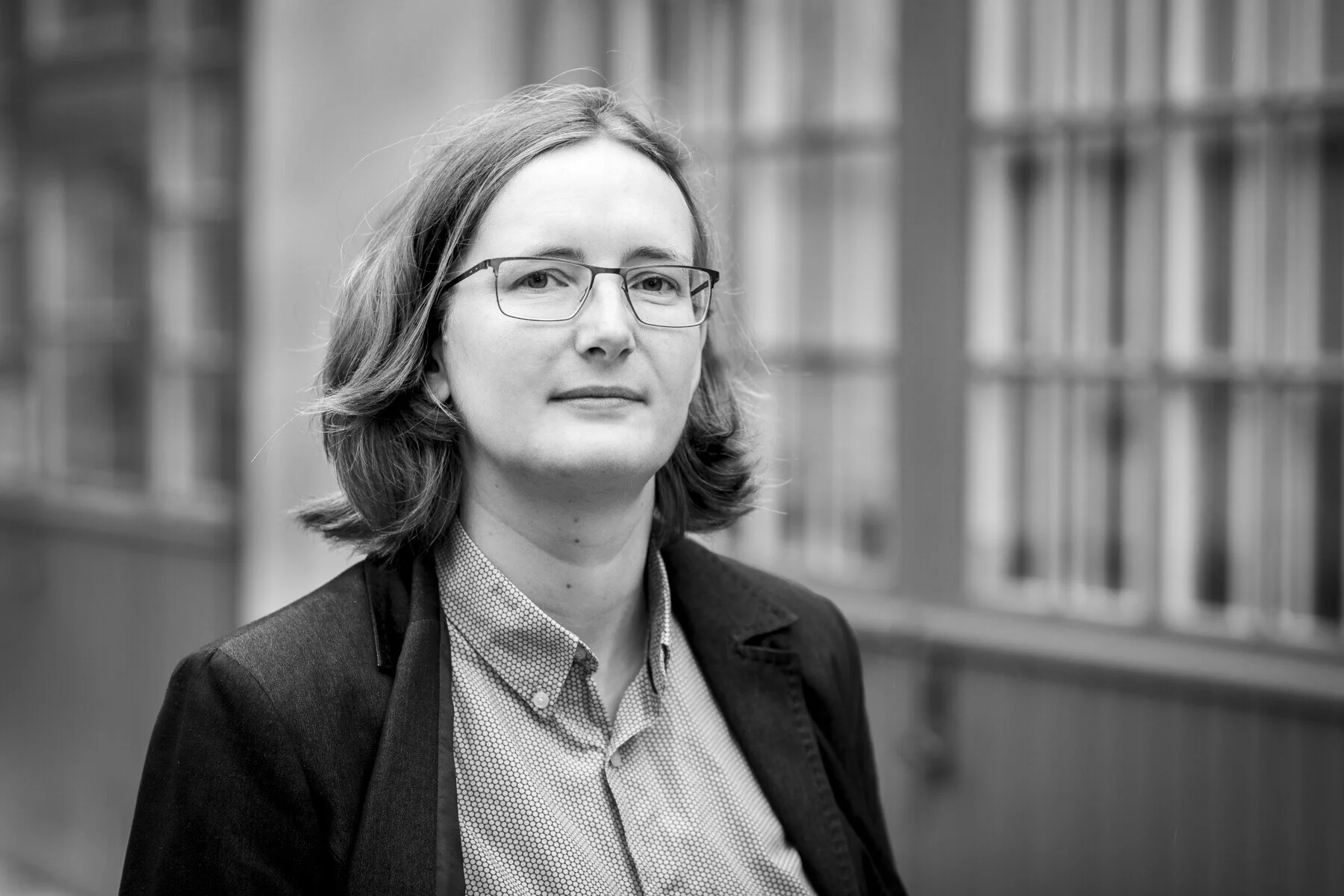
New Materials Core Group Leader, LINXS Fellow
Elizabeth is the initiator of the Theme and is the chair of the Core Group; she has extensive experience with both neutron and x-ray scattering methods, with a particular focus on magnetic materials. She is a professor at the Division of Synchrotron Radiation Research, within the Department of Physics, Lund University, and is tasked with promoting research into magnetic materials at Lund University. She will lead Working Group 1 (functional magnetic materials). Elizabeth is also a board member for the Condensed Matter Physics section of the Svenska Fysikersamfundet, and will be able to promote LINXS activities through this as well.

New Materials Core Group Member, LINXS Fellow
Maria is an associate professor at the Division of Solid State Physics in the Department of Physics, Lund University, but has strong links with the Division of Synchrotron Radiation Research. She is the coordinator of materials research within the strategic research area NanoLund, and recently received a Research Leader of the Future grant from the Swedish Foundation for Strategic Research (SSF). She will be responsible for WG 5 (nanostructures and interfaces). In the Core Group she will be asked to monitor progress on material development/manufacture.
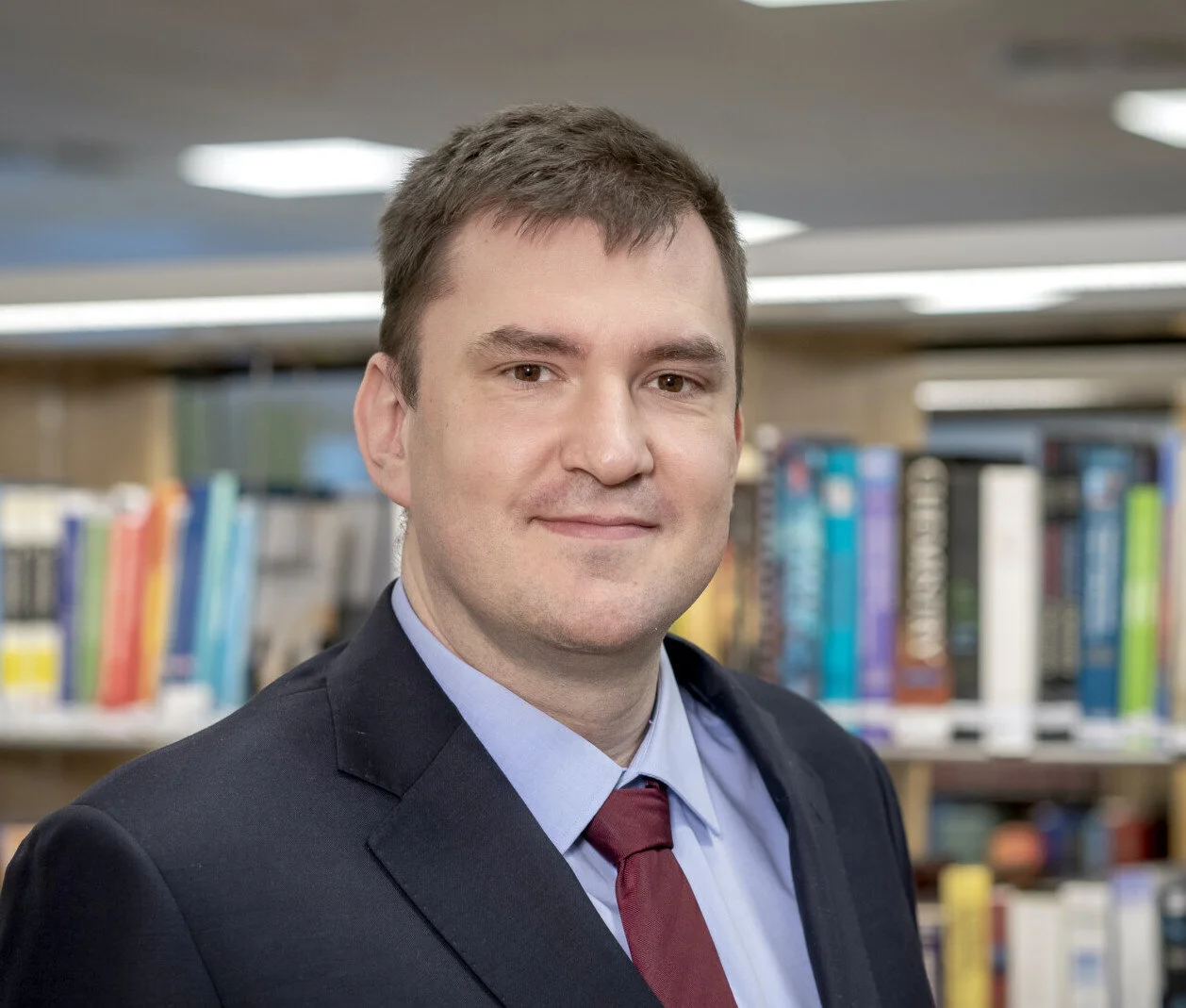
New Materials Core Group Member, LINXS Fellow
Jens is an associate professor at the Division of Chemical Physics, in the Department of Chemistry, Lund University, and is an expert in time-resolved optical and X-ray methods, particularly on ultra-fast timescales. Jens will be the representative of Working Groups 2 and 3 in the Core Group (charge transfer materials and light-harvesting processes). In the Core Group he will be asked to monitor progress in operando measurements across the Theme, and the Theme’s outreach activities.
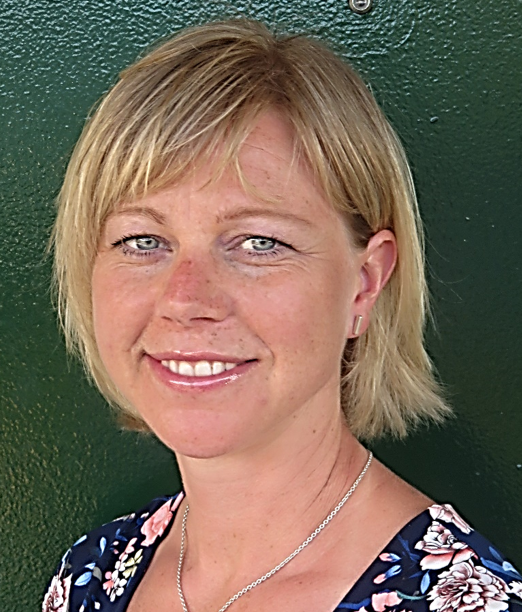
New Materials Core Group Member, LINXS Fellow
Sara Blomberg is an assistant professor at the Department of Chemical Engineering at Lund University, Sweden. Blomberg received her PhD in Physics at the Department of Synchrotron Radiation Research at Lund University in 2017. She was a post doc between 2018-2020 at Dept. of Chemical Engineering in Lund and affiliated post doc to the Advanced Light Source in Berkeley, USA. In 2020 she was hired as an assistant professor. Her research is focused on catalytic processes where she are using in situ and operando X-ray techniques to study the interaction between the catalyst and the reactants. During her PhD, she focused her research on model systems to achieve a fundamental knowledge about active surface structures and surface-related phenomena in catalytic processes. Today, her research is still aiming for in-depth knowledge about chemical processes on catalysts. She is designing and studying model systems as well as industrial catalysts and has a particular interest in catalytic processes related to the production of renewables and the conversion of biomass.
New Materials Core Group Member, LINXS Fellow
Martin is a professor at the Department of Chemistry at Uppsala University. Martin’s interests overlap Working Groups 1, 2 and 5 (functional magnetic materials and charge transfer materials, nanostructures and interfaces). He is actively engaged with neutron scattering techniques, and is also the Director of SwedNess (Swedish Neutron Education for Science and Society). In the Core Group, he will monitor education activities and engagement at the national and international levels.
New Materials WG 2 Member, Charge Transfer Materials & WG 3 Member, Light Harvesting Processes, LINXS Fellow
Petter Persson, Associate Professor and Senior lecturer at the Division of Theoretical Chemistry, Lund University, Sweden.
New Materials WG 4 Member, Catalysis, LINXS Fellow
Edvin Lundgren is a professor at the physics department at Lund University, Sweden. Lundgren received his PhD at Lund University 1996 and spent 2 years at the ESRF, France and 3 years at TU-Wien, Austria before returning to Lund. His research is focused on surface structures on the atomic scale and applying in situ synchrotron-based techniques to material systems under working conditions. The research has led to the discovery of a new set of ultrathin oxides on late transition metals, atomic scale views on nano structures such as quantum dot and nanowire surfaces and pioneering work on in situ studies of model catalysts and electrodes at work.
New Materials WG 1 Member, Functional Magnetic Materials, LINXS Fellow
Pablo Villanueva works at the Division of Synchrotron Radiation Research, Physics Department, Lund University. He started his scientific career as a PhD student in theoretical high energy physics. He did his PhD at the University of Valencia under the supervision of Prof. J. Bernabeu and F. Martinez-Vidal. His PhD offered him the opportunity to become a member of the BaBar collaboration at SLAC (USA). While working at SLAC, he attended several lectures about X-ray free-electron lasers (XFELs) and their applications. This new technology fascinated him so much that he decided to change his research field radically from theoretical high energy Physics to X-ray imaging after his PhD.
His first postdoc was in the TOMCAT group of Prof. Marco Stampanoni (X-ray tomography group) at the Paul Scherrer Institut (Switzerland). This postdoc offered him the opportunity to perform experiments and simulations using state-of-the-art X-ray imaging techniques. After three years at TOMCAT, he decided to start a second postdoctoral project at the Center for Free-electron laser science in DESY (Germany) in Prof. Henry Chapman's group.
New Materials WG 1 Member, Functional Magnetic Materials, LINXS Fellow
Martin Månsson is a tenured associate professor at the KTH Royal Institute of Technology, Stockholm, Sweden, where he leads the Sustainable Materials Research & Technologies (SMaRT) group. He runs a comprehensive research program concerning multifunctional materials ranging from quantum physics, low-dimensional magnetism and superconductors, to novel battery and hydrogen storage materials. For the research projects related to energy materials and devices, he has several industrial collaborators including Toyota Central Research & Development Labs. (TCRDL) and the National Institute of Advanced Industrial Science and Technology (AIST) in Japan. The experimental science is conducted at state-of-the-art large-scale research facilities using neutron scattering, muon spin rotation and synchrotron radiation techniques. Prof. Månsson is the Director of Studies for the Swedish national graduate school in neutron scattering (SwedNess). His early scientific career was conducted at PSI, ETHZ and EPFL in Switzerland.

New Materials WG 5 Member, Nanostructures and Interfaces, LINXS Fellow
Claudio Verdozzi’s is a senior lecturer at the Division of Mathematical Physics at the Physic Department, Lund University. His research interests are in the area of time-dependent phenomena and interacting quantum many-particle systems. He is involved in development and application of theoretical methods (NEGF,TDDFT,ED) to describe time-resolved spectroscopies, quantum transport, and ultra-cold atom physics. Within the LINXS initiative, his aims will be the study of creation/annihilation and dynamics of skyrmion excitations and, at a lesser extent, of time-dependent magnetic phenomena in small clusters.
New Materials WG 2 Member, Charge Transfer Materials, LINXS Fellow
Prof. Mika Valden was appointed as Professor of Physics in 2005 at the Department of Physics in Tampere University of Technology (predecessor of Tampere University). He has decades of experience investigating atomic and molecular level interactions on solid surfaces relevant to functional materials by employing photoelectron spectroscopy, spectromicroscopy and scanning probe techniques. The main methods used in his research are photoelectron spectroscopy and spectromicroscopy conducted by employing both laboratory-based excitation sources and synchrotron light sources. Surface Science Group is the centroid of the ALD activities in Tampere University, and by leveraging his expertise in surface science, the novel ALD films can be critically investigated through a variety of electron spectroscopy methods. Prof. Valden provides extensive experience in the management of research projects and training researchers. He has published many highly cited articles in the field of surface science. He has authored and co-authored over 100 original scientific publications including 3 invited review articles. These have received 5,318 citations (h-index 22). He has launched many national research activities and participated in several projects. In particular, Prof. Valden has been PI for two national Finnish Infrastructure (FIRI) projects in 2011-2018: NanoMAT FIRI-project (€1.98 million) and in EstBeaMS FIRI-project at MAX IV Laboratory (€1.26 million). He has also acted as a reviewer for EU FP-7 “Nanosciences, Nanotechnologies, Materials and New Production Techniques” proposals and other national and international research programmes. He has supervised 11
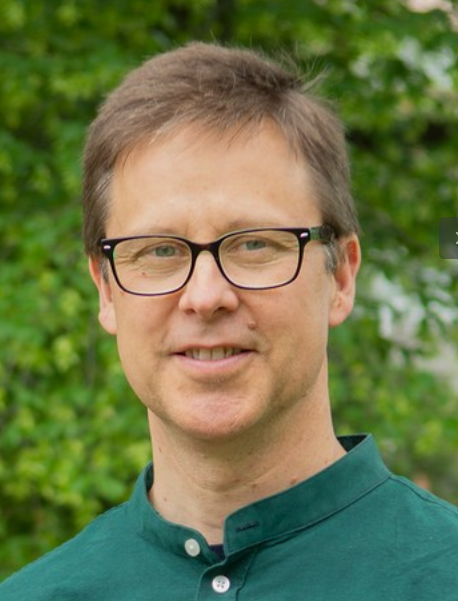
New Materials WG 2 Member, Charge Transfer Materials, LINXS Fellow
The experimental characterization of functional materials for sustainable energy is naturally complemented with theoretical modelling. Michael Odelius is a theoretical chemical physicist at the Department of Physics, Stockholm University, (www.su.se/profile/odelius) working with quantum chemical calculations to explore the electronic structure and chemical bonding in solar cell materials and liquid solutions, and for the interpretation of X-ray spectra. With a background in physical chemistry and molecular dynamics simulations, the influence dynamics and molecular interactions on the spectra are investigated. The group has in particular contributed to the understanding of the influence of hydrogen bonding and excited state dynamics. By combining ab initio molecular dynamics and spectrum simulation based on multi-configurational calculations, photoinduced processes in solution can be understood.
New Materials WG 3 Member, Light Harvesting Processes, LINXS Fellow
Martin Meedom Nielsen is professor in X-ray Science at the Department of Physics, Technical University of Denmark. He is the founding head of the section for Neutrons and X-rays for Material Physics at DTU Physics and vice chair of European XFEL Council. His research includes the study of charge and energy transfer processes in molecular systems in an environment and their coupling to atomic-nuclear dynamics using and developing combined methods and instrumentation for time resolved x-ray spectroscopy and scattering.
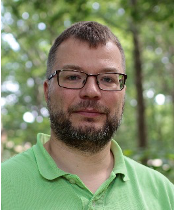
New Materials WG 5 Member, Nanostructures and Interfaces, LINXS Fellow
Jakob B. Wagner is head of Characterization at the National Center for Nanofabrication and Characterization at Technical University of Denmark (DTU Nanolab). He received his PhD from the University of Copenhagen in 2002 based on work the in situ imaging of catalysts for methanol synthesis by means of environmental transmission electron microscopy. The work was performed in collaboration with Haldor Topsøe A/S. After completing his PhD, he continued as a post doctoral fellow at the Fritz Haber Institute in Berlin, Germany before he moved on to a post doctoral fellow position in 2005 at Lund University, Sweden. In 2007 he became a senior researcher at the newly started Center for Electron Nanoscopy at the Technical University of Denmark (DTU Cen), now DTU Nanolab, where he became Scientific Director and Professor in 2013. His research include high-resolution electron microscopy, energy-filtered imaging and in situ electron microscopy, with a primary emphasis on characterization and in situ study of semiconductor nanowires, nanoparticle catalysts and low-contrast materials such as carbon nanotubes and graphene.
He is responsible for the overall scientific use of the electron microscopy facility along with teaching and lecturing at various courses and workshops in advanced electron microscopy.
He has published more than 130 papers and book chapters, where electron microscopy has been a major tool for characterization and has organized several symposia at international conferences with in situ microscopy as the main theme.
New Materials WG 4 Member, Catalysis, LINXS Fellow
Andreas Stierle is professor for nanoscience at the University of Hamburg and leading scientist at DESY. He is also responsible for the organisation of the DESY nanolab as a user facility. His main focus is on the investigation of the structure and physical-chemical properties of nanoscale systems ranging from ultra-high vacuum to application-related environmental conditions, with the help of synchrotron radiation based methods. In addition to this, complementary laboratory examination methods of the DESY nanolab are used. The results gained deepen the fundamental understanding of gas, solid state or liquid-solid interfaces of nano materials which are used for anti-corrosion or in energy conversion processes.
New Materials WG 4 Member, Catalysis, LINXS Fellow
Lindsay Merte is a Senior Lecturer at the Dept. of Materials Science and Applied Mathematics, Malmö University. His main research areas are surface physics and heterogeneous catalysis, with particular focus on metal oxide surface structure and reactivity. This research involves application of multiple hard- and soft-X-ray methods, as well as high-resolution scanning tunneling microscopy and development of sample environments for in situ characterization.
New Materials WG 1 Member, Functional Magnetic Materials, LINXS Fellow
Sebastian Mühlbauer works as a senior staff scientist at the MLZ Garching, responsible for the SANS-1 beamline. The focus of his research lies on studies of properties of superconducting vortices, long range incommensurate magnetic structures and skyrmion lattices using a set of different neutron techniques: To study the static properties of such systems on a wide range of length scales, Ihe uses neutron diffraction, small angle neutron scattering and finally USANS and neutron grating interferometry that allow covering a range from several Angström to around ten micrometers. Kinetic neutron diffraction techniques like stroboscopic SANS and TISANE cover a dynamic range for driven dynamics of s to ms while neutron spin echo and neutron spectroscopy techniques allow a measurement of inelastic and quasi-elastic dynamics in a broad range.
New Materials WG 4 Member, Catalysis, LINXS Fellow
Sara Barja is Ramón y Cajal Researcher at the Material Physics Center, Basque Country University, Spain. Sara got her Ph.D. in 2012 at the Universidad Autónoma de Madrid, Spain. After that, awarded with the IOF Marie Curie Action, she had the chance to continue her scanning probe microscopy studies on emerging 2D systems first at the Lawrence Berkeley National Laboratory and later at the Max Planck Institute for Solid State Research in Stuttgart. Since 2016, she coordinates an experimental research line devoted to structural and electronic characterization of novel 2D materials for energy-related applications. Her goal is to combine complementary surface science techniques (NAP-XPS/STM, LT-STM) and electrochemical studies to unveil the structure-activity relations on catalysts for relevant electrochemical reactions.
New Materials WG 4 Member, Catalysis, LINXS Fellow
Hilde Venvik is Professor at Department of Chemical Engineering, NTNU - Norwegian University of Science and Technology, Trondheim, Norway. She obtained her PhD in 1998 from the Department of Physics, NTNU, on surface science investigations of cobalt and platinum single crystal surfaces. She is Centre Director of “iCSI – industrial Catalysis Science and Innovation for a competitive and sustainable process industry”, a Centre for Research-based Innovation (SFI) granted by the Research Council of Norway (RCN) for the period 2015-23, with Yara, KA Rasmussen, Dynea, Inovyn, Haldor Topsøe, SINTEF and the University of Oslo as partners. She is also Council Officer (Secretary) to the European Association of Catalysis Societies (EFCATS). Her research interests are directed towards metal-based membrane technology and heterogeneous catalysis and development of industrially relevant catalytic model systems and advanced surface characterization methodologies.
New Materials WG 4 Member, Catalysis, LINXS Fellow
Jason Weaver is a Professor of Chemical Engineering and an Affiliate Professor of Chemistry at the University of Florida. He received a PhD in Chemical Engineering from Stanford University in 1998. His research focuses on developing a molecular-level understanding of surface chemical reactions through application of ultrahigh vacuum and in situ surface analysis methods as well as molecular simulations. He has pioneered studies of the surface chemistry of late transition metal oxides, providing new methods for studying the reactivity of well-defined sites on their surfaces. Using this approach, he discovered the exceptional structural sensitivity in their reactivity towards light alkanes, with important implications for catalytic alkane conversion.
New Materials WG 4 Member, Catalysis, LINXS Fellow
María Escudero Escribano is an Assistant Professor at ICREA and Catalan Institute of Nanoscience and Nanotechnology, where she leads the Nano-Electrochemical group Her group investigates tailored electrochemical interfaces for sustainable energy conversion and electrosynthesis of renewable fuels and chemicals. The research at her group combines electrochemical methods with in situ optical spectroscopy, microscopy, and in situ synchrotron-based characterisation techniques in order to understand the electrochemical interface at the atomic and molecular levels.
New Materials WG 3 Member, Light Harvesting Processes, LINXS Fellow
Kajsa Sigfridsson Clauss is a hard X-ray spectroscopist with a multidisciplinary background working as a beamline scientist at the Balder beamline at MAX IV Laboratory, Lund University, Sweden. The master in molecular biology at Lund University, was followed by a PhD in Chemistry (Molecular Biomimetics) at Uppsala University in the group of Prof. Styring where she focused on the natural photosynthesis in particular the water-splitting intermediates in Photosystem II. X-ray spectroscopy became the main technique after three intense years postdoc, investigating several biocatalyst (enzyme) systems with XAFS and XES at the Department of Experimental Physics, Freie Unviersität Berlin, Germany, in the group of Dr. M. Haumman/Prof. H. Dau. Thereafter, she returned to Lund, to a postdoc position at the XAFS beamline I811, MAX-lab, serving a broad user community. Since 2016, as part of the Balder team, she has been building, commissioning and operating Balder with emphasis on sample environments for radiation sensitive samples (cryostat and microfluidics). She is presently holding a SSF grant for developing a microfluidic flowcell platform (AdaptoCell) for studies of proteins to MAX IV users at Balder/CoSAXS/MicroMAX.
LINXS Co-Director
jorgen.larsson@fysik.lth.se
LINXS Co-Director responsible for the focus area of hard matter.
Jörgen Larsson is a professor and the head of the division for Atomic Physics at the Dept. of Physics at the Faculty of Engineering (LTH) at Lund University. His research topic is ultrafast dynamics on the timescale of a phonon period in hard condensed matter. He teaches both basic and advanced courses at LTH. He has been responsible for building the beamline FemtoMAX at MAX IV and is a frequent user of Synchrotron radiation facilities (including MAX IV) and Free-electron lasers.
New Materials WG 4 Member, Catalysis, LINXS Fellow
Gary Harlow is currently a postdoctoral researcher at the University of Copenhagen, Denmark where he works in the Nano-electrochemistry group. Gary got his Ph.D. in 2016 from the University of Liverpool, UK where his thesis focused on using surface x-ray diffraction to investigate fundamental electrocatalysis. After that he worked at Lund University, first as a postdoc where he used several synchrotron techniques to investigate the structure and formation of templated nanoparticles formed via electrodeposition. He was then employed as a researcher at Lund University where he worked on developing the use of high-energy surface x-ray diffraction in electrochemistry. One of his main goals is to use synchrotron based techniques to establish structure-function relationships in electrocatalysis, that will hopefully lead to the development of new catalysts for a sustainable future.
New Materials WG 1 Member, Functional Magnetic Materials, LINXS Fellow
Andreas Michels received his doctoral degree in 2001 from the Universität des Saarlandes, Germany. After postdoctoral stays at the Forschungszentrum Karlsruhe, Germany, the Paul Scherrer Institute, Switzerland, and Monash University, Australia, he obtained his habilitation degree in 2008 from the Universität des Saarlandes. Within the framework of an ATTRACT research fellowship of the National Research Fund of Luxembourg, he then built up a neutron scattering and magnetic materials group in the Department of Physics and Materials Science at the University of Luxembourg, where he is currently Associate Professor. His research interests are centered around the technique of magnetic small-angle neutron scattering (SANS). On the one hand side SANS is used for experimentally studying the spin structures of magnetic materials, e.g., Nd-Fe-B-based permanent magnets, shape-memory alloys, or magnetic nanoparticles, and on the other hand side theoretical and simulation work is carried out in order to understand and develop the fundamentals of magnetic SANS.
New Materials WG 4 Member, Catalysis, LINXS Fellow
Per-Anders Carlsson is a Professor of Materials and Surface Sciences at the Department of Chemistry and Chemical Engineering at Chalmers University of Technology, Sweden. He is heading the Chalmers Materials Analysis Laboratory and is active within the Competence Centre for Catalysis. He received his PhD in chemical engineering from Chalmers in 2004. After working a few years as a development engineer and team leader in the industrial business sector, he shifted his focus towards an academic career. Driven by curiosity, he adopts a physical inorganic chemistry approach to explore atomic and molecular properties and processes of materials "at work", and how these can be used in sustainable technologies.
Guest Researcher at LINXS in 2021
New Materials WG 5 Member, Nanostructures and Interfaces, LINXS Fellow
Prof. Dr. Regina Dittmann, from Forschungszentrum Jülich in Germany, received a degree in Physics from the University of Cologne, Germany in 1990 and the PhD in Physics from University of Gießen, Germany in 1994. Since November 2012, she is also a professor at RWTH Aachen University. Regina Dittmann is current leading a group of 15 members working on the atomically controlled growth of oxides, memristive devices and neuromorphic circuits and she is operating the electronic oxides cluster laboratory (EOC). She is an internationally recognized expert on memristive devices, in particular on the elucidation of their working and failure mechanisms by spectroscopic analysis.

New Materials WG 3 Member, Light Harvesting Processes, LINXS Fellow
Anurag is currently a research scientist with Prof. Tonu Pullerits at the Division of Chemical Physics in the Department of Chemistry, Lund University. He was the first postdoc of LINXS.
Anurag did his PhD in solar energy harvesting and renewable fuel generation using Si-based photoelectrodes at Umeå University with Prof. Dr. Johannes Messinger and their atomic level characterizations using X-rays ESRF-Synchrotron with Dr. Pieter Glatzel. Anurag is investigating the heterogenous photoelectrodes using tabletop X-ray spectroscopy with Jens Uhlig. He dedicates 20% of his time to strengthen the educational mission of LINXS through webinars and other related activities.
fellows legacy northern lights on food
Food Core Group Leader & Dynamics Working Group Dynamics of Membranes and their Constituents Member, Internal LINXS Fellow
Tommy is a professor at the Department of Physical Chemistry at Lund University and an ambassador of the use of X-rays and neutrons in food research. His large network in food science together with his experience in x-ray and neutron scattering on various food related systems is crucial in bringing in the relevant national and international actors to the theme and to the strengthening of food sector using the large-scale infrastructure overall. He is also a member of the management group of NanoLund. Tommy will coordinate WG 4. Food interactions on surfaces.
Former Food Core Group Leader & Imaging Working Group Member, LINXS Fellow
Selma Maric, together with Tommy Nylander, launched the Northern Lights on Food initiative, which is now on the way to establish itself into an international network to increase the use of large-scale facilities in food science and food processing. As the Industrial relations Officer at MAX IV Selma is responsible for the areas of life science and soft matter which include food science. Her research has focused on the development of methods for the use of X-ray and neutron-based techniques within life science which has included studies of various lipid-protein assemblies related to both infectious and lifestyle and food-related diseases such as e.g. atherosclerosis. SM will coordinate WG5. Food and health.
Former LINXS Co-Director and Food WG 3 member, LINXS fellow
Associate professor at the Dept. of Solid Mechanics at the Faculty of Engineering (LTH), where he is also in charge of the 4D-Imaging Lab x-ray tomography facility. Came to Sweden in 2011 after moving from Laboratoire 3R in Grenoble, France.
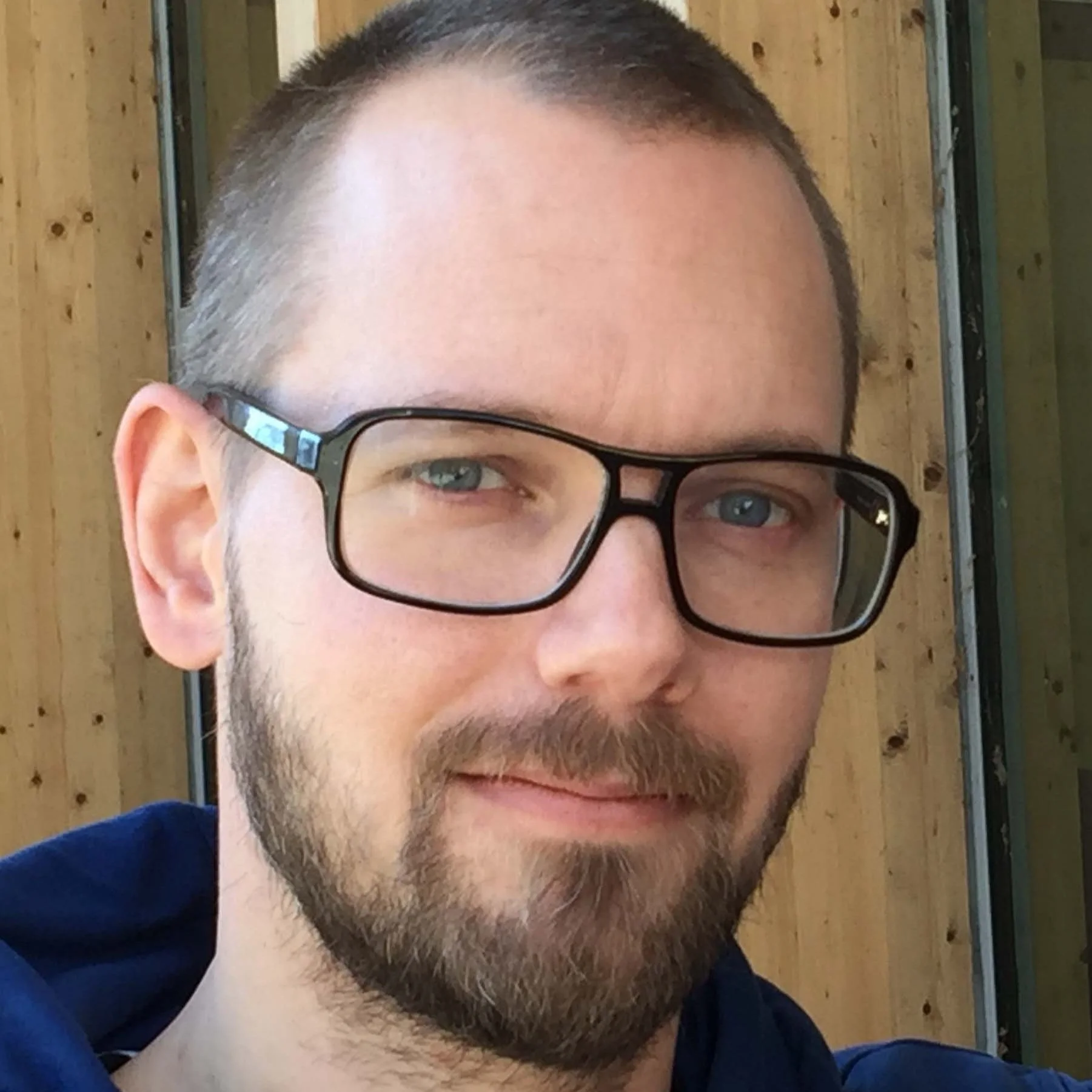
Food WG 5 member, Food Structure and Health, LINXS Fellow
Peter is an associate professor at the Centre for Analysis and Synthesis, at the Department of Chemistry, Lund University. His research is focused on human metabolism, obesity and diabetes. A main interest is mechanisms by which altered food compositions translate into altered function of key metabolic tissues, with a particular emphasis on lipid remodelling and membrane function.
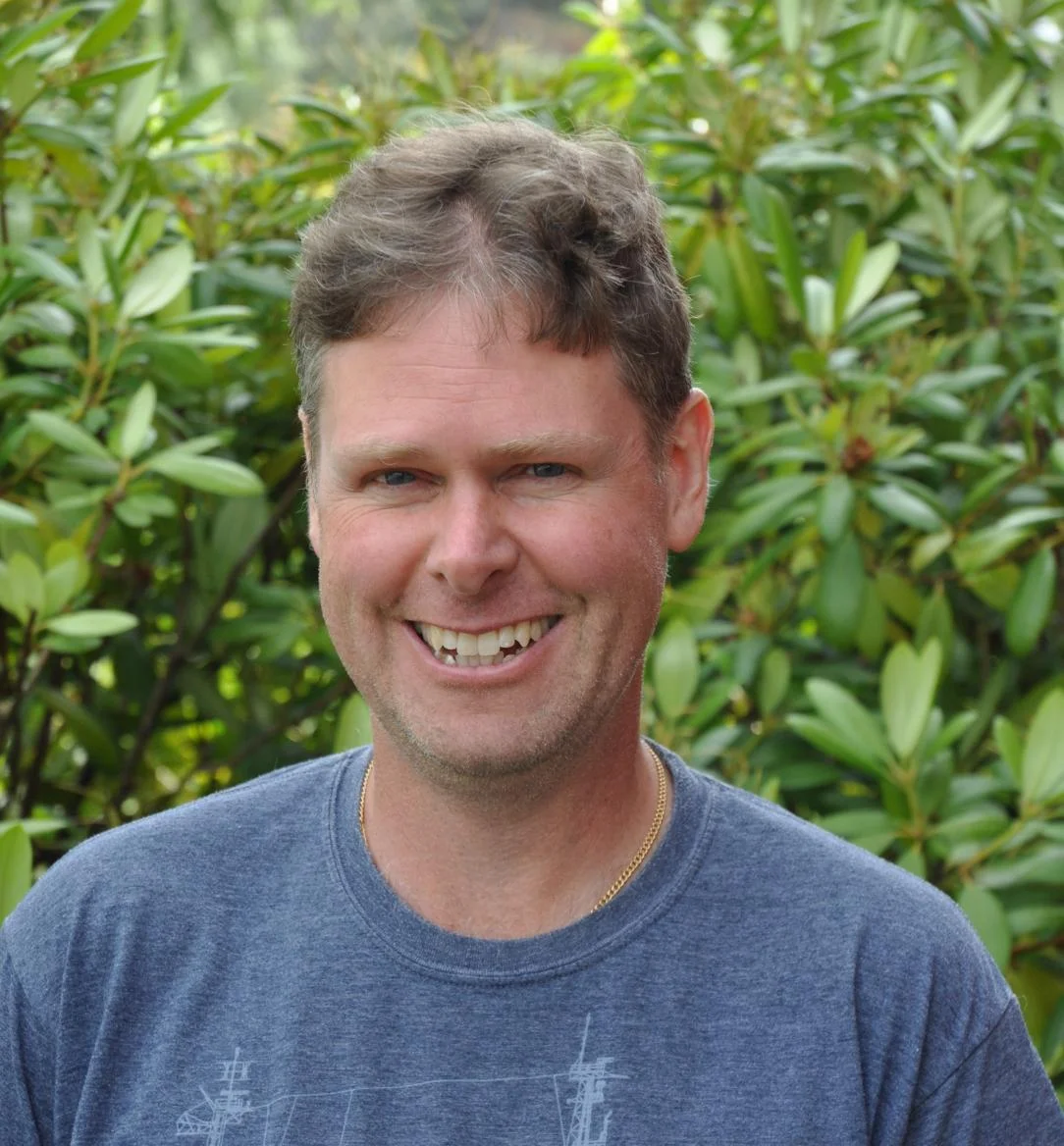
Food Core Group member & Imaging Working group member, LINXS Fellow
Niklas is a researcher at the Product Design and Perception section at RISE Agrifood and Bioscience. He is also adjunct professor at the department of physics at Chalmers University of Technology. In addition, Niklas is vice director for the VINN Excellence centre SuMo Biomaterials and coordinator for the Soft Microscopy Centre, both close collaborations between RISE and Chalmers. His research generally focuses on microstructure-property relationships in soft heterogeneous bio-based materials such as foods. His network and scientific expertise in microscopy will be crucial for the theme to both develop the working groups and defining the research programs. Together with Stephen Hall, Niklas will coordinate WG3. Structure of food during processing.
Food Core Group member & Imaging Working group member, LINXS Fellow
Anna is a professor at the Division of Pharmaceutical Technology at Chalmers University of Technology, and was a member of the management group of SuMo Biomaterials. Her various research interests include mass transport in soft biomaterials, mechanical properties of biomaterials, and structure and function correlations of polysaccharides. Between 2017 and 2019, she was the Director of Food Science Sweden, a national platform aimed at strengthening and visualising Swedish food science research, and she is expected to be key in raising awareness and building up competence amongst the wider Swedish food science community.
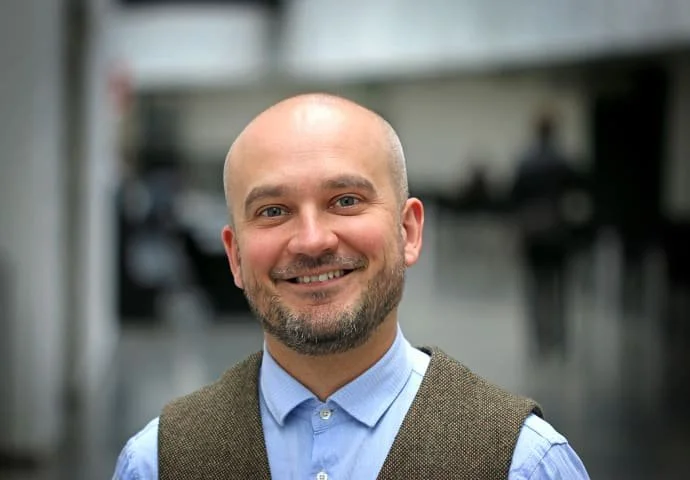
Food Core Group member and Structure of Food Raw Materials Leader, LINXS Fellow
Francisco Vilaplana is Associate Professor and Head of the Division of Glycoscience and Coordinator of the Research Environment for Healthy and Sustainable Food Systems at KTH Royal Institute of Technology (Stockholm, Sweden). His research is focused on the structure of plant biomass, including food raw materials, biopolymers and assemblies. He uses this structural information to develop new chemo-enzymatic processes for the valorisation of food waste streams into new food products for improved nutrition and health.
Food Core Group member, LINXS Fellow
Maud is a professor at the Department of Molecular Sciences; Food structure and properties, at the Swedish University of Agricultural Sciences (SLU). She is an internationally recognized specialist in the structural analysis of raw materials of food, food products, and using different physico-chemical and structural methods from molecule to macro levels. She brings unique competence on food structure to the core group and also specific knowledge of the raw materials and agricultural production aspects. Member of the National Committee for Nutrition and Food Science at the Royal Swedish Academy of Sciences (KVA).

Food WG 2 Leader, Food colloids and structured interfaces, LINXS Fellow
Frida Lewerentz, Researcher, Department of Food Technology, Engineering and Nutrition, Lund University
Dr Lewerentz has a PhD in Food Technology from Lund University, and her research focus is on the processing, structure and formulation of dairy products.
Food WG 2 Member, Food Colloids and Structured Interfaces, LINXS Fellow
Jacob Kirkensgaard is Associate Professor at University of Copenhagen (UCph) and heading the research group Structural Food Physics and Soft Matter Self-Assembly jointly anchored between the Dept. of Food Science and the Niels Bohr Institute and affiliated with the Nano-Science Center. Jacob is a dedicated x-ray and neutron small-angle scattering expert both in relation to experimental execution and advanced data analysis. The group is hosting state-of the-art x-ray scattering equipment between the two institutes - in particular a brand new Xenocs Nano-Inxider combined SAXS/WAXS setup and a highly flexible Ganesha instrument allowing for a range of in situ studies to be conducted in-house. He also acts as the UCph branch manager of the danish LINX (Linking Industry with X-rays and Neutrons). He routinely goes to international large scale facilities to do neutron or synchrotron x-ray scattering.
Food Core Group member and WG 2 Leader, LINXS Fellow
Milena is a professor at the Department of Food Science at Aarhus University, having first been a professor in food design and technology at the University of Guelph between 2006 and 2019. She is also currently Leader of the iFOOD Aarhus University Center for Innovative Food Research. Her research priorities are food design and processing, connecting the domains of food biochemistry, food processing and material science. She is an editorial board member of the Journal of Dairy Research, and Section Editor of the Journal of Dairy Science.
Food WG 4 member, Food interactions on surfaces, LINXS Fellow
Martin Adell is a Technology Specialist within material and surface technologies at Tetra Pak Processing Solutions and is also an affiliated researcher at the department for mechanical engineering at LTH. Most of the research in which Martin is involved is focused on the interaction between food products and the materials and surfaces of processing equipment. Martin has also previously worked with converting technology for Tetra Pak packaging materials and before that with mobile phone displays at SonyEricsson. Martin holds a PhD in applied physics from Chalmers technical university with a focus on surface science for metals and semiconductors using electron spectroscopy techniques at the old MAX-lab synchrotrons where he later also did a PostDoc as a beamline manager.

NLF (Food) WG 3 member and IPDD WG 3 member, LINXS Fellow
Emanuel Larsson is a Researcher and Expert at the Division of Solid Mechanics and at LUNARC - Centre for Scientific and Technical Computing. He is also working for CIPA - Correlative Image Processing and Analysis at Lund University and QIM - Center for Quantification of Imaging Data from MAX IV, as well as for the ForMAX portal - a platform at MAX IV, which will offer education and access to advanced X-ray methods to the forest industry. He has previously been stationed at both X-ray micro and nano tomography beamlines at Synchrotron facilities, and has around 4 years of experience in imaging food science related samples, also including sample environments. Emanuel mainly focuses on educating and supporting users in tomographic X-ray and neutron imaging and image analysis. Together with Stephen Hall and Niklas Lorén, Emanuel will participate in WG3. Structure of food during processing.
Food WG 4, Food interactions on surfaces, LINXS Fellow
Shun Yu is a researcher at the unit of smart materials at RISE Research institute of Sweden. He works as a technique specialist by using scattering characterization to solve industry-relevant R&D challenges spanning food system, biobased materials, new packaging solution, as well as coatings for automobile industries. His research interest has been to combine spectroscopy and scattering techniques to understand the interaction and structure in nanoscale and/or at the interface and develop novel data analysis strategies, for example via machine learning.
He obtained Ph.D. in materials physics in 2012 from Royal Institute of Technology, Sweden (KTH), where he used Soft X-ray spectroscopies (XPS, NEXAFS, RPES) to study the interaction at the interface between the organic and inorganic materials. Then he spent two years at DESY to work with Hard X-ray scattering technique (SAXS/WAXS) at with the support of Wallenberg postdoc fellowship and focused thin film structure characterization via the grazing incidence X-ray scattering (GIXS). Since 2014, he begins to work with biobased materials extensively first in Wallenberg Wood Science center, then at Stockholm University and now at RISE.
Food WG 4, Food interactions on surfaces, LINXS Fellow
For more information about Tom, please visit his profile: https://europeanspallationsource.se/profile/thomas-arnold
Food WG 5 member, Food structure and health, LINXS Fellow
Arwa Mustafa, has a PhD in Food Science with more than a decade of experience in the field of food chemistry, food innovations and new product development, having focus on food for health, and functional products using Green & Clean Technologies. She has received a number of innovation awards and have a patent.
Arwa’s international academic and work experience, countries including USA, England, Sudan, Sweden and Denmark.
Arwa has a track record of scientific publications, supervision undergraduate and master student, as well as international academic and research collaboration. Current academic collaboration project with Lund University includes: departments: Analytical Chemistry, Food Technology, Biotechnology and LUNARC. In addition to department of molecular science at SLU.
She is the founder & CEO at ARWA FoodTech AB- member of Aventure AB Group.
Food WG 4, Food interactions on surfaces, LINXS Fellow
Prof. Frank Lipnizki was Vice-President of the European Membrane Society in 2019/2021 and is currently heading the Annex “Membranes in Biorefineries” by IETS – a collaboration program of the International Energy Agency (IEA). His main research focuses on the integration and optimisation of separation process in particular membrane processes in the food, biotech, pulp and paper industry as well as water and wastewater treatment plus fouling and cleaning of membranes.
Prof. Frank Lipnizki has authored over 50 publications in reviewed journal and books and gave more than 100 presentations at international conferences and workshops on membrane technology.
1995: BEng (Hons) in Manufacturing and Management at the University of Bath, U.K., 1996: Diploma in Mechanical Engineering (Process Engineering) at the University of Bochum, Germany 1999: PhD (Hydrophobic Pervaporation: Process Integration and Optimisation) in Chemical Engineering at the University of Bath, U.K., 2000: Post-doc Druvan Scholarship in Food Engineering at Lund University, Sweden. 2001 - 2016: Alfa Laval - Business Centre Membranes (previously Danish Separation Systems), Denmark, Business Manager and Product Manager plus associated R&D manager and 2014 - 2016 adjunct Professor in Chemical Engineering at Lund University, Sweden. Since, 1st of Jan 2017 Professor in Chemical Engineering with focus on Separation Process in the Department of Chemical Engineering at Lund University, Sweden. Furthermore, he heads the Membrane Group at Lund University and manages MemLab – the Industrial membrane process research and development centre – at Lund University.
Food WG 1 Member, Structure of food raw materials, LINXS Fellow
Mario is Associate Professor and Sapere Aude Research Leader at the Department of Food Science at Aarhus University. His research program is on translational glycoscience, approaching the structure and function of food polysaccharides, their binding potential to plant secondary metabolites, the elucidation of their complex structural biochemistry, and their food structuring behaviour alone or in combination with dietary plant proteins. During the last years Mario's team has also work on the fundamentals aspects related to the structuring technologies of plant-based foods (e.g., using extrusion processing) and polysaccharide-based fully biodegradable coating and packaging solutions. He is the recipient of the CEPS Assistant Professor Research Excellence Award (College of Engineering and Physical Sciences, University of Guelph, Canada), the Young Scientist Research Award (AACCI, now Cereals & Grains, USA), the Ontario Early Researcher Award (ERA, Government of Ontario, Canada), the Nils Foss Talent Prize (Foss, Denmark), and he was recently recognized as Sapere Aude Research Leader by Independent Research Fund Denmark. Mario is Adjunct Assistant Professor at the Whistler Center for Carbohydrate Research (Purdue University, USA) and a member of the Editorial Advisory Board of ACS – Food Science and Technology.
Food WG 5 member, Food structure and health, LINXS Fellow
Karin Stenkula holds a position as a senior research lecturer in morphology at the department of Experimental Medical Science, Medical Faculty, Lund University, Sweden. Since 2014, she is principal investigator of the research group “Glucose transport and Protein Trafficking”. Their research is focused on detangling the cellular processes regulating adipose tissue function, and how adipose tissue dysfunction contributes to onset of type 2 diabetes. Specifically, they are interested in identifying the molecular mechanisms regulating insulin sensitivity, glucose- and lipid transport in adipocytes, using experimental cell biology and sophisticated microscopy techniques at a single cell level. Besides research, she is also quite involved in teaching at the Biomedical program!
Food WG 1 Member, Structure of food raw materials, LINXS Fellow
Dr. Martinez-Sanz is a tenured scientist at the Spanish Council for Scientific Research (CSIC). She works at the Food Proteins group in the Institute of Food Science Research (CIAL), where she investigates the structural changes of complex food matrices upon gastrointestinal digestion and the effects of nanostructure on protein digestibility and bioavailability. She is expert on the application of small angle scattering techniques (SAXS, SANS and USANS) and their combination with complementary methods such as X-ray diffraction, rheology, spectroscopy and microscopy. Along her career, she has applied scattering techniques to characterize the multi-scale architecture of plant cell walls, bacterial cellulose model systems, polysaccharides extracted from a variety of biomass sources (e.g. seaweeds, microalgae, agroindustrial waste, etc.), food proteins and food packaging materials.
Food WG 4, Food interactions on surfaces, LINXS Fellow
Olga Santos is a material specialist at the Materials Technology & Chemistry lab at Alfa Laval. She is also adjunct lecturer at the department of physical chemistry I at Lund University. She has a background on Chemical Engineering with a PhD in Food Engineering at Lund University. Her research focuses on thin coatings applied on metal surfaces for fouling reduction and corrosion protection, fouling and cleaning mechanisms, adsorption and desorption of protein films (fouling), surfactants and lipids on solid surfaces and characterization of solid surfaces. During her time at Alfa Laval, she has been part of several external research projects with partners from the industry, research institutes and universities at both national and international level.
Food WG 5 member, Food structure and health, LINXS Fellow
Mathias is associate professor at Department of Green Technology at University of Southern Denmark, and leader of the SDU FOOD Lab. His work focuses on characterization of biomolecular structures in food, biotechnology and cell biology applying advanced optical microscopy techniques, image analysis, and physicochemical and physical methods. His current research priorities relate to gastrophysics studying microstructure and texture of food in gastronomic contexts.
Food WG 1 and WG 5 member, LINXS Fellow
Patricia Lopez-Sanchez is associate professor (docent) in food structure/function and researcher at the Department of Food and Nutrition Science at Chalmers University of Technology. Her formal qualifications include a MSc in chemistry (University of Santiago de Compostela, Spain) and PhD in food science and technology from Chalmers University. Her research experience includes eight years as corporate scientist at Unilever R&D (The Netherlands), and four years as postdoctoral fellow at the Centre for Nutrition and Food Science at The University of Queensland (Australia). Her major research interest addresses the need to ensure food security, and to produce more sustainable, healthy and functional foods, using a material science approach. The underlying hypothesis is that cell walls and wall polysaccharides, which determine microstructure and physicochemical properties during manufacturing and under physiological conditions, are key to improve our exploitation of plants. Her expertise includes the use of microscopic, spectroscopic, and material analysis techniques to understand the complex and hierarchical structure of food ingredients and products.
Guest researcher at LINXS between June 2022 - July 2022
Elliot Gilbert is an instrument scientist for the QUOKKA small-angle neutron scattering instrument and led the project for its design, construction and commissioning. Elliot also devised, initiated and leads the Food Science project that applies materials science approaches to examine structure-property-process relationships in food-based systems.
He received his PhD in chemistry from the Australian National University in 1998. Following a successful ARC Industrial Postdoctoral Fellowship, he joined the Intense Pulsed Neutron Source at Argonne National Laboratory in the United States where he provided scientific and technical support to researchers using small-angle neutron scattering and neutron reflectometry as well as developing teaching resources for the National School on Neutron and X-ray Scattering. Elliot's interests lie in condensed matter science and he has investigated such diverse areas as colloids, polymers, phase separation, emulsion stabilisation, membranes, magnetic spin glasses, skyrmions, biocompatible ferrofluids and nanocomposites. More recently, his focus has been on the application of neutron and X-ray scattering to systems with an intrinsic health-related and/or industrial application; this has resulted in multiple reports in domestic and international media.
Food interactions on surfaces working group member, LINXS Fellow
Gregor Rudolph-Schöpping is a postdoctoral researcher at the Department of Chemical Engineering, Lund University, Sweden. He works with pressure-driven membrane processes such as microfiltration and ultrafiltration, besides others, for the separation, concentration, and purification of plant-based proteins. During the filtration, membranes typically get blocked. A process also known as membrane fouling. By so call membrane cleaning, some compounds can be detached from the membrane. Gregors research interest has been on understanding the structural changes of the membrane caused by membrane fouling and membrane cleaning and the interaction of foulants with the membrane surface in nanoscale.
Gregor uses a bouquet of analytical techniques to generate knowledge on the processes leading to the unwanted deposition of compounds on membranes and their efficient removal. A major part focus lays on imaging techniques such as X-ray tomography.
Together with Frank Lipnizki, Emanuel Larsson, and Stephen Hall, Gregor participates in the Food WG 4, Food interactions on surfaces.
Food WG 1 Member, Structure of food raw materials, LINXS Fellow
Docent Fabio Valoppi is a Marie Skłodowska-Curie Individual Fellow (EU-funded) at University of Helsinki. He has 10 years of experience in the food structure design and development area, including emulsions, novel emulsifiers, oleogels, aerogels, delivery systems, functional food, and equipment development. Currently he leads a multidisciplinary research team including colloidal and food scientists, engineers, and physicists.
Food WG 2 Member, Food colloids and structured interfaces, LINXS Fellow
Shinji Kihara is a Postdoctoral Research Fellow at Structured Biointerface (group led by Prof. Ben Boyd) from the University of Copenhagen. Shinji applies synchrotron and neutron scattering techniques to understand the complex structure formed when particle systems encounter biological fluid (e.g., protein corona). Current research specifically looks at the formation of “gut corona”, which is expected to form in gastrointestinal environments.
Shinji Kihara - Google Scholar
Food WG 2 Member, Food colloids and structured interfaces, LINXS Fellow
Ashkan Madadlou is Associate Professor in Food Chemistry in the Department of Biotechnology and Food Science, Norwegian University of Science and Technology (NTNU), Norway. His research interests are emulsification and demulsification processes, liquid-liquid interfaces and droplet bioreactors in food and bioprocessing. Ashkan is author of nearly 110 papers in peer-reviewed journals and acts as an Associate Editor of the journal Food Chemistry (published by Elsevier) since 2021.
Ashkan Madadlou - NTNU
Ashkan Madadlou - Google Scholar
NLF WG 5 Leader, Food Structure and Health, LINXS Fellow
Dr Gregory Smith is a SANS instrument scientist at the ISIS Neutron and Muon Source in the UK. Gregory is a physical chemist by training and obtained degrees in Chemistry from the University of Bristol (UK), followed by positions at the University of Sheffield (UK) and the Niels Bohr Institute at the University of Copenhagen. Gregory’s research explores the interactions and self-assembly of soft matter and colloids, such as surfactants, polymers, and nanoparticles, using scattering and isotopic labelling to understand their structure from the ångström to the micrometre scale.
Gregory is responsible for Larmor at ISIS, a flexible instrument optimised for Larmor precession techniques. The instrument can be operated in many modes: as a conventional or polarised small-angle neutron scattering (SANS) instrument, as a spin-echo SANS (SESANS) instrument (which extends the length scales that can be studied up to micrometres), or as a modulated-intensity (MISANS) instrument (which allows dynamics to be studied). These modes are all highly suited to addressing a range of issues in food science.
FELLOWS legacy IPDD
IPDD Core Group Leader and Integrative Structural Biology Core Group Leader, LINXS Fellow
Karin Lindkvist is an expert in structural biology in particular applying X-ray crystallography. Her research encompasses both structural studies of integral membrane proteins and soluble proteins, in particular proteins important in human metabolism such as glucose transporters and glycerol channels. Lindkvist has a strong scientific network in the field of membrane protein structural biology.
LINXS Co-Director (-2023) and IPDD WG 3 member
oxana.klementieva@linxs.lu.se
LINXS Co-Director responsible for the focus area of Life Science. Associate Professor, Docent, Co-coordinator Nanobiology & Neuronanoscience at NanoLund and Head of Medical Mirospectrocopy group at the Medical Faculty of Lund University. Research interests include structural changes of amyloid proteins for understanding the nature of neurodegenerative disorders.
IPDD WG 3 member and Imaging Core Group Member, LINXS Fellow
Rajmund is a senior scientist, professor at the MAX IV Laboratory (Lund University) and an honorary professor at the Technical University of Denmark. He is a specialist in X-ray physics with emphasis on the enhancement of X-ray imaging for biology and material science applications: development and applications of coherent imaging with improved temporal and spatial resolution.
IPDD Core Group Member, IPDD WG 2 Leader and Dynamics Core Group Member, LINXS Fellow
Anna is a Professor at the Division of Physical Chemistry at Lund University specializing on biocolloids studied by scattering techniques. Her current research focuses on the properties of concentrated protein solutions with a particular interest in protein dynamics under crowded conditions.
IPDD WG 2 member and Dynamics Core Group Member, LINXS Fellow
A Prof. em., Dr. at FZ Jülich, Dieter Richter received his Diploma in theoretical Physics (1973) at the TU-Braunschweig and under the guidance of Prof. Dr. T. Springer his PhD degree in experimental physics (1977) at the RWTH Aachen, Germany. He did post-doctoral work at the Brookhaven National Laboratory in the Neutron scattering Department of Dr. Shirane. He then moved to the Forschungszentrum Jülich and performed his Habilitation at the RWTH Aachen in 1983. In 1985 he assumed a position as senior scientist at the Inst. Laue Langevin in Grenoble. In 1989 he was appointed as director at the Institut für Festkörperforschung at the FZJ Jülich. From 2011 he assumed the position as a Scientific Director at the FRM2 Reactor in München. In 2015 he retired from his positions and now works as an advisor for the FZJ. Dieter Richter co-authored more than 600 papers, which have received over 17000 citations and an H-index of 65. He has received several high-ranking awards among which the Schottky Award of the German Physical Society, the Max Planck Award, the Erwin Schrödinger Award and the Walter Hälg Prize of the European Neutron Scattering Association. He was a member and also chairperson of a large number of scientific panels such as the scientific council of the ILL or the OECD Mega Science Forum. Among others he founded the European neutron scattering association and the European network of excellence “SoftComp”.
His current interests are the structure and dynamics of macromolecular soft and biological systems.
Dynamics Core Group Member, LINXS Fellow
Mikael is a Senior lecturer at Division of Theoretical Chemistry and Lund University with speciality in biomolecular interactions, simulation techniques (Monte Carlo, Molecular Dynamics), and statistical thermodynamics.
IPDD WG 1 member and Dynamics Core Group member, LINXS founding Director
Former LINXS Director and Core Group leader for the Dynamics thematic. Mentor to LINXS in general and active in the Dynamics Core Group. Professor of Physical Chemistry at the Department of Chemistry, Lund University since 2010, when he moved from the Adolphe Merkle Institute for Pure and Applied Nanoscience of the University of Fribourg, Switzerland.
IPDD WG 3 member and Opportunities in Imaging Working Group member, LINXS Fellow
Martin Bech is Senior Lecturer at the division of Medical Radiation Physics, Clinical Sciences, Lund University. He is interested in X-ray phase contrast and dark-field imaging using grating interferometer, Soft tissue biomedical imaging, Micro-CT imaging using synchrotron radiation and x-ray tubes.

IPDD WG 1 member, Structure-based drug design, LINXS Fellow
Scientific Project Leader of the NMX instrument at ESS and Visiting research fellow at Biochemistry and Structural Biology at Lund University. Research interests include macromolecular neutron crystallography, enzyme mechanisms, and structural biology .
Guest Researcher at LINXS in May–June 2023, and IPDD WG 2 member, LINXS Fellow
Andreas works as senior scientist at Jülich Centre for Neutron Science (JCNS) at Forschungszentrum Jülich. He is using neutron and X-ray scattering techniques for the investigation of structure and dynamics of biological macromolecules.
Andreas studied physics and biophysics at Technical University Munich, Germany, and at University Pierre and Marie Curie, Paris, France. He obtained his PhD degree with Dr. Giuseppe Zaccai in 2009 in physics in the field of protein dynamics using quasielastic incoherent neutron spectroscopy as experimental method. After that he joined Forschungszentrum Julich to work first on a project using coherent X-ray diffraction in molecular biophysics, and later joined JCNS in 2011 to start working on the structure and dynamics of intrinsically disordered proteins using small-angle neutron and X-ray scattering and neutron spin-echo spectroscopy. Since 2015 he is senior scientist with permanent position and in 2019 he obtained his habilitation from RWTH Aachen University in chemistry. His current research interests are focused on the investigation of the structure and dynamics of intrinsically disordered proteins and on the relevance of molecular flexibility for biological function. Experimental techniques used include neutron spectroscopy and small-angle X-ray and neutron scattering.
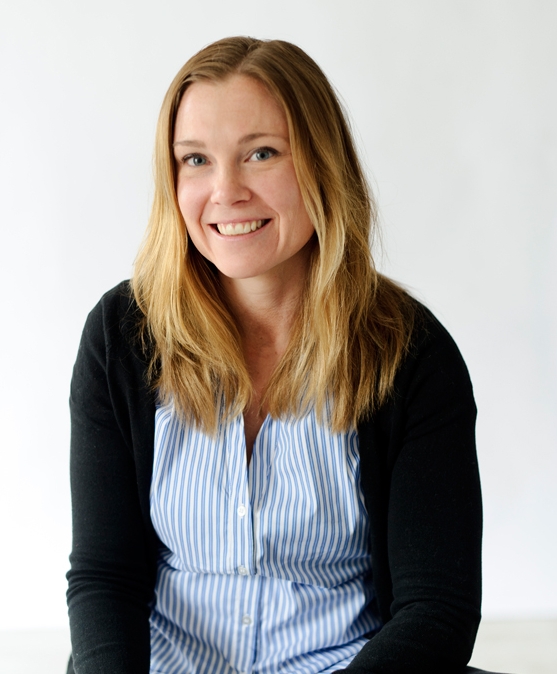
IPDD WG 3 member and Imaging Working group member, LINXS Fellow
Hanna Isaksson is a professor in Biomedical Engineering, Lund University. Hanna's reserach area is primarily bone biomechanics and mechanobiology, focusing on functional imaging and material characterization musculoskeletal tissues, primarily bone and tendons. She studies damage and fracture mechanisms and uses a variety of synchrotronbased techniques such as X-ray tomography, scattering and spectrocopy, to understand the link between mechanical performance, structure and composition, on lengthscales from the whole organ down to the building blocks of the tissues.
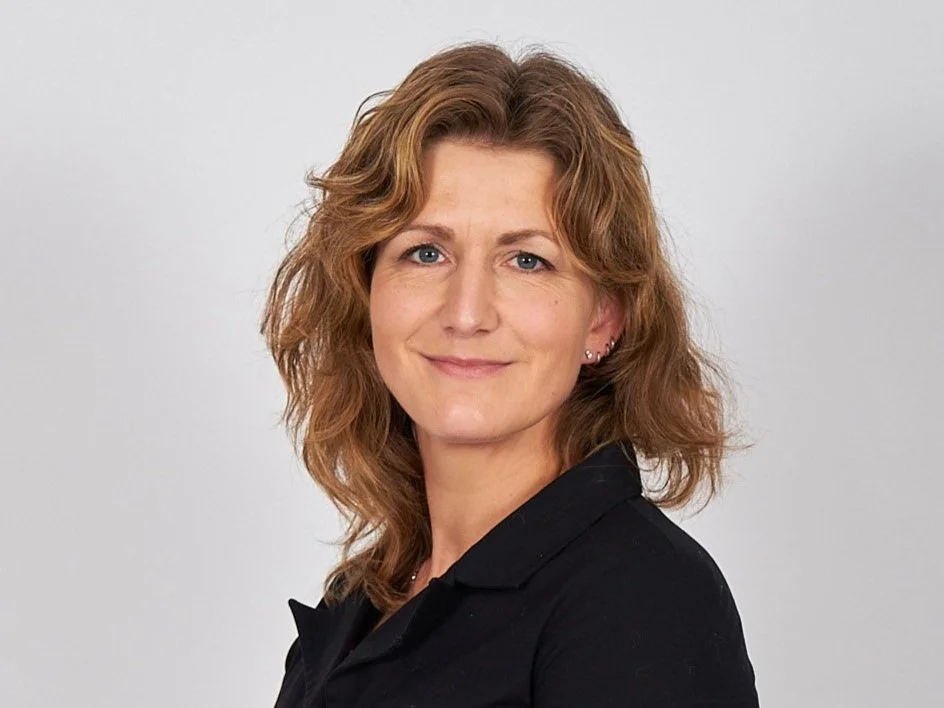
IPDD WG 3 member and Imaging Working group member, LINXS Fellow
Anja Schmidt-Christensen is a researcher at the Department of Experimental Medical Science at Lund University and the Lund Diabetes Research Center (LUDC). Her research profile and expertise is in the field of immunology of chronic inflammation related to Type-1 Diabetes and fibrosis, with a special focus on advanced imaging methods and working with in vivo models.
IPDD Core Group Member, WG 1 Leader, Structure-based drug design and Linxs NXS Fellow
Raminta Venskutonytė is an associate researcher at Lund University. She is working within the research group of Medical Structural Biology headed by Professor Karin Lindkvist. Her major area of expertise is X-ray crystallography, applied for structure-based drug design and other protein structure-function projects of medical interest. Raminta has previously worked at the University of Copenhagen, where she obtained her PhD in Structural biology and pharmacology as well as postdoctoral training within structural biology of ionotropic glutamate receptors.
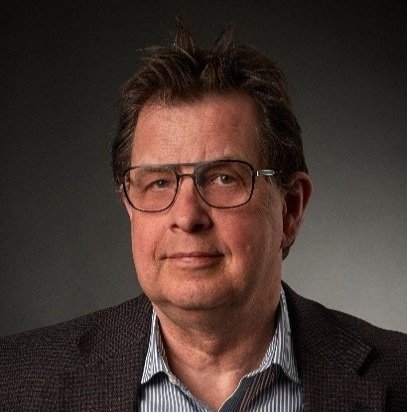
IPDD WG 1 Member, Structure-based drug design, LINXS Fellow
Lars Grundemar is an adjunct professor at Lund University and an experienced pharmaceutical executive. He obtained his PhD at the Department of Pharmacology, Lund University in 1991 and pursued research in the field of identification and characterization of G-protein coupled receptor for neuropeptide transmitters. Lars is also an MD and specialist in Clinical Pharmaology. He is currently the CEO for Oncorena, developing potential breakthrough therapy for metastatic renal cancer. Previously, Lars has held leadership R&D positions in global pharmaceutical corporations in Sweden, USA, Switzerland, Italy and Denmark.

IPDD Core Group member, LINXS Fellow
Gisela Brändén, Associate Professor, University of Gothenburg – Brändén leads a research group at the Department of Chemistry and Molecular Biology at the University of Gothenburg. After obtaining a PhD from Stockholm University, she spent five years within drug discovery research at AstraZeneca R&D where her focus was on structure-based drug design using X-ray crystallography in combination with other biophysical methods. Since joining the University of Gothenburg in 2012, she has continued her efforts in structure-based drug design with a special focus on novel antibiotic protein targets. In addition, her group is exploring the use of serial X-ray crystallography methods for pharmaceutical compound screening.

IPDD WG 3 Member, Biomedical imaging, LINXS fellow
Karin Tran-Lundmark is a physician scientist and Associate Professor at Skåne University Hospital and Lund University. Her clinical focus as a pediatric cardiologist is pulmonary hypertension and advanced heart failure/transplantation. She spends 50% of her time in the clinic and 50% at BMC doing experimental research. The main research focus is vascular remodeling in pulmonary hypertension (high blood pressure in the lung) and the role of the extracellular matrix in pulmonary vascular disease. Over the last few years Dr Tran-Lundmark and her group have started to use synchrotron-based phase contrast micro-CT for visualization of the vascular micro-anatomy in severe pulmonary hypertension. The imaging is combined with other methods like immunohistochemistry and RNAscope (in situ hybridization) to determine molecular mechanisms in search for potential therapeutic targets.
IPDD WG 1 Member, Structure-based drug design, LINXS Fellow
Bjørn Panyella Pedersen is an associate professor at the Department of Molecular Biology and Genetics at Aarhus University in Denmark. There he is working on membrane transport processes from a structural perspective. His current research topics have a focus on sugar and cholesterol uptake mechanisms.
IPDD WG 1 member, Macromolecular Drugs –Antibodies, LINXS Fellow
Dr. Karoline Bechtold-Peters studied Pharmacy at the Ludwig-Maximilians-University of Munich and received her PhD in Pharmaceutical Technology in 1994 from Professor Dr. Karl Thomas with a thesis on "Stabilization of enzyme activity and availability of pancreatin pellets during aqueous coating with enteric-resistant cellulose derivatives". She started in 1949 at Boehringer Ingelheim Pharma KG as Laboratory Manager for solid forms and inhalation powders, then moved to Pharmaceutical Biotechnology in 2000 as Head of Biologics Formulation Development (dosage forms for proteins, DNA and peptides including stand-by analytics via DSC, HP-SEC, DVS, particle sizing, BIAcore and other methods). In 2003, she was appointed Associate Director, Clinical Supplies and Process Transfer, Biopharmaceuticals. In 2011, Dr. Bechtold-Peters moved to F. Hoffmann-La Roche in Basel as Head Clinical Manufacturing Parenterals, Process Science & Business Excellence / Pharma Technical Development PTDE, Global Biologics and in 2016 to Novartis Pharma AG, also in Basel. There she is Senior Strategy and Technology Leader, BioFuture, and since 2021 in the Scientific Office Drug Product Development OneBiologics. Dr. Bechtold-Peters' interests lie particularly in protein formulation and biopharmaceutical manufacturing. She has developed expertise in the interaction of biologics with interfaces such as packaging materials and in the freezing and thawing of protein preparations. She has co-authored more than 45 papers and more than 30 patents.
IPDD WG 1 Member, Structure-based drug design, LINXS Fellow
Ulf Nilsson is a professor at Lund University. He obtained his PhD at Lund University 1995 working with oligosaccharide synthesis under the supervision of professor Göran Magnusson. He did post-doctoral studies 1995-1997 at University of Alberta, Canada, with professor Ole Hindsgaul developing methods for combinatorial carbohydrate chemistry. He initiated his independent research career at Lund University 1998 as an assistant professor and was promoted full professor in 2009. Research interests are on molecular recognition studies in biological systems and in artificial model systems and on the biology, medicinal chemistry, and structure-based drug design of galectins, sialic acid transport proteins, and DHODH enzymes.
https://portal.research.lu.se/sv/persons/ulf-nilsson
IPDD WG 1 Member, Structure-based drug design, LINXS Fellow
Filippo Minutolo is a full professor of Medicinal Chemistry at the University of Pisa (IT) since 2016, after being an associate professor (2006-2016) and a researcher (2001-2006) at the same institution. He holds a PhD in Chemistry (1996) issued by Scuola Normale Superiore (Pisa, IT), which includes a year at the University of Groningen (NL) as a visiting graduate student in the research group of Prof. Ben L. Feringa [Nobel prize in Chemistry 2016]. In 1997-1999 he was a visiting post-doctoral research associate at the University of Illinois at Urbana-Champaign (USA) in the research group of Prof. John A. Katzenellenbogen.
He has a 30 year experience in the design and synthesis of bioactive molecules and the results of his research were published in 140 peer-reviewed articles (H-index = 34), several international patents and numerous congress communications.
https://www.scopus.com/authid/detail.uri?authorId=7004587084
https://orcid.org/0000-0002-3312-104X
He is member of the European Organization for Research and Treatment of Cancer (EORTC, Bruxelles) and served as panel member in various national and international funding campaigns.
IPDD WG 1 Member, Structure-based drug design, LINXS Fellow
Tobias Krojer is project manager of the FragMAX facility for crystal-based fragment screening at MAX IV Laboratory. He is interested in developing methods for accelerated structure-based drug development at synchrotron sources.
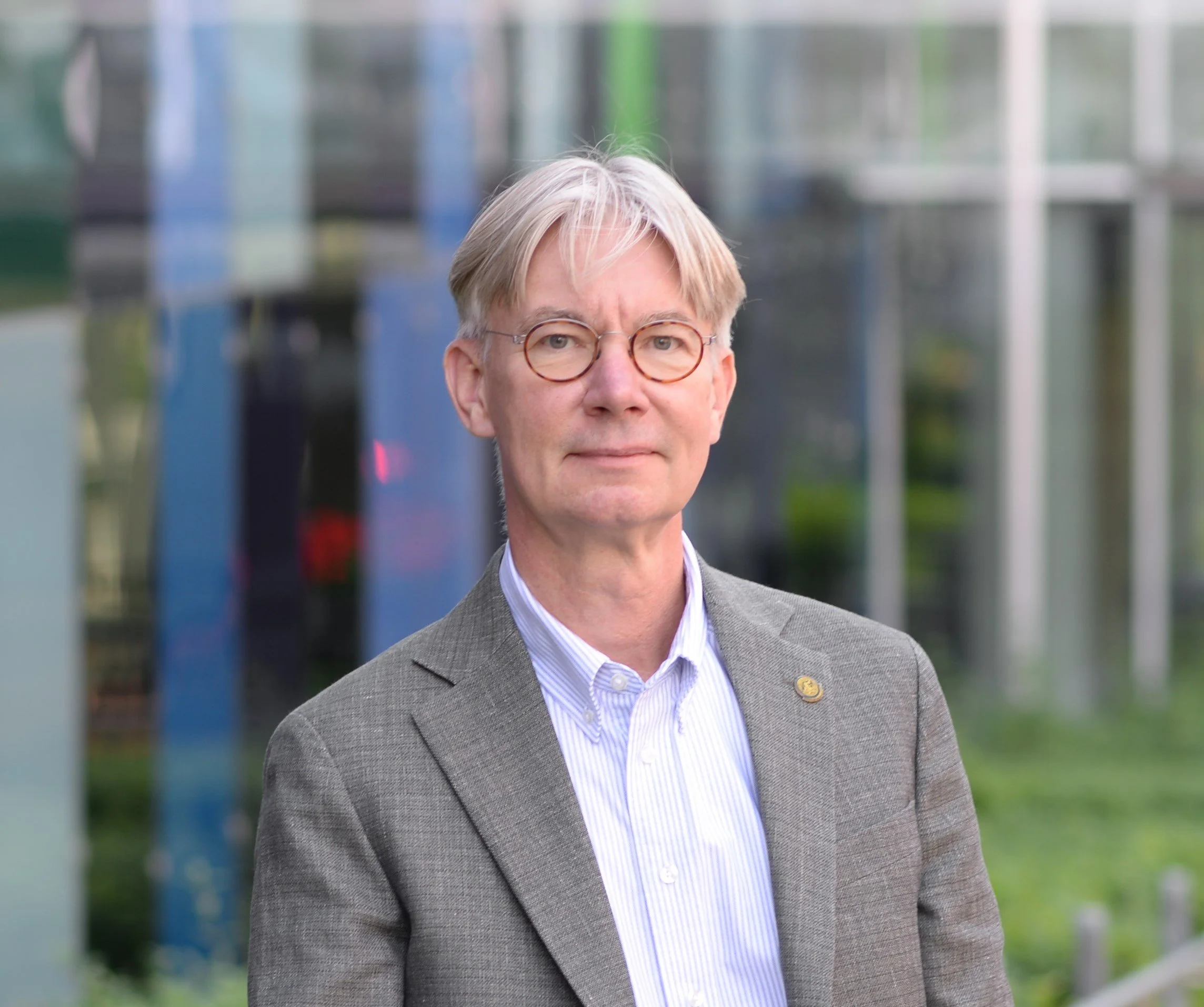
IPDD WG 3 Member, Biomedical imaging, LINXS fellow
Lars E. Olsson, Professor, Faculty of Medicine, Lund University- is professor of medical physics and head of Medical Radiation Physics, Dept. Translational Medicine, Lund University. He has a long research experience of research related to imaging of in-vivo animals as well as clinical studies. The research includes imaging modalities as Magnetic Resonance Imaging (MRI), Positron Emission Tomography (PET) and Computed tomography (CT) and recently Synchrotron CT. The research areas have been imaging of cartilage/OA, body composition (lipid imaging), cancer (radiotherapy) and above all respiratory imaging. For a period of almost 10 years, Olsson was working at AstraZeneca, Mölndal using imaging in drug development. At present he collaborates with researchers at ESRF, Grenoble on studies of fibrotic tissue in the lungs. He is also a member of the steering board of Lund University Bioimaging Centre.

IPDD WG 1 Member, Structure-based drug design, LINXS Fellow
Professor Pål Stenmark is a biochemist and structural biologist at Stockholm university.
His research focusses on two areas related to human health:
1. Structural based drug design, targeting novel cancer targets in nucleotide metabolism.
2. The Botulinum neurotoxins, deadly toxins that also can heal.
LINXS Director
Trevor.Forsyth@linxs.lu.se
I was appointed to a personal Chair in Biophysics in 2004. Prior to that I was a Lecturer and then Senior Lecturer in Physics at Keele. Since 2000 I have been on secondment to the Partnership for Structural Biology at the Institut Laue Langevin (ILL) in Grenoble, France, where I hold a Senior Fellowship and am Head of the Life Sciences Group.
Food WG 3 member and IPDD WG 3 member, LINXS Fellow
Emanuel Larsson is a Post Doc and Expert at the Division of Solid Mechanics and at LUNARC - Centre for Scientific and Technical Computing. He is also working for CIPA - Correlative Image Processing and Analysis at Lund University and QIM - Center for Quantification of Imaging Data from MAX IV, as well as for the ForMAX portal - a platform at MAX IV, which will offer education and access to advanced X-ray methods to the forest industry. He has previously been stationed at both X-ray micro and nano tomography beamlines at Synchrotron facilities, and has around 4 years of experience in imaging food science related samples, also including sample environments. Emanuel mainly focuses on educating and supporting users in tomographic X-ray and neutron imaging and image analysis. Together with Stephen Hall and Niklas Lorén, Emanuel will participate in WG3. Structure of food during processing.
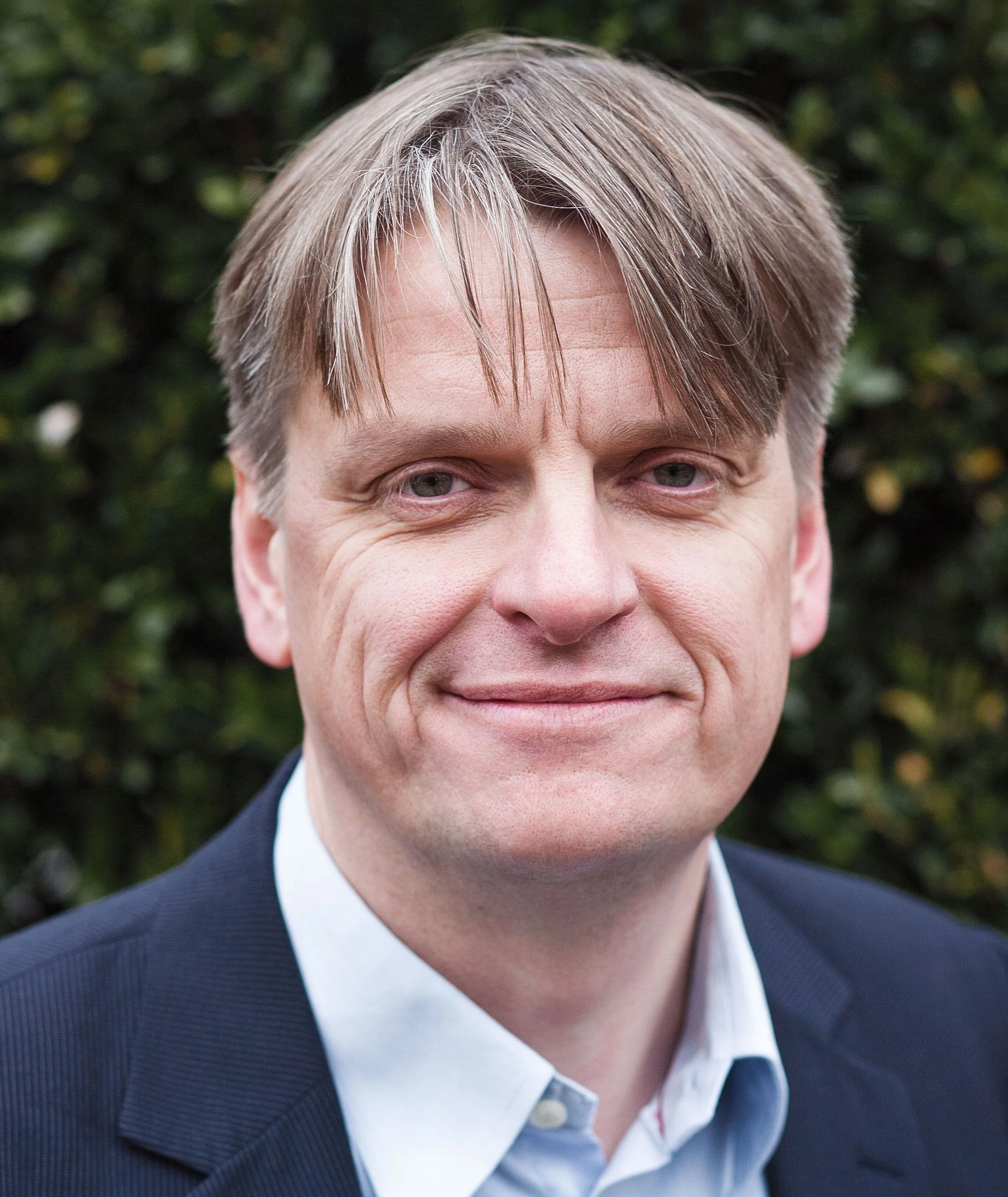
IPDD WG 1 member, LINXS Fellow
Roger Olsson, Professor and Research Team Manager at Chemical Biology and Therapeutics, Lund University.
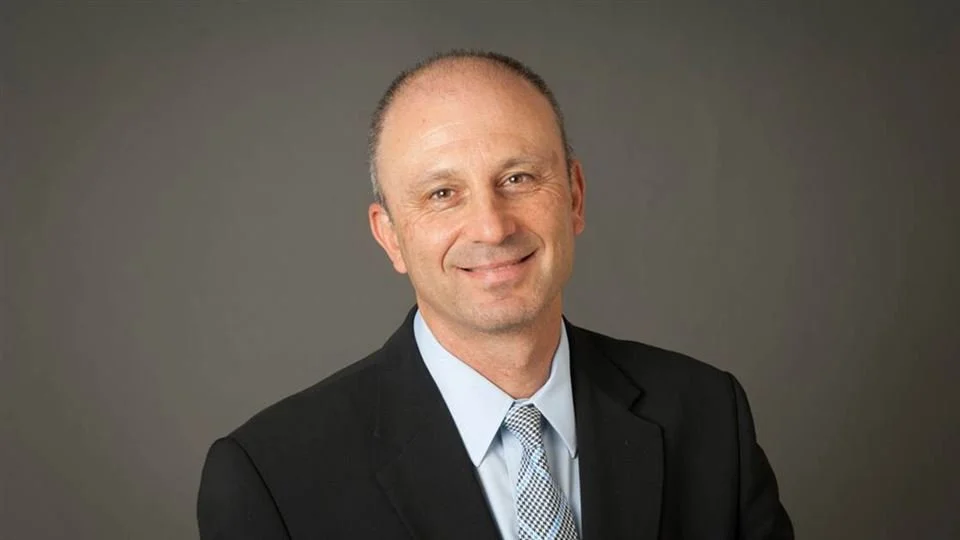
IPDD Core Group member, LINXS Fellow
Mikael Dolsten is currently the Chief Scientific Officer and President at Worldwide Research, Development and Medical organization at Pfizer Inc., which is responsible for the development of all compounds through proof of concept, and provides pharmaceutical sciences, safety and medical support to the entire R&D pipeline and all marketed medicines and vaccines.
Mikael earned his Ph.D. in tumor immunology and M.D. from the University of Lund in Sweden, where he was Adjunct Professor in Tumor Immunology and was recently appointed Visiting Professor to advise on science and technology strategies. Since 2014, Mikael has co-chaired the Accelerating Medicine Partnership with National Institutes of Health (NIH) Director Francis S. Collins. Mikael advised the Obama Administration on regulatory and drug development issues as well as then Vice President Biden’s Cancer Moonshot Initiative to accelerate cancer research. Through 2019, Mikael was a council member of the GovernmentUniversity-Industry Research Roundtable. Mikael is a named inventor on several patents and has published approximately 150 articles in international journals, with contributions in molecular cell biology, immunology and oncology.
IPDD WG 1 , Structure-based drug design, LINXS Fellow
Derek Logan is professor in the Department of Biochemistry and Structural Biology at the Centre for Molecular Protein Science, Lund University. He applies X-ray and neutron crystallography, small-angle X-ray scattering and cryo-electron microscopy, as well as various biophysical and biochemical techniques, to the study of protein structure. He has a particular interest in the mechanism and allosteric regulation of ribonucleotide reductases and ligand binding to the galectin family. Derek is also a co-founder and Chief Scientific Officer of the structural biology contract research organisation SARomics Biostructures AB, active in the area of early stage drug discovery.
IPDD WG 1 member, LINXS Fellow
Fredrik Leeb-Lundberg, Professor at Drug Target Discovery, Lund University.
IPDD WG 1 member, LINXS Fellow
Anna-Lena Gustavsson PhD, Platform and Unit Director for Chemical Biology Consortium Sweden (CBCS), Chemical Biology & Genome Engineering Platform at SciLifeLab.
CBCS is a national research infrastructure funded by the Swedish Research Council (SRC), Science for Life Laboratory (SciLifeLab), and six host universities. CBCS is a coordinated distributed infrastructure at six universities (Karolinska Institutet (KI), Umeå University (Umu), Uppsala University (UU), Linköping University (LiU), University of Gothenburg (UGOT) and Lund University (LU)). We provide world-leading expertise in the field of chemical biology to researchers in a collaborative project model. To do this, we offer support in assay development, small molecule screening, enabling chemistry, and access to small molecule libraries. Additionally, we have recently expanded our services to include disease and compound profiling using morphological profiling (i.e., cell painting), support for functional precision medicine projects, screening infectious pathogens in biosafety level 2 and 3 laboratories, virtual screening, advanced chemoinformatics and automated patch clamp profiling.
LINXS alumni
Former Board Chair
Dean of the Faculty of Science and Professor in Inorganic Chemistry. Member of the Nobel Prize Committee for Chemistry since 2003 and its chair 2014-2016.
Former Board member
Olof Karis is the head of the Department of Physics and Astronomy at Uppsala university where he is also a professor in experimental physics. His research concerns basic understanding of magnetic properties and how we can manipulate them on very short timescales. He uses both x-rays and neutrons for his research. He is also involved in instrumentation projects for e.g. MAX IV.
Former Board Member
Senior advisor to the Vice-Chancellor of Umeå University for research infrastructure and Professor in plant biochemistry at UPSC. Member of the MAX IV & SciLife boards.
Former Board Member
Vice Dean at the Faculty of Engineering (LTH) at Lund University and representing LTH. Professor and leading scientist within the Aerosol Group at the Division of Nuclear Physics at Lund University.
Integrative Structural Biology Working Group Membrane Proteins Member, LINXS Fellow
William is the initiator of the Working Group and will take a lead role in organizing Working Group meetings and events. William has long experience on expression and functional studies on odorant receptor membrane proteins. Ongoing research on structure/function studies of these proteins underlies interest in the Integrative Structural Biology of Membrane Proteins
Integrative Structural Biology Working Group Membrane Proteins Member, LINXS Fellow
Christian Krintel is affiliated to the biomedical centers department of experimental medical sciences. Christian has 10-years of experience in protein crystallography of both soluble and membrane proteins. Ongoing research focus is of human lipases and in the context of this work group his experience in production of difficult mammalian proteins and low-resolution X-ray data is a beneficial for the working group.
Former LINXS Vice-Director
marie.skepo@teokem.lu.se
LINXS Vice-Director responsible for the focus area of soft matter. Professor, Docent and Head of Division of Theoretical Chemistry at Lund University. Research interests include intrinsically disordered proteins (IDPs) and their interaction in solution and to surfaces, utilizing computer simulations in combination with scattering to achieve an understanding of the underlying physics.
Former LINXS Co-Director
oxana.klementieva@linxs.lu.se
LINXS Co-Director responsible for the focus area of Life Science. Associate Professor, Docent, Co-coordinator Nanobiology & Neuronanoscience at NanoLund and Head of Medical Mirospectrocopy group at the Medical Faculty of Lund University. Research interests include structural changes of amyloid proteins for understanding the nature of neurodegenerative disorders.
Former Board Member
Representative of the Science Doctoral Student Council (NDR). Sandra’s Doctoral Studies at the Synchrotron Radiation Research Division are focussed on investigating the interdependence of growth, structure and function on the atomic-scale of III-V semiconductors.
Former Board Chair
Pro-Dean at the Faculty of Science and Professor in Microbial Ecology, Dept. of Biology, Lund University. He is also leading a large Wallenberg foundation project ‘Molecular Interactions Controlling Soil Carbon Sequestration (MICCS)’ major part of which is taking use of such cutting-edge analytical techniques as X-ray and neutron imaging.
LINXS Director
Trevor.Forsyth@linxs.lu.se
Professor placed at the Medical Faculty of Lund University in a tri-faculty appointment together with the Faculties of Science and Engineering. 2000-2022 I was on secondment to the Partnership for Structural Biology at the Institut Laue Langevin (ILL) in Grenoble, France, where I hold a Senior Fellowship and am Head of the Life Sciences Group. I was appointed to a personal Chair in Biophysics in 2004. Prior to that I was a Lecturer and then Senior Lecturer in Physics at Keele.