
ABOUT
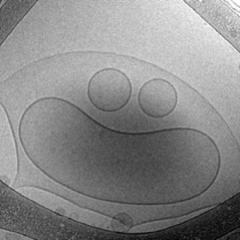
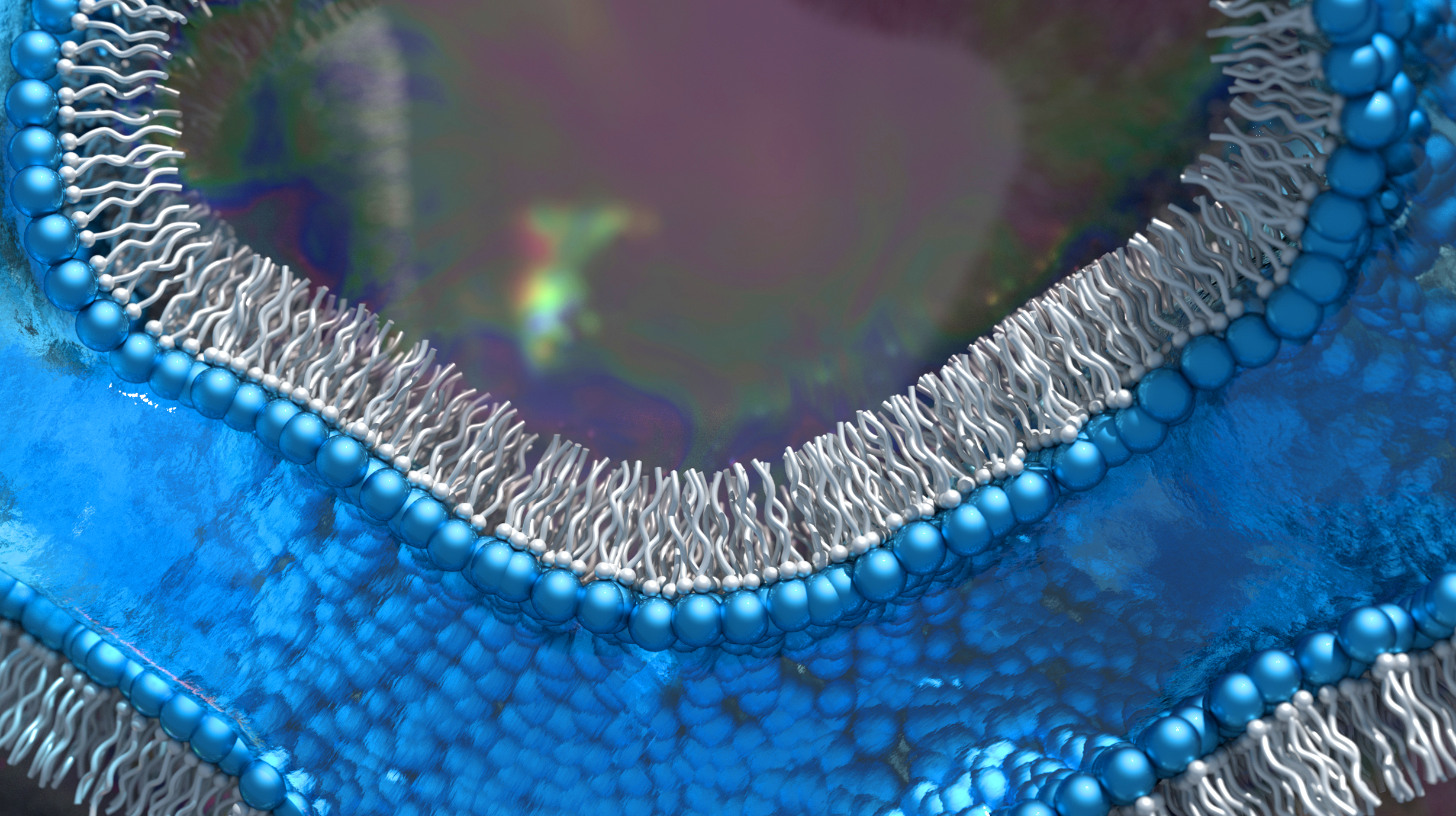
Self-assembly and interfacial processes are fundamental to biological function, from the organization of cell membranes to the development of pharmaceutical and food materials. SMILE brings together expertise in soft matter scattering and life science research to advance the use of neutron and X-ray techniques in understanding these processes in soft biological and bio-inspired systems.
The theme takes a cross-scale approach, exploring the relationship between structure and dynamics across length and timescales, with a focus on identifying commonalities in self-assembly mechanisms across different biomolecular systems. Beyond fundamental research, SMILE aims to drive biotechnological applications in food, pharmaceutical, and biobased materials. Activities are anchored at LINXS and developed in close collaboration with international networks and centers including COMMONS, the Danish lighthouse Caiff, SwedNess, the CLIMB MSCA Doctoral Network, and SoftComp.
Across all of these aims, SMILE is committed to building a concerted international effort that transfers knowledge between the soft matter scattering community and life science research, training the next generation of researchers and extending its impact well beyond the duration of the theme.
HAPPENING IN THEME

Welcome to LINXS Digital Town Hall meeting! The aim is to bring the LINXS community together and also to showcase LINXS current status, recent activities and developments.
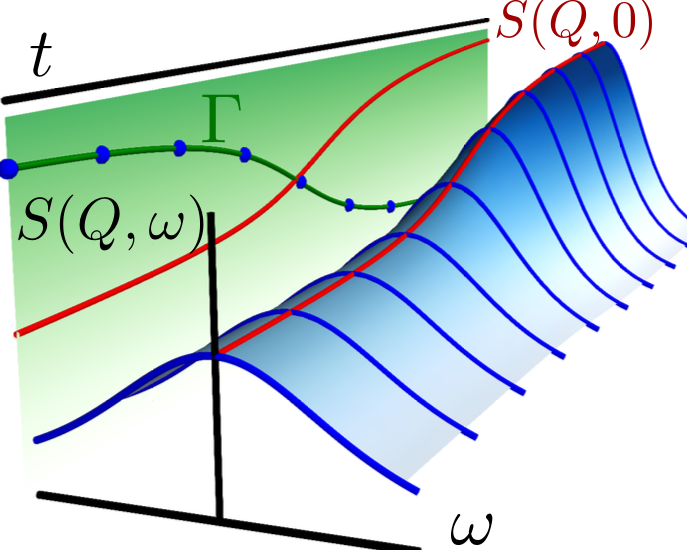
A workshop on time-resolved quasielastic neutron scattering (TR-QENS), bringing together beamline scientists, experienced users, and researchers interested in new applications and developments. The programme focuses on scientific cases, experimental challenges, data analysis, and community discussion.


CORE GROUP
Soft Matter in Life deputy Core Group leader and co-leader of WG2 (Pathways of multi-scale structure formation in macromolecular systems), LINXS Fellow
Associate Professor, Lund University, Lund, Sweden
Felix has a strong background in staticand dynamic neutron, X-ray and light scattering applied to biological soft matter. A special focus of his work lies on dynamics, phase behavior and related assembly in protein solutions. While initial work addressed model proteins, recent applications involved inter alia antibodies, elastin-based systems and food proteins as highly relevant systems for SMILE. Felix obtained his PhD in physics at the University of Tübingen (Germany) in 2014. After postdoctoral stays at the Institut Laue Langevin (Grenoble, France) and Lund University, he was assistant and associate professor at the Department of Biomedical Science at Malmö University within 2019 to 2023. Since 2023, Felix is AssociateProfessor at the Division of Physical Chemistry at Lund University. In addition, Felix acts as coordinator in the COMMONS center of excellence funded by VR. He is co-chair of the board of the Swedish Neutron Scattering Society and member of the board of LINXS.
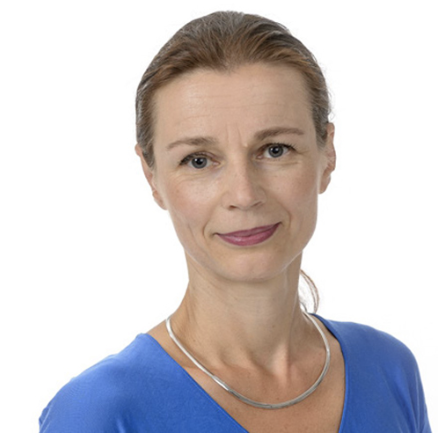
Soft Matter in Life Core Group member, LINXS Fellow
Professor, Lund University, Lund, Sweden
Anna is a soft matter scientist specializing in scattering methods and their application to life science, working mainly with physiologically and pharmaceutically relevant proteins (monoclonal antibodies, eye lens proteins etc.) using a colloid approach to protein interactions and solution properties. Her current research focuses on phasebehavior, structure, dynamics and flow behavior of concentrated protein solutions and mixtures with a particular interest in protein dynamics under crowded conditions, phase separation and dynamical arrest, as well as novel concepts for high concentration protein formulations. Anna obtained her PhD in Physical Chemistry in Graz/Austria, then moved to Switzerland where she worked as a postdoc and then as a tenured senior scientist at the Physics Department in Fribourg. In 2008 she did her Habilitation (Venia Legendi) in Experimental Physics before she transferred her activities in 2011 to Lund University, Division of Physical Chemistry.
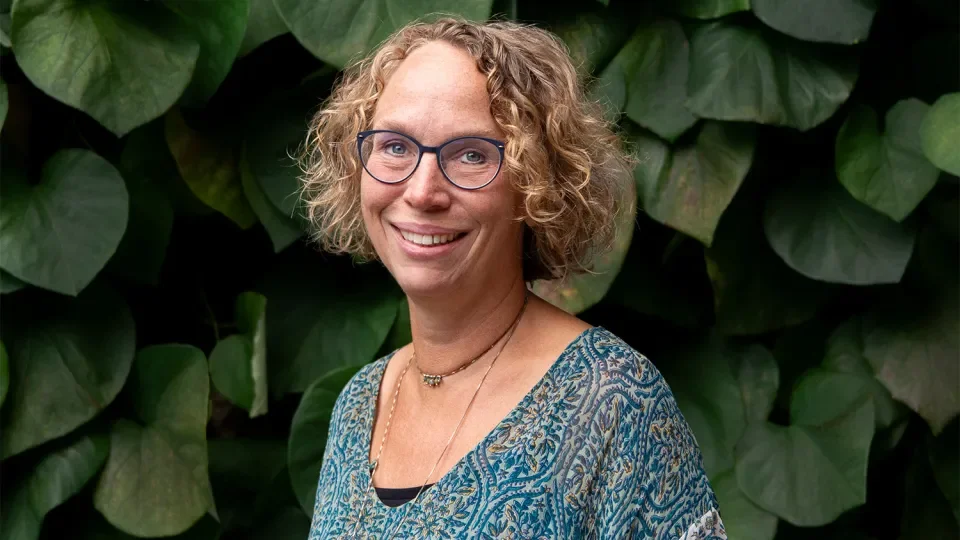
Soft Matter in Life Core Group member, LINXS Fellow
Professor, Lund University, Lund, Sweden
Emma is a physical chemist specializing on lipid self-assembly, membrane biophysics and lipid-protein interactions. Her current research focuses on lipid-protein co-assembly in amyloid formation, membrane remodelling and lipid self-assembly in non-equilibrium conditions. Emma obtained her PhD in Physical Chemistry at Lund University in 2001. After two postdoc periods; at the Department of Pharmacy at Uppsala University, and at the Department Biochemistry of Membranes at Utrecht University, she moved in 2004 back to Lund to start a research group, where she is now a professor in the Division of Physical Chemistry. Emma is the Director of the COMMONS Center of Excellence. Emma has been the chair of the Research council for natural and engineering sciences at Swedish Research council, and she has leadership tasks at Faculty and Institutional level at Lund University.
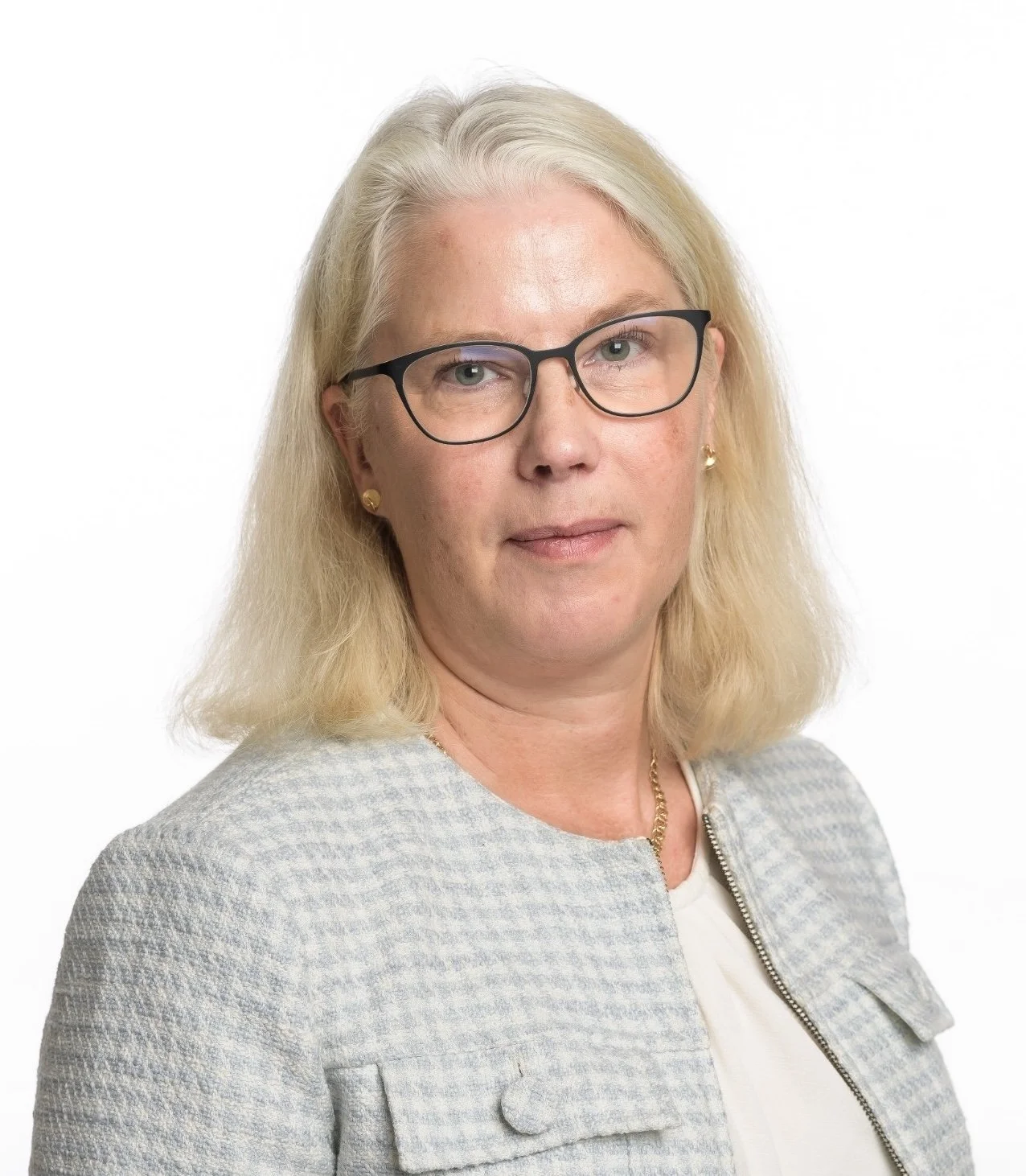
Soft Matter in Life Core Group member and co-leader of WG2 (Pathways of multi-scale structure formation in macromolecular systems), LINXS Fellow
Professor, Lund University, Lund, Sweden
Anna is a specialist in applied surface and colloid chemistry with applications in foods and pharmaceuticals. She has an interest in x-ray and neutron techniques to study structure and dynamics in soft matter systems using scattering, spectroscopy and tomography. Her research interests focus on the interactions and structure formation in systems composed of biomolecules (proteins, lipids and carbohydrates) and how this can be applied in e.g. formation of structure in complex biomolecular systems, such as formulations of biological drugs (proteins, probiotics, nucleic acids) as well as foods (emulsions, gels and foams). Anna obtained her PhD in Biotechnology at Lund University (enzyme catalysed lipid synthesis), and moved to Reading, UK for a post-doc at Institute of Food Research. She then joined Institute for Surface Chemistry in Stockholm, Sweden (later merged into RISE), were she focused on drying technologies, powder and microencapsulation for food and pharma applications. She was the director of the Vinnova competence centre NextBioForm (2018-2024). She joined Lund University in 2023 as professor in Food technology.

Soft Matter in Life Core Group member and co-leader of WG1 (Higher complexity in lipid self-assembly), LINXS Fellow
Assistant Professor, Chalmers University of Technology, Gothenburg, Sweden
Maggie and her group focus on applying neutron and X-ray scattering techniques to quantify the structural arrangement of lipid species in a range of liposome, lipid nanoparticle, and extracellular vesicle systems. She couples this with a range of complementary techniques including in vitro assays, single particle techniques, sup-population separation methods, surface techniques, lipidomics, and microscopy. By combining these techniques, she and her group aim to uncover the role that lipid chemical composition and physical arrangement plays in the bioactivity of synthetic and naturally-derived vesicles and LNPs, and in how we can better understand how these particles interact with cells and with model membranes of increasing complexity. Maggie obtained her PhD in Nanoscience at Basel University, Switzerland, studying lipid vesicles as cardiovascular delivery vectors, and the morphology of human coronary arteries using absorption/phase-contrast X-ray tomography. She completed post docs at Imperial College London, UK (2013-2017) and Karolinska Institutet, Sweden (2017-2022), studying lipid self-assembled structures and their applications in drug delivery and diagnostics. In 2023 she began her independent research group at Chalmers University of Technology, Department of Life Sciences, in the Division of Chemical Biology.
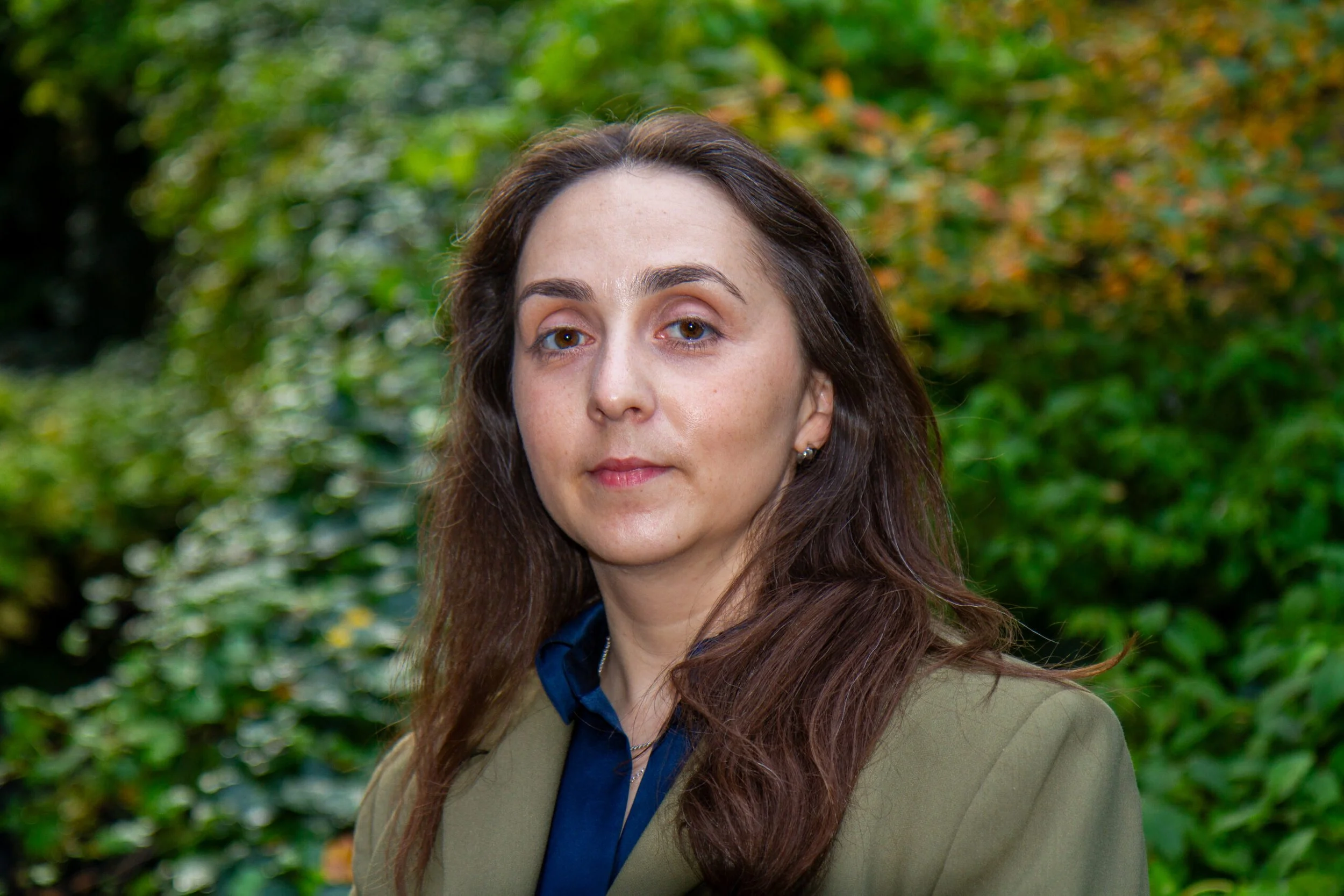
Soft Matter in Life Core Group member and co-leader of WG1 (Higher complexity in lipid self-assembly), LINXS Fellow
Associate Professor, SciLifeLab, KTH, Stockholm, Sweden
Hanna is a lipid biophysicist who specializes inusing X-ray and neutron scattering to study structure and function in lipid assemblies. This includes engineering and characterising planar and curved bulk phases and studying how nano particle structure can give mechanistic insights into their release properties. Her current research focuses on understanding the impact of health and disease on the biophysical properties of lipid membranes in cells and correlating this to the function of lipid pharmaceuticals. Hanna obtained her PhD in Chemical Biology of Health and Disease from Imperial College London (UK) and after her first PostDoc moved to Karolinska Institutet, Sweden as a research fellow. From 2022-2024 she was also Head of Biophysics at NanoVation Therapeutics, a lipid nanoparticle development company. In 2024 she moved to SciLifeLab, KTH where she is an Associate Professor.
Soft Matter in Life Core Group member, LINXS Fellow
Senior Researcher, CNR Institute of Complex Systems c/o Department of Physics,Sapienza University of Rome, Rome, Italy
Yuri is a physicist specializing in scattering techniques for softmatter science and biophysics. His research focuses on the structure and dynamics of lipid-based andsoft matter systems. He obtained his Ph.D. in Physics from the University of Parma (Italy) in 2010. After a short postdoctoral position in Parma, he moved to the Institut Laue-Langevin (ILL) in Grenoble, France, where he worked as a postdoc (2011–2013) on new models and methods for biomembrane research. He then became a staff scientist and Coordinator of the Partnership for SoftCondensed Matter initiative. During this time, he contributed to advancements in surface-sensitive techniques for the structural characterization of soft matter at interfaces, with a particular emphasis on lipid-based systems. In 2020, Yuri returned to Italy as an Assistant Professor at the Polytechnic University of Marche. Since 2023, he has been a Senior Researcher at the CNR Institute for Complex Systems, affiliated with the Department of Physics at Sapienza University of Rome. Since 2024, he coordinates the Marie Skłodowska-Curie Doctoral Network CLIMB: Complex Lipid Membranes for Science and Technology.
Soft Matter in Life Core Group member and member WG2 (Pathways of multi-scale structure formation in macromolecular systems), LINXS Fellow
MAX IV, Lund, Sweden
Ann is a leading scientist in X-ray and neutron scattering techniques, specializingin soft condensed matter and biological self-assembly. She is the Group Manager for Soft Materials at MAX IV Laboratory and a LINXS Fellow. With over 25 years of experience, she has published 90+ papers, secured 12 MSEK in research funding, and has many international collaborations. Ann has served on multiple advisory panels and played a key role in organizing scientific conferences. She is committed to advancing multi-scale structural studies. At MAX IV, she leads the CoSAXS beamline, developing X-ray methodologies for cutting-edge biomolecular research.
Soft Matter in Life Core Group member and member WG1 (Higher complexity in lipid self-assembly), LINXS Fellow
University of Copenhagen, Copenhagen, Denmark
VISITING RESEARCHERS
Soft Matter in Life: Visiting researcher July-September 2026, LINXS Fellow
Associate Professor in Applied Physics, Department of Physics and Geology, University of Perugia, Perugia, Italy
WORKING GROUPS FOR SMILE
WorkING Group 1
Higher complexity in lipid self-assembly
Working Group 1 will focus on advancing the use of neutrons and X-rays to probe the dynamics and structure of complex lipid self-assemblies from nanoscale behavior to microscopic lipid structures in cells. A central goal is to connect lipid self-assembly in simplified systems to biological systems with higher complexity to identify and target common unanswered questions that can be solved with neutron and X-ray techniques. This will require development of experimental and data analysis methodologies to advance current capabilities and enable us to span the time and length scales required to study complex lipid systems.
Soft Matter in Life Core Group member and co-leader of WG1 (Higher complexity in lipid self-assembly), LINXS Fellow
Assistant Professor, Chalmers University of Technology, Gothenburg, Sweden
Maggie and her group focus on applying neutron and X-ray scattering techniques to quantify the structural arrangement of lipid species in a range of liposome, lipid nanoparticle, and extracellular vesicle systems. She couples this with a range of complementary techniques including in vitro assays, single particle techniques, sup-population separation methods, surface techniques, lipidomics, and microscopy. By combining these techniques, she and her group aim to uncover the role that lipid chemical composition and physical arrangement plays in the bioactivity of synthetic and naturally-derived vesicles and LNPs, and in how we can better understand how these particles interact with cells and with model membranes of increasing complexity. Maggie obtained her PhD in Nanoscience at Basel University, Switzerland, studying lipid vesicles as cardiovascular delivery vectors, and the morphology of human coronary arteries using absorption/phase-contrast X-ray tomography. She completed post docs at Imperial College London, UK (2013-2017) and Karolinska Institutet, Sweden (2017-2022), studying lipid self-assembled structures and their applications in drug delivery and diagnostics. In 2023 she began her independent research group at Chalmers University of Technology, Department of Life Sciences, in the Division of Chemical Biology.
Soft Matter in Life Core Group member and co-leader of WG1 (Higher complexity in lipid self-assembly), LINXS Fellow
Associate Professor, SciLifeLab, KTH, Stockholm, Sweden
Hanna is a lipid biophysicist who specializes inusing X-ray and neutron scattering to study structure and function in lipid assemblies. This includes engineering and characterising planar and curved bulk phases and studying how nano particle structure can give mechanistic insights into their release properties. Her current research focuses on understanding the impact of health and disease on the biophysical properties of lipid membranes in cells and correlating this to the function of lipid pharmaceuticals. Hanna obtained her PhD in Chemical Biology of Health and Disease from Imperial College London (UK) and after her first PostDoc moved to Karolinska Institutet, Sweden as a research fellow. From 2022-2024 she was also Head of Biophysics at NanoVation Therapeutics, a lipid nanoparticle development company. In 2024 she moved to SciLifeLab, KTH where she is an Associate Professor.

Soft Matter in Life member WG1 (Higher complexity in lipid self-assembly), LINXS Fellow
Chalmers University, Gothenburg, Sweden
Soft Matter in Life member WG1 (Higher complexity in lipid self-assembly), LINXS Fellow
Technical University of Darmstadt, Darmstadt, Germany
Soft Matter in Life member WG1 (Higher complexity in lipid self-assembly), LINXS Fellow
Stockholm University, Scilife Lab, Stockholm, Sweden

Soft Matter in Life member WG1 (Higher complexity in lipid self-assembly), LINXS Fellow
Lund University, Lund, Sweden

Soft Matter in Life member WG1 (Higher complexity in lipid self-assembly), LINXS Fellow
CNRS, Lyon, France
Soft Matter in Life member WG1 (Higher complexity in lipid self-assembly), LINXS Fellow
University of Copenhagen, Copenhagen, Denmark
Soft Matter in Life Core Group member and member WG1 (Higher complexity in lipid self-assembly), LINXS Fellow
University of Copenhagen, Copenhagen, Denmark
Soft Matter in Life member WG1 (Higher complexity in lipid self-assembly), LINXS Fellow
ILL, Grenoble, France

Soft Matter in Life member WG1 (Higher complexity in lipid self-assembly), LINXS Fellow
ILL, Grenoble, France
Soft Matter in Life member WG1 (Higher complexity in lipid self-assembly), LINXS Fellow
STFC ISIS, UK

WORKING GROUP 2
Pathways of multi-scale structure formation in macromolecular systems
Working Group 2 will focus on advancing the use of neutrons and X-rays to probe the dynamics and structure of complex macromolecular self-assemblies to understand the underlying assembly processes in their mechanistic complexity. A central goal is to understand how intermediate and precursor structures enable biological (mal)function as well as application potentials for pharmaceutical and food formulations. Besides a multi-modal and multi-scale picture, we will in particular advance timeresolved methodologies and related data-analysis frameworks.
Soft Matter in Life deputy Core Group leader and co-leader of WG2 (Pathways of multi-scale structure formation in macromolecular systems), LINXS Fellow
Associate Professor, Lund University, Lund, Sweden
Felix has a strong background in staticand dynamic neutron, X-ray and light scattering applied to biological soft matter. A special focus of his work lies on dynamics, phase behavior and related assembly in protein solutions. While initial work addressed model proteins, recent applications involved inter alia antibodies, elastin-based systems and food proteins as highly relevant systems for SMILE. Felix obtained his PhD in physics at the University of Tübingen (Germany) in 2014. After postdoctoral stays at the Institut Laue Langevin (Grenoble, France) and Lund University, he was assistant and associate professor at the Department of Biomedical Science at Malmö University within 2019 to 2023. Since 2023, Felix is AssociateProfessor at the Division of Physical Chemistry at Lund University. In addition, Felix acts as coordinator in the COMMONS center of excellence funded by VR. He is co-chair of the board of the Swedish Neutron Scattering Society and member of the board of LINXS.
Soft Matter in Life Core Group member and co-leader of WG2 (Pathways of multi-scale structure formation in macromolecular systems), LINXS Fellow
Professor, Lund University, Lund, Sweden
Anna is a specialist in applied surface and colloid chemistry with applications in foods and pharmaceuticals. She has an interest in x-ray and neutron techniques to study structure and dynamics in soft matter systems using scattering, spectroscopy and tomography. Her research interests focus on the interactions and structure formation in systems composed of biomolecules (proteins, lipids and carbohydrates) and how this can be applied in e.g. formation of structure in complex biomolecular systems, such as formulations of biological drugs (proteins, probiotics, nucleic acids) as well as foods (emulsions, gels and foams). Anna obtained her PhD in Biotechnology at Lund University (enzyme catalysed lipid synthesis), and moved to Reading, UK for a post-doc at Institute of Food Research. She then joined Institute for Surface Chemistry in Stockholm, Sweden (later merged into RISE), were she focused on drying technologies, powder and microencapsulation for food and pharma applications. She was the director of the Vinnova competence centre NextBioForm (2018-2024). She joined Lund University in 2023 as professor in Food technology.
Soft Matter in Life Core Group member and member WG2 (Pathways of multi-scale structure formation in macromolecular systems), LINXS Fellow
MAX IV, Lund, Sweden
Ann is a leading scientist in X-ray and neutron scattering techniques, specializingin soft condensed matter and biological self-assembly. She is the Group Manager for Soft Materials at MAX IV Laboratory and a LINXS Fellow. With over 25 years of experience, she has published 90+ papers, secured 12 MSEK in research funding, and has many international collaborations. Ann has served on multiple advisory panels and played a key role in organizing scientific conferences. She is committed to advancing multi-scale structural studies. At MAX IV, she leads the CoSAXS beamline, developing X-ray methodologies for cutting-edge biomolecular research.
Soft Matter in Life member WG2 (Pathways of multi-scale structure formation in macromolecular systems), LINXS Fellow
University of Copenhagen, Denmark
Soft Matter in Life member WG2 (Pathways of multi-scale structure formation in macromolecular systems), LINXS Fellow
Technical University of Denmark, Denmark
Soft Matter in Life member WG2 (Pathways of multi-scale structure formation in macromolecular systems), LINXS Fellow
Stockholm University, Sweden

Soft Matter in Life member WG2 (Pathways of multi-scale structure formation in macromolecular systems), LINXS Fellow
Wageningen University, Netherlands
Soft Matter in Life member WG2 (Pathways of multi-scale structure formation in macromolecular systems), LINXS Fellow
ESS, Lund, Sweden
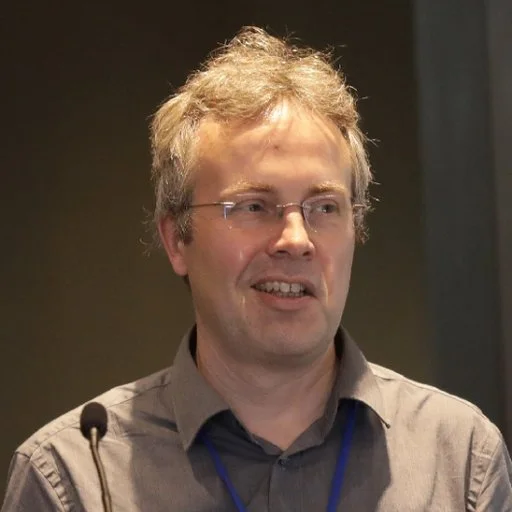
Soft Matter in Life member WG2 (Pathways of multi-scale structure formation in macromolecular systems), LINXS Fellow
ILL, Grenoble, France
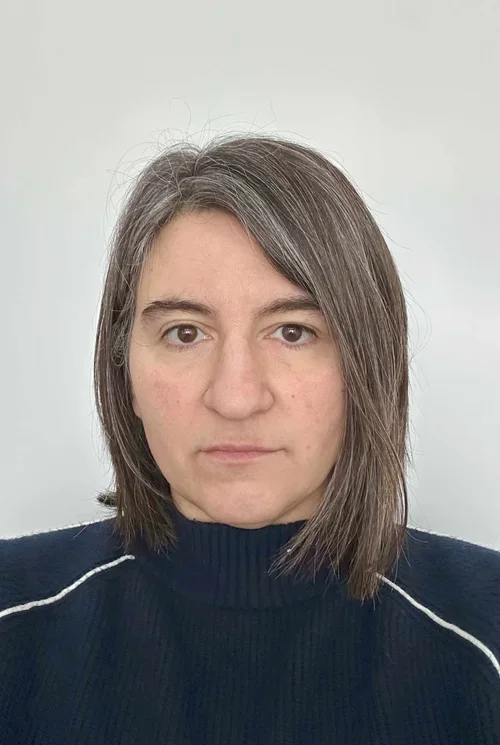
Soft Matter in Life member WG2 (Pathways of multi-scale structure formation in macromolecular systems), LINXS Fellow
MAX IV Laboratory, Lund University, Lund, Sweden
Soft Matter in Life Core Group member and member WG2 (Pathways of multi-scale structure formation in macromolecular systems), LINXS Fellow
Uni Düsseldorf, Germany
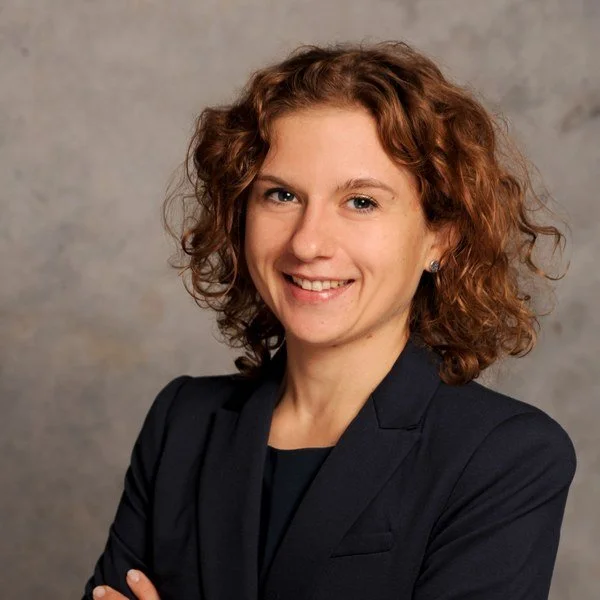
Soft Matter in Life Core Group member and member WG2 (Pathways of multi-scale structure formation in macromolecular systems), LINXS Fellow
JCNS, MLZ, Germany
SMILE news articles
SMILE upcoming events
Welcome to LINXS Digital Town Hall meeting! The aim is to bring the LINXS community together and also to showcase LINXS current status, recent activities and developments.
A workshop on time-resolved quasielastic neutron scattering (TR-QENS), bringing together beamline scientists, experienced users, and researchers interested in new applications and developments. The programme focuses on scientific cases, experimental challenges, data analysis, and community discussion.
SMILE past events
This event is part of the Soft Matter in Life (SMILE) Lipid Self-Assembly webinar series.

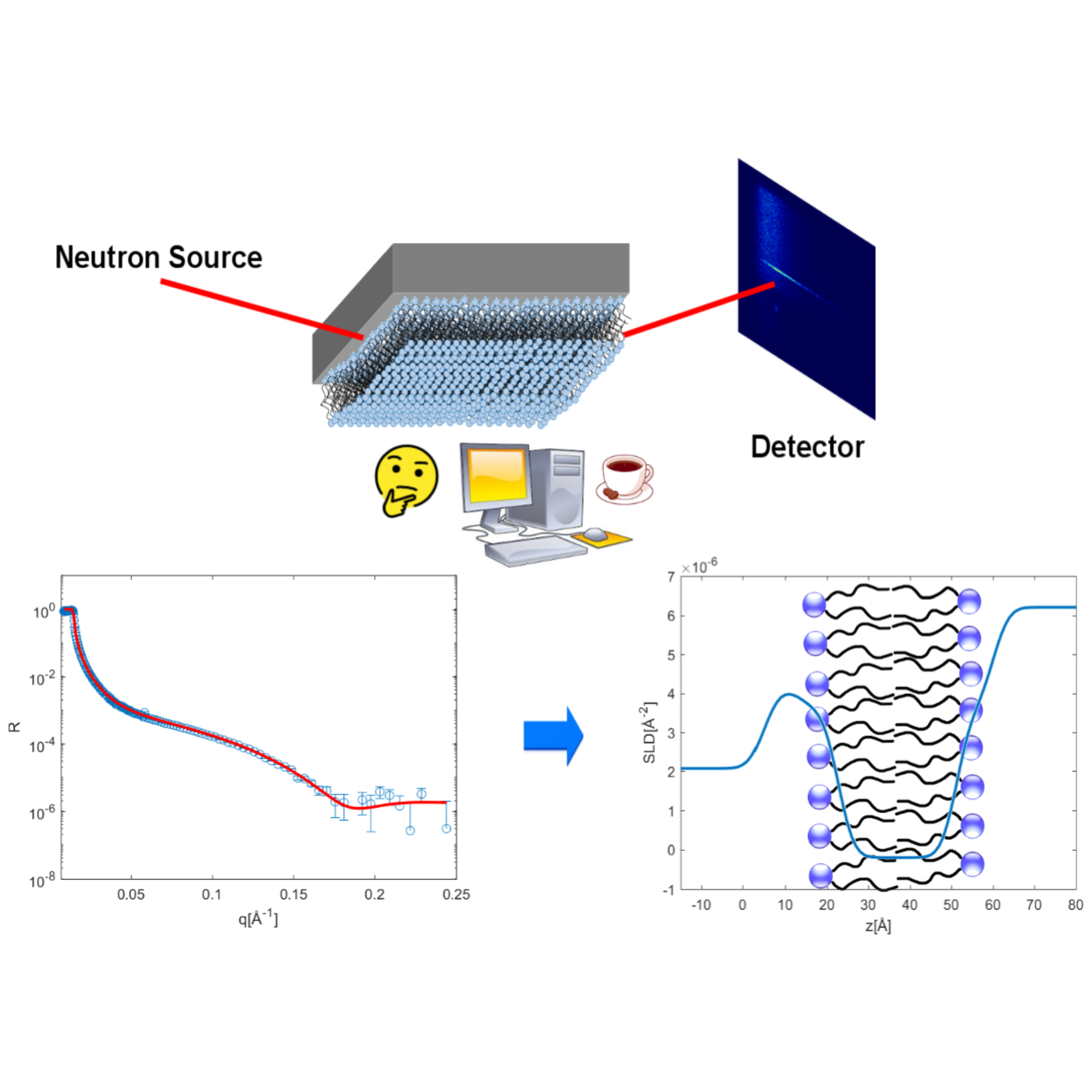
Welcome to an introduction lecture and tutorial on neutron reflectometry, exploring its principles, applications, and data analysis approaches.
Soft Matter in Life Core Group leader, LINXS Fellow
Head of Scientific Support, ESS / adjunct Associate Professor, Lund University, Lund, Sweden
Hanna is a biophysical chemist whose research is multidisciplinary and centers around elucidating cell membrane structure and function by using neutron scattering and deuteration, ranging from development of advanced biomimetics for human cell membranes built from purified cell lipid extracts to the in-situ study of membrane-protein and lipid function in cancer cell models. Hanna obtained a DPhil in Physical Chemistry from Oxford University (2004). After postdoc fellowships at Oxford, Toshiba (Japan) and ANSTO (Australia), she joined the ILL in Grenoble (France) as instrument scientist in 2009 before moving to Lund in 2011 as the first ESS instrument scientist and later as a senior life scientist in the DEMAX deuteration platform. She was appointed in 2024 as the Head of the ESS Scientific Support Division comprising support laboratories and sample environments.