

ABOUT
Advanced semiconductor technology is central to meeting several of our most urgent environmental and societal challenges. As demand for improved materials and novel device concepts grows, advanced characterization becomes ever more critical, and X-ray and neutron-based techniques offer unique and powerful tools for understanding the physical and chemical properties that underpin semiconductor performance.
With this Theme, we aim to strengthen collaboration between experts in synchrotron- and neutron-based characterization and semiconductor device development, spanning academia and industry across Sweden and Europe. Our goals are to advance semiconductor functionality through fundamental materials research, to pioneer new synchrotron-based approaches to semiconductor characterization, and to train the next generation of researchers in combining device development with advanced X-ray and neutron techniques.
Across all of these aims, we are committed to building lasting structures and partnerships whose impact extends well beyond the duration of this Theme.
HAPPENING IN THEME

Welcome to LINXS Digital Town Hall meeting! The aim is to bring the LINXS community together and also to showcase LINXS current status, recent activities and developments.


CORE GROUP
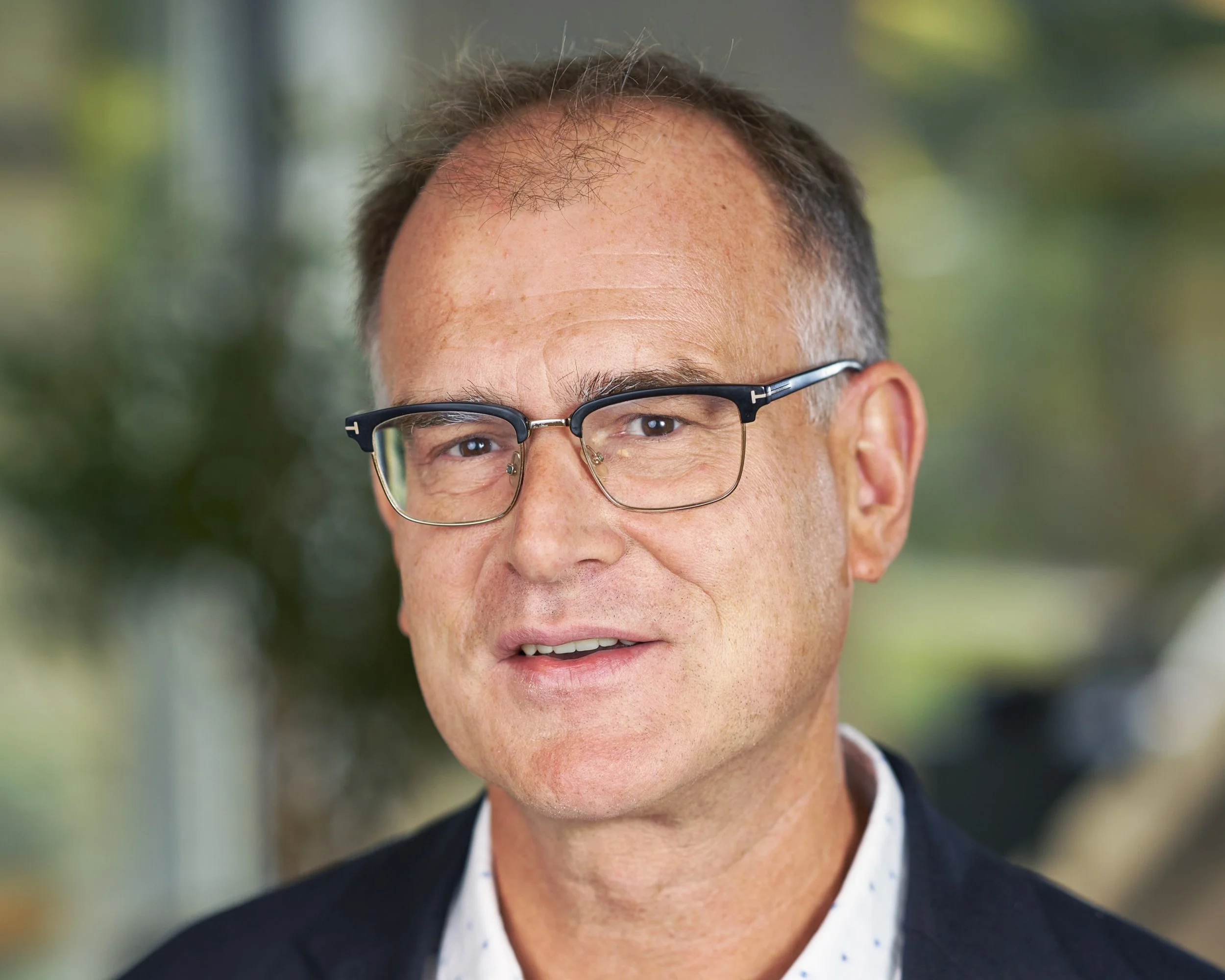
Semiconductors Co-leader WG 1 (Advanced Transistor Technology), LINXS Fellow
Prof. Lars-Erik Wernersson, Lund University, Lund, Sweden
Lars-Erik Wernersson is Professor at Lund University since 2005 researching Nanoelectronics with ICT applications. The research targets improved device performance using sophisticated processing and characterization, including integration of new advanced materials. A particular focus is on the III-V platform. He has been coordinating cross-disciplinary research programs combining electrical and structural characterization and is very active in European efforts as well as in national and international industry collaborations.

Semiconductors Co-leader WG 1 (Advanced Transistor Technology), LINXS Fellow
Assoc. Prof. Claudia Fleischmann, IMEC and KU Leuven
Claudia Fleischmann is a principal member of technical staff and team leader at imec, and an associate professor at the KU Leuven. She has over 15 years’ experience in the field of materials characterization for semiconductor applications and is responsible in defining the characterization roadmap within imec. Her research primarily focuses on advanced and emerging measurement concepts, including synchrotron-based analysis, with the aim to provide characterization strategies that serve current and future needs in the semiconductor industry.
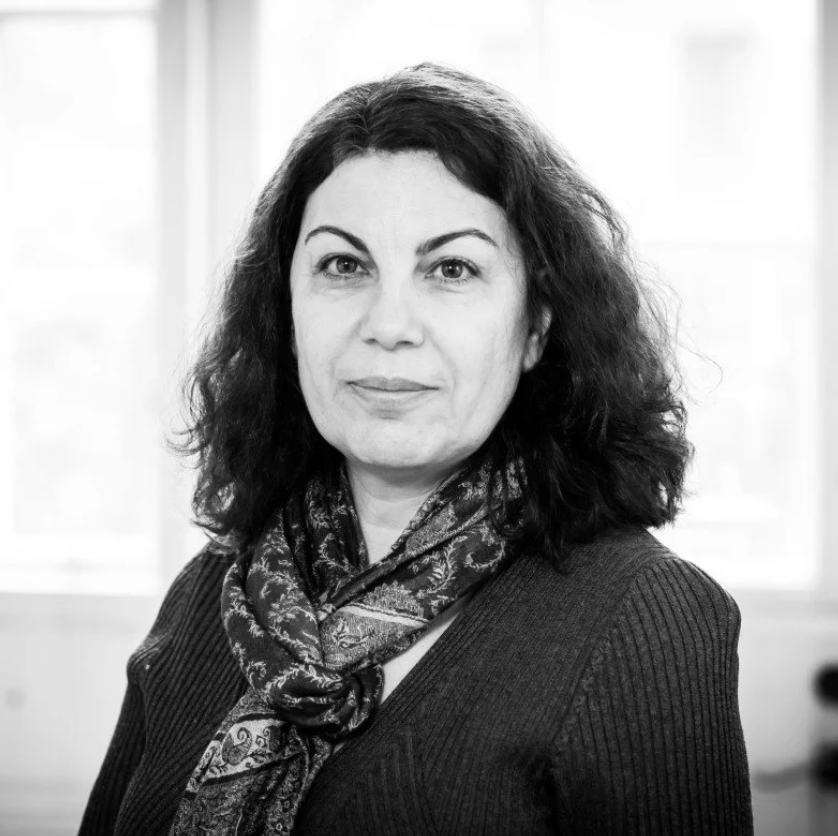
Semiconductors Co-leader WG 2 (Power Electronics), LINXS Fellow
Prof. Vanya Darakchieva, Lund University, Lund, Sweden
Vanya Darakchieva is Professor in Materials Science and a Wallenberg Scholar at Solid State Physics, Lund University, and part-time Professor in Semiconductor Materials at Linköping University. Her background is in semiconductor physics with focus on development of (ultra)wide bandgap semiconductors for high-frequency and power electronics. She is also developing spectroscopic techniques and analytical methods for studying electronic transport materials from bulk to nanoscale. Vanya is the director of VINNOVA Competence center for III-Nitride technology - C3NiT-Janzén and the Terahertz Materials Analysis Center.
Semiconductors Co-leader WG 2 (Power Electronics), LINXS Fellow
Dr. habil. Joël Eymery, CEA and Grenoble Alpes University
Joël Eymery holds a distinguished background in engineering and advanced materials. Since joining the CEA (Fundamental Research Division in Grenoble), his work primarily utilizes Metal-Organic Chemical Vapor Deposition (MOCVD) to grow nitrides, with a keen focus on investigating novel optical properties and piezoelectric phenomena. He is also engaged in the realization of cutting-edge nano-device demonstrators, particularly exploring applications on light emission and flexible substrates. In addition to his research, Dr. Eymery plays a principal role in the scientific and operational management of French synchrotron radiation facilities and the associated characterization platforms at CEA. He is actively involved in French priority research programs aimed at advancing innovative materials through the integration of artificial intelligence. He is also promoting in his laboratory an active collaboration with some industrial partners.
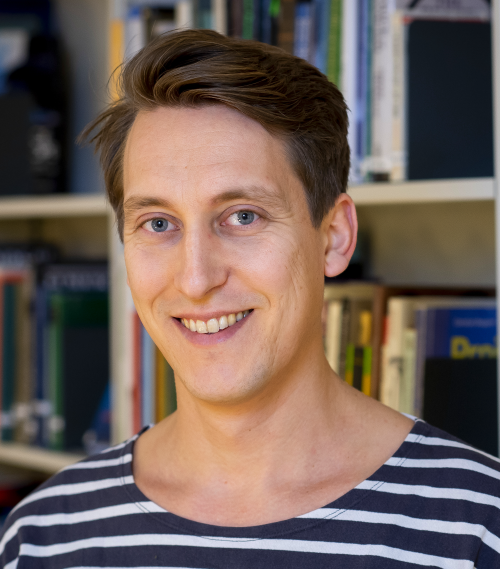
Semiconductors Co-leader WG 3 (Neuromorphic Materials for Deep Learning and AI), LINXS Fellow
Assoc. Prof. Mattias Borg, Lund University, Lund, Sweden
Mattias Borg is Associate Professor in Nanoelectronics at Lund University, with previous research positions within the semiconductor industry, including IBM and Ericsson. His research focuses on the materials and device aspects of neuromorphic technology, including their integration into larger systems. His group is extensively relying on synchrotron x-ray techniques to understand material and device behavior. His network includes both Swedish and European academic and industrial stakeholders within neuromorphic technology.

Semiconductors Co-leader WG 3 (Neuromorphic Materials for Deep Learning and AI), LINXS Fellow
Prof. Regina Dittmann, Forschungszentrum Jülich and RWTH Aachen
Prof. Dr. Regina Dittmann is director of the Institute of Electronic Materials (PGI-7) at the Research Centre Jülich (Germany). Since November 2012, she is also a professor at RWTH Aachen University. Regina Dittmann is working on the atomically controlled growth of oxides, memristive devices and neuromorphic circuits and she is operating the electronic oxides cluster laboratory (EOC). She is an internationally recognized expert on memristive devices, in particular on the elucidation of their working and failure mechanisms by spectroscopic analysis. Prof. Dittmann knows LINXS from her Guest Researcher visit in 2021 as part of the “New Materials” Theme, while the current Theme application matches even better with her research focus, reflected by her role as WG co-leader.

Semiconductors Co-leader WG 4 (Optoelectronics and Photovoltaics) , LINXS Fellow
Prof. Jesper Wallentin, Lund University, Lund, Sweden
Jesper Wallentin is Professor in X-ray physics, with a PhD in Solid State Physics. His research concerns the intersection of nanoscience and X-ray science. He uses X-rays to investigate nanostructured devices and develops nanostructures as X-ray detectors. In particular, he has worked on high spatial resolution X-ray methods. Prof. Wallentin is LINXS fellow as he contributed with his expertise within X-ray imaging as WG member in the Integrative Pharmacology and Drug Discovery Theme.
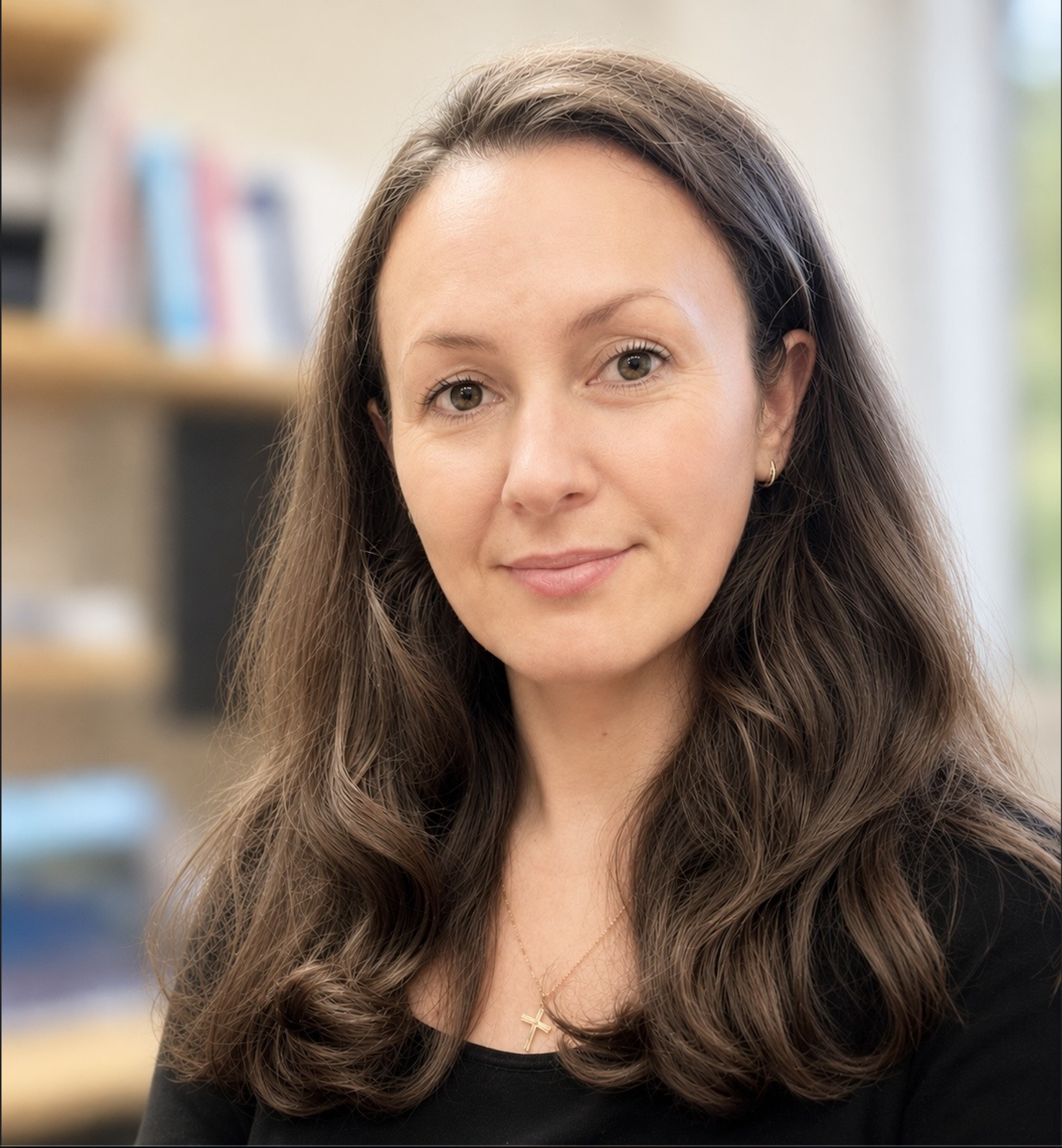
Semiconductors Co-leader WG 4 (Optoelectronics and Photovoltaics), LINXS Fellow
Natalia Martin, Uppsala University, Uppsala, Sweden
Natalia M. Martin is a Docent in Engineering Science at Uppsala University. Her research focuses on understanding and mitigating atomic-scale instabilities in emerging semiconductor materials for photovoltaics, with particular emphasis on thin-film solar cells based on CIGSe and perovskites. By combining materials synthesis, device fabrication, performance characterization, and synchrotron-based characterization techniques (primarily at the MAX IV Laboratory) she investigates how materials evolve during processing and operation. Her work integrates materials science, spectroscopy, and device physics to uncover structure-property relationships that guide the development of efficient and stable solar cell technologies. Through extensive international synchrotron experience and active engagement in the photon science community, she strengthens the connection between advanced characterization methods and the development of next generation PV technologies.
WORKING GROUPS FOR SEMICONDUCTORS
WorkING Group 1
advanced transistor technology
Advanced transistor technologies integrate materials covering almost the full periodic table, and interface properties largely determine device performance. Building on Lund's long tradition of investigating III-V MOS gate-stacks, this group will expand to alternative channel materials such as conducting oxides, 2D materials, and wide bandgap materials. In collaboration with international and industrial partners, the main focus will be on the chemical properties at interfaces, their stability, and reactions upon switching, essential knowledge for the development of future device technologies.
Semiconductors Co-leader WG 1 (Advanced Transistor Technology), LINXS Fellow
Prof. Lars-Erik Wernersson, Lund University, Lund, Sweden
Lars-Erik Wernersson is Professor at Lund University since 2005 researching Nanoelectronics with ICT applications. The research targets improved device performance using sophisticated processing and characterization, including integration of new advanced materials. A particular focus is on the III-V platform. He has been coordinating cross-disciplinary research programs combining electrical and structural characterization and is very active in European efforts as well as in national and international industry collaborations.
Semiconductors Co-leader WG 1 (Advanced Transistor Technology), LINXS Fellow
Assoc. Prof. Claudia Fleischmann, IMEC and KU Leuven
Claudia Fleischmann is a principal member of technical staff and team leader at imec, and an associate professor at the KU Leuven. She has over 15 years’ experience in the field of materials characterization for semiconductor applications and is responsible in defining the characterization roadmap within imec. Her research primarily focuses on advanced and emerging measurement concepts, including synchrotron-based analysis, with the aim to provide characterization strategies that serve current and future needs in the semiconductor industry.
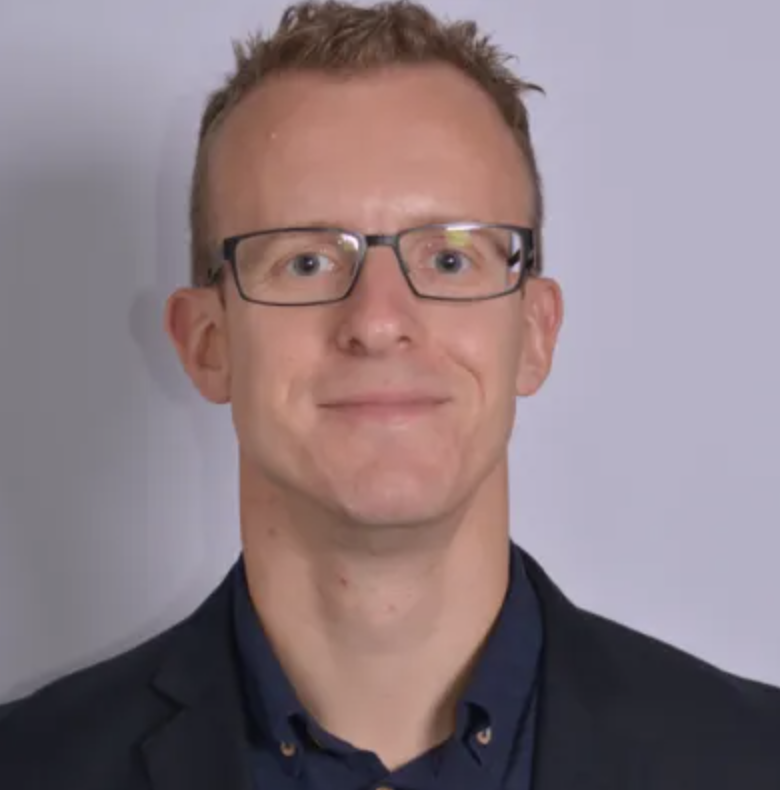
Semiconductors member of WG1 (Optoelectronics and Photovoltaics), LINXS Fellow
Olli-Pekka Kilpi, VTT Finland
Olli-Pekka Kilpi is Research Team Leader within Nanoelectronics at the VTT Technical Research Centre of Finland, with a research focus on MOSFETs and advanced electronics including III-V nanostructures and Graphene.
Semiconductors member of WG1 (Optoelectronics and Photovoltaics), LINXS Fellow
Pekka Laukkanen, Turku University, Finland
Pekka Laukkanen is Docent and University Research Fellow in the Materials Research Laboratory at the Department of Physics and Astronomy. He is working at the interface between surface science and semiconductor technology.
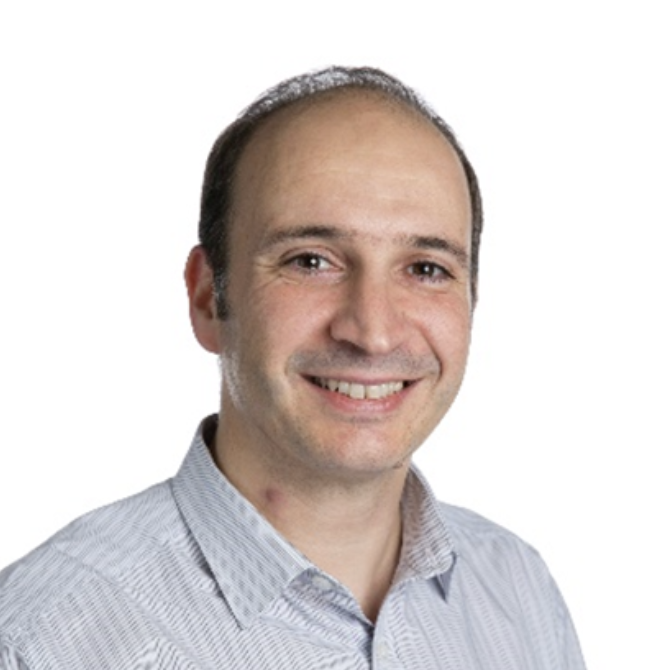
Semiconductors member of WG1 (Optoelectronics and Photovoltaics), LINXS Fellow
Karim Cherkaoui, Tyndall Institute, Ireland
Karim Cherkaoui is a Principal Investigator in the Nanoelectronic materials and Devices Group at Tyndall National Institute, Ireland.

Semiconductors member of WG1 (Optoelectronics and Photovoltaics), LINXS Fellow
Greg Hughes, Dublin City University
Greg Hughes is Professor at the School of Physical Sciences. He has been VicePresident for Research and Innovation at Dublin City University. His research interests include the investigation of chemical interactions on semiconductor surfaces as well as the electrical and chemical characterisation of thin film dielectric layers used in advanced transistor fabrication technology.
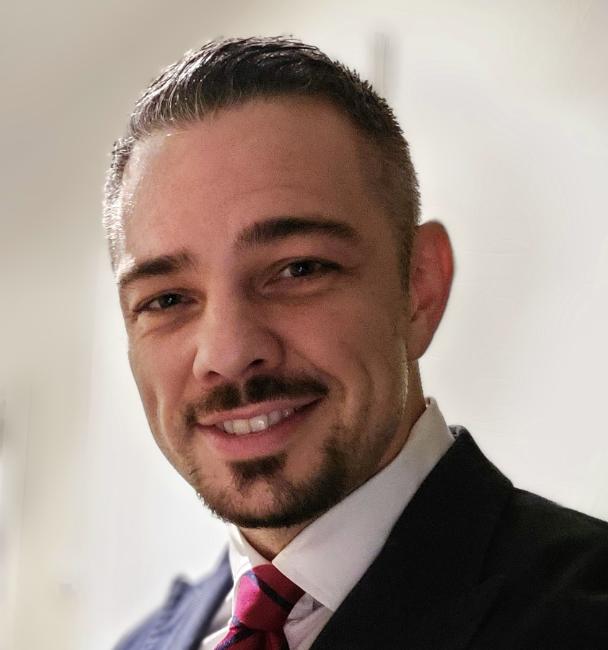
Semiconductors member of WG1 (Optoelectronics and Photovoltaics), LINXS Fellow
Karl-Magnus Persson, VTT Finland
Karl-Magnus Persson is Senior Scientist within Nanoelectronics at the VTT Technical Research Centre of Finland.
WORKING GROUP 2
power electronics
Working group 2 focuses on improving the reliability and performance of power electronics based on wide and ultra-wide bandgap semiconductors such as AlGaN, AlN, and Ga2O3, which are key materials for the future smart energy grid and electrification of transportation. Using synchrotron X-ray and neutron techniques, the group will investigate interface properties, defects, stress distribution, doping, and thermal management under realistic operational conditions.
Semiconductors Co-leader WG 2 (Power Electronics), LINXS Fellow
Prof. Vanya Darakchieva, Lund University, Lund, Sweden
Vanya Darakchieva is Professor in Materials Science and a Wallenberg Scholar at Solid State Physics, Lund University, and part-time Professor in Semiconductor Materials at Linköping University. Her background is in semiconductor physics with focus on development of (ultra)wide bandgap semiconductors for high-frequency and power electronics. She is also developing spectroscopic techniques and analytical methods for studying electronic transport materials from bulk to nanoscale. Vanya is the director of VINNOVA Competence center for III-Nitride technology - C3NiT-Janzén and the Terahertz Materials Analysis Center.
Semiconductors Co-leader WG 2 (Power Electronics), LINXS Fellow
Dr. habil. Joël Eymery, CEA and Grenoble Alpes University
Joël Eymery holds a distinguished background in engineering and advanced materials. Since joining the CEA (Fundamental Research Division in Grenoble), his work primarily utilizes Metal-Organic Chemical Vapor Deposition (MOCVD) to grow nitrides, with a keen focus on investigating novel optical properties and piezoelectric phenomena. He is also engaged in the realization of cutting-edge nano-device demonstrators, particularly exploring applications on light emission and flexible substrates. In addition to his research, Dr. Eymery plays a principal role in the scientific and operational management of French synchrotron radiation facilities and the associated characterization platforms at CEA. He is actively involved in French priority research programs aimed at advancing innovative materials through the integration of artificial intelligence. He is also promoting in his laboratory an active collaboration with some industrial partners.
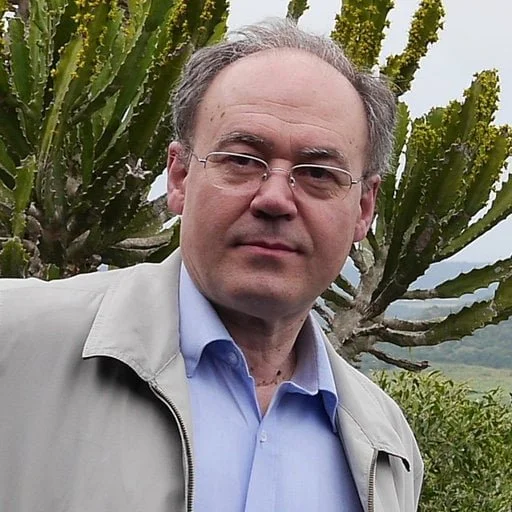
Semiconductors member of WG2 (Power Electronics), LINXS Fellow
Ivan Ivanov, Linköping University, Sweden
Ivan Ivanov is Associate Professor in Physics and Head of the Division of Semiconductor Materials. His research focus is on the advanced characterization of wide bandgap semiconductors.
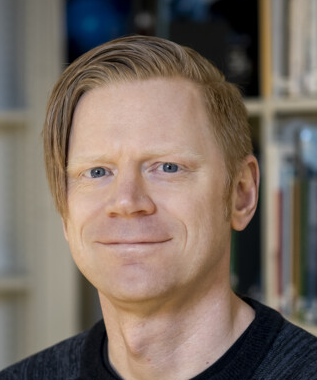
Semiconductors member of WG2 (Power Electronics), LINXS Fellow
Erik Lind, Lund University, Sweden
Erik Lind is Professor in Nanoelectronics, with a research focus on advanced semiconductor technology within power electronics and quantum technology. He is coordinator of the NanoLund research area Semiconductor technology.
WORKING GROUP 3
neuromorphic materials for deep learning and ai
Working group 3 focuses on understanding the materials that enable neuromorphic computing, hardware that emulates the behavior of biological neural systems. Using synchrotron X-ray techniques, including operando studies during device operation, the group will investigate the structural and chemical dynamics of memristor materials such as ferroelectric, ferromagnetic, and phase change materials, with the aim of improving device reliability and reducing variation at the nanoscale.
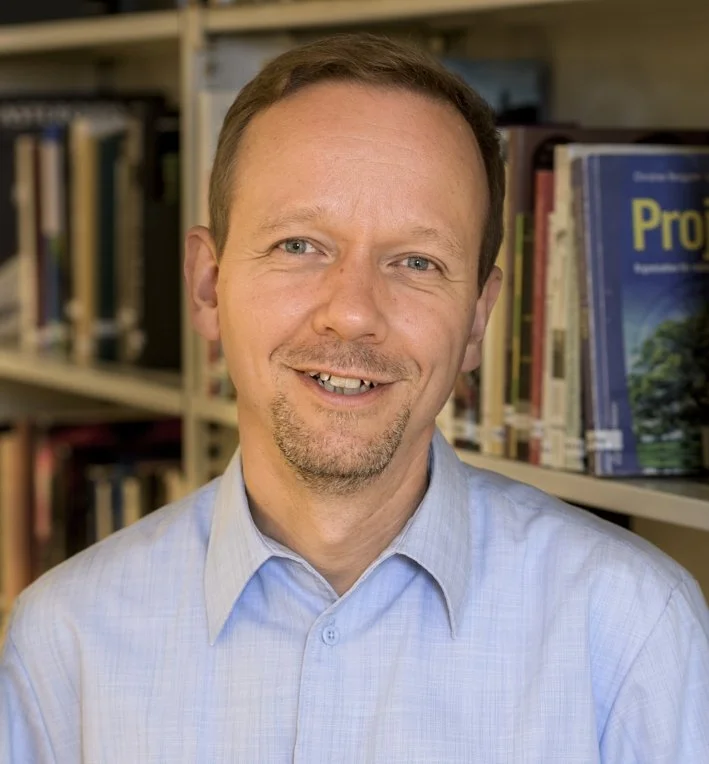
Semiconductors Core Group leader and member of WG3 (Neuromorphic Materials for Deep Learning and AI), LINXS Fellow
Department of Physics, Lund University, Sweden
Rainer Timm is Professor in Physics at Lund University. He is head of the Division of Synchrotron Radiation Research at Lund University and Coordinator of the Lund Nano Characterization Labs. His research focuses on characterization of semiconductor surfaces, nanostructures, and devices. He uses and develops various synchrotronbased spectroscopy methods, often under operando conditions or while pushing the limits of spatial and temporal resolution. For this, he is a frequent user (with about five to ten beamtimes per year) at several MAX IV beamlines and other European synchrotron facilities.
Semiconductors Co-leader WG 3 (Neuromorphic Materials for Deep Learning and AI), LINXS Fellow
Assoc. Prof. Mattias Borg, Lund University, Lund, Sweden
Mattias Borg is Associate Professor in Nanoelectronics at Lund University, with previous research positions within the semiconductor industry, including IBM and Ericsson. His research focuses on the materials and device aspects of neuromorphic technology, including their integration into larger systems. His group is extensively relying on synchrotron x-ray techniques to understand material and device behavior. His network includes both Swedish and European academic and industrial stakeholders within neuromorphic technology.
Semiconductors Co-leader WG 3 (Neuromorphic Materials for Deep Learning and AI), LINXS Fellow
Prof. Regina Dittmann, Forschungszentrum Jülich and RWTH Aachen
Prof. Dr. Regina Dittmann is director of the Institute of Electronic Materials (PGI-7) at the Research Centre Jülich (Germany). Since November 2012, she is also a professor at RWTH Aachen University. Regina Dittmann is working on the atomically controlled growth of oxides, memristive devices and neuromorphic circuits and she is operating the electronic oxides cluster laboratory (EOC). She is an internationally recognized expert on memristive devices, in particular on the elucidation of their working and failure mechanisms by spectroscopic analysis. Prof. Dittmann knows LINXS from her Guest Researcher visit in 2021 as part of the “New Materials” Theme, while the current Theme application matches even better with her research focus, reflected by her role as WG co-leader.
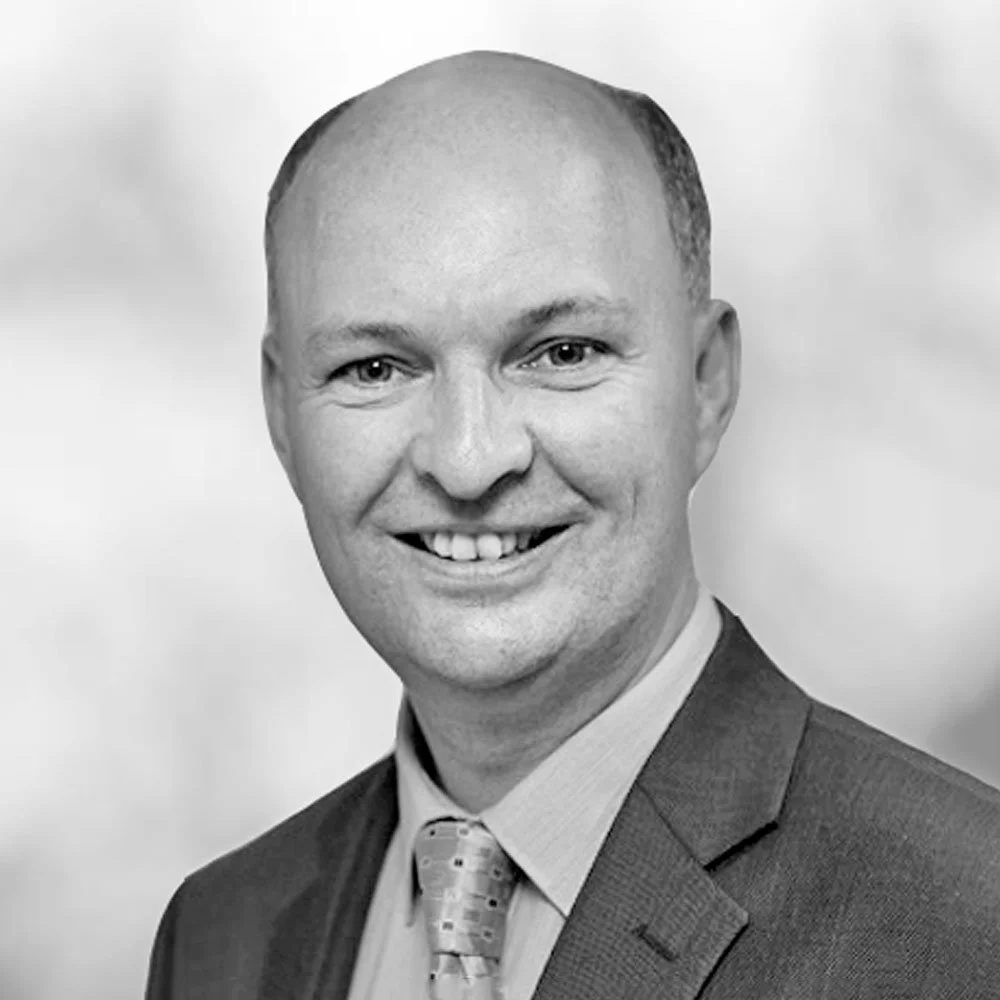
Semiconductors member of WG3 (Neuromorphic Materials for Deep Learning and AI), LINXS Fellow
Paul Hurley, Tyndall Institute and University College Cork
Paul Hurley is Head of the Nanoelectronic Materials and Devices Group at the Tyndall National Institute, Ireland, and a Research Professor in the Department of Chemistry at University College Cork. His research interests include semiconductor/oxide interfaces and their impact on LED efficiency as well as dopants in semiconducting oxides.
WORKING GROUP 4
optoelectronics and photovoltaics
Working Group 4 focuses on optoelectronic devices and solar cells, areas where Sweden has a long tradition of strong research and where improved performance and lower costs are of vital interest. Leveraging the unique capabilities of synchrotron X-rays, including high spatial resolution and long absorption lengths, the group will study single devices and grains, and perform operando and in situ studies during processing steps such as crystal growth. A particular focus will be on developing practical solutions for such studies, including sample preparation and the simultaneous probing of light excitation and emission alongside the X-ray measurements.
Semiconductors Co-leader WG 4 (Optoelectronics and Photovoltaics) , LINXS Fellow
Prof. Jesper Wallentin, Lund University, Lund, Sweden
Jesper Wallentin is Professor in X-ray physics, with a PhD in Solid State Physics. His research concerns the intersection of nanoscience and X-ray science. He uses X-rays to investigate nanostructured devices and develops nanostructures as X-ray detectors. In particular, he has worked on high spatial resolution X-ray methods. Prof. Wallentin is LINXS fellow as he contributed with his expertise within X-ray imaging as WG member in the Integrative Pharmacology and Drug Discovery Theme.
Semiconductors member of WG 4 (Optoelectronics and Photovoltaics), LINXS Fellow
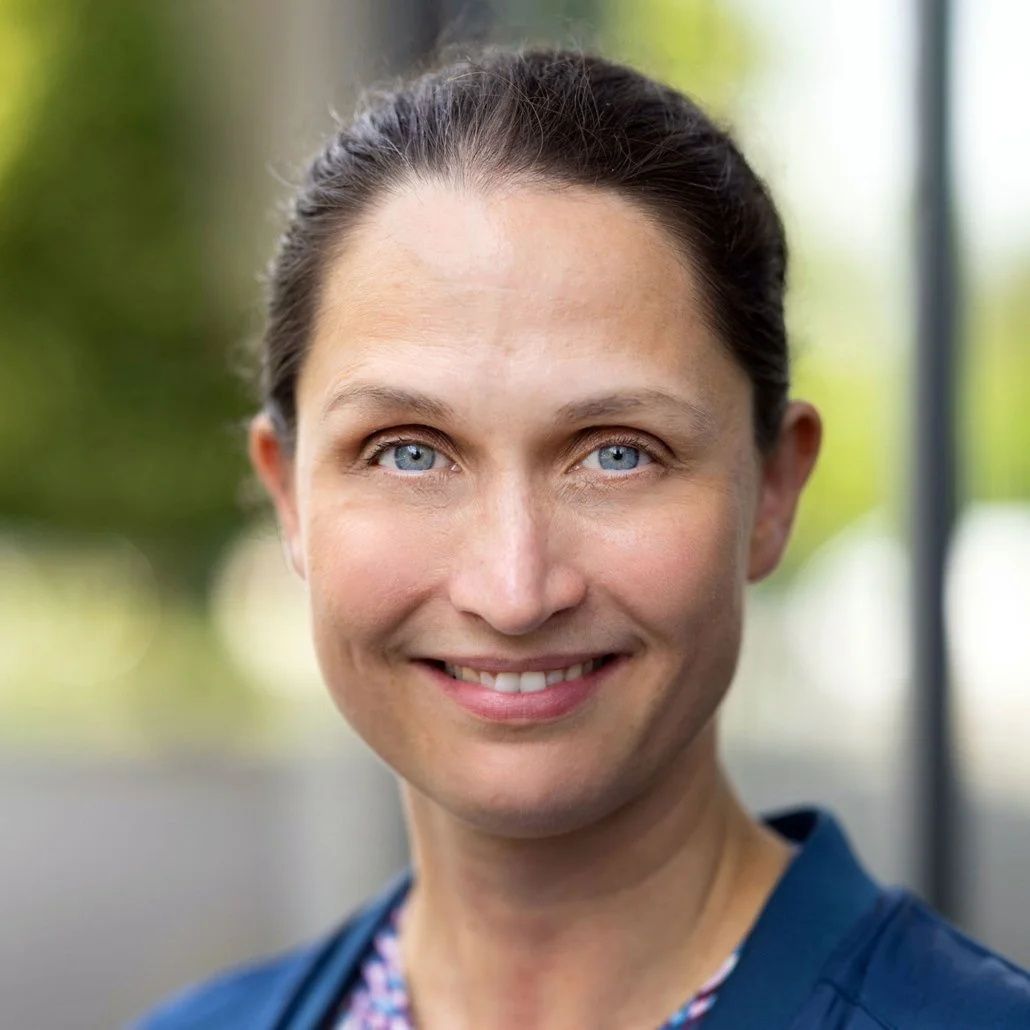
Prof. Eva Unger, Helmholtz-Zentrum Berlin (HZB) and Humboldt University
Eva Unger is head of the Department for Solution Processing of Hybrid Materials and Devices at Helmholtz-Zentrum Berlin and Professor at the Humboldt University, Berlin.
She is a pioneer and internationally recognized expert in Perovskite Solar Cell devices, where her activities include both manufacturing and synchrotron-based characterization, with strong involvement on method development at MAX IV (mainly Balder beamline). Furthermore, Prof. Unger wants to contribute to an enhanced collaboration between MAX IV and HZB.
Semiconductors member of WG4 (Optoelectronics and Photovoltaics), LINXS Fellow
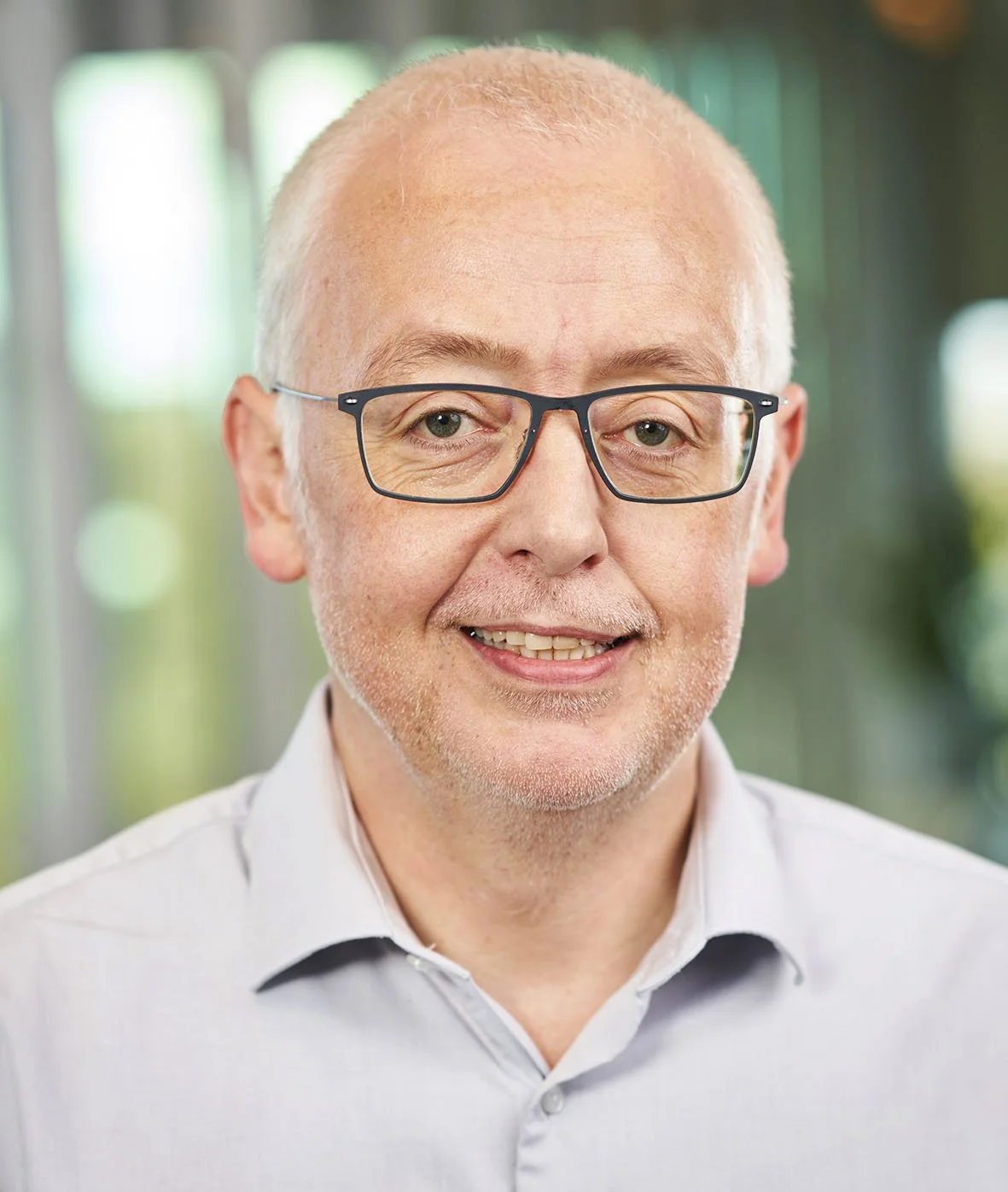
Anders Mikkelsen, Lund University, Sweden
Anders is Professor in Physics, with a research focus on the development and characterization of optical and electronic materials at various time- and length scales, including various synchrotron-based techniques. He is director of the NanoLund Center for Nanoscience, which involves more than 400 researchers from various disciplines. He also is director of the Vinnova Competence Center Sentio.
Semiconductors member of WG4 (Optoelectronics and Photovoltaics), LINXS Fellow
Justus Just, MAX IV Laboratory, Sweden

Semiconductors member of WG4 (Optoelectronics and Photovoltaics), LINXS Fellow
Rob O’Connor, Dublin City University
Rob O’Connor is Assistant Professor in the School of Physical Sciences. He has a longstanding research relationship with Intel. His research interests lie in interface chemistry and thin film characterization, including investigation of microLED structures. His group regularly performs experiments at European synchrotron facilities.
Semiconductors member of WG4 (Optoelectronics and Photovoltaics), LINXS Fellow
Eva Herzig, University of Bayreuth, Germany
Semiconductors Co-leader WG 4 (Optoelectronics and Photovoltaics), LINXS Fellow
Natalia Martin, Uppsala University, Uppsala, Sweden
Natalia M. Martin is a Docent in Engineering Science at Uppsala University. Her research focuses on understanding and mitigating atomic-scale instabilities in emerging semiconductor materials for photovoltaics, with particular emphasis on thin-film solar cells based on CIGSe and perovskites. By combining materials synthesis, device fabrication, performance characterization, and synchrotron-based characterization techniques (primarily at the MAX IV Laboratory) she investigates how materials evolve during processing and operation. Her work integrates materials science, spectroscopy, and device physics to uncover structure-property relationships that guide the development of efficient and stable solar cell technologies. Through extensive international synchrotron experience and active engagement in the photon science community, she strengthens the connection between advanced characterization methods and the development of next generation PV technologies.
semiconductors news articles
semiconductors upcoming events
Welcome to LINXS Digital Town Hall meeting! The aim is to bring the LINXS community together and also to showcase LINXS current status, recent activities and developments.
semiconductors past events

Join the Semiconductors theme for a workshop on X-ray and neutron analysis of ferroic materials!
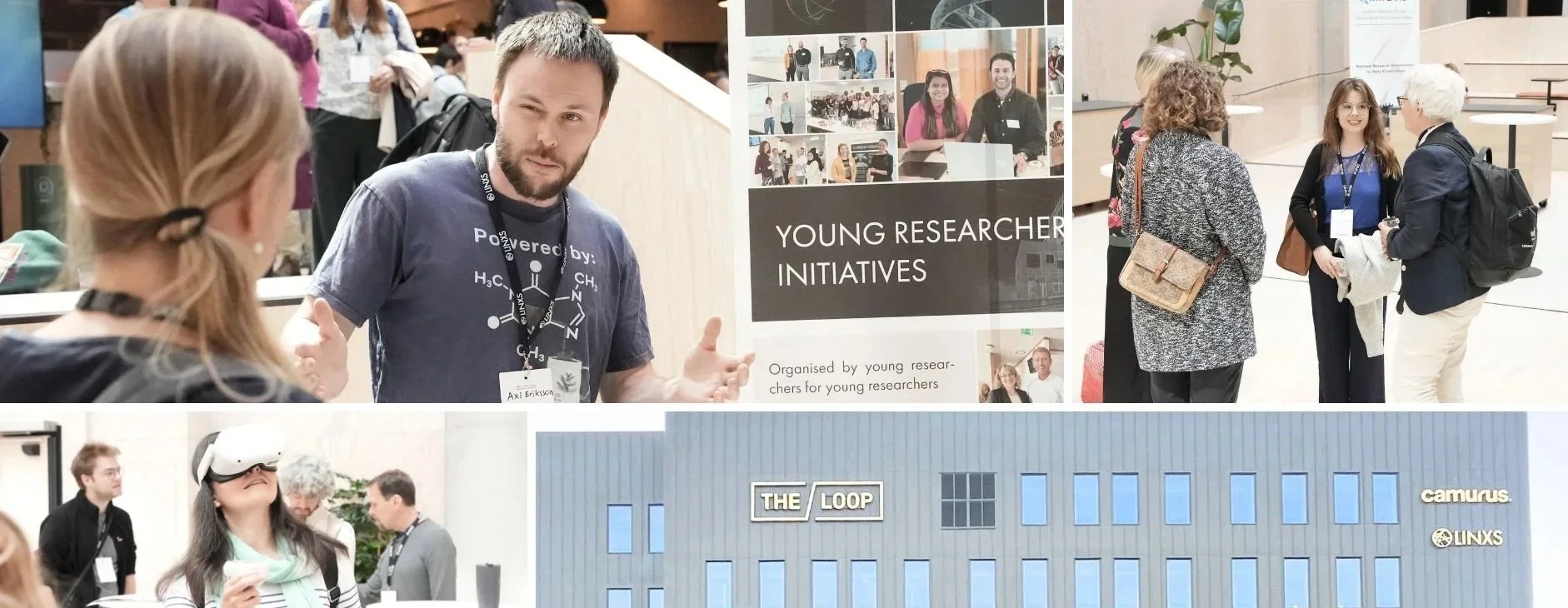

How can X-rays and neutrons drive the next generation of semiconductor technology? Join us for the theme kick-off on 26-27 February, 2026!
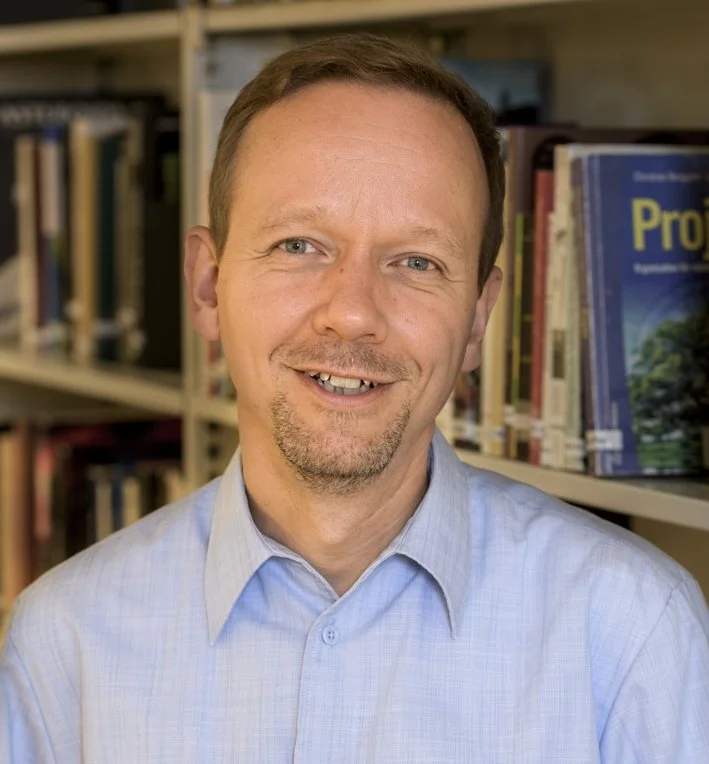
Semiconductors Core Group leader and member of WG3 (Neuromorphic Materials for Deep Learning and AI), LINXS Fellow
Department of Physics, Lund University, Sweden
Rainer Timm is Professor in Physics at Lund University. He is head of the Division of Synchrotron Radiation Research at Lund University and Coordinator of the Lund Nano Characterization Labs. His research focuses on characterization of semiconductor surfaces, nanostructures, and devices. He uses and develops various synchrotronbased spectroscopy methods, often under operando conditions or while pushing the limits of spatial and temporal resolution. For this, he is a frequent user (with about five to ten beamtimes per year) at several MAX IV beamlines and other European synchrotron facilities.