
ABOUT
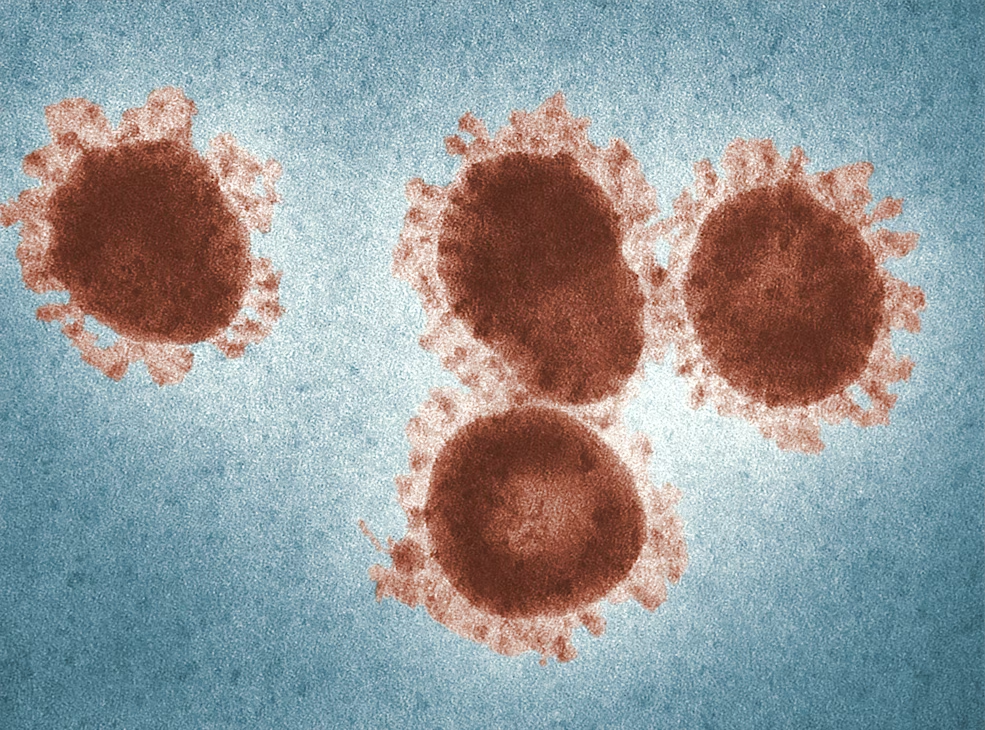
Viruses represent a major and growing public health threat. Recent years have seen several examples of viruses crossing the species barrier and causing rapid transmission in human populations, and it is reasonable to expect that future outbreaks and pandemics will occur. Preparing for these events requires mobilizing all available scientific tools and building collaboration across disciplines well in advance.
With this Theme, we aim to strengthen the connection between virologists and scientists working with X-ray and neutron techniques, fostering awareness of what large-scale infrastructures such as MAX IV and ESS can offer in the context of virology and pandemic response. Our goals are to build lasting cross-disciplinary collaborations, to increase technology awareness among virologists, and to develop practical frameworks for how X-ray and neutron methods can be rapidly deployed in a future pandemic situation.
Across all of these aims, we are committed to building structures and partnerships whose impact extends well beyond the duration of this Theme, contributing to a stronger and more prepared scientific community.
HAPPENING IN THEME
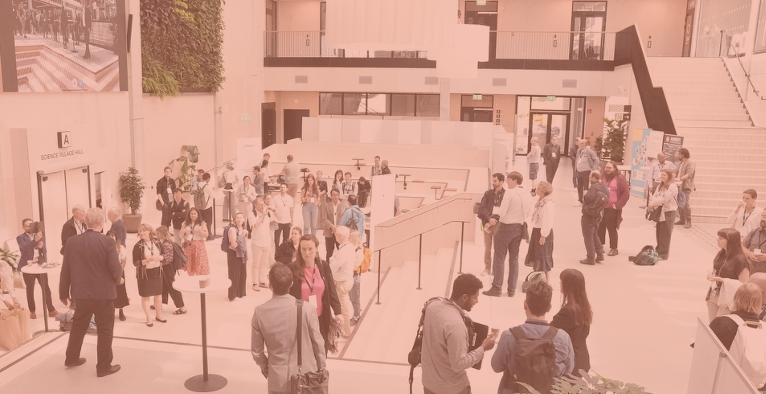
Welcome to LINXS Digital Town Hall meeting! The aim is to bring the LINXS community together and also to showcase LINXS current status, recent activities and developments.
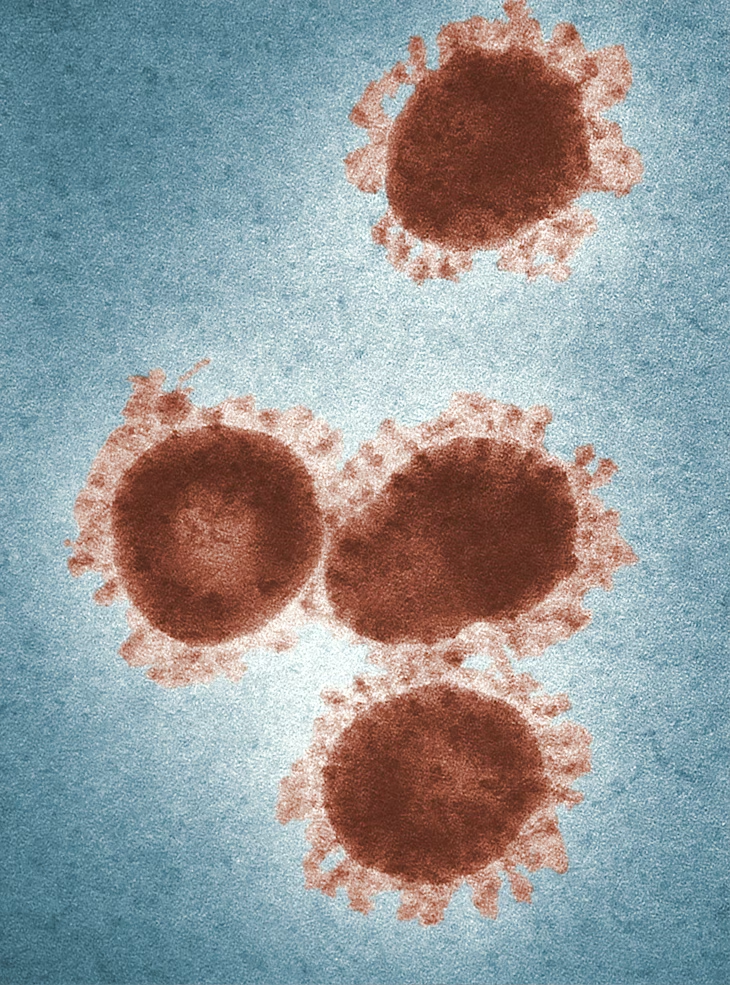
The LINXS theme Pandemics and Alertness (PandA) will hold its first Symposium – Knowing and Fighting the Virus – at LINXS on the 3rd and 4th of November 2026. The Symposium will start in the afternoon of the 3rd and include a full-day on the 4th.
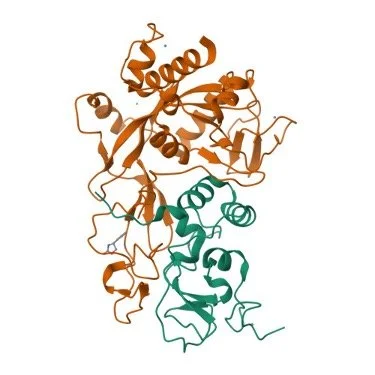

Please fill out the form below if you are interested in joining a working group within this Theme.

CORE GROUP
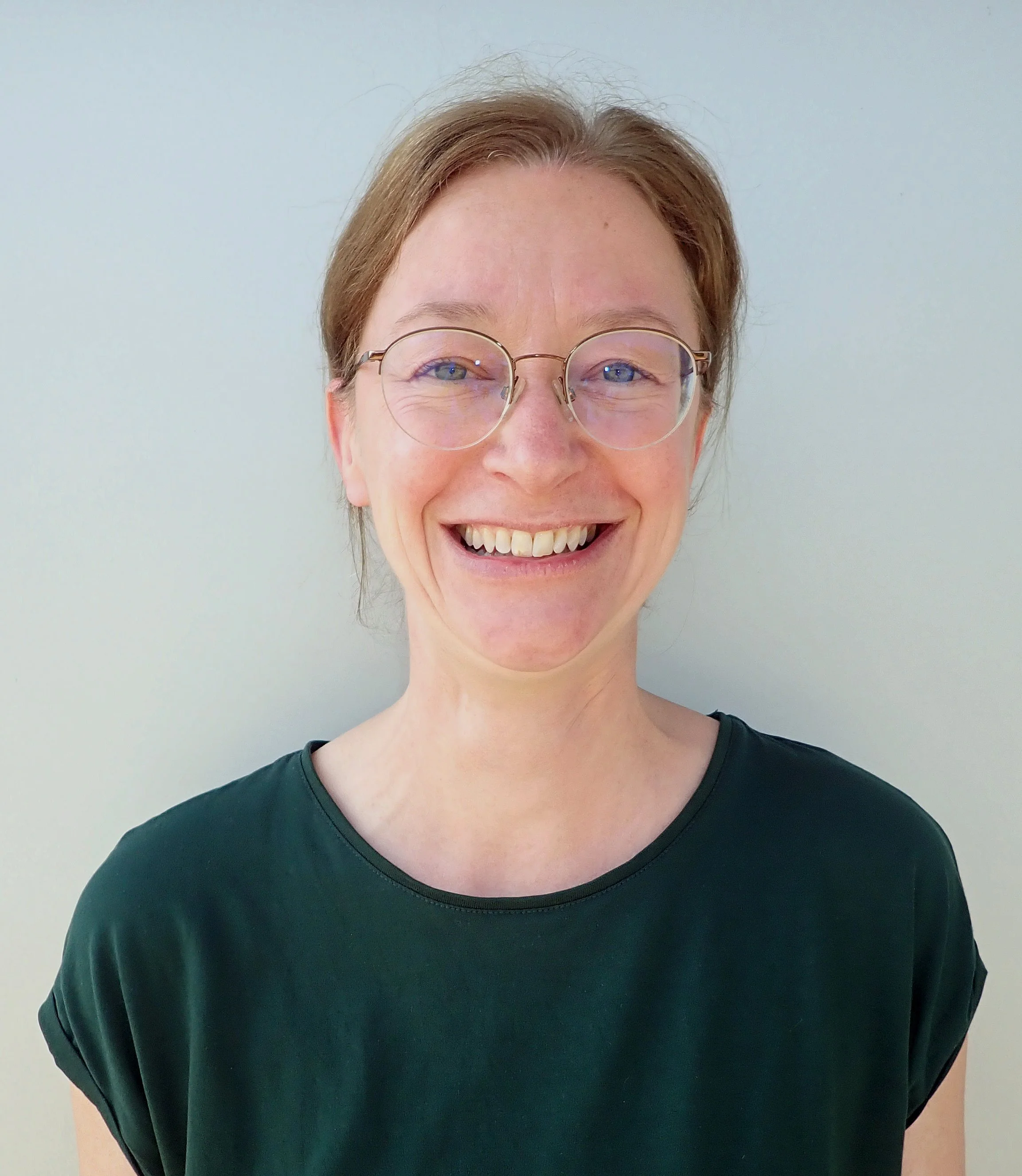
Pandemics and Alertness Leader WG1 (Understanding the virus), LINXS Fellow
Professor of Molecular Virology, Institute of Virology, Philipps-University Marburg, Marburg, Germany
Eva Friebertshäuser studied biology at the Justus-Liebig-Universität Gießen and the Philipps-Universität Marburg, Germany, with the focus on molecular biology, microbiology and virology, followed by a PhD thesis and post-doc period at the Institute of Virology at the Philipps-Universität Marburg. Since 2015, she has been Professor of Molecular Virology at the institute. Her research interest is the proteolytic activation of viral envelope proteins by host cell proteases and the development of protease inhibitors as novel antiviral drugs. Her research group first identified the transmembrane protease TMPRSS2 as virus-activating protease and made the most significant contributions to understanding how respiratory viruses are proteolytically activated to induce fusion.
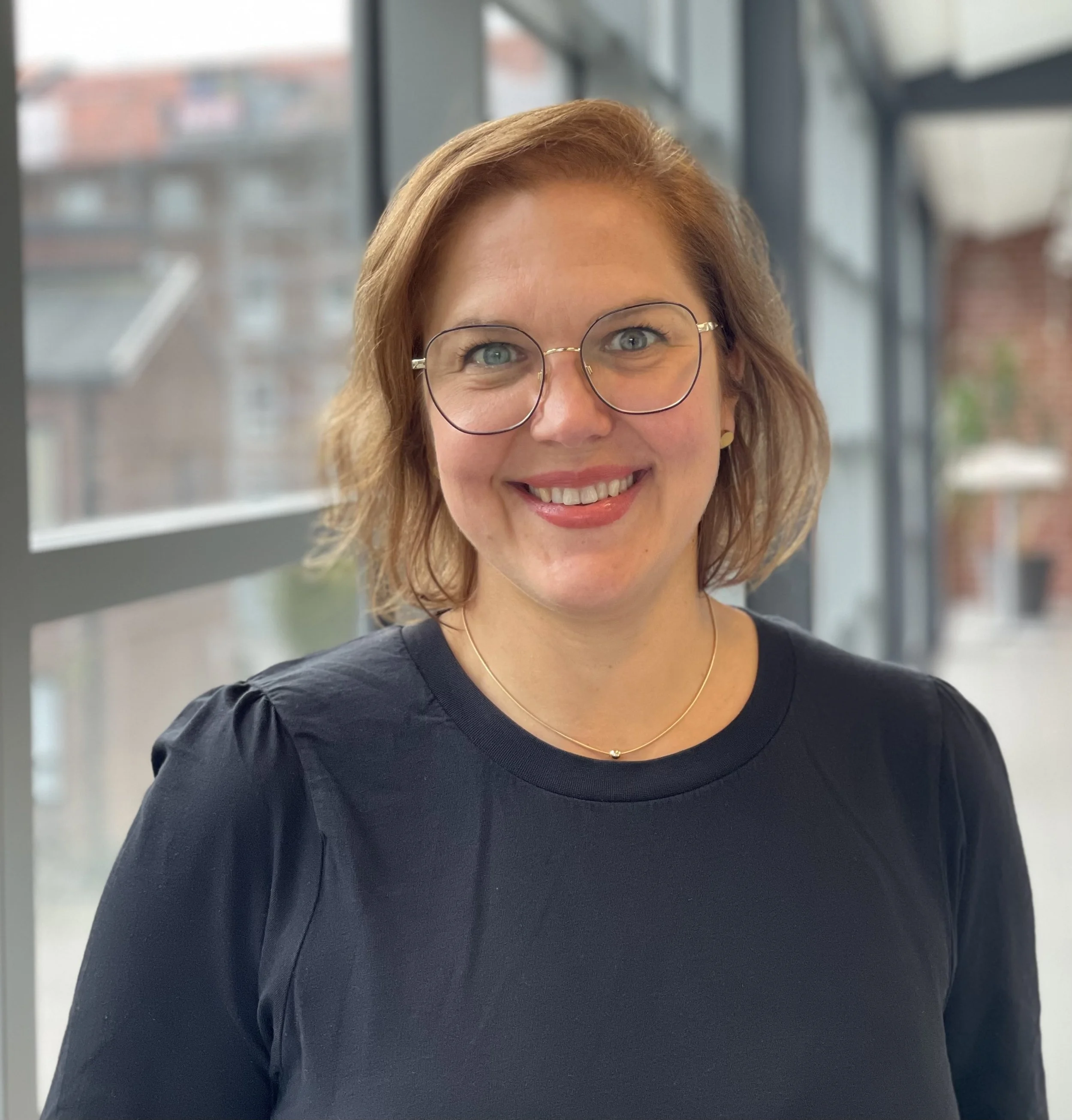
Pandemics and Alertness Leader WG3 (Complementary and enabling techniques), LINXS Fellow
Researcher at the Swedish BioMS and SciLifeLab Integrated Structural Biology (ISB) mass spectrometry platforms & Department of Clinical Sciences Lund (IKVL), SciLifeLab Group Leader, Division of Infection Medicine, Lund University, Lund, Sweden
Lotta Happonen studied biotechnology and genetics at the University of Helsinki, Finland, where she obtained her PhD in 2012 in structural virology using single particle cryoEM and X-ray crystallography as the main research methods. She joined Lund University initially as a postdoctoral researcher, and she is currently a PI and SciLifeLab Group Leader of a research group in Structural Infection Medicine (STRIME) at the Division of Infection Medicine. The methodological interests and research focus of her are to integrate cryoEM, X-ray crystallography, crosslinking and hydrogen-deuterium exchange mass spectrometry with quantitative proteomics in order to advance the understanding of the molecular basis of infections. These efforts have paved the way for research activities of deciphering the structure of host-pathogen protein complexes, with the aim of providing novel interfaces to target for diagnostic, preventive, and therapeutic opportunities.
In addition to leading her research at the Division of Infection Medicine, she has an affiliation with the Swedish National Infrastructure in Biological Mass Spectrometry (BioMS) Lund node and the SciLifeLab Integrated Structural Biology platform (ISB), where she leads and develops the crosslinking mass spectrometry research and workflows. She is an elected board member and former President of the Swedish Proteomics Society (SPS); a national organisation promoting proteomics research in Sweden, and the Swedish connection to the European and global proteomics organizations.

Pandemics and Alertness Leader WG2 (Fighting the virus), LINXS Fellow
Dept. of Immunotecnology & SciLifeLab Drug Discovery and Development Platform, Lund University, Lund, Sweden
Prof. Mats Ohlin defended his thesis in Immunotechnology at Lund University with a specific focus on human antibody repertoires in 1992. He has been engaged in antibody technology development and studies of immune responses throughout his career, with a specific focus of immune responses associated to allergic disease. He also developed a scaffold for development of carbohydrate-specific probes, and exploited X-ray and neutron crystal structure determination in this context. He was appointed Assoc. Prof of Immunotechnology in 1995 and Professor of Immunotechnology in 2003. He was appointed Platform Scientific Director of the Human Antibody Therapeutics unit (now Display and Selection Technology) of the national infrastructure Science for Life Laboratory (SciLifeLab) Drug Discovery and Development Platform in 2016 when the laboratory in Lund was introduced into this national infrastructure for therapeutic drug development. He has since 2021 acted as Co-chair of the Inferred Allele Review Committee of The Adaptive Immune Receptor Repertoire Community (AIRR-C) of the Antibody society (https://www.antibodysociety.org/), a committee with responsibility to judge the validity of germline immunoglobulin and TCR genes inferred from AIRR-Seq and genomic data. This committee directly collaborates with the International Union of Immunological Societies’ T-cell Receptor and Immunoglobulin Nomenclature Review Committee on aspects of gene and allele nomenclature.

Pandemics and Alertness member WG1 (Understanding the virus) and WG3 (Complementary and enabling techniques), LINXS Fellow
Head of Systems Virology Group, Faculty of Medicine, Lund University, Lund, Sweden
Joakim Esbjörnsson has for the last 19 years developed a research profile that combines expertise in molecular virology, bioinformatics and immunology. After doctoral studies at Lund University (LU), and postdoctoral studies at the Katholieke Universiteit and University of Oxford, he returned to LU in 2016 to set up his own research team focusing on molecular virus epidemiology and understanding how virus-host interactions determine pathogenesis using different bioinformatics and systems virology approaches. His career development have been supported by Vetenskapsrådet (international postdoctoral grant, establishment grant, and consolidator grant), Swedish Society for Medical Research, SciLifeLab, the European Commission, Lund University (multiple internal grants and a tenured position from associate senior lecturer to full Professor since 2016), other funds. He has >70 scientific publications, whereof the majority is as either first or senior author. Major original articles as first or senior author include publications in the New England Journal of Medicine, Nature Communications, Lancet HIV, Clinical Infectious Diseases, and Frontiers in Immunology. Other acknowledgements include being ranked as top 1% of HIV-2 researchers in the world, initiator and coordinator of the Lund University Virus Centre (LUVC), member of Vetenskapsrådets reference group for the national research program on virus and pandemics, member of the SciLifeLab DDLS Research School Management group, coordinator of the LU cooperation initiative on Pandemics and alertness, coordinator of the research and innovation dimension of the European University alliance EUGLOH 2.0 (including nine universities), and invitations to numerous scientific conferences as keynote speaker. He has been the main supervisor of nine postdocs/research fellows, three PhD students that successfully defended their theses, and co-supervisor of 8 PhD students that successfully defended their theses.
Pandemics and Alertness member WG1 (Understanding the virus) and WG3 (Complementary and enabling techniques), LINXS Fellow
MAX IV Laboratory, Lund University, Lund, Sweden
Marjolein Thunnissen, currently serving as senior science advisor at MAX IV, involved in coordinating activities towards the life sciences community. These encompass a wide spectrum of applications, including protein crystallography, small angle X-ray scattering, cutting-edge imaging techniques, X-ray absorption methods, and more. Marjolein plays a pivotal role in fostering relationships with users, both from academic and industrial backgrounds, while also spearheading educational and training initiatives. Marjolein's academic journey commenced at the University of Groningen, the Netherlands, where she embarked on her undergraduate and doctoral studies in chemistry. It was during her undergraduate years that her fascination with unraveling the intricate structure-function relationships of proteins through X-ray diffraction was ignited. Her main scientific interests have been inflammation and infection. She has solved several protein structures, amongst which the structure of Leukotriene A4 Hydrolase, the first member of the M1 group of zinc metalloproteases for which a structure got determined.

Pandemics and Alertness member WG1 (Understanding the virus), LINXS Fellow
Social Medicine and Global health and Systems Virology group, Faculty of Medicine, Lund University, Lund, Sweden
Pia Svensson holds a PhD in Public Health from Lund University. Her research is centered around patient and public health literacy, public health communication, and crisis communication, with a particular focus on hard to reach groups. She has specific experience and interest in interdisciplinary and cross-sector collaboration. Since 2024, Pia has served as the administrative coordinator for the thematic initiative Pandemics and Alertness, a role she will also assume within the LINXS theme collaboration.
WORKING GROUPS FOR PandA
WorkING Group 1
Understanding the virus
Working Group 1 focuses on deepening our understanding of virus structure, transmission, and pathogenesis, and on exploring how synchrotron and neutron-based methods can contribute to this knowledge. With a strong foundation at the Institute of Virology in Marburg, the group also aims to strengthen collaboration between Swedish and German virology communities and facilitate their future use of large-scale X-ray and neutron facilities. Visiting fellows from Marburg will contribute to focused research activities at LINXS, connecting one of the world's leading virology institutes with the Swedish research infrastructure.
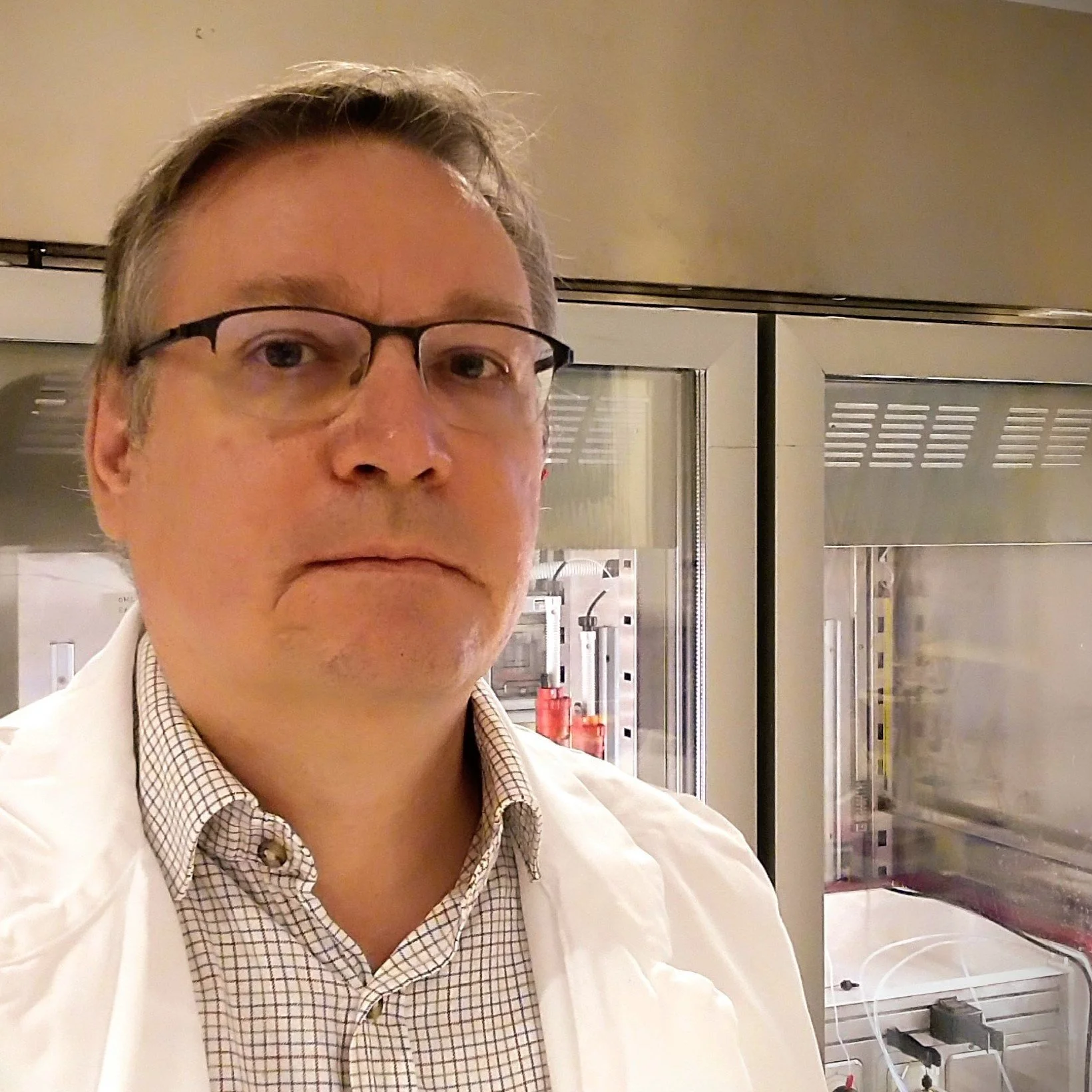
Pandemics and Alertness Core Group leader and deputy-leader of WG1 (Understanding the virus), WG2 (Fighting the virus) and WG3 (Complementary and enabling techniques), LINXS Fellow
Lund Protein Production Platform (LP3) & Protein Production Sweden (PPS), Department of Biology, Lund University, Lund Sweden
Wolfgang Knecht was trained in human biology at the Philipps-Universität Marburg, Germany, with focus on biochemistry, molecular biology, and virology, followed by a post-doc period at the Technical University of Denmark. Since 2002, he has worked in the cardiovascular research area of AstraZeneca in Mölndal, Sweden, as associate principal scientist in protein production, protein science & enzymology and project leader in early drug discovery projects. In 2013, he joined Lund University (LU) as senior lecturer and director of LP3. LP3 is a university platform for protein production, protein characterization and structure determination. Today, he also serves as the deputy director of the distributed national research infrastructure PPS (Protein Production Sweden), of which LP3 is the LU node. His research is centered around integrated biochemical - structural biology approaches to study enzymes, as lately exemplified by studies of human dihydroorotate dehydrogenase and the complex of the non-structural proteins 10 and 14 of SARS-CoV-2. Since 2025 he has been a SciLifeLab group leader.
Pandemics and Alertness Leader WG1 (Understanding the virus), LINXS Fellow
Professor of Molecular Virology, Institute of Virology, Philipps-University Marburg, Marburg, Germany
Eva Friebertshäuser studied biology at the Justus-Liebig-Universität Gießen and the Philipps-Universität Marburg, Germany, with the focus on molecular biology, microbiology and virology, followed by a PhD thesis and post-doc period at the Institute of Virology at the Philipps-Universität Marburg. Since 2015, she has been Professor of Molecular Virology at the institute. Her research interest is the proteolytic activation of viral envelope proteins by host cell proteases and the development of protease inhibitors as novel antiviral drugs. Her research group first identified the transmembrane protease TMPRSS2 as virus-activating protease and made the most significant contributions to understanding how respiratory viruses are proteolytically activated to induce fusion.
Pandemics and Alertness member WG1 (Understanding the virus) and WG3 (Complementary and enabling techniques), LINXS Fellow
Head of Systems Virology Group, Faculty of Medicine, Lund University, Lund, Sweden
Joakim Esbjörnsson has for the last 19 years developed a research profile that combines expertise in molecular virology, bioinformatics and immunology. After doctoral studies at Lund University (LU), and postdoctoral studies at the Katholieke Universiteit and University of Oxford, he returned to LU in 2016 to set up his own research team focusing on molecular virus epidemiology and understanding how virus-host interactions determine pathogenesis using different bioinformatics and systems virology approaches. His career development have been supported by Vetenskapsrådet (international postdoctoral grant, establishment grant, and consolidator grant), Swedish Society for Medical Research, SciLifeLab, the European Commission, Lund University (multiple internal grants and a tenured position from associate senior lecturer to full Professor since 2016), other funds. He has >70 scientific publications, whereof the majority is as either first or senior author. Major original articles as first or senior author include publications in the New England Journal of Medicine, Nature Communications, Lancet HIV, Clinical Infectious Diseases, and Frontiers in Immunology. Other acknowledgements include being ranked as top 1% of HIV-2 researchers in the world, initiator and coordinator of the Lund University Virus Centre (LUVC), member of Vetenskapsrådets reference group for the national research program on virus and pandemics, member of the SciLifeLab DDLS Research School Management group, coordinator of the LU cooperation initiative on Pandemics and alertness, coordinator of the research and innovation dimension of the European University alliance EUGLOH 2.0 (including nine universities), and invitations to numerous scientific conferences as keynote speaker. He has been the main supervisor of nine postdocs/research fellows, three PhD students that successfully defended their theses, and co-supervisor of 8 PhD students that successfully defended their theses.
Pandemics and Alertness member WG1 (Understanding the virus) and WG3 (Complementary and enabling techniques), LINXS Fellow
MAX IV Laboratory, Lund University, Lund, Sweden
Marjolein Thunnissen, currently serving as senior science advisor at MAX IV, involved in coordinating activities towards the life sciences community. These encompass a wide spectrum of applications, including protein crystallography, small angle X-ray scattering, cutting-edge imaging techniques, X-ray absorption methods, and more. Marjolein plays a pivotal role in fostering relationships with users, both from academic and industrial backgrounds, while also spearheading educational and training initiatives. Marjolein's academic journey commenced at the University of Groningen, the Netherlands, where she embarked on her undergraduate and doctoral studies in chemistry. It was during her undergraduate years that her fascination with unraveling the intricate structure-function relationships of proteins through X-ray diffraction was ignited. Her main scientific interests have been inflammation and infection. She has solved several protein structures, amongst which the structure of Leukotriene A4 Hydrolase, the first member of the M1 group of zinc metalloproteases for which a structure got determined.
Pandemics and Alertness member WG1 (Understanding the virus), LINXS Fellow
Social Medicine and Global health and Systems Virology group, Faculty of Medicine, Lund University, Lund, Sweden
Pia Svensson holds a PhD in Public Health from Lund University. Her research is centered around patient and public health literacy, public health communication, and crisis communication, with a particular focus on hard to reach groups. She has specific experience and interest in interdisciplinary and cross-sector collaboration. Since 2024, Pia has served as the administrative coordinator for the thematic initiative Pandemics and Alertness, a role she will also assume within the LINXS theme collaboration.

Pandemics and Alertness member WG1 (Understanding the virus), LINXS Fellow
Professor of Molecular Virology, Head of Division of Virology and Immunology, Department of Microbiology, Tumor and Cell Biology, Karolinska Institutet, Stockholm, Sweden
Gerald McInerney is professor of molecular virology at Karolinska Institutet in Stockholm. He has built a strong, internationally recognized research program in the cell biology of virus infection and its implications for viral replication and immune responses. His research focusses on the cell biology of alphavirus infection. He was first to show that virus infection induces the formation of RNA stress granules in infected cells and went on to elucidate the mechanism by which alphaviruses counteract this cellular defence pathway. He and his group were very active during the COVID19 pandemic, developing neutralizing antibodies and contributing to many projects in diagnostics, serology, antiviral and vaccine development and other diverse research projects.

Pandemics and Alertness member WG1 (Understanding the virus), LINXS Fellow
Department of Physics, Chemistry and Biology, Linköping University, Linköping, Sweden
Eleonore studied molecular biology in Switzerland, followed by a PhD in structural biology working on titin elasticity and signaling. The focus during her postdoc at the Netherlands Cancer Institute was on mitotic kinase regulation (via regulatory domains), while also contributing to other research projects in the department. In 2017 Eleonore moved to Linköping to start her own research group, with a focus on using integrated structural biology approaches to explore the molecular mechanisms of the picornavirus host factor PLAAT3 and its family member PLAAT4 and how they can be acquired and repurposed by viruses to fulfil new role(s) in the viral life cycle. The group also contributes their expertise in designing and producing recombinant protein constructs for biophysical and structural characterizations to several national and international collaborations on different topics. One common theme tying these together is the interest in how the modularity observed in most proteins contributes to their evolutionary diversity and adaptability.

Pandemics and Alertness member WG1 (Understanding the virus), LINXS Fellow
Pure and Applied Biochemistry, Lund University, Lund, Sweden
Dr. Cedric Dicko is a researcher in applied biochemistry with a focus on fibrous proteins. His primary research involves the application of biospectroscopy, scattering and soft mechanics to investigate the self-assembly and structure-function relationships in silk materials. The work emphasizes the importance of microstructures in biological function and how microscopic organization dramatically affects and determines the macroscopic properties of biological systems. Leading the Soft and Complex Biomaterials Group, Dr. Dicko and his team explore biological molecules to uncover their potential in material science and bioengineering.

Pandemics and Alertness member WG1 (Understanding the virus), LINXS Fellow
Institute of Virology, University of Marburg, Marburg, Germany
Eva Herker was trained in biochemistry at the University of Potsdam and the University of Tübingen and during her PhD investigated cell death mechanisms and aging processes in yeast. Supported by a Human Frontier Science Program Fellowship, she started working on virus-host interactions of hepatitis C viruses as a post-doc at the Gladstone Institute of Virology and Immunology (San Francisco, USA). After leading a junior research group at the Leibniz Institute for Virology in Hamburg, she was appointed as Professor of Molecular Virology at the University of Marburg. Her research group investigates virus-host interactions, focusing on the interplay between flaviviruses, lipid droplets, and lipid metabolism. She is also the spokesperson of a DFG-funded research unit on lipid droplet heterogeneity, which studies the structural and functional diversity of these organelles.
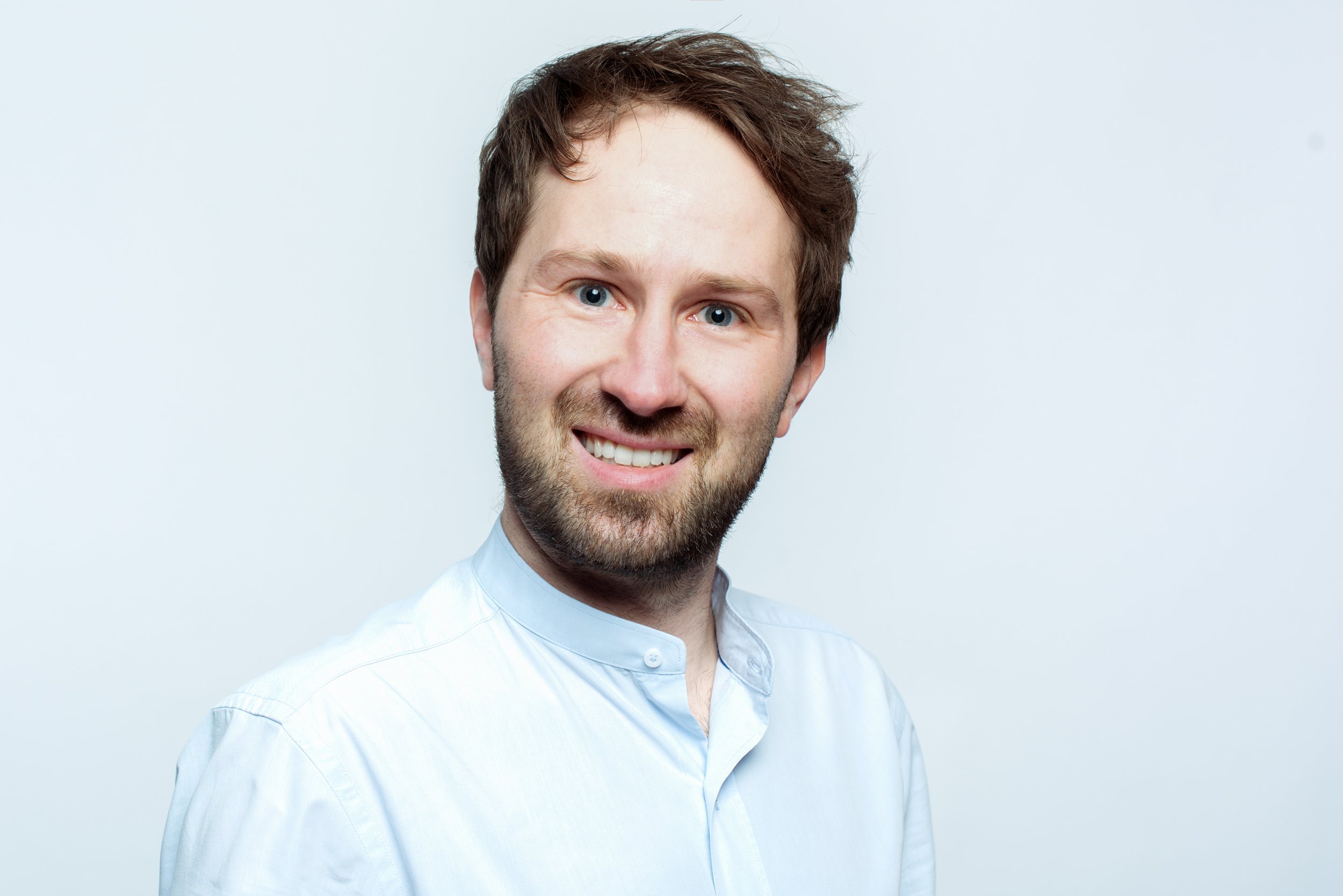
Pandemics and Alertness member WG1 (Understanding the virus), LINXS Fellow
Institute of Virology, Philipps-University Marburg, Marburg, Germany
Janis Müller studied Molecular Medicine in Ulm, Germany and focused on the sexual transmission of HIV during his PhD. As postdoc he worked on the sexual transmission of typically arthropod-borne Zika virus and discovered an novel innate mechanism by which extracellular vesicles in body fluids compete with viruses for cell attachment and thereby provide a natural barrier against transmission. He is experienced in studying immune responses, host interactions and antiviral strategies against viruses of different families including lentiviruses, flaviviruses, coronaviruses and orthomyxoviruses. In Marburg, he was appointed junior professor for immune responses against highly pathogenic RNA viruses and studies the mechanism, breadth, origin and regulation of antiviral EVs. Since 2023, he is vice president of the German Society for EVs.
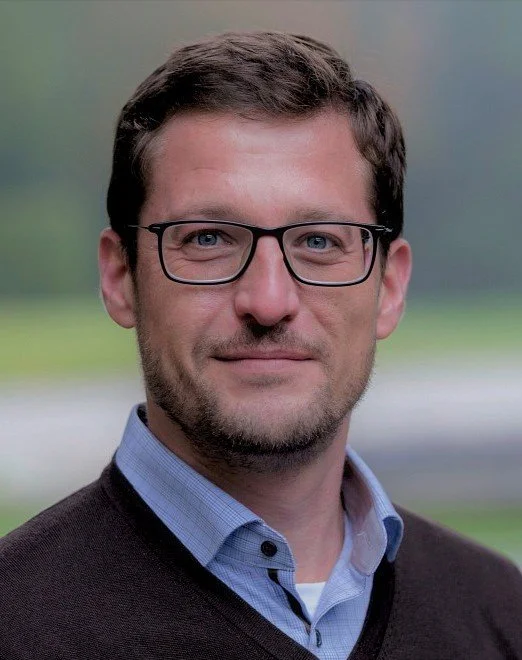
Pandemics and Alertness member WG1 (Understanding the virus), LINXS Fellow
Institute of Virology, Philipps-University Marburg, Marburg, Germany
Dr. Strecker graduated from the Philipps University Marburg, Germany, and obtained his doctoral degree in Virology from the same university in 2007. Since 2015, he holds a research group leader position at the Institute of Virology in Marburg. His primary research focuses on the molecular biology of the highly pathogenic Lassa virus, particularly on the functional roles of the envelope surface glycoprotein and matrix protein in virus entry and the late stages of the replication cycle, namely virus assembly and release. In addition to these basic research objectives, Dr. Strecker and his team have participated in various multinational collaborative Ebola virus projects, focusing on the characterization of antibody responses to vaccination and natural infection. As a member of the European Mobile Laboratory consortium, he served multiple times as a team leader of multinational field diagnostic teams that were deployed in response to the 2014-2016 West African Ebola virus outbreak and the Marburg virus outbreak in Uganda in 2017.
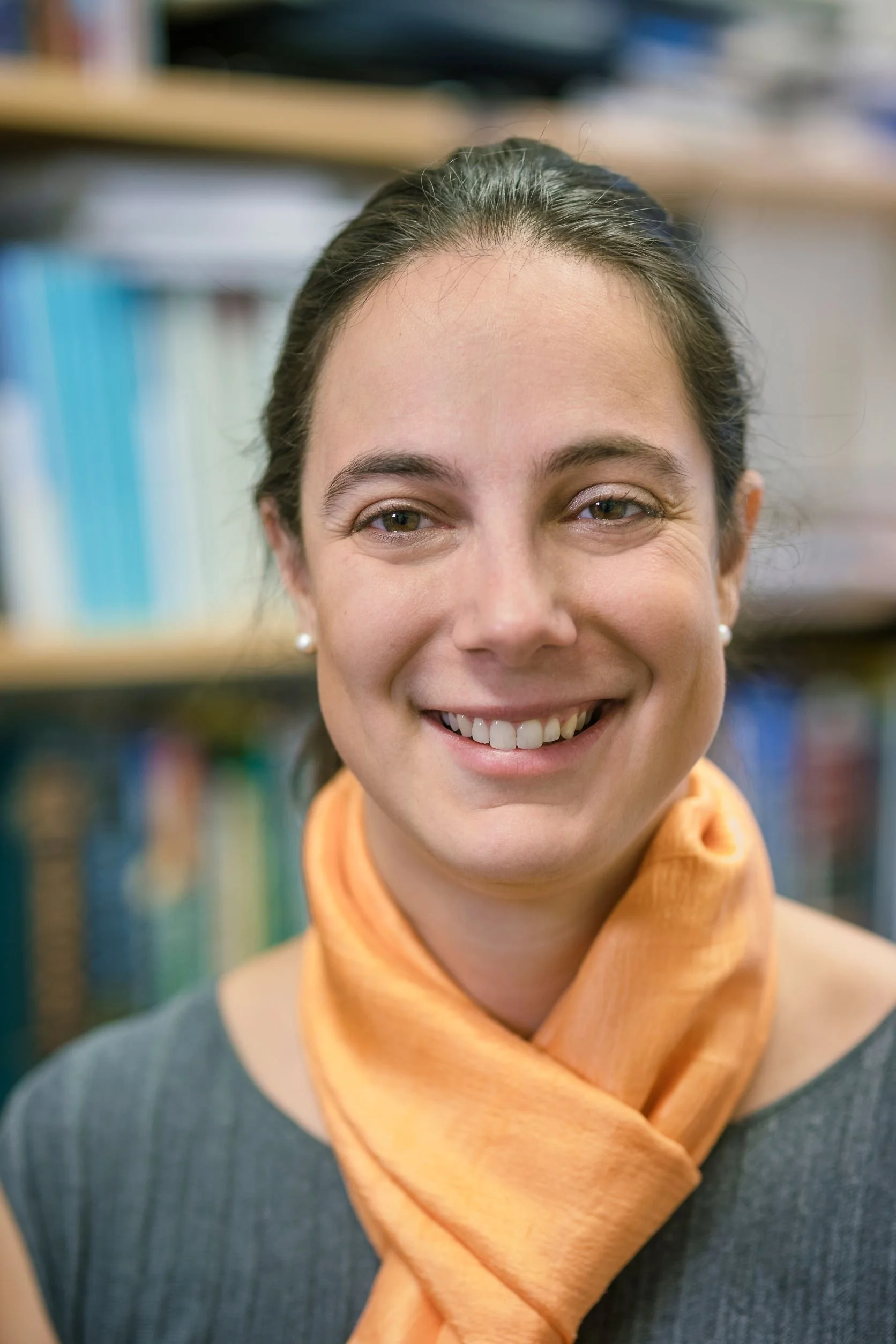
Pandemics and Alertness member WG1 (Understanding the virus), LINXS Fellow
Department of Clinical Microbiology, Wallenberg Centre for Molecular Medicine & Umeå Centre for Microbial Research, Umeå University, Umeå, Sweden
Marta Bally was trained in Material Sciences at ETH Zürich where she also carried out her doctoral studies in biomedical engineering. This was followed by a post-doc period at Chalmers University of Technology (Sweden) and Institut Curie(France), where she trained in biophysics. During this period, she became increasingly interested in developing and implementing advanced bioanalytical tools to study virus interactions at the cell surface. In 2013, she became Assistant Professor at the Department of Physics at Chalmers University of Technology. In 2018, she was recruited by the Wallenberg Centre for Molecular Medicine at Umeå University, where she started working as a group leader within the section of virology (Department of Clinical Microbiology). Since 2022, she has been Associate Professor in Virology and since 2024, she has been the Deputy Director of the Umeå Centre for Microbial Research, a large center gathering 77 PIs with interest in various aspects of microbial research. Her current research is centered on viral entry. More specifically, she studies the molecular mechanisms by which the interaction dynamics of a virus particle are modulated at the cell surface, with emphasis on the role of carbohydrates in the process. She carries out a highly interdisciplinary research program at the interface between physics, chemistry and virology.
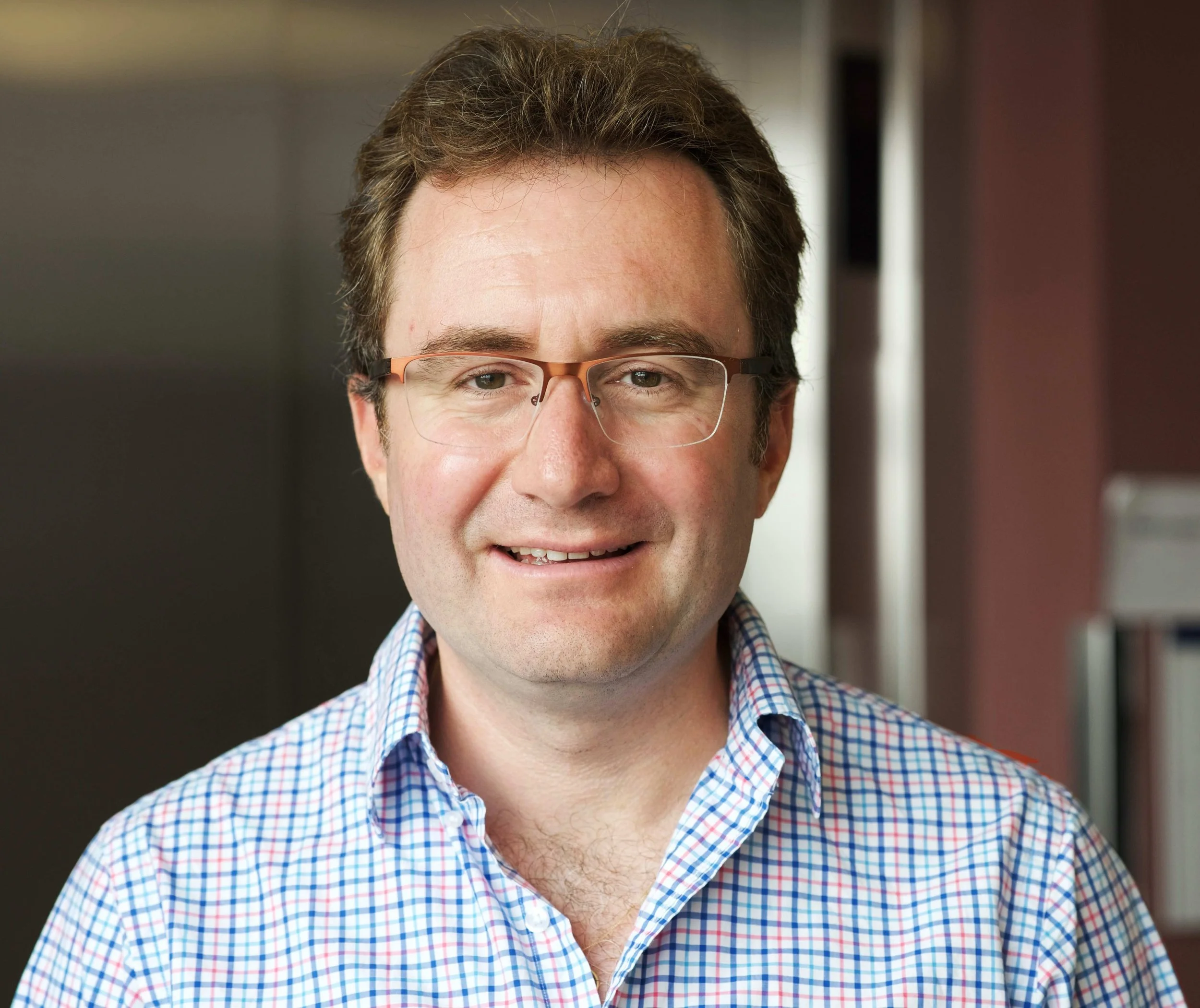
Pandemics and Alertness member WG1 (Understanding the virus) and WG2 (Fighting the virus), LINXS Fellow
Faculty of Medicine, Lund University, Lund, Sweden
Alex Evilevitch is a professor at the Faculty of Medicine, Lund University, with an extensive background in interdisciplinary research at the intersection of biophysics, virology, and physical chemistry. His academic journey includes tenured faculty appointments at Lund University (Sweden), Carnegie Mellon University (USA), and the University of Illinois at Urbana- Champaign (USA). Evilevitch's work has significantly advanced the understanding of viral genome packaging and infectivity, with a focus on the physical interactions governing the viral infectious cycle.His lab explores the physico-chemical mechanisms of viral capsid assembly, DNA packaging, and host-virus interactions using cutting-edge biophysical techniques, including Cryo-EM, AFM, and small-angle scattering. His translational research addresses key challenges in herpes virology and gene therapy, leading to the development of non-resistance-based antiviral therapies and improved AAV vector production methods. Evilevitch holds U.S. patents for groundbreaking antiviral strategies targeting the pressurized DNA state of herpesviruses, resistant to viral mutations. He is also developing scalable solutions for recombinant AAV production, enhancing packaging capacity and purity for gene therapy applications. Evilevitch has published over 60 peer-reviewed articles and received numerous awards, including the Hebert Newby McCoy Award and the Hagberg Prize from the Swedish Royal Academy of Sciences. His research has been supported by over $7 million in funding from organizations such as the Swedish Research Council, NIH, and NSF.
Pandemics and Alertness member WG1 (Understanding the virus) and WG3 (Complementary and enabling techniques), LINXS Fellow
European Spallation Source ERIC, Lund, Sweden
Dr. Suzanne Zoë Fisher completed her Bachelor of Science (B.Sc.) and Honours (Hons.) degree in Biochemistry and Animal Physiology at the University of Stellenbosch in 1999 and 2000, respectively. In December 2000, she emigrated to the United States, where she worked as a research assistant in the Department of Physiology and Cell Biology at the University of Florida for nearly two years before beginning her graduate studies in 2002. She earned her Ph.D. in structural biology from the Department of Biochemistry and Molecular Biology, UF in 2006. She then joined Los Alamos National Laboratory (LANL) in Los Alamos, New Mexico, as a postdoctoral research associate from 2007 to 2010. Following her postdoctoral work, she became a permanent staff member at LANL, serving as a Research Scientist II from 2010 to 2014. In this role, she was responsible for the Protein Crystallography Station and its affiliated deuteration and crystallization support laboratory
In 2014, Dr. Fisher moved to Sweden to join the European Spallation Source (ESS) in Lund. She currently serves as a Senior Scientist at the ESS and holds an adjunct Senior Lecturer position in the Department of Biology at Lund University. Dr. Fisher has extensive expertise in structural biology, protein biochemistry, neutron and X-ray crystallography, and stable isotope labeling for NMR and neutron applications. She is an active member of the scientific community, having served as a LINXS fellow, a Scientific Advisory Board member for Prosel Biosciences, and a board member of the DeuNet network. She is also engaged in education and outreach, has participated in numerous schools, workshops, conferences, and regularly delivers talks or seminars to diverse audiences to promote the applications of neutrons in structural biology. Dr. Fisher has authored or co-authored more than 80 peer-reviewed publications, including recent studies on SARS-CoV-2 nonstructural proteins nsp10 and nsp14.

Pandemics and Alertness member WG1 (Understanding the virus) and WG3 (Complementary and enabling techniques), LINXS Fellow
Professor of Molecular Biophysics, Section for Biochemistry and Structural Biology, Dept. of Chemistry, Lund University, Sweden
Prof. Logan has a D.Phil. in Molecular Biophysics from Oxford University, where he worked on the structures of picornaviruses, in particular foot-and-mouth disease virus. He did postdoctoral work in Strasbourg and Stockholm before moving to Lund University in 2001. He studies the structural basis for macromolecular function using a variety of experimental techniques: X-ray and neutron crystallography, small-angle X-ray scattering and cryo-electron microscopy. Two particular foci in recent years have been the mechanism and allosteric regulation of the radical enzyme ribonucleotide reductase and the details of ligand binding to the galectin family of carbohydrate recognition proteins. Prof. Logan is secretary of the European Synchrotron and XFEL Users Organisation and is a member of the advisory panel for the neutron macromolecular crystallography instrument at the ESS. He was recently appointed director of a new facility for cryo-EM at Lund University. He is co-founder and Chief Scientific Officer of the company SARomics Biostructures AB, which was founded in 2006.
WORKING GROUP 2
Fighting the virus
Working Group 2 focuses on advancing the development of antiviral drugs and pandemic prevention strategies using X-ray and neutron techniques. The group covers all three broad areas of medical pandemic management: small molecule drugs, biopharmaceuticals, and vaccines, and brings together participants from academia, industry, and the public sector.
Pandemics and Alertness Core Group leader and deputy-leader of WG1 (Understanding the virus), WG2 (Fighting the virus) and WG3 (Complementary and enabling techniques), LINXS Fellow
Lund Protein Production Platform (LP3) & Protein Production Sweden (PPS), Department of Biology, Lund University, Lund Sweden
Wolfgang Knecht was trained in human biology at the Philipps-Universität Marburg, Germany, with focus on biochemistry, molecular biology, and virology, followed by a post-doc period at the Technical University of Denmark. Since 2002, he has worked in the cardiovascular research area of AstraZeneca in Mölndal, Sweden, as associate principal scientist in protein production, protein science & enzymology and project leader in early drug discovery projects. In 2013, he joined Lund University (LU) as senior lecturer and director of LP3. LP3 is a university platform for protein production, protein characterization and structure determination. Today, he also serves as the deputy director of the distributed national research infrastructure PPS (Protein Production Sweden), of which LP3 is the LU node. His research is centered around integrated biochemical - structural biology approaches to study enzymes, as lately exemplified by studies of human dihydroorotate dehydrogenase and the complex of the non-structural proteins 10 and 14 of SARS-CoV-2. Since 2025 he has been a SciLifeLab group leader.
Pandemics and Alertness Leader WG2 (Fighting the virus), LINXS Fellow
Dept. of Immunotecnology & SciLifeLab Drug Discovery and Development Platform, Lund University, Lund, Sweden
Prof. Mats Ohlin defended his thesis in Immunotechnology at Lund University with a specific focus on human antibody repertoires in 1992. He has been engaged in antibody technology development and studies of immune responses throughout his career, with a specific focus of immune responses associated to allergic disease. He also developed a scaffold for development of carbohydrate-specific probes, and exploited X-ray and neutron crystal structure determination in this context. He was appointed Assoc. Prof of Immunotechnology in 1995 and Professor of Immunotechnology in 2003. He was appointed Platform Scientific Director of the Human Antibody Therapeutics unit (now Display and Selection Technology) of the national infrastructure Science for Life Laboratory (SciLifeLab) Drug Discovery and Development Platform in 2016 when the laboratory in Lund was introduced into this national infrastructure for therapeutic drug development. He has since 2021 acted as Co-chair of the Inferred Allele Review Committee of The Adaptive Immune Receptor Repertoire Community (AIRR-C) of the Antibody society (https://www.antibodysociety.org/), a committee with responsibility to judge the validity of germline immunoglobulin and TCR genes inferred from AIRR-Seq and genomic data. This committee directly collaborates with the International Union of Immunological Societies’ T-cell Receptor and Immunoglobulin Nomenclature Review Committee on aspects of gene and allele nomenclature.
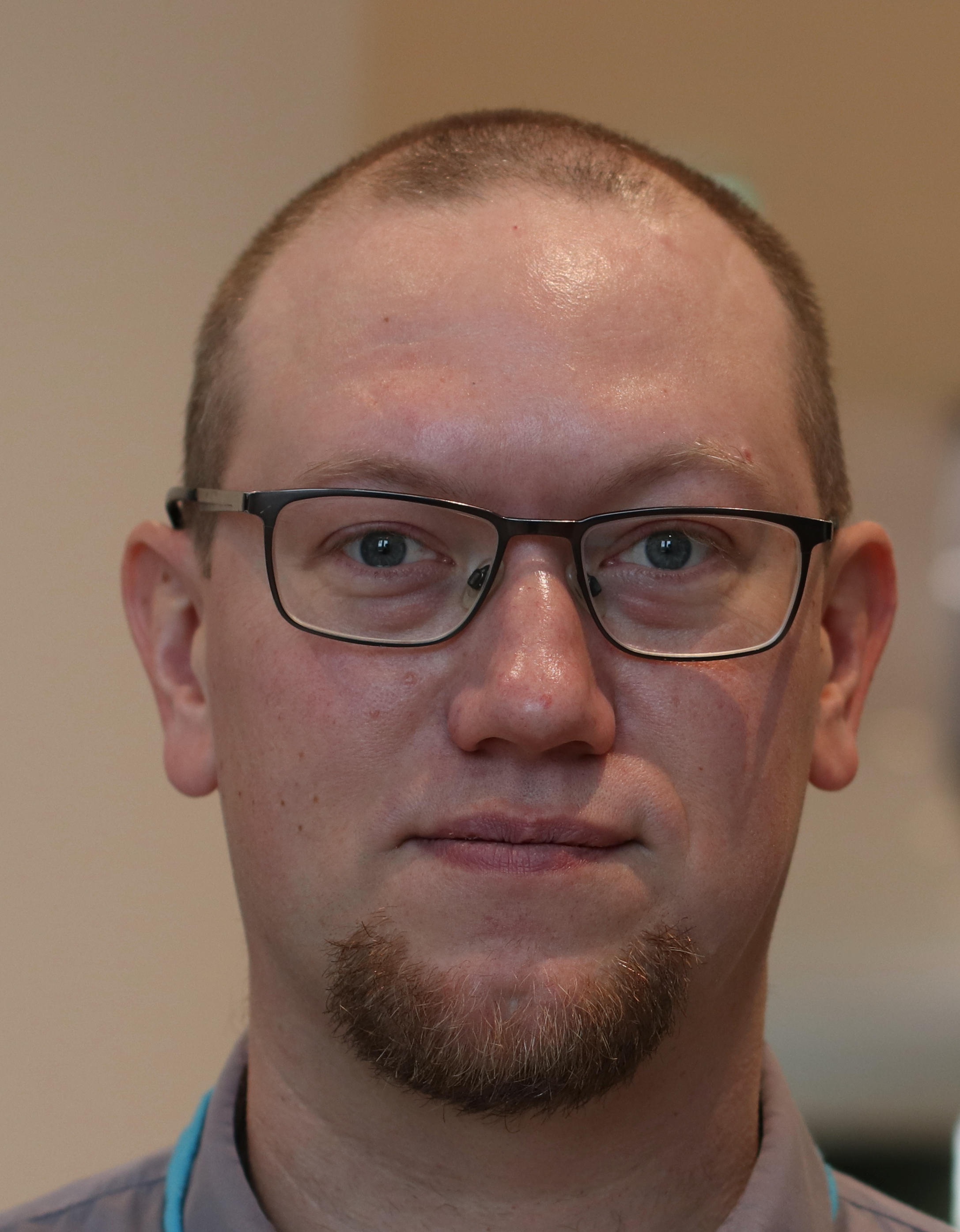
Pandemics and Alertness member WG2 (Fighting the virus), LINXS Fellow
European Spallation Source ERIC & Lund University, Lund, Sweden
Esko Oksanen was trained at the University of Helsinki, Finland in structural enzymology; particularly in X-ray and neutron crystallography. After a post-doctoral period at EMBL Grenoble and Institut de19 Biologie Strucuturale in Grenoble, France on crystal growth optimization he joined the European Spallation Source in Lund, Sweden in 2011. Since then he has been responsible for the NMX Macromolecular Diffractometer instrument project. Since 2023 he has been based at the Division of Computational Chemistry at Lund University. His research activities focus on combining crystallographic and computational methods to understand enzyme mechanisms, particularly the role of hydrogen atoms
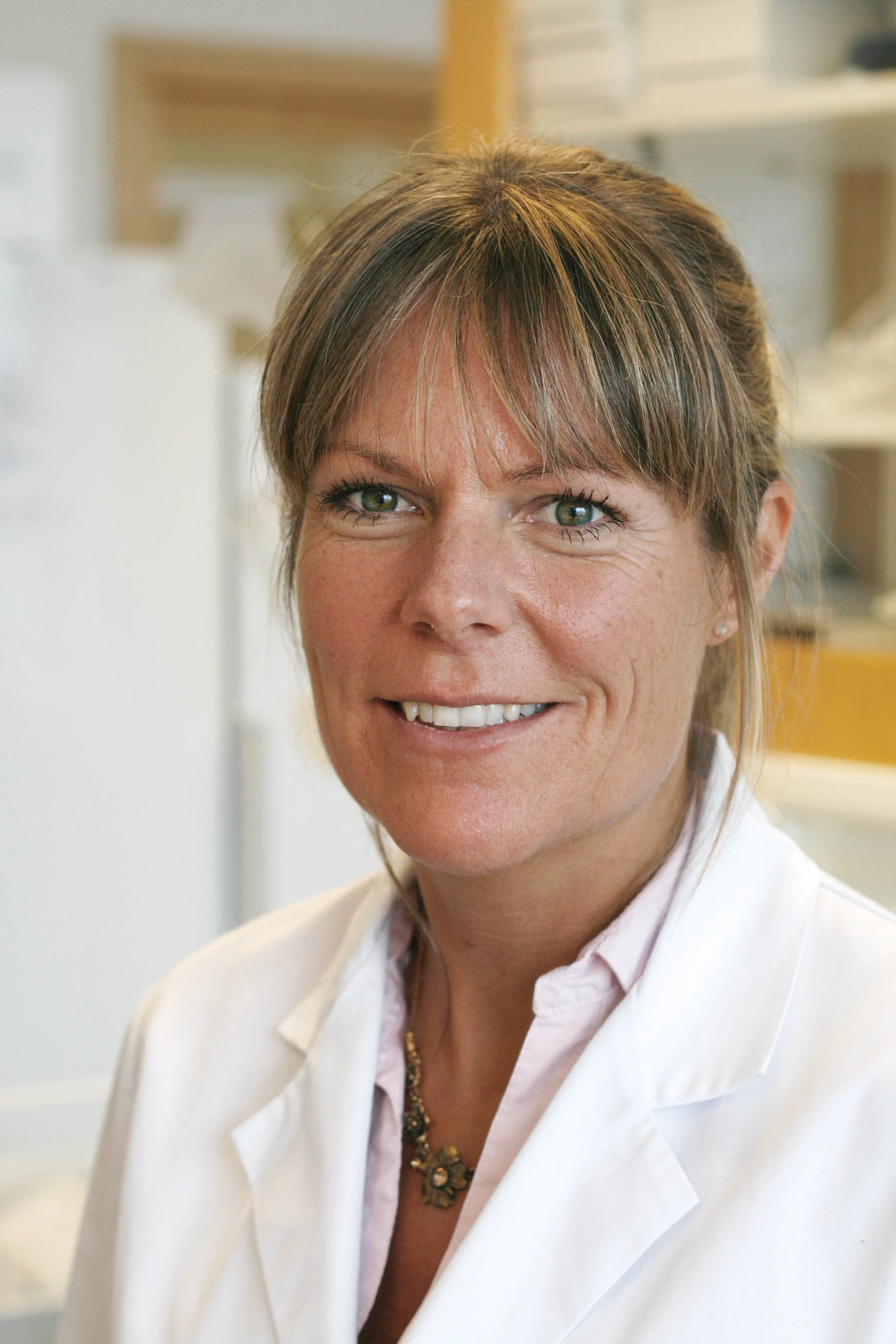
Pandemics and Alertness member WG2 (Fighting the virus), LINXS Fellow
Department of Biomedical and Clinical Sciences, Linköping University and Department of Clinical Sciences, Karolinska Institute/Danderyd Hospital, Sweden
Marie Hagbom is Associate Professor in Molecular Virology at Linköping University and Senior Research Specialist at Karolinska Institute/Danderyd Hospital. She has over 17 years of experience in virology research, with expertise in enteric viruses and pathophysiology. She received her PhD at Linköping University in 2015 and was appointed Associate Professor in 2022. Her research has made key contributions to understanding how enteric viruses, such as rotavirus, induce the disease symptoms diarrhea and vomiting. A central focus of her work has been the use of human organoid models due to their high biological relevance. In 2018, she established human stem cell-derived enteroids as an infection model and built a library of enteroids to enable the study of individual responses. Expanding this work, in 2024, she developed human nose organoids for studying respiratory viruses. She is currently working on generating sensory nerves from induced pluripotent stem cells (iPSCs), with the goal of creating complex co-culture models that integrate organoids, sensory nerves, and immune cells to explore infection dynamics. Since April 2025, she has been recruited to Karolinska Institute/Danderyd Hospital to establish an organoid center (PI: Charlotte Thålin), with an initial focus on respiratory organoid models.
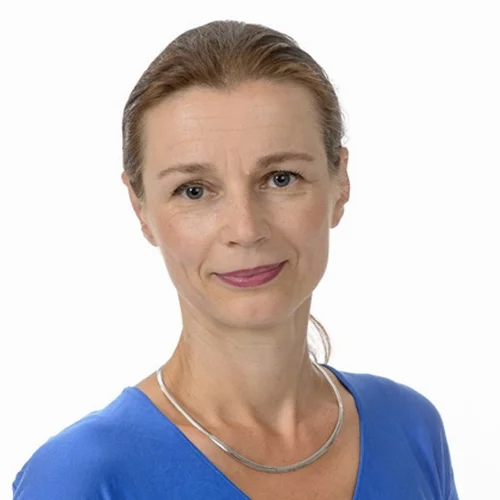
Pandemics and Alertness member WG2 (Fighting the virus), LINXS Fellow
Dept. of Chemistry, Division of Physical Chemistry, Lund University, Lund, Sweden
Anna Stradner is a soft matter scientist specializing in scattering methods and their application to life science, working mainly with physiologically and pharmaceutically relevant proteins (monoclonal antibodies, eye lens proteins etc.) using a colloid approach to protein interactions and solution properties. The current research of her group focuses on phase behavior, structure, dynamics and flow behavior of concentrated protein solutions and mixtures, with a particular interest in protein dynamics under crowded conditions, phase separation and dynamical arrest, as well as novel concepts for high-concentration protein formulations. She obtained her PhD in Physical Chemistry in Graz, Austria, then moved to Switzerland where she worked as a postdoc and subsequently as a tenured senior scientist at the Physics Department in Fribourg. In 2008, she completed her Habilitation (Venia Legendi) in Experimental Physics before transferring her activities in 2011 to Lund University, where she is now Professor in the Division of Physical Chemistry.

Pandemics and Alertness member WG2 (Fighting the virus), LINXS Fellow
Department of Biochemistry and Structural Biology, Lund University, Lund, Sweden
Prof. André has a PhD in Biophysical Chemistry from Lund University. He joined the University of Washington for postdoctoral work before returning to Lund University to start his research group in 2009. He studies protein self-assembly to understand the mechanism behind the formation of large assemblies using experimental and computational methods. Large assemblies are also designed using computational protein design methods and artificial intelligence. His group also works on the design of conformational changes in proteins. Another direction is the study of codon adaptation in organisms and its effect on co-translational folding. Questions related to how protein structure has evolved are also addressed in research by the group using computational and experimental methods.

Pandemics and Alertness member WG2 (Fighting the virus), LINXS Fellow
Senior Lecturer, Division of Infection Medicine, Department of Clinical Sciences, Medical Faculty, Lund University, Lund, Sweden
Pontus Nordenfelt started in Biotechnology Engineering (M.S.Eng) at LTH in Lund, Sweden. He finished his Ph.D. in 2010 in Cell Biology and Microbiology at Lund University and the University of Toronto, focusing on phagocytosis of bacteria. The first postdoc within Infection Medicine was in Lund with studies on pathogen antibody interaction. This was followed by a longer postdoc in Immunology at Harvard Medical School, partly as a Fellow at the Image and Data Analysis Core facility and at MBL Woods Hole during the summers. The second postdoc was focused on integrin biology. He started his group in 2017 at the Faculty of Medicine at Lund University. He was elected into the Swedish Young Academy in 2018 and received a VR Consolidator Grant in 2023. The Nordenfelt Lab studies how human cells interact with their environment, focusing on cell biology that influences immune responses. By examining surface molecules, morphology, biomechanical forces, antibodies, complement systems, and receptors like Fc and integrins, the lab develops new technologies to improve diagnostics and treatments for infections and cancer. Recently, their work has emphasized creating monoclonal antibodies against human pathogens.
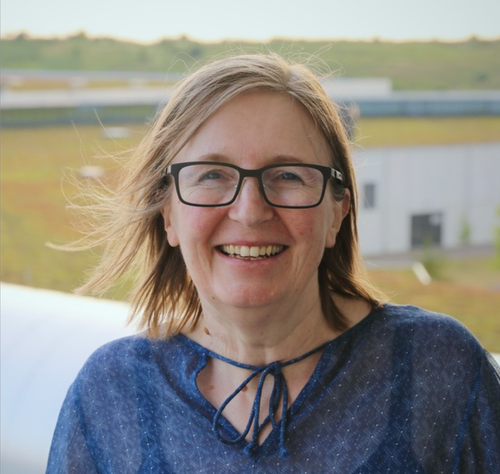
Pandemics and Alertness member WG2 (Fighting the virus), LINXS Fellow
Soft Materials Group Manager, CoSAXS beamline coordinator, MAX IV Laboratory, Lund University, Lund, Sweden
Ann Terry has broad experience in the use of small and wide angle scattering (both X-rays and neutrons) in solution scattering, protein aggregation, drug delivery, and soft matter. This has been a focus of her career from her PhD and a postdoc in Polymer Physics at Bristol University, via a postdoc fellowship and beamline scientist position at the Materials Science beamline, ID11, European Synchrotron Radiation Facility, as a SANS instrument scientist at the ISIS Neutron and Muon Facility, to being a Researcher at the CoSAXS beamline, MAX IV. She is the Group Manager for Soft Materials (formerly the Scattering and Diffraction Group) at MAX IV. A major theme to her recent research has been the use of advanced techniques in understanding drug delivery systems and the formulation and processing of biologics.
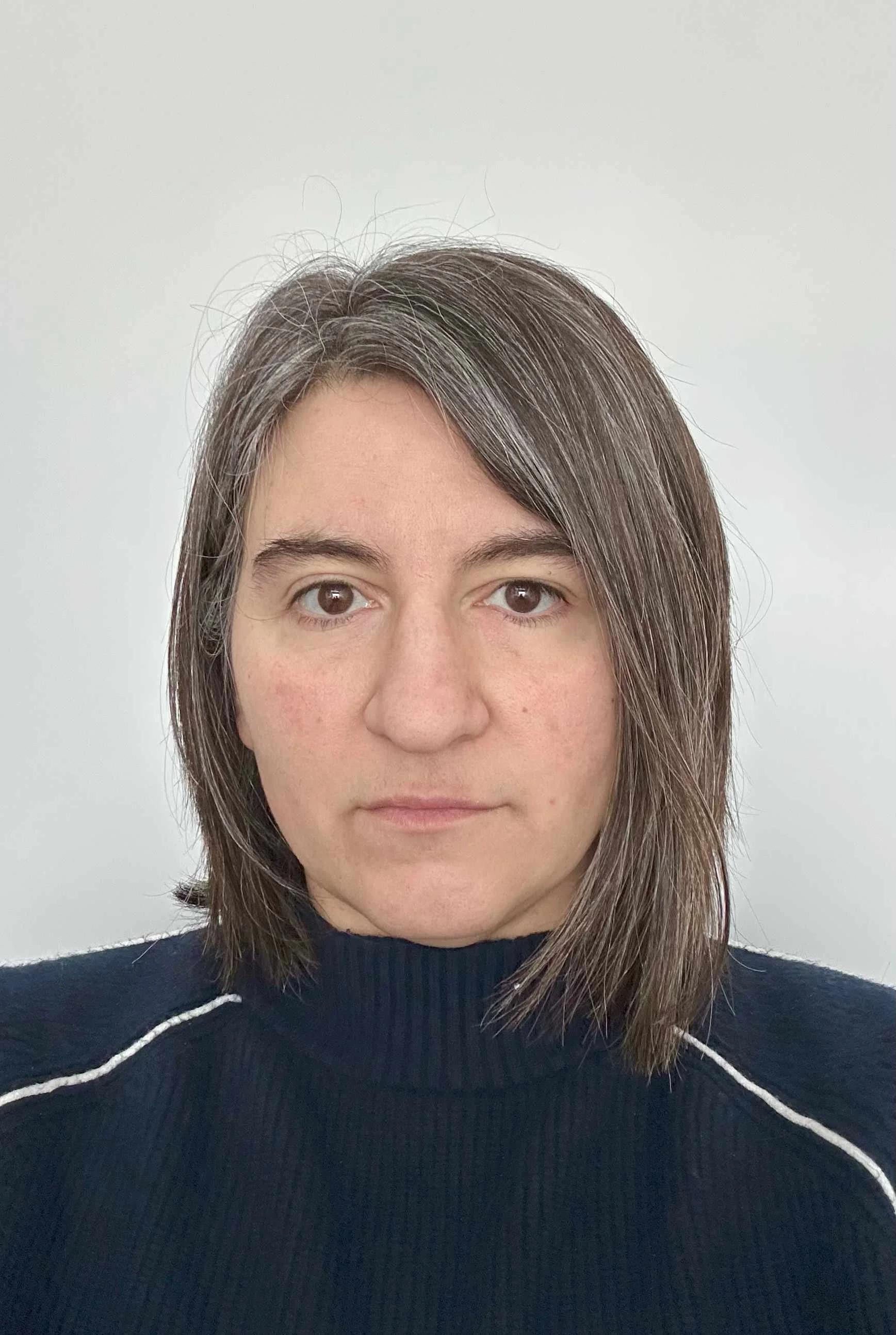
Pandemics and Alertness member WG2 (Fighting the virus), LINXS Fellow
CoSAXS beamline, MAX IV Laboratory, Lund University, Lund, Sweden
Fátima Herranz completed her PhD at the University of Montpellier in collaboration with the University of Copenhagen, where she focused on studying amyloid processes using small-angle X-ray scattering (SAXS) and chemometric tools. Afterward, she continued her research at the University of Copenhagen, further exploring the structural and kinetic aspects of amyloids. Currently, she is part of the CoSAXS beamline team at MAX IV, where she collaborates on multidisciplinary projects in areas such as lipid nanoparticles, food science, structural biology, and time-resolved studies. Her work involves combining SAXS with complementary spectroscopic techniques to address complex scientific challenges.

Pandemics and Alertness member WG2 (Fighting the virus), LINXS Fellow
FragMAX facility, MAX IV Laboratory, Lund University, Lund, Sweden
Tobias Krojer trained as a structural biologist at the Max Planck Institute of Biochemistry in Martinsried (Germany) and received a PhD from Cardiff University (UK). He continued his post-doctoral research at the Institute of Molecular Pathology in Vienna (Austria). In 2009, he joined the Structural Genomics Consortium (Oxford University, UK) as a team leader in the Protein Crystallography group, focusing on methods development and structure-driven chemical biology. He moved to Lund in 2021 to lead the FragMAX facility for crystal-based fragment and ligand screening at MAX IV Laboratory.
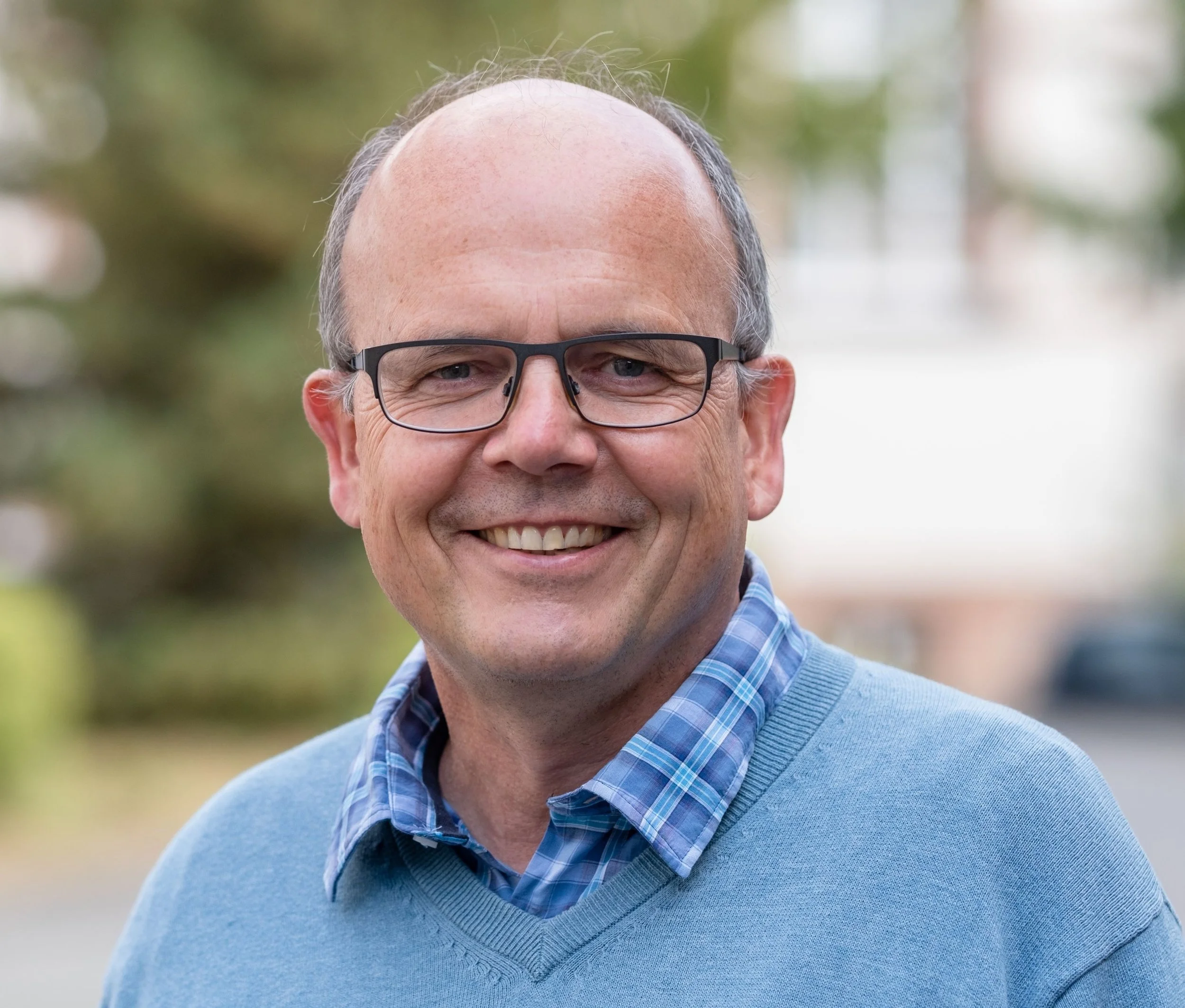
Pandemics and Alertness member WG2 (Fighting the virus), LINXS Fellow
Institute of Pharmaceutical Chemistry, Department of Pharmacy, Philipps University Marburg, Marburg, Germany.
Torsten Steinmetzer studied biochemistry at the University of Halle, where he obtained a Ph.D. in 1991. After a two-year postdoctoral stay at BRI in Montreal (Canada), he returned to the University of Jena in Germany as scientific assistant and finished his Habilitation on the development of synthetic thrombin inhibitors in 2003. From 1999 until 2007, he worked in industry for two biotechnology companies in Jena. As head of chemistry, he was responsible for the development of various serine protease inhibitors. In 2007, he was appointed as Professor of Pharmaceutical Chemistry at Philipps University Marburg. His group works in the field of medicinal chemistry and has a special focus on the structure-based development, synthesis and characterization of serine protease inhibitors. He developed numerous potent inhibitors of various trypsin-like serine proteases (thrombin, plasmin, matriptase, urokinase, and TMPRSS2), of NS2B-NS3 proteases of flaviviruses, and of furin-like proprotein convertases. As host protease, furin is responsible for the activation of glycoproteins of numerous highly pathogenic viruses including SARS-CoV-2, H5N1 and H7N1 influenza viruses, of all flaviviruses, HIV, mumps and measles viruses, etc. Together with cooperation partners and in his own group, the structure of several protease/inhibitor-complexes was determined. His work on synthetic serine protease inhibitors has led to 15 granted patents.

Pandemics and Alertness member WG2 (Fighting the virus), LINXS Fellow
Department of Clinical microbiology, Region Skåne, Lund, Sweden
Claus Bohn Christiansen is a medical doctor from Copenhagen University (1987), with an early interest in infectious diseases, especially viruses – HIV-1, HIV-2, HTLV, and HCV as newly discovered viruses in the 1980s and 1990s. His Ph.D. investigated the Danish hemophiliacs who contracted HIV and some also HCV from blood products, at a time before effective antivirals were available. He worked at the HIV/Rubella laboratory at Statens Serum Institut for six years from 1992, followed by a specialization in Clinical Microbiology, which he completed in 2005. During his time at Rigshospitalet until 2017, he worked with immunosuppressed patients and provided advice to clinicians about specific antiviral treatment. His research continued with respiratory viruses and tickborne diseases.
Since 2017, he has been at Lund University, Department of Clinical Microbiology, where he serves as a medical adviser concerning “all medical issues” and is part of the management team. During the SARS-CoV-2 pandemic, he was a coordinator of SARS-CoV-2 testing in Region Skåne. He also participates in weekly meetings at the Clinical Virology LU Institute for Translational Medicine, which has a special interest in HIV in Africa.
WORKING GROUP 3
Complementary and enabling techniques
Working Group 3 focuses on enabling virologists to prepare suitable starting materials for experiments and to analyze and integrate the resulting data. This includes enabling techniques such as deuteration for neutron contrast experiments and the production of protein reagents, as well as integration with complementary methods including cryo-EM, NMR, proteomics mass spectrometry, bioinformatics, and AI. The group features strong engagement from the SciLifeLab infrastructure community and the national research infrastructures PPS and BioMS.
Pandemics and Alertness Core Group leader and deputy-leader of WG1 (Understanding the virus), WG2 (Fighting the virus) and WG3 (Complementary and enabling techniques), LINXS Fellow
Lund Protein Production Platform (LP3) & Protein Production Sweden (PPS), Department of Biology, Lund University, Lund Sweden
Wolfgang Knecht was trained in human biology at the Philipps-Universität Marburg, Germany, with focus on biochemistry, molecular biology, and virology, followed by a post-doc period at the Technical University of Denmark. Since 2002, he has worked in the cardiovascular research area of AstraZeneca in Mölndal, Sweden, as associate principal scientist in protein production, protein science & enzymology and project leader in early drug discovery projects. In 2013, he joined Lund University (LU) as senior lecturer and director of LP3. LP3 is a university platform for protein production, protein characterization and structure determination. Today, he also serves as the deputy director of the distributed national research infrastructure PPS (Protein Production Sweden), of which LP3 is the LU node. His research is centered around integrated biochemical - structural biology approaches to study enzymes, as lately exemplified by studies of human dihydroorotate dehydrogenase and the complex of the non-structural proteins 10 and 14 of SARS-CoV-2. Since 2025 he has been a SciLifeLab group leader.
Pandemics and Alertness Leader WG3 (Complementary and enabling techniques), LINXS Fellow
Researcher at the Swedish BioMS and SciLifeLab Integrated Structural Biology (ISB) mass spectrometry platforms & Department of Clinical Sciences Lund (IKVL), SciLifeLab Group Leader, Division of Infection Medicine, Lund University, Lund, Sweden
Lotta Happonen studied biotechnology and genetics at the University of Helsinki, Finland, where she obtained her PhD in 2012 in structural virology using single particle cryoEM and X-ray crystallography as the main research methods. She joined Lund University initially as a postdoctoral researcher, and she is currently a PI and SciLifeLab Group Leader of a research group in Structural Infection Medicine (STRIME) at the Division of Infection Medicine. The methodological interests and research focus of her are to integrate cryoEM, X-ray crystallography, crosslinking and hydrogen-deuterium exchange mass spectrometry with quantitative proteomics in order to advance the understanding of the molecular basis of infections. These efforts have paved the way for research activities of deciphering the structure of host-pathogen protein complexes, with the aim of providing novel interfaces to target for diagnostic, preventive, and therapeutic opportunities.
In addition to leading her research at the Division of Infection Medicine, she has an affiliation with the Swedish National Infrastructure in Biological Mass Spectrometry (BioMS) Lund node and the SciLifeLab Integrated Structural Biology platform (ISB), where she leads and develops the crosslinking mass spectrometry research and workflows. She is an elected board member and former President of the Swedish Proteomics Society (SPS); a national organisation promoting proteomics research in Sweden, and the Swedish connection to the European and global proteomics organizations.
Pandemics and Alertness member WG1 (Understanding the virus) and WG3 (Complementary and enabling techniques), LINXS Fellow
Head of Systems Virology Group, Faculty of Medicine, Lund University, Lund, Sweden
Joakim Esbjörnsson has for the last 19 years developed a research profile that combines expertise in molecular virology, bioinformatics and immunology. After doctoral studies at Lund University (LU), and postdoctoral studies at the Katholieke Universiteit and University of Oxford, he returned to LU in 2016 to set up his own research team focusing on molecular virus epidemiology and understanding how virus-host interactions determine pathogenesis using different bioinformatics and systems virology approaches. His career development have been supported by Vetenskapsrådet (international postdoctoral grant, establishment grant, and consolidator grant), Swedish Society for Medical Research, SciLifeLab, the European Commission, Lund University (multiple internal grants and a tenured position from associate senior lecturer to full Professor since 2016), other funds. He has >70 scientific publications, whereof the majority is as either first or senior author. Major original articles as first or senior author include publications in the New England Journal of Medicine, Nature Communications, Lancet HIV, Clinical Infectious Diseases, and Frontiers in Immunology. Other acknowledgements include being ranked as top 1% of HIV-2 researchers in the world, initiator and coordinator of the Lund University Virus Centre (LUVC), member of Vetenskapsrådets reference group for the national research program on virus and pandemics, member of the SciLifeLab DDLS Research School Management group, coordinator of the LU cooperation initiative on Pandemics and alertness, coordinator of the research and innovation dimension of the European University alliance EUGLOH 2.0 (including nine universities), and invitations to numerous scientific conferences as keynote speaker. He has been the main supervisor of nine postdocs/research fellows, three PhD students that successfully defended their theses, and co-supervisor of 8 PhD students that successfully defended their theses.
Pandemics and Alertness member WG1 (Understanding the virus) and WG3 (Complementary and enabling techniques), LINXS Fellow
MAX IV Laboratory, Lund University, Lund, Sweden
Marjolein Thunnissen, currently serving as senior science advisor at MAX IV, involved in coordinating activities towards the life sciences community. These encompass a wide spectrum of applications, including protein crystallography, small angle X-ray scattering, cutting-edge imaging techniques, X-ray absorption methods, and more. Marjolein plays a pivotal role in fostering relationships with users, both from academic and industrial backgrounds, while also spearheading educational and training initiatives. Marjolein's academic journey commenced at the University of Groningen, the Netherlands, where she embarked on her undergraduate and doctoral studies in chemistry. It was during her undergraduate years that her fascination with unraveling the intricate structure-function relationships of proteins through X-ray diffraction was ignited. Her main scientific interests have been inflammation and infection. She has solved several protein structures, amongst which the structure of Leukotriene A4 Hydrolase, the first member of the M1 group of zinc metalloproteases for which a structure got determined.
Pandemics and Alertness member WG1 (Understanding the virus) and WG3 (Complementary and enabling techniques), LINXS Fellow
European Spallation Source ERIC, Lund, Sweden
Dr. Suzanne Zoë Fisher completed her Bachelor of Science (B.Sc.) and Honours (Hons.) degree in Biochemistry and Animal Physiology at the University of Stellenbosch in 1999 and 2000, respectively. In December 2000, she emigrated to the United States, where she worked as a research assistant in the Department of Physiology and Cell Biology at the University of Florida for nearly two years before beginning her graduate studies in 2002. She earned her Ph.D. in structural biology from the Department of Biochemistry and Molecular Biology, UF in 2006. She then joined Los Alamos National Laboratory (LANL) in Los Alamos, New Mexico, as a postdoctoral research associate from 2007 to 2010. Following her postdoctoral work, she became a permanent staff member at LANL, serving as a Research Scientist II from 2010 to 2014. In this role, she was responsible for the Protein Crystallography Station and its affiliated deuteration and crystallization support laboratory
In 2014, Dr. Fisher moved to Sweden to join the European Spallation Source (ESS) in Lund. She currently serves as a Senior Scientist at the ESS and holds an adjunct Senior Lecturer position in the Department of Biology at Lund University. Dr. Fisher has extensive expertise in structural biology, protein biochemistry, neutron and X-ray crystallography, and stable isotope labeling for NMR and neutron applications. She is an active member of the scientific community, having served as a LINXS fellow, a Scientific Advisory Board member for Prosel Biosciences, and a board member of the DeuNet network. She is also engaged in education and outreach, has participated in numerous schools, workshops, conferences, and regularly delivers talks or seminars to diverse audiences to promote the applications of neutrons in structural biology. Dr. Fisher has authored or co-authored more than 80 peer-reviewed publications, including recent studies on SARS-CoV-2 nonstructural proteins nsp10 and nsp14.
Pandemics and Alertness member WG1 (Understanding the virus) and WG3 (Complementary and enabling techniques), LINXS Fellow
Professor of Molecular Biophysics, Section for Biochemistry and Structural Biology, Dept. of Chemistry, Lund University, Sweden
Prof. Logan has a D.Phil. in Molecular Biophysics from Oxford University, where he worked on the structures of picornaviruses, in particular foot-and-mouth disease virus. He did postdoctoral work in Strasbourg and Stockholm before moving to Lund University in 2001. He studies the structural basis for macromolecular function using a variety of experimental techniques: X-ray and neutron crystallography, small-angle X-ray scattering and cryo-electron microscopy. Two particular foci in recent years have been the mechanism and allosteric regulation of the radical enzyme ribonucleotide reductase and the details of ligand binding to the galectin family of carbohydrate recognition proteins. Prof. Logan is secretary of the European Synchrotron and XFEL Users Organisation and is a member of the advisory panel for the neutron macromolecular crystallography instrument at the ESS. He was recently appointed director of a new facility for cryo-EM at Lund University. He is co-founder and Chief Scientific Officer of the company SARomics Biostructures AB, which was founded in 2006.
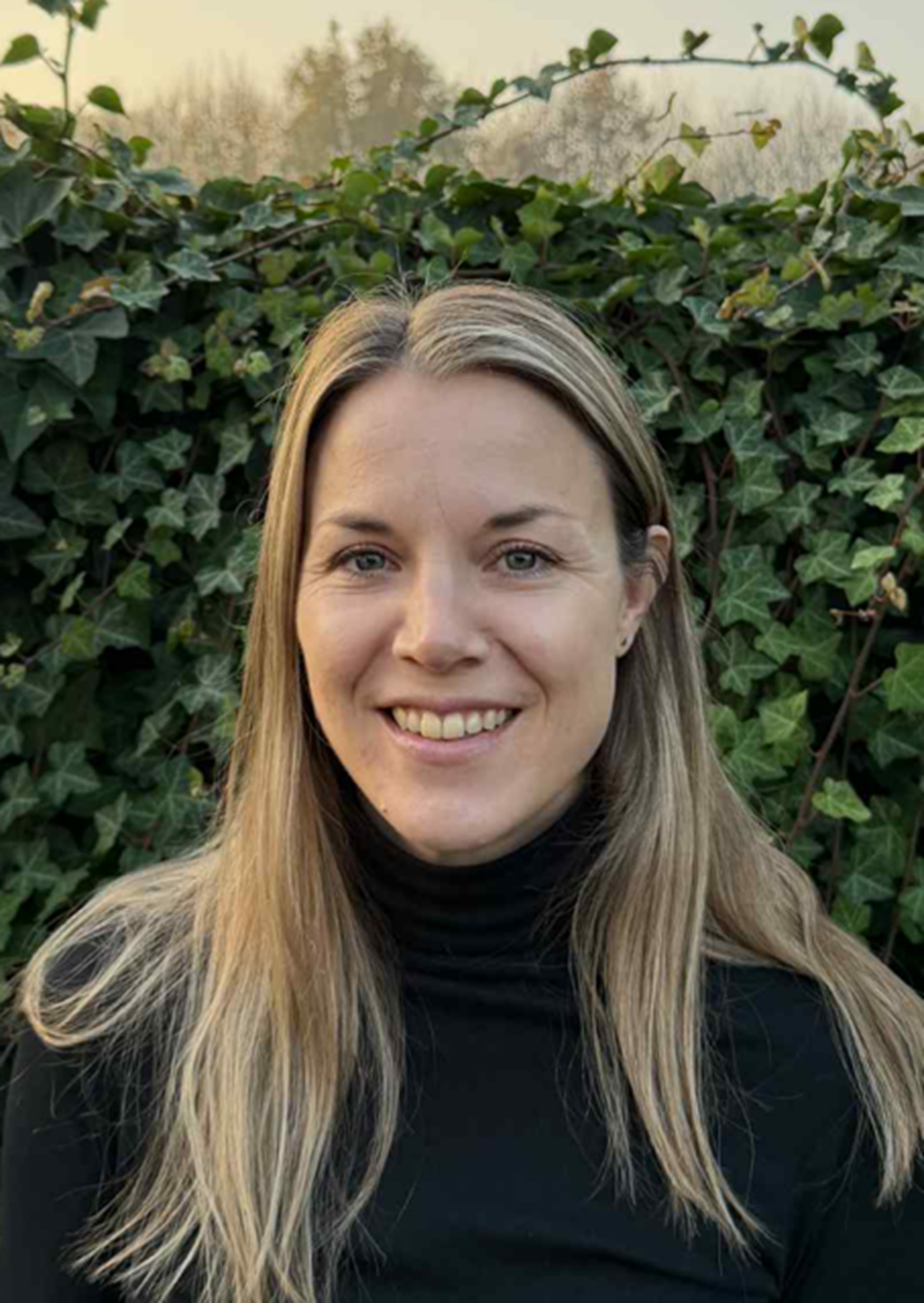
Pandemics and Alertness member WG1 (Understanding the virus) and WG3 (Complementary and enabling techniques), LINXS Fellow
Associate Senior Lecturer, Division of Biochemistry and Structural Biology, Department of Chemistry, Lund University, Lund, Sweden
Anna Munke has a PhD in Structural Biology from Uppsala University. This was followed by a postdoctoral stay at Deutsches Elektronen-Synchrotron (DESY) in Hamburg. She then returned to Uppsala University for a second postdoc before starting her current role at Lund University in 2025. Her experience spans developing and applying different structural biology techniques, with viruses as a consistent focus, either as model systems or from a biological perspective. Her current research centers on viruses infecting marine diatoms, where cryo-EM and in situ cryo-ET are mainly used to understand their replication.

Pandemics and Alertness member WG3 (Complementary and enabling techniques), LINXS Fellow
Head of Scientific Support, European Spallation Source ERIC, and adjunct Associate Professor, Division of Physical Chemistry, Lund University, Lund, Sweden
Hanna Wacklin-Knecht trained as chemist at Imperial College (UK) and received a DPhil in 2004 in Physical Chemistry from Oxford University, on the development of neutron reflectometry to study enzyme mechanism at membrane interfaces. Her research centers around elucidating cell membrane structure and function by using neutron scattering and deuteration, ranging from development of advanced biomimetics for human cell membranes to the in-situ study of membrane-protein and lipid function related to health and disease. After carrying out postdoctoral research at Oxford, the Toshiba R&D Centre (Japan) and the Australian Nuclear Science and Technology Organisation (ANSTO), she joined the Institut Laue Langevin in Grenoble (France) as an instrument scientist in 2009 and joined ESS in 2011. She has worked at ESS in a number of different roles on instrument and facility design, first as an instrument scientist for neutron reflectometry, and later as scientist for Life science within the DEMAX deuteration platform, and founder of the international deuteration network DeuNET. She was appointed in 2024 as the Head of the ESS Scientific Support Division comprising support laboratories and sample environments.
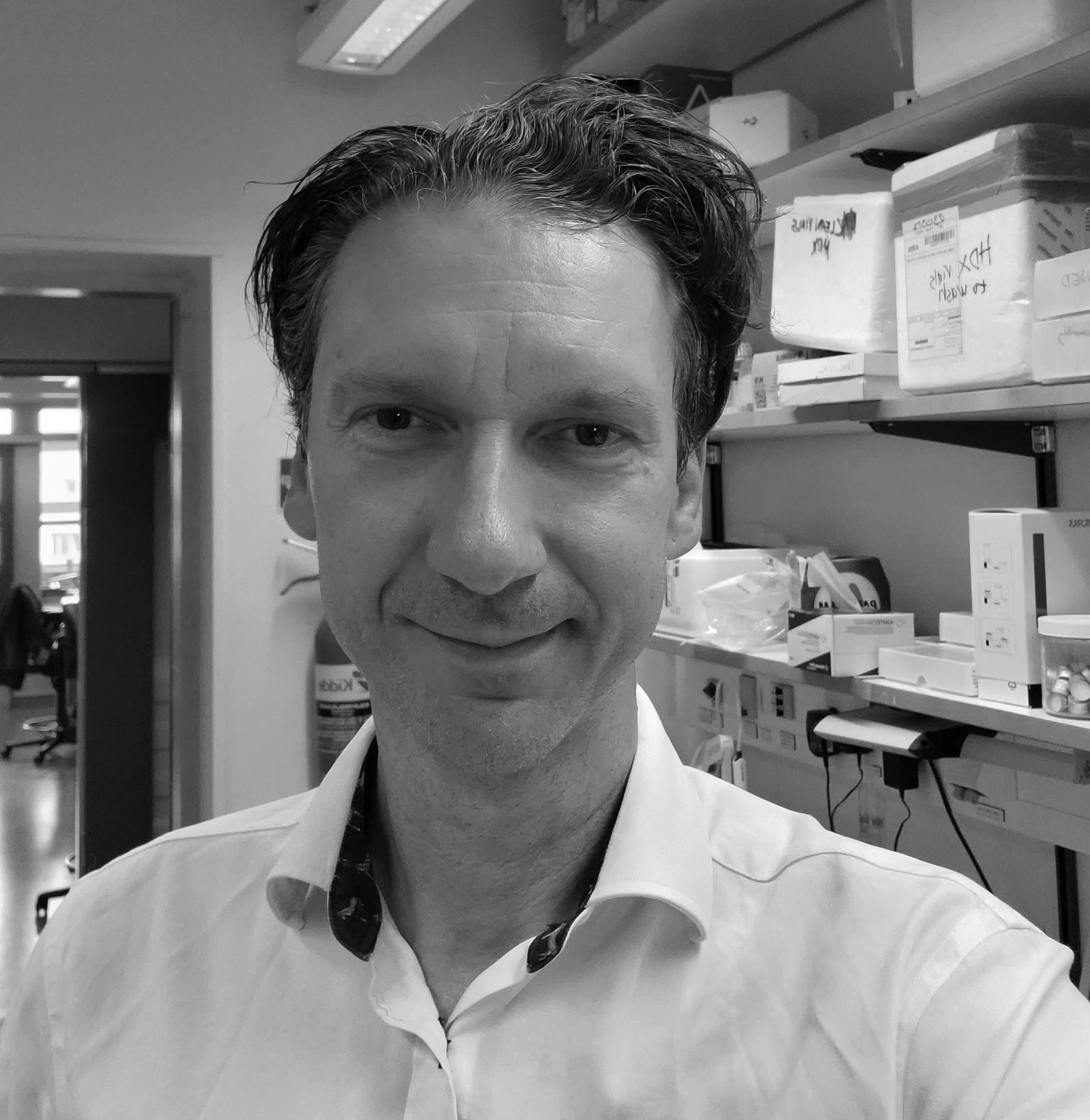
Pandemics and Alertness member WG3 (Complementary and enabling techniques), LINXS Fellow
Head of Unit, Structural Proteomics, SciLifeLab & BioMS, Lund University Node, Lund, Sweden
Simon Ekström received his PhD-degree in Electrical measurements (Area: Medical and chemical microsystems) in 2006 from Lund University. The PhD-thesis work was performed in a cross-disciplinary environment involving researchers from the Engineering and Medical faculties in Lund as well as from the company Astra Zeneca, also in Lund. Following the PhD- degree, Simon spent many years developing the area of microtechnology for protein analysis at the Department of Biomedical Engineering, while also working in a start-up company, based on his ideas, where he was responsible for R&D. In 2017 he transferred to the medical faculty and joined BioMS to build up and develop HDX-MS as resource for structural protein analysis, since 2021 he is head of unit for the SciLifelab unit Structural Proteomics, part of the ISB platform, where he and his colleagues have been very successful in helping researchers and companies understand different aspects of protein structure, dynamics and interaction.
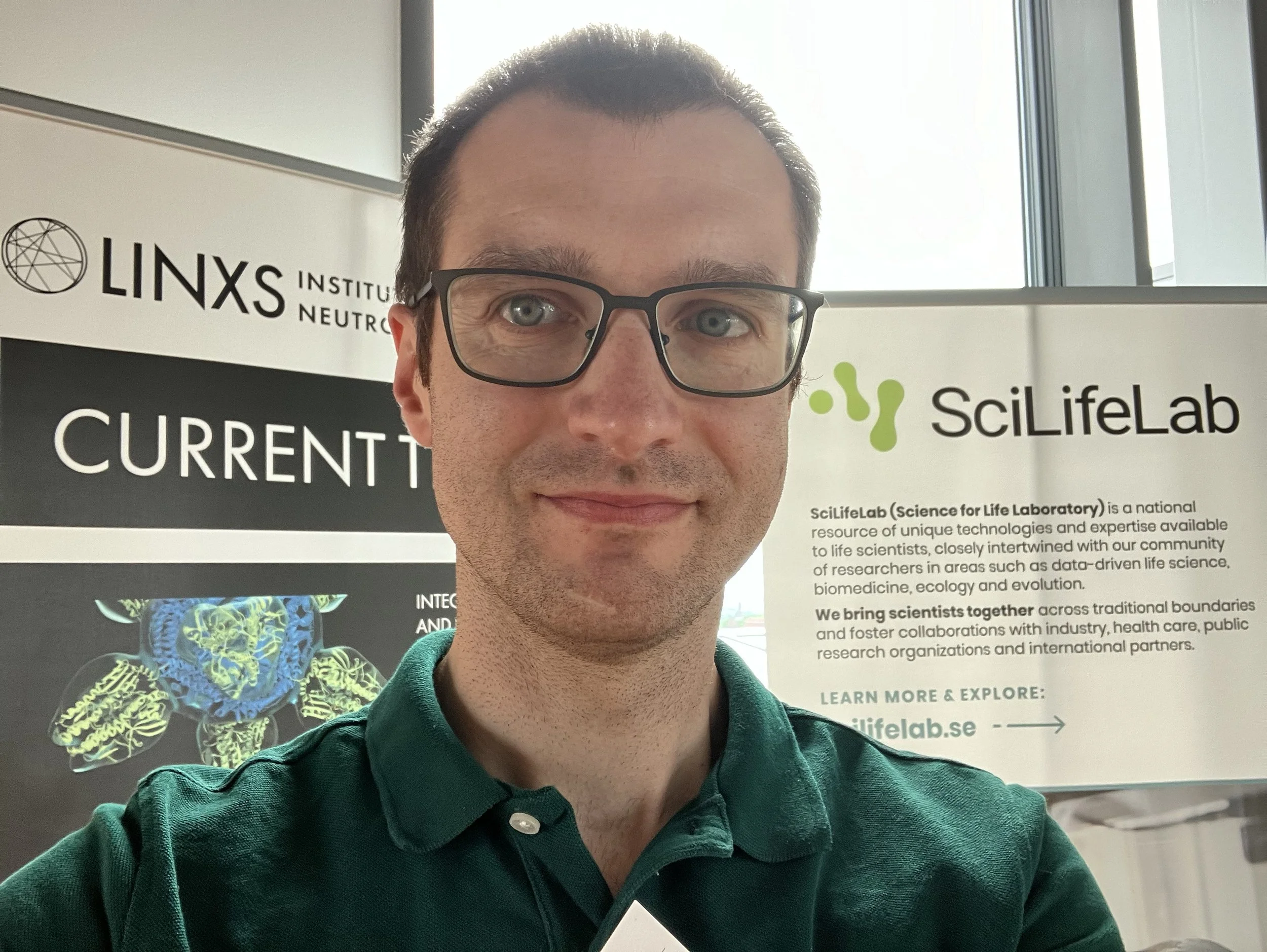
Pandemics and Alertness member WG3 (Complementary and enabling techniques), LINXS Fellow
SciLifeLab, Lund, Sweden
Wojtek Potrzebowski is a Data Science Coordinator at SciLifeLab Lund. With a robust background in structural biology, Wojtek has honed his expertise in data science, data analysis, and scientific software development. Prior to his current role, he contributed significantly as a SANS Data Scientist at the European Spallation Source (ESS). Wojtek is also an active member of the leadership team of SasView (small-angle scattering data analysis toolkit), where he continues to drive advancements in the field.
PandA news articles

Panda upcoming events
Welcome to LINXS Digital Town Hall meeting! The aim is to bring the LINXS community together and also to showcase LINXS current status, recent activities and developments.
The LINXS theme Pandemics and Alertness (PandA) will hold its first Symposium – Knowing and Fighting the Virus – at LINXS on the 3rd and 4th of November 2026. The Symposium will start in the afternoon of the 3rd and include a full-day on the 4th.
Panda past events
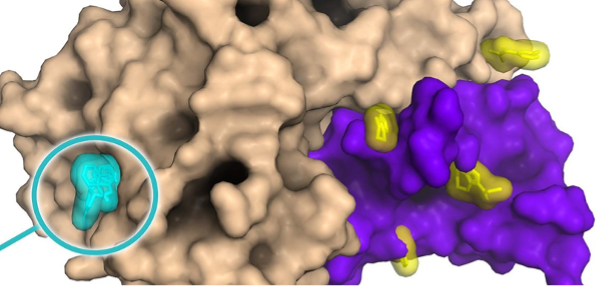
Join us for a workshop exploring small-molecule and biopharmaceutical approaches to antiviral development.
Related and of interest for PandA
Here is a selection of the networks, societies, companies, institutes and infrastructures participating in or of interest for PandA
CryoEM for Life Sciences at Lund University https://www.maxiv.lu.se/beamlines-accelerators/science-initiatives/cryo-em-facility/
European Spallation Source Eric (ESS) https://ess.eu/
Institute of Virology, Marburg University https://www.uni-marburg.de/en/fb20/departments/ciii/virology
Lund Protein Production Platform (LP3) https://www.lp3.lu.se/
Lund University Virus Centre (LUVC) https://www.virology.lu.se/
MAX IV laboratory https://www.maxiv.lu.se/
Pandemifonden https://www.pandemifonden.se/
Protein Production Sweden (PPS) https://pps.gu.se/en
The Deuteration Network https://deuteration.org/
Saromics Biostructures https://www.saromics.com/
SciLifeLab Lund https://www.scilifelab.se/contact/scilifelab-lund/
SciLifeLab Structural Proteomics https://www.scilifelab.se/units/structural-proteomics/
Swedish Society for Virology https://www.swedishvirology.se/
VIGILANT https://www.dpz.eu/en/vigilant
VIGILANT scrollytelling https://vigilant-project.dpz.eu/
Pandemics and Alertness Core Group leader and deputy-leader of WG1 (Understanding the virus), WG2 (Fighting the virus) and WG3 (Complementary and enabling techniques), LINXS Fellow
Lund Protein Production Platform (LP3) & Protein Production Sweden (PPS), Department of Biology, Lund University, Lund Sweden
Wolfgang Knecht was trained in human biology at the Philipps-Universität Marburg, Germany, with focus on biochemistry, molecular biology, and virology, followed by a post-doc period at the Technical University of Denmark. Since 2002, he has worked in the cardiovascular research area of AstraZeneca in Mölndal, Sweden, as associate principal scientist in protein production, protein science & enzymology and project leader in early drug discovery projects. In 2013, he joined Lund University (LU) as senior lecturer and director of LP3. LP3 is a university platform for protein production, protein characterization and structure determination. Today, he also serves as the deputy director of the distributed national research infrastructure PPS (Protein Production Sweden), of which LP3 is the LU node. His research is centered around integrated biochemical - structural biology approaches to study enzymes, as lately exemplified by studies of human dihydroorotate dehydrogenase and the complex of the non-structural proteins 10 and 14 of SARS-CoV-2. Since 2025 he has been a SciLifeLab group leader.