
ABOUT NORTHERN LIGHTS ON FOOD
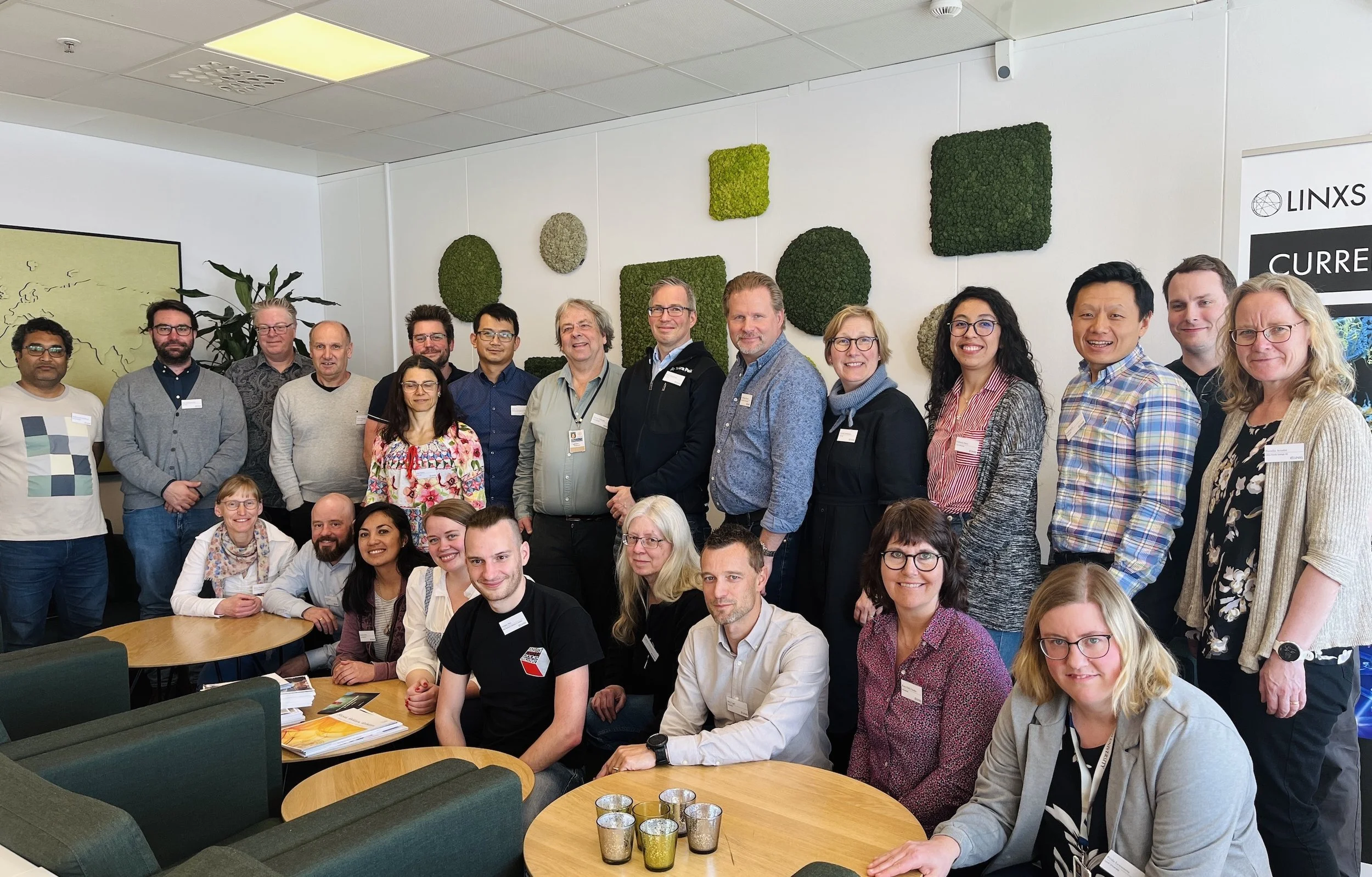
The Northern Lights on Food (NLF) theme aims to bring together expertise in food science and technology together with experts in characterization methods using neutrons and X-rays in order to generate new knowledge and cutting-edge technology within food science. This has the potential to advance food science by taking full advantage of the research tools provided by ESS and MAX IV. Through this theme, we aim to have an impact on the design of instruments and development of neutron and X-ray techniques, advance data analysis methods to fit the food-specific research questions and begin educating a new generation of food scientists and technical experts. For more information: Northern Lights on Food

CORE GROUP
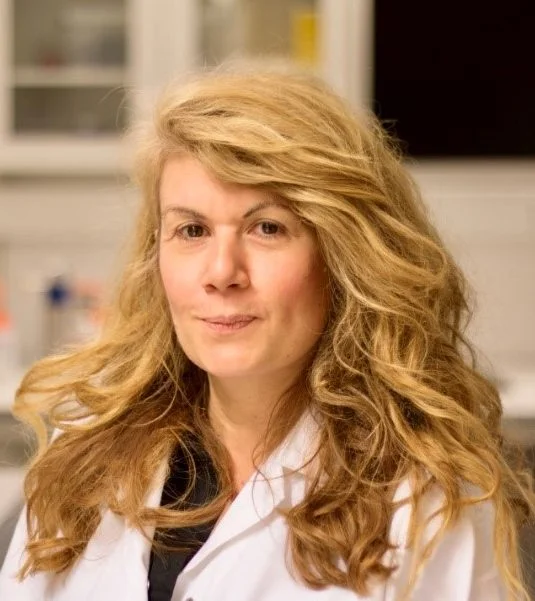
Former Food Core Group Leader & Imaging Working Group Member, LINXS Fellow
Selma Maric, together with Tommy Nylander, launched the Northern Lights on Food initiative, which is now on the way to establish itself into an international network to increase the use of large-scale facilities in food science and food processing. As the Industrial relations Officer at MAX IV Selma is responsible for the areas of life science and soft matter which include food science. Her research has focused on the development of methods for the use of X-ray and neutron-based techniques within life science which has included studies of various lipid-protein assemblies related to both infectious and lifestyle and food-related diseases such as e.g. atherosclerosis. SM will coordinate WG5. Food and health.
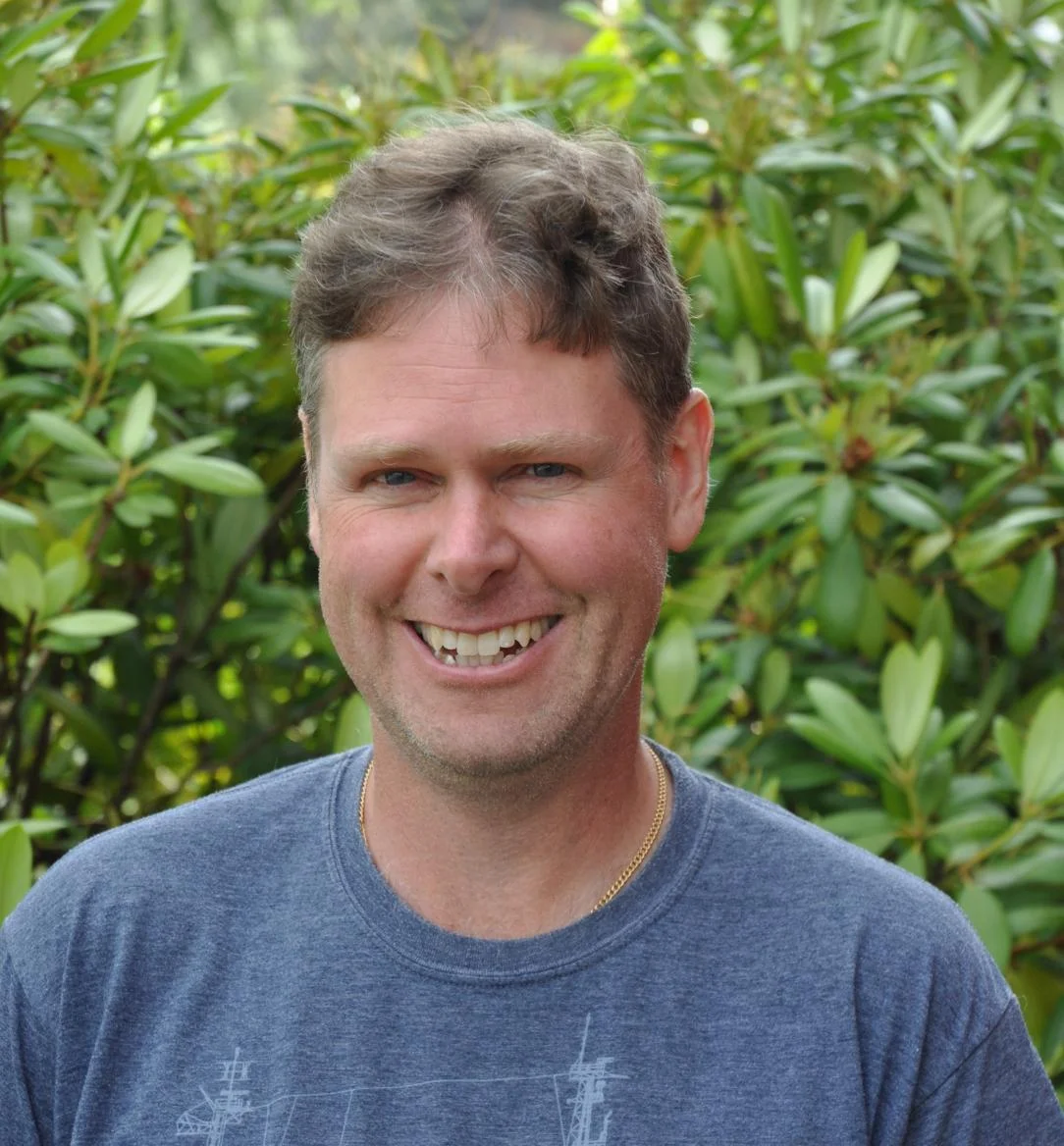
Food Core Group member & Imaging Working group member, LINXS Fellow
Niklas is a researcher at the Product Design and Perception section at RISE Agrifood and Bioscience. He is also adjunct professor at the department of physics at Chalmers University of Technology. In addition, Niklas is vice director for the VINN Excellence centre SuMo Biomaterials and coordinator for the Soft Microscopy Centre, both close collaborations between RISE and Chalmers. His research generally focuses on microstructure-property relationships in soft heterogeneous bio-based materials such as foods. His network and scientific expertise in microscopy will be crucial for the theme to both develop the working groups and defining the research programs. Together with Stephen Hall, Niklas will coordinate WG3. Structure of food during processing.
Food Core Group member & Imaging Working group member, LINXS Fellow
Anna is a professor at the Division of Pharmaceutical Technology at Chalmers University of Technology, and was a member of the management group of SuMo Biomaterials. Her various research interests include mass transport in soft biomaterials, mechanical properties of biomaterials, and structure and function correlations of polysaccharides. Between 2017 and 2019, she was the Director of Food Science Sweden, a national platform aimed at strengthening and visualising Swedish food science research, and she is expected to be key in raising awareness and building up competence amongst the wider Swedish food science community.
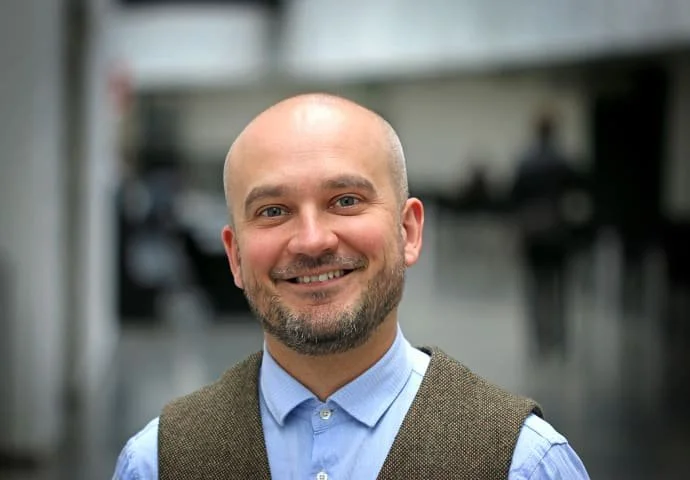
Food Core Group member and Structure of Food Raw Materials Leader, LINXS Fellow
Francisco Vilaplana is Associate Professor and Head of the Division of Glycoscience and Coordinator of the Research Environment for Healthy and Sustainable Food Systems at KTH Royal Institute of Technology (Stockholm, Sweden). His research is focused on the structure of plant biomass, including food raw materials, biopolymers and assemblies. He uses this structural information to develop new chemo-enzymatic processes for the valorisation of food waste streams into new food products for improved nutrition and health.
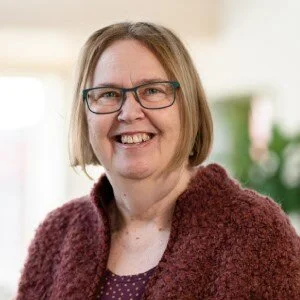
Food Core Group member, LINXS Fellow
Maud is a professor at the Department of Molecular Sciences; Food structure and properties, at the Swedish University of Agricultural Sciences (SLU). She is an internationally recognized specialist in the structural analysis of raw materials of food, food products, and using different physico-chemical and structural methods from molecule to macro levels. She brings unique competence on food structure to the core group and also specific knowledge of the raw materials and agricultural production aspects. Member of the National Committee for Nutrition and Food Science at the Royal Swedish Academy of Sciences (KVA).
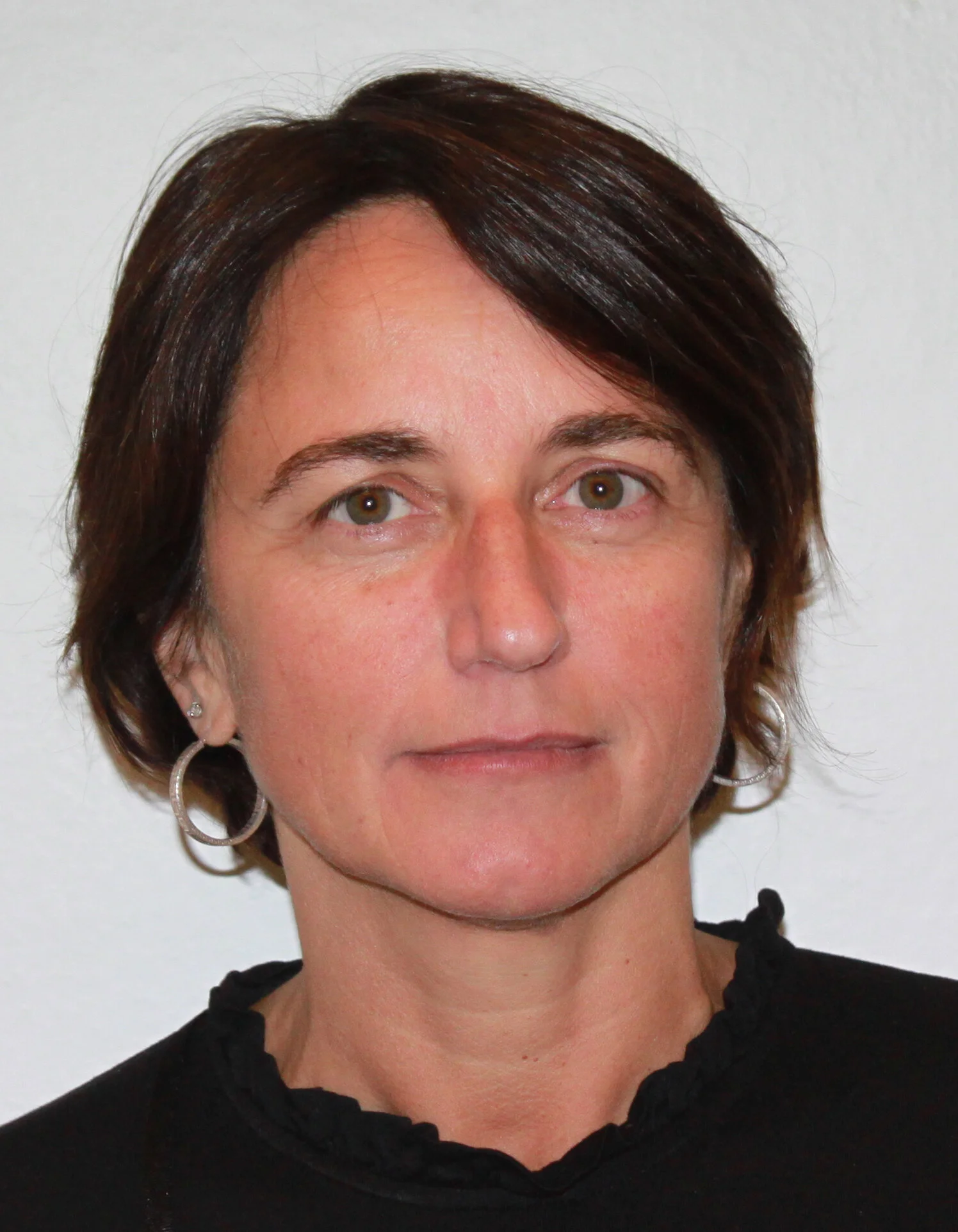
Food Core Group member and WG 2 Leader, LINXS Fellow
Milena is a professor at the Department of Food Science at Aarhus University, having first been a professor in food design and technology at the University of Guelph between 2006 and 2019. She is also currently Leader of the iFOOD Aarhus University Center for Innovative Food Research. Her research priorities are food design and processing, connecting the domains of food biochemistry, food processing and material science. She is an editorial board member of the Journal of Dairy Research, and Section Editor of the Journal of Dairy Science.
Food Core Group member & Imaging Working Group Member, LINXS Fellow
Lars Nilsson is a professor at Department of Food Technology, Engineering and Nutrition. His research is focused on asymmetrical flow field-flow fractionation (AF4) for the separation of biomolecules and other species of relevance for food systems. Here is one of the leading researchers in the field. He has also large interest in food colloids and the interfacial behavior of food components. He is the main organizer of Food Colloids 2022 in Lund.
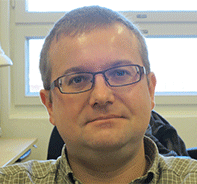
Food Core Group member, LINXS Fellow
Andrew is the acting head of the Neutron Instrument Division at ESS. His research covers a wide area including food colloids, soft matter structure, and scattering techniques. He brings capability in large international collaboration to build up the ESS facility, expertise in the use of X-rays and neutrons in food related research, and also experience as beamline scientist at facilities like the NIST Center for Neutron Scattering, Gaithersburg USA. He is strongly involved in developing software for scattering techniques (SASView).
GUEST RESEARCHERS
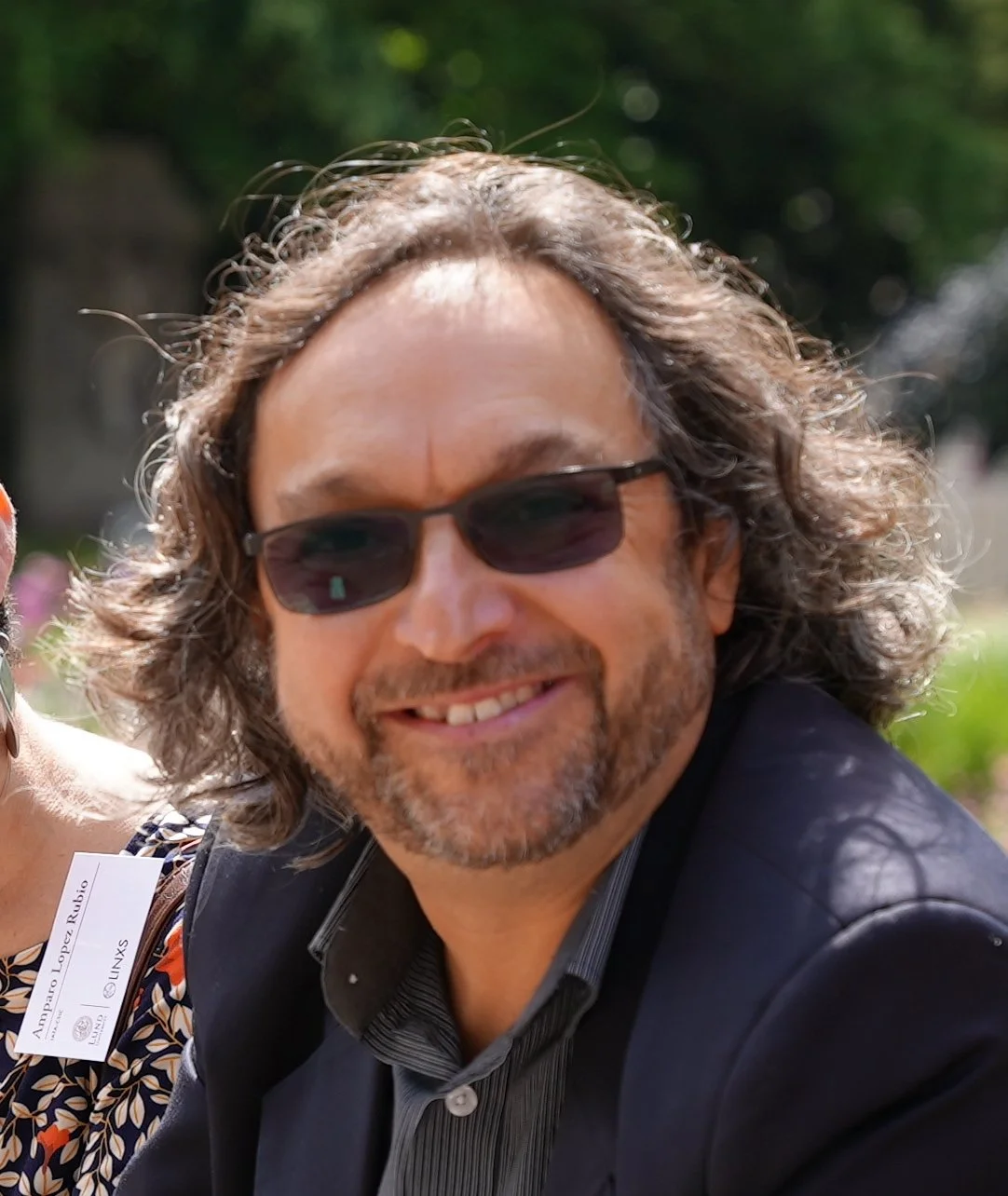
Guest researcher at LINXS between June 2022 - July 2022
Elliot Gilbert is an instrument scientist for the QUOKKA small-angle neutron scattering instrument and led the project for its design, construction and commissioning. Elliot also devised, initiated and leads the Food Science project that applies materials science approaches to examine structure-property-process relationships in food-based systems.
He received his PhD in chemistry from the Australian National University in 1998. Following a successful ARC Industrial Postdoctoral Fellowship, he joined the Intense Pulsed Neutron Source at Argonne National Laboratory in the United States where he provided scientific and technical support to researchers using small-angle neutron scattering and neutron reflectometry as well as developing teaching resources for the National School on Neutron and X-ray Scattering. Elliot's interests lie in condensed matter science and he has investigated such diverse areas as colloids, polymers, phase separation, emulsion stabilisation, membranes, magnetic spin glasses, skyrmions, biocompatible ferrofluids and nanocomposites. More recently, his focus has been on the application of neutron and X-ray scattering to systems with an intrinsic health-related and/or industrial application; this has resulted in multiple reports in domestic and international media.
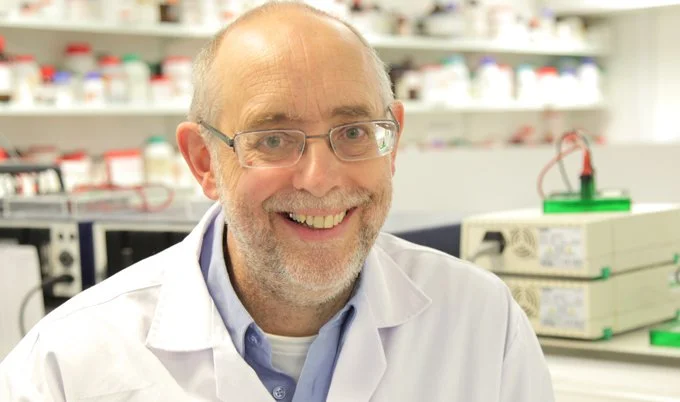
Guest Researcher at LINXS in June 2022, Food WG 4 member, Food interactions on surfaces, LINXS Fellow.
Jeremy Lakey, Professor at Structural Biochemistry, University of Newcastle, UK.
Prof Jeremy Lakey has expertise and background in protein interactions with surface, and his research group is interested in the engineering, structures, interactions, and conformational changes of proteins in solution and in membranes. For this purpose, they use a combination of biochemical and biophysical tools. The core subject area is the bacterial outer membrane natively unfolded proteins, bionanotechnology of surfaces, neutron science, and biopharmaceutical analysis.

Guest Researcher at LINXS between March and June 2023, LINXS Fellow.
Gudrun Lotze, Project Scientist at the Department of Biomedical Science , Malmö University, Sweden.
Dr Lotze works in a highly interdisciplinary team to support synchrotron experiments on the structural variability in biomaterials.
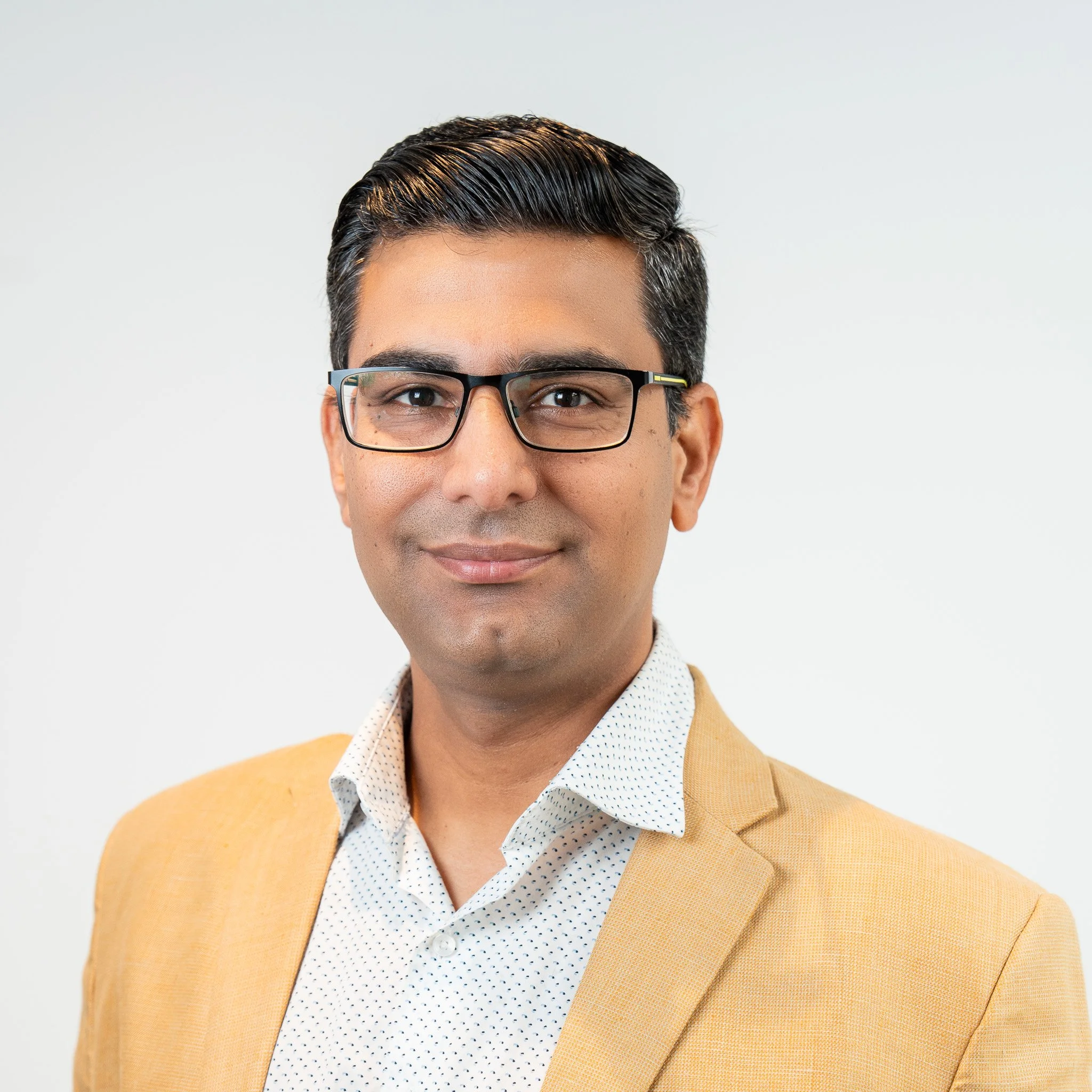
Guest Researcher at LINXS between May and June 2024, LINXS Fellow.
Jitendra Mata, principal instrument scientist at ANSTO, Australia, and adjunct associate professor at the School of Chemistry, University of New South Wales, Australia.
Assoc. Prof. Jitendra Mata is a principal instrument scientist for the Kookaburra an Ultra Small Angle Neutron Scattering (USANS) instrument (since March 2017) and an instrument associate for the Quokka a Small Angle Neutron Scattering (SANS) instrument (since July 2018) at Australian Centre for Neutron Scattering (ACNS), Australian Nuclear Science and Technology Oranisation (ANSTO), Australia. He also holds adjunct associate professor position with School of Chemistry, University of New South Wales (UNSW), Australia since August 2023. Dr Mata has been at ANSTO for > 14 years; working as an instrument scientist for the Quokka for 4 years, a research leader at ANSTO Minerals for 3 years, and as a postdoctoral research fellow at the ACNS for 2 years. He also worked as a postdoctoral research fellow at The Australian National University with Prof. John White for 3 years.
Dr Mata’s research concerns complex soft materials and has had industrial relevance since his PhD. He has investigated several areas of soft condensed matter science, such as surfactant and block copolymer solutions, emulsions, food proteins, hydrogels, and minerals. Dr Mata has co-authored more than 125 peer reviewed articles including 2 book chapters: all in high impact international journals. He has also published several scientific reports.
WORKING GROUPS FOR FOOD
FOOD WorkING Group 1
Structure of Food Raw Materials
WG1 will focus on providing insight into the relationship between the structures of raw materials and process conditions (in collaboration with WG3), and food product quality, starting with local produce that is available in Sweden. The goal is to study a variety of different food sources including marine, animal and plant proteins, seeds of different species and varieties. Starting with oats the group will explore a combination of scattering and imaging methods to relate structure to their functionality and nutritional value. Thus the group is foreseen to interact with all the other groups.
Food Core Group member and Structure of Food Raw Materials Leader, LINXS Fellow
Francisco Vilaplana is Associate Professor and Head of the Division of Glycoscience and Coordinator of the Research Environment for Healthy and Sustainable Food Systems at KTH Royal Institute of Technology (Stockholm, Sweden). His research is focused on the structure of plant biomass, including food raw materials, biopolymers and assemblies. He uses this structural information to develop new chemo-enzymatic processes for the valorisation of food waste streams into new food products for improved nutrition and health.
Food Core Group member, LINXS Fellow
Maud is a professor at the Department of Molecular Sciences; Food structure and properties, at the Swedish University of Agricultural Sciences (SLU). She is an internationally recognized specialist in the structural analysis of raw materials of food, food products, and using different physico-chemical and structural methods from molecule to macro levels. She brings unique competence on food structure to the core group and also specific knowledge of the raw materials and agricultural production aspects. Member of the National Committee for Nutrition and Food Science at the Royal Swedish Academy of Sciences (KVA).
Food Core Group member and WG 2 Leader, LINXS Fellow
Milena is a professor at the Department of Food Science at Aarhus University, having first been a professor in food design and technology at the University of Guelph between 2006 and 2019. She is also currently Leader of the iFOOD Aarhus University Center for Innovative Food Research. Her research priorities are food design and processing, connecting the domains of food biochemistry, food processing and material science. She is an editorial board member of the Journal of Dairy Research, and Section Editor of the Journal of Dairy Science.
Food WG 1 Member, Structure of food raw materials, LINXS Fellow
Mario is Associate Professor and Sapere Aude Research Leader at the Department of Food Science at Aarhus University. His research program is on translational glycoscience, approaching the structure and function of food polysaccharides, their binding potential to plant secondary metabolites, the elucidation of their complex structural biochemistry, and their food structuring behaviour alone or in combination with dietary plant proteins. During the last years Mario's team has also work on the fundamentals aspects related to the structuring technologies of plant-based foods (e.g., using extrusion processing) and polysaccharide-based fully biodegradable coating and packaging solutions. He is the recipient of the CEPS Assistant Professor Research Excellence Award (College of Engineering and Physical Sciences, University of Guelph, Canada), the Young Scientist Research Award (AACCI, now Cereals & Grains, USA), the Ontario Early Researcher Award (ERA, Government of Ontario, Canada), the Nils Foss Talent Prize (Foss, Denmark), and he was recently recognized as Sapere Aude Research Leader by Independent Research Fund Denmark. Mario is Adjunct Assistant Professor at the Whistler Center for Carbohydrate Research (Purdue University, USA) and a member of the Editorial Advisory Board of ACS – Food Science and Technology.
Food WG 1 Member, Structure of food raw materials, LINXS Fellow
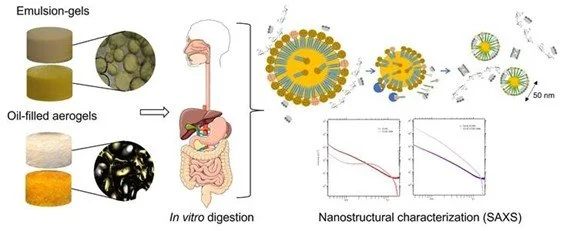
Dr. Martinez-Sanz is a tenured scientist at the Spanish Council for Scientific Research (CSIC). She works at the Food Proteins group in the Institute of Food Science Research (CIAL), where she investigates the structural changes of complex food matrices upon gastrointestinal digestion and the effects of nanostructure on protein digestibility and bioavailability. She is expert on the application of small angle scattering techniques (SAXS, SANS and USANS) and their combination with complementary methods such as X-ray diffraction, rheology, spectroscopy and microscopy. Along her career, she has applied scattering techniques to characterize the multi-scale architecture of plant cell walls, bacterial cellulose model systems, polysaccharides extracted from a variety of biomass sources (e.g. seaweeds, microalgae, agroindustrial waste, etc.), food proteins and food packaging materials.
Food WG 1 and WG 5 member, LINXS Fellow
Patricia Lopez-Sanchez is associate professor (docent) in food structure/function and researcher at the Department of Food and Nutrition Science at Chalmers University of Technology. Her formal qualifications include a MSc in chemistry (University of Santiago de Compostela, Spain) and PhD in food science and technology from Chalmers University. Her research experience includes eight years as corporate scientist at Unilever R&D (The Netherlands), and four years as postdoctoral fellow at the Centre for Nutrition and Food Science at The University of Queensland (Australia). Her major research interest addresses the need to ensure food security, and to produce more sustainable, healthy and functional foods, using a material science approach. The underlying hypothesis is that cell walls and wall polysaccharides, which determine microstructure and physicochemical properties during manufacturing and under physiological conditions, are key to improve our exploitation of plants. Her expertise includes the use of microscopic, spectroscopic, and material analysis techniques to understand the complex and hierarchical structure of food ingredients and products.
Food WG 1 Member, Structure of food raw materials, LINXS Fellow
Docent Fabio Valoppi is a Marie Skłodowska-Curie Individual Fellow (EU-funded) at University of Helsinki. He has 10 years of experience in the food structure design and development area, including emulsions, novel emulsifiers, oleogels, aerogels, delivery systems, functional food, and equipment development. Currently he leads a multidisciplinary research team including colloidal and food scientists, engineers, and physicists.
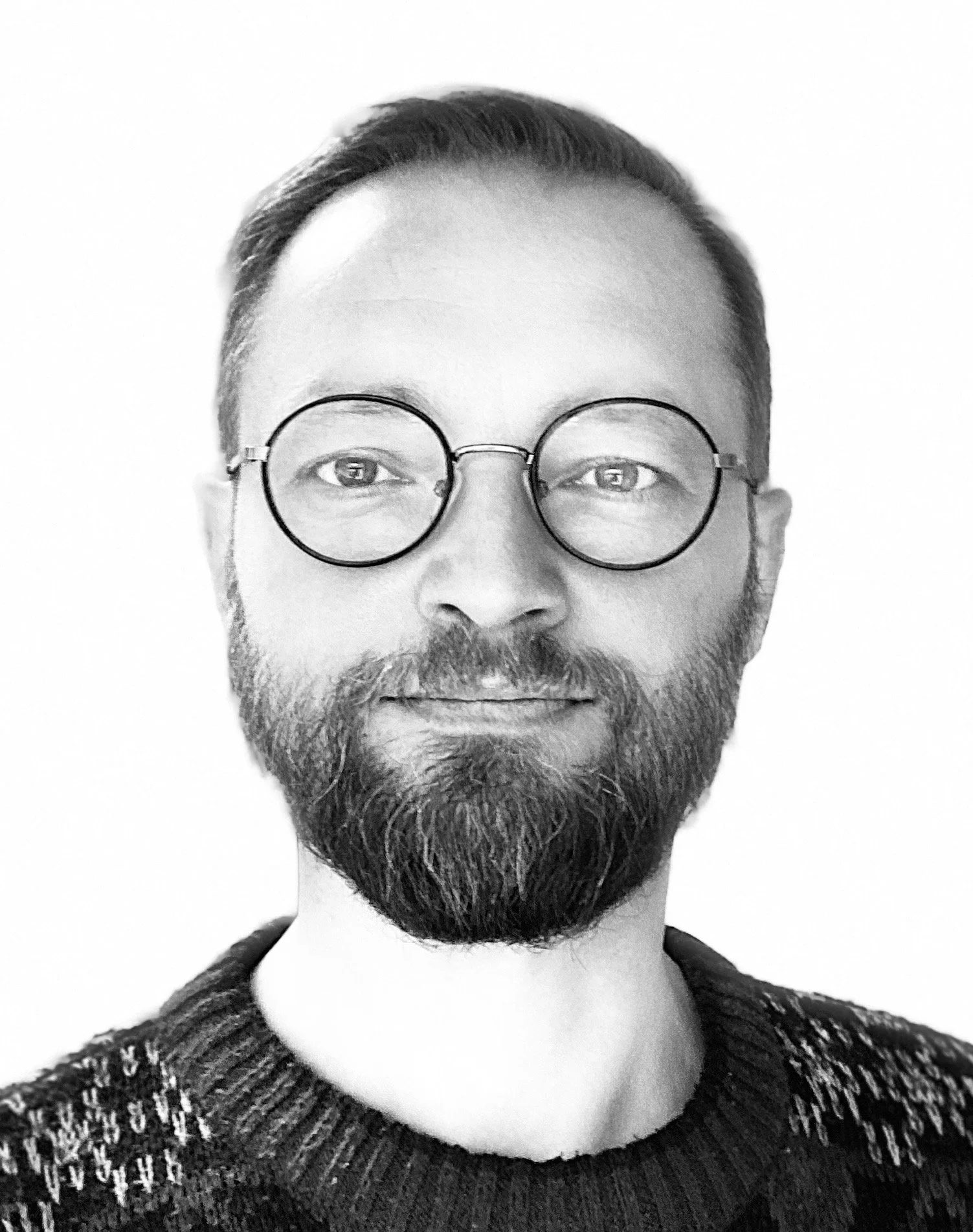
Food WG 1 Member, Structure of food raw materials, LINXS Fellow
Nick Sirijovski, Visiting research fellow in Molecular Cell Biology and Pure and Applied Biochemistry at Lund University, and Principal Scientist in oat diversity and genomics at Oatly, Sweden. In additional to oat genomics, his research interests include the internal 3D structure of oat seeds, particularly the spatial distribution of health and nutrition related storage molecules such as protein, fat, carbohydrates and fiber.
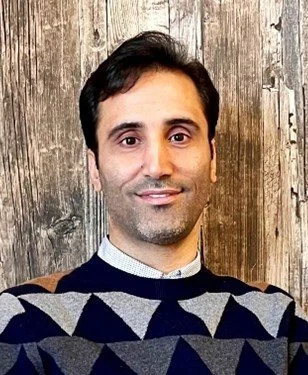
Food WG 1 member, LINXS Fellow
Mehdi is senior researcher at division of food and nutrition science at Chalmers University of Technology. Mehdi’s research profile and expertise is on alternative proteins, their chemistry and functionality. Texturizing alternative proteins using extrusion and 3D printing and its relationship with protein structure is a main focus.
Food packaging is another research area which he is actively working on with focus on biobased and active packaging materials.
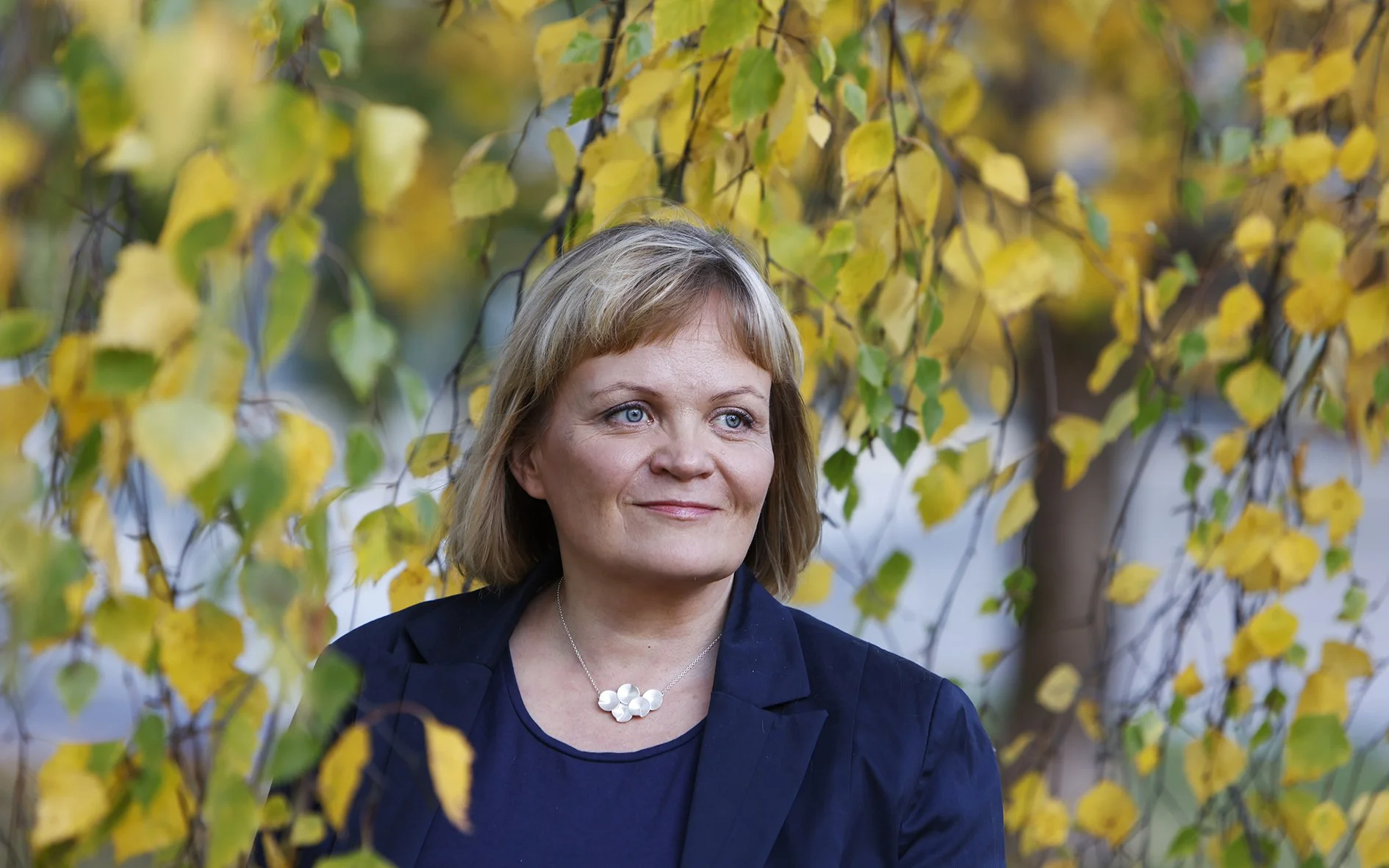
Food WG 1 member Structure of food raw materials, LINXS Fellow
Kati Katina, Professor at the Department of Food and Nutrition, University of Helsinki.
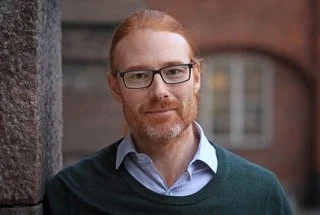
Food WG 1 member, LINXS Fellow
Kristofer Lendel, Associate Professor at the Division of Applied Physical Chemistry, KTH Stockholm, Sweden.
Dr Lendel’s research interests concern the structural properties and interactions of protein aggregates, and in particular, the formation mechanisms of protein nanofibrils and how they interact with other (bio)molecules.
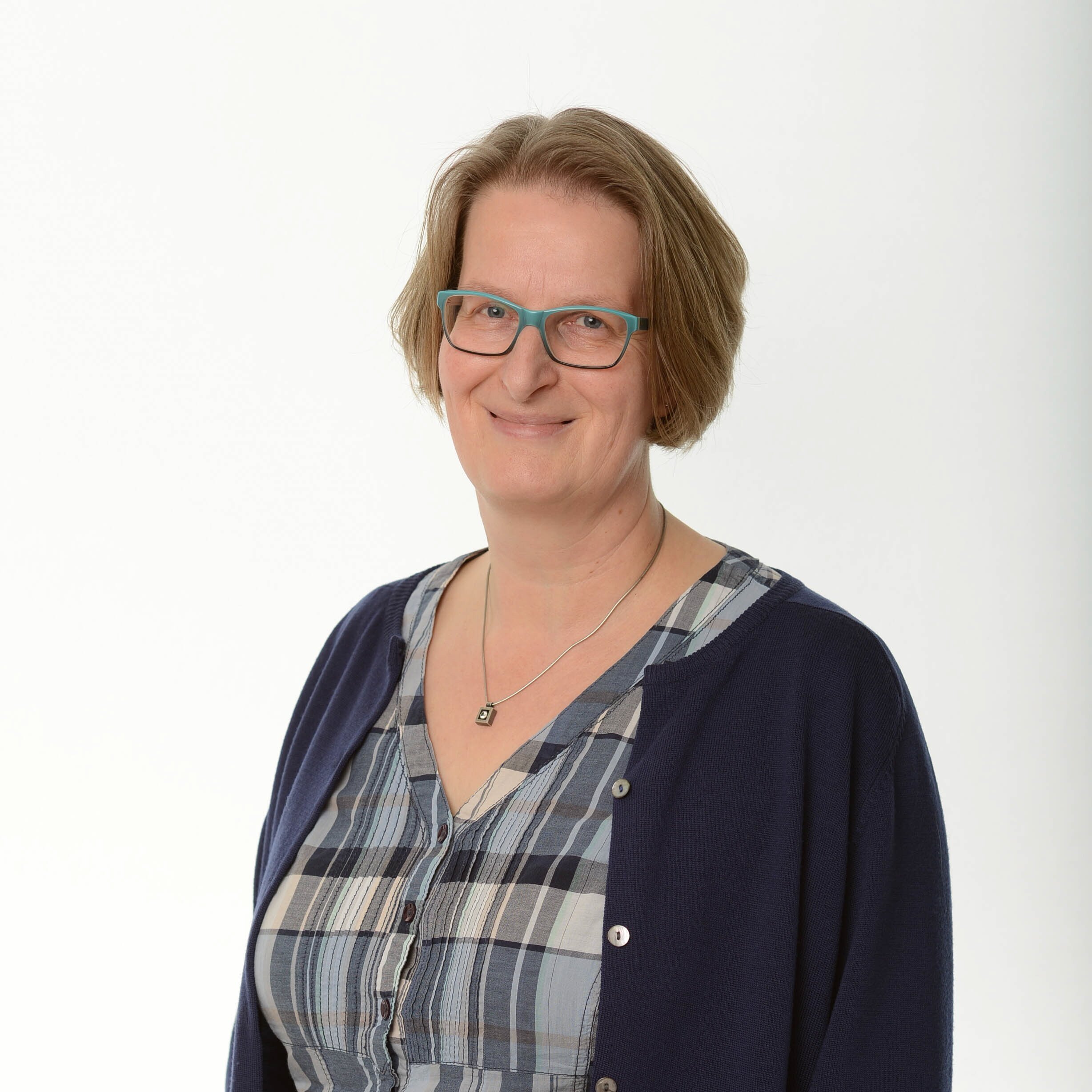
Food WG 1 member, Structure of food raw materials, LINXS Fellow
Cornelia Witthöft, Professor in Food Science with a focus on nutrition/food chemistry at the Department of Chemistry and Biomedicine, Linnaeus University, Sweden.
Prof Witthöft’s research interests concern food quality and the development of new healthy foods. For example, she works on characterizing the nutrients in raw material and food, and studies how food processing affects nutrient content.

Food WG 1 member, Structure of food raw materials, LINXS Fellow
Mohammed Hefni, Researcher at the Department of Chemistry and Biomedical Sciences, Linnaeus University, Sweden.
Dr Hefni’s research focuses on methyl donors in foods, analytical methods, stability during food processing, and health aspects.

Food WG 1 member, Structure of food raw materials, LINXS Fellow
Marjorie Ladd Parada, Postdoctoral Researcher at the Division of Glycoscience, KTH Royal Institute of Technology Stockholm, Sweden.
Dr Ladd Parada’s research interests include understanding the structure of wheat bran using a variety of techniques, such as X-ray and neutron scattering and imaging. She has a PhD in Food Science from the University of Leeds, and has also worked as a Food Technologist in Industry.
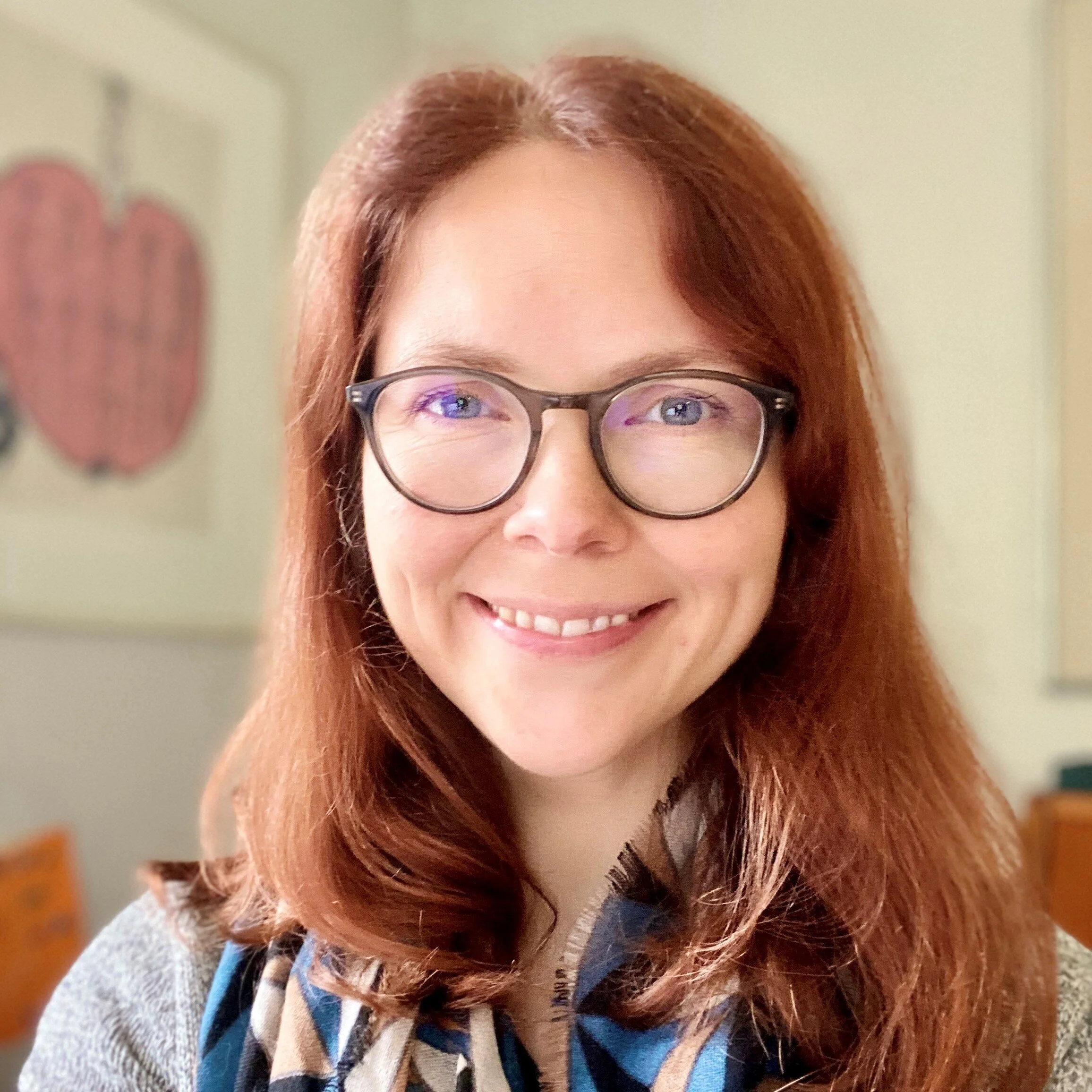
Food WG 1 Member, LINXS Fellow
Kajsa Sigfridsson Clauss is a hard X-ray spectroscopist with a multidisciplinary background working as a beamline scientist at the Balder beamline at MAX IV Laboratory, Lund University, Sweden. The master in molecular biology at Lund University, was followed by a PhD in Chemistry (Molecular Biomimetics) at Uppsala University in the group of Prof. Styring where she focused on the natural photosynthesis in particular the water-splitting intermediates in Photosystem II. X-ray spectroscopy became the main technique after three intense years postdoc, investigating several biocatalyst (enzyme) systems with XAFS and XES at the Department of Experimental Physics, Freie Unviersität Berlin, Germany, in the group of Dr. M. Haumman/Prof. H. Dau. Thereafter, she returned to Lund, to a postdoc position at the XAFS beamline I811, MAX-lab, serving a broad user community. Since 2016, as part of the Balder team, she has been building, commissioning and operating Balder with emphasis on sample environments for radiation sensitive samples (cryostat and microfluidics). She is presently holding a SSF grant for developing a microfluidic flowcell platform (AdaptoCell) for studies of proteins to MAX IV users at Balder/CoSAXS/MicroMAX.
FOOD WORKING GROUP 2
Food Colloids and Structured Interfaces
WG2 will focus on the colloidal and interfacial phenomena to build up the complex food matrix, where neutron and X-ray scattering techniques are important in revealing the formation of aggregate structures (for example casein micelles, lipid crystallization/self-assembly, 13 protein aggregates, and particles at interfaces, emulsions and foam). A major challenge is that the structure and interfacial behaviour between the oil and aqueous protein phase in concentrated systems is not fully understood. This is particularly important when incorporating lipids within the protein matrix for the creation of texturized food matrices. The WG will reveal deeper understanding by elucidating the colloidal and interfacial properties of plantbased proteins, protein-polysaccharide complexes, and starch in various forms and mixtures, thereof in relation to how they create structure, technical functionality during formulation and process and ultimately nutritional aspects in close co-operation with WG3 and 5. The use of advancements of SAXS or SANS instrument performance, sample and data processing potentially allows addressing complex food systems, like milk and cream, new plant-based food products based on mixtures of proteins and lipids, and complex natural biopolymers based on starches, to reveal structure on different length scales. Still today these new procedures, instrument and data evaluation procedures are not yet available for more general use and there is still a lack of knowledge and competence to make full use of them. This is one of the core tasks of WG2. Other techniques such as imaging, tomography, and spin-echo small-angle neutron scattering (SESANS) provide additional information over an extended size range to the micrometre scale, which is relevant for many structures in food including food foams gels, and emulsions, as well as plant-based protein networks in meat and cheese analogues. One of the core activities of WG2 concerns the advancement of data analysis on multiscale systems, combining both bulk and surface scattering techniques.

Food WG 2 Leader, Food colloids and structured interfaces, LINXS Fellow
Frida Lewerentz, Researcher, Department of Food Technology, Engineering and Nutrition, Lund University
Dr Lewerentz has a PhD in Food Technology from Lund University, and her research focus is on the processing, structure and formulation of dairy products.
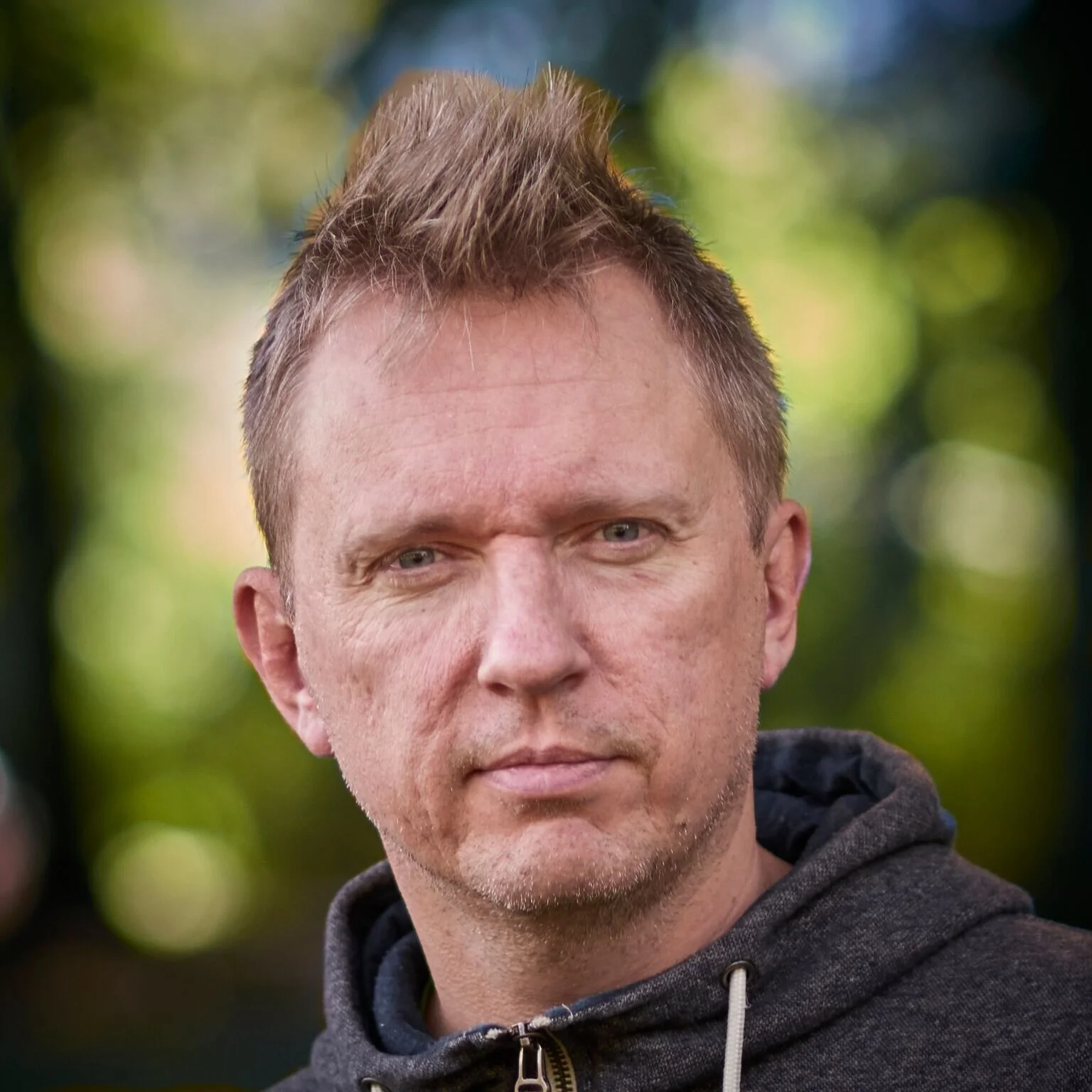
Food WG 2 Member, Food Colloids and Structured Interfaces, LINXS Fellow
Jacob Kirkensgaard is Associate Professor at University of Copenhagen (UCph) and heading the research group Structural Food Physics and Soft Matter Self-Assembly jointly anchored between the Dept. of Food Science and the Niels Bohr Institute and affiliated with the Nano-Science Center. Jacob is a dedicated x-ray and neutron small-angle scattering expert both in relation to experimental execution and advanced data analysis. The group is hosting state-of the-art x-ray scattering equipment between the two institutes - in particular a brand new Xenocs Nano-Inxider combined SAXS/WAXS setup and a highly flexible Ganesha instrument allowing for a range of in situ studies to be conducted in-house. He also acts as the UCph branch manager of the danish LINX (Linking Industry with X-rays and Neutrons). He routinely goes to international large scale facilities to do neutron or synchrotron x-ray scattering.
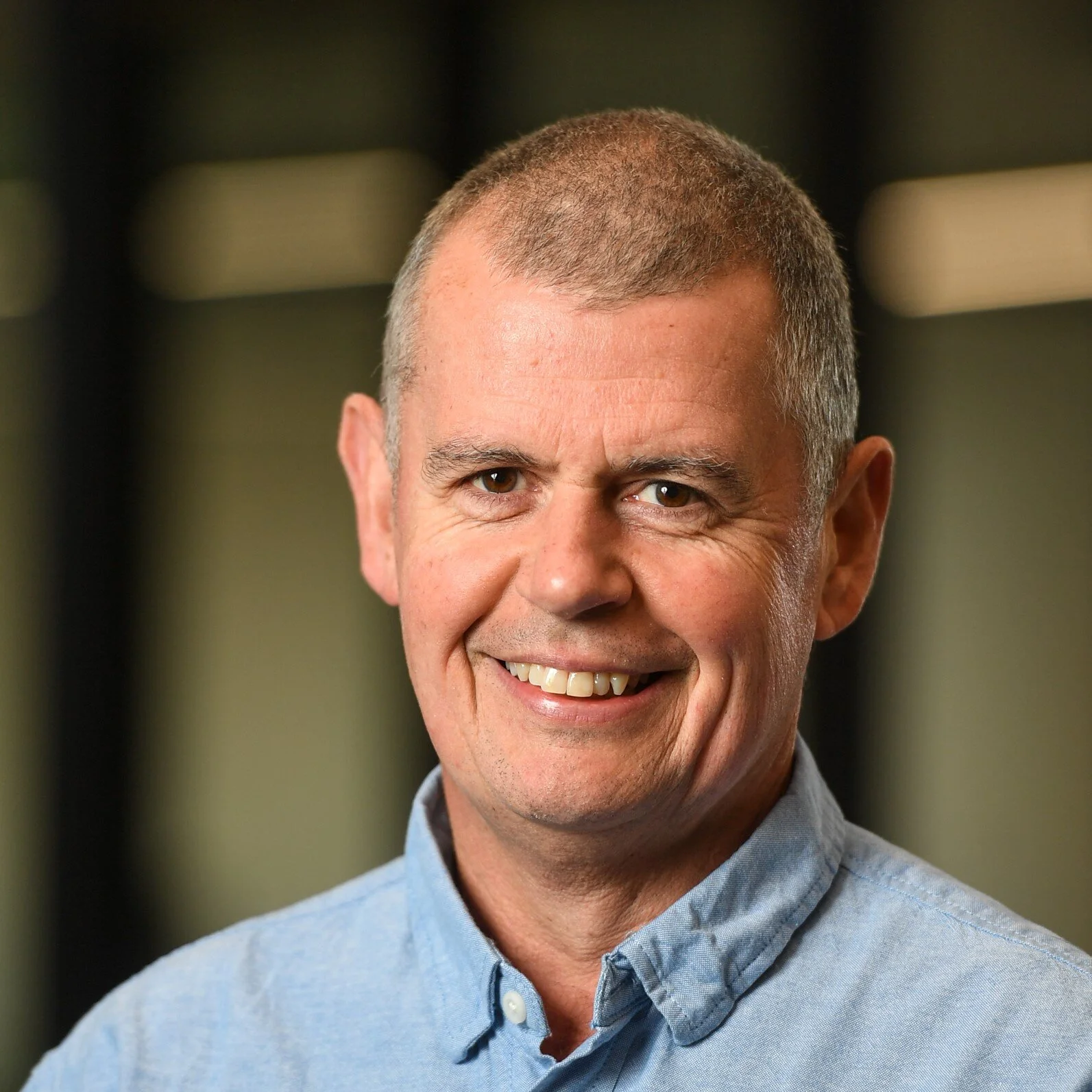
Food Core Group member and WG 2 Leader, LINXS Fellow
Milena is a professor at the Department of Food Science at Aarhus University, having first been a professor in food design and technology at the University of Guelph between 2006 and 2019. She is also currently Leader of the iFOOD Aarhus University Center for Innovative Food Research. Her research priorities are food design and processing, connecting the domains of food biochemistry, food processing and material science. She is an editorial board member of the Journal of Dairy Research, and Section Editor of the Journal of Dairy Science.
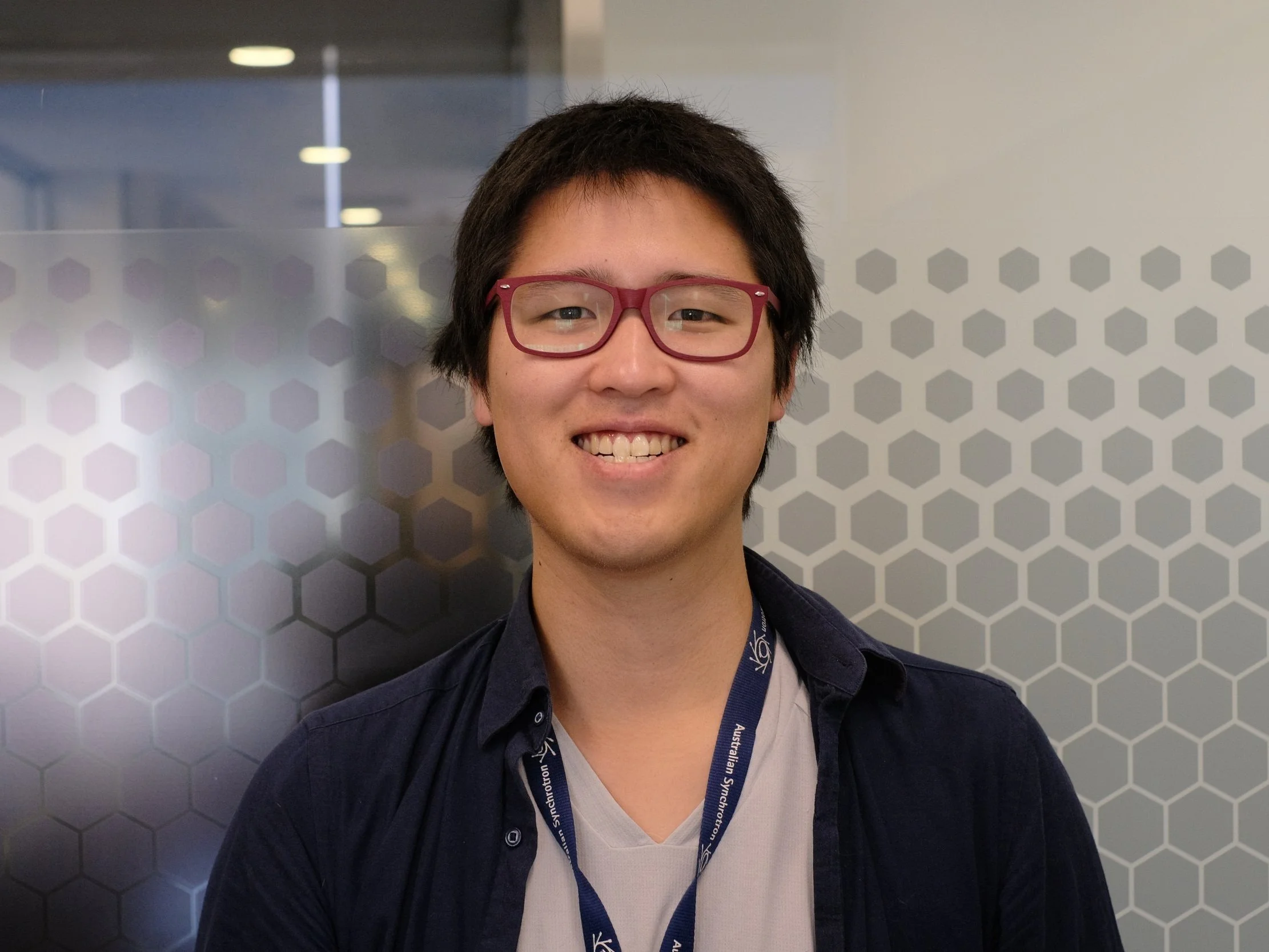
Food WG 2 Member, Food colloids and structured interfaces, LINXS Fellow
Shinji Kihara is a Postdoctoral Research Fellow at Structured Biointerface (group led by Prof. Ben Boyd) from the University of Copenhagen. Shinji applies synchrotron and neutron scattering techniques to understand the complex structure formed when particle systems encounter biological fluid (e.g., protein corona). Current research specifically looks at the formation of “gut corona”, which is expected to form in gastrointestinal environments.
Shinji Kihara - Google Scholar
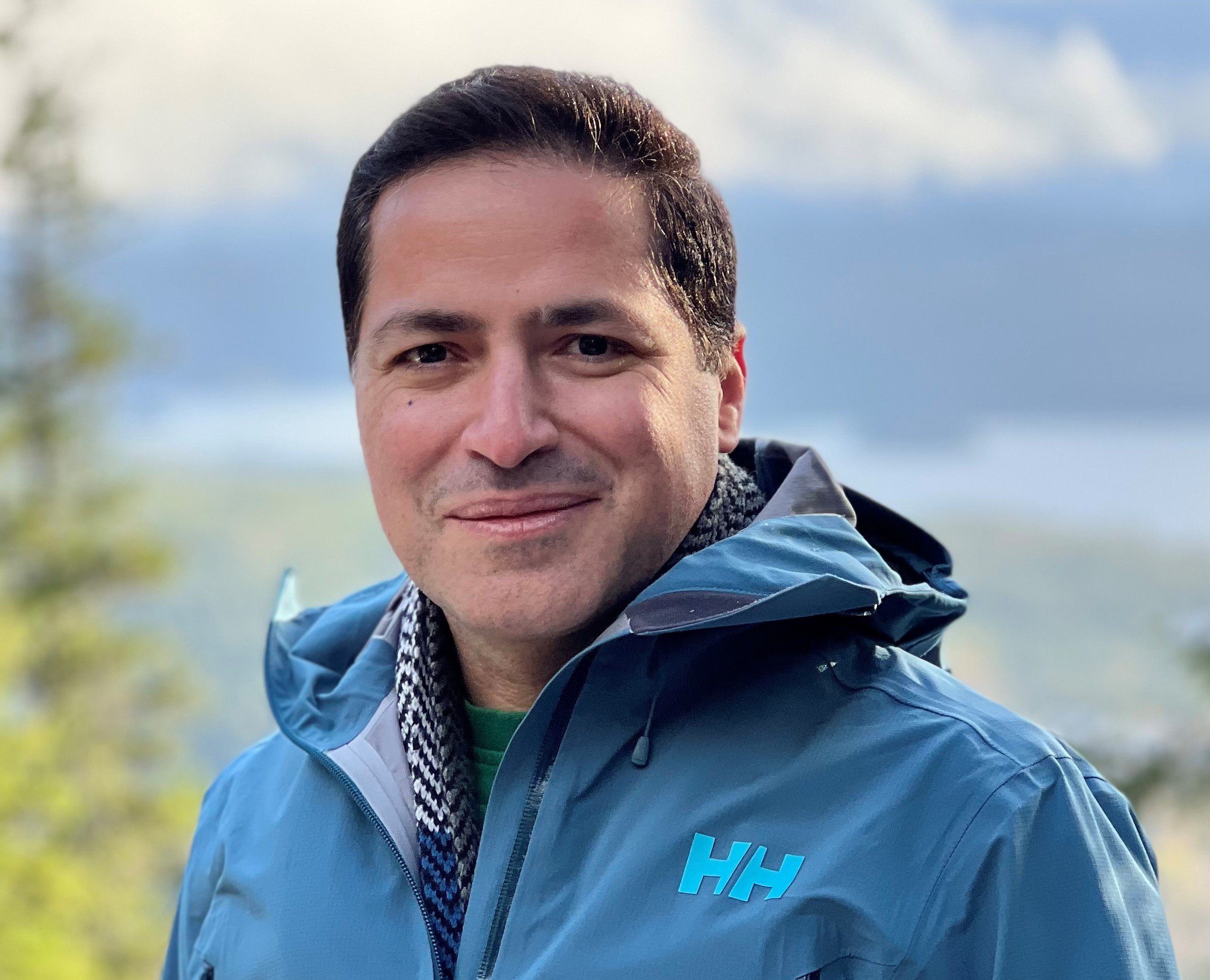
Food WG 2 Member, Food colloids and structured interfaces, LINXS Fellow
Ashkan Madadlou is Associate Professor in Food Chemistry in the Department of Biotechnology and Food Science, Norwegian University of Science and Technology (NTNU), Norway. His research interests are emulsification and demulsification processes, liquid-liquid interfaces and droplet bioreactors in food and bioprocessing. Ashkan is author of nearly 110 papers in peer-reviewed journals and acts as an Associate Editor of the journal Food Chemistry (published by Elsevier) since 2021.
Ashkan Madadlou - NTNU
Ashkan Madadlou - Google Scholar
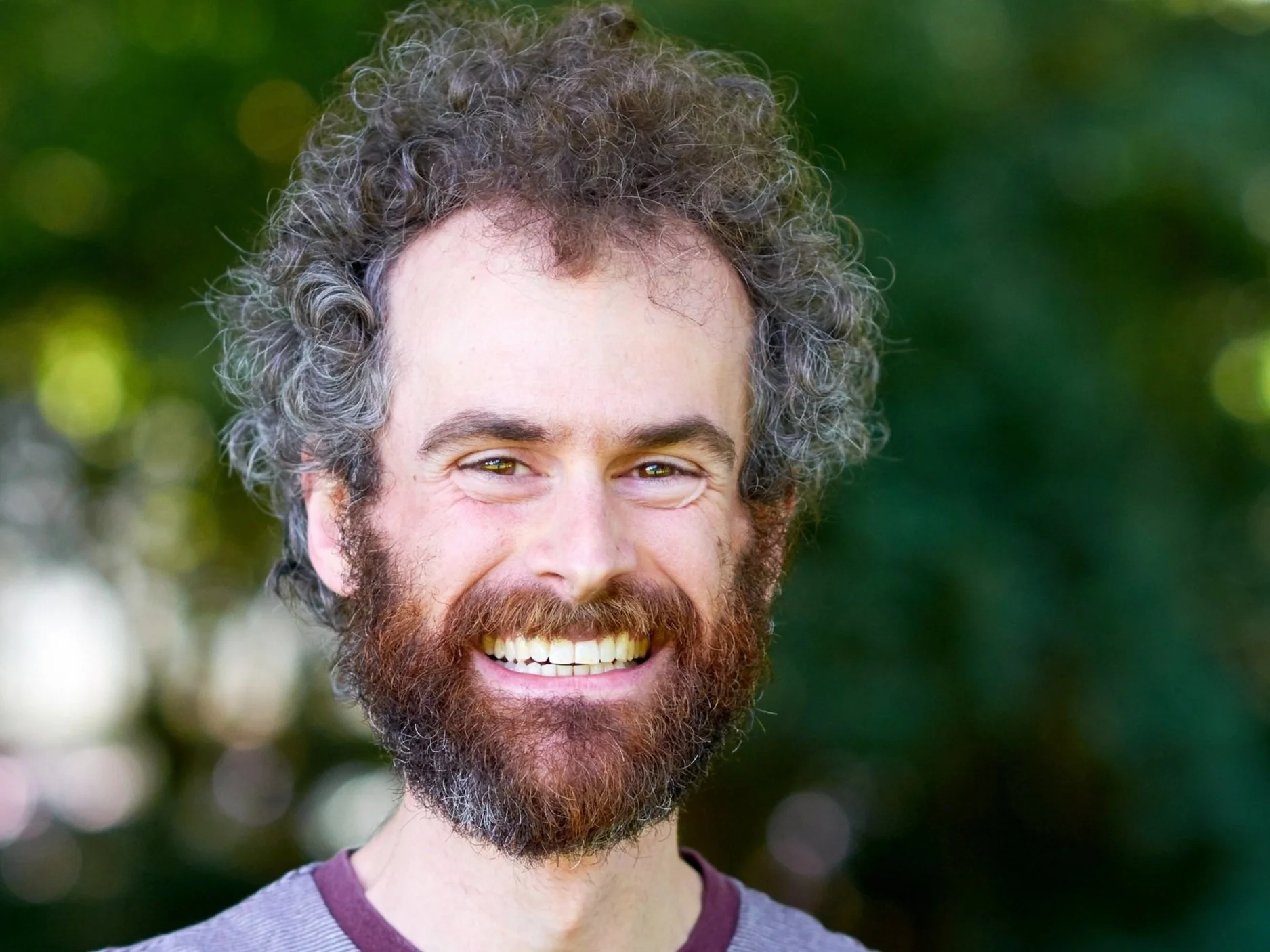
NLF WG 5 Leader, Food Structure and Health, LINXS Fellow
Dr Gregory Smith is a SANS instrument scientist at the ISIS Neutron and Muon Source in the UK. Gregory is a physical chemist by training and obtained degrees in Chemistry from the University of Bristol (UK), followed by positions at the University of Sheffield (UK) and the Niels Bohr Institute at the University of Copenhagen. Gregory’s research explores the interactions and self-assembly of soft matter and colloids, such as surfactants, polymers, and nanoparticles, using scattering and isotopic labelling to understand their structure from the ångström to the micrometre scale.
Gregory is responsible for Larmor at ISIS, a flexible instrument optimised for Larmor precession techniques. The instrument can be operated in many modes: as a conventional or polarised small-angle neutron scattering (SANS) instrument, as a spin-echo SANS (SESANS) instrument (which extends the length scales that can be studied up to micrometres), or as a modulated-intensity (MISANS) instrument (which allows dynamics to be studied). These modes are all highly suited to addressing a range of issues in food science.
Food Core Group member & Imaging Working Group Member, LINXS Fellow
Lars Nilsson is a professor at Department of Food Technology, Engineering and Nutrition. His research is focused on asymmetrical flow field-flow fractionation (AF4) for the separation of biomolecules and other species of relevance for food systems. Here is one of the leading researchers in the field. He has also large interest in food colloids and the interfacial behavior of food components. He is the main organizer of Food Colloids 2022 in Lund.
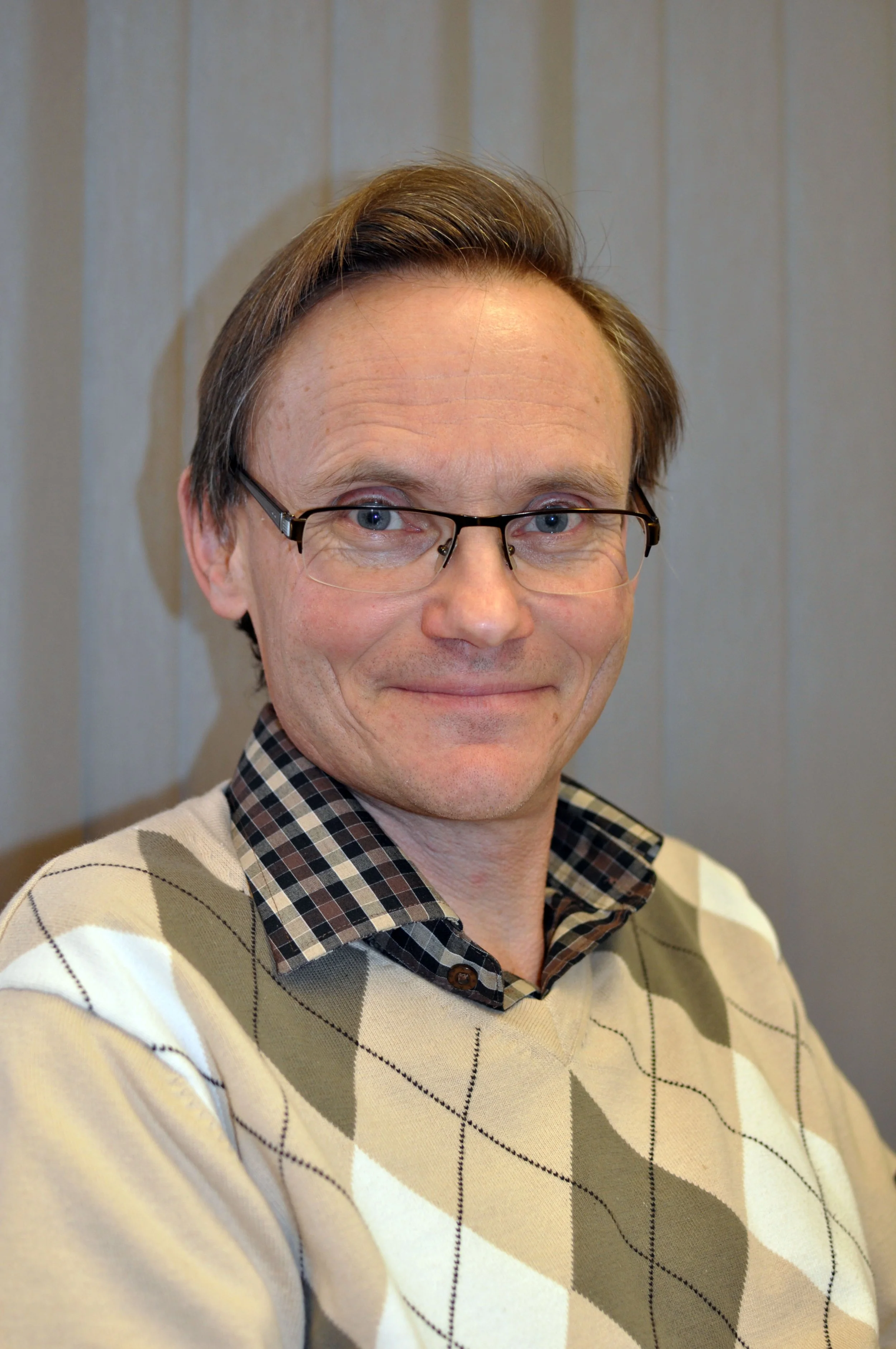
Food WG 2 member, Structure of food raw materials, LINXS Fellow
Patrick Adlercreutz, Professor at Biotechnology at Lund University.
Prof Adlercreutz’s research focuses on enzyme technology, and he is involved in a various research activities, including, for example, the use of enzymes to tailor lipids with respect to physico-chemical properties and/or nutritional value, and processing of oats.
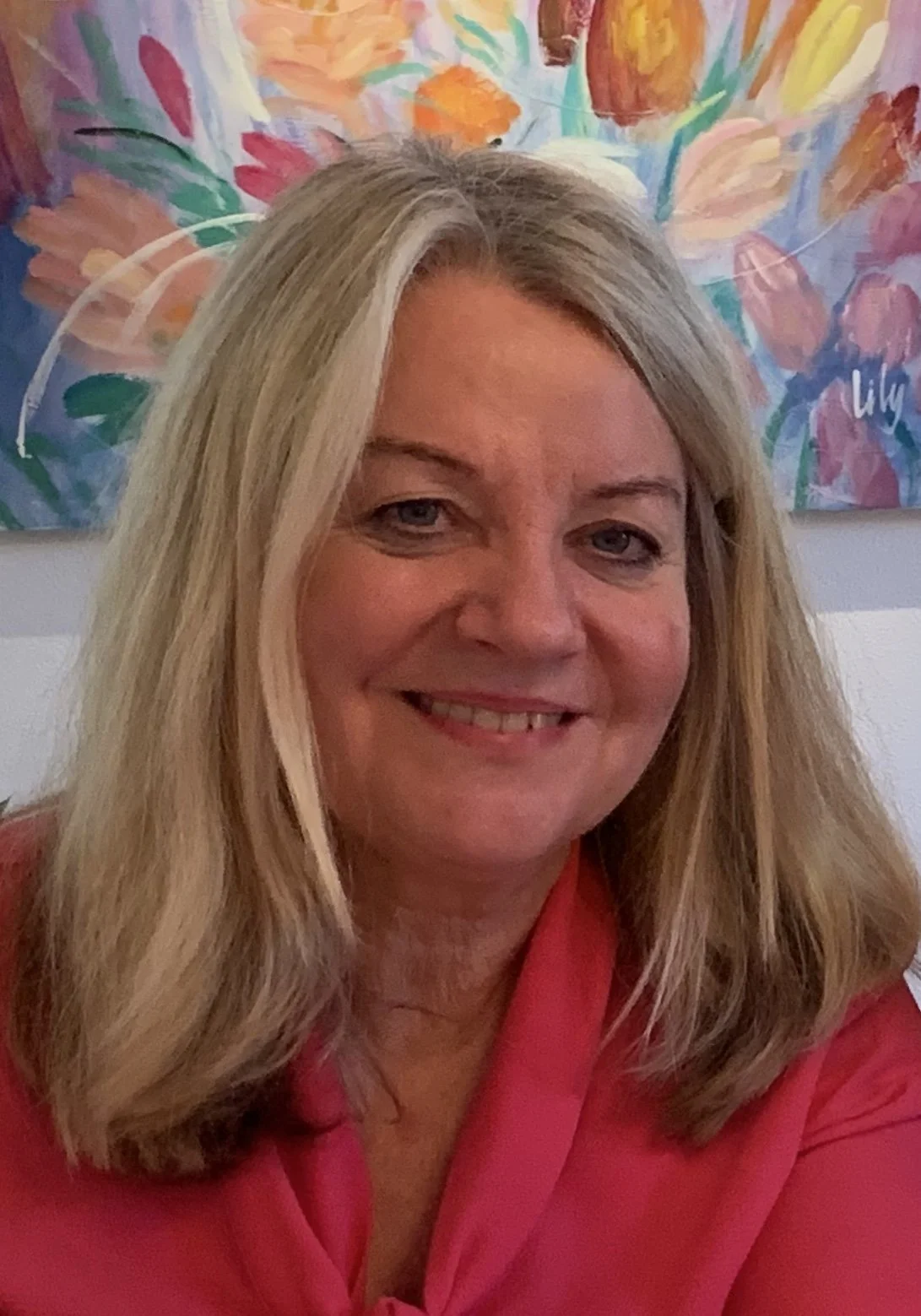
Food WG 2 member, Structure of food raw materials, LINXS Fellow
Marie Paulsson, Professor at Department of Food Technology, Engineering and Nutrition, Lund University.
Prof Paulsson’s research focuses on technological and processing aspects on milk and dairy systems, in particular, Milk quality and genomics; Structure of milk components and dairy products, Dairy processing; and Health aspects of milk.

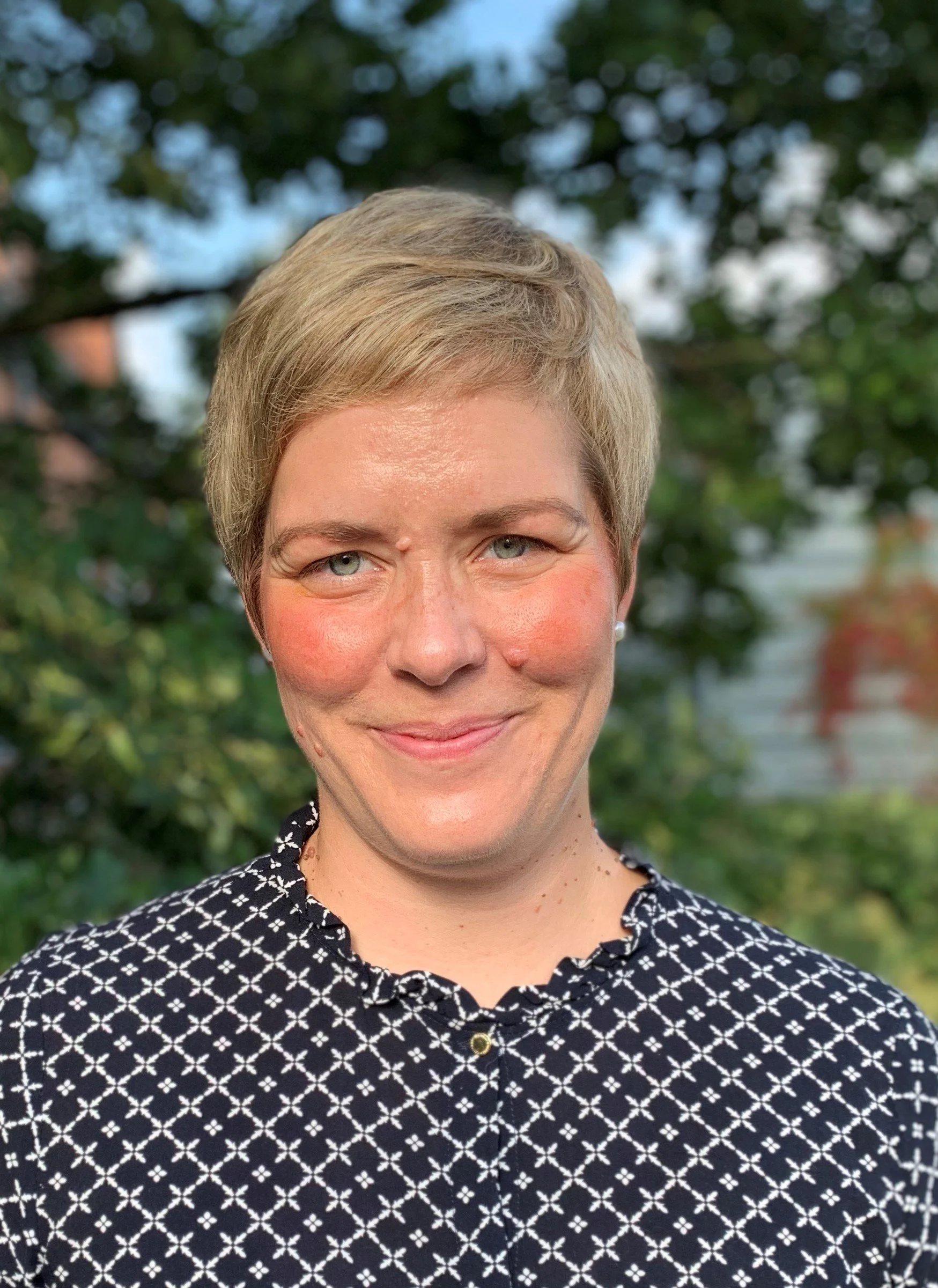
Food WG 2 Member, Food colloids and structured interfaces, LINXS Fellow
Judith Houston, Instrument Scientist at European Spallation Source
Food WG 2 Member, Food colloids and structured interfaces, LINXS Fellow
Maria Glantz, Senior Lecturer and Associate Professor at Department of Food Technology, Engineering and Nutrition, Lund University.
Prof Glantz’s research focuses on technological and processing aspects on milk and dairy systems, such as milk genomics, chemical and physical properties of milk components, protein aggregation and gelation, structure of dairy emulsions and dairy products as well as nutrition and health.
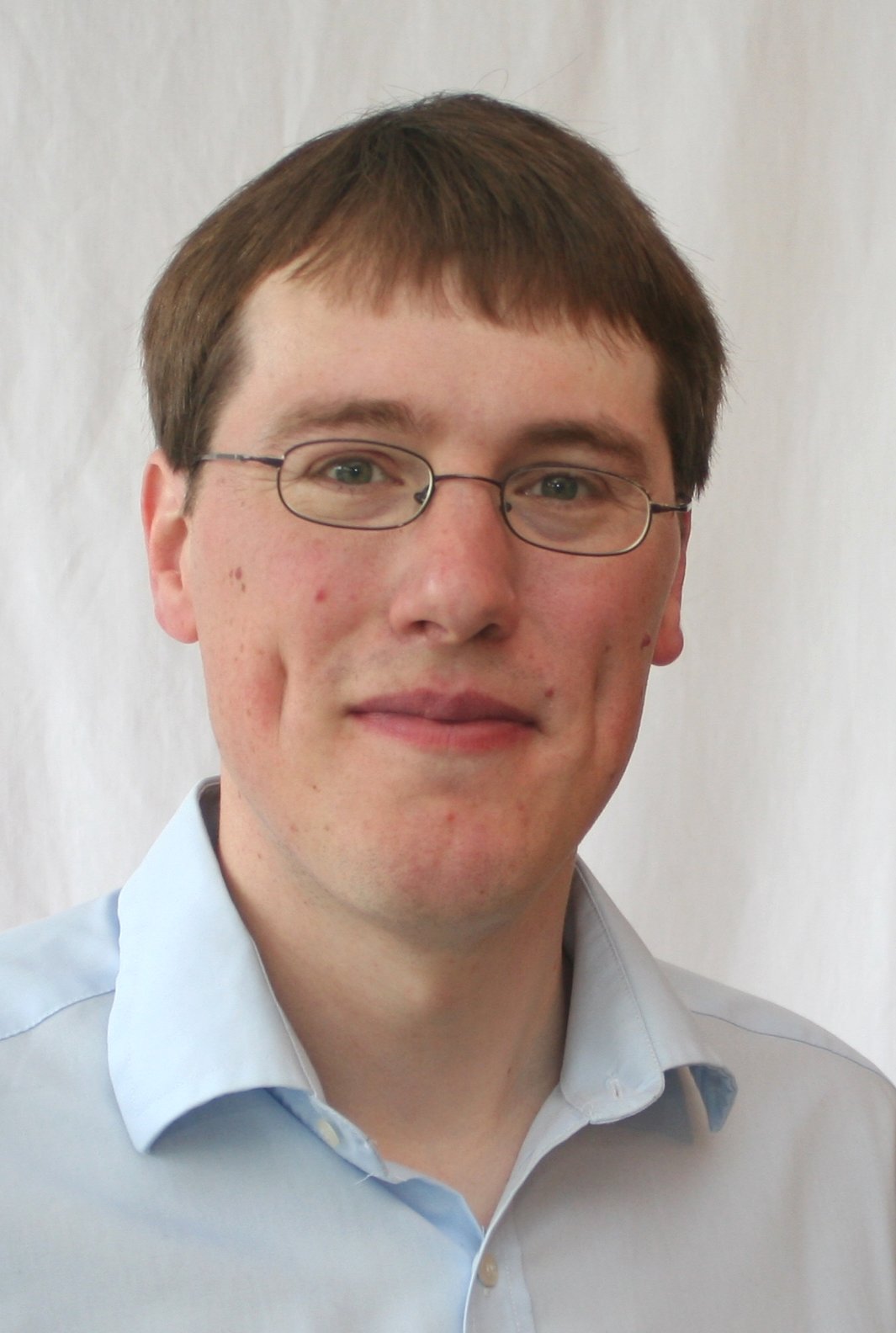
Food WG 2 Member, Food colloids and structured interfaces, LINXS Fellow
Magnus Larsson, Process Development Specialist, Oatly.
Food WG 1 and 2 member, LINXS Fellow
Felix Roosen-Runge, Associate Professor at the Division of Physical Chemistry, Lund University, Sweden
Associate Professor Felix Roosen-Runge works at the Division of Physical Chemistry, Lund University. His research is focused on structure and dynamics in biological and soft matter, combining experimental and theoretical perspectives and aiming for a conclusive mechanistic picture in highly interdisciplinary research fields such as food science, pharmacy and biomedicine. A recent research focus is on food proteins from plant proteins, targeting both effects of protein structure and interaction during extraction, and subsequent assembly processes.
FOOD WORKING GROUP 3
Structure of Food during Processing
WG3 will address the important challenge of optimizing product quality with an in-depth understanding of the mechanisms and physical changes during food processing. In situ/in operando studies using x-ray and neutron imaging of the structure of food during processing will focus on gaining an in-depth understanding of the mechanisms and physical changes that occur as the processing takes 14 place. Sample environment development for in situ structural analyses during processing and imaging data analysis, in combination with analysis of scattering data are the focus of the activities of the WG.
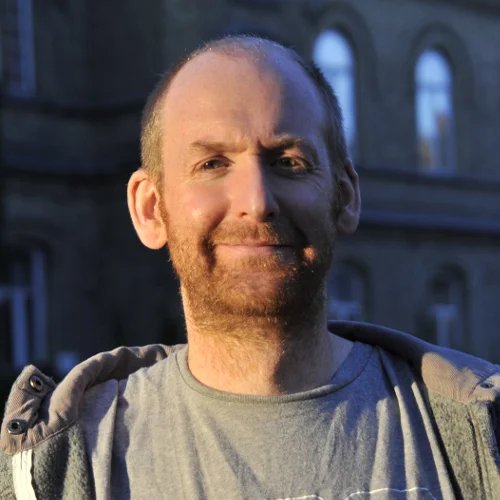
Former LINXS Co-Director and Food WG 3 member, LINXS fellow
Associate professor at the Dept. of Solid Mechanics at the Faculty of Engineering (LTH), where he is also in charge of the 4D-Imaging Lab x-ray tomography facility. Came to Sweden in 2011 after moving from Laboratoire 3R in Grenoble, France.
Food Core Group member & Imaging Working group member, LINXS Fellow
Niklas is a researcher at the Product Design and Perception section at RISE Agrifood and Bioscience. He is also adjunct professor at the department of physics at Chalmers University of Technology. In addition, Niklas is vice director for the VINN Excellence centre SuMo Biomaterials and coordinator for the Soft Microscopy Centre, both close collaborations between RISE and Chalmers. His research generally focuses on microstructure-property relationships in soft heterogeneous bio-based materials such as foods. His network and scientific expertise in microscopy will be crucial for the theme to both develop the working groups and defining the research programs. Together with Stephen Hall, Niklas will coordinate WG3. Structure of food during processing.

NLF (Food) WG 3 member and IPDD WG 3 member, LINXS Fellow
Emanuel Larsson is a Researcher and Expert at the Division of Solid Mechanics and at LUNARC - Centre for Scientific and Technical Computing. He is also working for CIPA - Correlative Image Processing and Analysis at Lund University and QIM - Center for Quantification of Imaging Data from MAX IV, as well as for the ForMAX portal - a platform at MAX IV, which will offer education and access to advanced X-ray methods to the forest industry. He has previously been stationed at both X-ray micro and nano tomography beamlines at Synchrotron facilities, and has around 4 years of experience in imaging food science related samples, also including sample environments. Emanuel mainly focuses on educating and supporting users in tomographic X-ray and neutron imaging and image analysis. Together with Stephen Hall and Niklas Lorén, Emanuel will participate in WG3. Structure of food during processing.
Food WG 1 member, Structure of food raw materials, LINXS Fellow
Cornelia Witthöft, Professor in Food Science with a focus on nutrition/food chemistry at the Department of Chemistry and Biomedicine, Linnaeus University, Sweden.
Prof Witthöft’s research interests concern food quality and the development of new healthy foods. For example, she works on characterizing the nutrients in raw material and food, and studies how food processing affects nutrient content.
Food WG 1 member, Structure of food raw materials, LINXS Fellow
Mohammed Hefni, Researcher at the Department of Chemistry and Biomedical Sciences, Linnaeus University, Sweden.
Dr Hefni’s research focuses on methyl donors in foods, analytical methods, stability during food processing, and health aspects.
FOOD WORKING GROUP 4
Food Interactions on Surfaces
Processing in food production leads to deposits, fouling, with a hierarchical structure that is also complex in terms of composition not only on heated surfaces of processing equipment but also on membranes used for separation and dewatering. In addition, the attachment of microorganisms can lead to biofilm formation, which can also affect food safety. The need to develop efficient cleaning methods is a concern not only for the food industry, but has relevance for most other industries as well as for the development of consumer products. While household detergents and shampoos have been very much developed during the last 30 years, much thanks to extensive work during neutron and x-ray reflectometry and scattering, the development of cleaning procedures in the industry is far behind. The unwanted deposit and cleaning is a fundamental scientific challenge, which has a large economic and societal impact (Hagsten et al., 2016). Reducing water consumption and processing downtime is a big step in achieving the sustainability goals of Agenda 2030. The structure of these deposits can be revealed through surface scattering techniques, allowing for greater understanding and advancement in cleaning technology. Sustainable materials for food packaging, based on starch, lignocellulose, or other novel biocomposite packing materials are highly coveted for food applications. The structural properties of such materials as revealed by X-ray scattering and diffraction techniques would allow for the tuning of the mechanical and barrier properties. WG4 will focus on the interface between food and processing surfaces, attachments of microorganisms, as well as food and packaging materials to develop sustainable methods for processing, cleaning, and packaging. The group will focus on spectroscopic, scattering and imaging methods and interactions between hard and soft matter. We will also point the strong link to LINXS activities promoting the Swedish initiative SAGA to build a dedicated Grazing Incidence Small Angle Neutron Scattering (GISANS) instrument at ESS. This technique is particularly suited to study surface layer structures of complex materials.
Food Core Group Leader & Dynamics Working Group Dynamics of Membranes and their Constituents Member, Internal LINXS Fellow
Tommy is a professor at the Department of Physical Chemistry at Lund University and an ambassador of the use of X-rays and neutrons in food research. His large network in food science together with his experience in x-ray and neutron scattering on various food related systems is crucial in bringing in the relevant national and international actors to the theme and to the strengthening of food sector using the large-scale infrastructure overall. He is also a member of the management group of NanoLund. Tommy will coordinate WG 4. Food interactions on surfaces.
Food WG 4 member, Food interactions on surfaces, LINXS Fellow
Martin Adell is a Technology Specialist within material and surface technologies at Tetra Pak Processing Solutions and is also an affiliated researcher at the department for mechanical engineering at LTH. Most of the research in which Martin is involved is focused on the interaction between food products and the materials and surfaces of processing equipment. Martin has also previously worked with converting technology for Tetra Pak packaging materials and before that with mobile phone displays at SonyEricsson. Martin holds a PhD in applied physics from Chalmers technical university with a focus on surface science for metals and semiconductors using electron spectroscopy techniques at the old MAX-lab synchrotrons where he later also did a PostDoc as a beamline manager.
Food WG 4, Food interactions on surfaces, LINXS Fellow
Shun Yu is a researcher at the unit of smart materials at RISE Research institute of Sweden. He works as a technique specialist by using scattering characterization to solve industry-relevant R&D challenges spanning food system, biobased materials, new packaging solution, as well as coatings for automobile industries. His research interest has been to combine spectroscopy and scattering techniques to understand the interaction and structure in nanoscale and/or at the interface and develop novel data analysis strategies, for example via machine learning.
He obtained Ph.D. in materials physics in 2012 from Royal Institute of Technology, Sweden (KTH), where he used Soft X-ray spectroscopies (XPS, NEXAFS, RPES) to study the interaction at the interface between the organic and inorganic materials. Then he spent two years at DESY to work with Hard X-ray scattering technique (SAXS/WAXS) at with the support of Wallenberg postdoc fellowship and focused thin film structure characterization via the grazing incidence X-ray scattering (GIXS). Since 2014, he begins to work with biobased materials extensively first in Wallenberg Wood Science center, then at Stockholm University and now at RISE.
Food WG 4, Food interactions on surfaces, LINXS Fellow
For more information about Tom, please visit his profile: https://europeanspallationsource.se/profile/thomas-arnold
Food WG 4, Food interactions on surfaces, LINXS Fellow
Prof. Frank Lipnizki was Vice-President of the European Membrane Society in 2019/2021 and is currently heading the Annex “Membranes in Biorefineries” by IETS – a collaboration program of the International Energy Agency (IEA). His main research focuses on the integration and optimisation of separation process in particular membrane processes in the food, biotech, pulp and paper industry as well as water and wastewater treatment plus fouling and cleaning of membranes.
Prof. Frank Lipnizki has authored over 50 publications in reviewed journal and books and gave more than 100 presentations at international conferences and workshops on membrane technology.
1995: BEng (Hons) in Manufacturing and Management at the University of Bath, U.K., 1996: Diploma in Mechanical Engineering (Process Engineering) at the University of Bochum, Germany 1999: PhD (Hydrophobic Pervaporation: Process Integration and Optimisation) in Chemical Engineering at the University of Bath, U.K., 2000: Post-doc Druvan Scholarship in Food Engineering at Lund University, Sweden. 2001 - 2016: Alfa Laval - Business Centre Membranes (previously Danish Separation Systems), Denmark, Business Manager and Product Manager plus associated R&D manager and 2014 - 2016 adjunct Professor in Chemical Engineering at Lund University, Sweden. Since, 1st of Jan 2017 Professor in Chemical Engineering with focus on Separation Process in the Department of Chemical Engineering at Lund University, Sweden. Furthermore, he heads the Membrane Group at Lund University and manages MemLab – the Industrial membrane process research and development centre – at Lund University.
Food WG 4, Food interactions on surfaces, LINXS Fellow
Olga Santos is a material specialist at the Materials Technology & Chemistry lab at Alfa Laval. She is also adjunct lecturer at the department of physical chemistry I at Lund University. She has a background on Chemical Engineering with a PhD in Food Engineering at Lund University. Her research focuses on thin coatings applied on metal surfaces for fouling reduction and corrosion protection, fouling and cleaning mechanisms, adsorption and desorption of protein films (fouling), surfactants and lipids on solid surfaces and characterization of solid surfaces. During her time at Alfa Laval, she has been part of several external research projects with partners from the industry, research institutes and universities at both national and international level.
Food interactions on surfaces working group member, LINXS Fellow
Gregor Rudolph-Schöpping is a postdoctoral researcher at the Department of Chemical Engineering, Lund University, Sweden. He works with pressure-driven membrane processes such as microfiltration and ultrafiltration, besides others, for the separation, concentration, and purification of plant-based proteins. During the filtration, membranes typically get blocked. A process also known as membrane fouling. By so call membrane cleaning, some compounds can be detached from the membrane. Gregors research interest has been on understanding the structural changes of the membrane caused by membrane fouling and membrane cleaning and the interaction of foulants with the membrane surface in nanoscale.
Gregor uses a bouquet of analytical techniques to generate knowledge on the processes leading to the unwanted deposition of compounds on membranes and their efficient removal. A major part focus lays on imaging techniques such as X-ray tomography.
Together with Frank Lipnizki, Emanuel Larsson, and Stephen Hall, Gregor participates in the Food WG 4, Food interactions on surfaces.
Guest Researcher at LINXS in June 2022, Food WG 4 member, Food interactions on surfaces, LINXS Fellow.
Jeremy Lakey, Professor at Structural Biochemistry, University of Newcastle, UK.
Prof Jeremy Lakey has expertise and background in protein interactions with surface, and his research group is interested in the engineering, structures, interactions, and conformational changes of proteins in solution and in membranes. For this purpose, they use a combination of biochemical and biophysical tools. The core subject area is the bacterial outer membrane natively unfolded proteins, bionanotechnology of surfaces, neutron science, and biopharmaceutical analysis.
Food WG 4 Member, Food interactions on surfaces, LINXS Fellow
Fredrik Nilsson, Professor at Packaging Logistics, Lund University.
Prof Nilsson’s research projects focuses on sustainable supply chain innovations, packaging systems, circular economy and sustainable e-commerce solutions.

Food WG 4 Member, Food interactions on surfaces, LINXS Fellow
Birgitta Svensson, Technology specialist microbiology at Tetra Pak Processing Systems AB, Sweden.
Dr Svensson is Technology specialist in microbiology at Tetra Pak Processing solutions. She works with microbiology in all types of food, but has the deepest knowledge within dairy microbiology. In food processing systems microorganisms interact with surfaces and can attach to the surface and form biofilms. This shortens the run time and makes it harder to clean. Preventing the microorganisms from attaching to the surface would increase food quality and safety, and save money and time for the food producers.
Food WG 4 member, LINXS Fellow
Eskil Andreasson work as a Technology Specialist at Tetra Pak® in Lund since 2002. My research involve a combination of material characterisation, understanding and Imaging involving advanced experimental techniques (SEM, CLSM, DIC, SWAXS, XCT, MRI), experimental testing, material mechanics, simulation methods (FEM, SPH, DEM), simulation models, realistic modelling and problem solving. Continuous improvement of the available simulation models and corresponding capabilities to enable proactively use and implementation of a simulation driven approach is what I strive for. Competence development and collaboration with universities and research institutes in different formats have been an essential part for many years. In my spare time I love to play squash :-).
Food WG 4 member, LINXS Fellow
Anna Svensson, Technology Specialist at Tetra Pak Packaging Solutions AB, Sweden.
Dr Svensson has expertise in material engineering with focus on polymer and surface chemistry, and a PhD in Physical Chemistry from Lund University.
FOOD WORKING GROUP 5
Food Structure and Health
WG5 will focus on the use of X-ray and neutron imaging and scattering to increase the understanding of food structures and how they relate to both health and well-being. The group will relate physiological, biophysical and biochemical processes to how they affect food structure, as well as the release and uptake of nutrients during digestion. The group will also explore phenomena with regard to the effect of diet on the brain and highlight the latest advances within the gastrophysics field.
Food WG 5 member, Food Structure and Health, LINXS Fellow
Peter is an associate professor at the Centre for Analysis and Synthesis, at the Department of Chemistry, Lund University. His research is focused on human metabolism, obesity and diabetes. A main interest is mechanisms by which altered food compositions translate into altered function of key metabolic tissues, with a particular emphasis on lipid remodelling and membrane function.
Food Core Group member & Imaging Working group member, LINXS Fellow
Anna is a professor at the Division of Pharmaceutical Technology at Chalmers University of Technology, and was a member of the management group of SuMo Biomaterials. Her various research interests include mass transport in soft biomaterials, mechanical properties of biomaterials, and structure and function correlations of polysaccharides. Between 2017 and 2019, she was the Director of Food Science Sweden, a national platform aimed at strengthening and visualising Swedish food science research, and she is expected to be key in raising awareness and building up competence amongst the wider Swedish food science community.
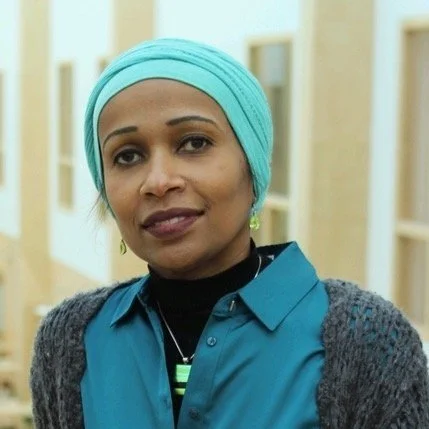
Food WG 5 member, Food structure and health, LINXS Fellow
Arwa Mustafa, has a PhD in Food Science with more than a decade of experience in the field of food chemistry, food innovations and new product development, having focus on food for health, and functional products using Green & Clean Technologies. She has received a number of innovation awards and have a patent.
Arwa’s international academic and work experience, countries including USA, England, Sudan, Sweden and Denmark.
Arwa has a track record of scientific publications, supervision undergraduate and master student, as well as international academic and research collaboration. Current academic collaboration project with Lund University includes: departments: Analytical Chemistry, Food Technology, Biotechnology and LUNARC. In addition to department of molecular science at SLU.
She is the founder & CEO at ARWA FoodTech AB- member of Aventure AB Group.
Food WG 5 member, Food structure and health, LINXS Fellow
Karin Stenkula holds a position as a senior research lecturer in morphology at the department of Experimental Medical Science, Medical Faculty, Lund University, Sweden. Since 2014, she is principal investigator of the research group “Glucose transport and Protein Trafficking”. Their research is focused on detangling the cellular processes regulating adipose tissue function, and how adipose tissue dysfunction contributes to onset of type 2 diabetes. Specifically, they are interested in identifying the molecular mechanisms regulating insulin sensitivity, glucose- and lipid transport in adipocytes, using experimental cell biology and sophisticated microscopy techniques at a single cell level. Besides research, she is also quite involved in teaching at the Biomedical program!
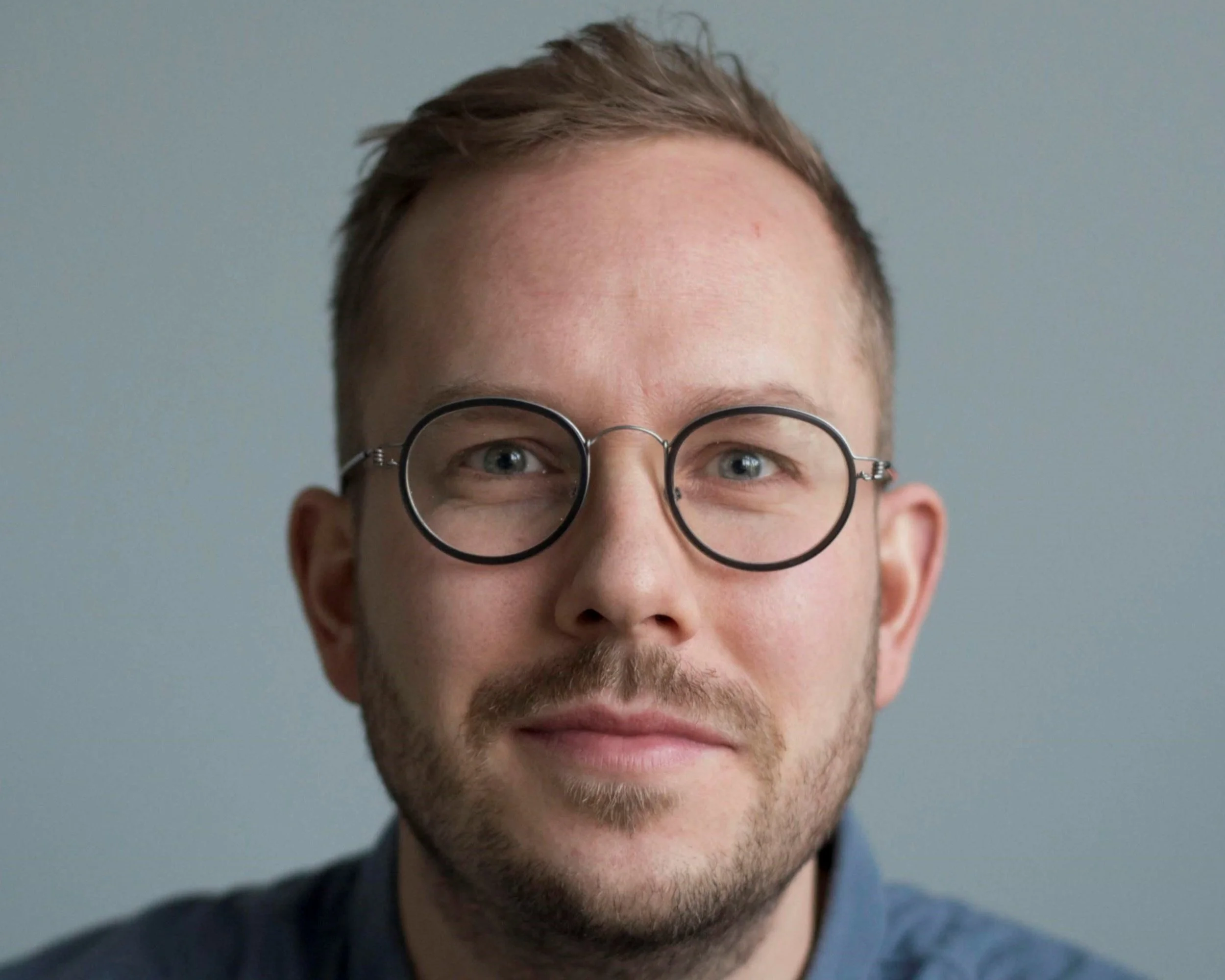
Food WG 5 member, Food structure and health, LINXS Fellow
Mathias is associate professor at Department of Green Technology at University of Southern Denmark, and leader of the SDU FOOD Lab. His work focuses on characterization of biomolecular structures in food, biotechnology and cell biology applying advanced optical microscopy techniques, image analysis, and physicochemical and physical methods. His current research priorities relate to gastrophysics studying microstructure and texture of food in gastronomic contexts.
Food WG 1 and WG 5 member, LINXS Fellow
Patricia Lopez-Sanchez is associate professor (docent) in food structure/function and researcher at the Department of Food and Nutrition Science at Chalmers University of Technology. Her formal qualifications include a MSc in chemistry (University of Santiago de Compostela, Spain) and PhD in food science and technology from Chalmers University. Her research experience includes eight years as corporate scientist at Unilever R&D (The Netherlands), and four years as postdoctoral fellow at the Centre for Nutrition and Food Science at The University of Queensland (Australia). Her major research interest addresses the need to ensure food security, and to produce more sustainable, healthy and functional foods, using a material science approach. The underlying hypothesis is that cell walls and wall polysaccharides, which determine microstructure and physicochemical properties during manufacturing and under physiological conditions, are key to improve our exploitation of plants. Her expertise includes the use of microscopic, spectroscopic, and material analysis techniques to understand the complex and hierarchical structure of food ingredients and products.
NLF WG 5 Leader, Food Structure and Health, LINXS Fellow
Dr Gregory Smith is a SANS instrument scientist at the ISIS Neutron and Muon Source in the UK. Gregory is a physical chemist by training and obtained degrees in Chemistry from the University of Bristol (UK), followed by positions at the University of Sheffield (UK) and the Niels Bohr Institute at the University of Copenhagen. Gregory’s research explores the interactions and self-assembly of soft matter and colloids, such as surfactants, polymers, and nanoparticles, using scattering and isotopic labelling to understand their structure from the ångström to the micrometre scale.
Gregory is responsible for Larmor at ISIS, a flexible instrument optimised for Larmor precession techniques. The instrument can be operated in many modes: as a conventional or polarised small-angle neutron scattering (SANS) instrument, as a spin-echo SANS (SESANS) instrument (which extends the length scales that can be studied up to micrometres), or as a modulated-intensity (MISANS) instrument (which allows dynamics to be studied). These modes are all highly suited to addressing a range of issues in food science.
Food WG 1 member, Structure of food raw materials, LINXS Fellow
Cornelia Witthöft, Professor in Food Science with a focus on nutrition/food chemistry at the Department of Chemistry and Biomedicine, Linnaeus University, Sweden.
Prof Witthöft’s research interests concern food quality and the development of new healthy foods. For example, she works on characterizing the nutrients in raw material and food, and studies how food processing affects nutrient content.
Food WG 1 member, Structure of food raw materials, LINXS Fellow
Mohammed Hefni, Researcher at the Department of Chemistry and Biomedical Sciences, Linnaeus University, Sweden.
Dr Hefni’s research focuses on methyl donors in foods, analytical methods, stability during food processing, and health aspects.
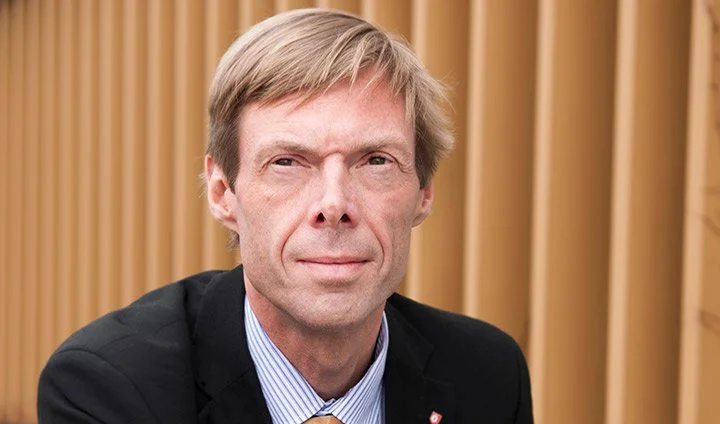
Food WG 5 member, LINXS Fellow
Robert Brummer, Professor at the School of Medical Sciences, Örebro University, Sweden.
Prof Brummer is a professor of gastroenterology and clinical nutrition, and his main research activities focuses on understanding the interaction between nutrition, gut microbiota, the gastrointestinal tract and the brain, with the goal of developing better preventive, therapeutic and diagnostic modalities for common gut disorders.
Food WG 5 member, LINXS Fellow
Kathryn Browning, Research Scientist at Novozymes, Denmark.
Dr Browning has a PhD from the University of Cambridge, and is currently working as a research scientist at Novozymes.
Food WG 5 member, LINXS Fellow
Rikard Landberg, Professor at Food and Nutrition Science, Chalmers University of Technology, Sweden.
Professor Rikard Landberg is the head of Division of Food and Nutrition Science at Chalmers University of Technology, Sweden. He studies the preventive role of plant-based foods using observational- and intervention studies. Landberg is the PI of several RCTs on the role of plant based foods in appetite and body weight regulation and on cardiometabolic risk. He also leads studies to test novel OMICs-based personalized concepts for improved CVD prevention. Metabolomics is a key technique used for discovery and validation of exposure- and prediction biomarkers, and for molecular phenotyping as the basis for tailored dietary strategies for personalized nutrition. Professor Landberg has authored ~170 papers, ~10 book chapters, delivered ~30 invited/keynote lectures and is the editor of one book. He has an H-index of 39 according to Scopus. Professor Landberg is a member of the Young Academy of Sweden and of the National Committee for Nutrition and Food Science at the Swedish Royal Academy of Sciences.
Northern lights on food news articles
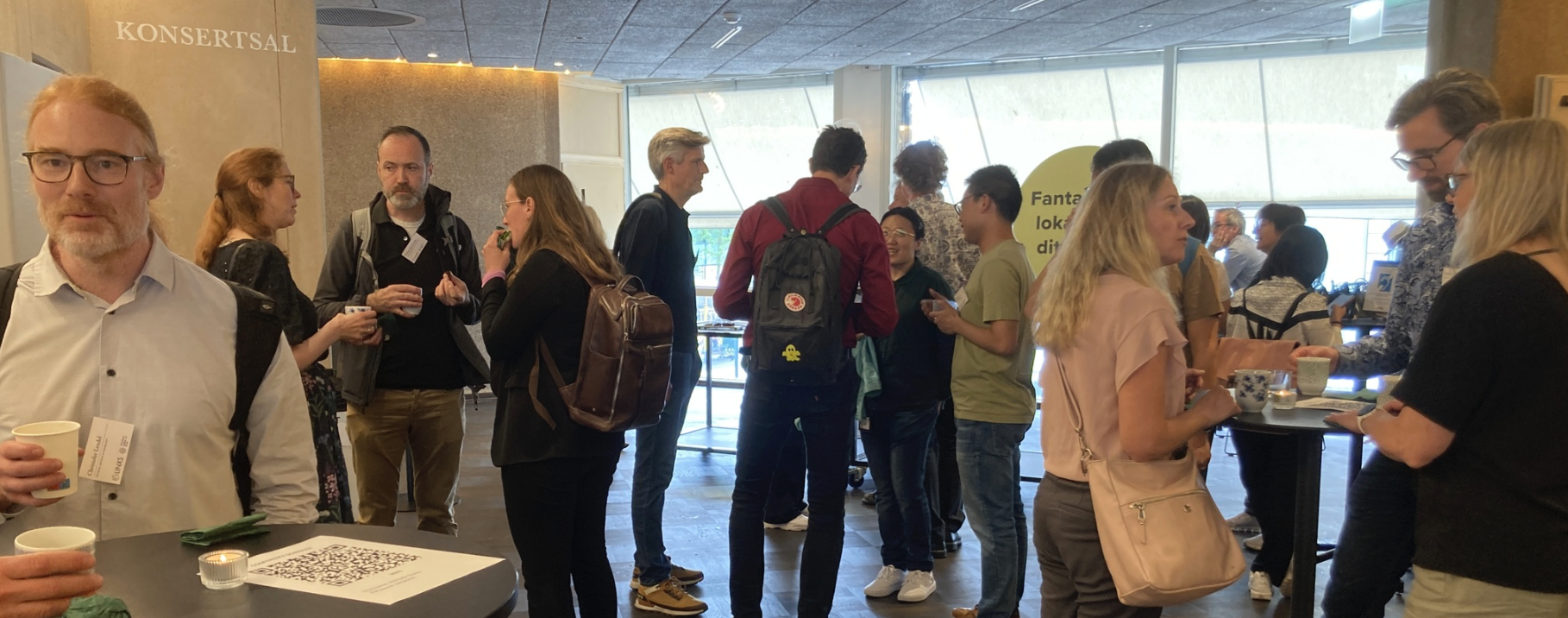
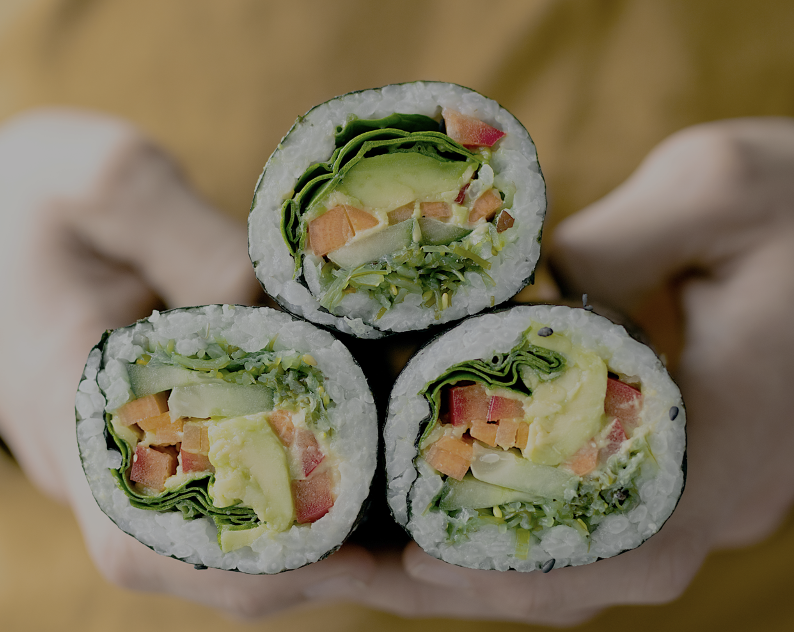
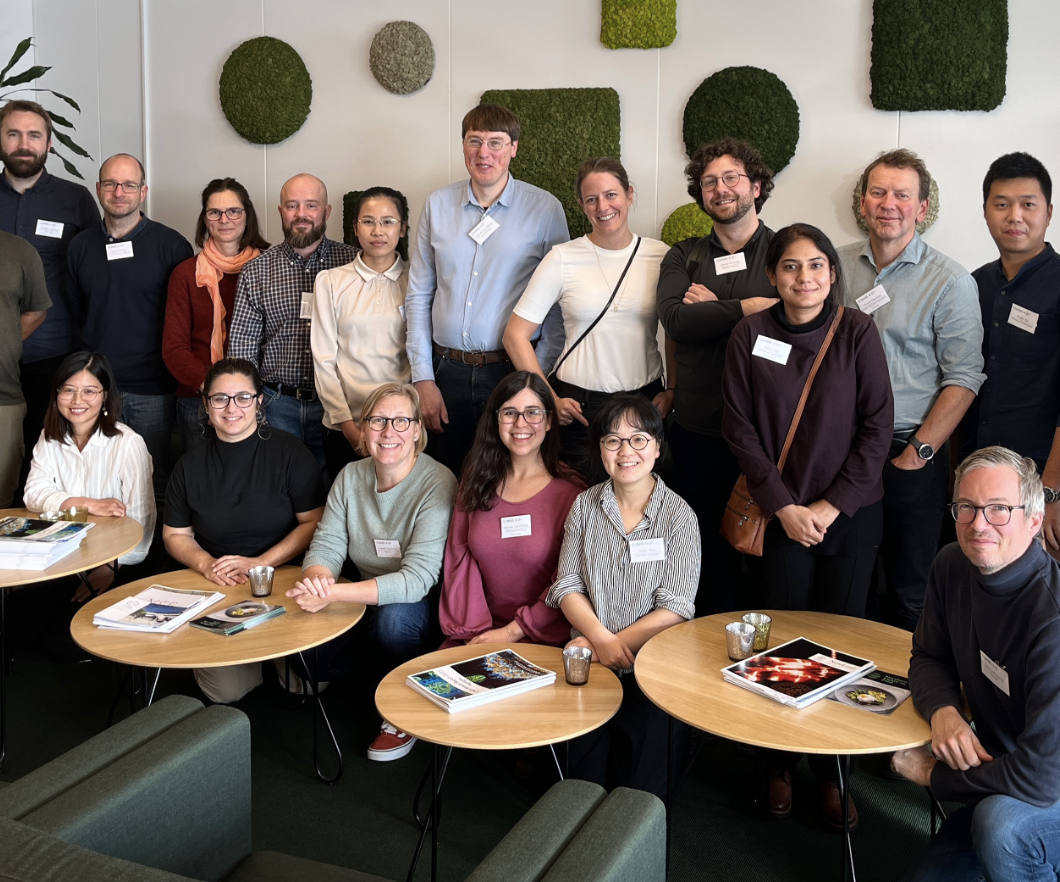
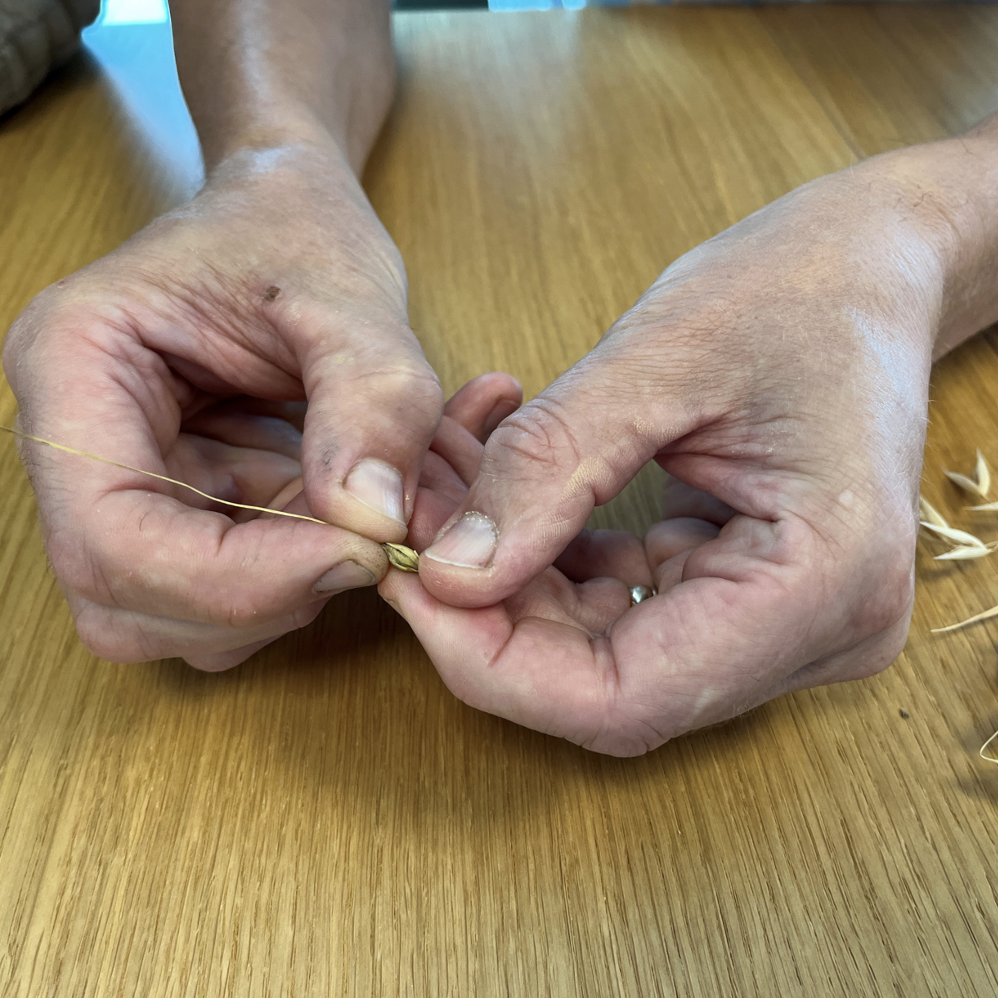
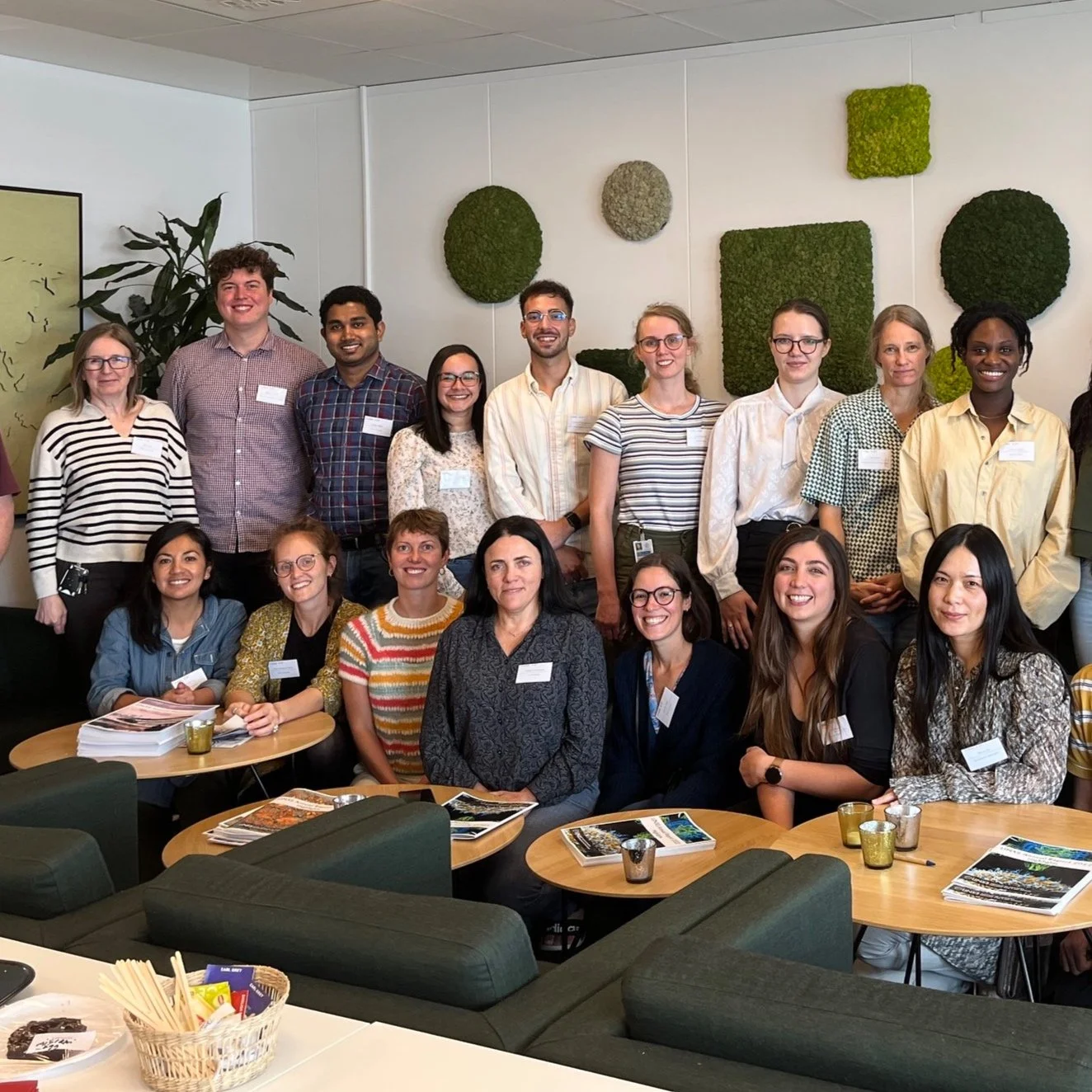
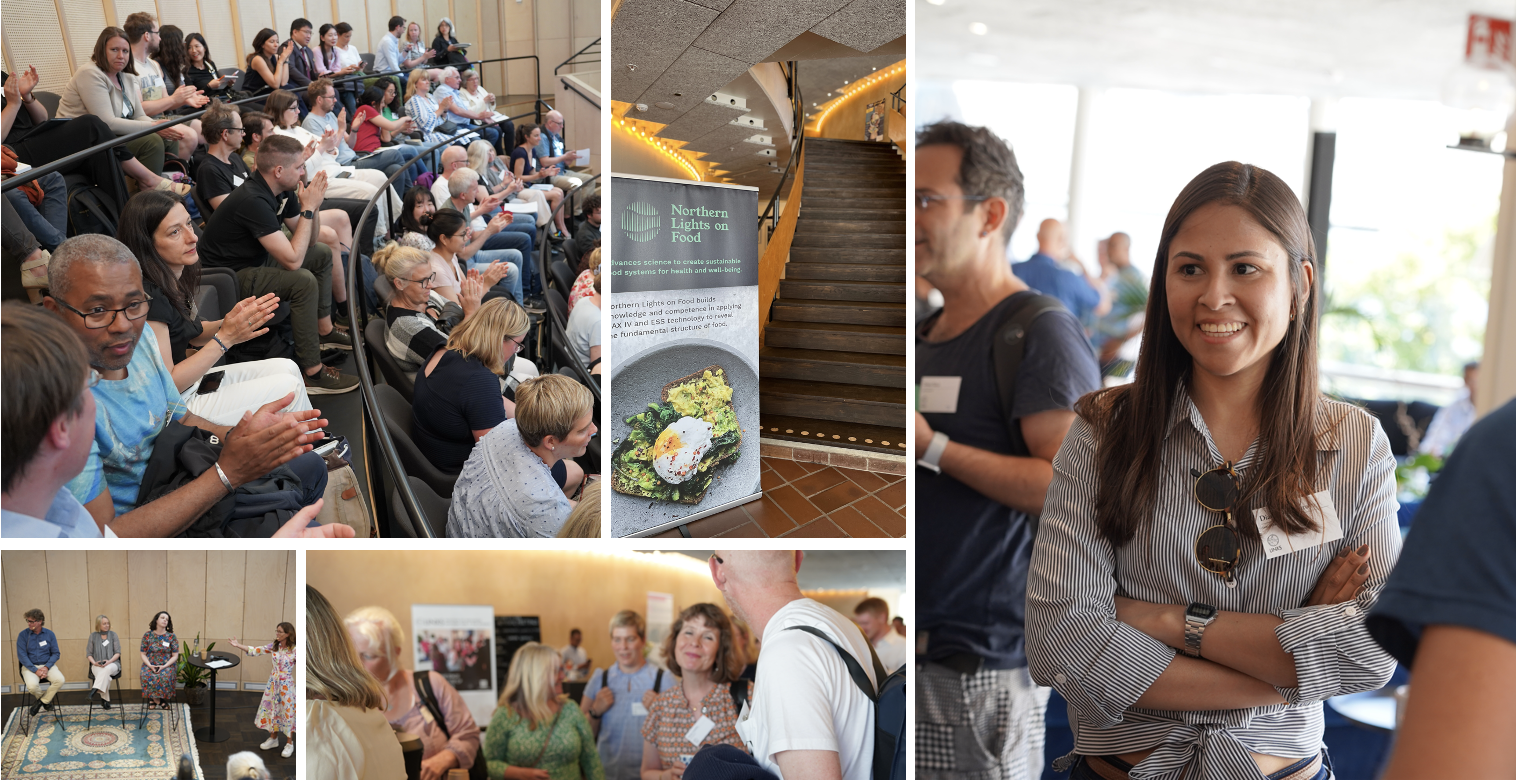


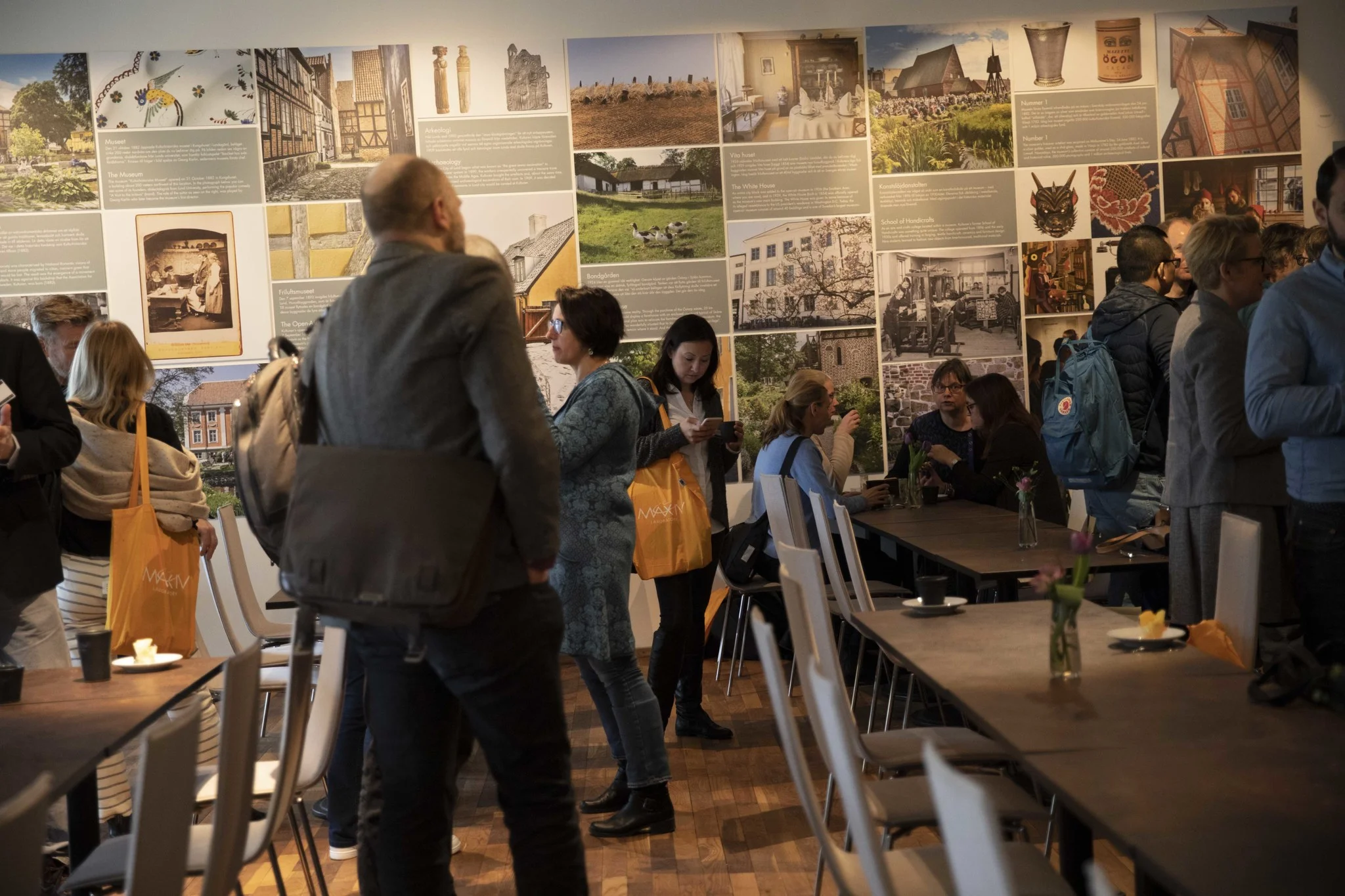
A radical transformation of the food system is needed to provide a healthy, sustainable and affordable diet for all people. Research and development into how food can become more nutritious, taste better, and use less resources, have a key role to play.

The conference Northern Lights on Food takes place 26-27th March. It will gather some of Sweden and Denmark’s biggest food companies for a discussion on how to improve the taste and texture of food, increase its health benefits and lower its climate impacts – all with the help of neutron and x-ray science. They are invited by MAX IV, LINXS and RISE.
NOrthern lights on food upcoming events
Northern lights on food past events

Neutrons & Food biannual workshops help identify the future scientific needs in the application of neutron scattering to Food Science, fostering new collaborations and developments.

POSTPONED! Mark the 8th of March (International women’s day) in your calendars for a cross-theme event at LINXS. More information coming soon!
Welcome to a conversation with experts approaching food from different disciplinary perspectives. The discussion focuses on how culture, medicine and technology work together towards healthy, appealing and sustainable food that is available to all!
This 3rd European conference on Gastronomy will cover social, economic, psychological, medical, cultural and political dimension of food, meals and eating, as well as aspects of art and design linked to culinary experiences. The ambition is to lay a solid foundation for collaboration in areas of strategic importance, to be discussed in future international gastronomy conferences.

Welcome to a miniconference on Lipid self-assembly and biomolecular interactions in connection with Jennifer Gilberts thesis defense
Welcome to the Northern Lights on Food IV Masterclass on Food!
Are you working with food research in industry or academia? Are you curious about how x-ray and neutron scattering could improve your research and your knowledge on food materials? Please come and join our fourth food masterclass!


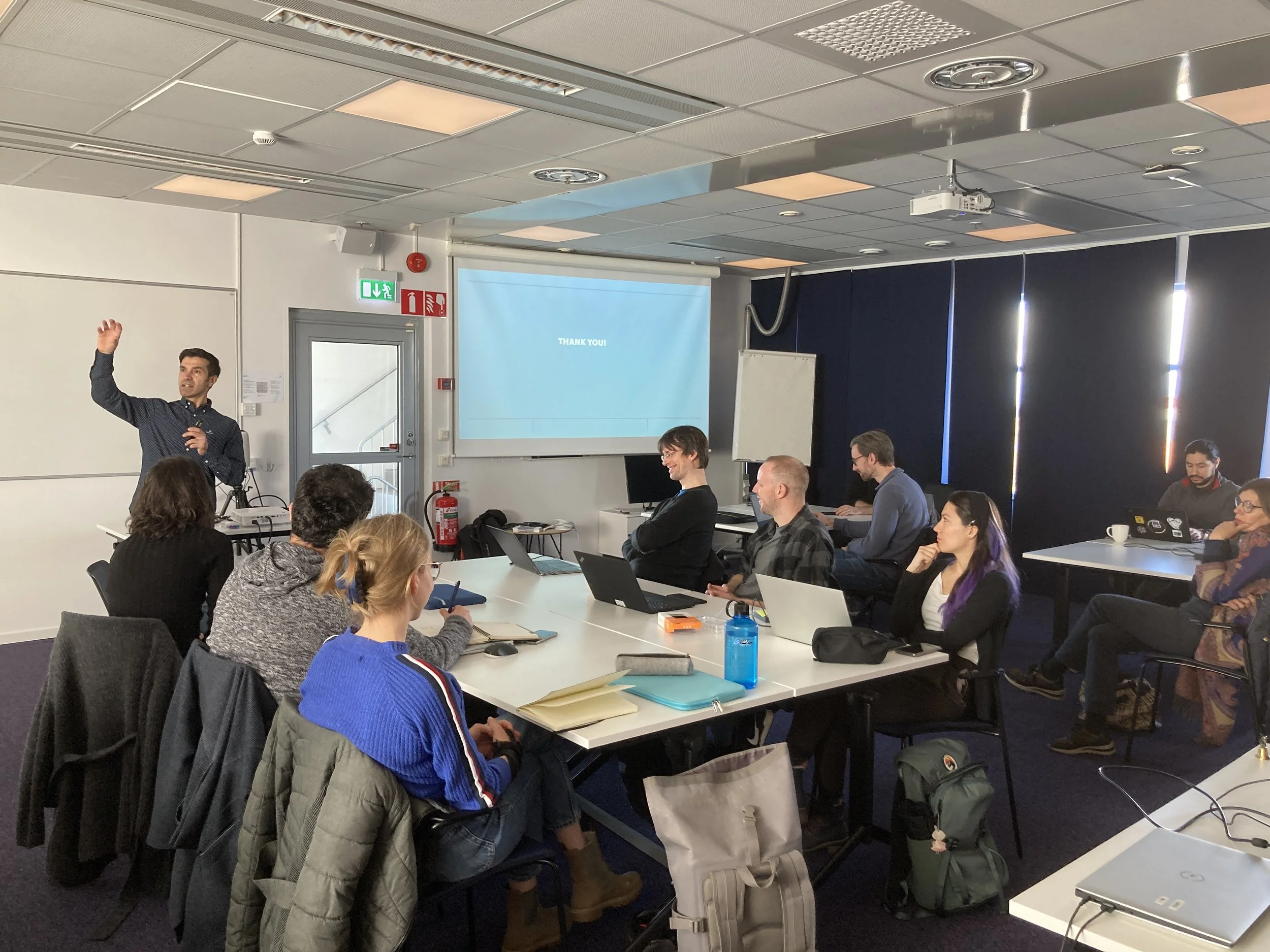
Welcome to a workshop with the Food Interaction on Surfaces working group within the Northern Lights on Food theme.

Welcome to the SAGA GISANS Update Meeting 12-17 on 4 October 2022 in connection with Max IV and ESS user meetings.

Welcome to an Image Analysis Hackathon with the Structure of Food During Processing working group, within the Northern Lights on Food theme.
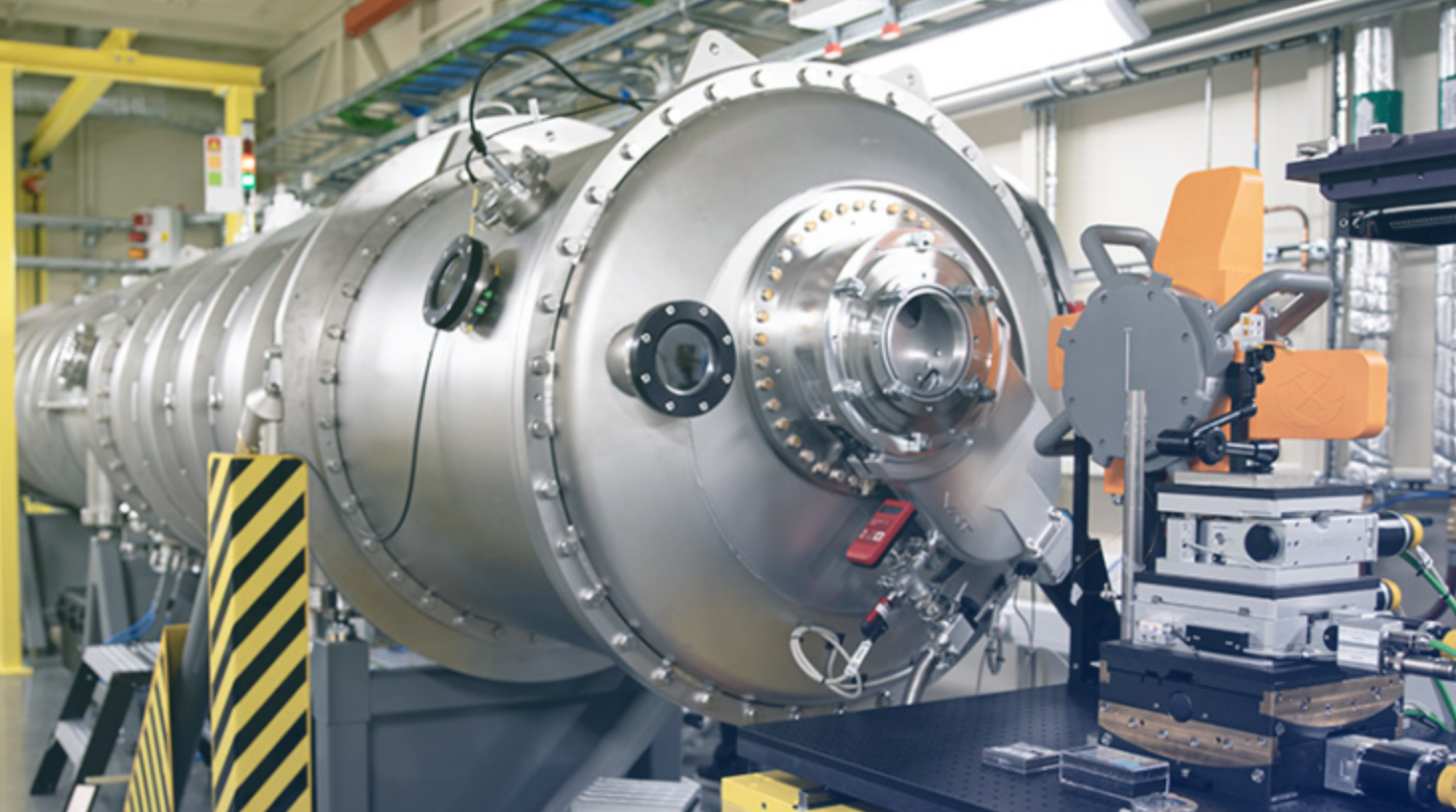
The Northern Lights on Food Working Group 5 for Food Structure and Health welcomes you to a web seminar on November 7th 13.15-15.00
Welcome to the Joint LINXS/ Physical Chemistry/ KILU/ Food Technology, Engineering and Nutrition seminar: Leonie van't Hag 14:15-15:00 on 19 October 2022.
Welcome to the SAGA GISANS Update Meeting 12-17 on 4 October 2022 in connection with Max IV and ESS user meetings.
Welcome to the LINXS FOOD COLLOIDS AND STRUCTURED INTERFACES INDUSTRY WORKSHOP.
Don’t suffer from scientific FOMO – don’t let your competitors learn what YOU need to know.
Welcome to the 3rd Northern Lights on Food Masterclass. The Final schedule can be downloaded from the registration page.
The Northern Lights on Food Working Group 5 for Food Structure and Health welcomes you to a web seminar on the study of lipid structures in membranes and food formulations. The fundamental aim of the seminar is to increase the understanding of how researchers can use X-rays and neutrons in studies related to food and health.
We are proud to announce the second Northern Lights on Food Workshop, June 9-11 2020 in Lund.
Do you want to learn more about neutron and X-ray large scale facilities? Wondering if and how to include these techniques in your food research?
Welcome to the Northern Lights on Food Masterxlass!
Food Core Group Leader & Dynamics Working Group Dynamics of Membranes and their Constituents Member, Internal LINXS Fellow
Tommy is a professor at the Department of Physical Chemistry at Lund University and an ambassador of the use of X-rays and neutrons in food research. His large network in food science together with his experience in x-ray and neutron scattering on various food related systems is crucial in bringing in the relevant national and international actors to the theme and to the strengthening of food sector using the large-scale infrastructure overall. He is also a member of the management group of NanoLund. Tommy will coordinate WG 4. Food interactions on surfaces.