
ABOUT
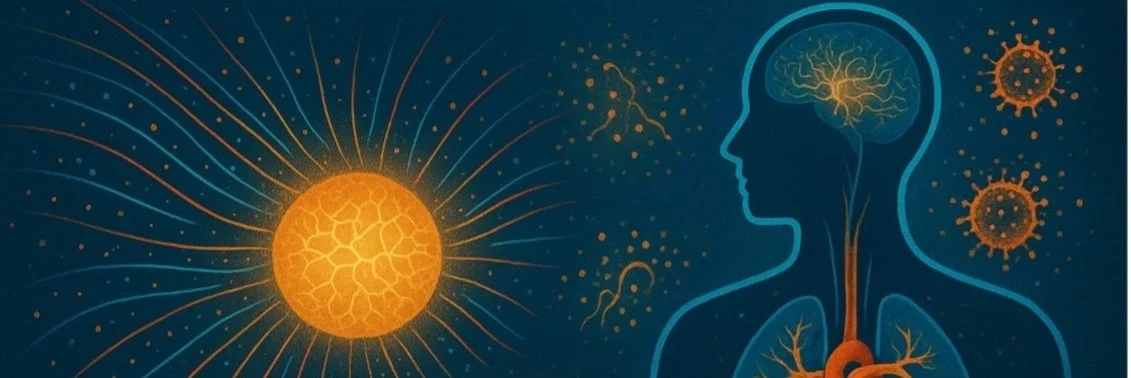
Understanding human health and disease requires structural insight across all scales, from the atomic to the tissue level, well beyond the classical boundaries of structural biology. Scattering and Imaging for Health Insights and New Evidence (SHINE) brings together expertise in electron microscopy and X-ray analysis to bridge the gap between molecular research and translational clinical applications, addressing fundamental questions in life, health, and disease.
The theme focuses on metabolic diseases, neurodegeneration, airway diseases, and transmittable diseases caused by viral and bacterial infections. By combining cryo-electron microscopy and tomography with synchrotron X-ray techniques, SHINE will develop integrated approaches that span the molecular, cellular, histological, and organ levels of organization. A particular priority is to facilitate clinicians and biomedical researchers in accessing and using large-scale facilities in Lund, including the cryo-EM infrastructure at MAX IV and the biomedical beamlines CoSAXS, BioMAX, and MicroMAX.
Across all of these aims, SHINE is committed to building lasting interdisciplinary collaborations that close critical knowledge gaps between basic science and clinical practice, maximizing the impact of existing capabilities and opening new avenues for diagnosis and treatment.
HAPPENING IN THEME

CORE GROUP
WORKING GROUPS FOR SHINE
WorkING Group 1
Metabolic diseases
Working Group 1 focuses on understanding the physiology of metabolic organs and how they interact. The group combines expertise in functional follow-up studies with knowledge in imaging and structural biology, with the aim of developing integrated approaches that advance our understanding of metabolic disease. Through workshops and seminars, including outreach via the LUDC early career network, the group will expose both established and young researchers to the range of imaging and scattering techniques available at large-scale facilities.
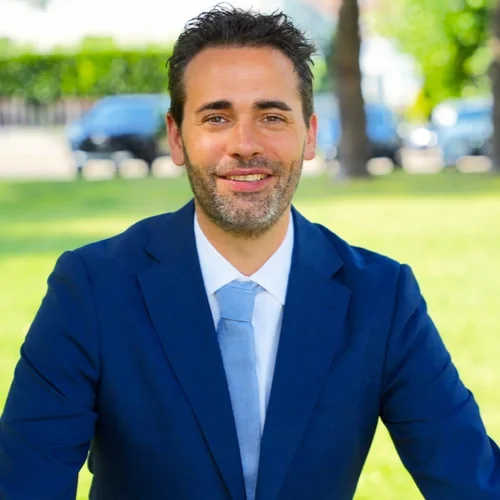
Generating Advances with AI for Neutrons/X-rays Core Group leader and member WG3 (AI for knowledge) LINXS Fellow
Associate professor, Lund University, Lund, Sweden
Pablo is an Associate professor at Lund University with a background in artificial intelligence and its application and integration into large-scale facilities to enable new applications. Pablo combines technical expertise with a clear vision for interdisciplinary collaboration across facilities and users. His experience spans algorithm development, data-driven modeling, and the application of AI to complex experiments at large-scale facilities, making him ideally positioned to bridge the gap between computational innovation and large-scale facilities such as MAX IV and ESS. He is a recipient and participant of several international grants covering novel aspects and applications of AI to large-scale facilities, such as a Starting ERC grant and an EIC Pathfinder Open. He is highly involved in the education of PhD students in the use of MAX IV and ESS, as he is the coordinator of the Lund University graduate school XANADU. Finally, he has worldwide collaborations within large-scale facilities.
WORKING GROUP 2
Airway diseases
Working Group 2 focuses on understanding the molecular mechanisms underlying airway diseases, including asthma, COPD, and allergic rhinitis, with the aim of translating findings into new clinical treatments. Bringing together experimental and clinical scientists from Lund, Stockholm, and Copenhagen, the group has access to a range of clinical samples including lung biopsies, epithelial brushes, bronchoalveolar lavage, and blood samples. Advanced imaging techniques will be used to elucidate the molecular interplay between local and systemic inflammation in airway diseases.
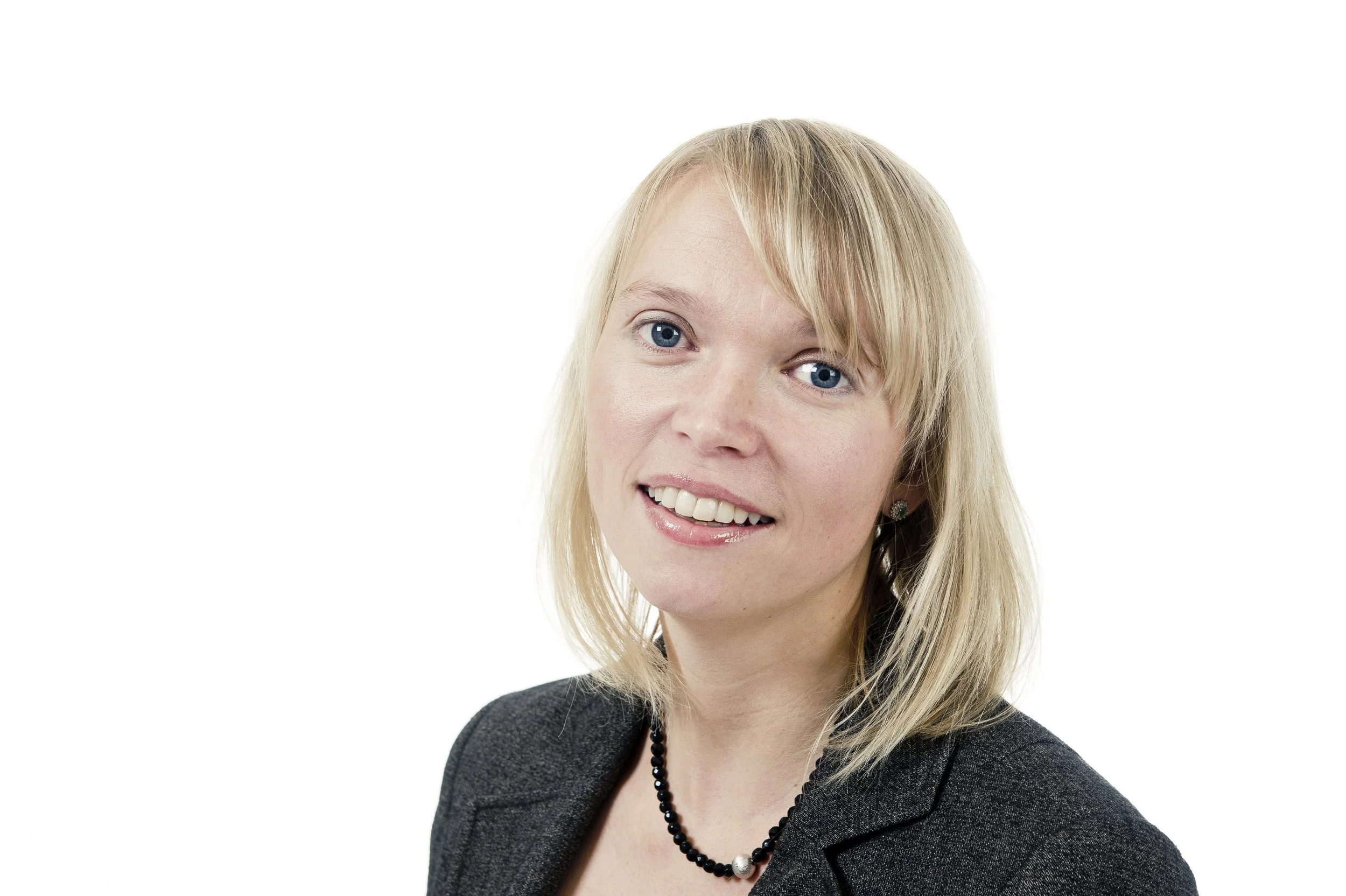
Scattering and lmaging for Health lnsights and New Evidence Core Group member and leader of WG2 (Airway diseases), LINXS Fellow
Professor, Lund University, Lund, Sweden
Prof. Uller is head of the research group Respiratory lmmunopharmacology at BMC, Lund with a clear translational research focus on airway diseases such as asthma and COPD as well as allergic rhinitis. The Uller team originally discovered an overproduction of the cytokine TSLP in the bronchial epithelium in patients with asthma and COPD that paved the way for a new personalized biological treatment for severe asthma. The Uller team studies the role of airway epithelium, the first line of defense, in airway diseases but also investigates how the epithelium initiates, orchestrates and shapes local and systemic inflammation in airway diseases. Furthermore, the team discovered an increased epithelial hyperreactivity to inhaled agents such as rhinovirus allergen and PM2.5 and now want to address how the epithelial barrier structure is influenced using integrative approaches by combining the use of X-rays and electrons.
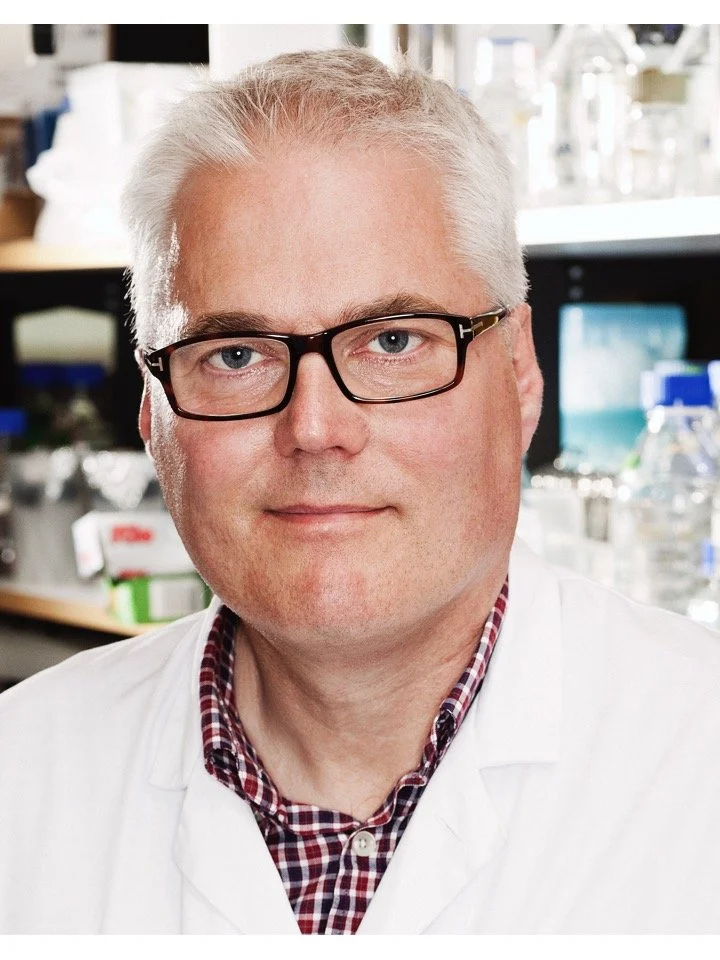
Scattering and lmaging for Health lnsights and New Evidence member of WG2 (Airway diseases), LINXS Fellow
Region Skåne, Lund University Hospital, Sweden
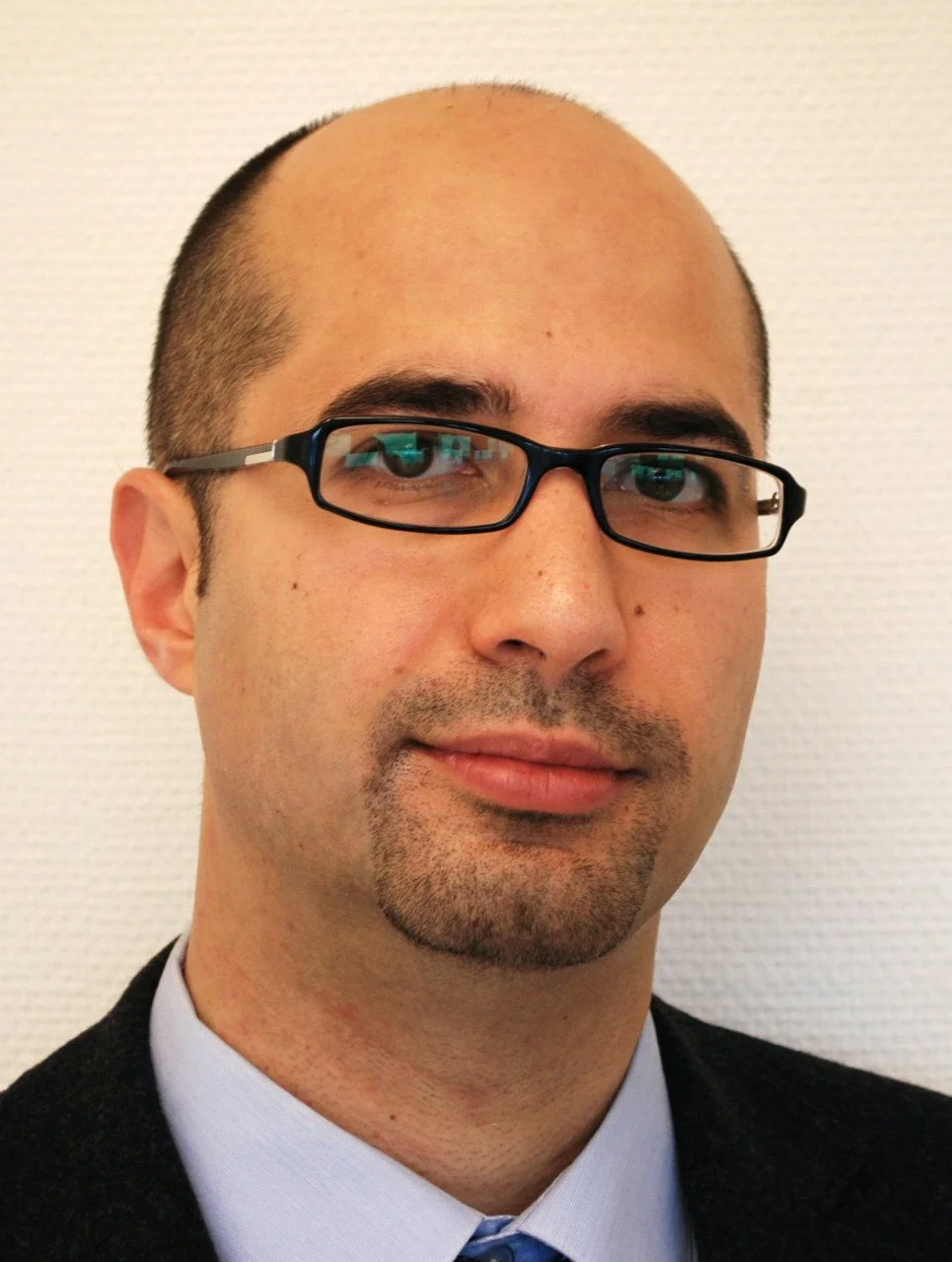
Scattering and lmaging for Health lnsights and New Evidence member of WG2 (Airway diseases), LINXS Fellow
Region Skåne, Lund University Hospital, Sweden
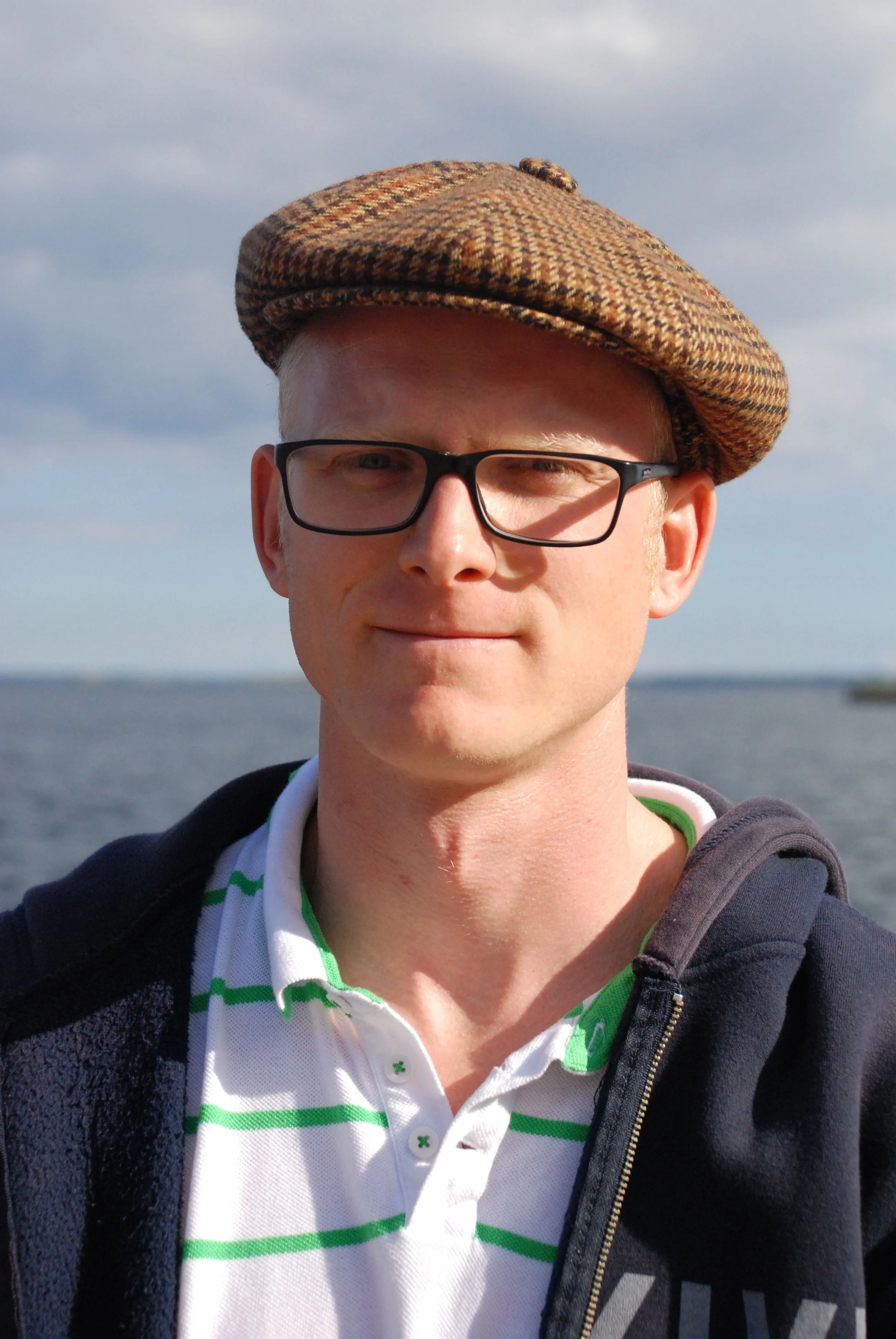
Scattering and lmaging for Health lnsights and New Evidence member of WG2 (Airway diseases), LINXS Fellow
Region Skåne, Lund University Hospital, Sweden

Scattering and lmaging for Health lnsights and New Evidence member of WG2 (Airway diseases), LINXS Fellow
Region Skåne, Lund University Hospital, Sweden
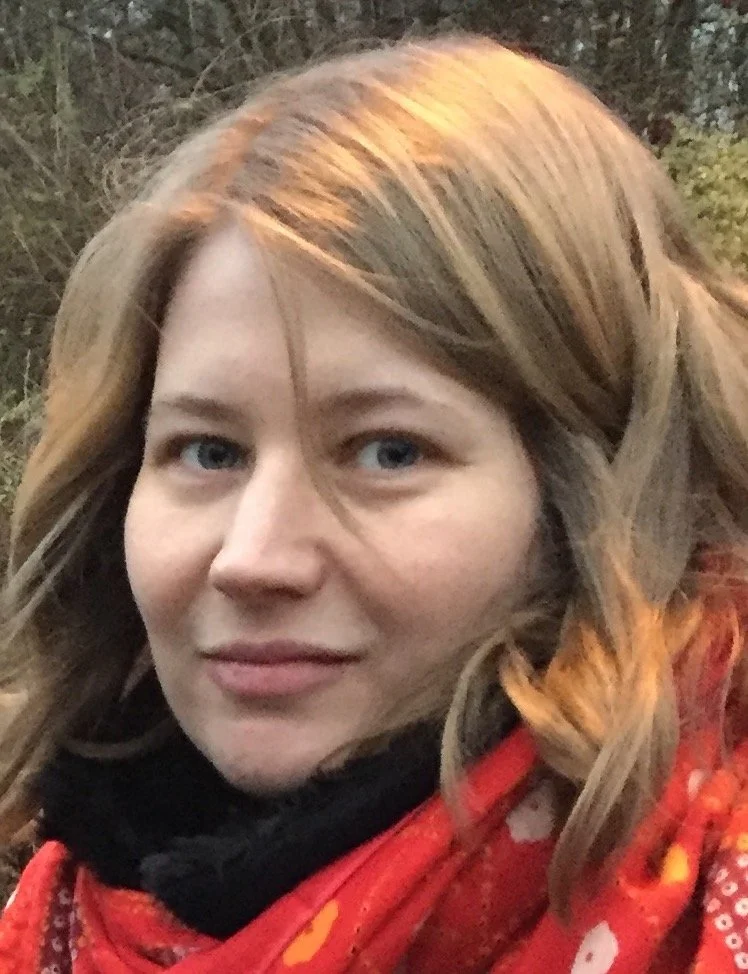
Scattering and lmaging for Health lnsights and New Evidence member of WG2 (Airway diseases), LINXS Fellow
Lund University, Sweden

Scattering and lmaging for Health lnsights and New Evidence member of WG2 (Airway diseases), LINXS Fellow
Lund University, Sweden
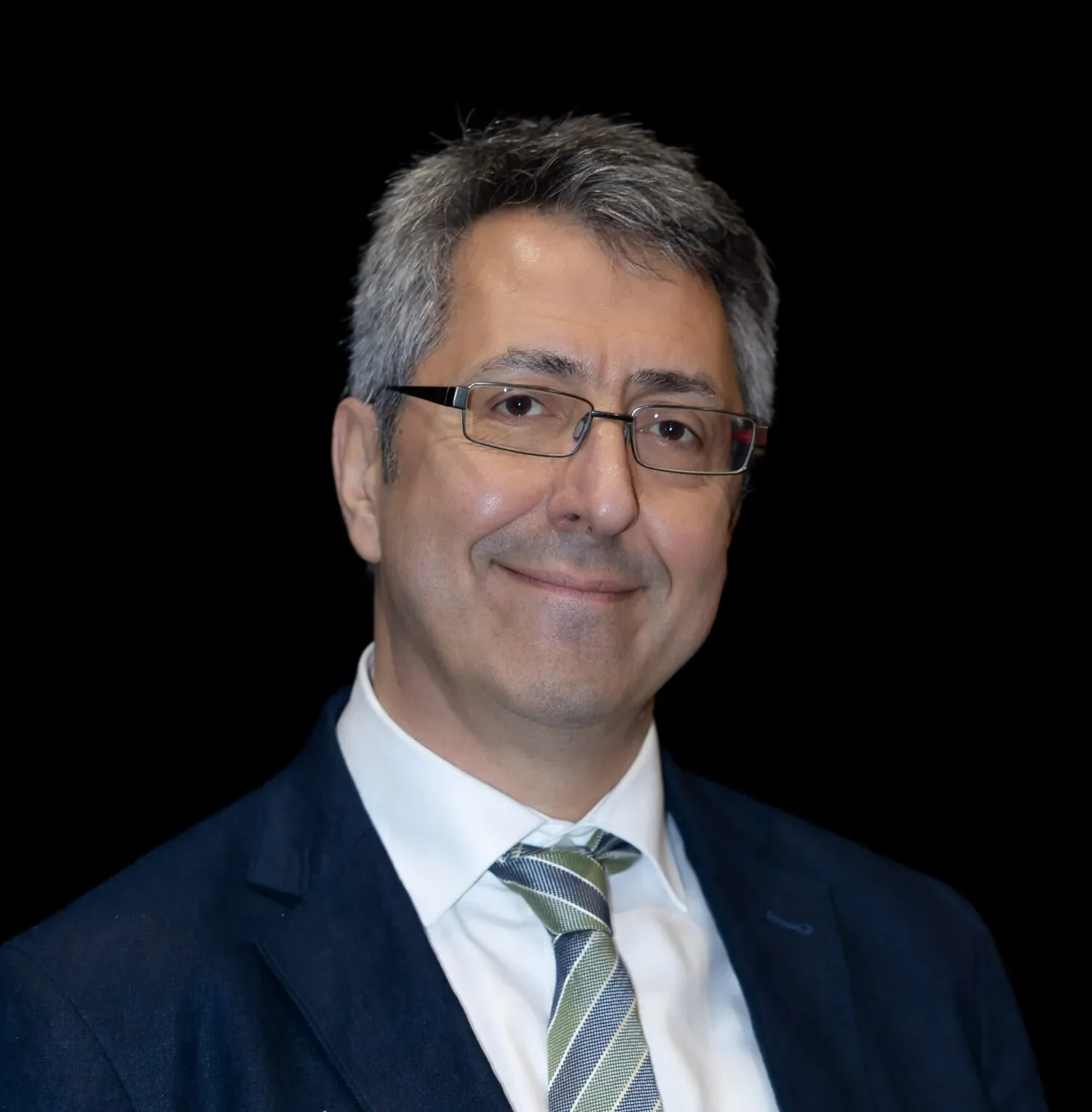
Scattering and lmaging for Health lnsights and New Evidence member of WG2 (Airway diseases), LINXS Fellow
Karolinska Institutet, Stockholm, Sweden
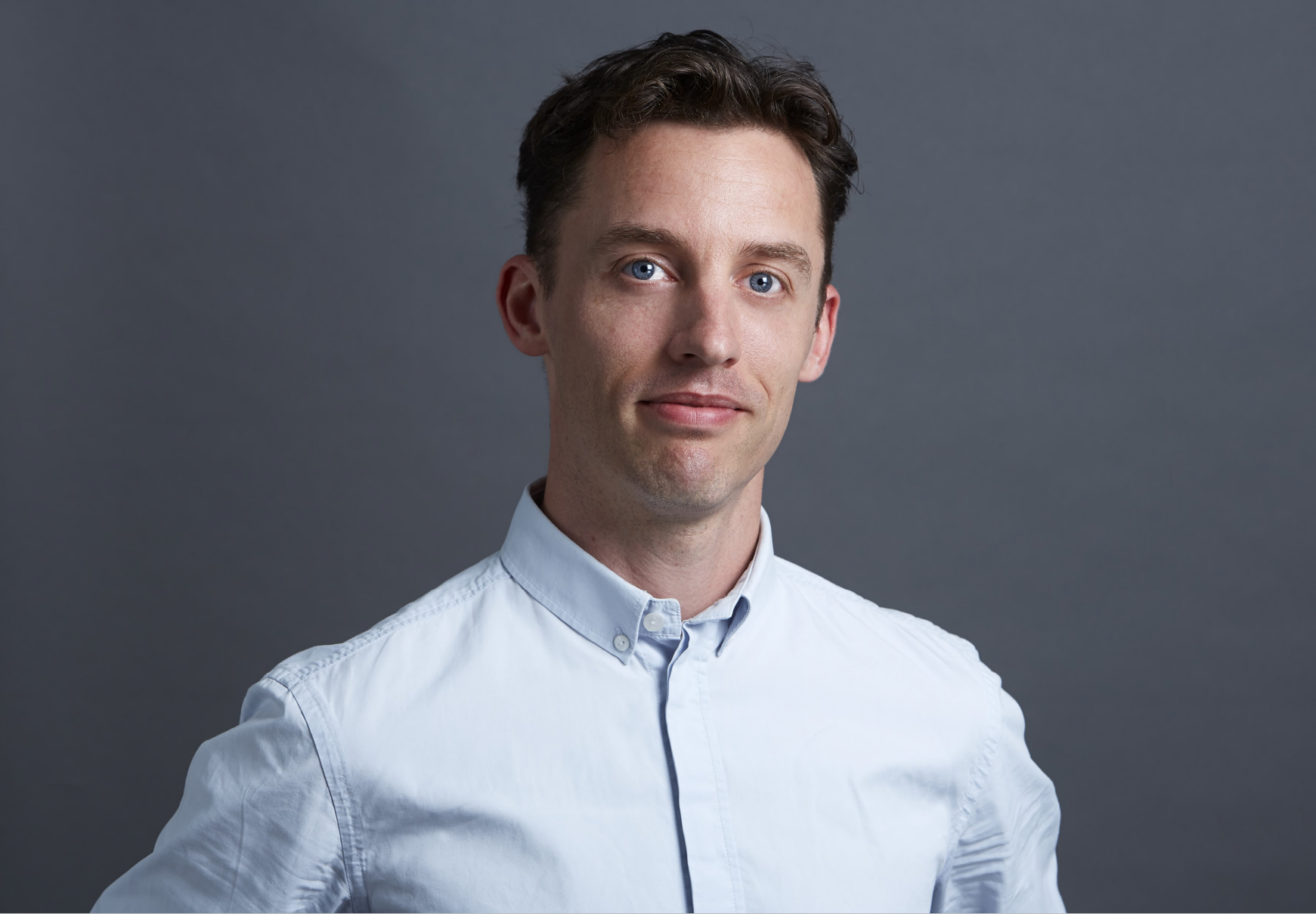
Scattering and lmaging for Health lnsights and New Evidence member of WG2 (Airway diseases), LINXS Fellow
Copenhagen University, Bispeberg Hospital, Denmark
WORKING GROUP 3
Transmittable diseases
Working Group 3 focuses on using electron microscopy to study infection processes across scales, from the molecular to the cellular level, covering both bacterial infections and eukaryotic viruses. The group combines expertise in single-particle reconstruction and tomography with a shared interest in understanding how bacteria, viruses, and bacteriophages interact. A particular emphasis is placed on Sweden-Japan collaboration, with the aim of building a lasting research network, facilitating personnel exchange, and targeting international funding opportunities such as STINT, JSPS, MIRAI, and the Human Frontier Science Program. The overarching goal is to attract more clinical infection researchers to make use of the advanced imaging capabilities available at MAX IV.
Scattering and lmaging for Health lnsights and New Evidence Core Group member and leader of WG3 (Transmittable diseases), LINXS Fellow
Professor, Lund University, Lund, Sweden
Prof. Hauryliuk's group conducts structure-functional studies of diverse molecular machines, combining biochemistry, NGS-based approaches and cryo-EM. The biological focus of the lab is infection, be it bacterial (here the focus is mechanisms of antibiotic resistance acting on the ribosome) or viral (here the focus is diverse innate anti-viral defence systems).
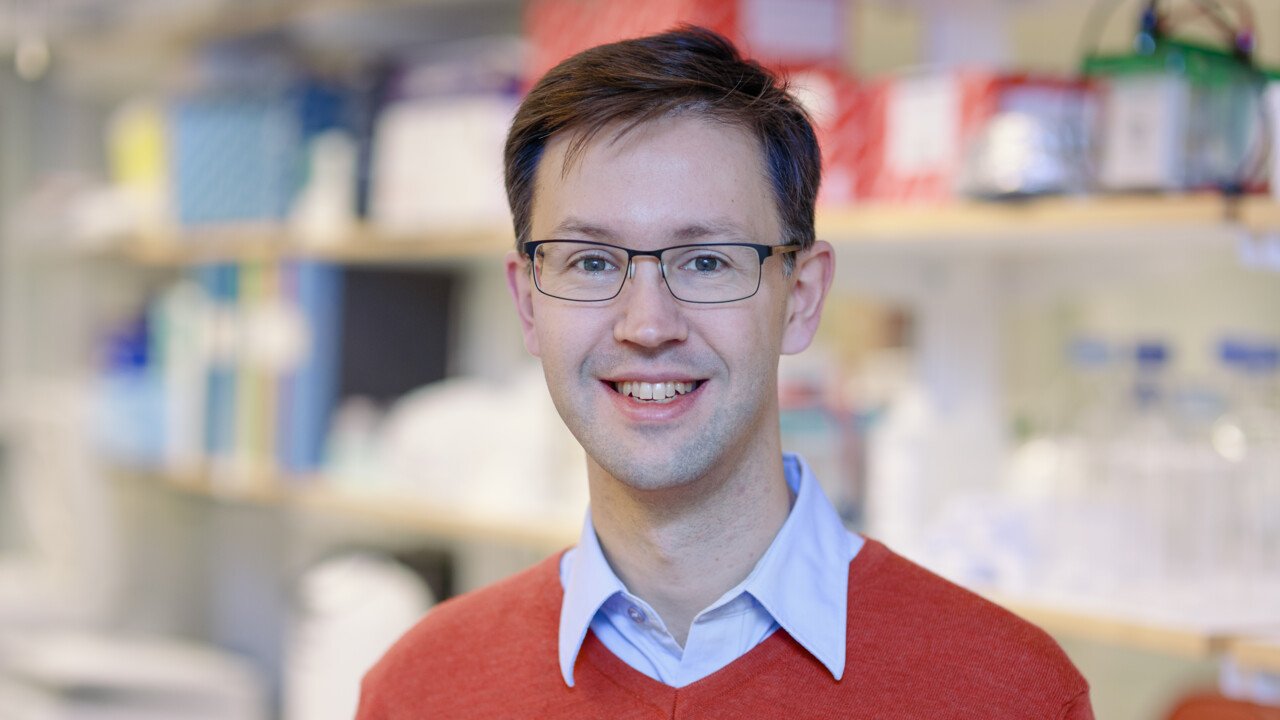
Scattering and lmaging for Health lnsights and New Evidence member of WG3 (Transmittable diseases), LINXS Fellow
Umeå University, Sweden
Scattering and lmaging for Health lnsights and New Evidence member of WG3 (Transmittable diseases), LINXS Fellow
Lund University, Sweden
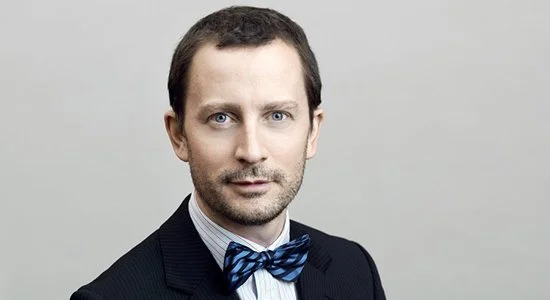
Scattering and lmaging for Health lnsights and New Evidence member of WG3 (Transmittable diseases), LINXS Fellow
Lund University, Sweden
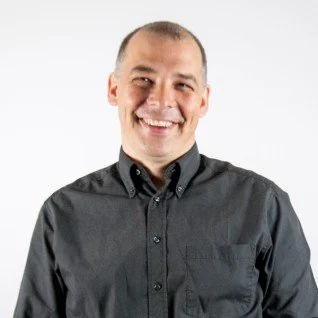
Scattering and lmaging for Health lnsights and New Evidence member of WG3 (Transmittable diseases), LINXS Fellow
Okinawa Institute of Science and Technology, Japan
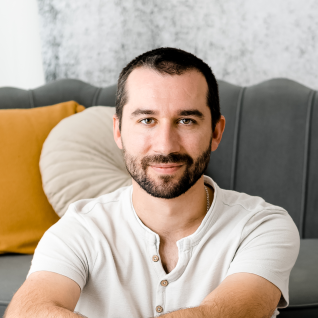
Scattering and lmaging for Health lnsights and New Evidence member of WG3 (Transmittable diseases), LINXS Fellow
Okinawa Institute of Science and Technology, Japan
Scattering and lmaging for Health lnsights and New Evidence member of WG3 (Transmittable diseases), LINXS Fellow
Toyama Prefectural University, Japan
Scattering and lmaging for Health lnsights and New Evidence member of WG3 (Transmittable diseases), LINXS Fellow
RIKEN, Japan
Scattering and lmaging for Health lnsights and New Evidence member of WG3 (Transmittable diseases), LINXS Fellow
National Institute of Infectious Diseases, Japan
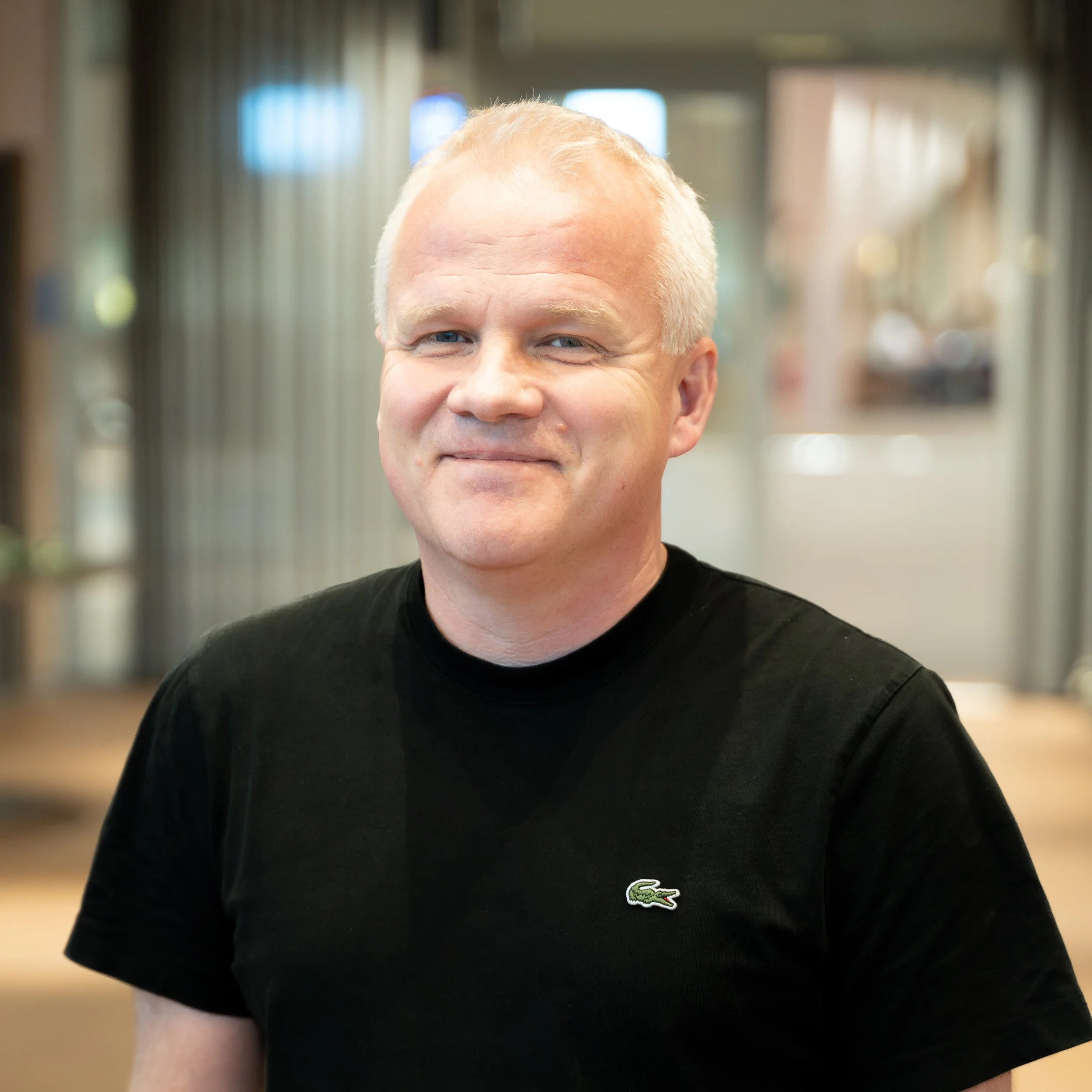
Scattering and lmaging for Health lnsights and New Evidence Core Group member and leader of WG3 (Transmittable diseases), LINXS Fellow.
Lund University, Sweden
WORKING GROUP 4
Neurodegenerative diseases
Working Group 4 focuses on protein aggregation and proteinopathies in neurodegenerative diseases including Alzheimer's, Parkinson's, Huntington's disease, and vascular dementia. The group studies disease processes across scales, from molecular aggregation and protein structure to cellular and tissue-level changes, including inflammatory responses triggered by protein aggregates and therapeutic approaches to facilitate their clearance. The aim is to attract and inspire more clinical and basic researchers to make use of the advanced imaging and scattering capabilities at MAX IV, supported by personnel exchange and joint grant applications.
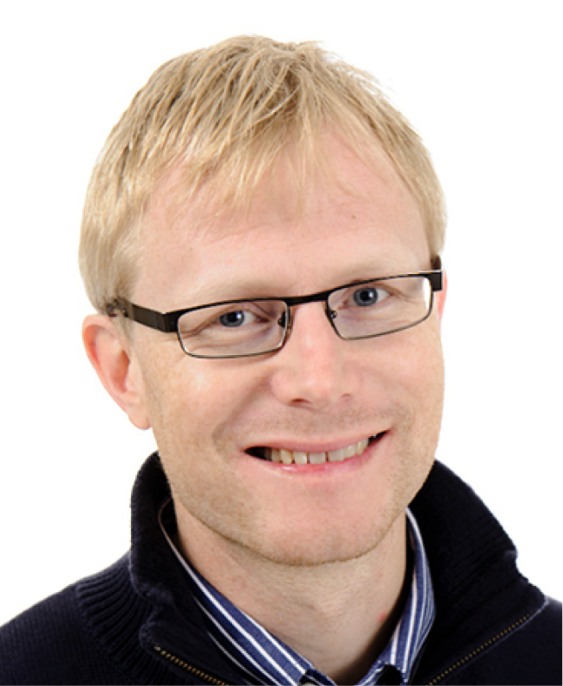
Scattering and lmaging for Health lnsights and New Evidence Core Group member and leader of WG4 (Neurodegenerative diseases), LINXS Fellow
Professor, Lund University, Lund, Sweden
Prof. Deierborg is leading the research group Experimental Neuroinflammation Laboratory. His research on neurodegenerative diseases characterized by protein aggregation, such as Alzheimer's and Parkinson's disease. He is focusing on neuroinflammatory aspects and especially the function of microglia, known to be a reactive cell related to disease pathogenesis. The lab has revealed new ligands to immune receptors central in inflammation, and how inflammatory molecules can change the structure on diseases causing proteins. Experimental discoveries from his lab have led to clinical trials.
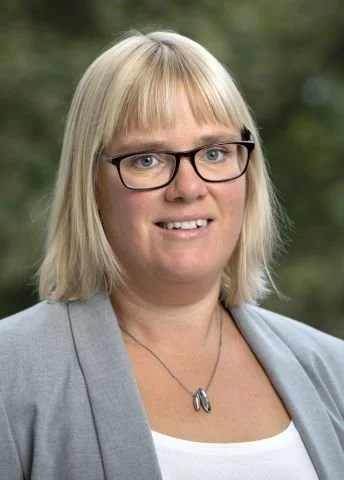
Scattering and lmaging for Health lnsights and New Evidence member of WG4 (Neurodegenerative diseases), LINXS Fellow
Chalmers University of Technology, Gothenburg, Sweden
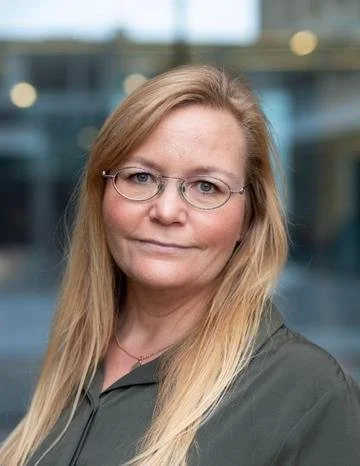
Scattering and lmaging for Health lnsights and New Evidence member of WG4 (Neurodegenerative diseases), LINXS Fellow
University of Gothenburg, Sweden
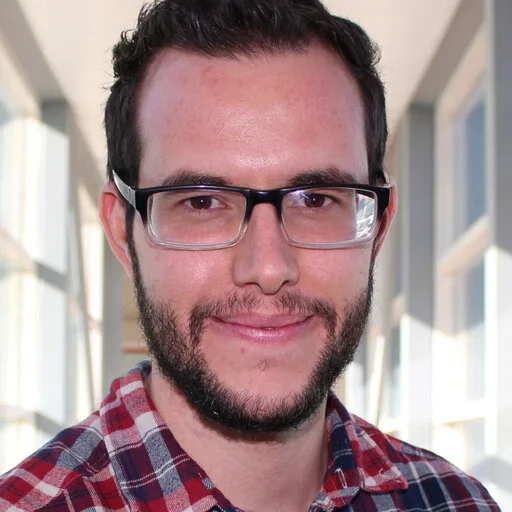
Scattering and lmaging for Health lnsights and New Evidence member of WG4 (Neurodegenerative diseases), LINXS Fellow
Karolinska Institutet, Stockholm, Sweden
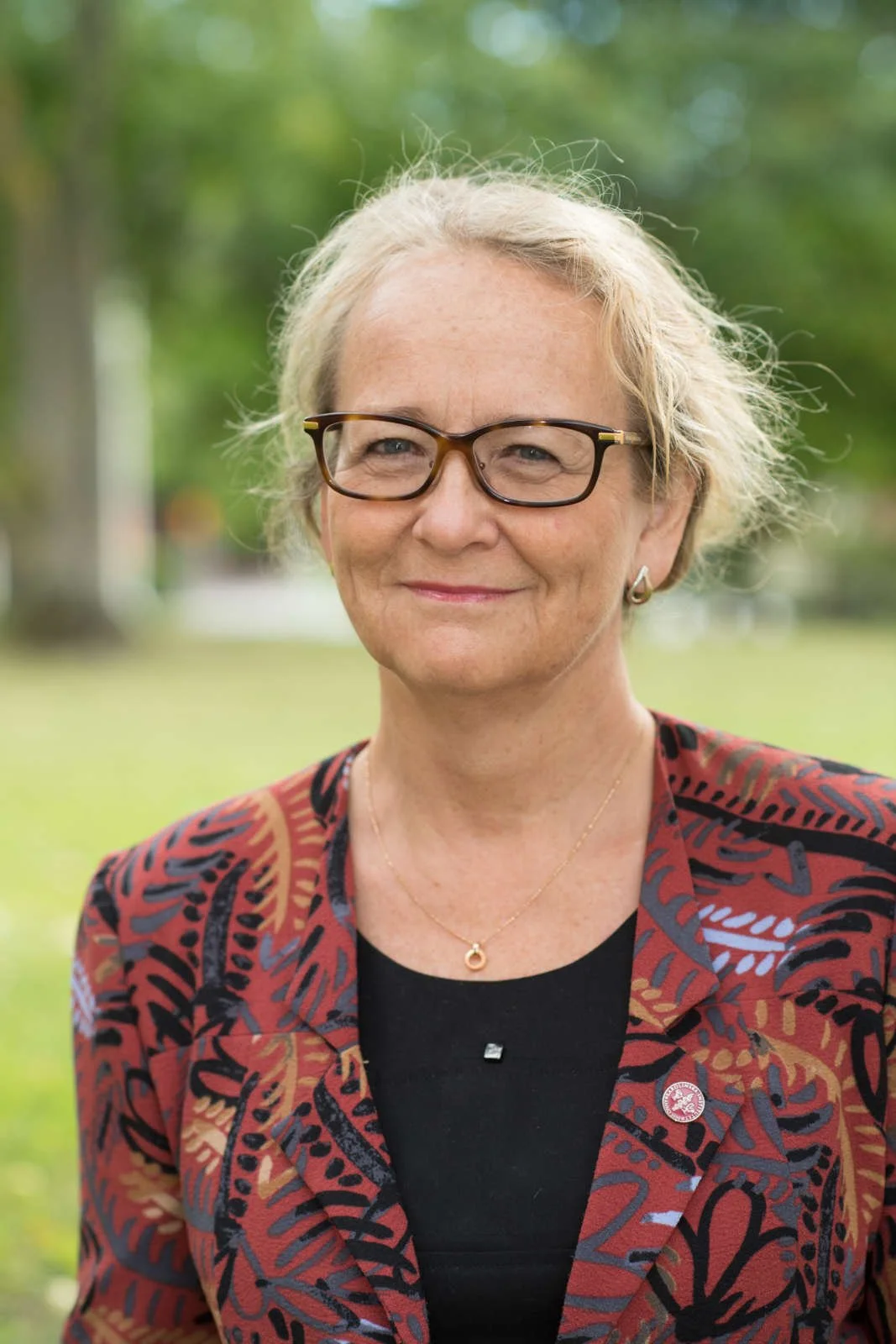
Scattering and lmaging for Health lnsights and New Evidence member of WG4 (Neurodegenerative diseases), LINXS Fellow
Karolinska Institutet, Stockholm, Sweden
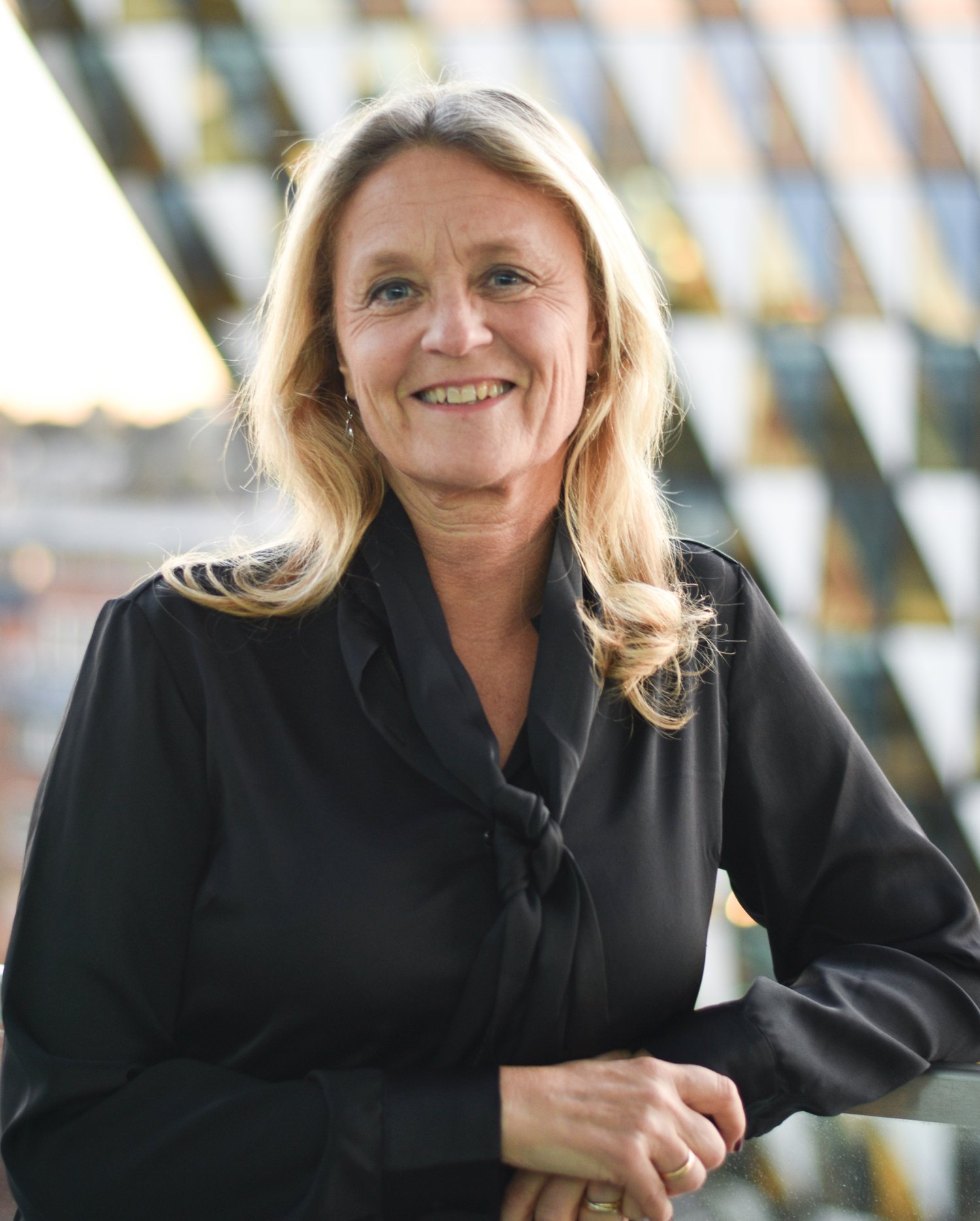
Scattering and lmaging for Health lnsights and New Evidence member of WG4 (Neurodegenerative diseases), LINXS Fellow
Karolinska Institutet, Stockholm, Sweden
Scattering and lmaging for Health lnsights and New Evidence member of WG4 (Neurodegenerative diseases), LINXS Fellow
Karolinska Institutet, Stockholm, Sweden
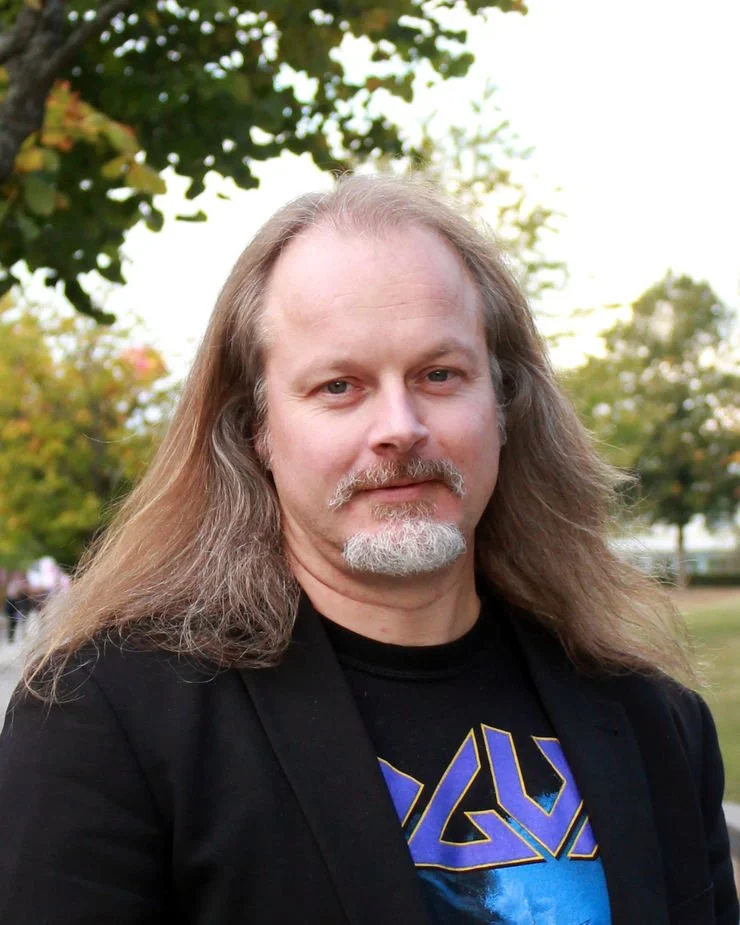
Scattering and lmaging for Health lnsights and New Evidence member of WG4 (Neurodegenerative diseases), LINXS Fellow
Linköping University, Sweden
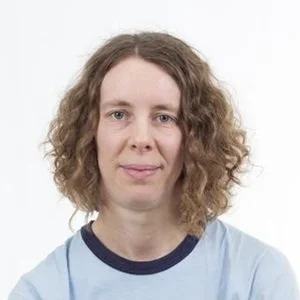
Scattering and lmaging for Health lnsights and New Evidence member of WG4 (Neurodegenerative diseases), LINXS Fellow
Linköping University, Sweden
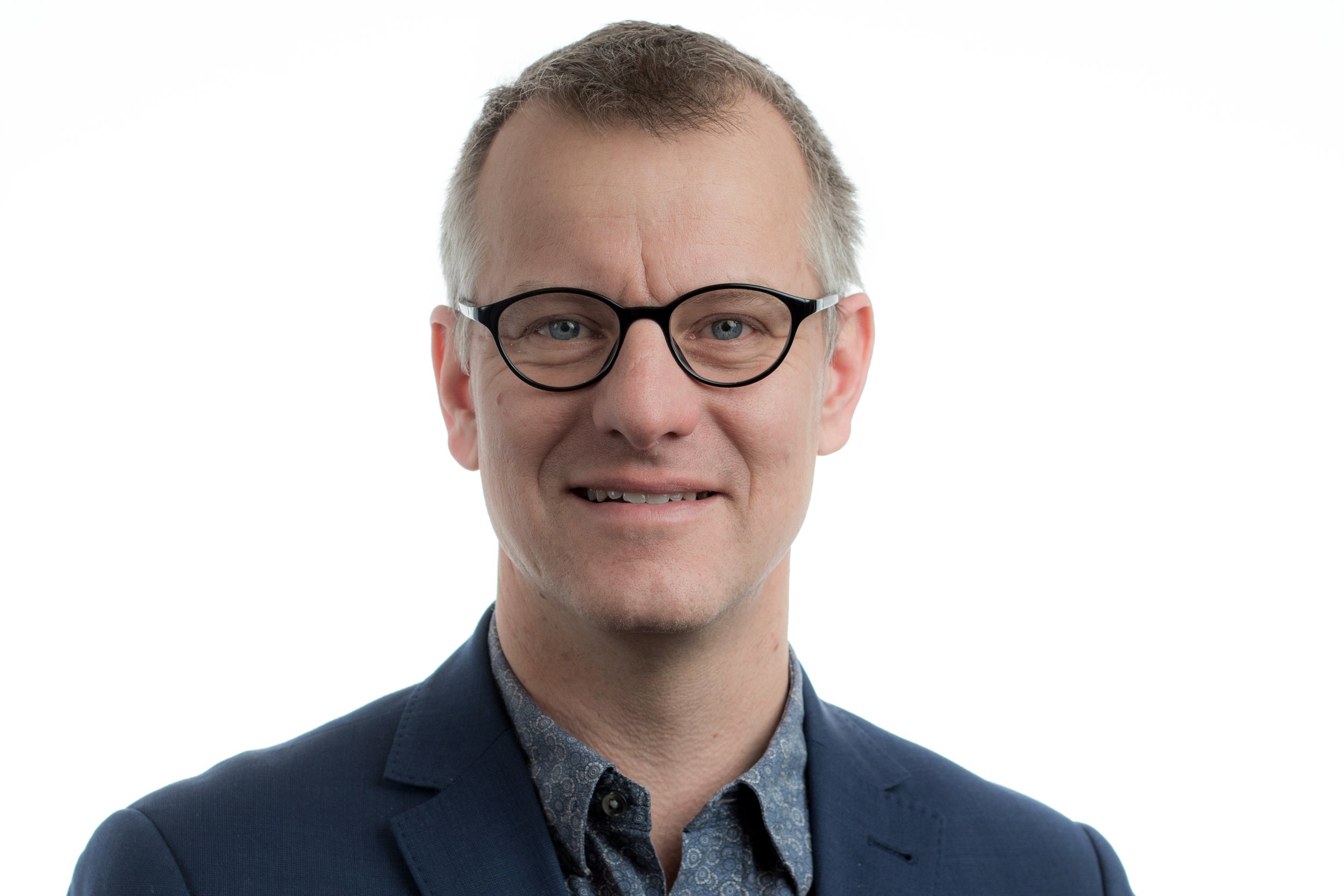
Scattering and lmaging for Health lnsights and New Evidence member of WG4 (Neurodegenerative diseases), LINXS Fellow
Linköping University, Sweden
SHINE news articles
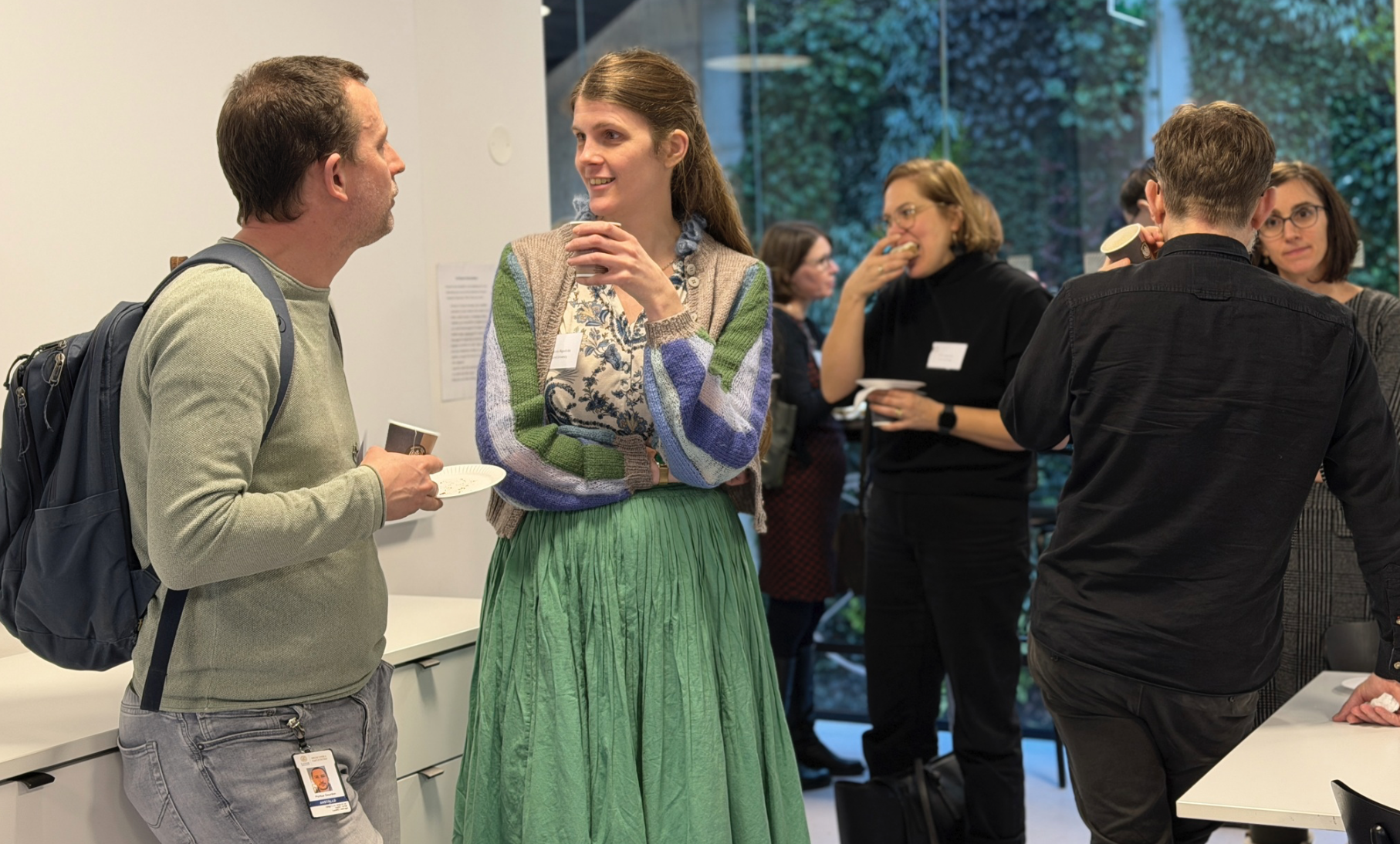

SHINE upcoming events
SHINE past events
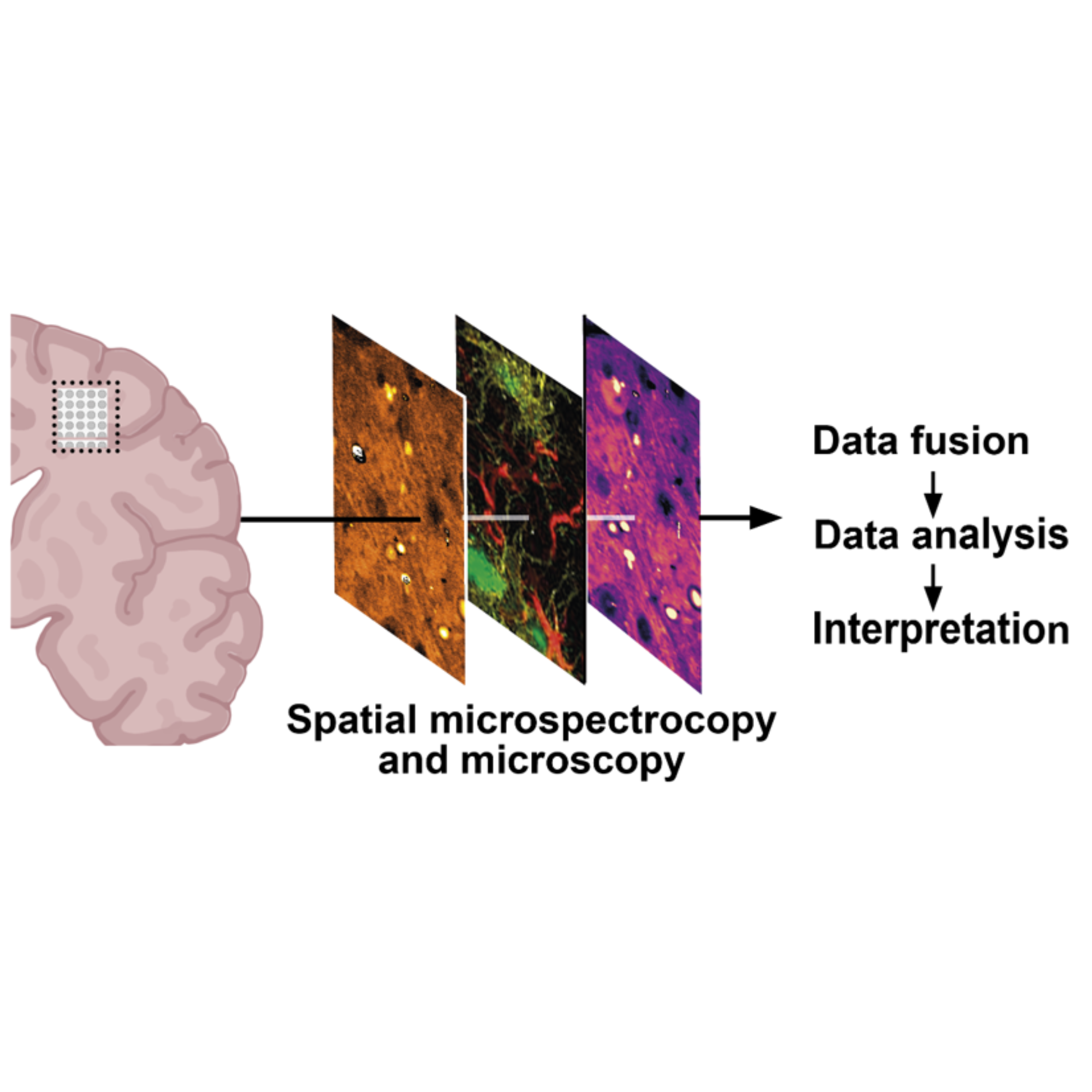
Join us for a two-day workshop on on advanced imaging, spectroscopy, and AI for multiscale brain research, organised by LINXS Themes AIDA and SHINE!
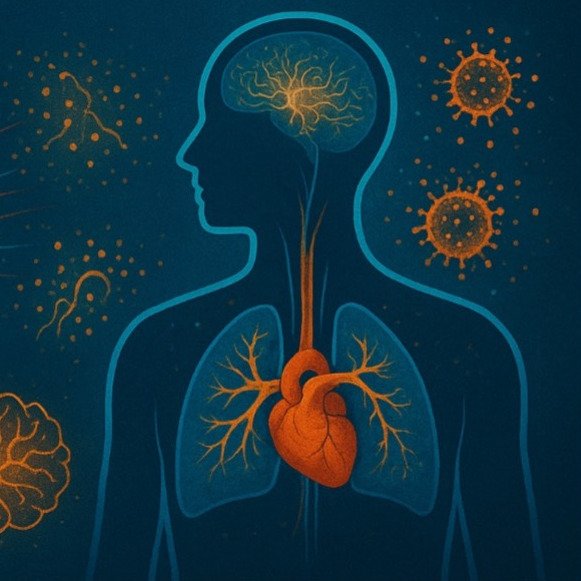
The seminar aims to introduce imaging techniques available at MAXIV to a broader audience. To this end, Trevor Forsyth, Karin Lindkvist, and Anu Tyagi will introduce LINXS and ultrastructural imaging techniques.
Generating Advances with AI for Neutrons/X-rays Core Group leader and member WG3 (AI for knowledge) LINXS Fellow
Associate professor, Lund University, Lund, Sweden
Pablo is an Associate professor at Lund University with a background in artificial intelligence and its application and integration into large-scale facilities to enable new applications. Pablo combines technical expertise with a clear vision for interdisciplinary collaboration across facilities and users. His experience spans algorithm development, data-driven modeling, and the application of AI to complex experiments at large-scale facilities, making him ideally positioned to bridge the gap between computational innovation and large-scale facilities such as MAX IV and ESS. He is a recipient and participant of several international grants covering novel aspects and applications of AI to large-scale facilities, such as a Starting ERC grant and an EIC Pathfinder Open. He is highly involved in the education of PhD students in the use of MAX IV and ESS, as he is the coordinator of the Lund University graduate school XANADU. Finally, he has worldwide collaborations within large-scale facilities.