
LINXS: close to a decade of facilitating science at MAX IV
For almost ten years, LINXS has facilitated researchers’ use of MAX IV, highlighting the potential and exploitation of the powerful synchrotron X-ray beams and helping the growth and development of a diverse user community. This work has significantly impacted the quantity, scope, and quality of the science, and has led to a growing number of beamtime applications and increased collaborations.
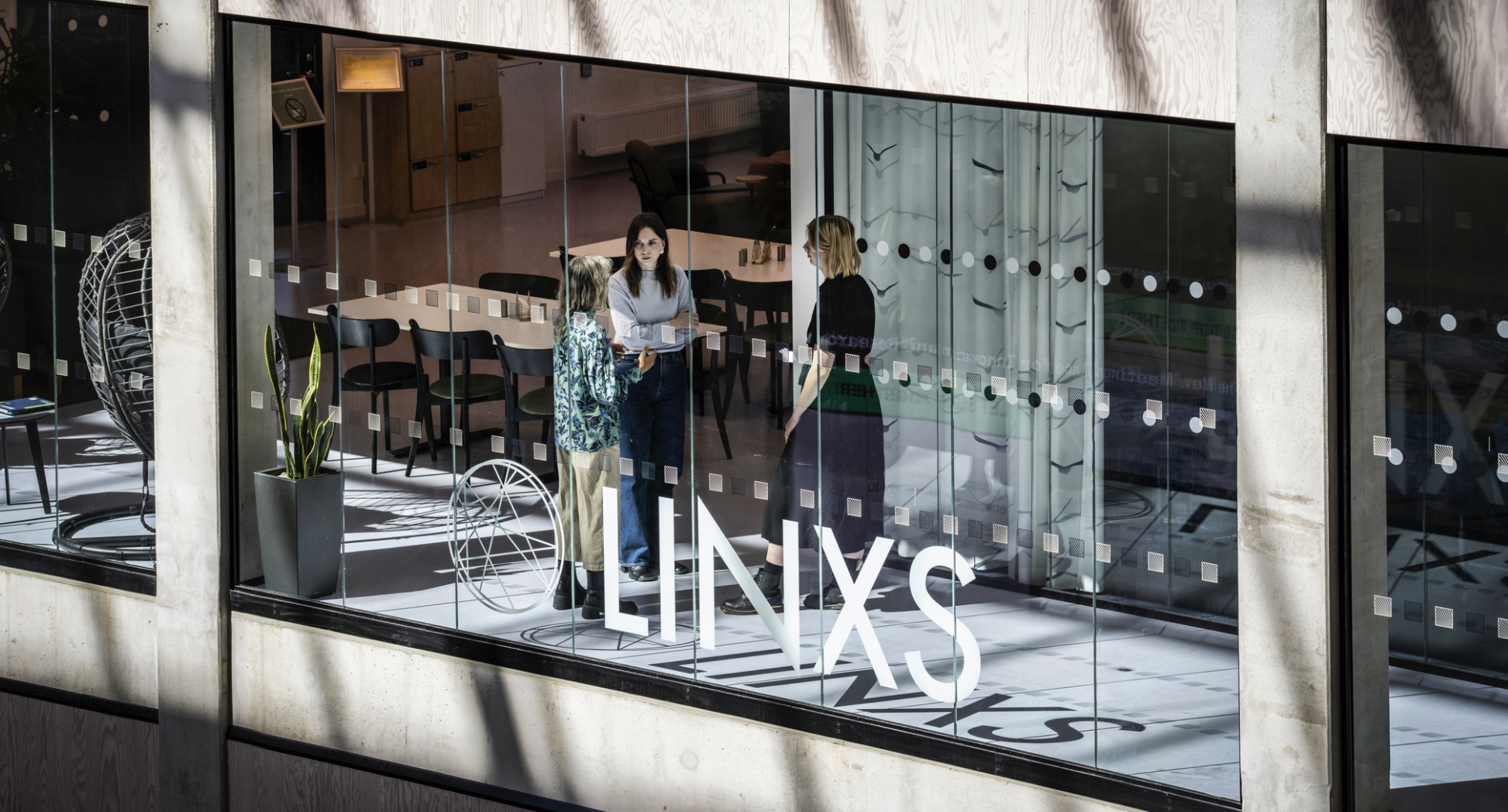
LINXS was founded in 2017 with a mission to promote science and education focusing on the use of neutrons and X-rays.
“LINXS research Themes result in a wide range of novel collaborations involving researchers having different backgrounds,” says LINXS Director Trevor Forsyth. “This impacts on facility capabilities through beamtime applications and often through research project funding that otherwise would not have occurred. What unites all of the Themes is that the collaborations add up to a great deal more than the sum of their parts.”
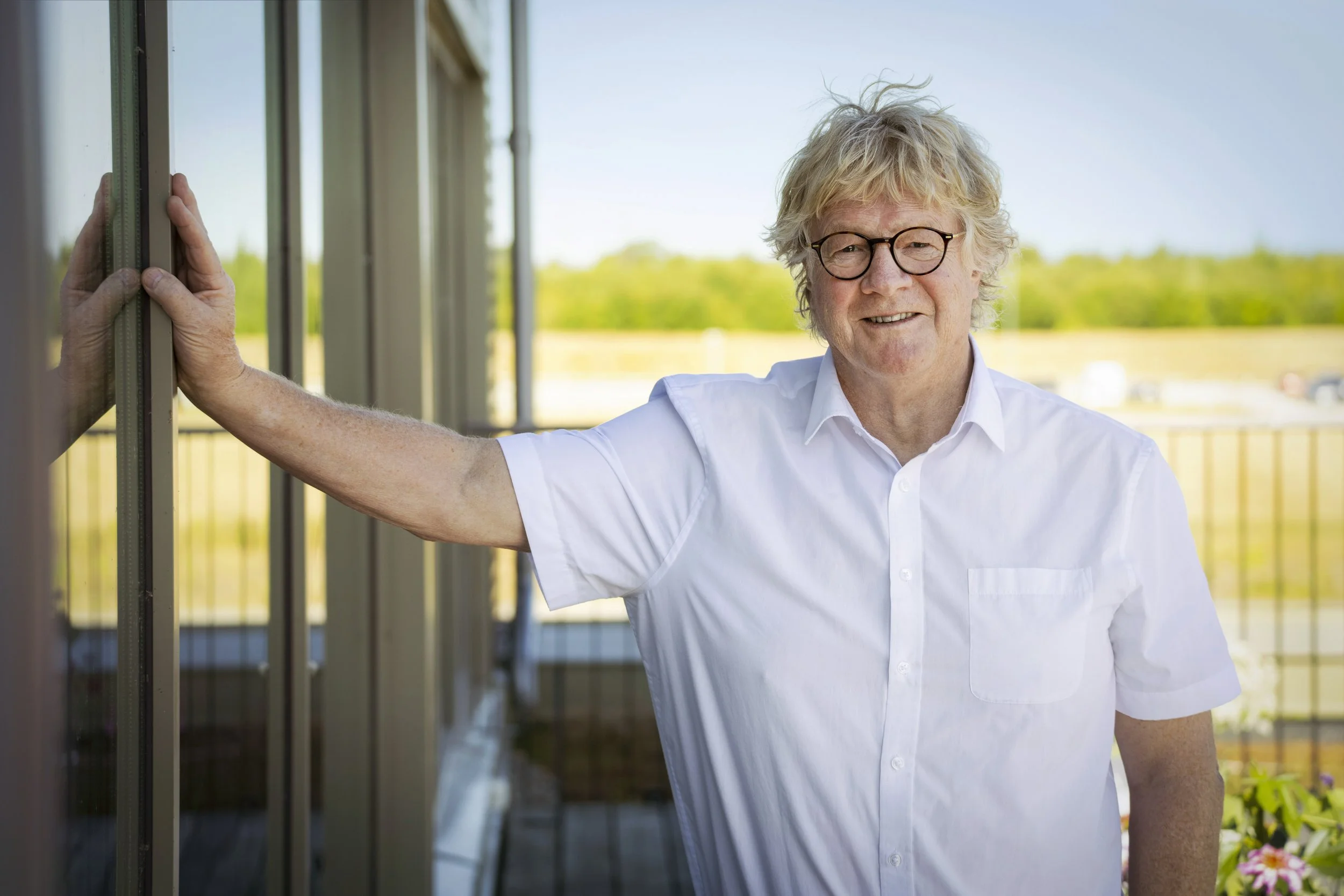
LINXS Director Trevor Forsyth. Photo: Johan Persson.
LINXS has grown steadily since the institute opened in 2017 and during this time 16 research Themes have been resourced, each lasting three years. Initially three Themes ran concurrently but this has grown, and as of 2025/2026 LINXS operates at a steady state of ten Themes. The Themes are awarded competitively and prioritised by an external and impartial Science Advisory Board. The Theme focus areas have varied widely, including imaging, soft matter, drug design, integrative structural biology, heritage science, climate and environment, quantum materials, semiconductors, and rheometry.
Opening doors to MAX IV
Researchers who have led or been part of different activities throughout the years highlight how LINXS opens doors to MAX IV and other facilities.
One example is how the number of applications for advanced rheometry experiments at MAX IV has increased significantly since the start of the RheoMAXESS Theme at LINXS in 2025. The Theme itself grew out of the early success of new techniques developed within the Advanced Rheological Testing Science Initiative (artSI) at MAX IV.
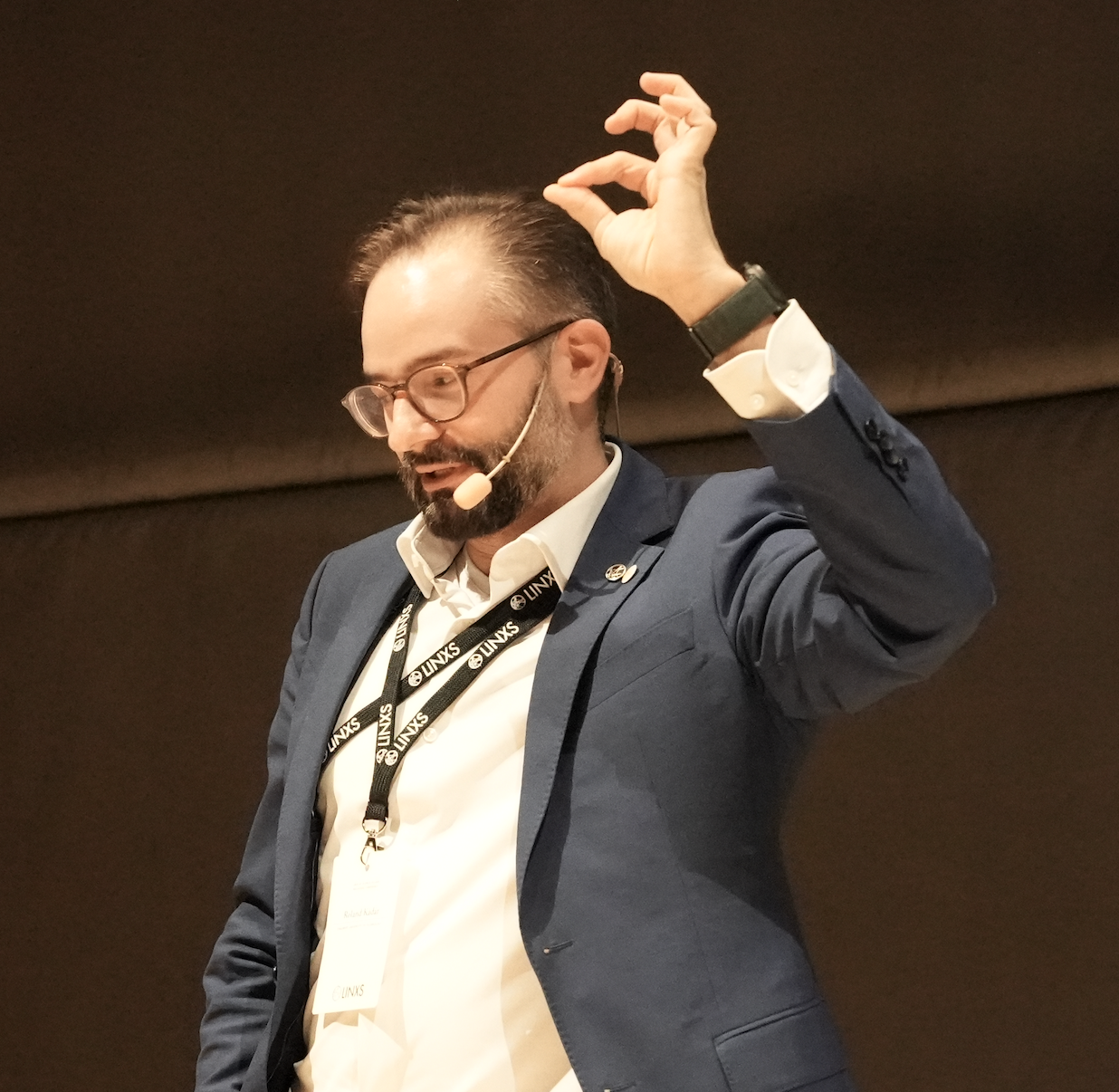
Roland Kádár, professor at Chalmers University of Technology and leader of the RheoMAXESS Theme at LINXS.
“The RheoMAXESS Theme has become the platform that was needed for creating new networks with a shared interest in rheology,” says Roland Kádár, Theme leader and professor of rheology at Chalmers University of Technology.
“It is not enough to just have a good technique if no one knows about it. You also need to have the means to reach out. Now we are seeing proof that more researchers are eager to explore how rheology can support their research questions.”
Another LINXS Theme, the Heritage Science Theme, has organised several events to introduce X-ray methods and educate new users. The Theme brings together researchers and professionals from all over Europe working in archaeology, geology, art history and conservation.
“We create networks and help open doors to new possibilities. As these methods develop so rapidly and the heritage science field is so broad, we need to continuously educate people in how to access and use large facilities,” says Theme leader Mikael Fauvelle, archaeologist at Lund University.
Supporting data analysis
LINXS and its Themes are also working to support data analysis and processing, which remain key bottlenecks in translating experimental results into published output. This work includes hackathons to analyse data from different synchrotron techniques, data clinics that provide specialist support, and the installation of four powerful workstations at LINXS that are free to use for researchers on an ad-hoc basis.
The Theme Advanced Imaging and Data Analysis (AIDA), co-led by MAX IV, has put a special spotlight on how to improve workflows after experiments, which is essential for supporting researchers to work with their data.
“This is what AIDA is all about: creating a platform for training and help for data and image analysis. The more knowledge exchange and interaction we have around the beamlines and large-scale infrastructures, the easier we can find solutions,” says Theme leader Martin Bech, senior lecturer in medical radiation physics at Lund University.
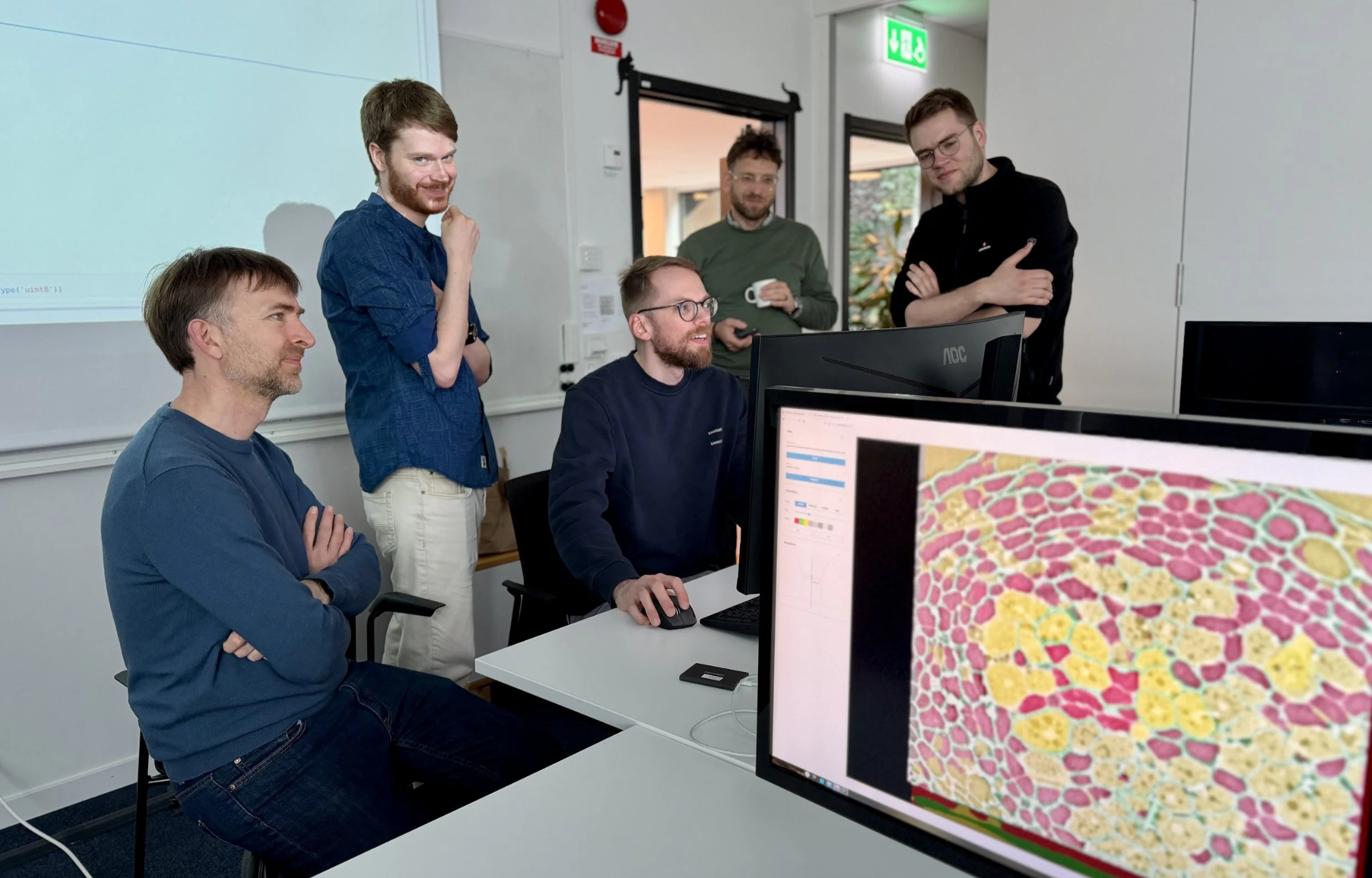
AIDA Theme leader Martin Bech (to the front left) pictured during the very first Data Clinic at LINXS in April 2026. It was organised by the AIDA Theme in collaboration with QIM - The Center for Quantification of Imaging Data from MAX IV. They used Insegt3D, a software that they have developed themselves, to analyse tomographic data from imaging experiments with different biological samples.
Supporting the next generation of MAX IV users
LINXS’ young researchers’ initiatives (YRI) for hard matter, soft matter and life science support PhD students and postdoctoral researchers to access science infrastructures and to collaborate locally, nationally, and internationally. Through organising events and workshops, they introduce different techniques, encourage peer-to-peer learning and lower the barriers for young researchers to reach out to beamline scientists and learn from more experienced facility users.
Simona Bianco works at the CoSAXS beamline at MAX IV and has organised many events aimed at early-career researchers.
“I believe that these techniques should be made more easily approachable and understandable to prospective users and this can only be achieved through collaborations, talks and workshops!”
Collaborations and summer schools with MAX IV
Many of LINXS’ Themes include researchers and beamline scientists from MAX IV. Events, summer schools and webinar series are often organised in collaboration with MAX IV and other large-scale facilities.
The interaction between researchers and instrument scientists is key to supporting user groups, developing the beamlines, identifying researchers’ needs, and finding new ways of performing experiments.
“Collaboration is an extremely important aspect of modern science and never more so than at large-scale facilities such as MAX IV. Over the next decade, I can see LINXS continuing to play a key role in strengthening the user communities, their relation to MAX IV, ESS and other infrastructures, and to the development of the huge potential of Science Village at Brunnshög,” says Trevor Forsyth.
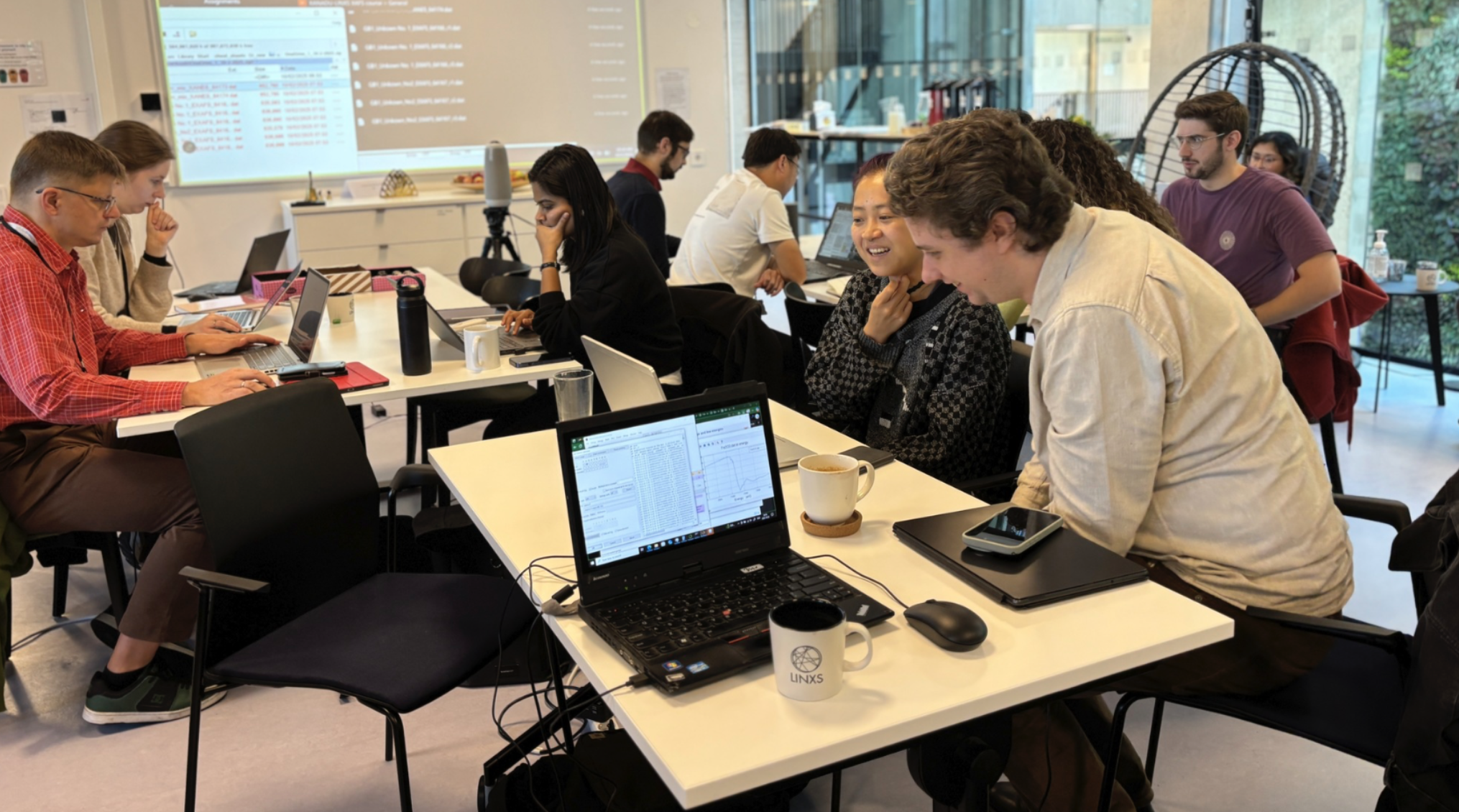
Participants at the PhD XAS-school held at LINXS in autumn of 2025. It trains new or early users to design, plan, prepare, perform and analyse an X-ray absorption spectroscopy experiment at a synchrotron beamline.