
Knowing and Fighting the Virus: highlights from the PandA Symposium
The PandA theme symposium at LINXS brought virologists, researchers and instrument scientists together to explore the potential of X-rays, neutrons and complementary techniques to understand and fight viruses.
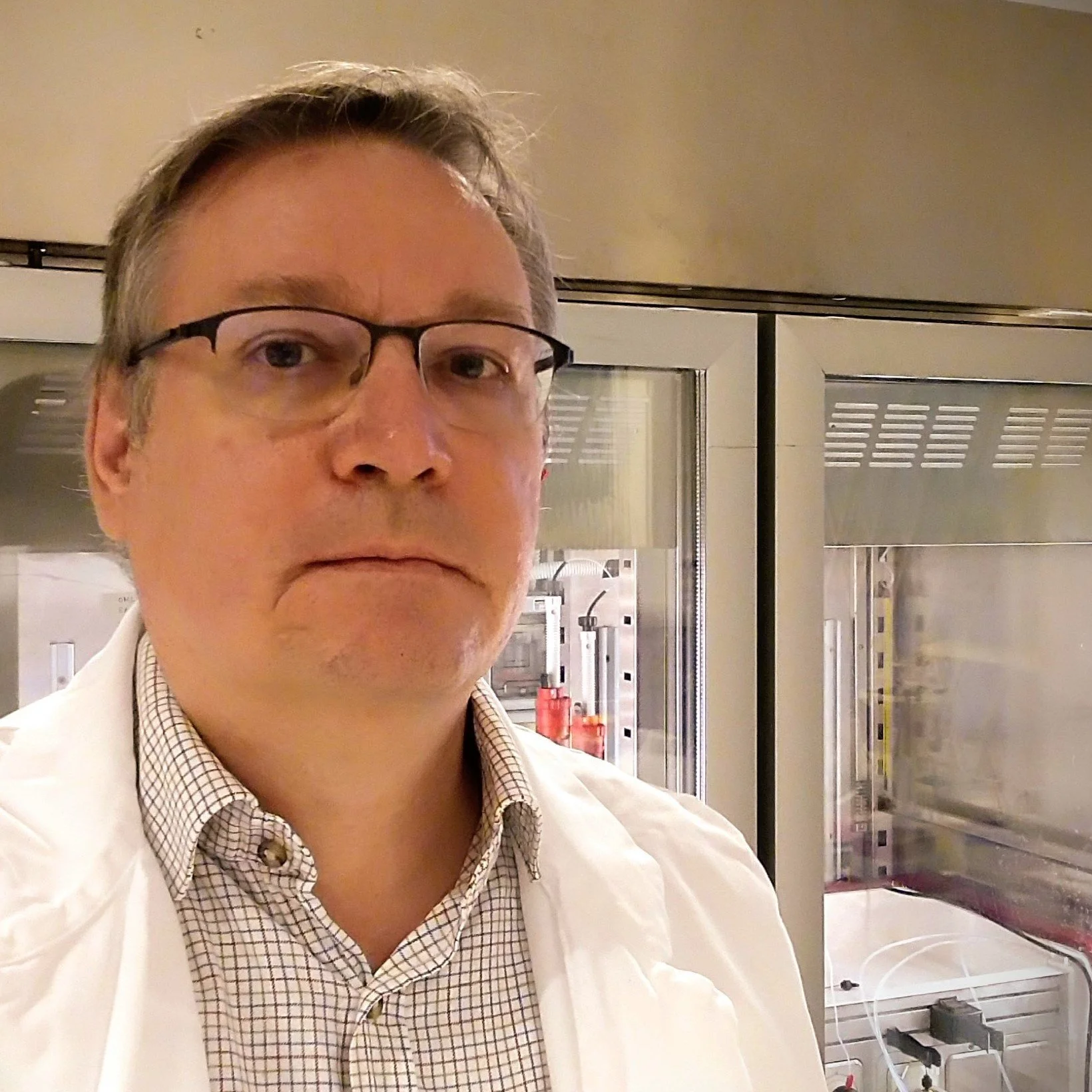
Wolfgang Knecht was happy with the symposium that gathered virologists, instrument scientists and researchers to discuss the potential of X-rays, neutrons and complementary techniques for understanding virus behaviour.
“With this event, we wanted to present science, encourage interaction and showcase the facilities and their potential. Within the theme, some of us know each other well, but others have never met until now, says theme leader Wolfgang Knecht, who is also a senior lecturer at Lund University, SciLife group leader, and Director of the Lund Node of Protein Production Sweden.
The scientific programme presented science and case-studies connected to the theme’s three working groups. They focus on understanding the virus, fighting the virus, and on the use of enabling and complementary techniques. The programme also included tours of both MAX IV and ESS.
“It is important to see the facilities in real life to properly understand how they can enable new science on virus behaviour. Equally, instrument scientists need to meet virologists to understand their specific challenges and research questions.”
Developing these types of relationships contributes to pandemic resilience explains Wolfgang Knecht. It is also in line with Sweden’s first national strategy for protection against biological threats, published by the government in September 2026. One key focus of this strategy is preparation – a prerequisite for being better able to handle future pandemics as phrased in the report: “An ongoing dialogue….can effectively streamline communication between the relevant stakeholders in the event of a crisis”.
“This is exactly what we do in the PandA theme, creating forums for people to meet so that we are not starting from zero when the next virus strikes.”
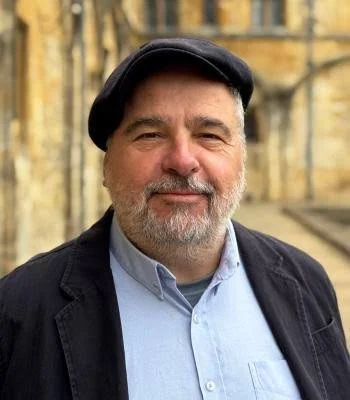
Professor Jonathan Grimes has been working on virus structures for the last three decades. Image credit: Oxford University.
Jonathan Grimes from Oxford University was one of the keynote speakers at the symposium, presenting on the topic of ‘Investigating mechanisms of Influenza virus replication and assembly’. He explains that he has been interested in virus structures ever since his PhD research almost 30 years ago. Nowadays, he uses CRYO-EM (Cryogenic electron microscopy) to study how influenza, which is a negative-sense, single-stranded RNA virus, replicates and assembles in the cell.
He hopes that his work can inspire other researchers to try out techniques like CRYO-EM, since they can provide new scientific information at almost atomic resolution.
“Within this field, attention has moved from understanding individual purified viral proteins to the host cell: what is actually happening during an infection? With new techniques, we can begin to create a molecular overview of what is happening spatially and temporarily during an infection,” says Jonathan Grimes, Professor in the Division of Structural Biology at Oxford University.
He continues:
“One example is that we can track different functional states that relate to the structure of the virus, and that we can study these pathogens directly within the cell.”
He commends the PandA initiative:
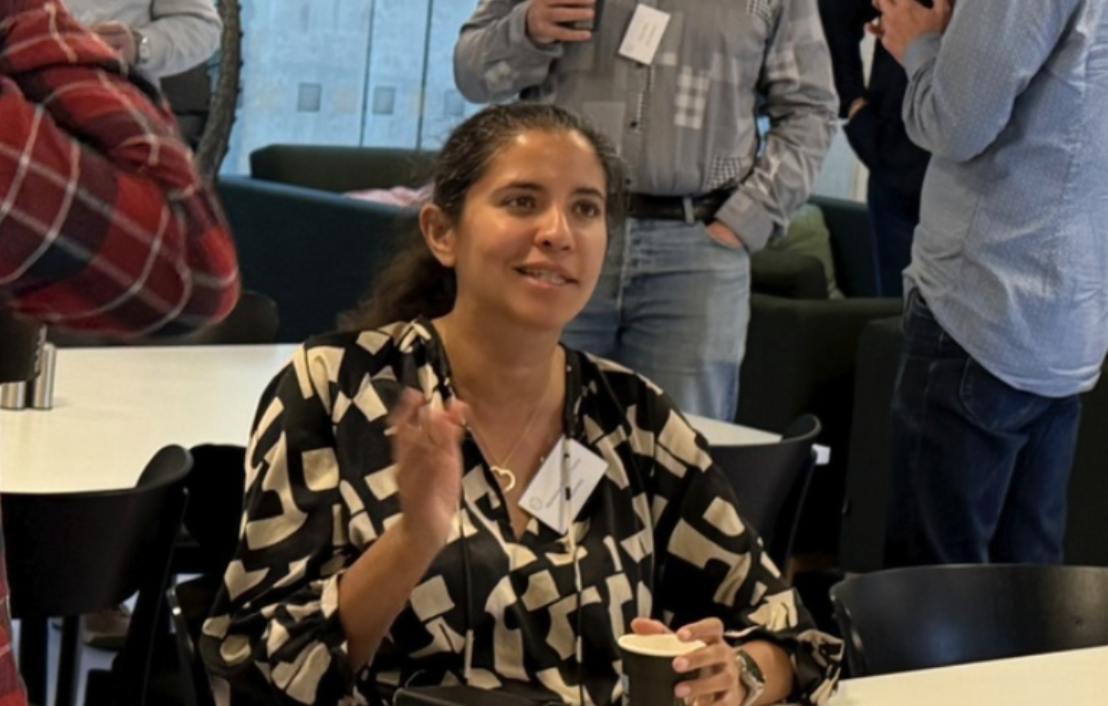
Marianna Yanez-Arteta says that the event was very valuable for learning about the latest virus research.
“The main advantage is that this effort brings virologists and clinicians closer to the fundamental research that goes on in structural studies and other fields. That it involves large-scale facilities can further help people understand what techniques can be used and how to apply them.”
Marianna Yanez-Arteta, senior director at AstraZeneca, also gave a keynote, titled: ‘Engineering mRNA Lipid Nanoparticles: From Structure to Performance and Manufacturability’.
“The next generation of medicines will require more complex therapeutics. Large-scale research infrastructures such as MAX IV and ESS can, for example, help us better understand the structure of lipid nanoparticles and how they can be improved for the delivery of mRNA vaccines.”
Marianna Yanez-Arteta was glad to have attended the event.
“Coming here I did not know many people, and now I have connected with both academics and virologists. It has been great to hear about their work, especially how many now are using AI to accelerate the development of drug molecules.”
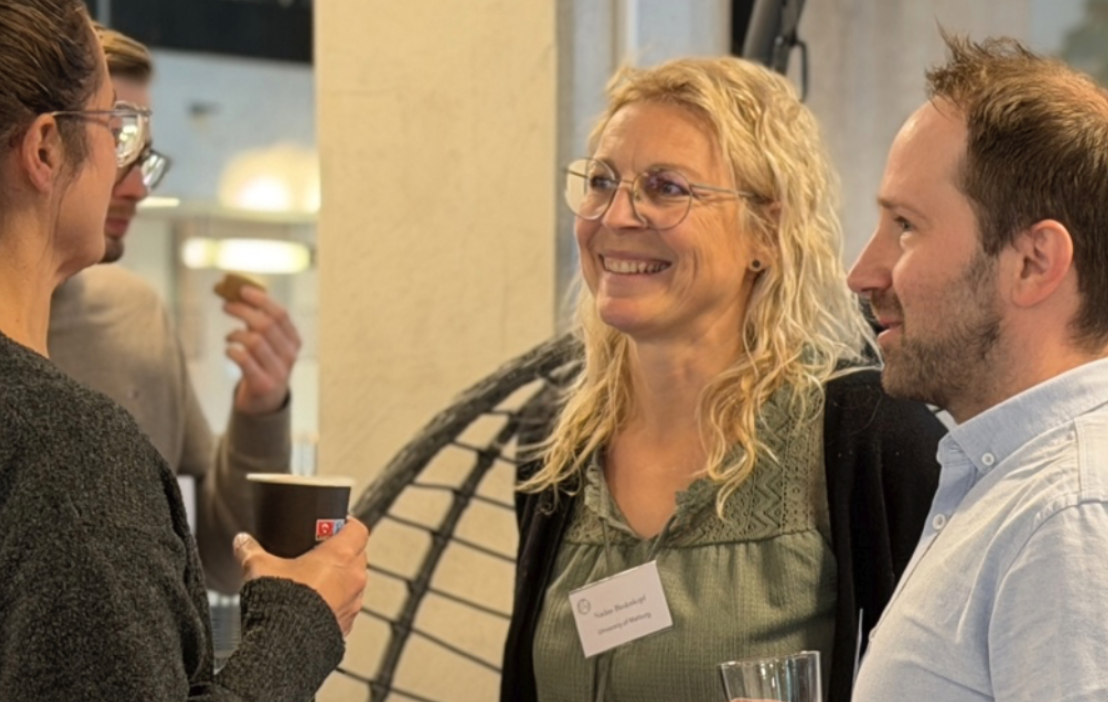
Nadine Biedenkopf underscores how the PandA theme is a good platform for collaboration and learning new ways to study viruses.
Nadine Biedenkopf, researcher at the Institute of Virology at Philipps-University Marburg, also presented at the symposium. She works with filoviruses such as the Ebola and Marburg virus and studies how they replicate their genomes and manipulate the host cells in the body.
She is excited to be part of the theme since it presents opportunities for collaboration between different scientific disciplines and areas of expertise.
“It is a forum where we can develop synergistic efforts to better combat pandemics. Developing basic science on host cells and viruses is at the heart of this work.”
In her work, she is now looking forward to integrating structural analysis to be able to study in detail how virus replicate in the cell.
“From this event, I have lots of examples of new techniques one can use to gain a deeper insight!”
Read more about the PandA theme
Read more about the symposium