
X-ray and neutron methods present both opportunities and dilemmas for heritage science
Advanced methods such as X-ray imaging and neutron analysis can unearth new knowledge about our shared human history. Yet they can also risk unintentionally damaging cultural artefacts if they are used without proper care and sufficient knowledge of their impacts, according to researchers within the Heritage Science theme.
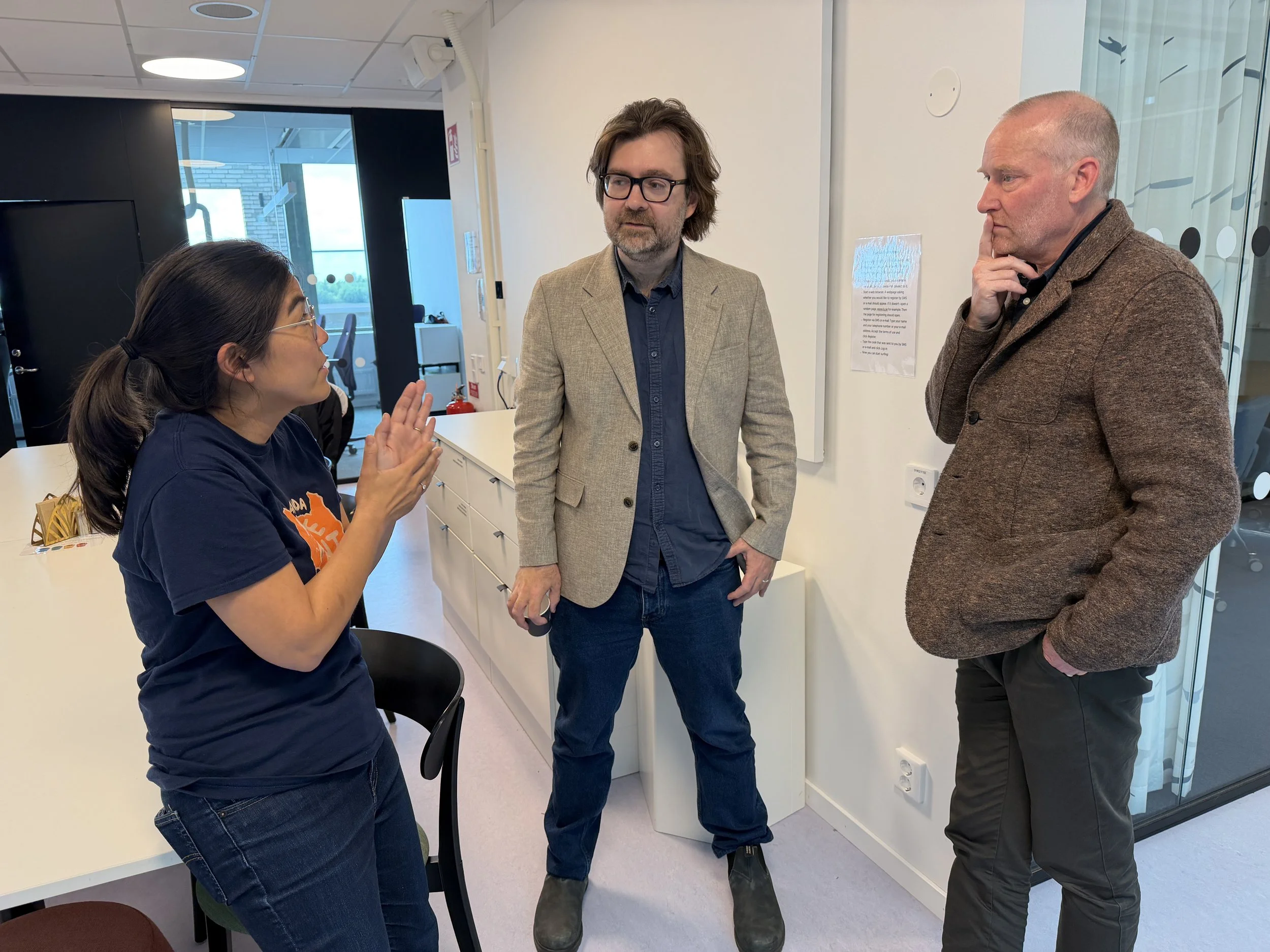
Courtney Nimura from the Ashmolean Museum in the UK in conversation with Mikael Fauvelle from Lund University, and Björn Nilsson from the University of Bergen. They are all members of the Heritage Science theme.
“As more heritage science professionals are starting to use X-rays and neutrons, we need to discuss how and when to use these methods, and for what purpose,” says Mikael Fauvelle, leader of the Heritage Science theme, and researcher at the Department of Archaeology and Ancient History, Lund University.
In May, the theme organised a conference at LINXS to explore these questions. Archaeologists and heritage science professionals from institutions and museums worldwide were invited to the conference.
They discussed the impact various X-ray and neutron methods can have on different types of artefacts.
Raise awareness of both opportunities and potential negative impacts
One of the presenters was Dr. Lucia Burgio, Lead Scientist at the Victoria and Albert Museum in the UK. A trained chemist, she highlighted how many X-ray and neutron methods can cause changes to objects.
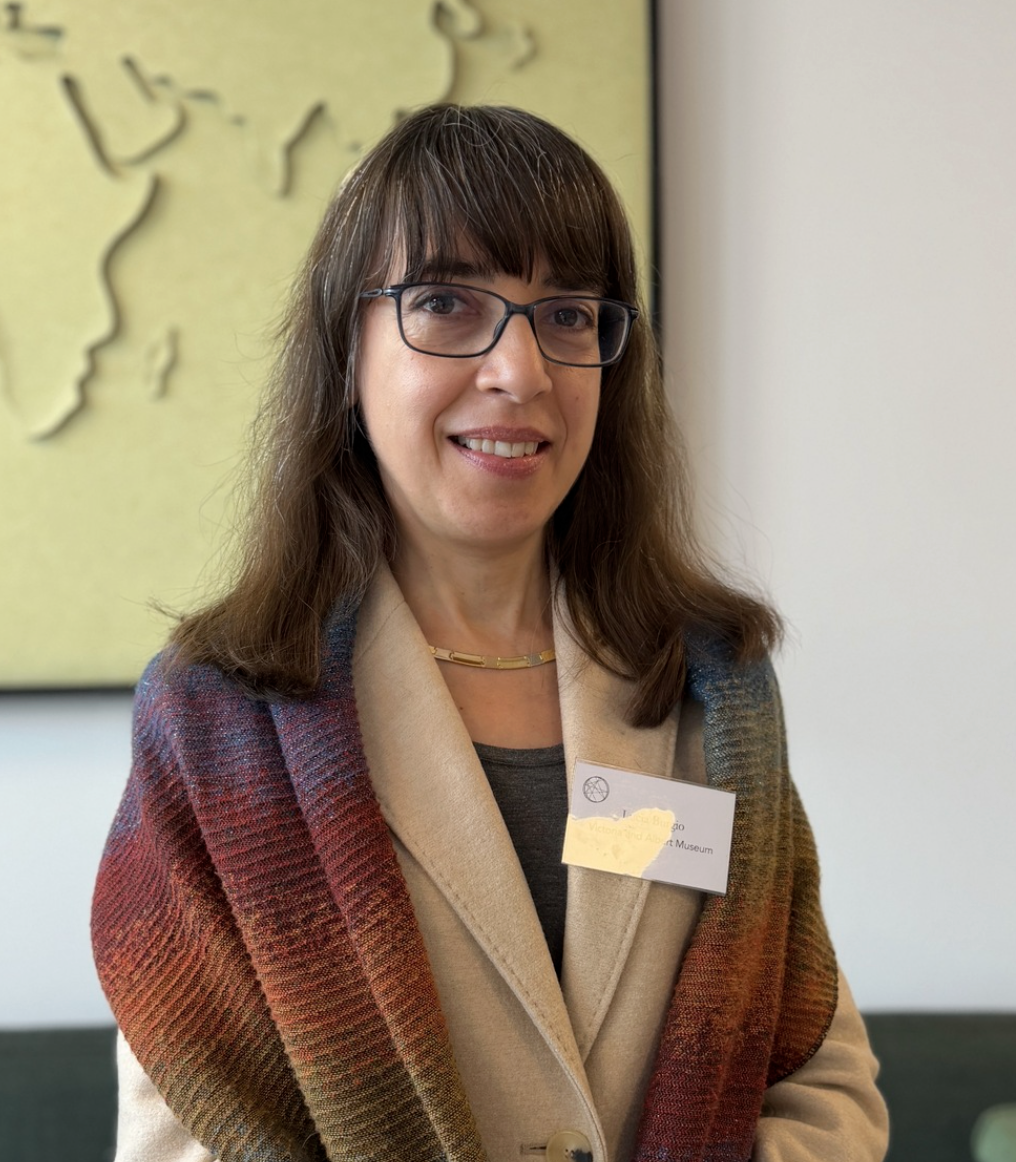
Lucia Burgio works as a Lead Scientist at the Victoria and Albert Museum in the UK.
For example, neutron analysis can make materials temporarily radioactive, some only for a couple of hours, while others, like gold, can remain radioactive for days. The use of neutrons can further impact an object’s isotopic ratio, which researchers measure to determine age, chronology or provenance. X-ray analysis, in turn, can affect the chemical composition of an object, effectively changing or removing a layer of information that can no longer be evaluated by other researchers.
“These techniques are often labelled as non-invasive and non-destructive, but that is not necessarily true,” says Lucia Burgio. “To use them conscientiously, it is important to establish what damage, changes, or consequences different techniques may cause, so that any consent to analyse an object is given with full knowledge by collections or other heritage holders.”
Important to highlight hidden costs
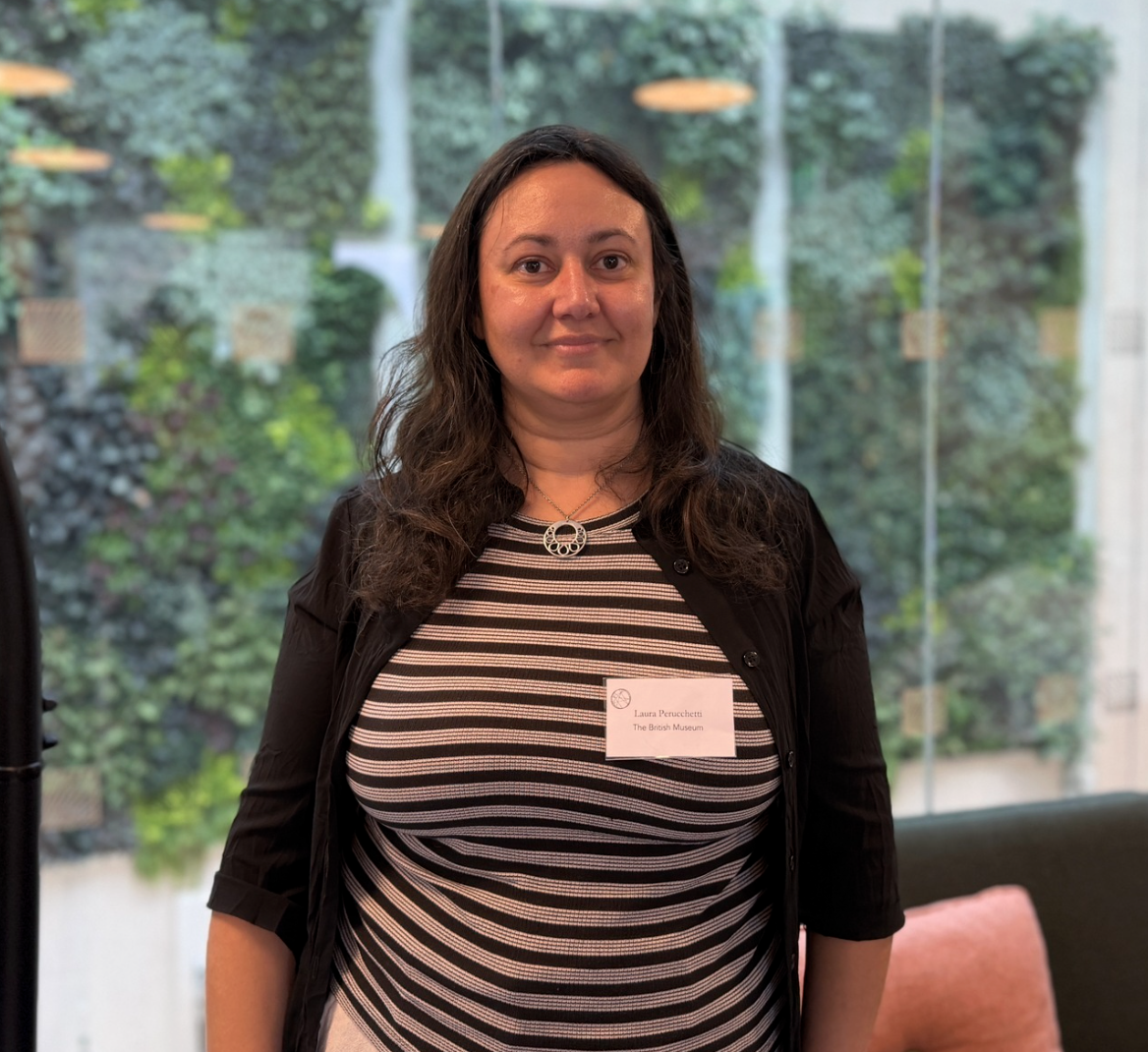
Laura Perucchetti is a researcher at the British Museum in the UK.
Laura Perucchetti, who also presented at the conference, agrees. She is a researcher at the British Museum in the UK, and underscores how all analyses come with hidden costs. One such cost is the time commitment required from everyone involved - from curators to instrument scientists - in applying and preparing for beamtime, transporting objects to facilities, performing experiments, and learning new data analysis tools.
There is also the risk of damaging cultural objects. Large-scale infrastructures are not designed specifically for heritage science, which can make analyses more challenging.
“There is a sweet spot between potentially harming an object and only preserving it, and thus not sharing it with the world. In other words, we need to balance any research opportunity with its associated risks.”
Another aspect, highlighted by both Laura Perucchetti and Lucia Burgio, is how to handle and work with the large amounts of data acquired through experiments. They emphasise the importance of storing and sharing data properly so that different research teams can make use of the results. Otherwise, the same analysis might be performed twice, further increasing risks to the objects.
Questions of when and how to subject objects to analysis at the centre of discussions
Underlying the discussions during the conference was the more existential question of when and how an object should be subjected to analysis.
“The lifetime of a rare painting or vase can be hundreds of years, whereas our lifespan is much shorter. I often ask my staff and colleagues to sit on a research question and wait and see if less invasive methods might emerge in the future. The answer might not come to me, but to my successor. Fundamentally, it is about keeping the object at the centre,” says Lucia Burgio.
These issues are further brought to the fore in analyses of objects that belong to Indigenous groups or carry special cultural value.
Engage local stakeholders in large-scale analyses
Jamie Hampson, Associate Professor of Rock Art and Indigenous Heritage at the University of Exeter, studies cave paintings that still hold cultural significance for descendant communities. In his presentation, he highlighted the importance of engaging local stakeholders in large-scale analyses, especially when they involve changing the object’s material composition or transporting it over long distances. Different cultures also have different value systems that need to be considered when performing X-ray imaging or neutron analysis.
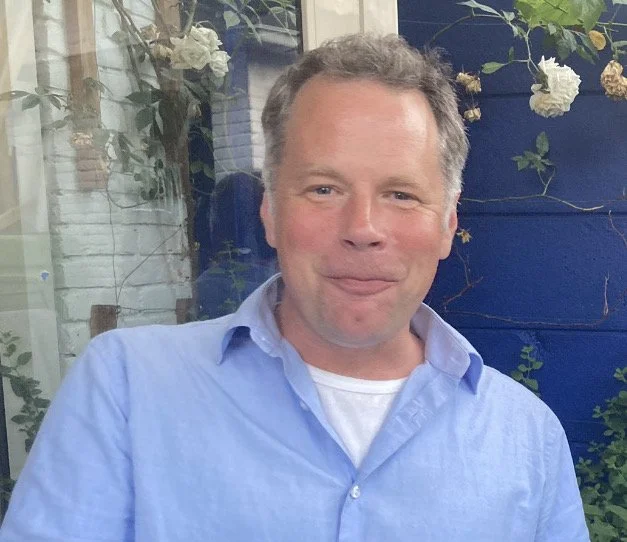
Jamie Hampson is an Associate Professor of Rock Art and Indigenous Heritage at the University of Exeter.
“Have you explained what you want to do to the object? What knowledge you are after and what it will mean? These are crucial steps in ensuring a good collaboration.”
He notes that many Indigenous groups are interested in the possibilities that neutrons and similar techniques offer, for example in determining the provenance of materials, such as where a pigment was originally quarried. This knowledge can help communities demonstrate historical presence in a geographical area and support land-use claims.
“As with any analysis, it is key to ensure you have all stakeholders on board. We also have to ask ourselves who will benefit from the analysis - is it only museum curators or researchers, or can this knowledge also support the communities connected to these cultural artefacts?”
Report on the effects of large-scale techniques on heritage science objects
The discussions at LINXS led to an agreement to draft a report outlining key considerations related to the use of large-scale techniques. That they represent the future of archaeology and heritage science is a given - never before has it been possible to obtain such detailed knowledge about human culture, trade routes, and physical movements.
“I continue to be amazed at what you can do with X-rays and neutrons. No other techniques enable us to look inside materials in this way and at such high resolution. That is also why now is the time to discuss how we can use them in the best and least damaging way,” says Mikael Fauvelle.
Read more about the Heritage Science theme
Reflection on the Heritage Science Conference by the Italian Embassy of Sweden
The event was co-sponsored by the Italian Embassy of Sweden. Prof. Augusto Marcelli, the Scientific Attaché at the Italian Embassy, opened the conference at LINXS.
Read the Embassy’s reflection on the conference, published on their website
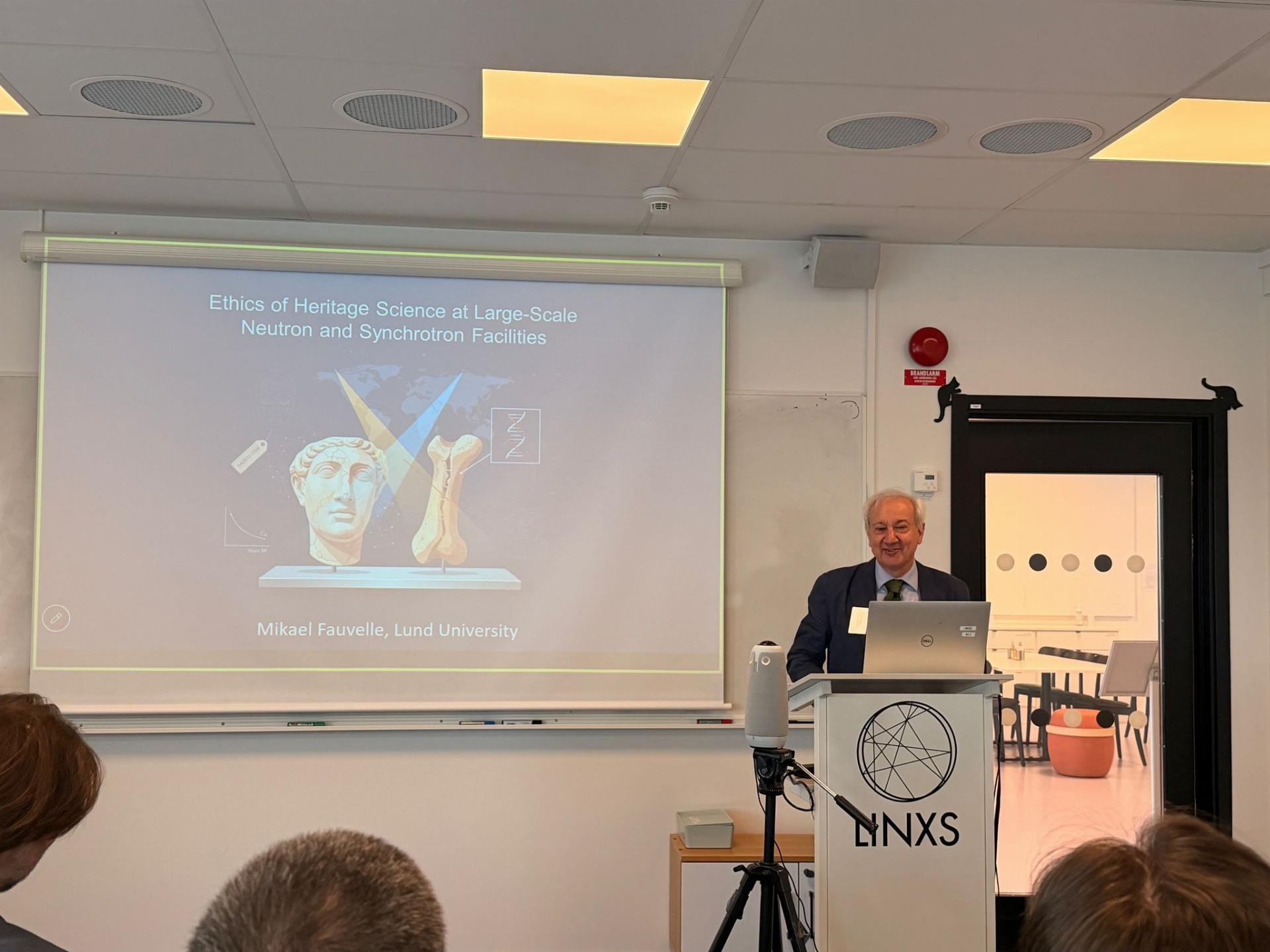
Prof. Augusto Marcelli, Scientific Attaché at the Italian Embassy in Sweden, speaking at the conference at LINXS.