X-rays are excellent probes for studying many different types of matter ranging from biological macromolecules to porous rocks at resolutions far beyond what is possible using optical wavelengths. However, when it comes to imaging, X-rays have one glaring weakness: it’s very hard to make a good…
Read MoreVideo lecture on LINXS YouTube - watch the video at YouTube.com Speaker: Cinzia Giannini, National Research Council, Bari This webinar is part of LINXS webinar series, Let's Dive into the Atoms. The aim is to create a fundamental understanding of how you as a researcher can use x-rays and neutrons…
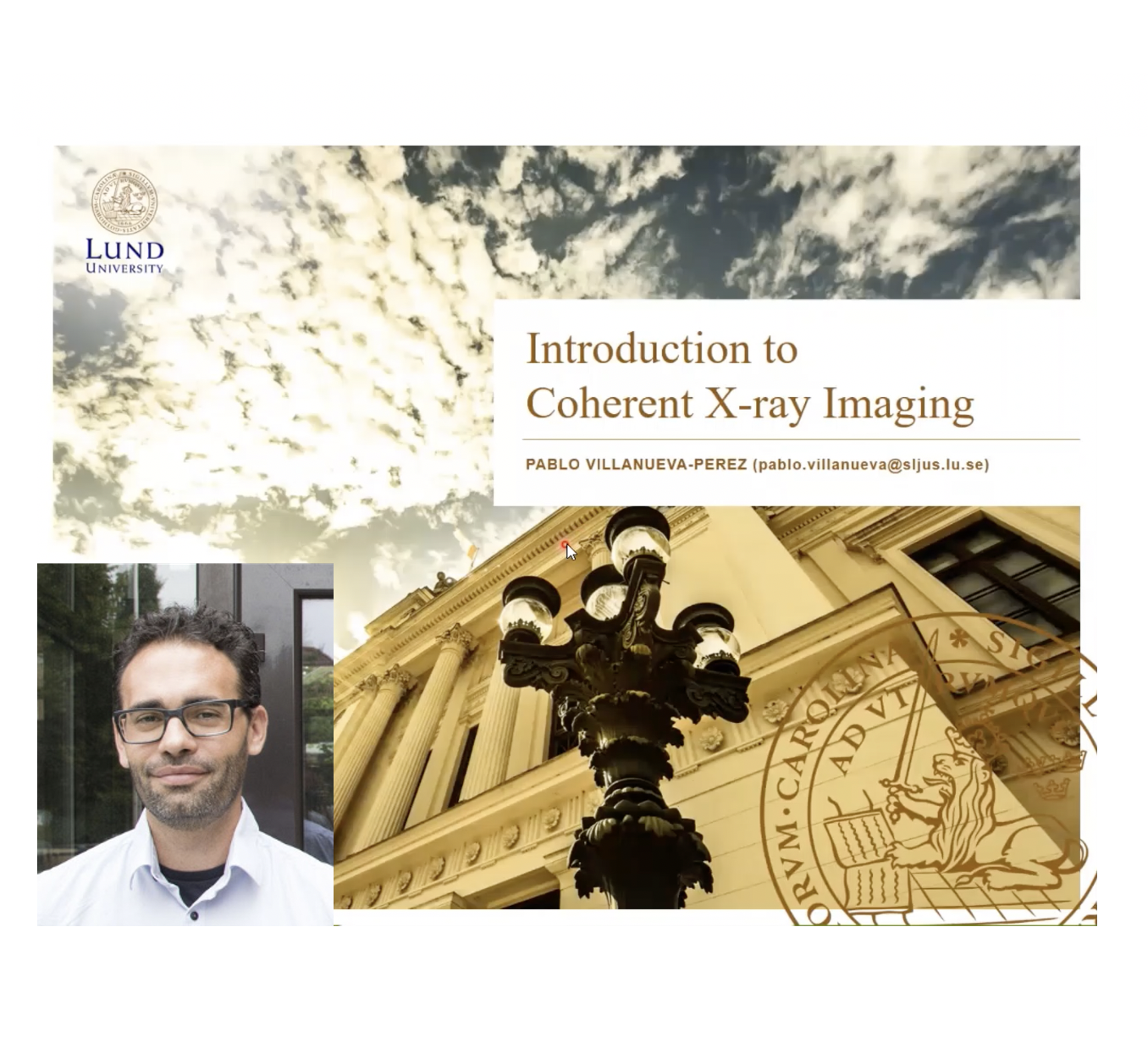
Read MoreThis webinar presents the fundamentals behind coherent X-ray imaging techniques that exploit the high-brilliance provided by X-ray free-electron lasers and diffraction-limited storage rings. For such purpose, we will introduce the fundaments of i) interactions of X-rays with matter, ii) coherence…
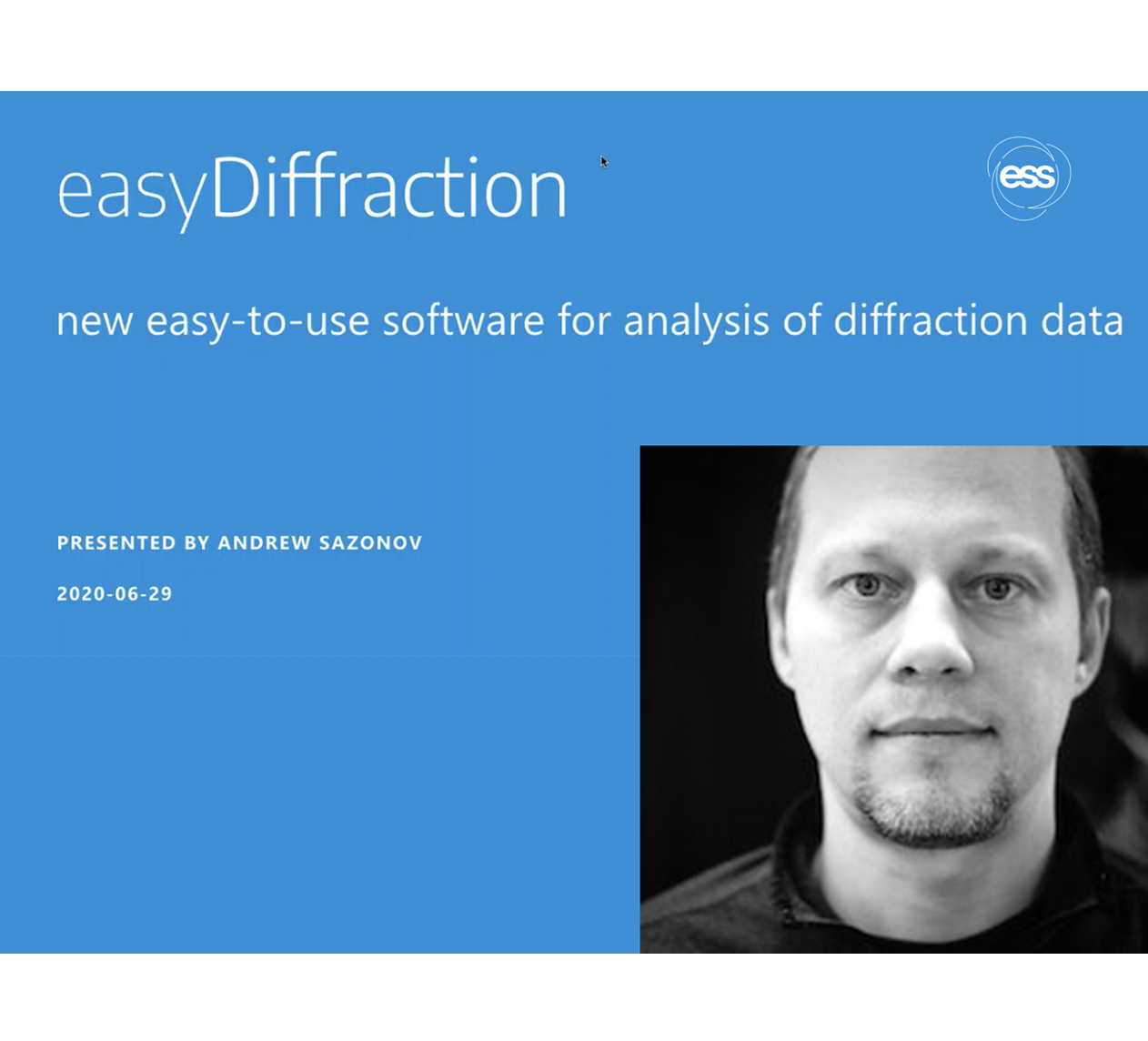
Read MoreThe efficient use of X-ray and neutron diffractometers is often hindered by complicated data analysis software that creates barriers to entry for novice users and may even reduce efficiency for advanced users. The talk presents easyDiffraction, a software developed to interface with a very wide…
Read MoreSasView is an open source, collaboratively developed software for analysis and modeling of small angle scattering (SAS) data. The core functionality of SasView includes fitting of model functions, pair-distance distribution function inversion, model-independent analysis and correlation function…
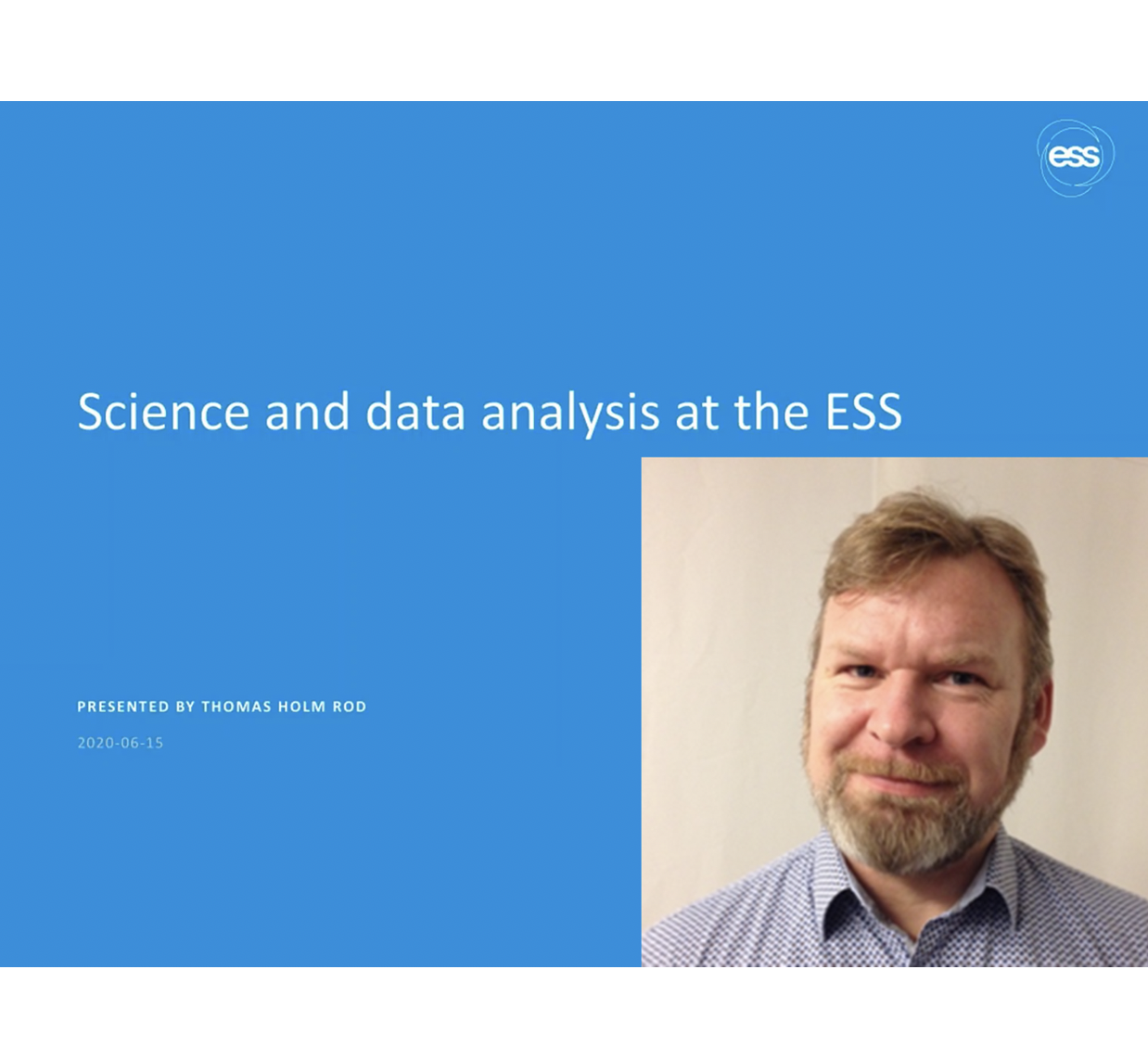
Read MoreAfter an introduction introduction to neutron scattering and the ESS, the challenges associated with providing scientists with appropriate tools to analyze their data from ESS is discussed together with a discussion on how the demand for reproducible results, FAIR data, and the promotion of the…
Read MoreThe conversion of dinitrogen to ammonia is a challenging, energy intensive process, which is enabled biologically by the nitrogenase family of enzymes. The Mo-dependent nitrogenases contain two cofactors, the 8Fe-8S P-cluster and the Mo-7Fe-9S-C iron-molybdenum cofactor, known as “FeMoco”, which is…
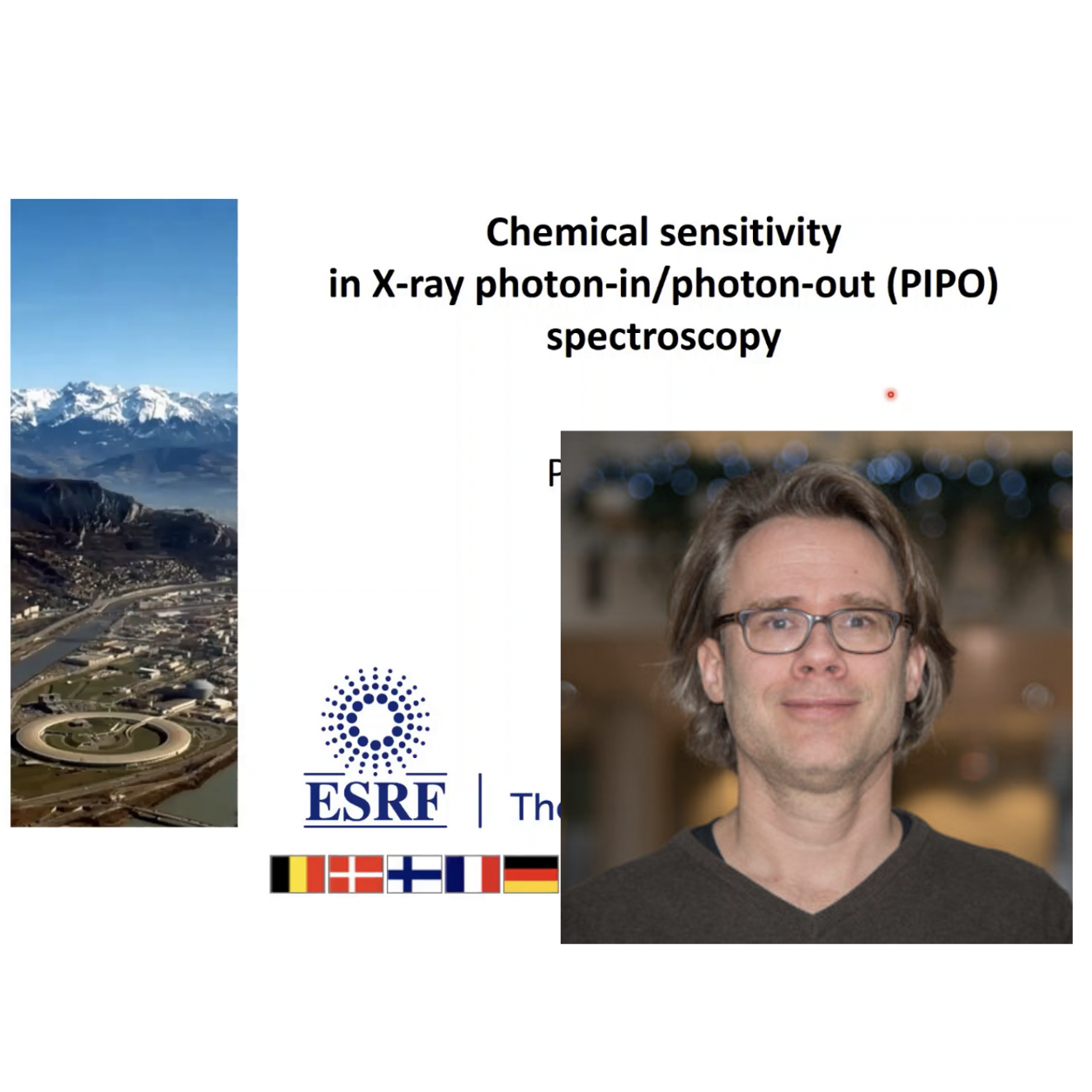
Read MoreMatter absorbs and scatters X-rays. Spectral analysis of the X-rays reveals a wealth of information about the electronic structure of the X-ray absorbing element (the analyte). Pieter Glatzel explains the mechanisms that lead to the chemical sensitivity and show how they influence the spectral…
Read MoreVideo lecture on Lund University BOX Preview (click here) This is an introductory lecture on synchrotron-based X-rays, with a breakdown of possible experiments at different beamlines. Speaker: Jens Uhlig – Synchrotron Experiments, Chemical Physics, Lund University Let’s Dive into the Atoms : LINXS…
Read More