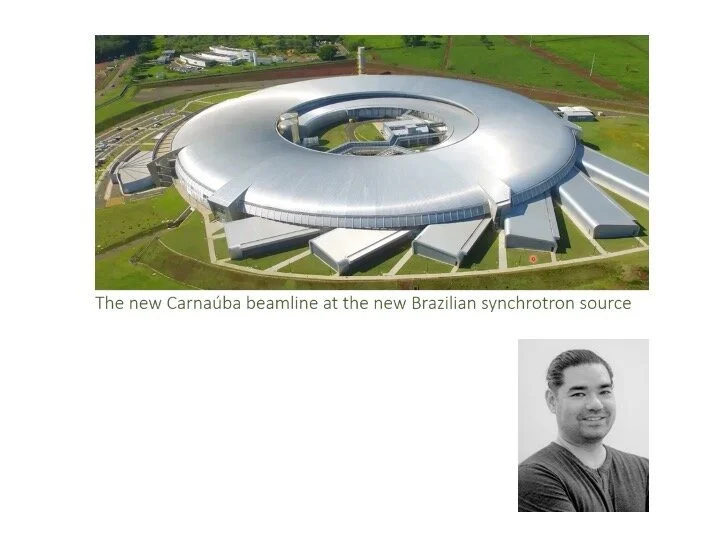
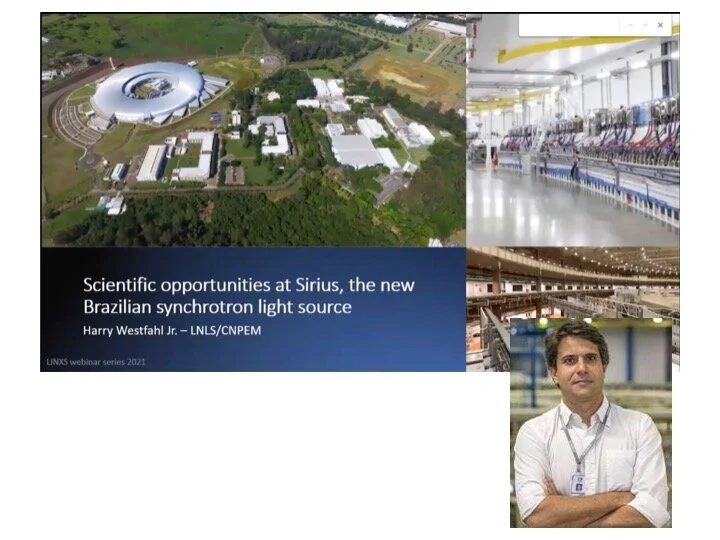
Sirius, the new fourth-generation Brazilian synchrotron light source, is currently under commissioning by the Brazilian Synchrotron Light Laboratory (LNLS). Its 3-GeV storage ring, based on a Multi-Bend Achromat (MBA) magnet lattice, provides electron beams with size and divergence that match the…
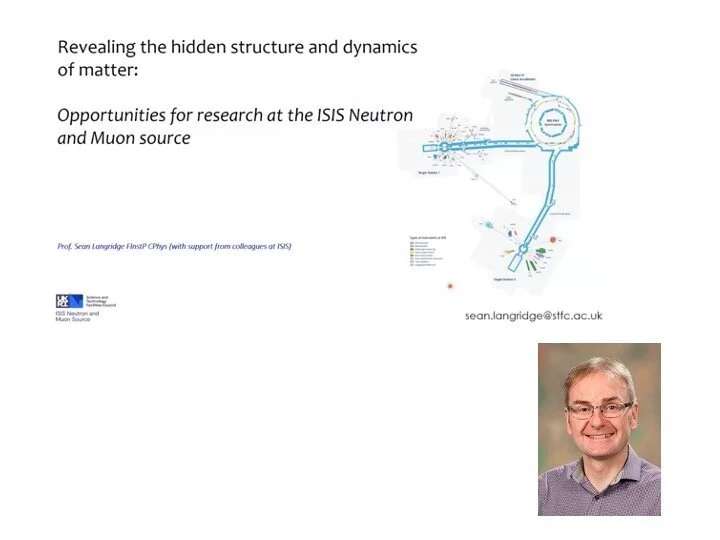
Read MoreThe ISIS facility is a large multi-disciplinary research facility which provide state of the art capabilities to explore matter using spallation neutron and muon techniques. Neutron scattering is capable of accessing a large range of length and energy scales which are ideally matched to…
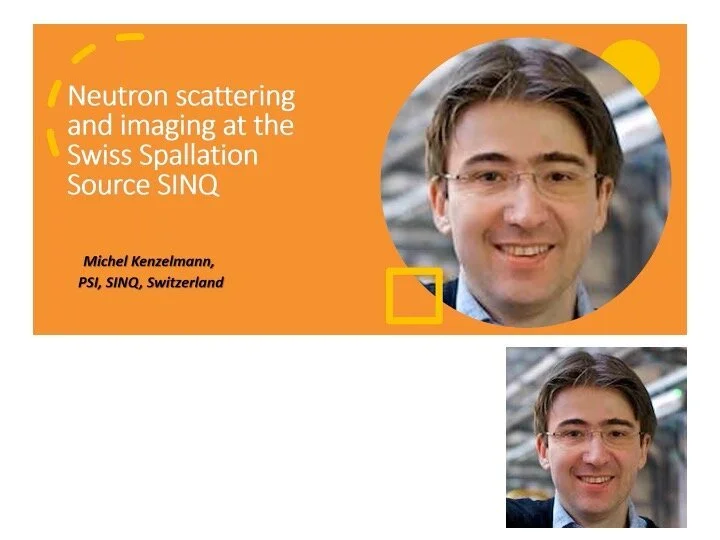
Read MoreAn introduction to the Swiss Spallation Source SINQ, its neutron scattering and imaging instrumentation, and the SINQ science programme. Speaker: Michel Kenzelmann, PSI SINQ, Switzerland. This webinar is part of LINXS webinar series: Science at Large Scale Research Facilities, introducing the…
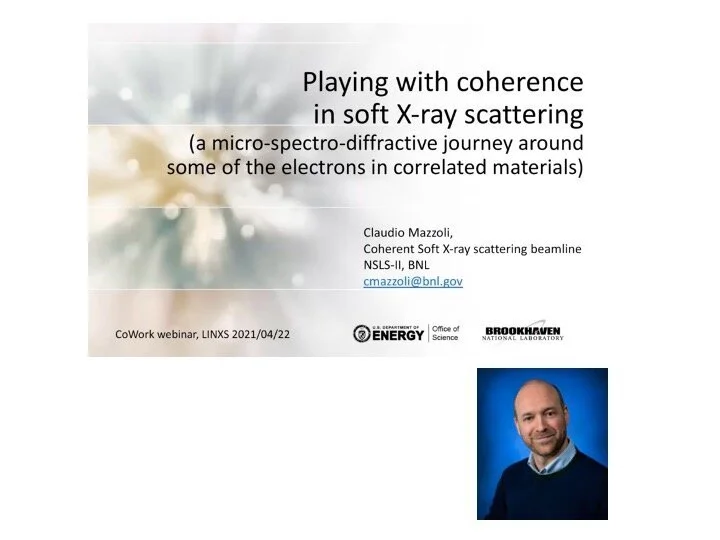
Read MoreThis talk present some opportunities of scientific investigation by micro-spectro-scattering in the soft X-ray regime, as implemented and developed at CSX, the Coherent Soft X-ray scattering beamline of NSLS-II (BNL). Speaker: Claudio Mazzoli, Brookhaven National Laboratory, USA The webinar is part…
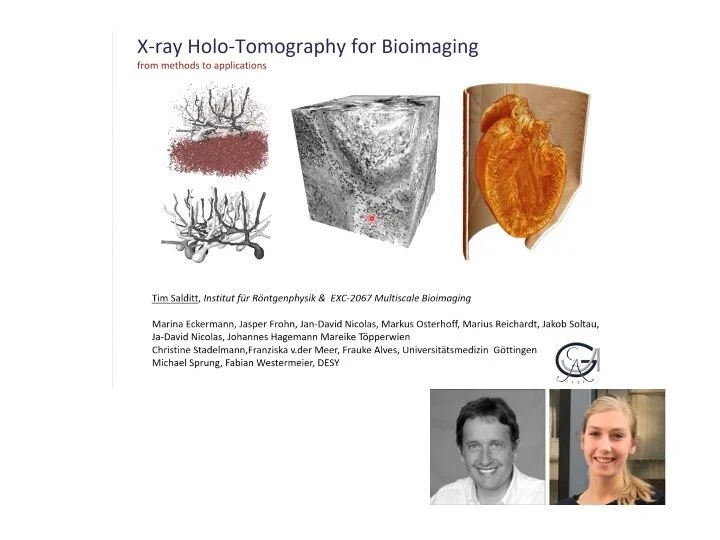
Read MoreThe talk explains how the central challenge of inverting the coherent diffraction pattern can be mastered by different reconstruction algorithms in the optical far and nearfield. In particular, it presents the full field projection imaging at high magnification, recorded by illumination with…
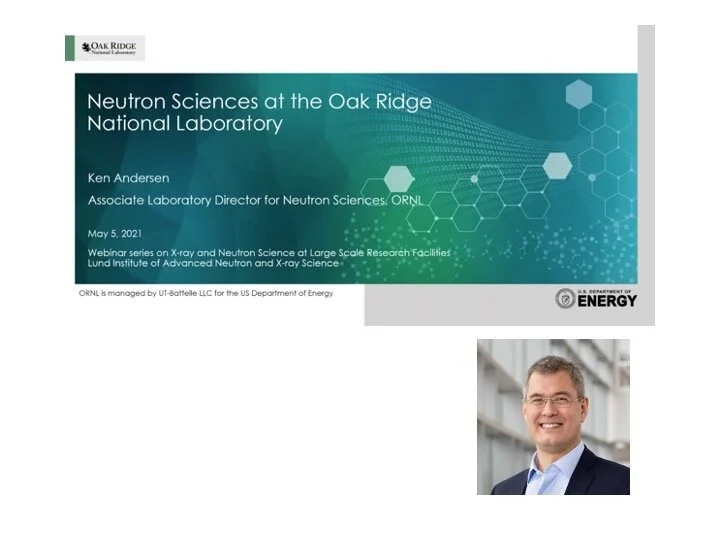
Read MoreThis presentation will introduce you to the Oak Ridge National Laboratory (ORNL) and give a bit of history about neutrons at ORNL. From these early days, ORNL’s neutron capabilities have grown into world class neutron facilities that are using neutrons to answer some of the world toughest problems…
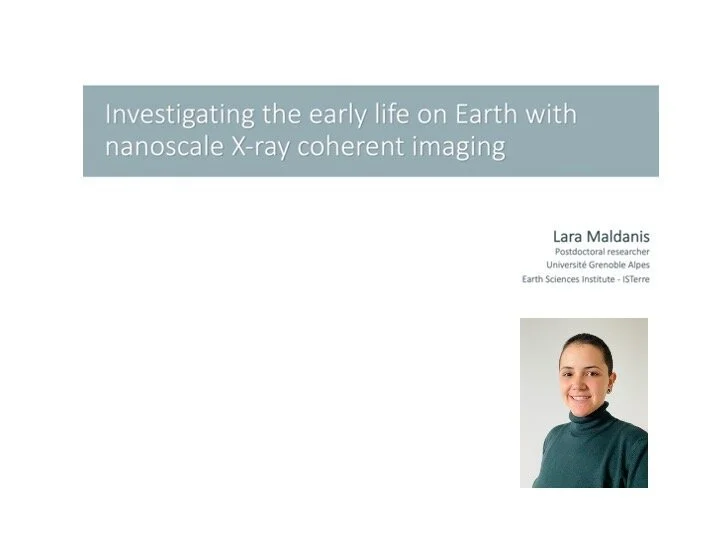
Read MoreThe presentation presents how coherent 3D nanoimaging, particularly ptychographic X-ray computed tomography (PXCT), can help us to understand fossil microorganisms and fossilization processes. Speaker: Lara Maldanis, ISTerre, at Université Grenoble Alpes, France The webinar is part of the LINXS…
Read MoreIn the past years, Brazil has jumped from a 2nd generation machine to a 4th generation synchrotron source. This jump on generation has not only increased flux, brightness, coherence, and so forth but has opened unprecedented opportunities for the Brazilian scientific community. This presentation…
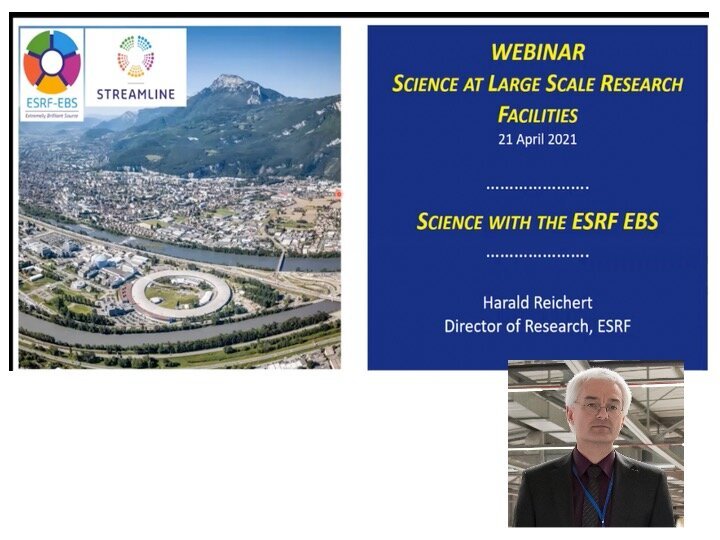
Read MoreThe ESRF started operation in 1992 as the world’s first 3rd generation synchrotron radiation source. Since 2009 the ESRF engaged in an ambitious upgrade programme delivering an accelerator complex and beamlines with orders of magnitude higher performance. The replacement of the old ESRF storage…
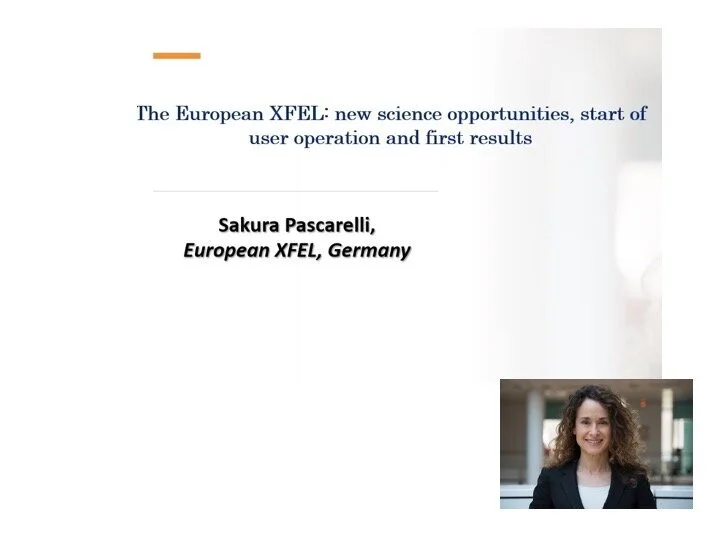
Read MoreIn the past decade we have seen very important developments in the field of accelerator based X-ray user facilities, with the advent of 4th generation synchrotron sources and MHz rate free electron lasers. The first hard X-ray free-electron laser, LCLS (US) became operational in 2009 and over the…
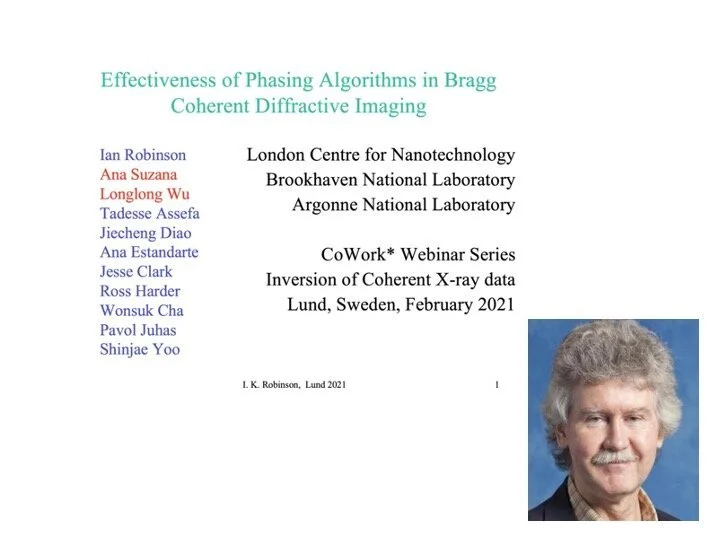
Read MoreIn this presentation we will introduce the possibility that the speckle inversion “phase problem” may be amenable to Machine Learning approaches in the future. Speaker: Ian Robinson, University College London and Brookhaven National Lab, USA. The webinar is part of the LINXS webinar series, CoWork…
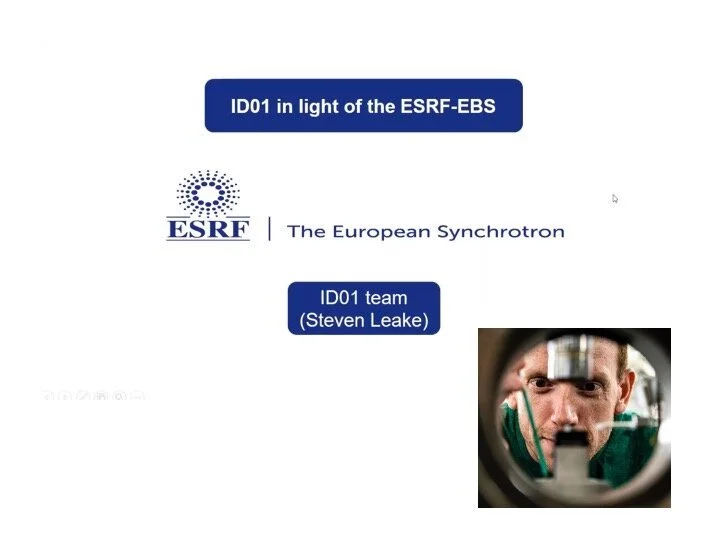
Read MoreThe ID01 beamline is a diffraction microscope used to probe the structure of crystalline materials. The recent upgrade of the ESRF - The European Synchrotron to an extremely brilliant source (EBS) has increased the coherent flux available for experiments by a factor 28. Speaker: Steven Leake…
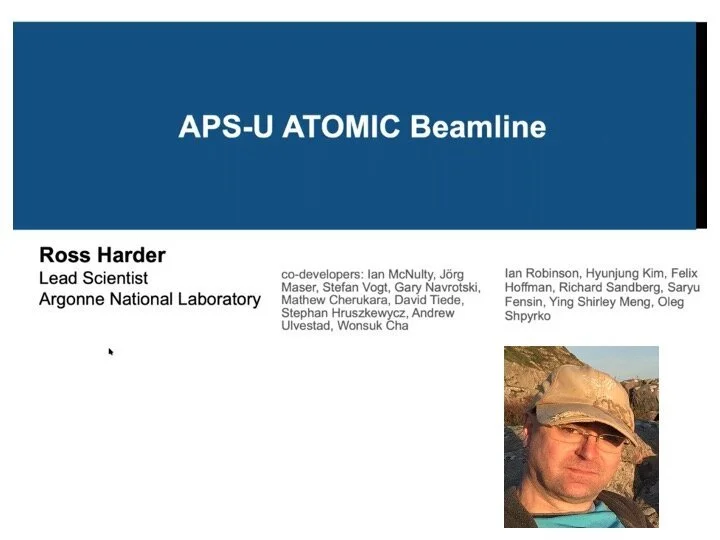
Read MoreThe imminent upgrade of the Advanced Photon Source at Argonne National Laboratory to a diffraction limited storage ring will revolutionize coherent imaging capabilities. To take maximum benefit of the new source, new beamlines and instruments are currently being designed. An instrument named Atomic…
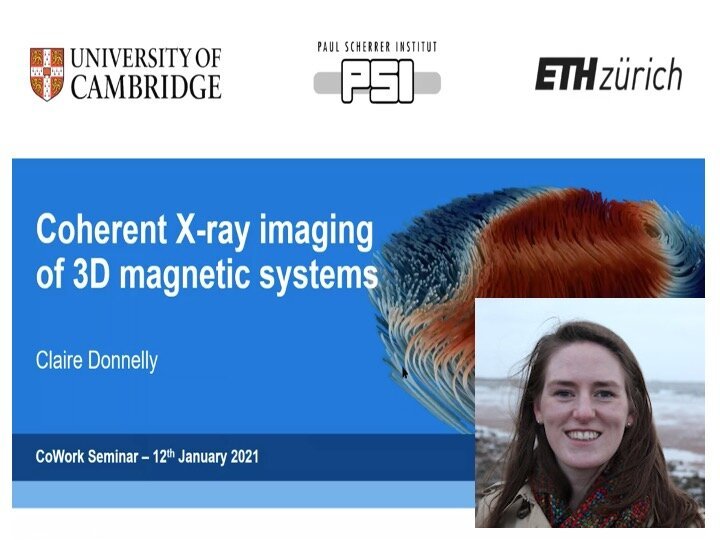
Read MoreThree dimensional magnetic systems promise significant opportunities for applications, for example providing higher density devices and new functionality associated with complex topology and greater degrees of freedom [1,2]. For the experimental realisation of these new properties, appropriate…
Read MoreThis talk presents some key concepts of FEL operation, and highlights from the first years of FEL science: mostly in the field of condensed matter physics, but with a broad overview of other research fields as well. The goal is to give simple guidelines that will hopefully help to broaden the…
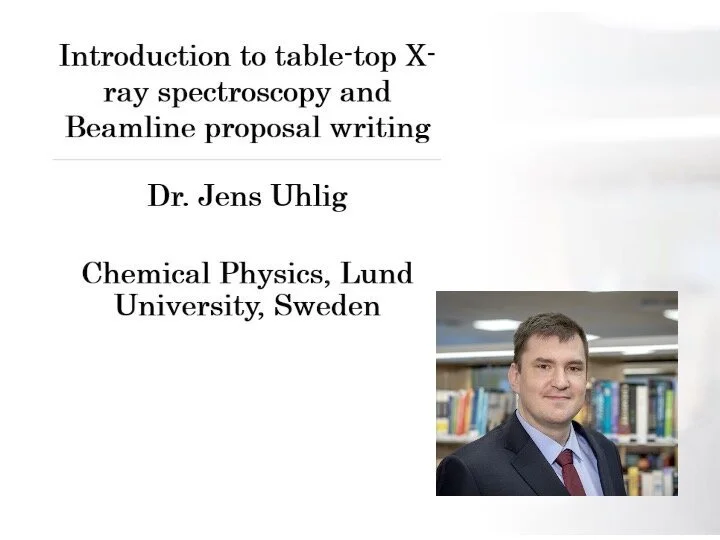
Read MoreThis webinar reviews table-top x-ray spectroscopy setups. Second, it focuses on the discussion of time-resolved table-top setups as developed at Chemical Physics in Lund. In the third part, the webinar extends the discussion on the proposal writing process with a more detailed section on how to…
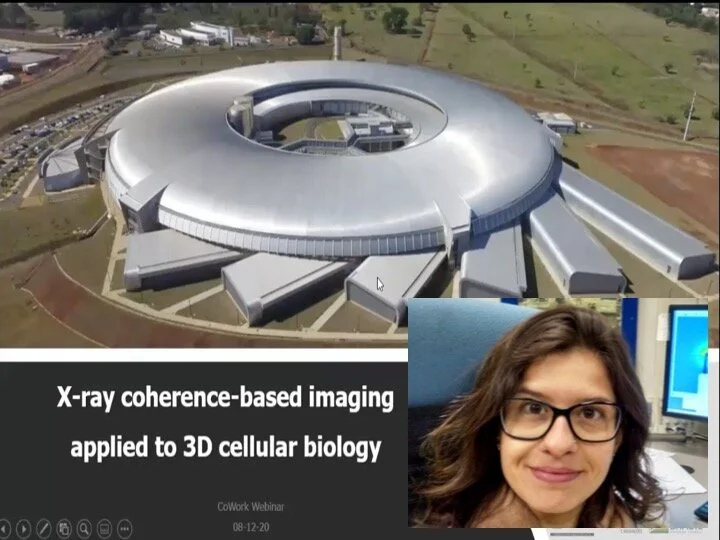
Read MoreX-ray coherence-based imaging comprises several powerful techniques which allow investigations in the different scientific fields, including biology and life sciences. The non-crystalline nature of such samples can be explored by coherent diffractive imaging (CDI) and ptychography and cellular…
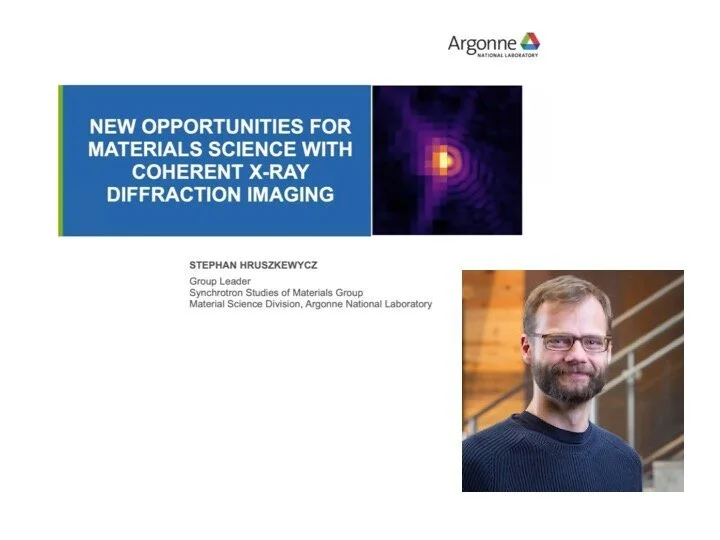
Read MoreRecent progress in 3D coherent x-ray diffraction imaging methods can enable high resolution structural imaging of nano-structured crystalline materials. In this talk, I discuss developments in Bragg coherent diffraction imaging (BCDI) and Bragg ptychography that aim to broaden the envelope of…
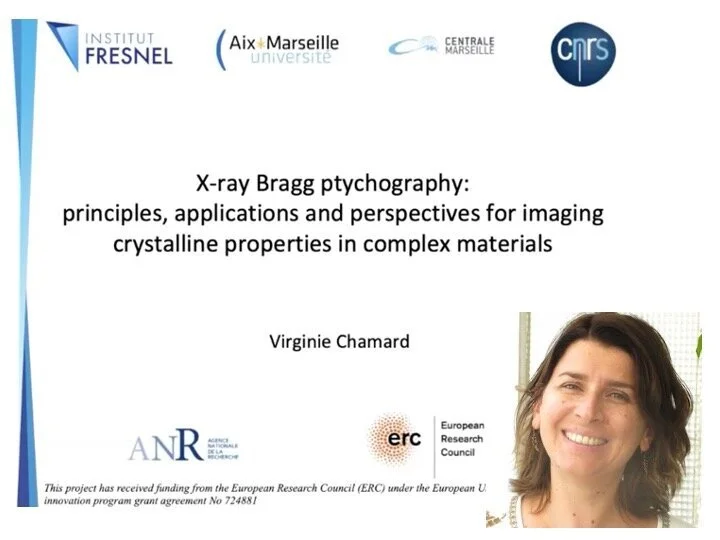
Read MoreIn this presentation, I will first review the principles of the Bragg ptychography approach, before detailing a selection of scientific results obtained with this novel crystalline microscopy. I will finally discuss some exciting perspectives opened by the advent of the fourth generation…
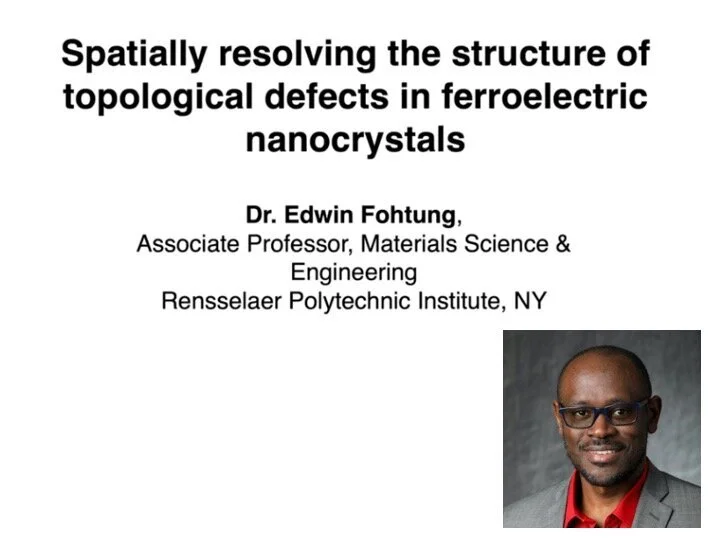
Read MoreThere has been much interest in topological defects of spontaneous polarization as templates for unique physical phenomena and in the design of electronic devices. Experimental investigations of the complex topologies of polarization have been limited to surface phenomena, which has restricted the…
Read More