After an introduction introduction to neutron scattering and the ESS, the challenges associated with providing scientists with appropriate tools to analyze their data from ESS is discussed together with a discussion on how the demand for reproducible results, FAIR data, and the promotion of the…
Read MoreMOOC on the Coursera platform (click here) This course takes you on a journey through the technologies used in particle accelerators: The microwave system which produce the electromagnetic waves that accelerate particles; The magnet technology for the magnets that guide and focus the beam of…
Read MoreMOOC on the Coursera platform (click here) Did you know that in the year 2000 there were more than 15 000 particle accelerators in the world? Today there are 30 000 of them! A third of the particle accelerators are dedicated to medical applications, such as radiotherapy, and about half are used for…
Read MoreMOOC on the Coursera platform (click here) The NPAP coourse “Medical Applications of Accelerators” is one out of three courses in the Nordic Particle Accelerator Program (NPAP). Here you will be taken on a tour focusing on the medical applications of particle accelerators. You will see that there…
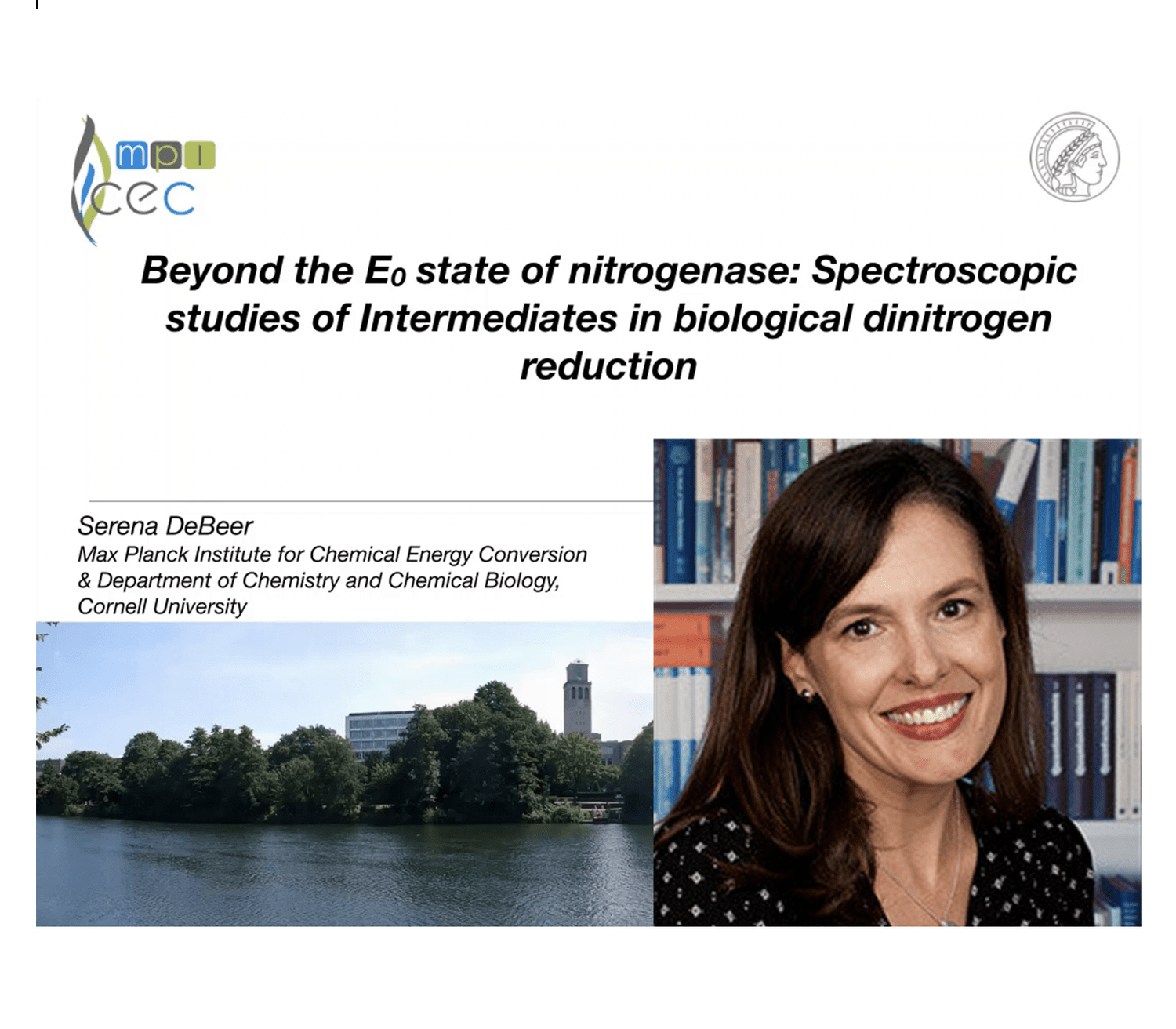
Read MoreThe conversion of dinitrogen to ammonia is a challenging, energy intensive process, which is enabled biologically by the nitrogenase family of enzymes. The Mo-dependent nitrogenases contain two cofactors, the 8Fe-8S P-cluster and the Mo-7Fe-9S-C iron-molybdenum cofactor, known as “FeMoco”, which is…
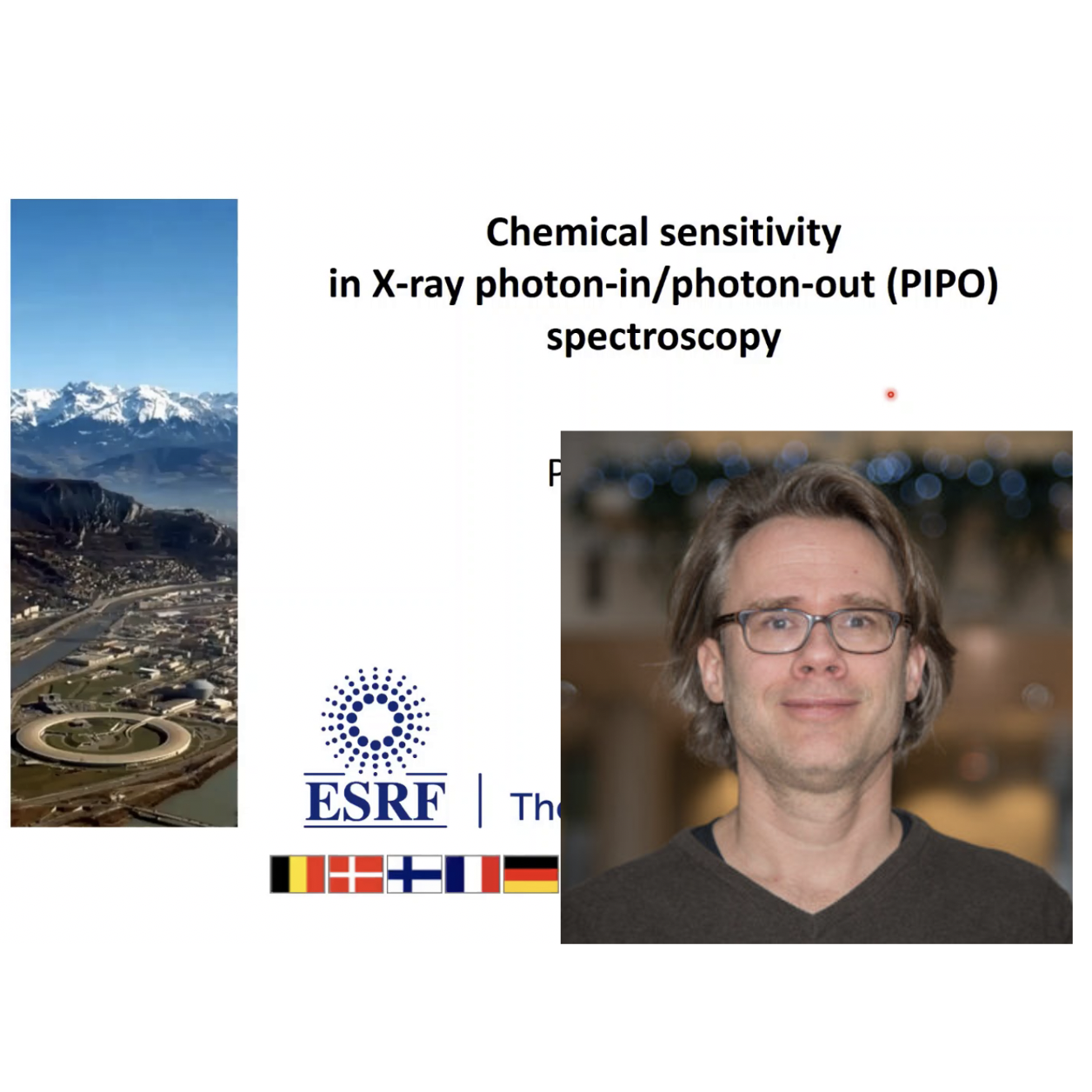
Read MoreMatter absorbs and scatters X-rays. Spectral analysis of the X-rays reveals a wealth of information about the electronic structure of the X-ray absorbing element (the analyte). Pieter Glatzel explains the mechanisms that lead to the chemical sensitivity and show how they influence the spectral…
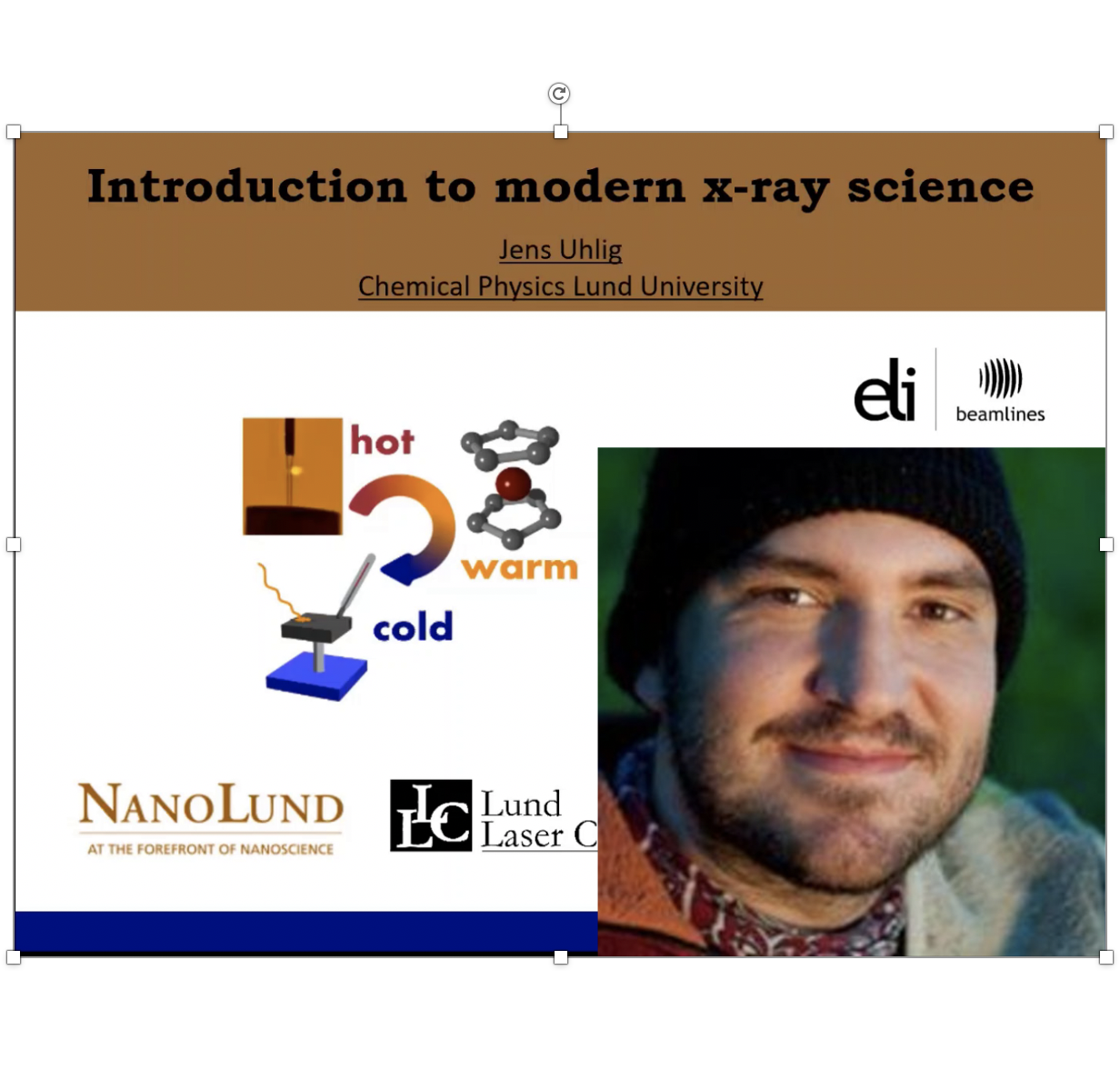
Read MoreVideo lecture on Lund University BOX Preview (click here) This is an introductory lecture on synchrotron-based X-rays, with a breakdown of possible experiments at different beamlines. Speaker: Jens Uhlig – Synchrotron Experiments, Chemical Physics, Lund University Let’s Dive into the Atoms : LINXS…
Read More