
New FunProF theme aims to understand and engineer functional proteins
In addition to studying and modifying the function of proteins that already exist in nature, scientists are beginning to engineer entirely new proteins. Functional proteins can be used for diagnostic and therapeutic applications and to create sustainable workflows. A new theme at LINXS, FunProF, aims to use X-rays and neutrons to better understand and exploit functional proteins to promote both basic and applied research.
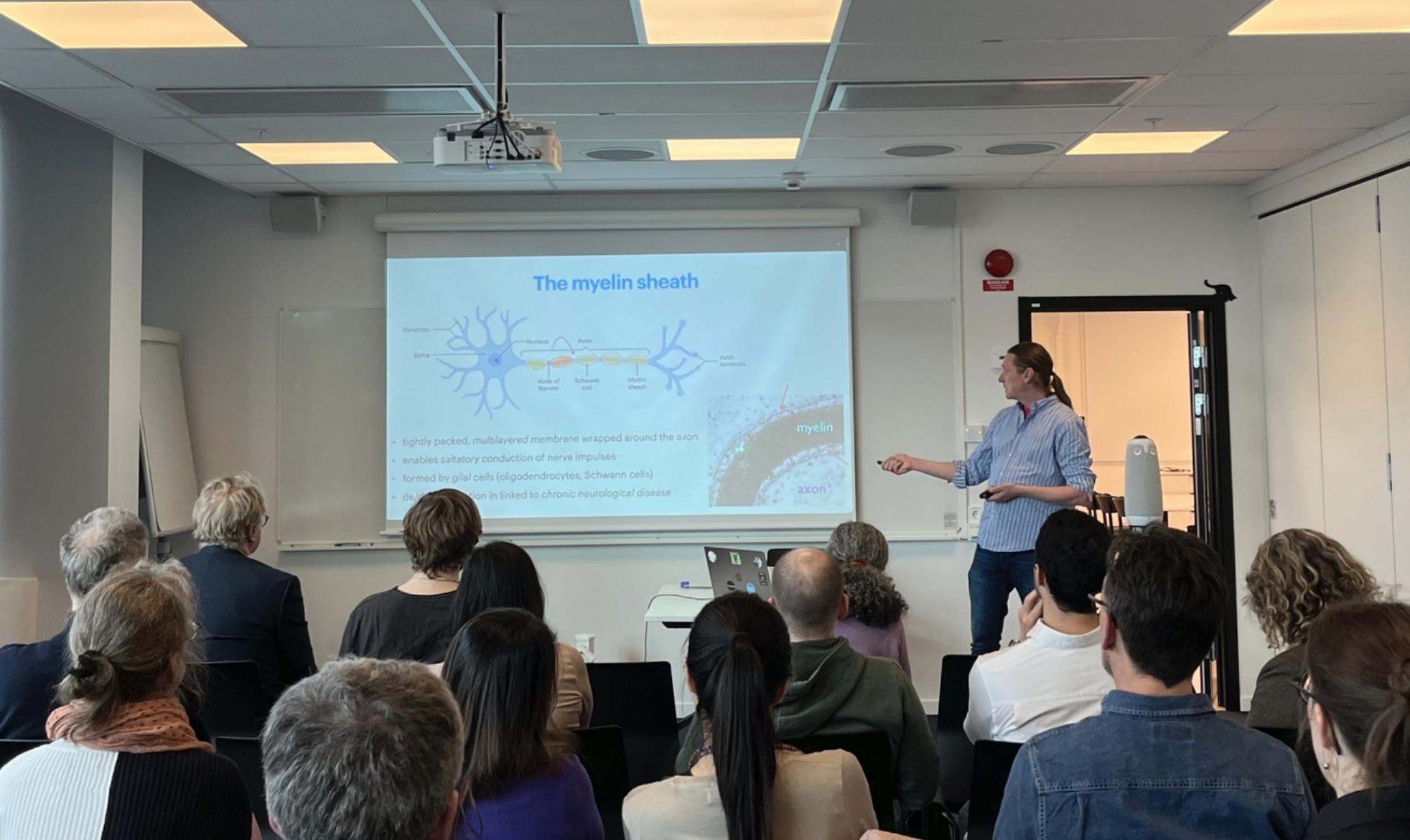
Petri Kursula spent the whole of 2025 at LINXS as a visiting researcher. He is happy to return to lead his own theme.
“Within FunProF, we aim to create a strong Nordic community and foster science on protein function and innovation, while developing experiments at large-scale research infrastructures and supporting new synchrotron and neutron users,” says theme leader Petri Kursula, professor in Biomedicine at the University of Bergen.
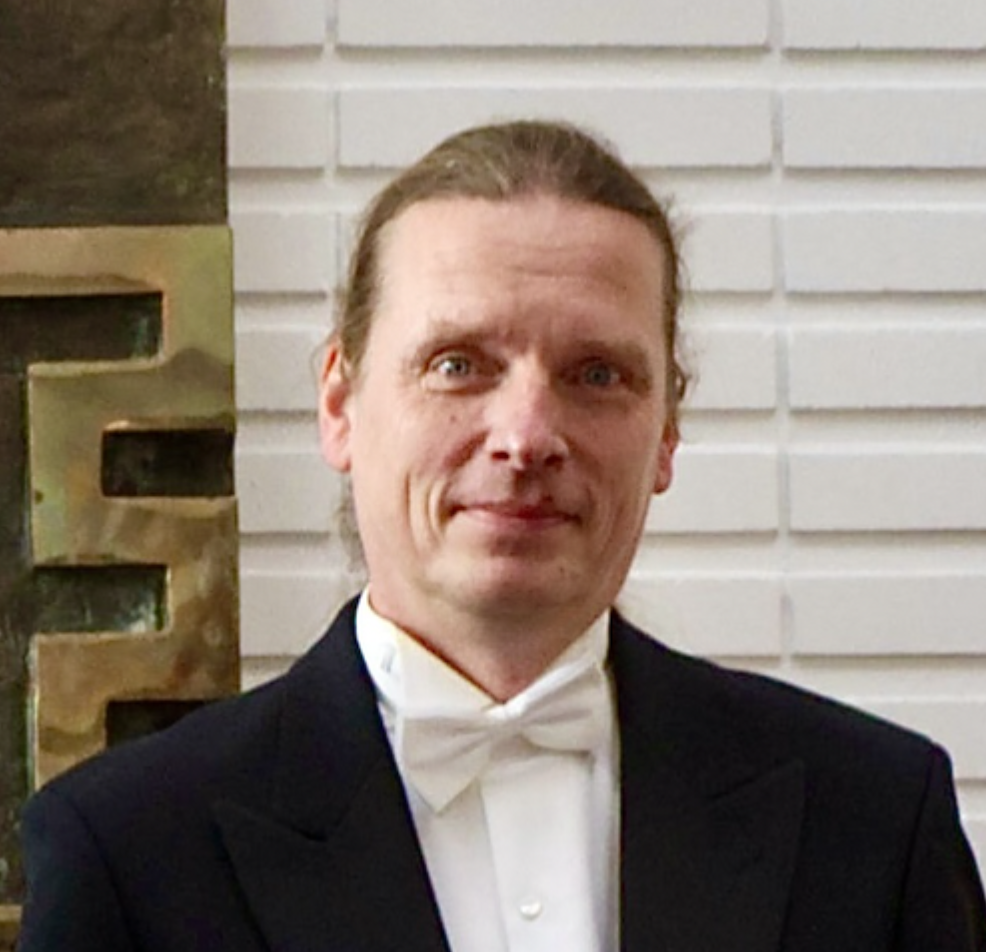
“The openness of LINXS appeals to me and is something I want to maintain within the theme,“ says Petri Kursula.
Petri Kursula has studied protein structures for over 25 years using mainly synchrotron radiation and complementary techniques, with several projects also taking advantage of neutrons. He has broad interests in structural biology, from atomic-resolution protein crystallography to disordered proteins and structure and dynamics of proteolipid membrane complexes. He explains that the research theme FunProF (Functional Proteins for the Future) has two focus areas: one is to understand the behaviour of functional proteins in the cell (in the human body or other living organisms), while the other is to engineer new functional proteins.
Harnessing new opportunities in protein science
“While proteins have been studied for more than a hundred years, we now have X-ray and neutron techniques and facilities that enable us to carry out experiments on protein function that were previously unthinkable. With the rise of computational methods such as AI, these opportunities are even greater,” says Petri Kursula.
He notes that X-ray and neutron techniques offer significant potential for studying functional proteins in an integrative fashion, while combining experimental methods and computational tools such as AlphaFold. Current AI-based approaches can predict what a protein might look like, but they provide little information about its functional state and dynamics, and predictions require experimental validation. X-ray and neutron methods, on the other hand, enable researchers to study the structure and dynamics of proteins at very high resolution. Dynamic movements are of key importance to understand and control because they can affect the function of the protein.
“Using X-rays or neutrons, we can begin to understand how the protein behaves in terms of its structure and function. We can, for example, see how each atom in the protein is arranged and, from there, visualise molecular function and even start to design enzymes to catalyse a certain reaction or antibody-like fragments to regulate protein function.”
Tackling the challenges of functional proteins
However, research on functional proteins is still developing, and Petri Kursula emphasises that scientists need to combine theories of protein behaviour with X-ray and neutron experiments in an iterative, integrative process to design functional proteins with improved or novel properties.
Conducting experiments on some of the most difficult proteins, for example membrane proteins that many theme members are interested in, is also challenging. These proteins perform important biological functions and are major targets for drug development. Yet, they are very unstable outside their native membrane environment and cannot be stored prior to the experiment, which adds another layer of difficulty to experimental studies.
To address these issues, FunProF has created a working group that will focus specifically on protein sample preparation and characterisation. The aim is to develop best practices and protocols that can be useful to the community working with functional proteins using both synchrotron and neutron facilities.
In addition to sample preparation, FunProF will focus on the design and optimisation of synchrotron and neutron experiments, the use of computational methods to better understand, design and analyse the behaviour of functional proteins, and discussions of future applications of functional proteins for health and sustainability.
“Careful design of experiments goes hand in hand with sample preparation. We will discuss what is currently possible at synchrotron and neutron facilities such as MAX IV, ESS, and DESY, and identify where current gaps and opportunities exist. Integrating computational methods into this work will be an important focus, as well as supporting improved data analysis,” says Petri Kursula.
Building a collaborative community
A key ambition is to bring together people from many different backgrounds and geographic locations who share a common research interest in functional proteins.
“When people get together, ideas start appearing. By being open and sharing knowledge with people you have not worked with before, you will soon identify new questions and problems, as well as solutions.”
Petri Kursula has first-hand experience of working in this way. During 2025, he was on a sabbatical leave as a visiting researcher at LINXS within the Chemistry of Life theme. While at LINXS, he began collaborating with researchers from other LINXS themes on beamtime experiments and funding applications.
“The openness of LINXS appeals to me and is something I want to maintain within the theme.”
The theme will start in early 2027. It has four working groups: Working Group 1: Sample Production and Characterisation Workflows; Working Group 2: Experiments on Functional Proteins at Synchrotron and Neutron Facilities; Working Group 3: Computational Approaches to Experimental Design and Data Analysis; and Working Group 4: Future Applications of Functional Proteins.