
ABOUT
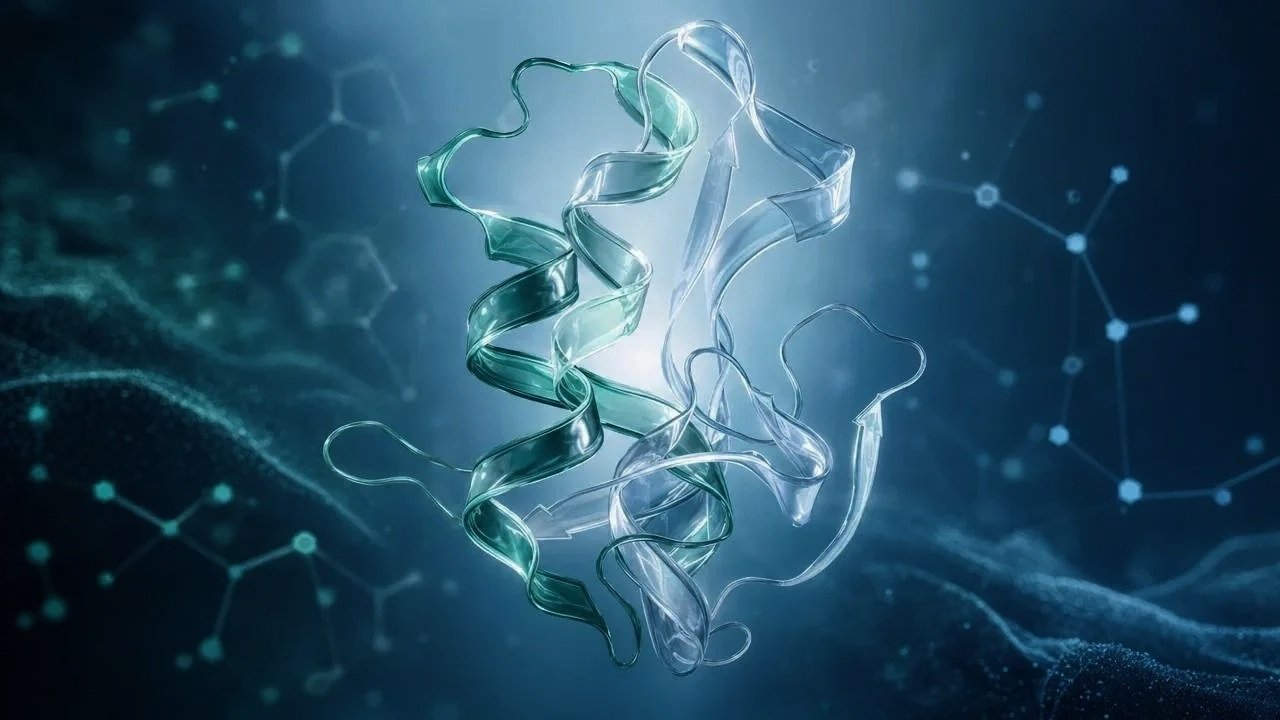
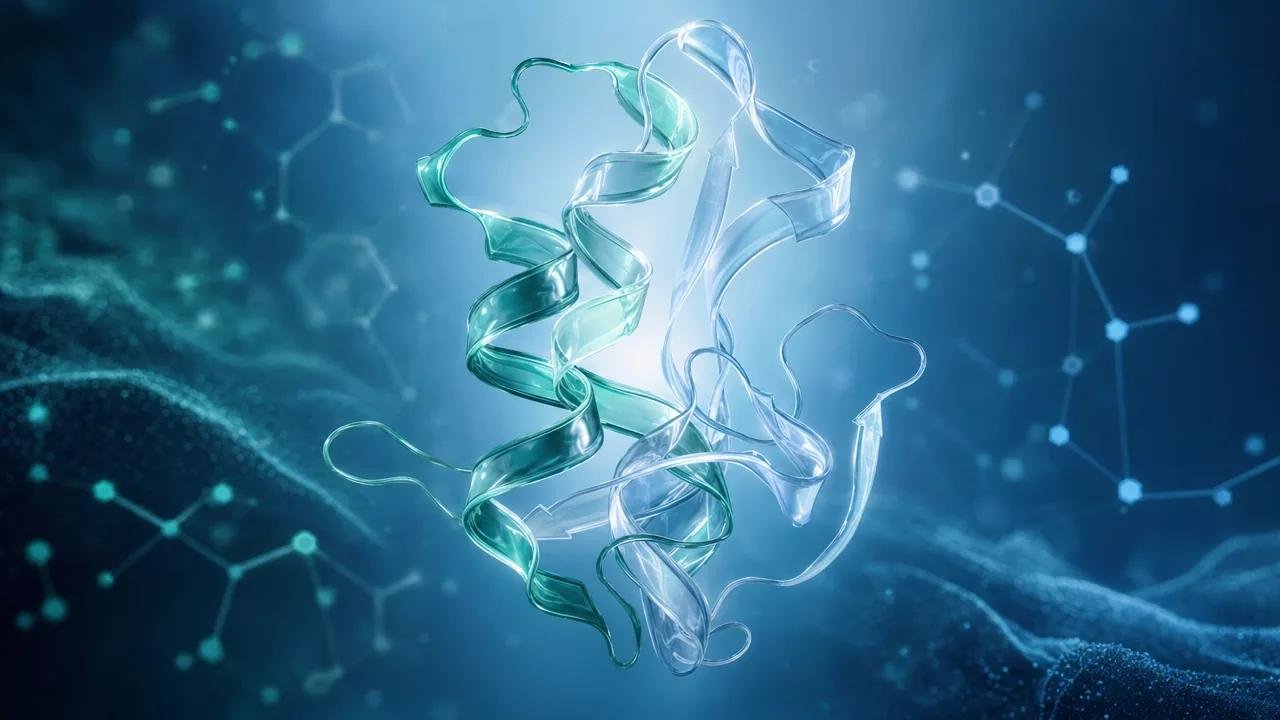
Functional proteins are increasingly important in biotechnology, healthcare and environmental sustainability. FunProF brings together researchers in protein science, structural biology and computational science to advance the understanding, design and application of functional proteins.
Combining synchrotron X-ray and neutron techniques with advanced computational approaches, including AI-based predictions, the Theme aims to improve experimental design, sample characterisation and data analysis.
Through Nordic and international collaborations, FunProF will foster scientific exchange, support early-career researchers and expand the use of large-scale research infrastructures in fundamental and applied protein research.
HAPPENING IN THEME
CORE GROUP




WORKING GROUPS FOR SHINE
WorkING Group 1
Sample production and characterisation workflows
Working Group 1 focuses on preparing samples for synchrotron and neutron experiments. Sample preparation varies vastly depending on the sample and the end application, and an optimal outcome of the experiment requires optimised preparation and detailed characterisation. The group covers the path from sample production and purification to fine-tuning before the experiment, including sample labelling such as deuteration, expanded genetic codes to incorporate modified and non-natural amino acids into functional proteins, and crystallisation and crystallography-based screening methods. Biophysical characterisation techniques are included through close contacts to dozens of Nordic facilities via NordStruct, including SciLifeLab, the BioMS Integrated Structural Biology platform, and the Lund Protein Production Platform (LP3). Methods complementary to X-rays and neutrons will also be promoted, with synergies sought with NordStruct, which provides access grants for visiting facilities.
WORKING GROUP 2
Experiments on functional proteins at synchrotron and neutron sites
Working Group 2 focuses on the experiments themselves. Several techniques and sample environments for protein research are relevant at both synchrotrons and neutron facilities, including X-ray crystallography (with serial crystallography and crystallographic fragment screening), X-ray scattering (with time-resolved SAXS, diffraction, and oriented samples), synchrotron CD spectroscopy, neutron crystallography, and SANS and reflectometry. These methods give fundamental information on molecular structure, dynamics, and function, and help to understand molecular mechanisms and biomolecular assemblies. The group addresses facility access modes, user training, and ways to carry out experiments where X-rays and neutrons are used in complementary settings. MAX IV and ESS in Lund are key sites, and other facilities will be represented, including DESY (Hamburg), ISA (Aarhus), BESSY/HZB (Berlin), and ILL (Grenoble).
WORKING GROUP 3
Computational approaches to experimental design and data analysis
Working Group 3 covers computational techniques used both before and after experiments at large-scale infrastructures. Advanced bioinformatics, mining of sequence databases, and functional evolution analysis are key tools for identifying and developing applications based on protein function, and AI-based structure prediction, for example with AlphaFold, can boost experimental work and data analysis while still requiring experimental validation. Data processing after the experiment is central to integrative structural biology, and simulations from atomistic to coarse-grained resolution need accurate experimental data and can explain findings and guide future research. The group will link FunProF to supercomputing resources such as CSC and the EuroHPC LUMI infrastructure, as well as similar infrastructures in Norway and Sweden, and representatives of PReSTO (Sweden), ELIXIR Norway, and Sigma2 (Norway) will be invited to join.
WORKING GROUP 4
Future applications for functional proteins
Working Group 4 focuses on the core idea of FunProF: functional proteins in different contexts, be it in vivo or in various applications. Its main goals are to find common ground between relevant research fields and to promote the use of photon and neutron sources in research projects. A key example is environmental micropollutants: drugs, herbicides, pesticides, and other human-made small molecules that resist microbial degradation, bypass waste treatment, and bioaccumulate in wildlife, and that call for high-throughput, sustainable protein-based biotechnology able to modify, degrade, or synthesise them. Together with the other groups, WG4 will brainstorm and plan experiments on protein-based tools and their structure-function characterisation, with applications ranging from molecular imaging of cells and tissues, structural chaperones, and protein dynamics to industrial catalysts, diagnostic and therapeutic molecules, and protein engineering. Academic, private, and public sector researchers are invited to join.
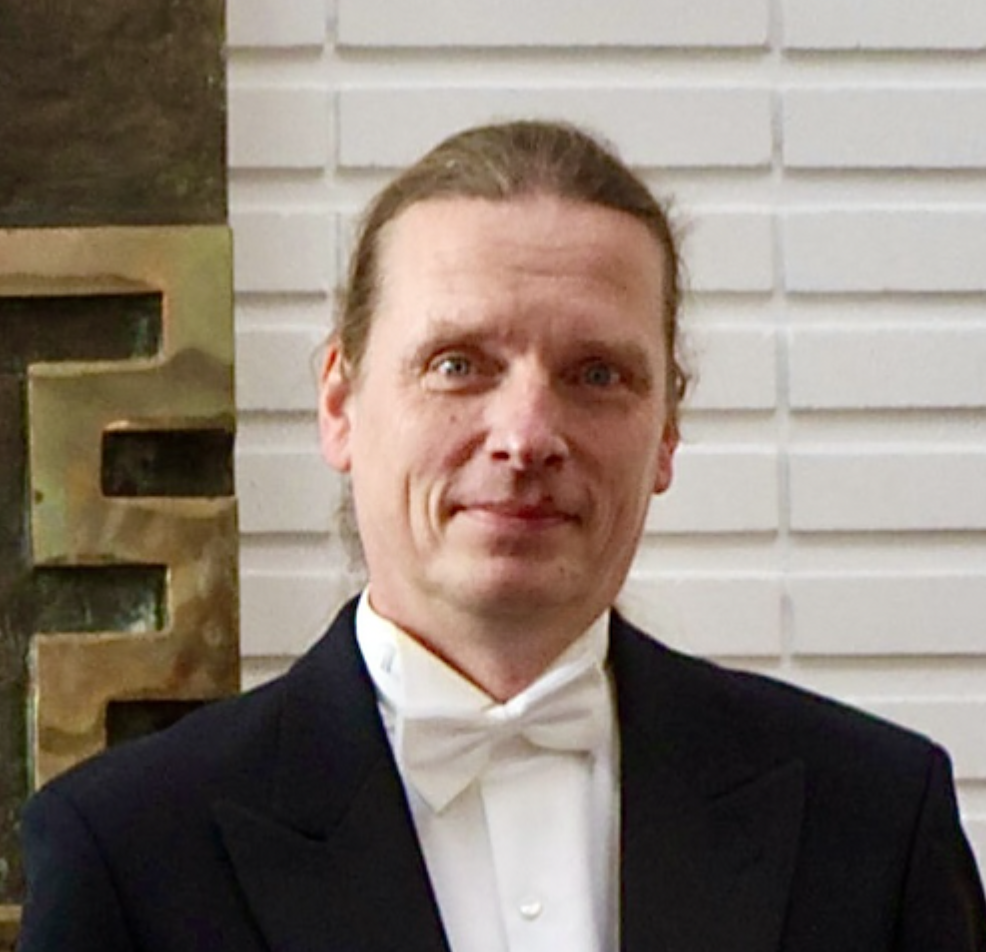
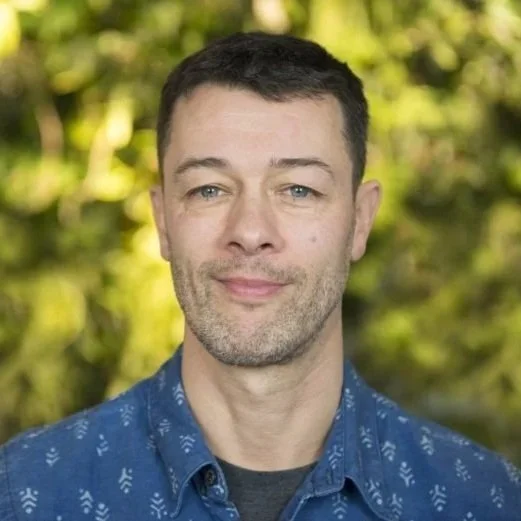
Functional Proteins for the Future Theme Leader, LINXS Fellow
Professor, University of Bergen, Norway
Prof. Kursula is a professor in the Department of Biomedicine, University of Bergen, and Scientific Director of the BiSS core facility. His expertise covers sample preparation workflows, core facilities, structural biology, and the use of synchrotron and neutron sources. He is a member of the Programme Advisory Committee of MAX IV, a Steering Committee member of the NordForsk infrastructure hub NordStruct, and a member of the scientific programme committee of the European Conference on Neutron Scattering (ECNS2027). He was a guest scientist at LINXS in 2025 and is a LINXS Fellow. Prof. Kursula has published more than 160 peer-reviewed articles and deposited more than 200 protein structures in the Protein Data Bank.